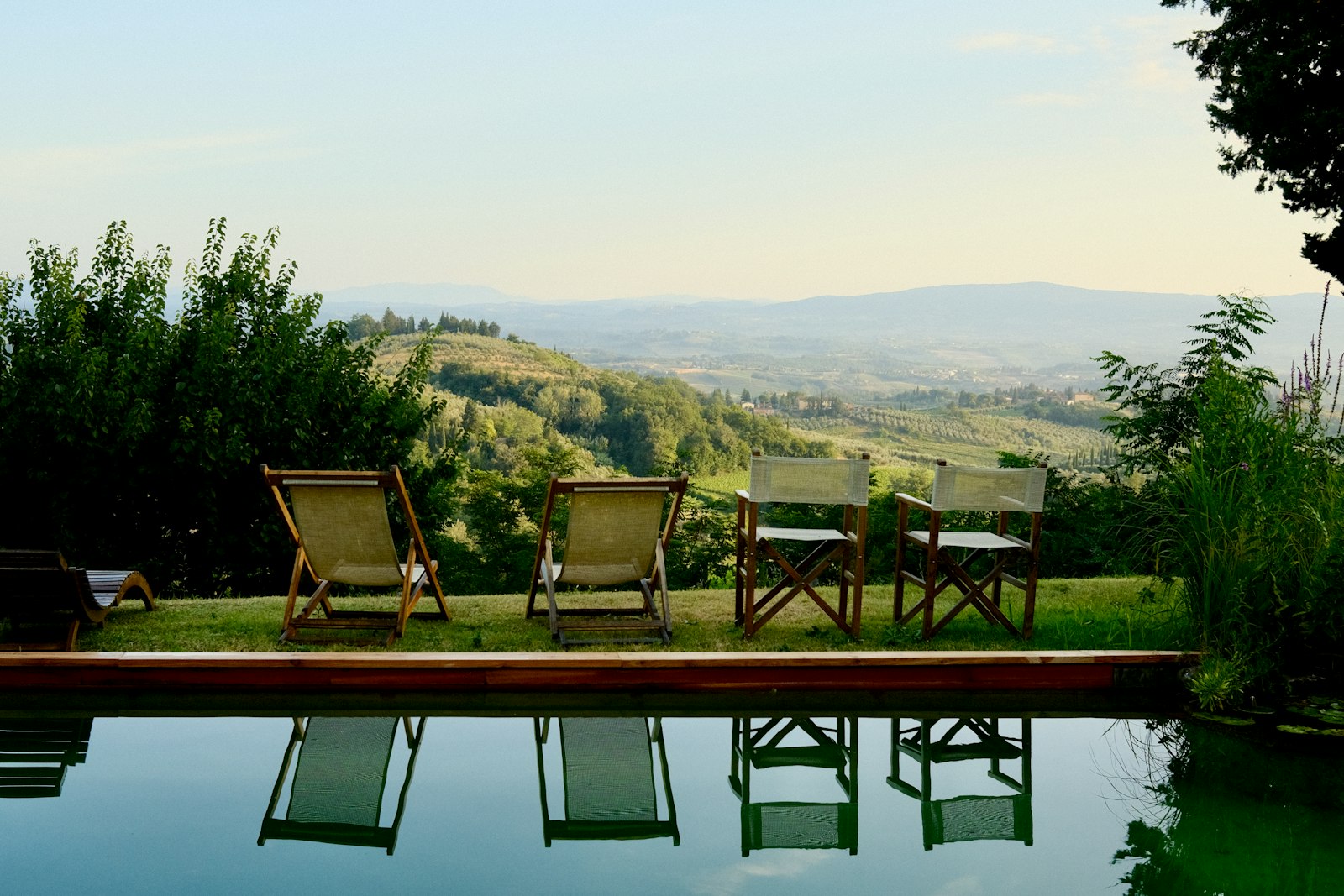
One house, and everyone's under it
Tuscany is the rare trip that organizes itself around a single rented house — and the house gets cheaper per head the more of you show up.
Most group trips start as a negotiation about logistics. Tuscany starts as one about which of you gets the room with the view. Rent a farmhouse, put everyone under its roof, and the hardest decision is made — the rest of the week is just which winery, which hill town, whose turn to cook. The region was built for the long lunch and the longer table, and a group is how you do it right.
This guide covers the villa-week version of Tuscany, at two sizes. Where the advice changes with headcount, we say so — at four to six you keep it loose: one car, a farmhouse an easy drive from Florence. At eight or more you're running a small household, which is its own kind of fun once you plan for it. The food, the wineries, and the art get their own Tuscany guides, linked as we go.
One rule first, because it saves every group from itself: two things a day, not six. Tuscany punishes the itinerary that ticks off ten towns and rewards the one that picks a pool, a tasting, and a dinner. Now — the house.
Where a group sleeps: rent the whole farmhouse
One agriturismo or villa beats four hotel rooms on every count that matters — the kitchen, the table, the pool, and the price.
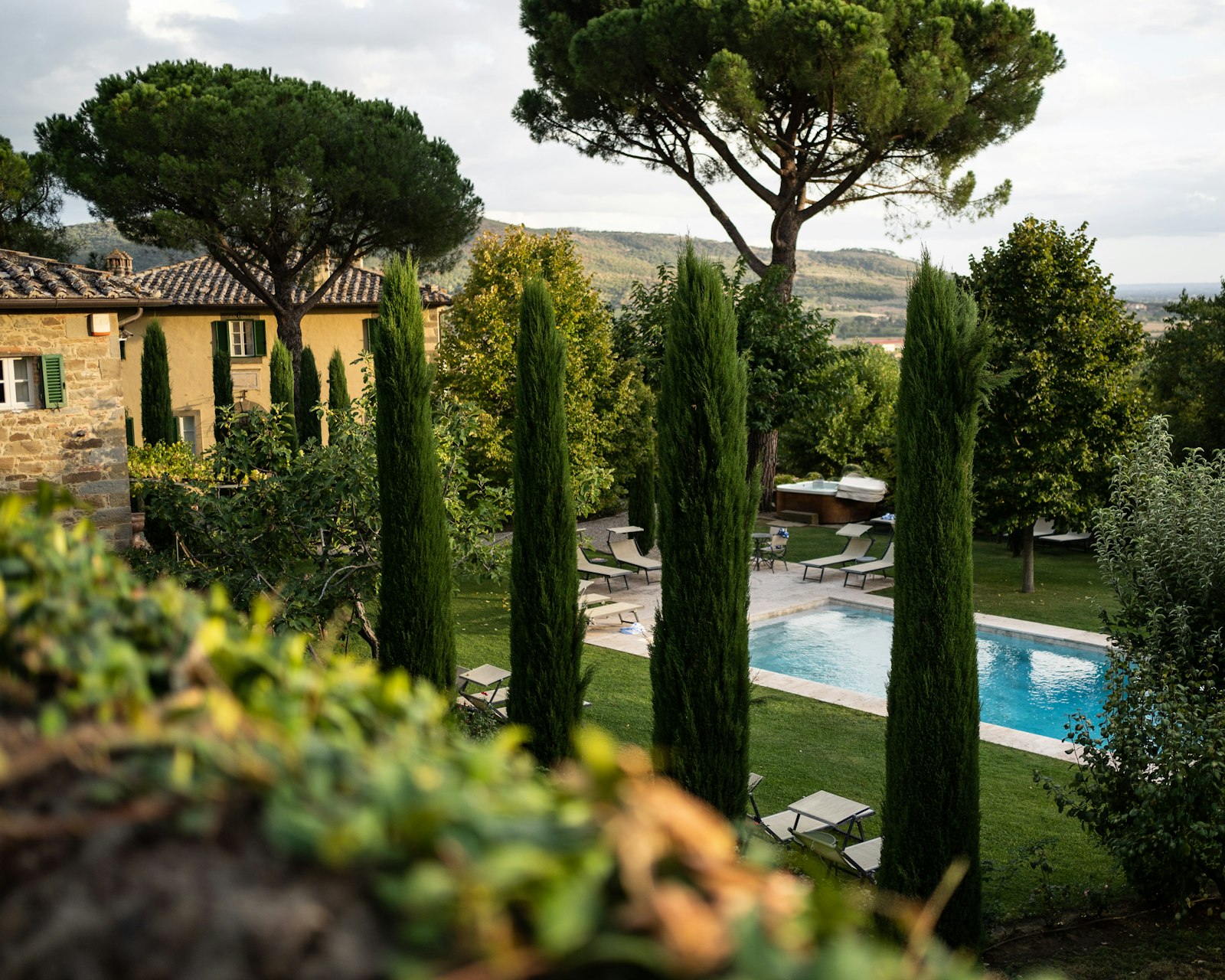
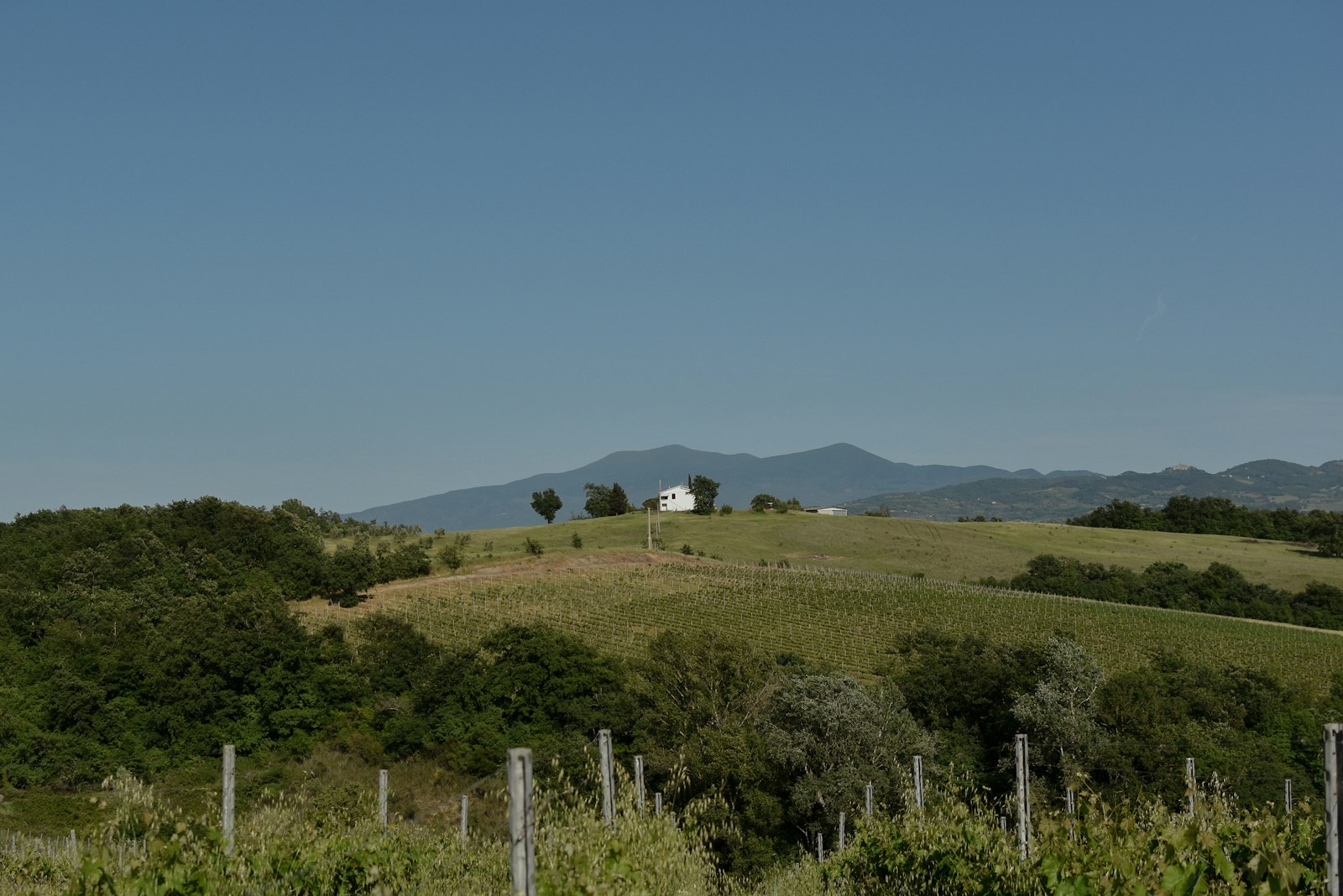
Book the house first and the trip half-plans itself. The move is a whole-house agriturismo — a working farm that rents rooms and often feeds you what it grows — or a private villa, rented entire. You get a kitchen, a long table, usually a pool, and a price per head that undercuts four hotel rooms, especially once you cook half your dinners. Two bases beat five: settle the group in one farmhouse and day-trip out, rather than dragging suitcases to a new town every night.
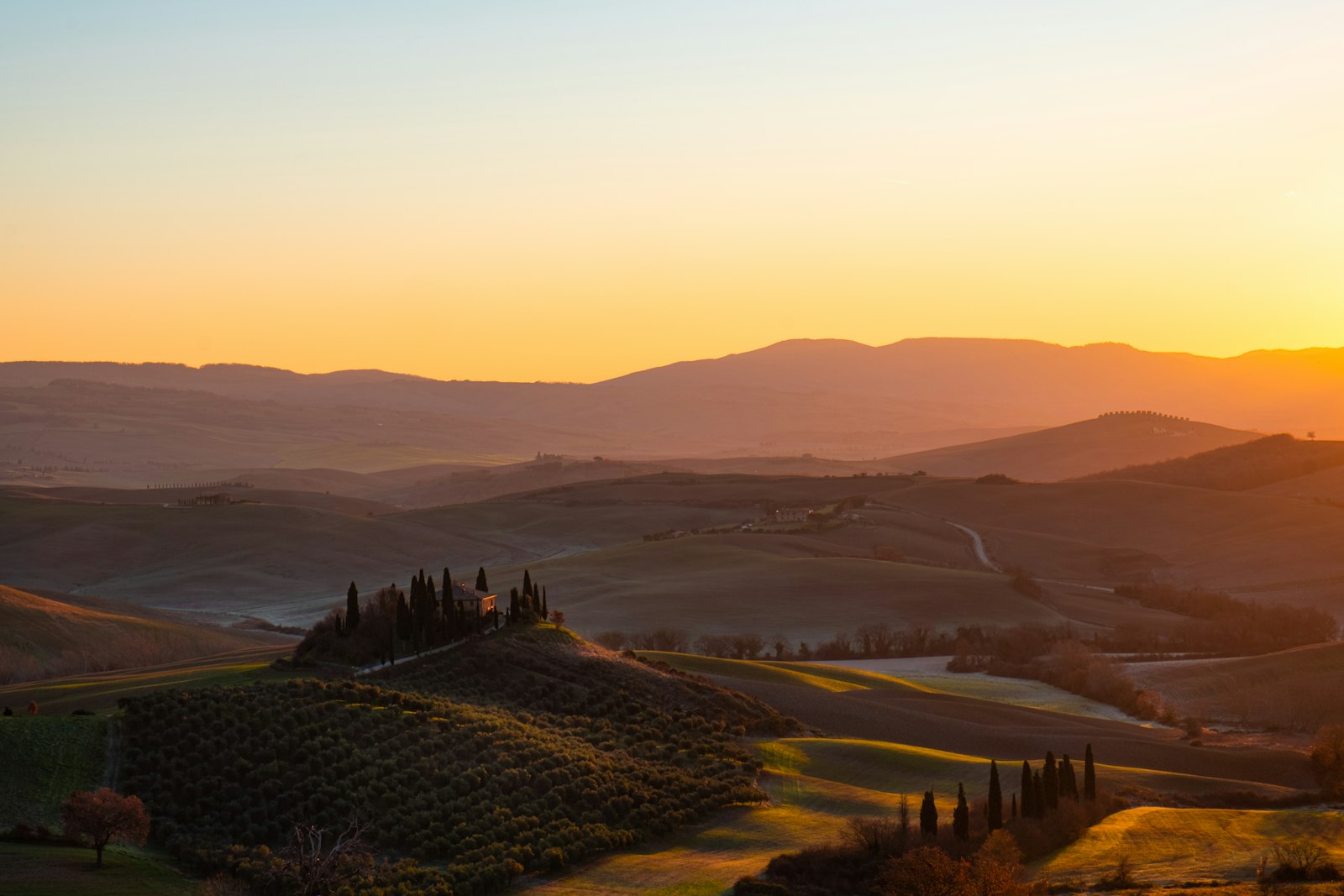
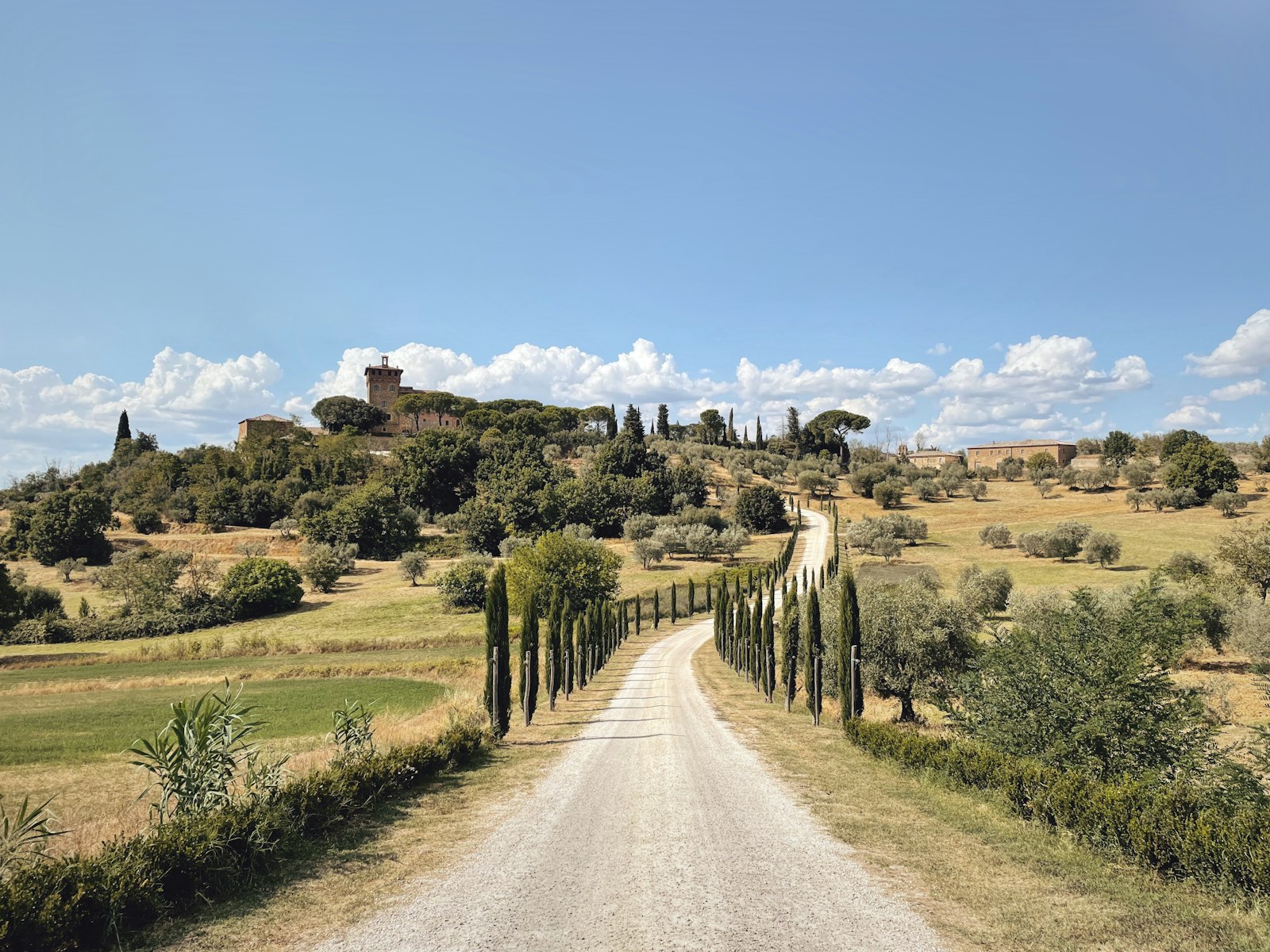
Where to point: Chianti, between Florence and Siena, keeps you close to everything; the Val d'Orcia south of Siena — near San Quirico or Pienza — trades convenience for the cypress-and-ridge views you came for.
At four to six: a two- or three-bedroom farmhouse a short drive from Florence, and one rental car. You can improvise most days.
At eight or more: rent the villa entire, and treat the pool as non-negotiable — a Tuscan July is hot, the nearest town is a drive, and the pool is where half the trip happens. Before you pay, confirm two things: how many real bathrooms (the shower queue is what turns a villa sour), and whether the kitchen feeds everyone at once. Book early — the good summer houses are gone by the winter before — and message the owner directly, so they say honestly whether the place hosts twelve or merely sleeps them.
Someone is going to front the deposit on all this, and in Tuscany it is not small — a serious favor to the group. Be kind to them; we'll come back to them.
Eating as a group: one long table, and the kitchen you rented
Which meals need a reservation, which need only cash and a long table, and which need nothing but the house you rented.
The book-ahead tier, for your one big night out: the bistecca alla Fiorentina, less a menu item than a group ritual. A thick Chianina T-bone, grilled hard, served rare, sold by weight — €45–55 a kilo, and a good one runs a kilo or more, feeding three or four. Order it for the table, never per person, and never well done. Florence's classics: Buca Lapi, in a cellar since 1880 (call ahead), and lunch-only Trattoria Mario, no bookings — ten of you turn up at noon or split across two turns.
Dario Cecchini's Officina della Bistecca
In Panzano in Chianti, Tuscany's celebrity butcher runs a set meat feast at communal tables — sit down with strangers, leave friends. One fixed price, wine included, nobody reads a menu or itemizes the bill. Book ahead; it's the easiest "everyone dressed up a little" dinner in the region.
The no-reservation tier, where headcount stops mattering: the sagra, a village food festival built around one ingredient — wild boar, porcini, chestnut — where the whole town cooks and you eat three courses at a folding table for the price of a cocktail back home. Cash only, no booking, long shared table. Same energy at a lampredotto cart like Nerbone in Florence's Mercato Centrale: nobody sits, nobody books, ten people is just a happier line.
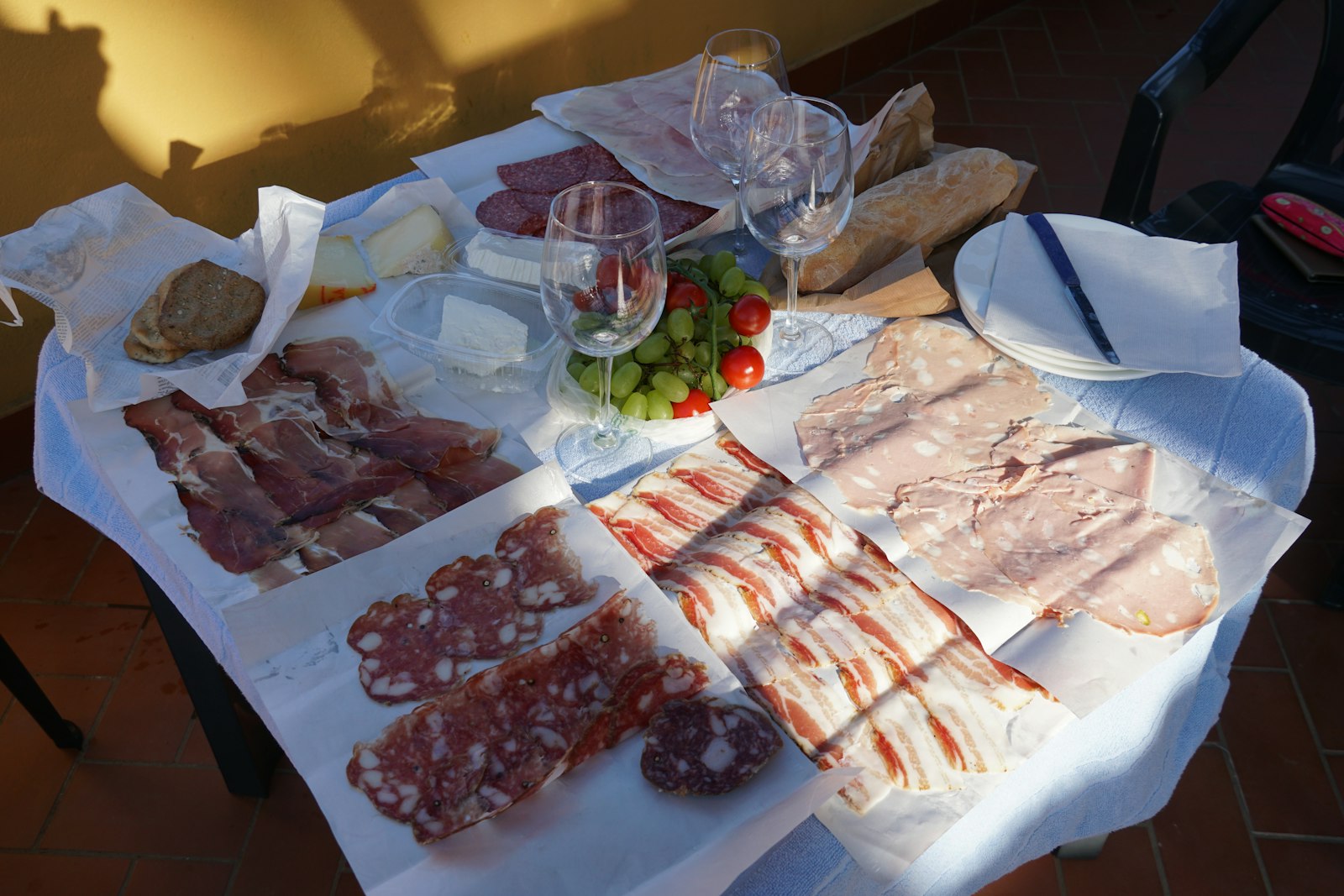
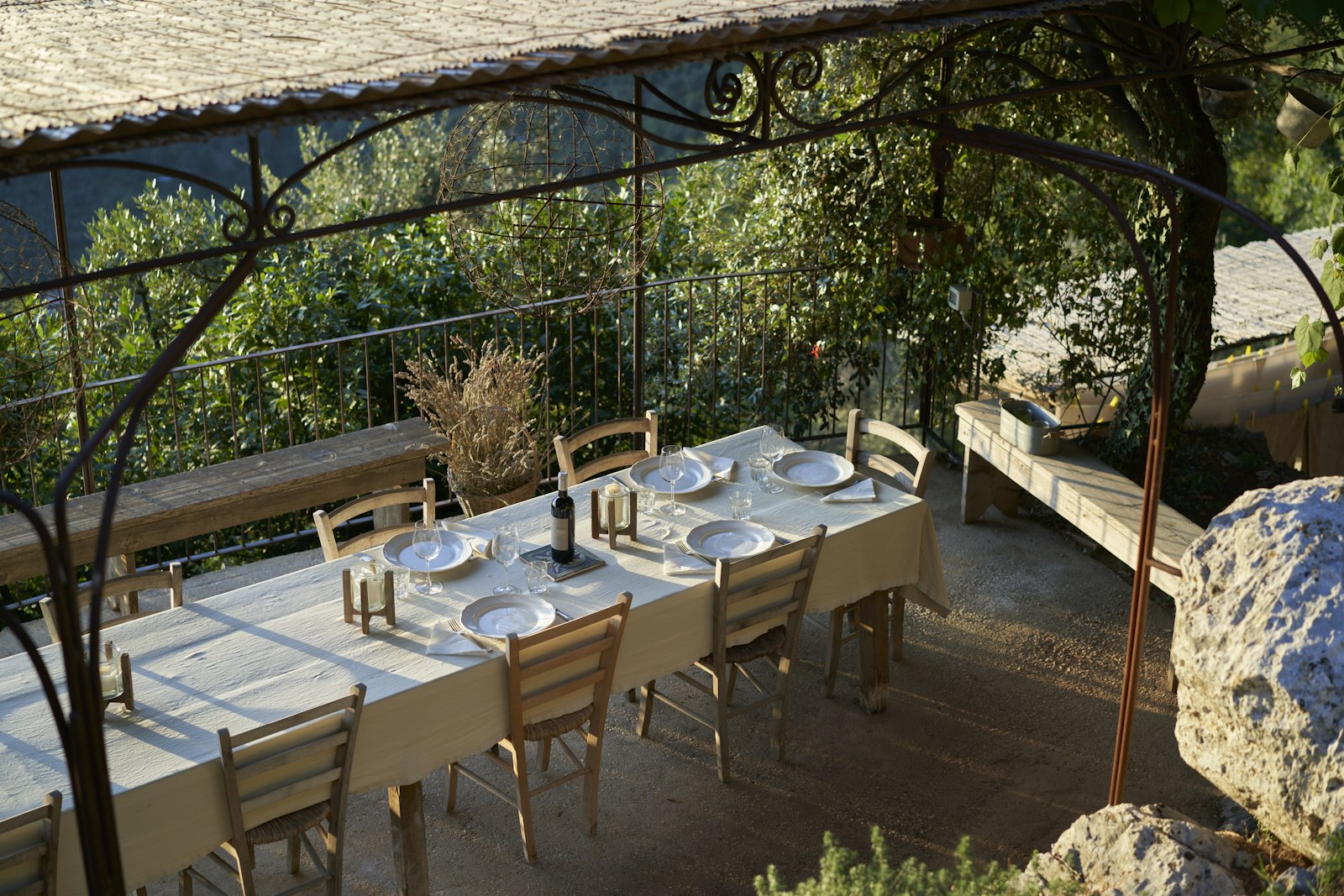
And the tier that makes the villa week: the night you cook at home. Raid Sant'Ambrogio market in Florence — better than the tourist one — for pecorino, porchetta, tomatoes, and someone's house wine, and cook it on the long table back home. Best meal of most Tuscany trips, for less than one restaurant round. The full menu is in our food guide; steal from it.
The things that get better with a full house
Per-van winery days, per-table steaks, and a house whose price drops every time someone else says yes.
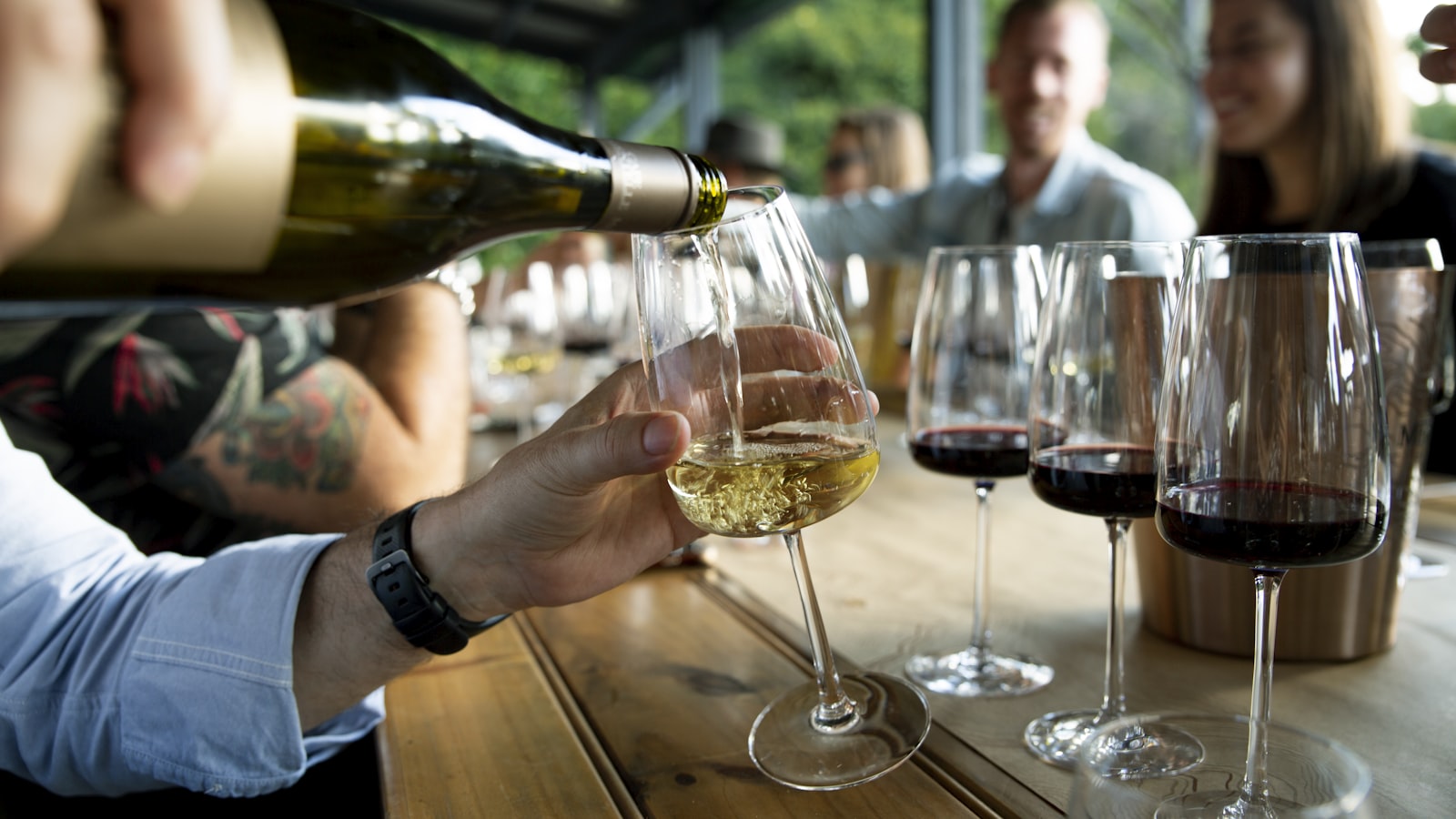
Start with the winery day — the one a group does better than anyone. Book two or three estates, not six, and hire a driver: Tuscan back roads plus a flight of Brunello is not a combination you drive yourself. The van splits per car, not per head — ten people each pay less than a couple would. The estates that welcome groups and book on their own sites: Antinori nel Chianti Classico, an architectural showpiece near San Casciano; Castello di Ama in Chianti, wine plus contemporary art; and for Brunello, Castello Banfi or Il Poggione in Montalcino.
The van splits by the carload, the steak by the kilo, the house by the week. None of it splits by the person — which is the whole trick.— On the Tuscan math
Then the house itself, cheaper and better with every extra head: the pool, the long dinners, coffee for twelve on the terrace. A cooking class at the farmhouse — make the pasta and the ragù, then eat your homework — is priced for the group. And the once-a-trip splurge, a sunrise hot-air balloon over the vines, is best divided across a lot of people who'll never forget it. Pick two, not five. Remember the rule.
Two cars, the white roads, and the train for the cities
Trains do the cities, a two-car convoy does the hills, and the ZTL cameras do not accept excuses.
Split your transit the way the region does. Trains handle the cities — Florence, Siena, Lucca, and Pisa are linked by fast, cheap regional trains (often €10–20), and you don't want a car in their centers. Cars handle everything else: Chianti, the Val d'Orcia, the wineries, the hill towns are near impossible without one. At four to six, one car covers it. At eight or more, you're a two-car convoy — book automatics early, they sell out — and the rule is the same: rally at a place ("the Coop car park in Greve"), not a concept, one navigator per car, nobody leaves until both cars do.
Two honest warnings that save real money. First, the ZTL: historic centers are camera-monitored limited-traffic zones, and one wrong turn is an automatic fine that reaches you by mail months later. Park outside the walls and walk in. Second, the strade bianche, the white gravel roads through the vineyards, are gorgeous and narrow — the destination, not a shortcut, so take them slow.
One honest word on the crowds. Tuscany is very safe; the only real risk is the ordinary one — pickpockets working the tourist crush around Florence's Duomo and Pisa's Leaning Tower. Easy for a group to solve: phones in front pockets, bags zipped and worn in front, stay paired rather than scattering. For a day trip into Florence the train wins outright — no ZTL fine, no parking, and you nap on the way home.
A group week, honestly paced
Not a three-day dash — a week that breathes, built around the house.
A region isn't an itinerary, it's a rhythm. Here's a week-shape that flows, not a checklist to race through.
The market morning. Early in the week, do the big shop — Sant'Ambrogio in Florence, or a market town like Greve — and stock the villa. This is the haul that makes the cook-at-home nights possible, and it's half the fun.
The winery day and the cook-at-home night. Spread two or three tastings across the week, the hired-driver day as the centerpiece, then give one night to the kitchen: everyone in, the long table dragged to the terrace, a cooking class earlier if you want the pasta right. The night people bring up for years.
Convoy days into the hills. Val d'Orcia for the views, San Gimignano for the towers and championship gelato, Pienza for the best pecorino in Italy, Montalcino for a Brunello afternoon, and a free soak at the Cascate del Mulino in Saturnia to close one out.
Day trips by train. Florence is an easy ride and has its own group guide; Siena is shorter still, its shell-shaped Campo made for a group picnic. Both beat driving into a ZTL fine.
And one day with no plan at all. Its only agenda: the pool, a book, a long lunch — usually the one everyone remembers. Want the non-group version? The comprehensive guide has the full week, the culture guide the art worth splitting up for.
Where we would book
Direct with the owner, direct with the estate, and nothing through a middleman.
The house is the booking that matters most, so book it direct with the agriturismo or villa owner when you can — they often hold a better rate than the platforms and will tell you whether the road in is paved. For eight or more, message before booking. Rent the car ahead on a major agency's own site (automatics sell out first), and buy train tickets from Trenitalia or Italo — no reseller is worth a markup on a €20 train. Wineries take their own bookings — Antinori nel Chianti Classico and Castello Banfi both do — so skip the "tour platform" fee; for the tasting day, a local driver you hire directly beats a branded minibus if your group fills the car. Cooking classes and Vespa rentals: the operator, direct. And the best soak in Tuscany, the Saturnia springs, is free.
Related guides
- Your Tuscany Travel Guide: A Week, Honestly Done — the whole region, for any size of trip.
- Tuscany Food Guide — the bistecca, the pici, and the wines for the long table.
- Things to Do in Tuscany — the wineries, the hills, and the hot springs behind the whole week.
- Tuscany Culture Guide — the Renaissance and the Palio, for the day you split up.
- Siena Group Trip Guide — a walled hill city built for one long table.
- Mexico City Group Trip Guide — another place built for a big table, for when the group catches the travel bug.