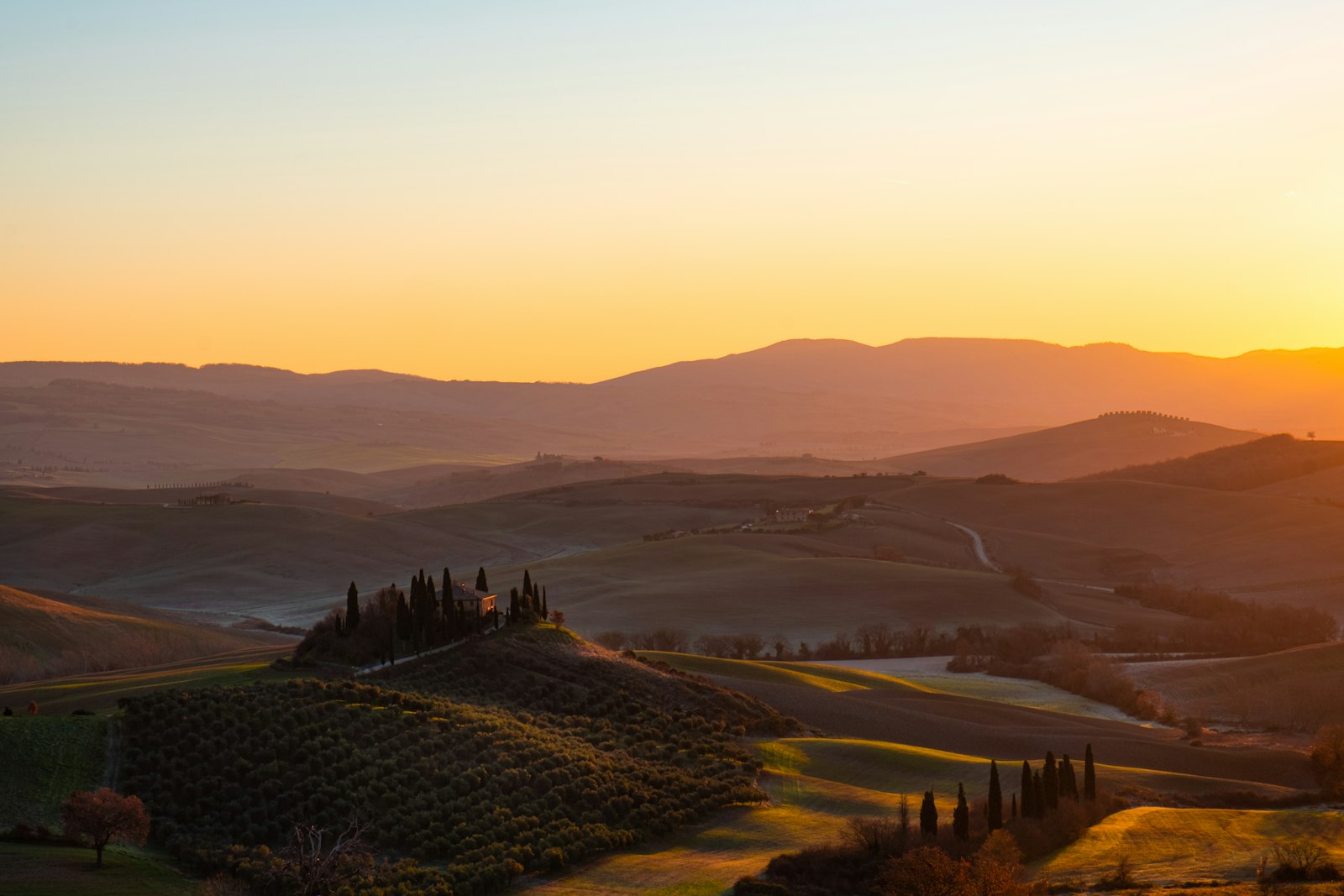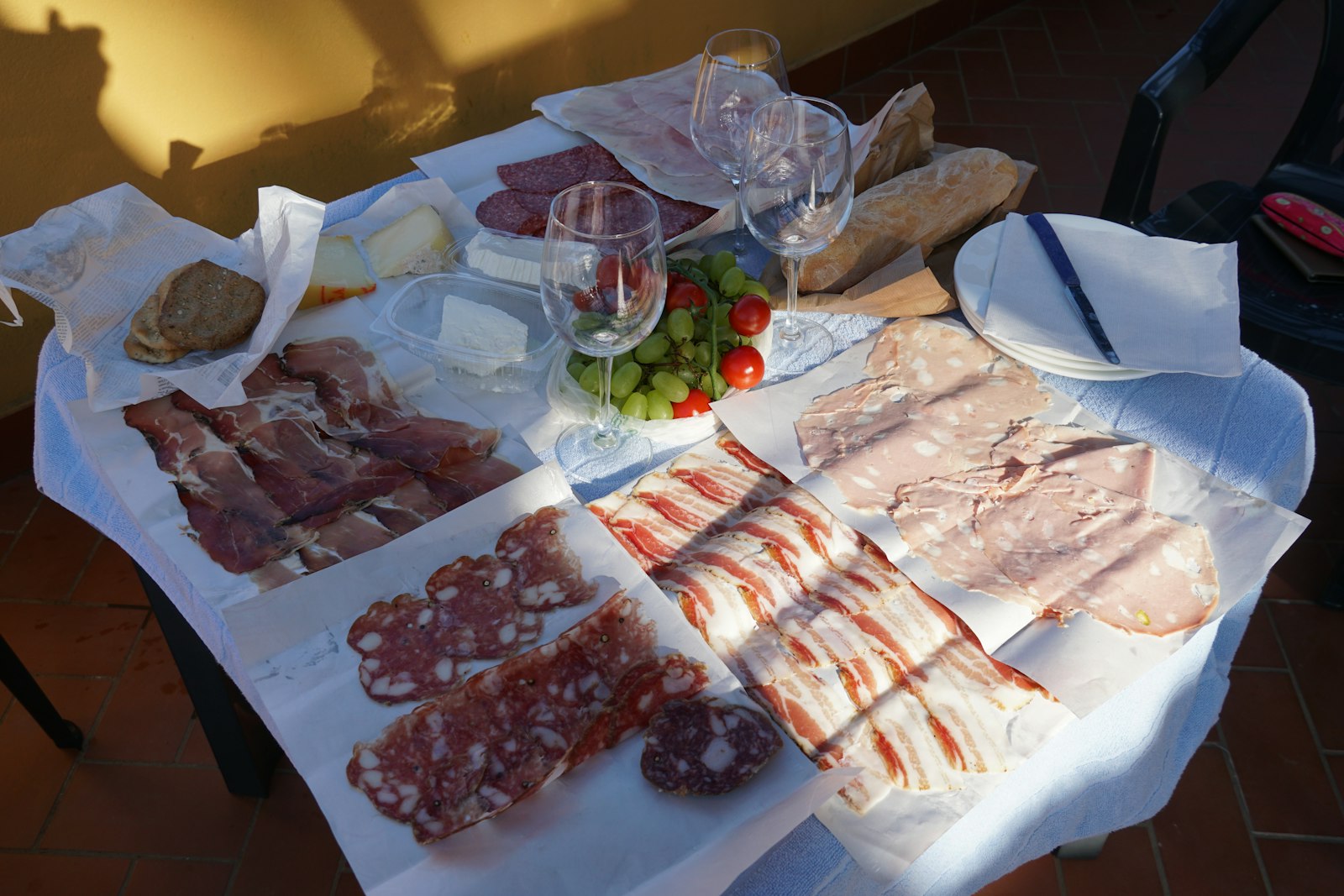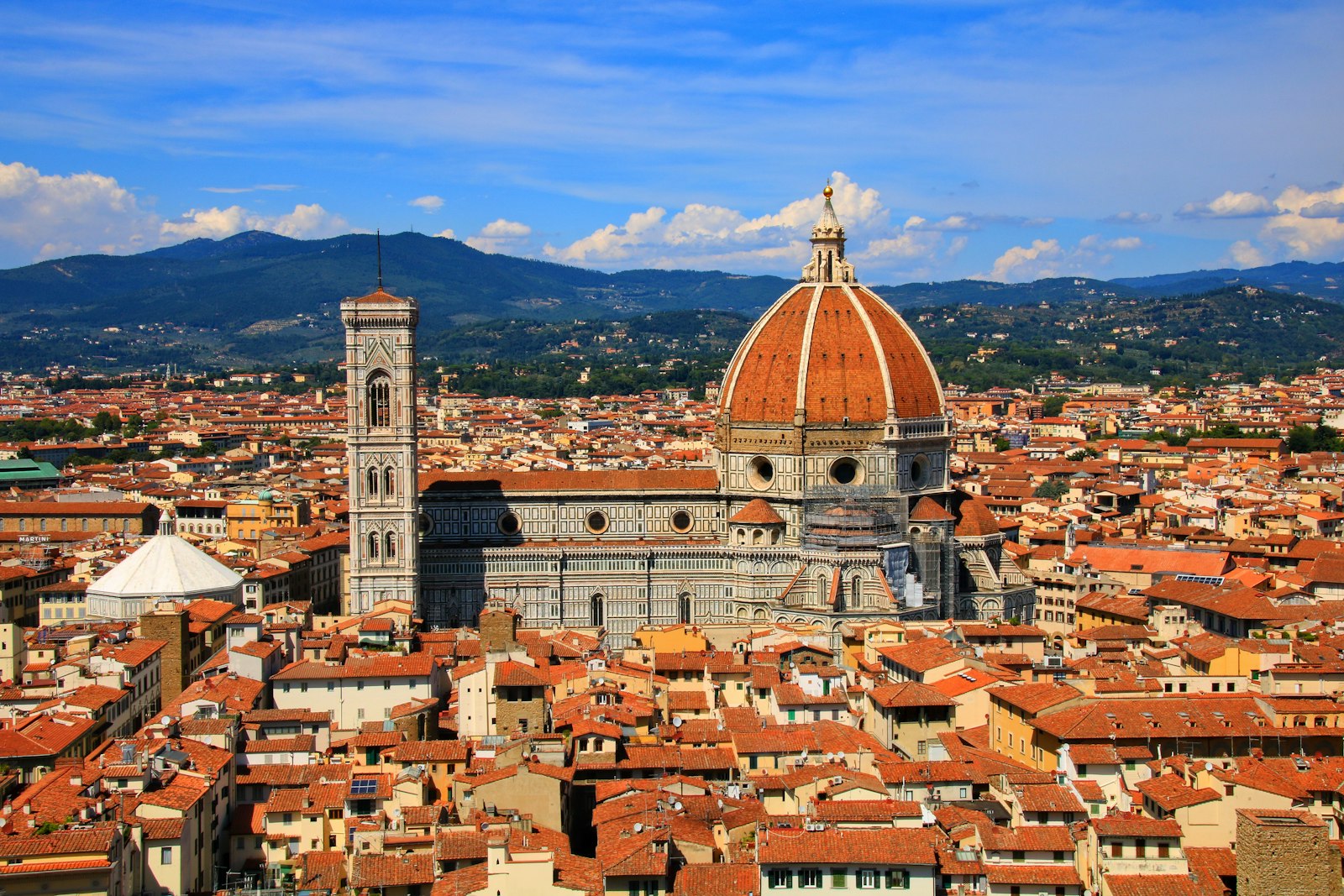
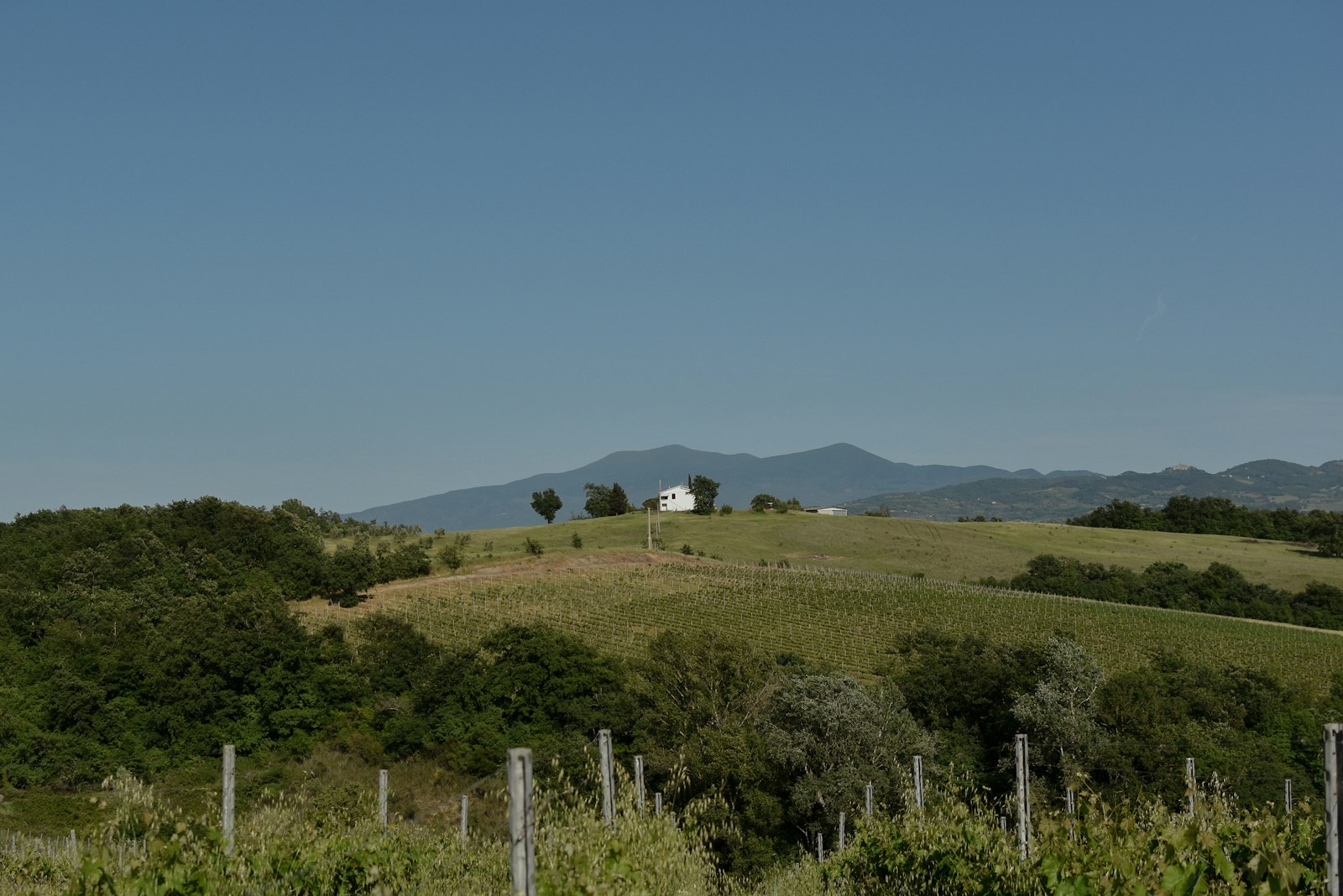
Tuscany rewards doing as much as looking. You can taste your way through some of the best wine on earth, ride a bike across the same white roads the pros race on, soak in a hot spring that's been running since the Romans, and learn to make pasta from someone's nonna — sometimes all in one very good day. Here's how to fill a week with the kind of plans your group will still be talking about next year.
Wine country, done properly
Chianti, Montalcino, Montepulciano — book ahead, go slow.

This is the headline act, and the trick is to do less of it, better. Don't try to hit six wineries; pick two or three, book ahead (the good estates need a reservation, not a drop-in), and let each one take its time. Chianti, between Florence and Siena, is the easiest to reach — vineyards and long lunches a short drive apart. Montalcino pours Brunello, the king; Montepulciano pours Vino Nobile. A few estates that welcome visitors and book online: Antinori nel Chianti Classico (an architectural showpiece near San Casciano) and Castello di Ama (wine plus contemporary art) in Chianti; Castello Banfi and Il Poggione for Brunello in Montalcino; Avignonesi for Vino Nobile in Montepulciano. The non-negotiable: line up a driver or a tour for any serious tasting day. Tuscan back roads plus a flight of Brunello is not a combination to drive yourself.
Get out into the landscape
Two wheels, two feet, or a Vespa — the hills are the attraction.
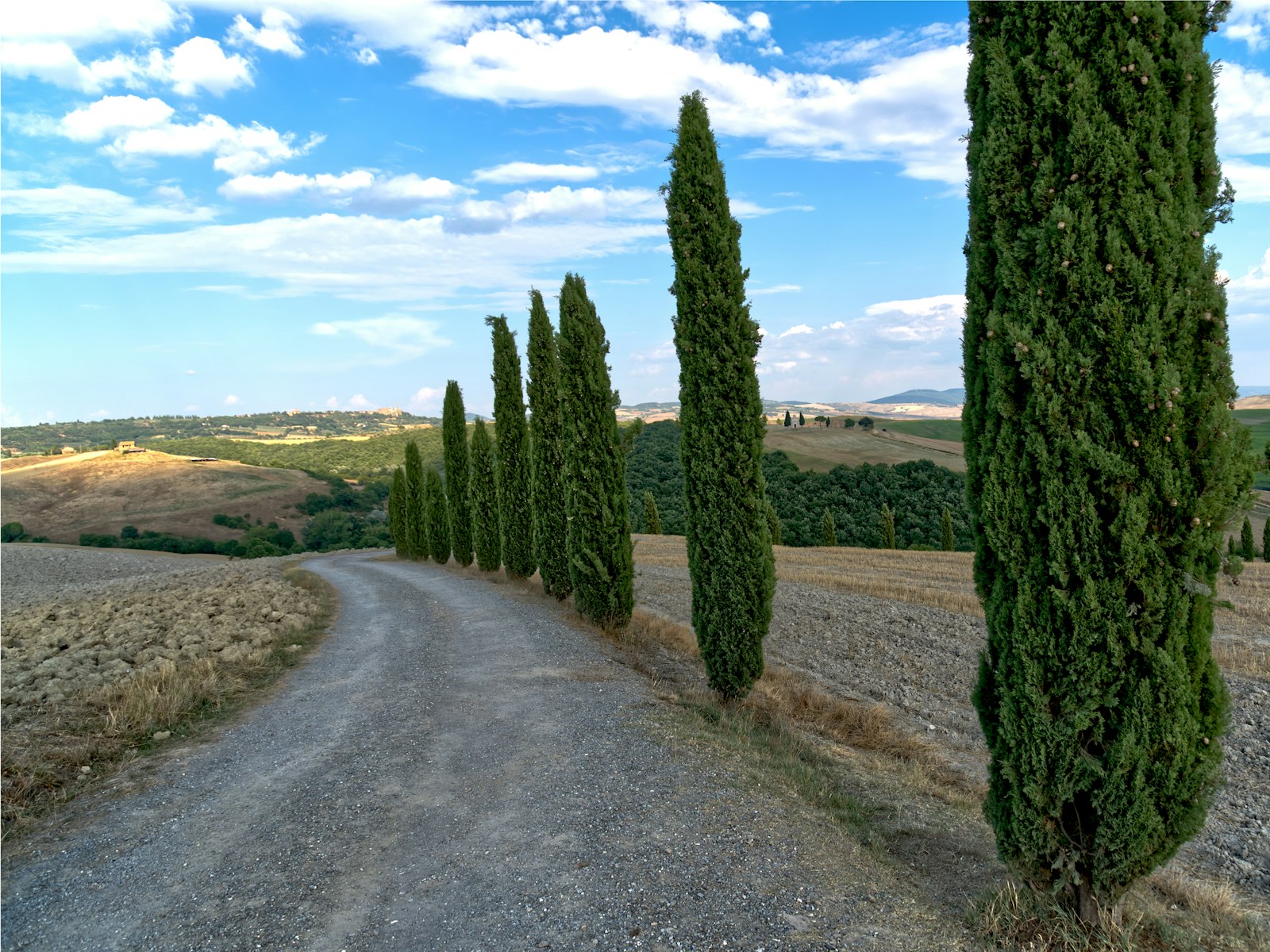
The scenery isn't a backdrop, it's the activity. Cycling here is world-famous — the white gravel strade bianche draw riders from everywhere, and you don't need to be racing to enjoy a slow morning between vineyards (e-bikes make the hills a joke). On foot, the Val d'Orcia trails connect hill towns through exactly the views you came for. Want the postcard with less effort? Rent a Vespa for a day, or splurge once on a sunrise hot-air balloon over the vines — pricey, unforgettable, and best split across a group.
Rent the e-bike. Your legs will thank you and the hills still count.— On enjoying the climb
Hot springs and slow days
Saturnia, a cooking class, and the art of doing less.
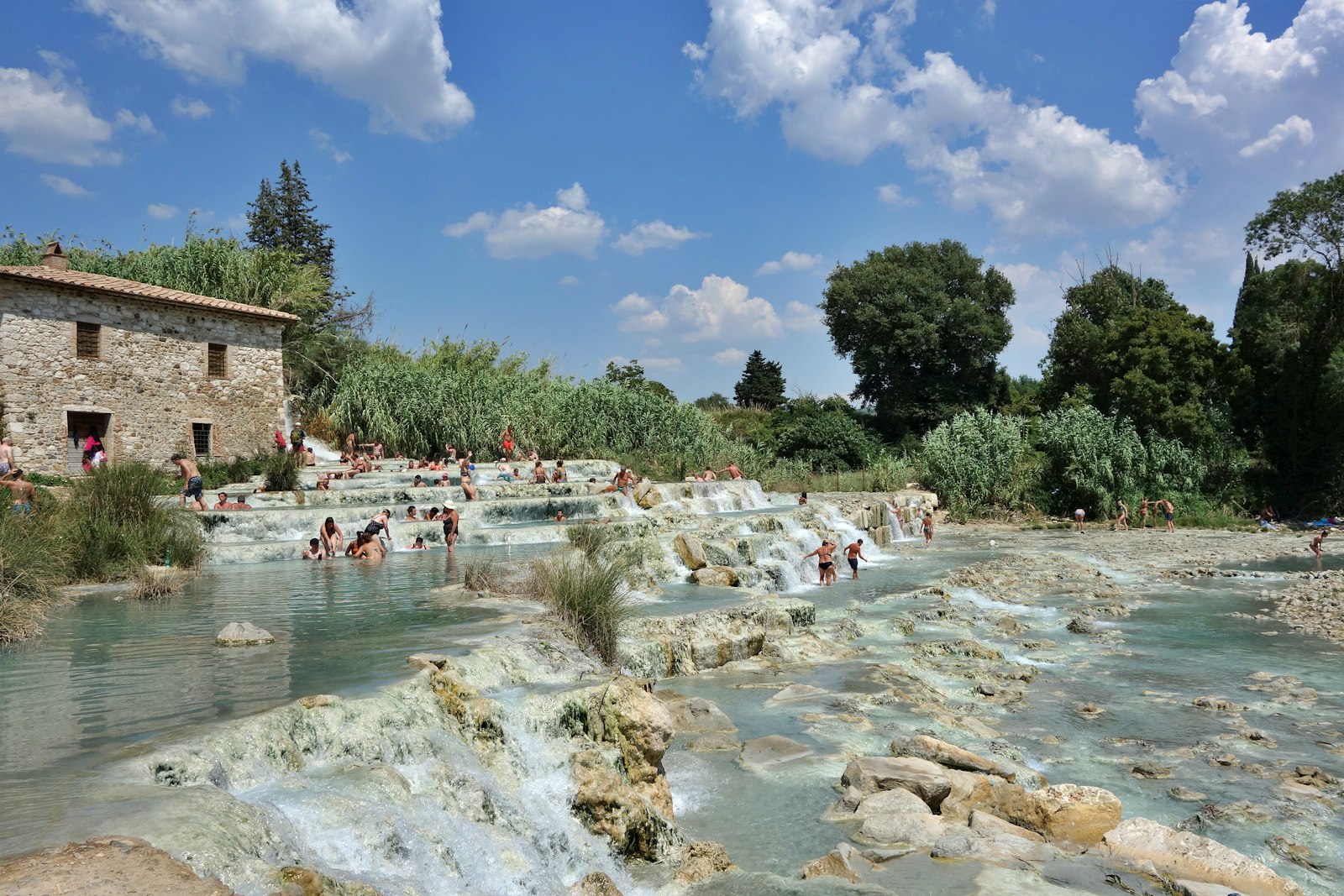
Build in days that aren't about ticking anything off. The thermal falls at Saturnia (the Cascate del Mulino) are free, open at all hours, and exactly as good as the photos — go early or late to skip the crowds. Bagno Vignoni, up in Val d'Orcia, built its whole village square around a steaming Renaissance bathing pool. On a rainy afternoon, book a cooking class at a farmhouse — you'll make the pasta and the ragù, then eat your homework over wine. Truffle fans: San Miniato runs hunts (and a big festival each November) where you follow a dog into the woods and dig up lunch.
Saturnia is free
The famous terraced pools at the Cascate del Mulino cost nothing — no ticket, no booking. There are paid spas nearby if you want a robe and a lounger, but the best version of this is the free one. Bring water shoes and a towel and skip the upsell.
Day-trip anchors
Towers, a shell-shaped square, and the coast nobody mentions.
When you want a destination for the day, the region delivers. Climb a tower in San Gimignano and reward yourself with championship gelato in the square. Sit on the warm bricks of Siena's Piazza del Campo and watch the city go by. See the Leaning Tower in Pisa in a focused half-day. And if you've got beach people in the group, the Maremma coast and its wild parks are Tuscany's great secret — pine forests, long sand, and barely a foreign accent in earshot.
Where we would book
Book wineries straight through the estate's own site or by email — Antinori nel Chianti Classico and Castello Banfi both take bookings on their own sites — they hold the tasting slots themselves, and a third-party "tour platform" usually just adds a fee on top of what the winery already offers. Same for cooking classes and Vespa rentals: go to the operator direct. For a tasting day, hire a local driver rather than a branded minibus tour if your group can fill a car — it's often cheaper and always more flexible. And the best thing on this whole list, Saturnia's springs, is free. We'll never send you to a reseller for something the source sells better.
Related guides
- Your Tuscany Travel Guide — how to base yourselves and get around.
- Tuscany Food Guide — what's in the glass and on the board.
- Tuscany Culture Guide — the art and history between activities.
- Florence Activities Guide — what to do in the region's capital.
- Tuscany Group Trip Guide — the same hills, planned for six or ten of you.