
Ten friends, twenty-five minutes, one enormous steak
Florence is small enough to walk end to end and blunt enough to price dinner by the kilo.
Most cities make a group choose between logistics and fun. Florence quietly deletes the logistics. The whole historic center fits inside a twenty-five-minute walk, the trattorie still seat strangers at shared tables, and the signature dish — bistecca alla fiorentina — is priced by the kilo, so dinner gets easier to split the more forks you bring. Four friends here is a very good long weekend. Eight is a rolling dinner party with frescoes.
Where the advice changes with headcount, we say so — at four to six you can improvise everything except the tickets; at eight or more, a little structure keeps you moving like a group instead of a search party. The deep dives on food, museums, and day trips live in our other Florence guides.
One rule holds it together: book four things before you fly — the dome climb, the Uffizi, the Accademia, and one serious dinner — then plan no more than two a day. Florence punishes the unbooked with queues and rewards everyone else with golden light. Now — beds.
Where a group sleeps: the Oltrarno, or the hills
Apartments by Santo Spirito at six. A villa with a view — and a car question — at ten.
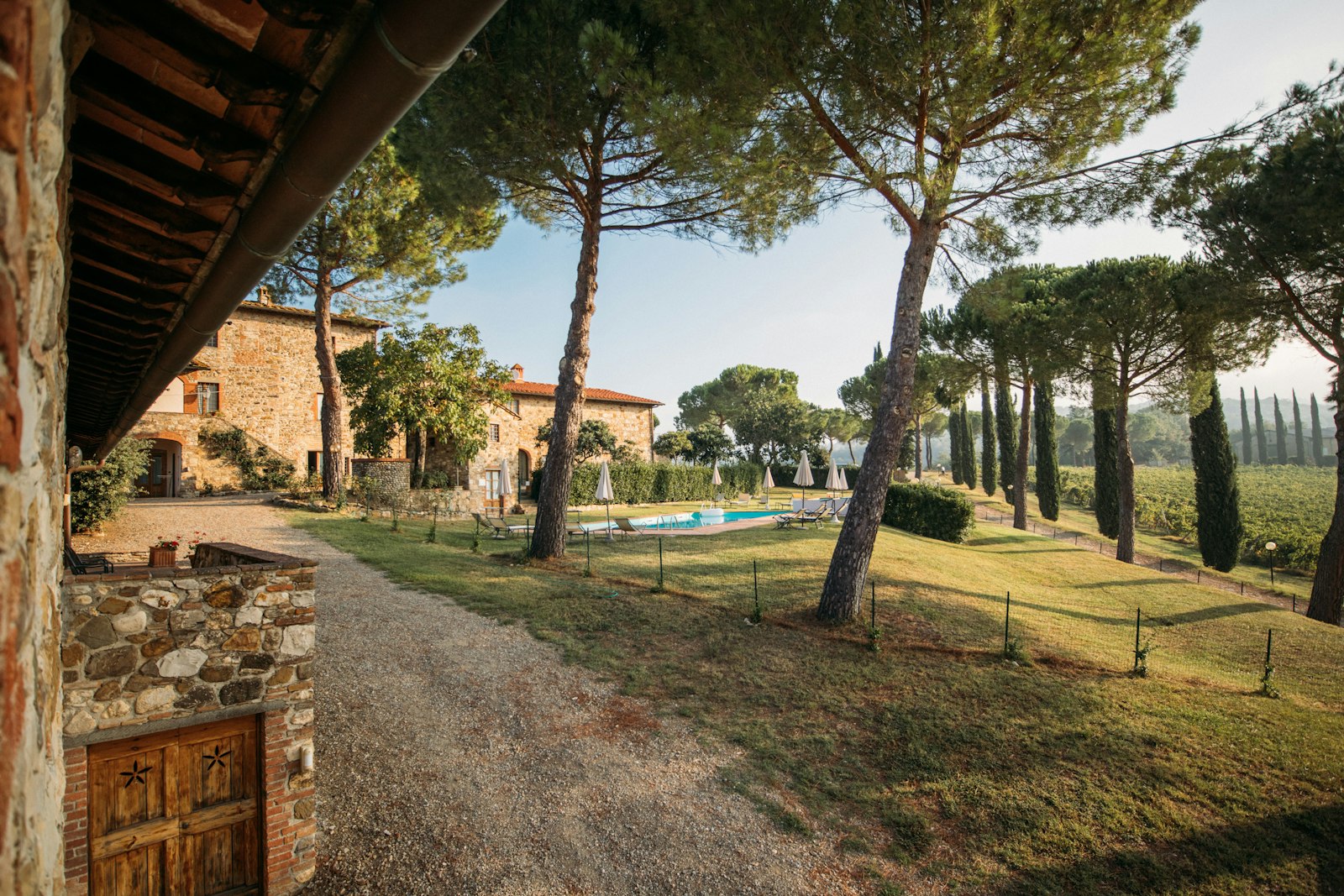
Pick the neighborhood first and half the trip plans itself. For groups, that neighborhood is the Oltrarno — Santo Spirito and San Frediano — where the wine bars and trattorie are at your door, the monuments ten minutes' walk, and the evenings end on a piazza, not in a taxi. A three-bedroom apartment there runs roughly €300–450 (~$325–490 USD) a night and sleeps six. Sant'Ambrogio, by the market on the other bank, is the same idea with more grocers.
At four to six: one apartment, one kitchen, one standing debate about whose turn it is to fetch the morning schiacciata. Done.
At eight or more: a real decision. One option is two apartments on the same block — two kitchens, and a door to close when someone needs twenty quiet minutes. The other is a villa in the hills toward Fiesole: a pool, a view of the dome, one long table under a pergola — and a car question, because dinner in town now means taxis, and the ZTL cameras around the center fine rental cars automatically, straight to the rental company. If nobody wants to drive, stay on the flat. Book two to three months out, further ahead for June.
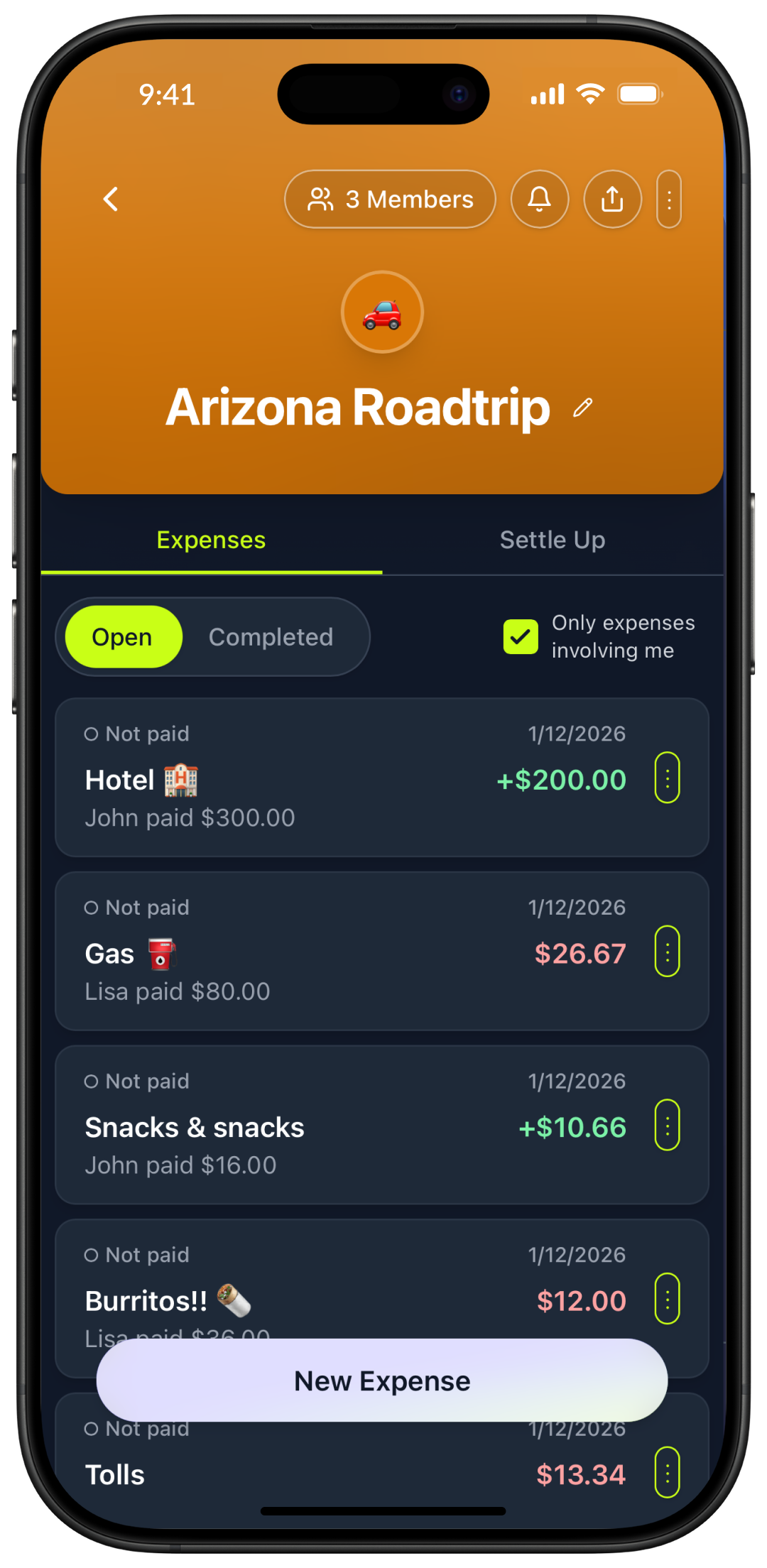
Someone is about to front a deposit the size of a small engagement ring. Be nice to them. We'll come back to it.
Eating as a group: learn the bistecca math
Reservation tiers, shared tables, and a steak that rewards headcount.
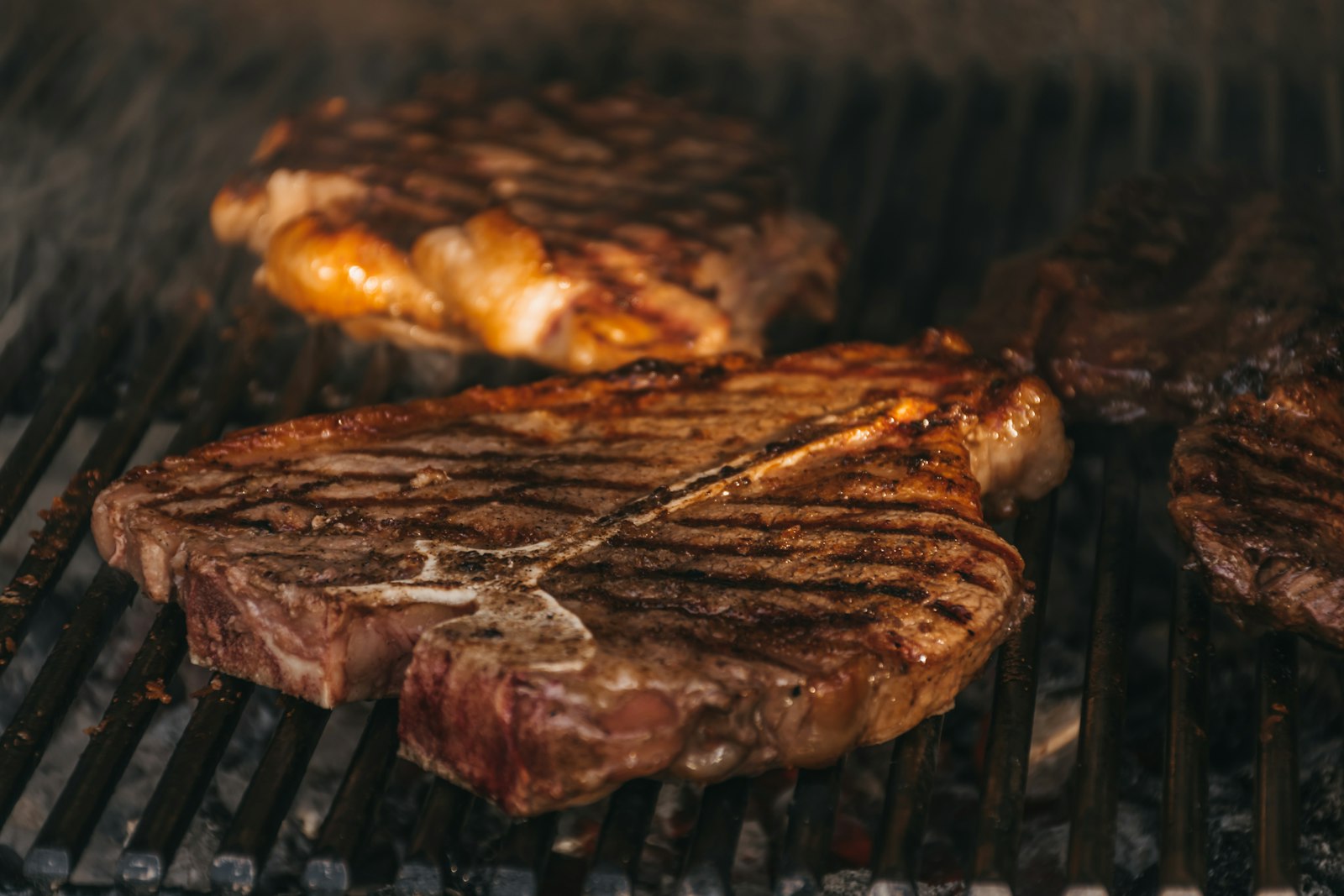
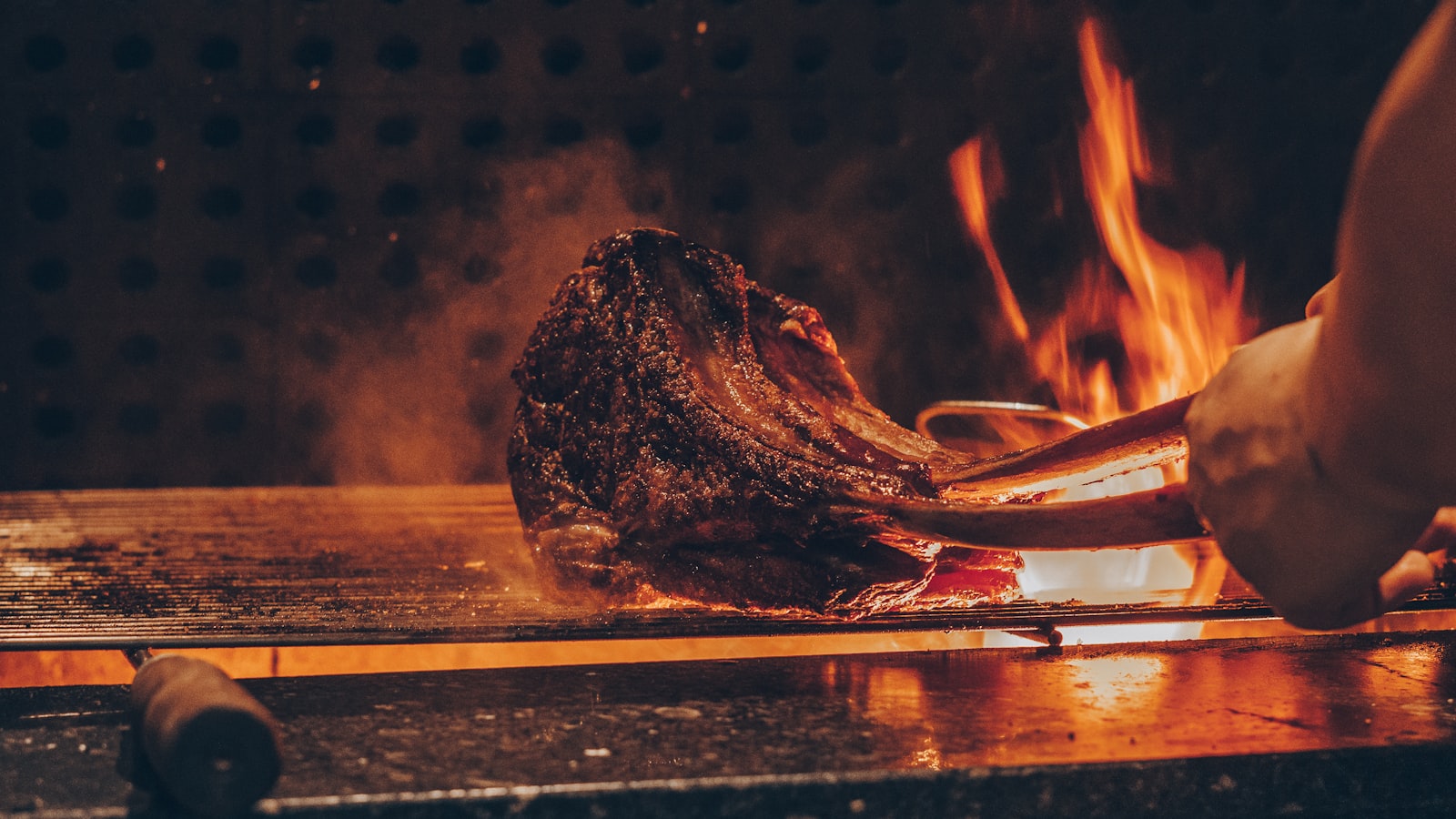
Start with the economics, because they're on your side. Bistecca alla fiorentina is a T-bone cut three fingers thick, grilled over coals, and priced by weight — usually €50–70 a kilo, one steak feeding two to three people. A table of eight orders three and pays about what a pizza night costs at home. It's the rare famous dish that gets cheaper per person as the table grows. It comes rare — most places politely refuse to cook it further — and it comes shared, with white beans and spinach alongside.
The book-ahead tier: Sostanza (since 1869) is the legend — ten tables, two seatings, cash only, and a butter chicken you should order even though it sounds wrong. Perfect at four to six, booked days ahead by phone; at eight or more it means two tables, charming once and chaos twice. For a bigger, polished table, Trattoria Cammillo does the old-school version.
Trattoria Sabatino
San Frediano, just inside the old gate, and the closest Florence gets to eating at a big family's weeknight table. Dinner runs about €25 a head with house wine, nobody is in a hurry, and a party of ten looks completely normal. The group dinner that needs no committee.
The queue tier is lunch: Trattoria Mario (since 1953) grills its bistecca for shared tables, cash only — get in line by 11:45. At four to six you become part of the room; at eight or more, go in two waves. Mario bends for no one, which is why it's still Mario.
And for the meal where nobody has to agree: the upstairs food hall at Mercato Centrale absorbs any headcount — everyone scatters and reconvenes, victorious. At Sant'Ambrogio market, Trattoria da Rocco does lunch for about €12. Between meals, the €5 masterpiece: lampredotto at Nerbone (since 1872) or the Sergio Pollini cart — yes, it's tripe; eat it anyway. The full taxonomy, gelato test included, lives in our food guide.
The things that get better with more people
Per-kilo, per-van, per-table: Florence's best days are priced for a crowd.
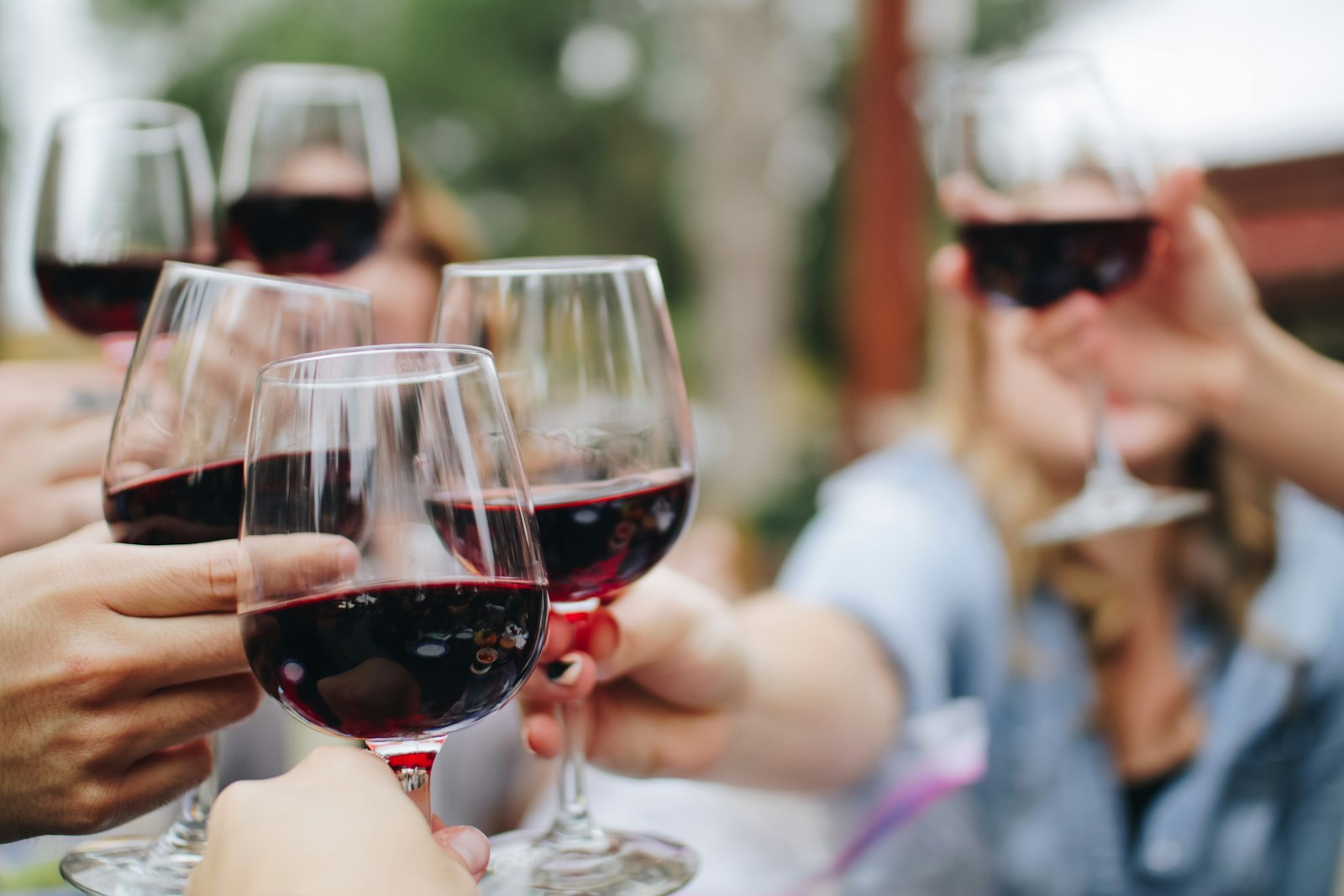
Chianti is the big one. You need wheels, and the wheels shouldn't be yours after the second tasting — so a group hires a van and driver, hits two wineries plus Greve or Radda, and builds in the long lunch. The van is priced per van, roughly €600–700 (~$650–760 USD) for the day. Split eight ways, it's less than most bus tours — except this one leaves when you leave and waits while you buy the second case.
The van costs the same at four as it does at eight. The singing on the way home is free either way.— On the Chianti day
The wine windows were made for groups without knowing it. Babae on Via Santo Spirito pours glasses through its buchetta — a hatch nobles sold wine through in plague years. Fold it into aperitivo hour: the steps of Piazza Santo Spirito hold any headcount, Il Santino is glorious and the size of a closet, and Le Volpi e l'Uva by the Ponte Vecchio pours small producers you won't see at home.
A cooking class is the best half-day a group can book here — shop the market, cook, eat what you made — rainy-day insurance too. Or the Scuola del Cuoio behind Santa Croce, running leather sessions from demos to full-day courses. And in late June, calcio storico — Renaissance-costume, no-rules football in a sand-filled Piazza Santa Croce — has scarce tickets but free parades. Pick two, not all four. The rule from the intro is still watching.
Moving ten people through a city with no transit
Your feet are the plan. The one crowded bus gets an honest word.
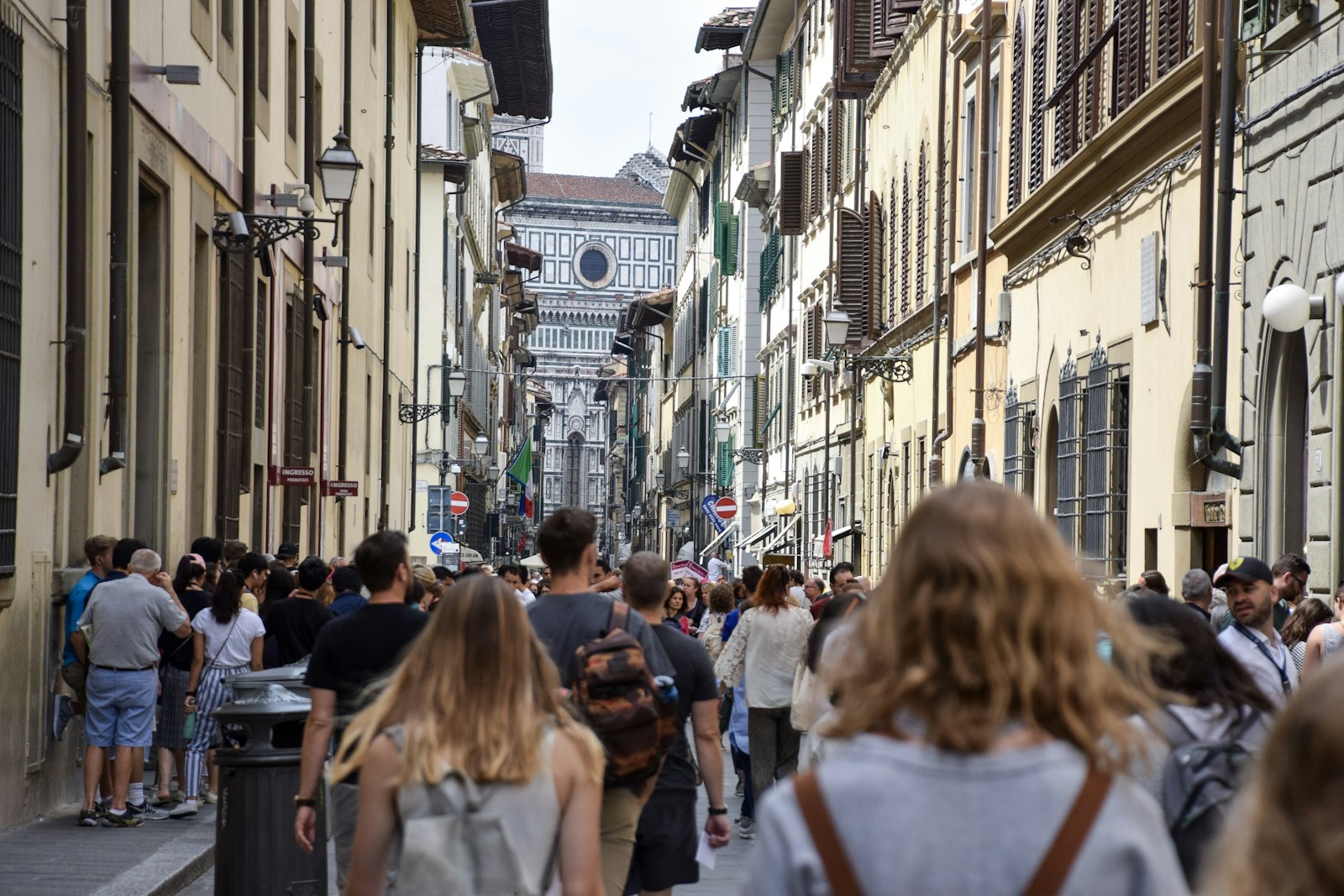
Florence's quiet superpower for groups: there's no transit plan, because you won't use transit. The center is twenty-five minutes corner to corner, and if you sleep in the Oltrarno or by Sant'Ambrogio, dinner, the bar, and bed sit ten minutes apart. At four to six, walk and regroup as you drift. At eight or more, give every outing a rally point that's a place, not a concept — "the fountain in Piazza Santo Spirito," not "near the Duomo." The group leaves together or it doesn't leave.
The honest word: what Florence lacks in transit it makes up in crowds, and the crush around the Duomo, Santa Maria Novella station, and any packed bus is the city's busiest pickpocket territory. Phones zipped, bags worn in front — especially in the station hall and on the number 7 bus to Fiesole when it's full. Off-peak, it's a twenty-minute treat ending at a Roman theater above the valley. Otherwise, the move is the city itself: walk it.
Arrivals and escapes: the T2 tram runs airport to center in about 20 minutes for a couple of euros — with eight people it beats a taxi convoy (flat ~€25 a car). Fast trains from Santa Maria Novella reach Bologna in 40 minutes and Rome in 90; the Siena bus takes about 75. Rent a car and the ZTL cameras ringing the center fine it automatically, tickets following you home. Park outside the zone, or better, hire the van and let everyone taste the second Chianti.
Three group days, honestly paced
One museum a day, maximum. The rest happens at walking speed.
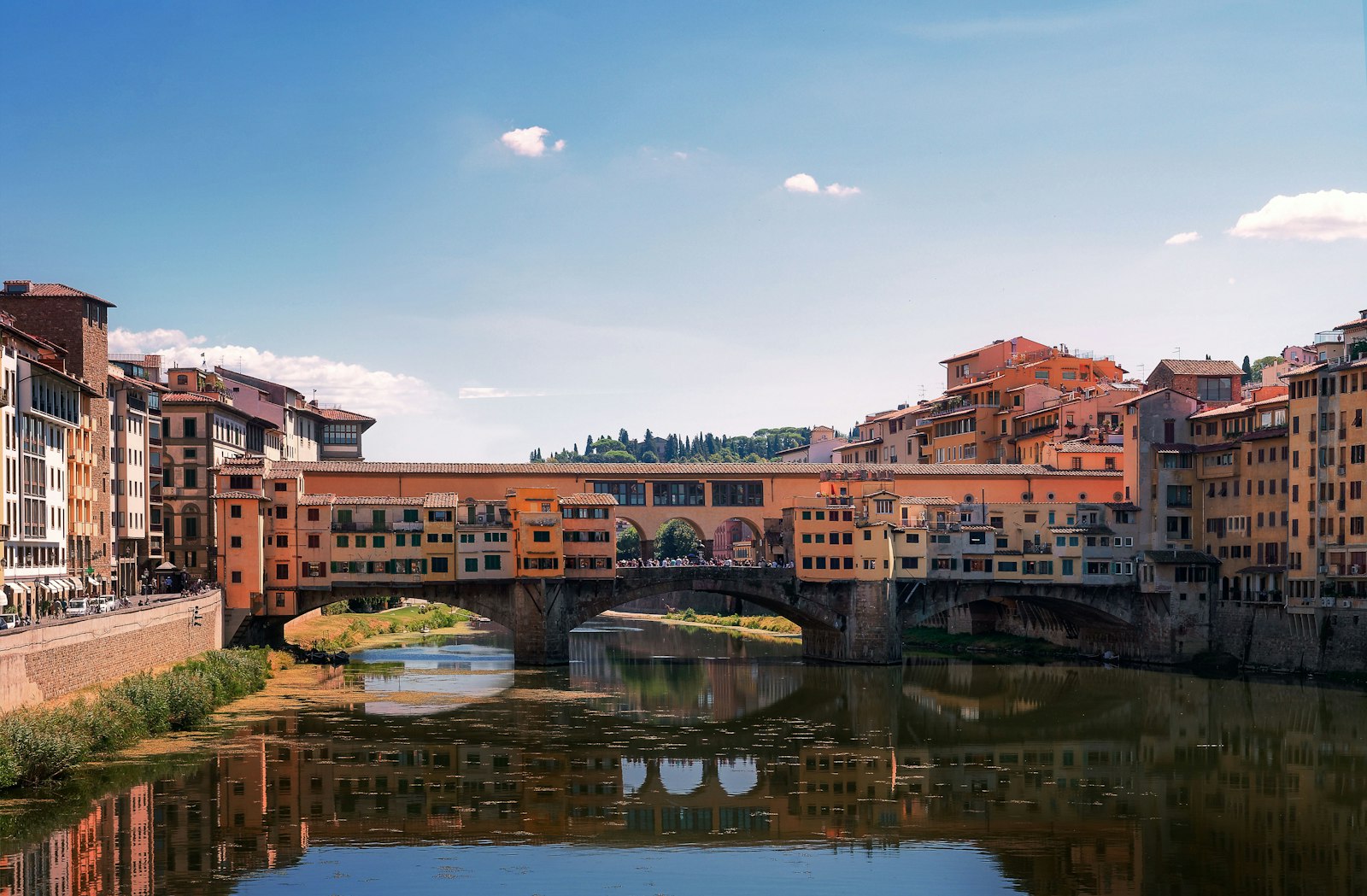
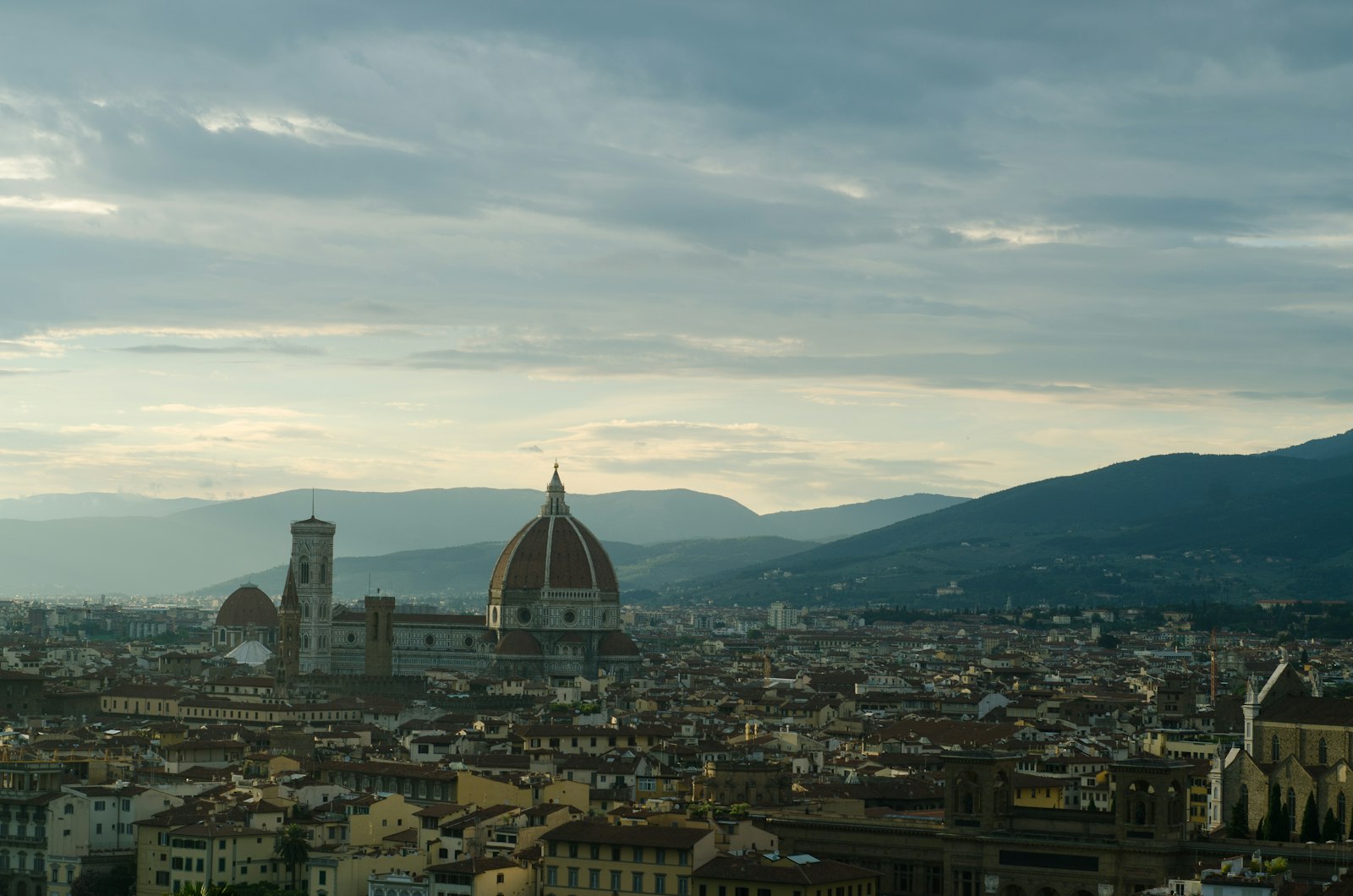
Day one: the dome, first slot of the morning — 463 steps between the two shells, the whole city terracotta below. Slots sell out one to two weeks ahead in season; the Brunelleschi Pass (about €30) covers the climb plus the bell tower and baptistery. Down by ten, espresso at the bar, long lunch near San Lorenzo. In the afternoon the art faction takes a late Uffizi slot while the rest wander the botteghe — groups that split for two hours stay friends for ten years. Ponte Vecchio at dusk, dinner in the Oltrarno. Add nothing.
Day two: split again at breakfast. David people to the Accademia's first slot, then five minutes north to San Marco, where Fra Angelico painted one fresco per monk's cell. Market people to Sant'Ambrogio. Reconvene for the market lunch, then give the afternoon to the Oltrarno — the wine-window pour at Babae, aperitivo on the Santo Spirito steps. Tonight is the bistecca night: Sostanza at four to six (booked before you flew), Sabatino or Cammillo at eight or more.
Day three: the Chianti van — two wineries, Greve or Radda, the long lunch. Back by golden hour for the walk up through the rose garden to Piazzale Michelangelo, then ten minutes more to San Miniato al Monte, a thousand years old, where the view is better, the crowd thinner, and on many evenings the monks sing Gregorian chant. Watch the sunset hit the dome, then drift down for a last Negroni in Santo Spirito — invented in this city, so you're really just being polite.
Watch the calendar: the Uffizi and Accademia close on Mondays. A fourth day? Siena by the fast bus. A fifth? Now you want our comprehensive guide.
Where we would book
Official sites for the tickets, the phone for the tables, one van with a driver.
Apartments and villas live on the usual platforms — Booking.com has the depth in the Oltrarno and around Sant'Ambrogio — and at eight or more, message the host first: the good ones tell you honestly whether the place seats your whole table or merely sleeps it. For a villa, ask about parking outside the ZTL while you're at it. Museum and dome tickets come only from the official Uffizi and Opera del Duomo sites — resellers mark up the same timed slots. Restaurants still run on phone calls; have your host book Sostanza or Cammillo days ahead. Chianti vans and cooking classes: book direct with the operator, or through GetYourGuide's small-group listings — resellers add margin, not value. Trains and the Siena bus: the Trenitalia app or the station machine, the day before.
Related guides
- Your Florence Travel Guide: Three Days, Honestly Done — the solo-speed version of this plan.
- Florence Food Guide — the bistecca rules, the markets, and the gelato test.
- Florence Activities Guide — the climbs, gardens, and day trips your van is built for.
- Florence Culture Guide — the museum strategy your timed tickets deserve.
- Siena Group Trip Guide — a walled hill city built for one long table.
- Tuscany Group Trip Guide — the whole region as a villa week, pool included.
- Mexico City Group Trip Guide — the same group playbook, with trajineras instead of vans.