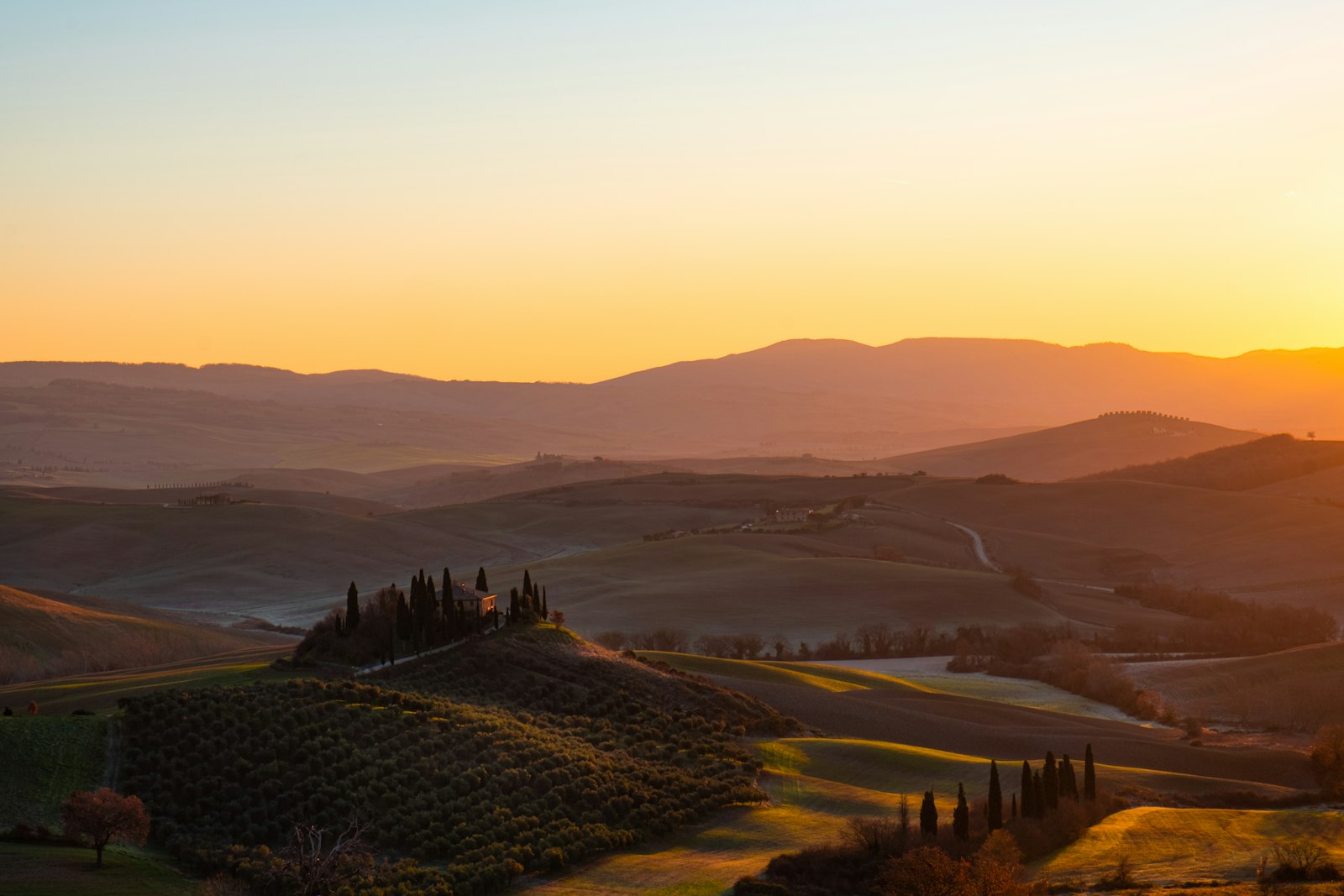
A week in Tuscany is enough to fall for it and nowhere near enough to finish it. So don't try. The move is to pick one or two bases, rent a car for the countryside, and let the region come to you — a hill town you didn't plan on, a winery that doesn't take cards, a lunch that eats the whole afternoon. Here's how to set that up so the logistics stay out of the way.
Pick a base, not a checklist
Two bases beat five. Unpack, then explore.
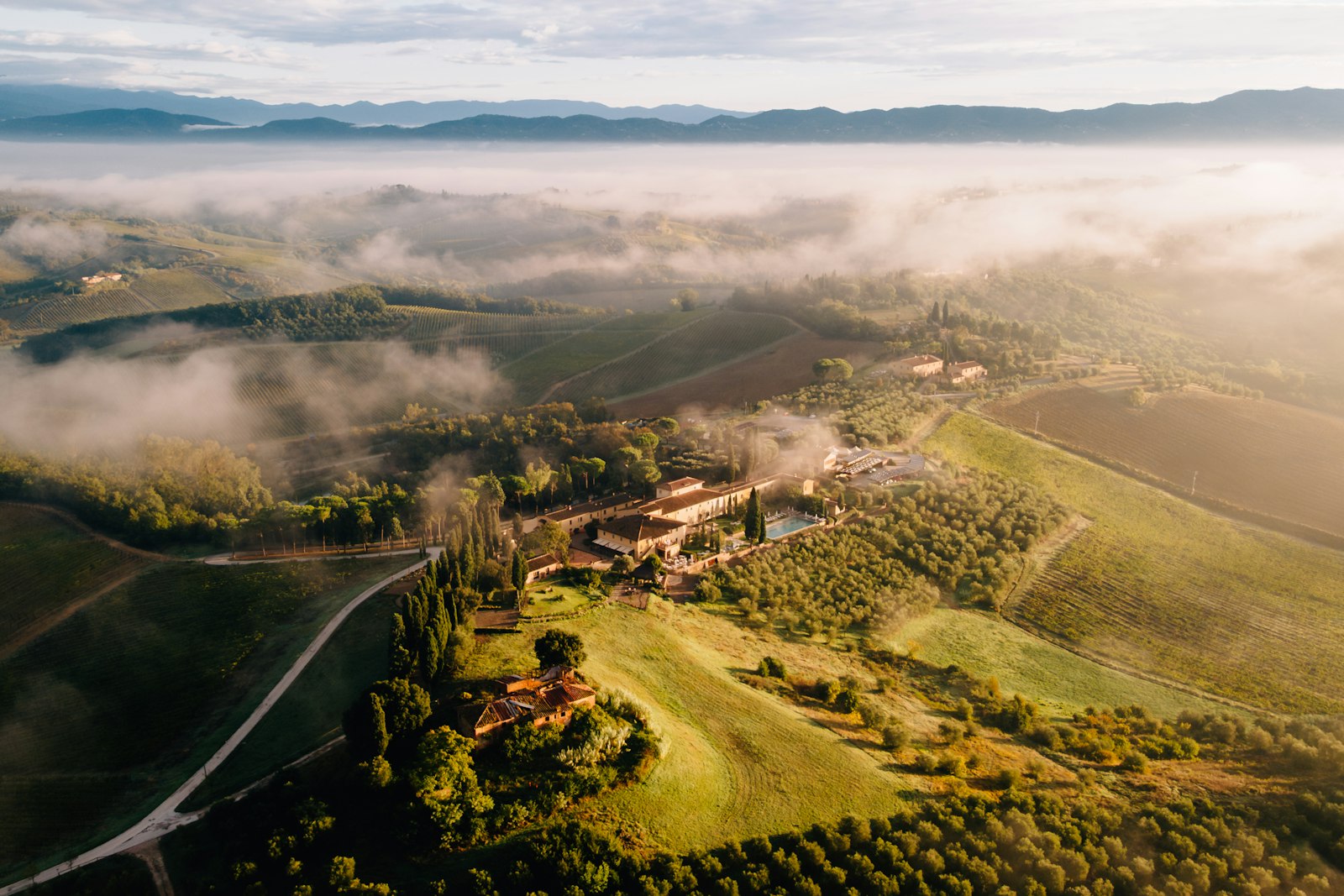
The classic mistake is treating Tuscany like a list of towns to tick off, sleeping somewhere new every night. You'll spend the trip packing. Instead, split the week between two bases and day-trip out from each. Florence for the first half — the art, the food, the trains — then somewhere rural for the second, a farmhouse in Chianti or near Montalcino where the evening is just you, a bottle, and the hills going pink.
For a group, a whole-house agriturismo or villa is the play. You get a kitchen, a long table, usually a pool, and a price per head that undercuts four hotel rooms — especially if you cook even half your dinners. Book it early; the good ones for summer are gone by winter.
An agriturismo, not a hotel
A working farm that rents rooms and feeds you what it grows. You'll eat better, pay less, and end up talking to the family that owns it. For groups it's the single best lodging decision in the region — rent the whole house and the math gets friendly fast.
The car question, answered
Trains for the cities. A car for everything else.
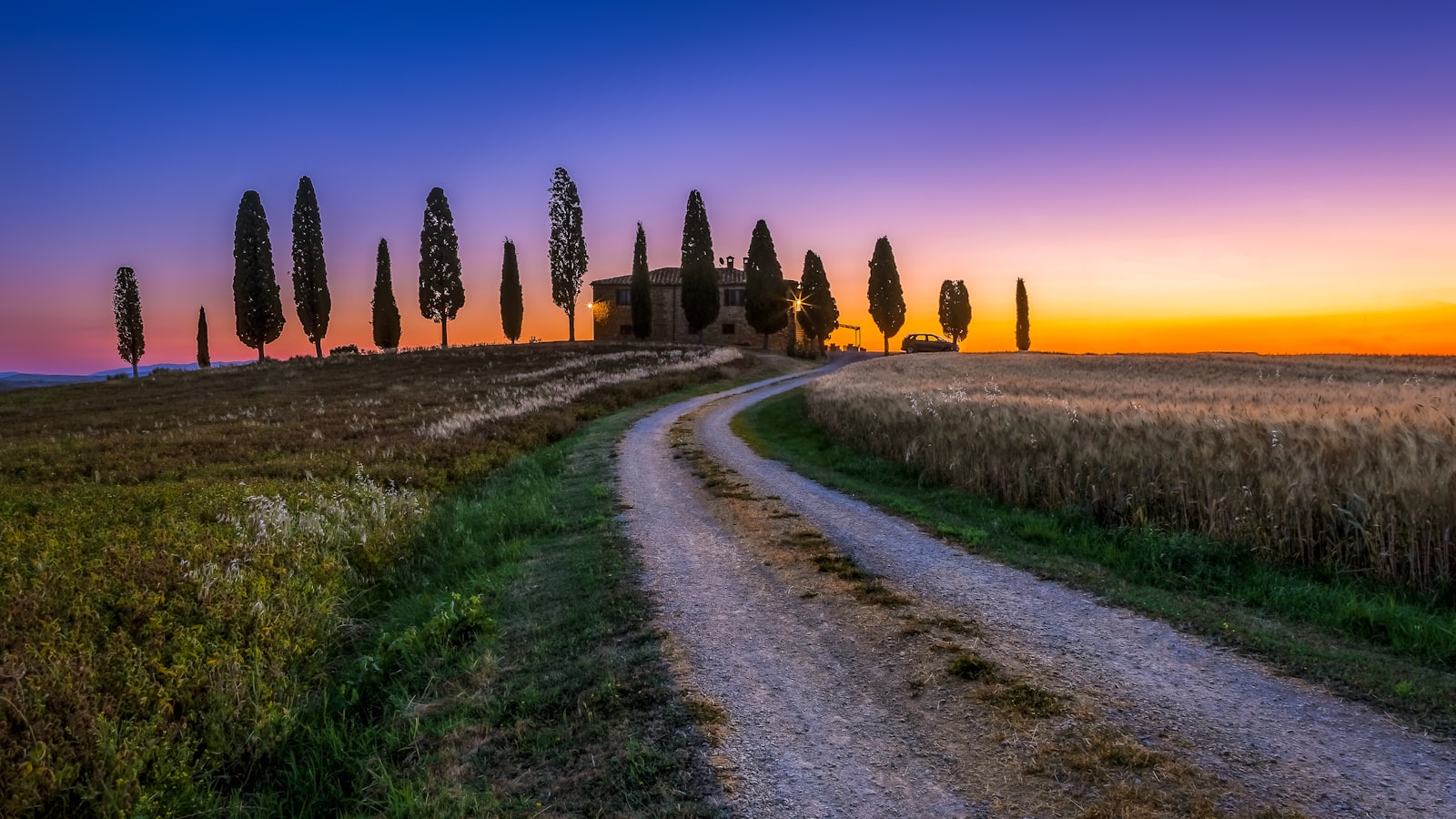
Here's the honest version. The cities — Florence, Pisa, Lucca, Siena — are connected by fast, cheap trains, and you do not want a car in any of them. The countryside — Chianti, Val d'Orcia, the wineries, the hill towns — is nearly impossible without one. So do both: train between cities, then pick up a rental for the rural stretch.
Two warnings that save real money. First, ZTL zones: historic centers are camera-monitored limited-traffic areas, and driving in earns an automatic fine. Park outside the walls. Second, book an automatic early if you can't drive stick — they sell out, and the Tuscan hills are not where you want your first manual lesson.
The back roads are the destination, not the route to it.— On why you rent the car
The cities you came for
Florence to start. Siena, Lucca, and Pisa on day trips.
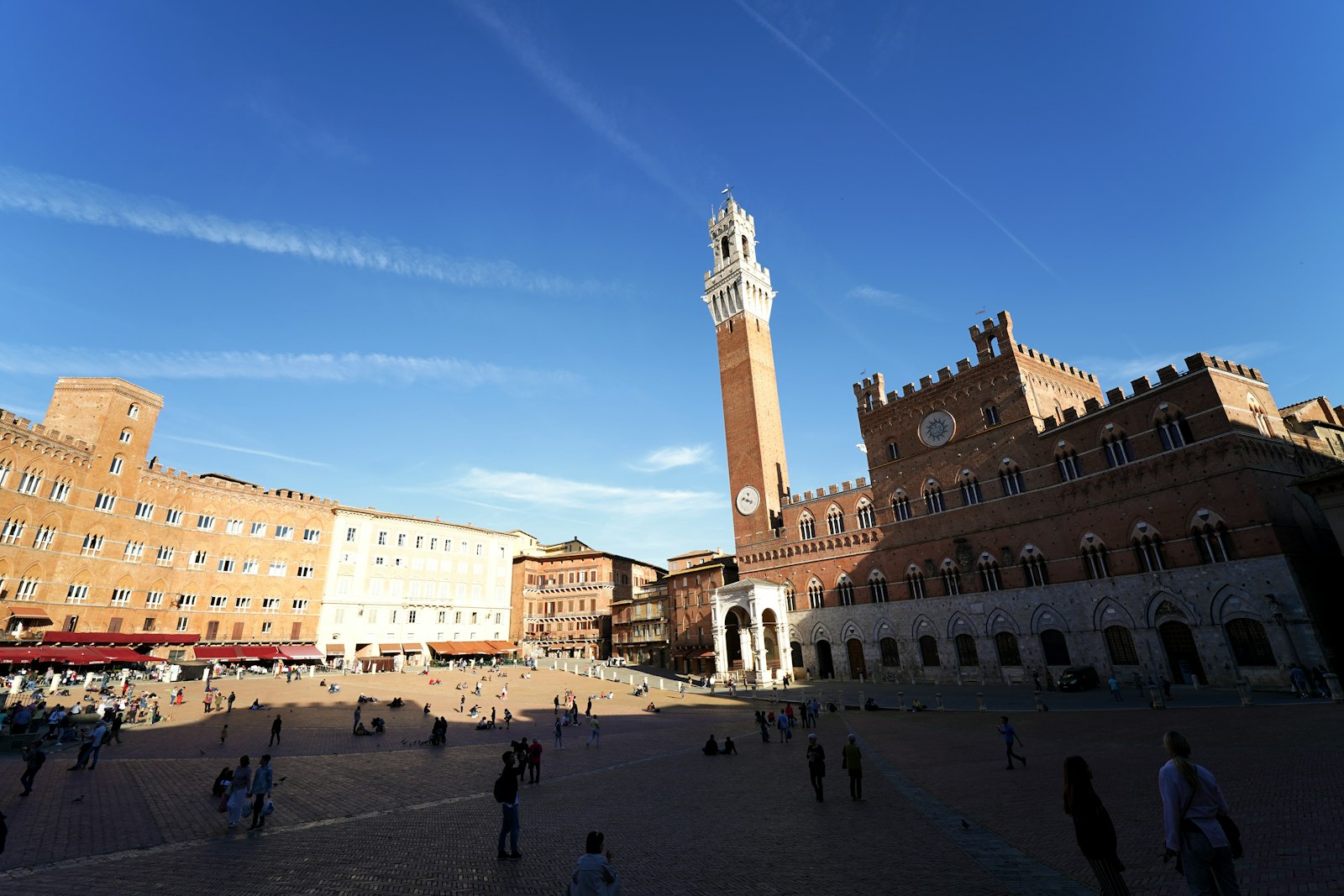
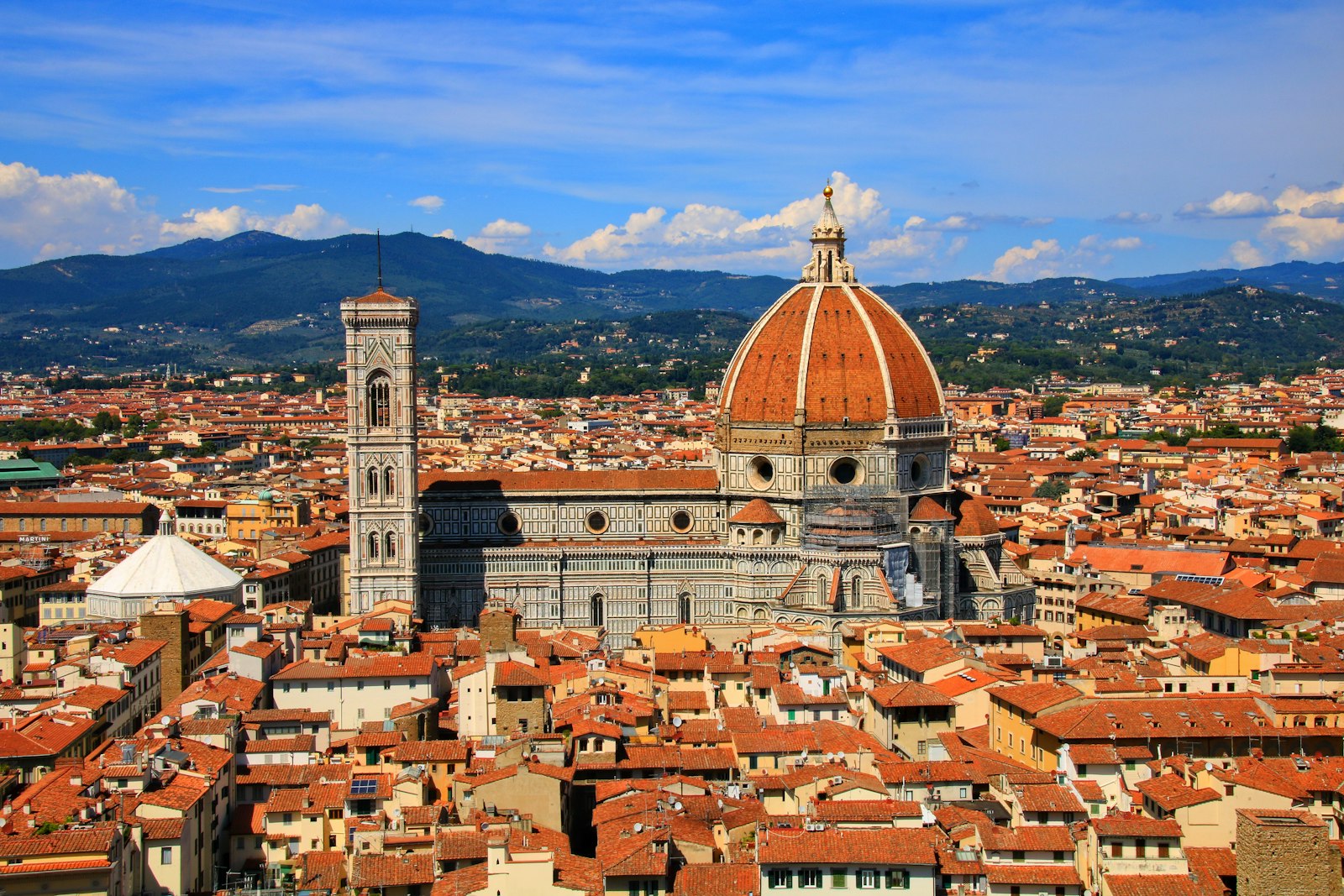
Florence is the obvious base and earns it — the Duomo, the Uffizi, the Oltrarno's workshops and wine bars. Give it two full days and climb something for the view (Brunelleschi's dome, or the bell tower beside it). Siena is the one that surprises people: a medieval city built around a sloping shell-shaped piazza, less polished than Florence and somehow more alive. Lucca is the easy favorite — flat, walled, and made for renting a bike and circling the ramparts. Pisa is a half-day; see the tower, take the photo, eat somewhere away from the square, move on.
We have a whole guide to Florence itself — linked below — because the city deserves more than a paragraph. Treat it as your week's home base and the rest of the region as the reason you'll come back.
The countryside is the whole point
Val d'Orcia, Chianti, and the towns worth the drive.
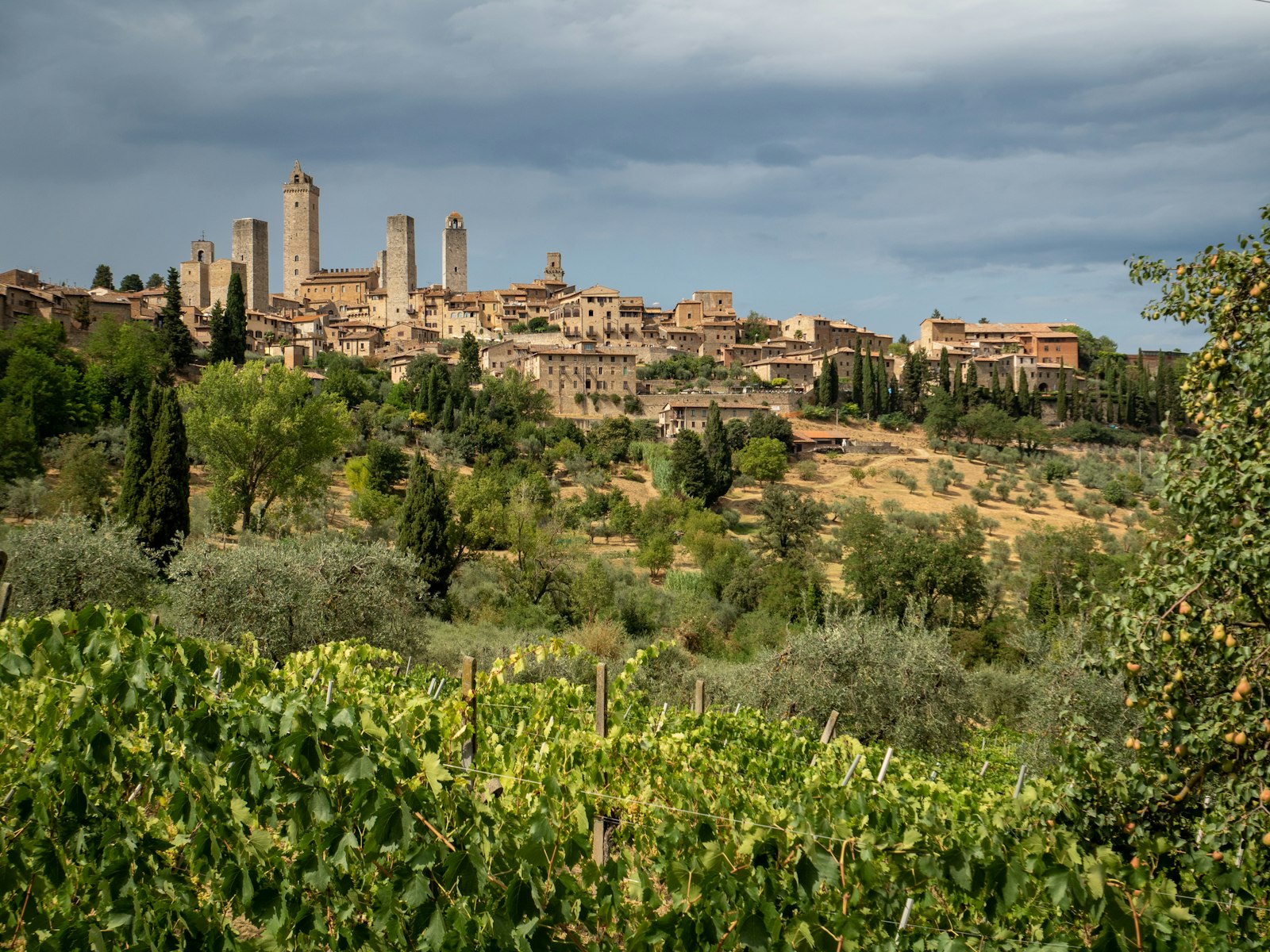
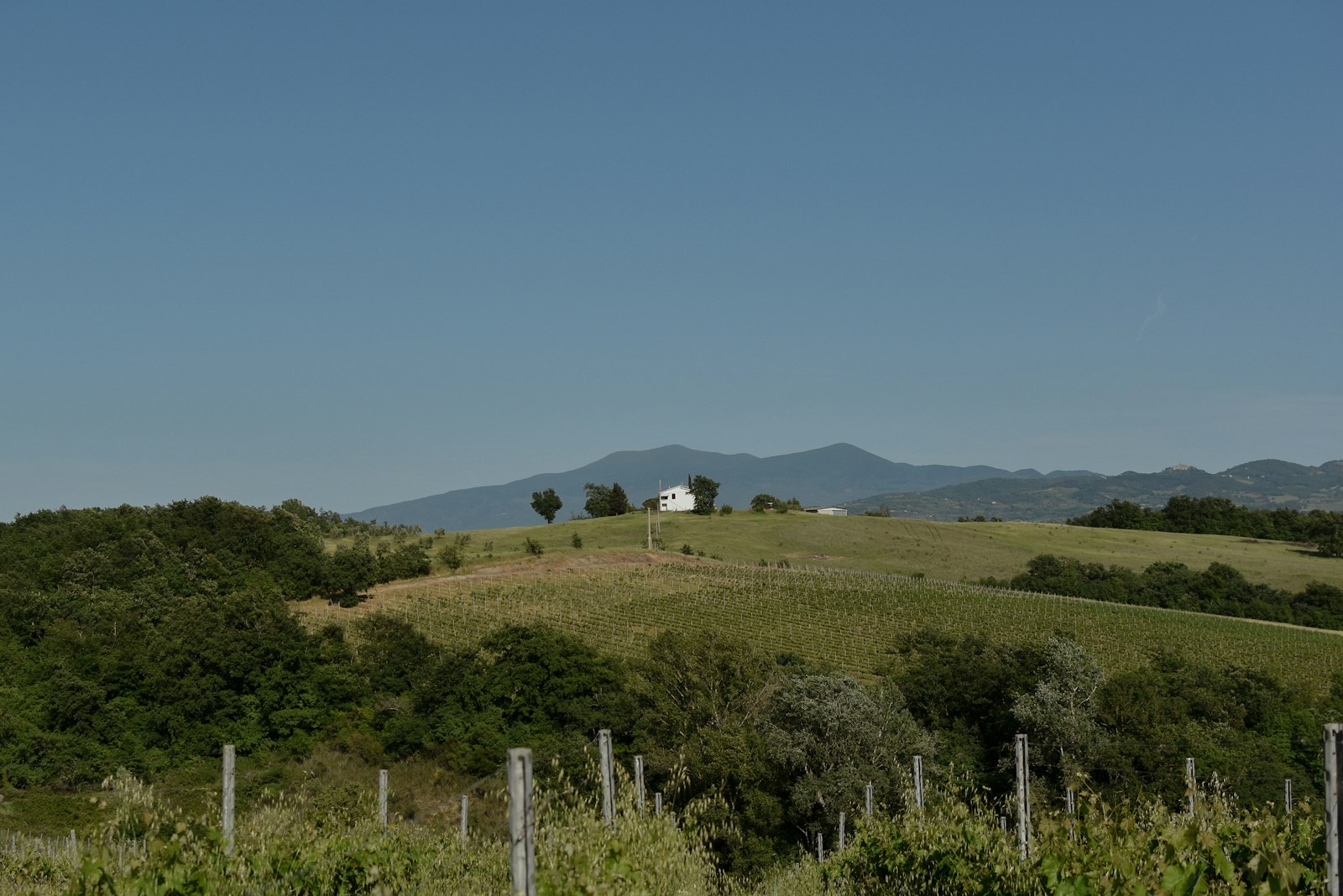
This is where Tuscany stops being a museum and starts being a place you don't want to leave. Val d'Orcia — south of Siena, a UNESCO landscape — is the cypress-and-ridge scenery you've seen a hundred times and will still pull over for. Chianti, between Florence and Siena, is wine country you can drive in an afternoon, stopping at Greve or Castellina for lunch. San Gimignano bristles with medieval towers and makes gelato good enough to argue about. Pienza sells the best pecorino in Italy; Montalcino and Montepulciano pour the best reds.
- Val d'Orcia — the iconic landscape; base near San Quirico or Pienza.
- Chianti — vineyards and trattorie a short drive from Florence.
- San Gimignano — towers, Vernaccia white wine, championship gelato.
- Montalcino & Montepulciano — Brunello and Vino Nobile, two of Italy's great reds.
A week that actually works
One way to spend seven days without rushing.
Not a rule, just a shape that flows: Days 1–3 in Florence (the art, the food, a day trip to Lucca or Pisa). Day 4, pick up the car and drive into Chianti, stopping for a tasting and lunch on the way to your farmhouse. Days 5–6, roam the south — Val d'Orcia, Pienza, a Brunello afternoon in Montalcino, a soak at the Saturnia springs. Day 7, a slow morning at the farmhouse and the drive back. Build in one day where the only plan is no plan. That's usually the one everyone remembers.
When to go
Shoulder season, every time.
Come late April to June or September to October. The hills are green or harvest-gold, the light is long, and you can eat outside without melting. July and August are hot and busy, and in mid-August much of Italy goes on holiday — some family-run places simply close. Winter is quiet and atmospheric in the cities but sleepy in the countryside. If you can choose, aim for late September: warm days, the grape harvest on, and the crowds thinning out.
Where we would book
For the farmhouse, book direct with the agriturismo or a whole-villa rental rather than a third-party site when you can — owners often hold a better rate and will answer questions about the gravel road in. Rent the car ahead (automatics sell out) and reserve trains on Trenitalia or Italo's own sites; there's no reseller worth a markup on a €20 fast train. For Florence's big museums, the official ticket site is the only one you need — more on that in the culture guide. None of this needs a middleman, so we don't use one.
Related guides
- Tuscany Food Guide — what to eat and the wines that go with it.
- Things to Do in Tuscany — wine country, cycling, and the hot springs.
- Tuscany Culture Guide — the Renaissance, the Palio, and the Etruscans.
- Your Florence Travel Guide — the city at the center of it all, in detail.
- Tuscany Group Trip Guide — the same region, planned for six or ten of you.