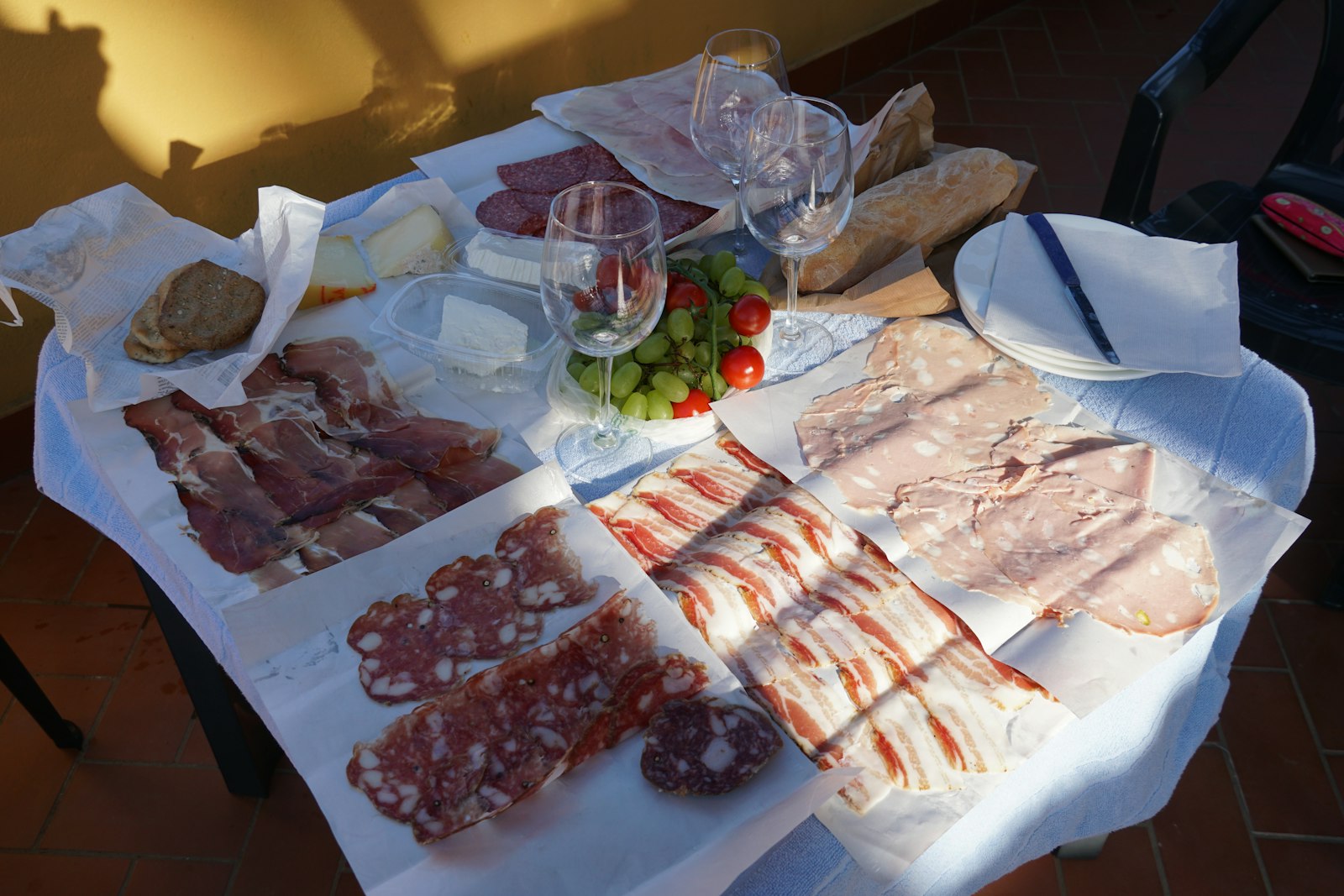
Tuscan food is the opposite of fussy. It was built by farmers who didn't waste a thing — stale bread becomes dinner, the cheap cut becomes the famous one, and the wine is whatever the next hill makes. Eat the way the region does — long, local, and with a bottle on the table — and you'll have the best meals of the trip in places that look like nothing from the street. Here's what to order and where to point the car.
The dishes that define the place
Peasant food, perfected over centuries.

Start with the bread soups, because they explain everything. Ribollita ("reboiled") is bread, beans, and black kale cooked down into something thick enough to stand a spoon in. Pappa al pomodoro is bread and tomato, somehow more than the sum of two cheap things. Panzanella is the summer version, a bread salad with tomato and basil. Then the pasta: pici, fat hand-rolled spaghetti from around Siena, served all'aglione (a slow garlic-and-tomato sauce) or under a ragù. And the one everyone remembers — pappardelle al cinghiale, wide ribbons under a wild-boar ragù that tastes like the woods it came from.
Bistecca alla Fiorentina, done right
One steak, shared, rare. No arguments.

The bistecca is a ritual, not a menu item. A thick T-bone from Chianina cattle, grilled hard over coals, served al sangue — rare — and sold by weight (the etto, 100 grams). One steak feeds two or three, so order it for the table. Do not, under any circumstances, ask for it well done; you'll get a polite no and a sad table. Get it rare, get a bottle of Chianti, and get out of the way. For the definitive version, butcher Dario Cecchini's Officina della Bistecca in Panzano in Chianti serves a set meat feast at communal tables (book ahead); in Florence, the old-school classics are Trattoria Mario (lunch only, near the Mercato Centrale, no bookings) and Buca Lapi, in a cellar since 1880.
Order it for the table
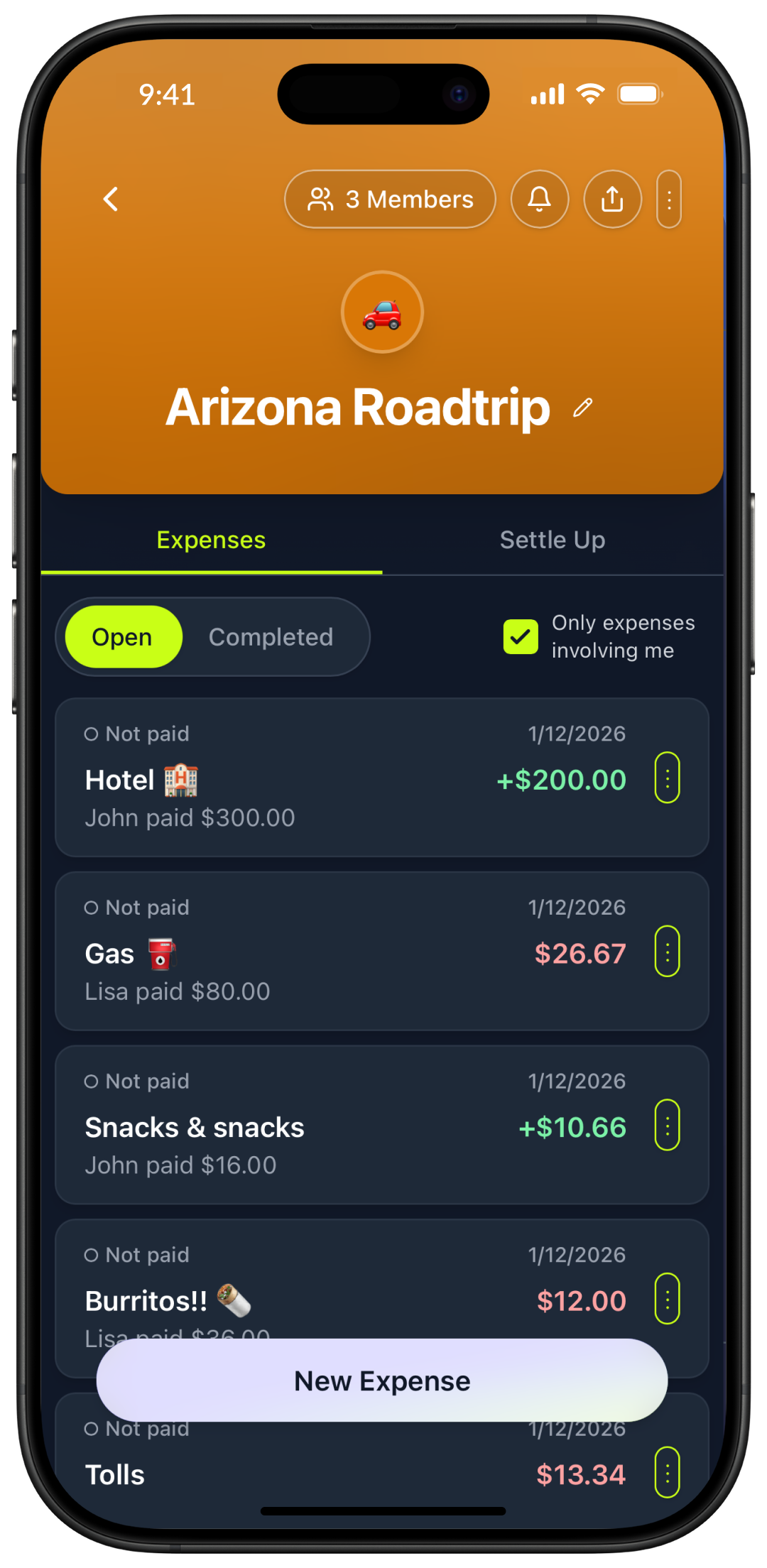
A proper bistecca is huge and priced by weight — usually €45–55 a kilo, and a good one runs a kilo or more. Split between three or four, with sides and wine, it's one of the best-value great meals in Italy. One person settles the bill; everyone owes the same easy number.
Cheese, salumi, and what to drink
The antipasto board is a meal. The wine is the region.
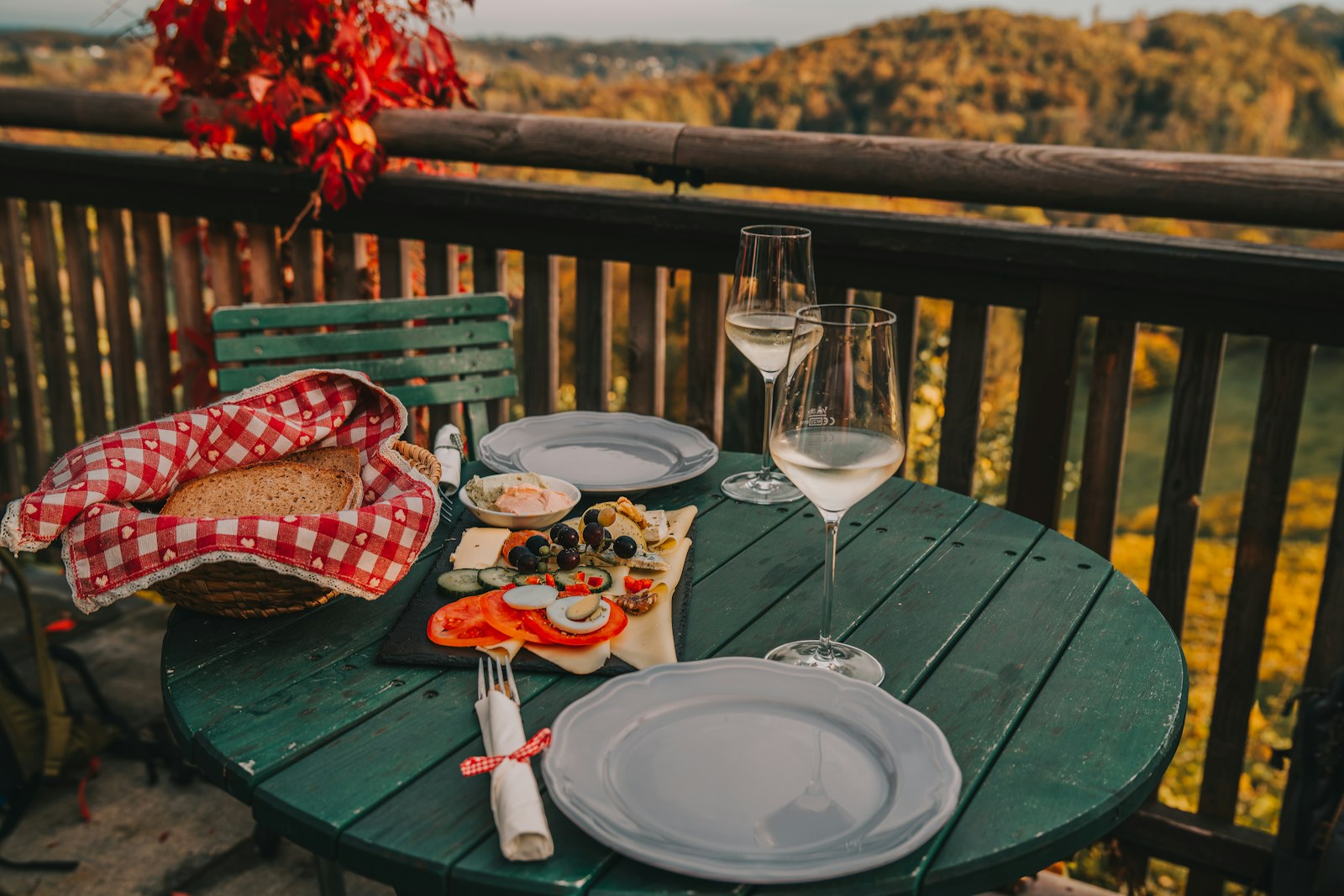
Before the pasta comes the board: pecorino di Pienza (sheep's-milk cheese, from young and soft to aged and sharp), finocchiona (fennel salami), prosciutto toscano, and if you're near Carrara, lardo di Colonnata — cured pork fat aged in marble, and far better than that sounds. As for the wine, you're in one of earth's great cellars. Chianti Classico (look for the black rooster) is the everyday hero. Brunello di Montalcino is the special-occasion red. Vino Nobile di Montepulciano splits the difference, and Vernaccia di San Gimignano is the crisp white for a hot afternoon. End with cantucci dunked in Vin Santo.
House wine in Tuscany is someone's actual house wine. Order the carafe.— On not overthinking it
Where to actually eat
Trattorie, markets, and a festival in a field.
Skip anywhere with a tout out front and a menu in six languages. The rule that never fails: a short menu, handwritten or daily, a room full of Italians, and a grandmother somewhere in the back. In Florence, eat lampredotto — the city's tripe sandwich — standing at a cart like Nerbone inside the Mercato Centrale or L'Antico Trippaio on Piazza dei Cimatori. In the countryside, find a sagra: a village food festival, usually built around one ingredient (wild boar, chestnut, porcini), where the whole town cooks and you eat three courses at a long table for the price of a cocktail back home. For markets, Florence's Sant'Ambrogio beats the touristy one — graze, then assemble a picnic for the hills.
Where we would book
The best tables in Tuscany are exactly the ones you can't book through an app — the trattoria that takes a phone call or a walk-in, the sagra that takes cash at a folding table. So we won't pretend otherwise: book ahead for the set-menu feasts (Cecchini's Officina della Bistecca in Panzano), call the Florence classics like Buca Lapi, line up for lunch-only Trattoria Mario, and carry cash for the small places and the festivals. For a winery lunch, book directly with an estate that lays one on — Castello Banfi in Montalcino or Antinori nel Chianti Classico near San Casciano both do — the details are in the activities guide. The best meal of your trip won't have a "reserve" button, and that's the point.
Related guides
- Your Tuscany Travel Guide — bases, the car, and a week that works.
- Things to Do in Tuscany — the wineries behind all this wine.
- Tuscany Culture Guide — what to see between meals.
- Florence Food Guide — where to eat in the region's capital.
- Tuscany Group Trip Guide — the same long table, planned for six or ten of you.