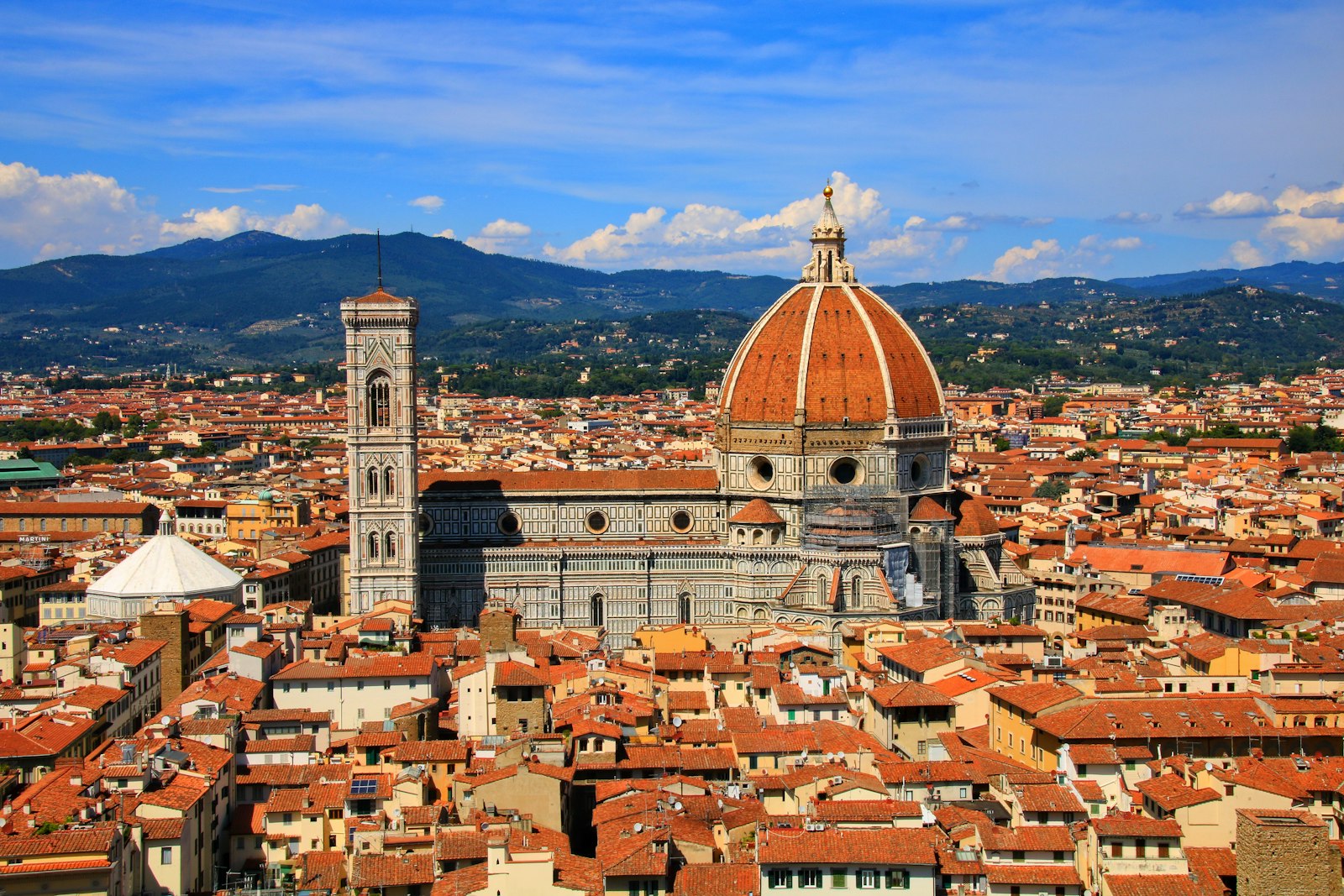
Tuscany didn't just host the Renaissance — it invented a chunk of the modern world here, then kept the receipts. But the culture isn't only the Uffizi. It's a Gothic city that throws a bareback horse race twice a summer, hill towns the Etruscans built before Rome was anything, and a marble quarry that gave Michelangelo his David. Here's how to see the famous stuff without burning out — and the deeper cuts that make the trip click.
Where the Renaissance actually happened
Florence is the headline. The region is the long version.
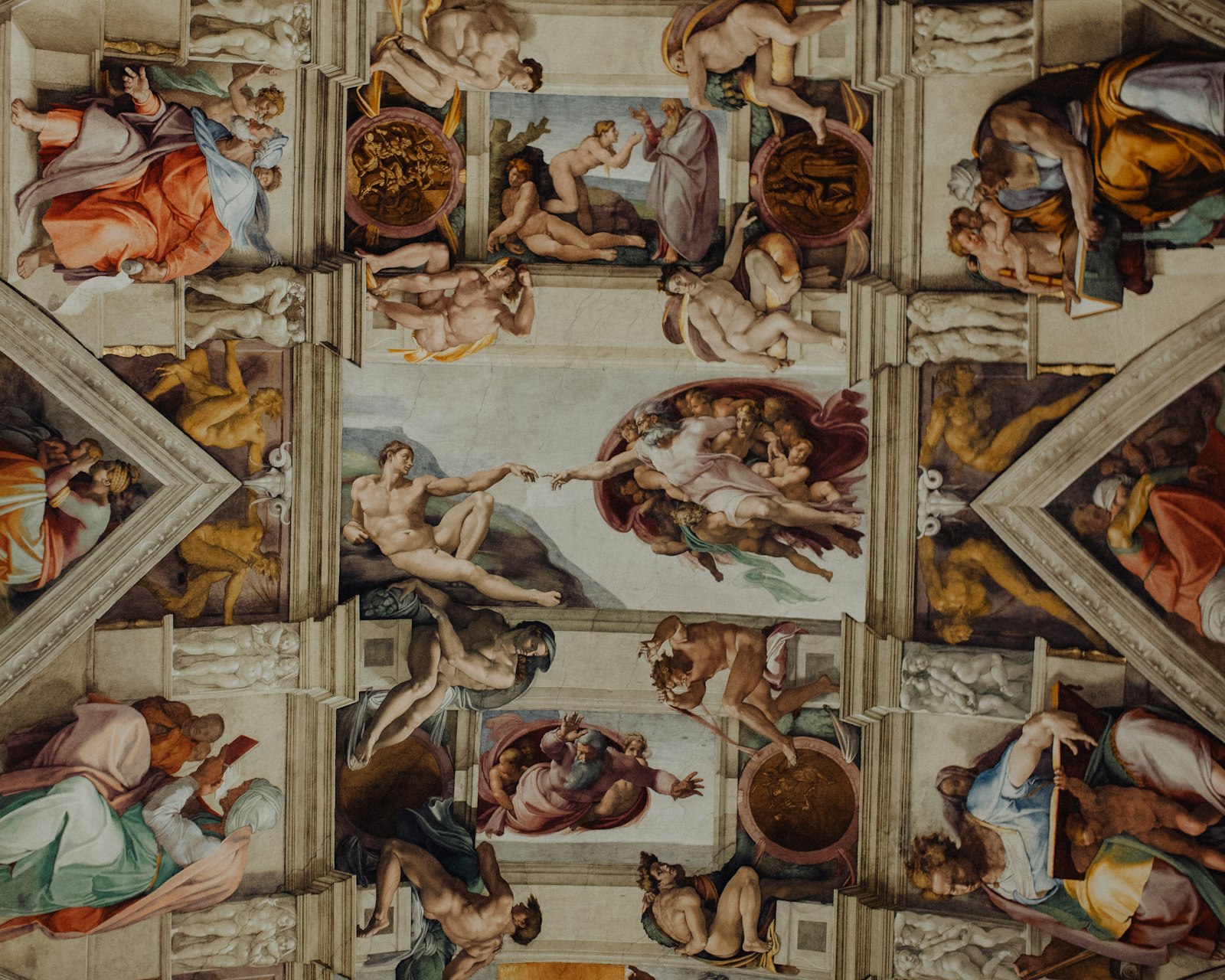
Florence is the obvious pilgrimage — the Uffizi for Botticelli, the Accademia for Michelangelo's David — and it earns every visitor. But two David-sized days of museums will fry anyone, so pace it and get out into the region, where the same revolution played out with no lines. The Piero della Francesca trail is the great underrated day: his fresco cycle in Arezzo, the Resurrection in Sansepolcro (a painting Aldous Huxley called the best in the world), and a quiet pregnant Madonna in a tiny chapel in Monterchi. You'll have all three nearly to yourselves.
Siena's other story, and the Palio
A Gothic city and the maddest horse race in Europe.

If Florence is the Renaissance, Siena is the Gothic city that never lost its medieval soul. Its Duomo is a striped-marble fever dream and its sloping Piazza del Campo is the best public space in Italy. Twice each summer — July 2 and August 16 — that square becomes a racetrack for the Palio, a bareback horse race between the city's contrade (neighborhoods) that's been run for some 700 years and means more to locals than any cup final. The center of the piazza is free and packed; book a window seat months ahead if you want to sit. Even on a normal day, ducking into a contrada's tiny museum tells you more about Siena than any cathedral.
The Palio isn't a show for tourists. You're a guest at someone else's religion.— On how to watch
Before the Medici: Etruscans and stone
Volterra, the hill towns, and a thousand-year head start.

People come for the Renaissance and forget Tuscany was old when Rome was young. The Etruscans were here first, and Volterra — windswept, alabaster-carving, gloriously un-touristy — has the museum and the gates to prove it. San Gimignano's famous towers were a medieval status race: noble families built them taller and taller to out-flex the neighbors, and fourteen survive. Half the joy of Tuscany is just walking a hill town at dusk — Pienza, Monteriggioni, Cortona — when the day-trippers leave and the stone goes gold.
Music, marble, and the living stuff
Puccini, Carrara, and culture that isn't behind glass.
Not all of it is in a museum. Lucca gave the world Puccini, and in summer his operas play under the stars at the Torre del Lago festival, on the lake where he wrote them. Up the coast, the Carrara mountains aren't snow — they're the white marble Michelangelo chose for the David, still quarried today, and you can tour the cuts. And the language in your ear is its own monument: the Tuscan that Dante wrote in became standard Italian, which is a polite way of saying the rest of the country learned to talk like it's spoken here.
Where we would book
For Florence's big museums, book through the official site (the Uffizi and Accademia sell timed entry directly) — resellers add a "skip the line" fee for the same line you'd skip anyway with a real reservation. Book those slots weeks ahead in high season; they sell out. For the Palio, standing in the center of the Campo is free — the marked-up grandstand and window seats are the only thing anyone sells, so only pay if you truly want to sit. Smaller sites (Volterra's Etruscan museum, the Piero trail) you just walk up to. Merit first, middleman never.
Related guides
- Your Tuscany Travel Guide — the practical week around all this.
- Tuscany Food Guide — how to eat between museums.
- Things to Do in Tuscany — wine, hills, and hot springs.
- Florence Culture Guide — the art capital in depth.
- Tuscany Group Trip Guide — the same week, planned for six or ten of you.