
Italy
Tuscany
Rolling hills, Renaissance cities, and Italy's best food. How to plan a Tuscany trip: where to base, what to eat, and what to do.

Currency
EUR
Language
Italian
Best months
Late April–June and September–October (September for the vendemmia)
Mid-range budget
$
210
/ day
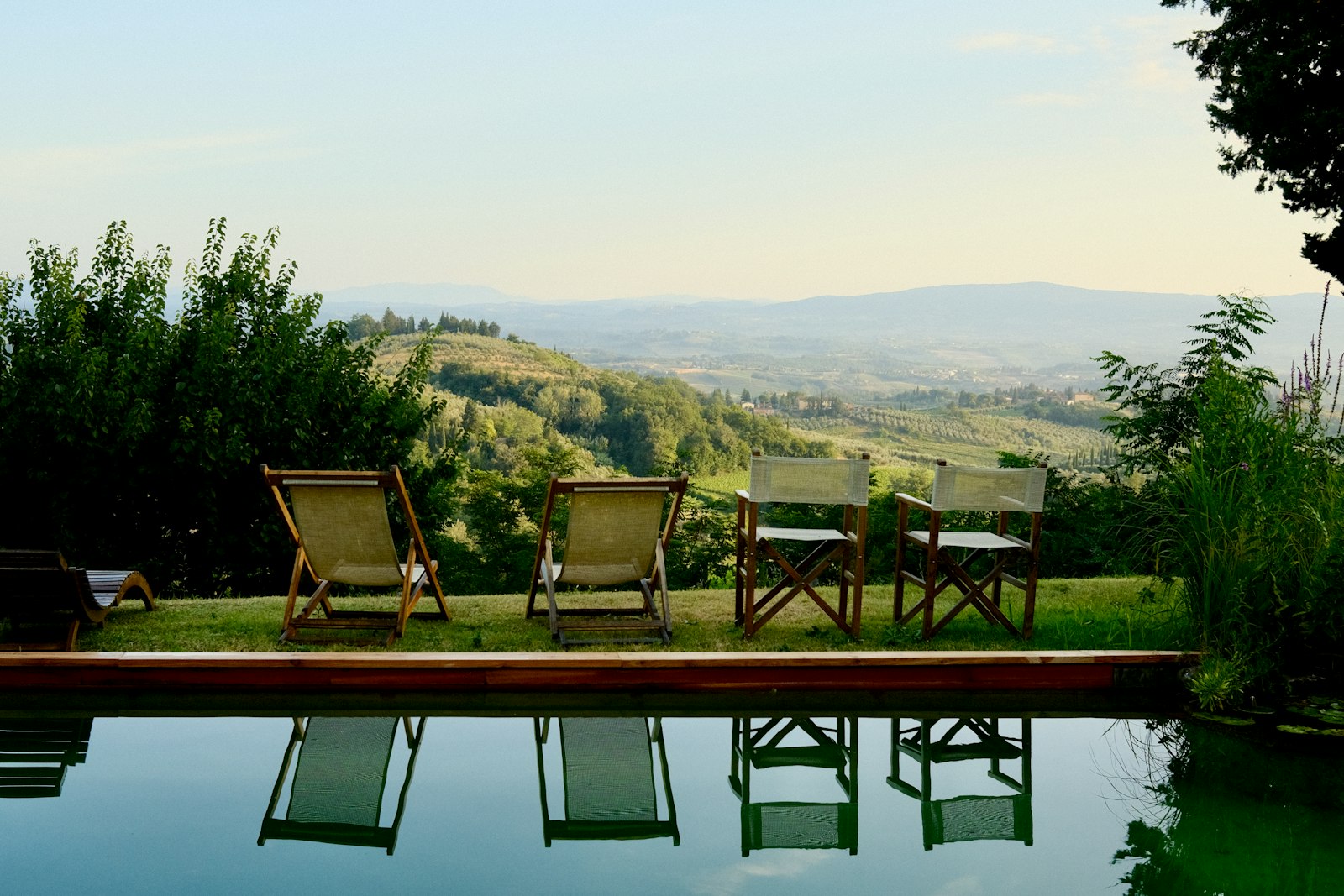
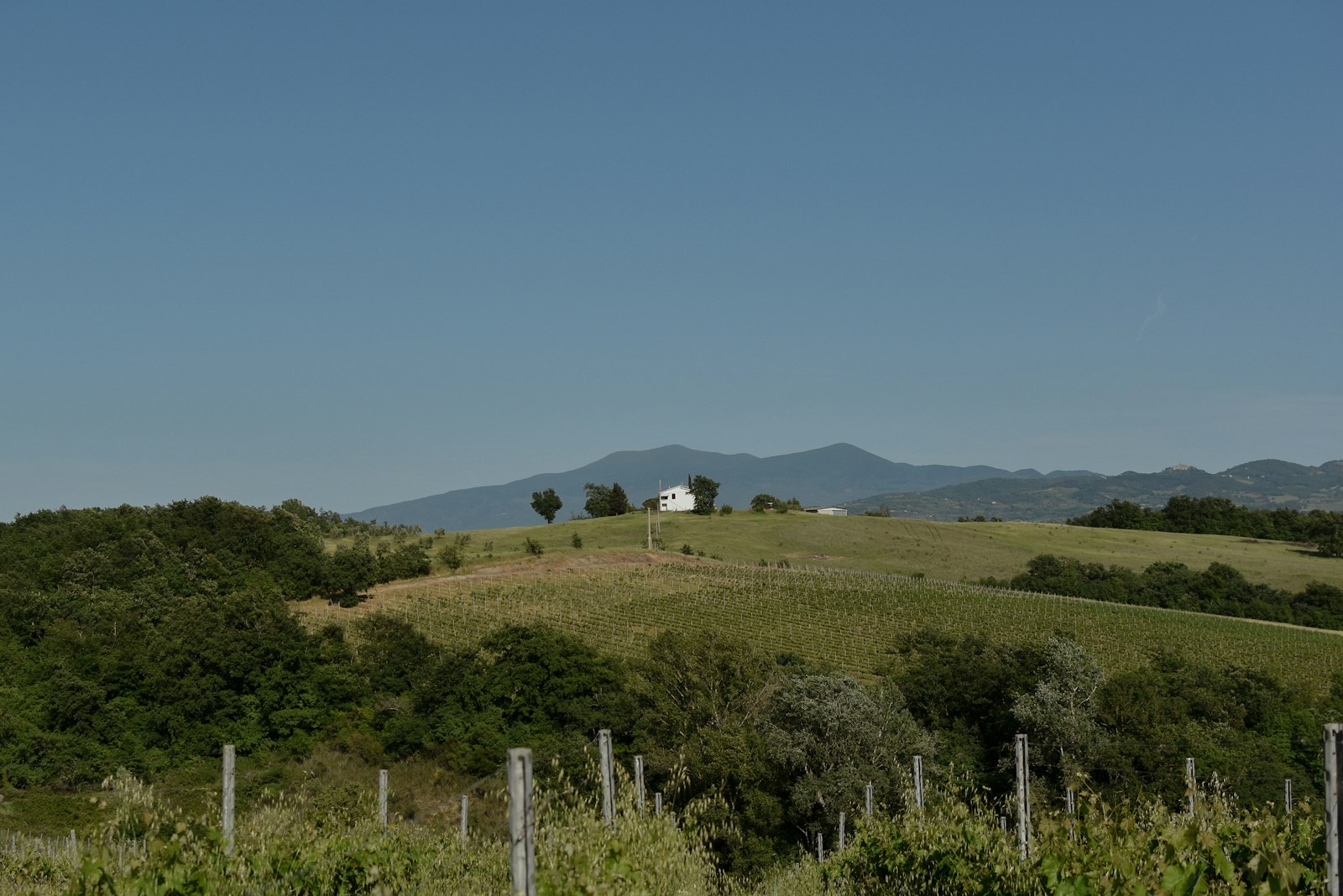
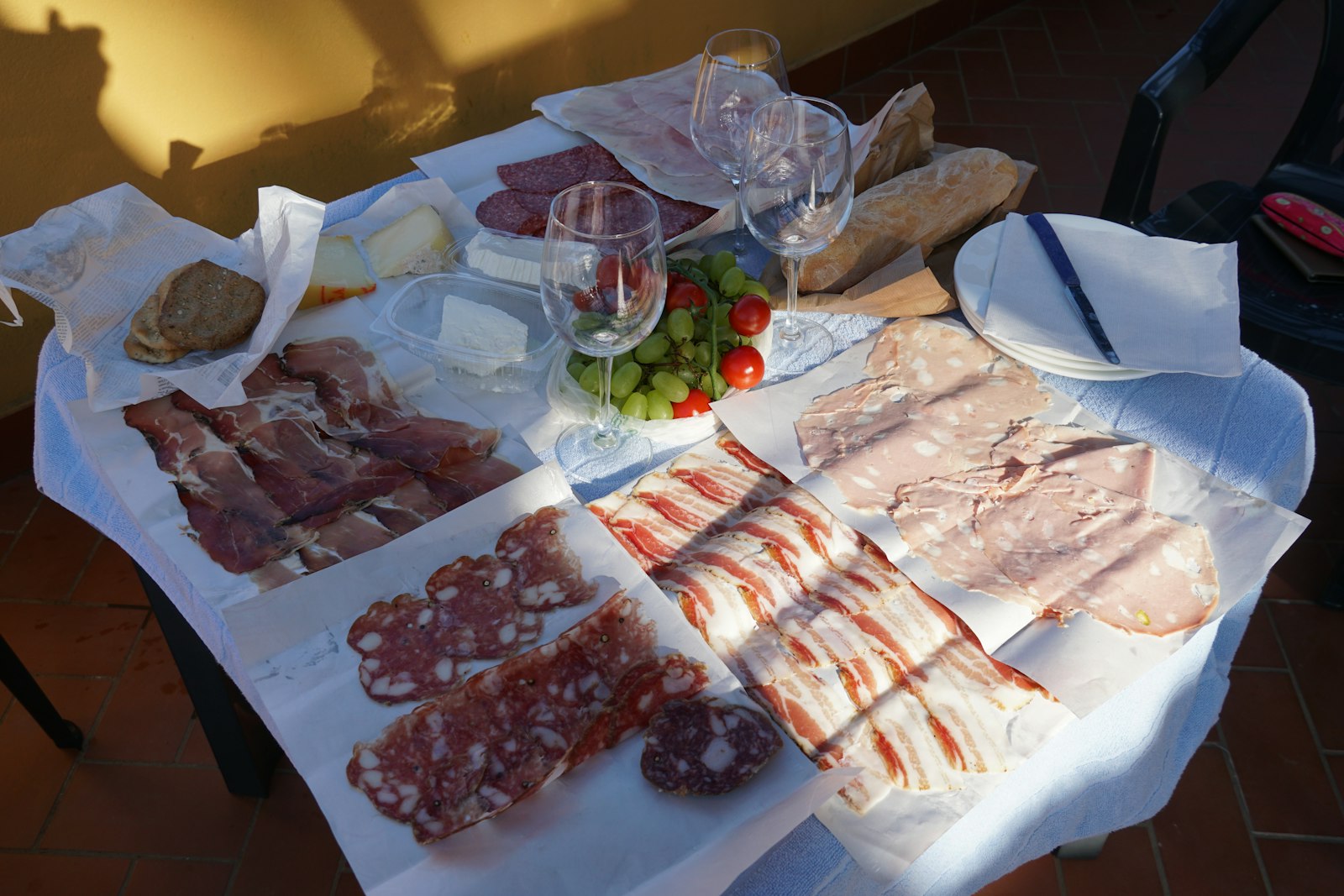
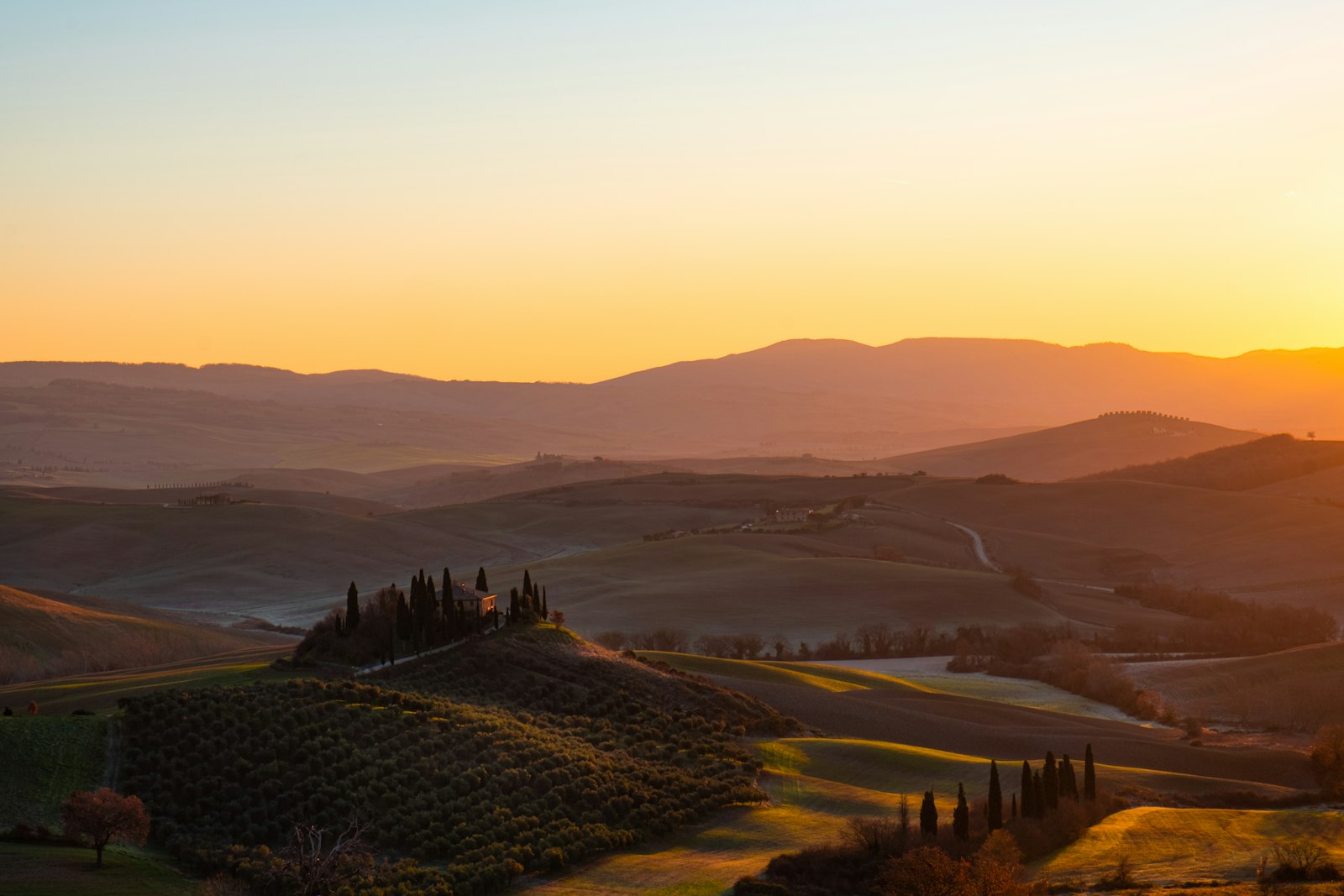
Tuscany is the part of Italy you already have a picture of — the cypress-lined road, the hill town stacked like a layer cake, the lunch that somehow lasted three hours. The good news is the picture is real. The better news is it's bigger and stranger than the postcard: Etruscan tombs and Renaissance altarpieces, a horse race run for 700 years, white gravel roads that draw cyclists from everywhere, and a coast almost nobody outside Italy talks about.
It rewards groups especially well. Rent a farmhouse, point a car at the back roads, and let the days get loose — a market in the morning, a winery after lunch, a town you didn't plan to stop in by dark. This is where to start: when to come, where to base yourselves, and how to spend a week without turning it into a checklist.
The soundtrack
Practical Stuff
Tipping
Tipping is light. Many places add a coperto (a small per-person cover for bread and the table) and some add servizio — check the bill. There's no 20% expectation. Round up, or leave a few euros on a meal you loved; on a great group dinner, €5–10 on the table is generous, not required.
Safety
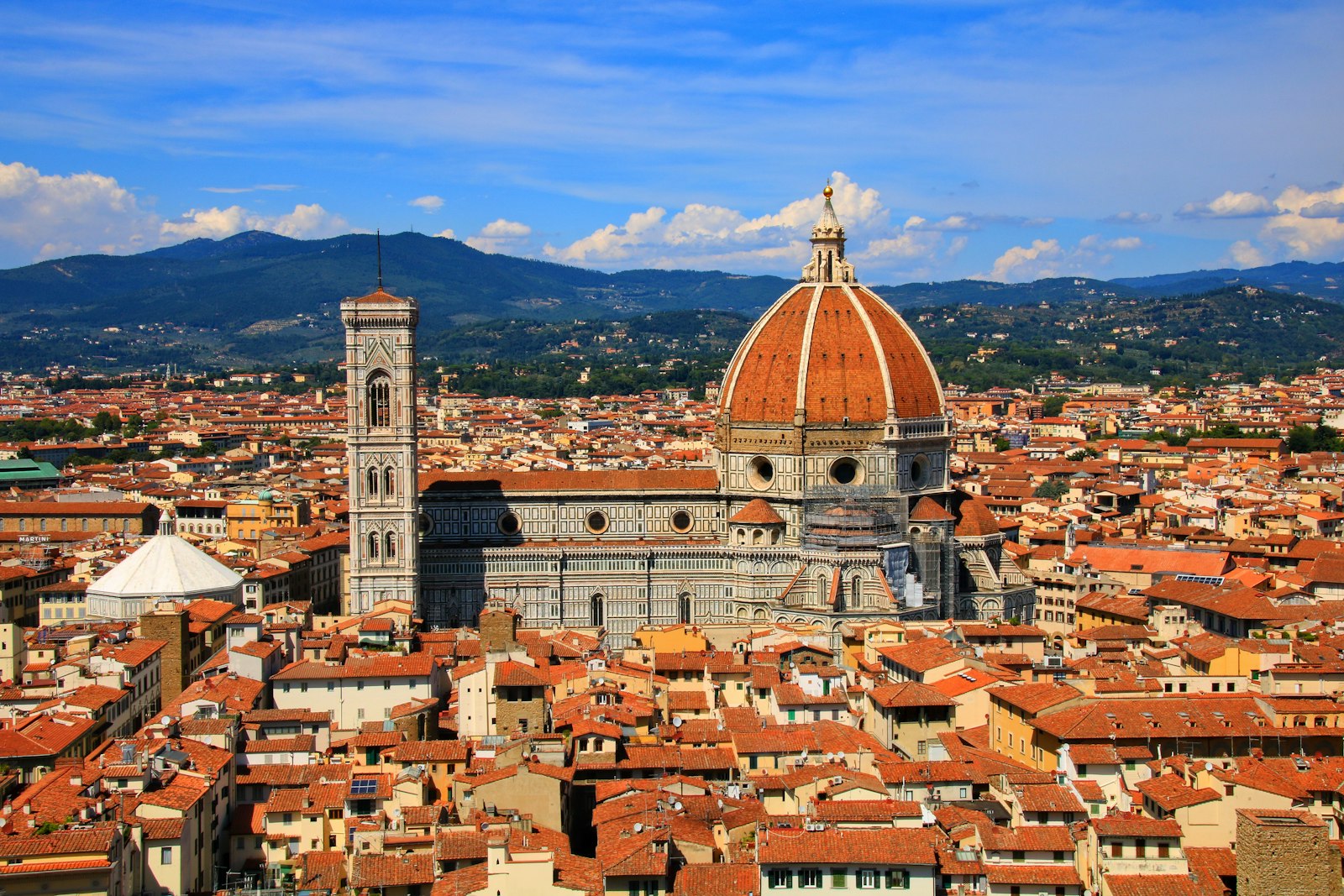
Tuscany is very safe. The main risk is the ordinary one: pickpockets working the crowds around the Duomo in Florence and the Leaning Tower in Pisa — front pockets, zipped bags, done. The bigger gotcha is driving: historic centers are ZTL zones (limited-traffic), monitored by cameras, and a wrong turn into one is an automatic fine that finds you months later. Park outside the walls and walk in. Rural roads are narrow and gorgeous; take them slow.
SIM card
An eSIM (Airalo, Saily) is the easy move — set it up before you land. Otherwise grab a TIM, Vodafone, or WindTre SIM at the airport. EU visitors keep their home plan via roaming.