
Seventeen neighborhoods, and a table long enough for all of you
Siena is a small city that somehow gets bigger the more of you bring.
Most people do Siena as a day trip and never learn what they missed. The buses leave around five, the brick goes gold, and the city hands itself back to the seventeen fierce little neighborhoods — the contrade — that live in it. A group that stays the night gets that Siena. Stay three nights and it becomes a home base, with half of southern Tuscany inside an hour's drive.
It's a compact place, which is exactly why it works for a crowd: everything is a fifteen-minute walk, and one rented apartment holds the whole trip. The two best things to do here — a long table of pici and boar, and a seat on the brick of Il Campo at sunset — get better, not worse, with ten of you doing them together.
This guide is for four friends and for ten. Where the advice changes with headcount, we say so — at four to six you can mostly improvise; at eight or more, a little structure buys everyone's freedom back. The deep dives on food, wine, and the Palio live in our other Siena guides. One rule first: the group that plans two things a day stays friends. Siena rewards exactly that. Now — beds.
Where to stay: inside the walls, or a farmhouse just outside them
One rented roof beats a scatter of hotel rooms every single time.
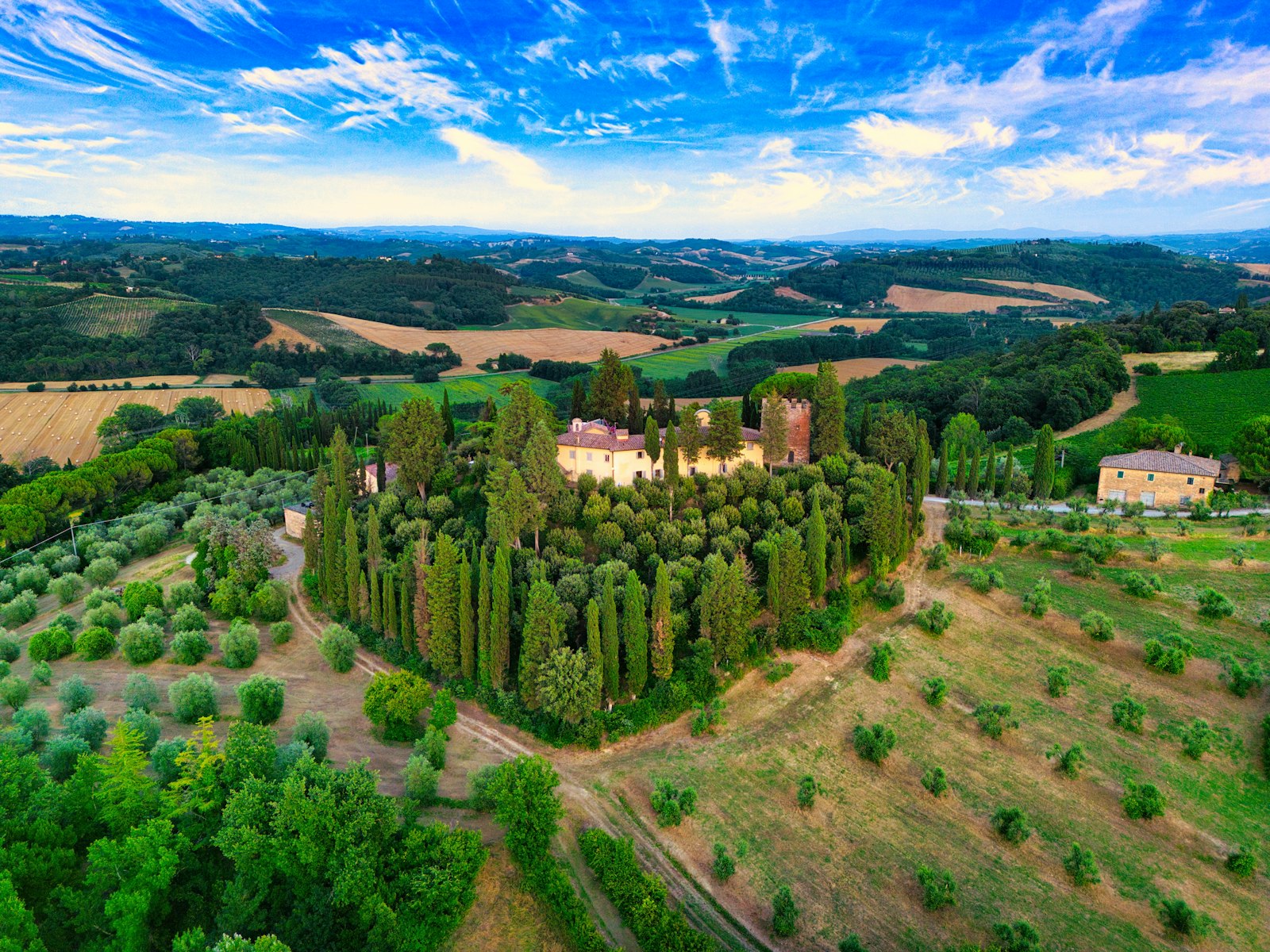
Book the whole place, not the rooms. A two- or three-bedroom apartment inside the medieval walls almost always undercuts the equivalent hotel rooms, and it hands you the two things a group needs: a kitchen for the market haul and a table to sit around after. Aim for the Terzo di Città or the quiet lanes just off Il Campo — central without being a tourist canyon.
At four to six: take one apartment inside the walls and walk everywhere. You'll want somewhere to stash the pecorino, panforte, and wine you'll inevitably haul home — and a balcony for the bottle you open the first night.
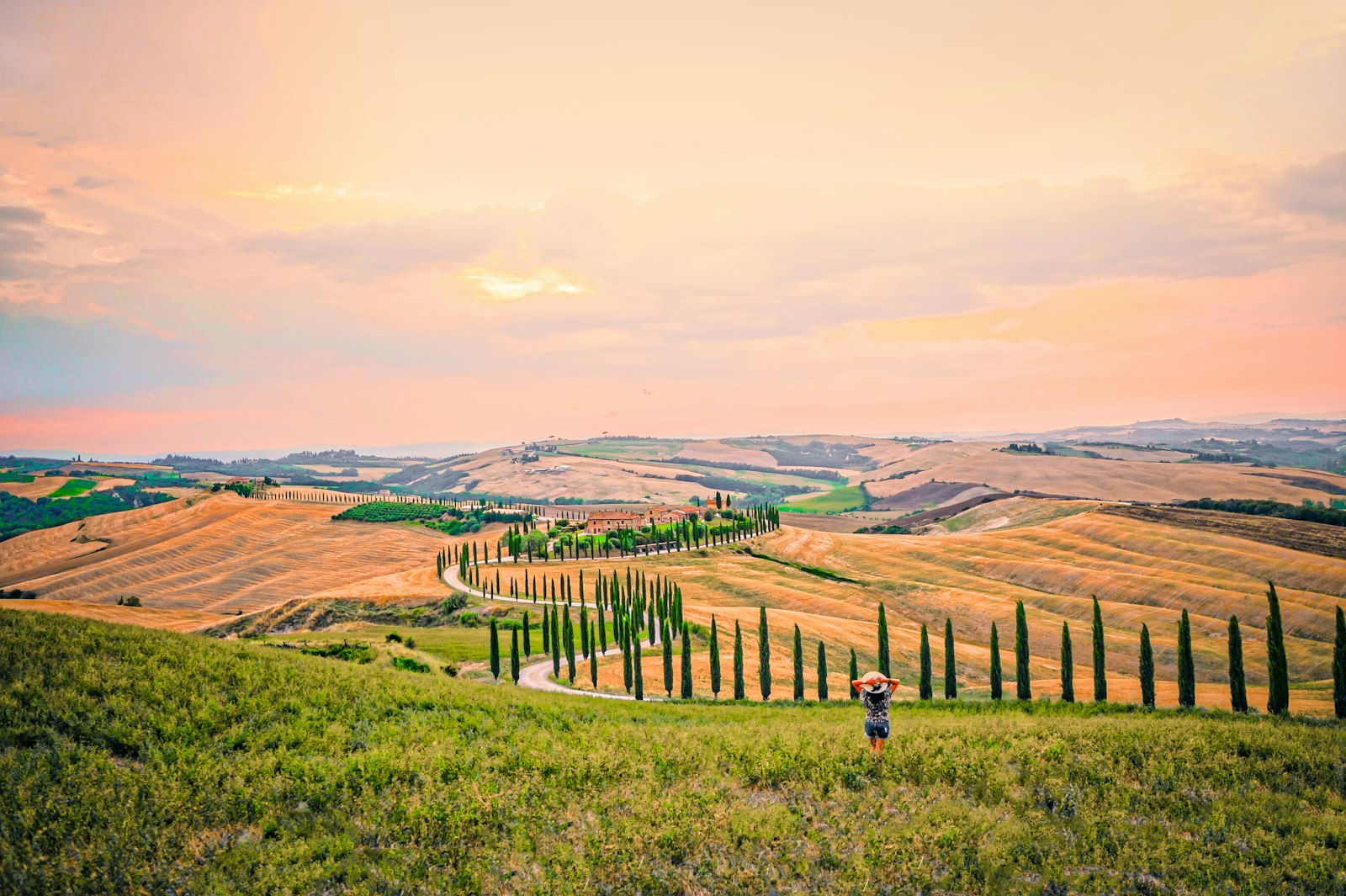
At eight or more: stop trying to cram everyone into the center. The move is an agriturismo in the hills just outside town — a farmhouse with a pool, a long table under a pergola, and a kitchen big enough to cook in. You trade a five-minute walk to the Campo for a ten-minute drive, and you get a house built for a crowd instead of a 700-year-old stairwell that wasn't. Book two to three months out; for Palio week, book a year out and don't blink.
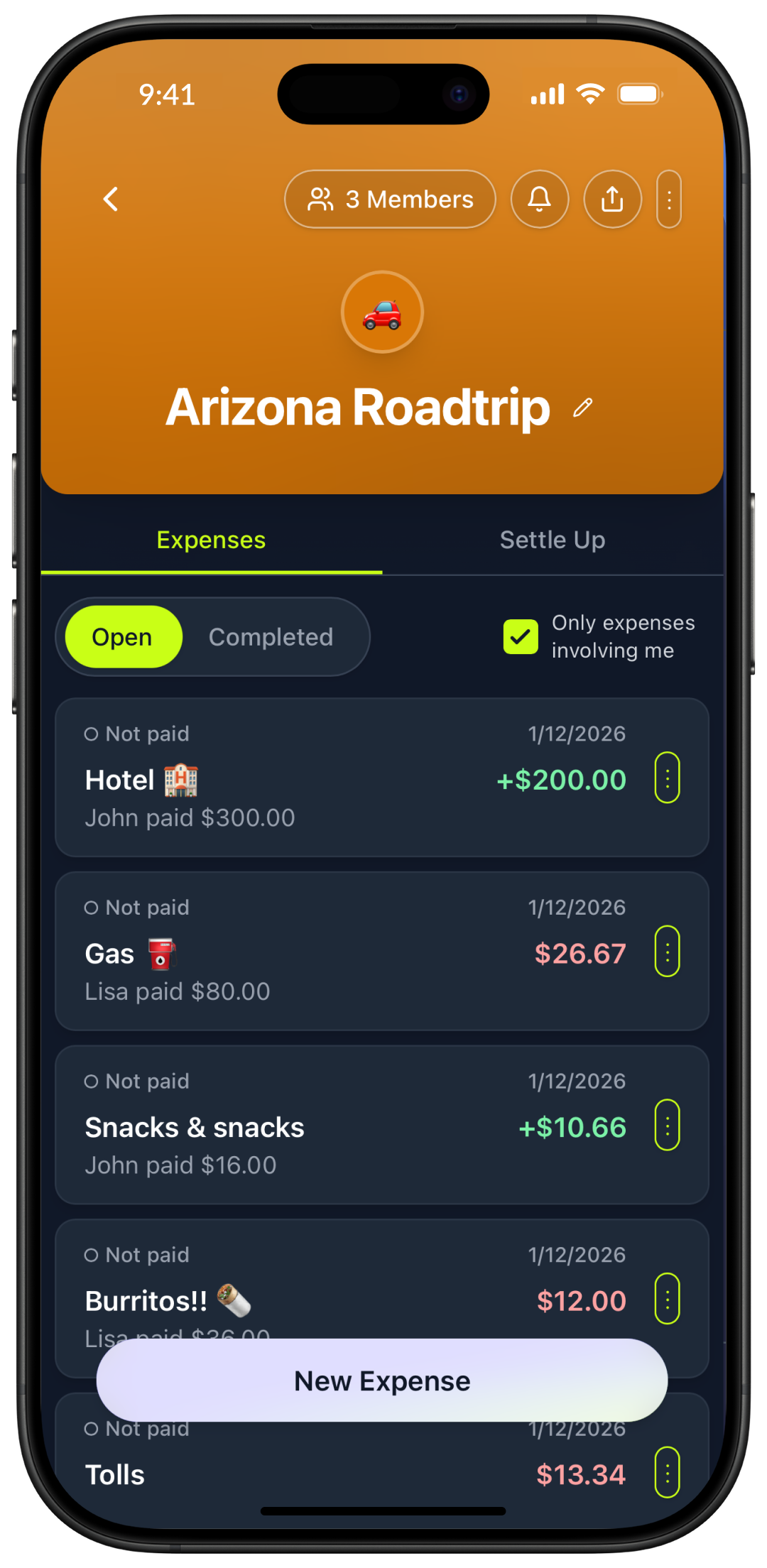
Someone is going to front the deposit for all of this — a favor roughly the size of a used Fiat. Be nice to that person; we'll come back to them.
Eating as a group without forming a committee
Know which dinners need a booking, which need a standing-room bar, and which need nobody to agree at all.

The book-ahead tier, for the one dinner where everyone dresses up a little: Osteria Le Logge, just off the Campo, is the polished Sienese classic — handmade pasta, a serious cellar, and staff who seat a long table like it's a normal Tuesday. Reserve a few days out at four to six; a week or more for eight-plus. This is your anchor dinner.
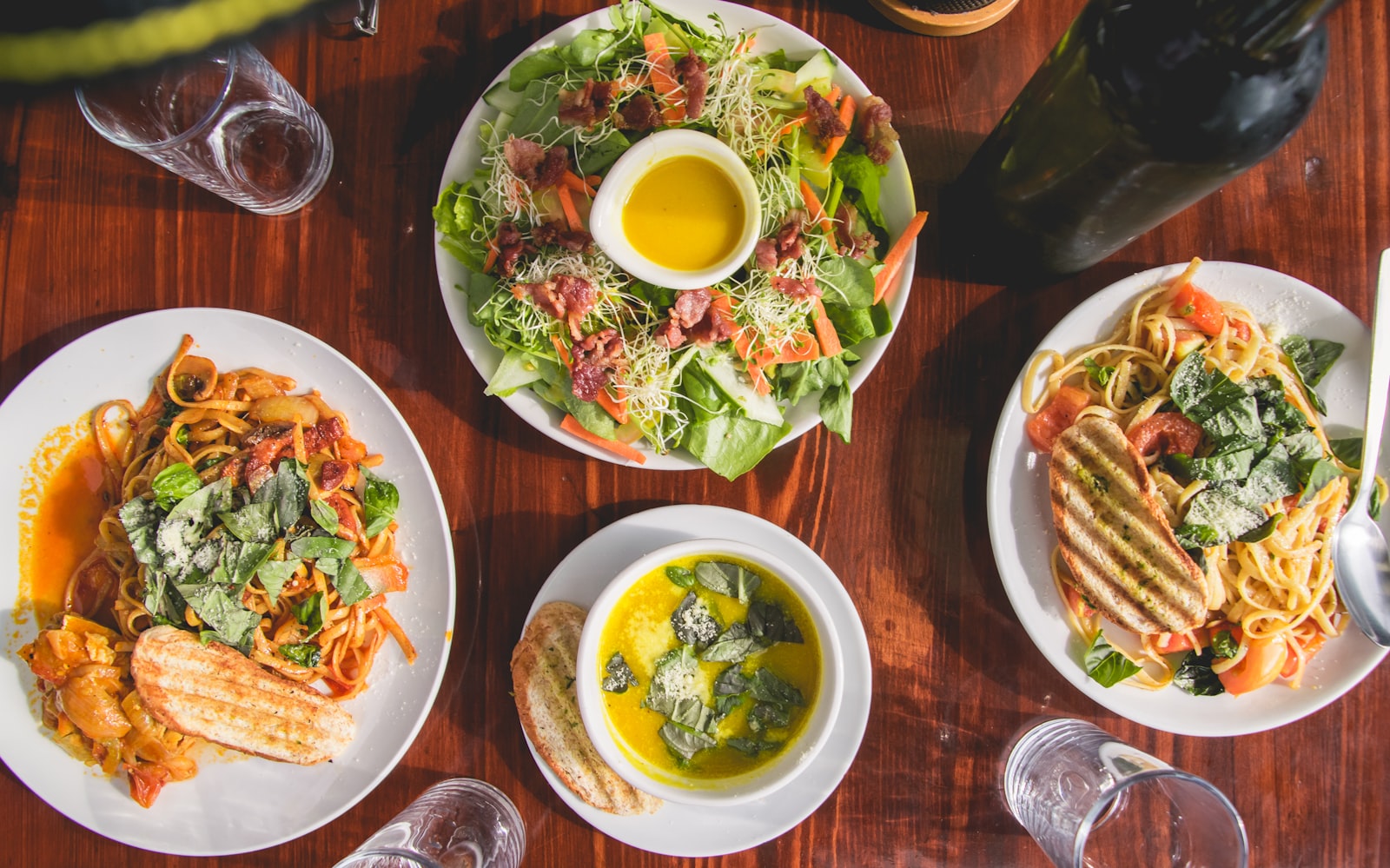
Then the one that's genuinely hard at ten: tiny Trattoria La Torre on Via Salicotto, a handful of tables and some of the best hand-rolled pici in the city. A big group takes the 7:30 opening slot or splits across two tables and trades plates — worth the small indignity for that pasta.
Taverna di San Giuseppe
The blowout, and the one to book weeks ahead. It's carved into a candlelit cellar on Via Giovanni Dupré — wild boar, truffle in season, and Brunello by the bottle, in a room that makes ten people feel like a conspiracy. Ask for the long table when you reserve — it's the dinner nobody stops talking about on the drive home.
Then the tier where headcount stops mattering: Osteria Il Grattacielo, a standing-room hole-in-the-wall pouring cheap red over plates of cured meat and pecorino. Nobody books, nobody sits; ten people is just a friendlier scrum. Pici runs a few euros a plate almost everywhere worth eating — order it all'aglione or under a wild-boar ragù, and share.
For the morning after, Nannini on Banchi di Sopra is the historic café for a ricciarello and an espresso at the bar. The full taxonomy of pici, boar, and medieval sweets lives in our food guide — steal from it liberally.
The things that only get better with more people
Per-car drivers, a table waiting at a winery, and a picnic that costs nothing at all.
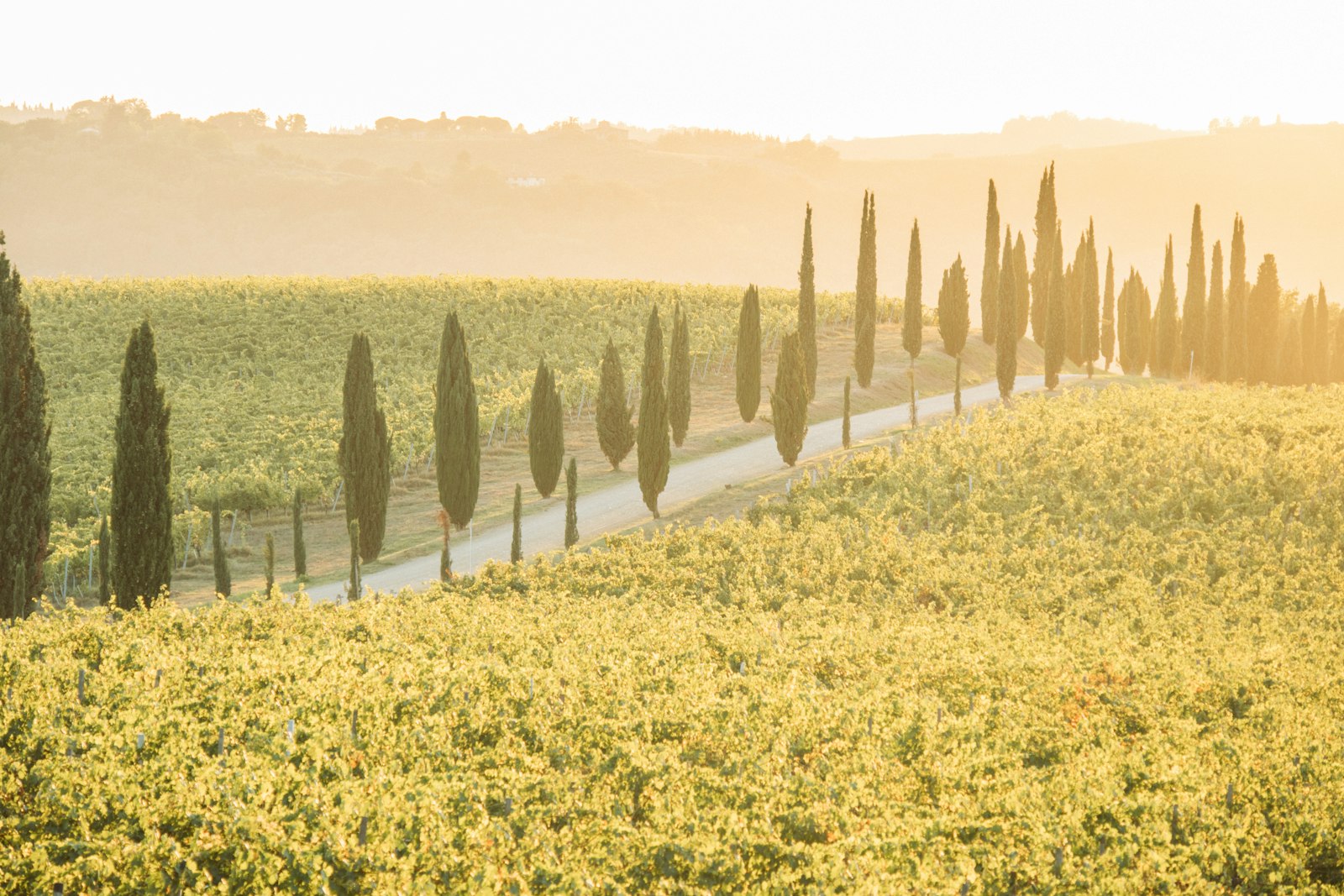
Start with the wine day, because it's the one where a group flat-out wins. A serious tasting and Tuscan back roads don't mix, so you want a driver — and a local driver a full car can split usually costs less than a branded minibus and bends to your plan: leave when you like, linger where it's good. At four to six, one car and one driver cover it; split four ways, it's the best money of the trip. At eight or more, book two cars or a small-group tour. Head south — Montalcino for Brunello, Montepulciano for Vino Nobile — pick two estates, book both ahead, and let lunch run long.
A driver splits four ways into the best money of the trip. Il Campo at sunset splits ten ways into nothing at all.— On the math of Siena
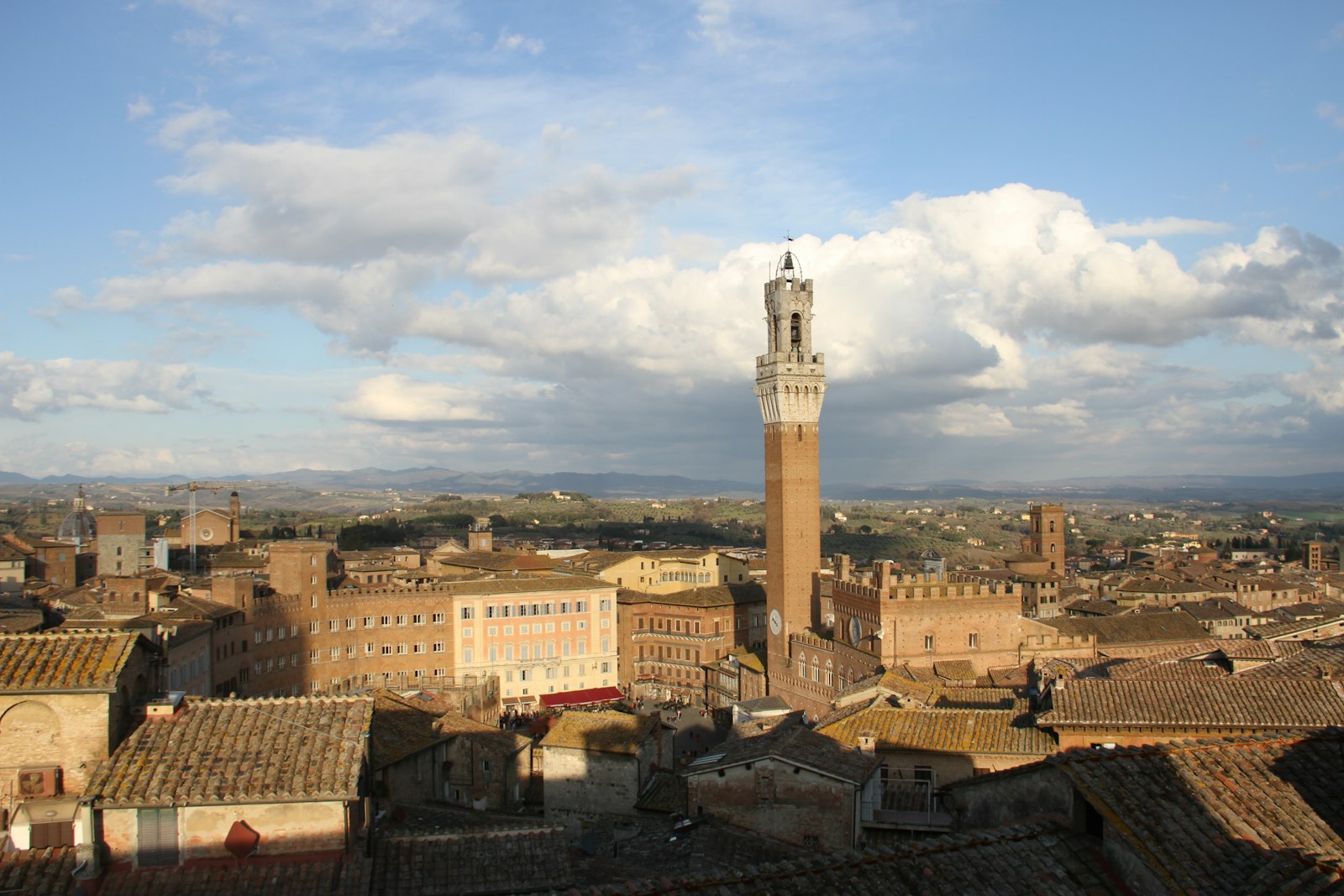
The free group win is the one you'll remember longest: a picnic on Il Campo. Raid a market for pecorino, finocchiona, bread, a wedge of panforte, and a couple of bottles, then sprawl on the warm brick of the shell-shaped piazza as the Torre del Mangia throws its shadow across it. It seats all of you, and it's the best table in town. Bring a corkscrew and elect someone to remember cups.
And if your dates land on it, there's nothing like the Palio — the bareback horse race the contrade run around the Campo on July 2 and August 16, a whole city losing its mind for ninety seconds. The center is free but packed; book beds a year out. Miss it, and an evening aperitivo in a contrada bar, flags out, is the everyday version. Pick two of these, not all four. Remember the rule.
Moving the group through a city with no cars in it
The walls do the work. The car is the only thing that can go wrong.
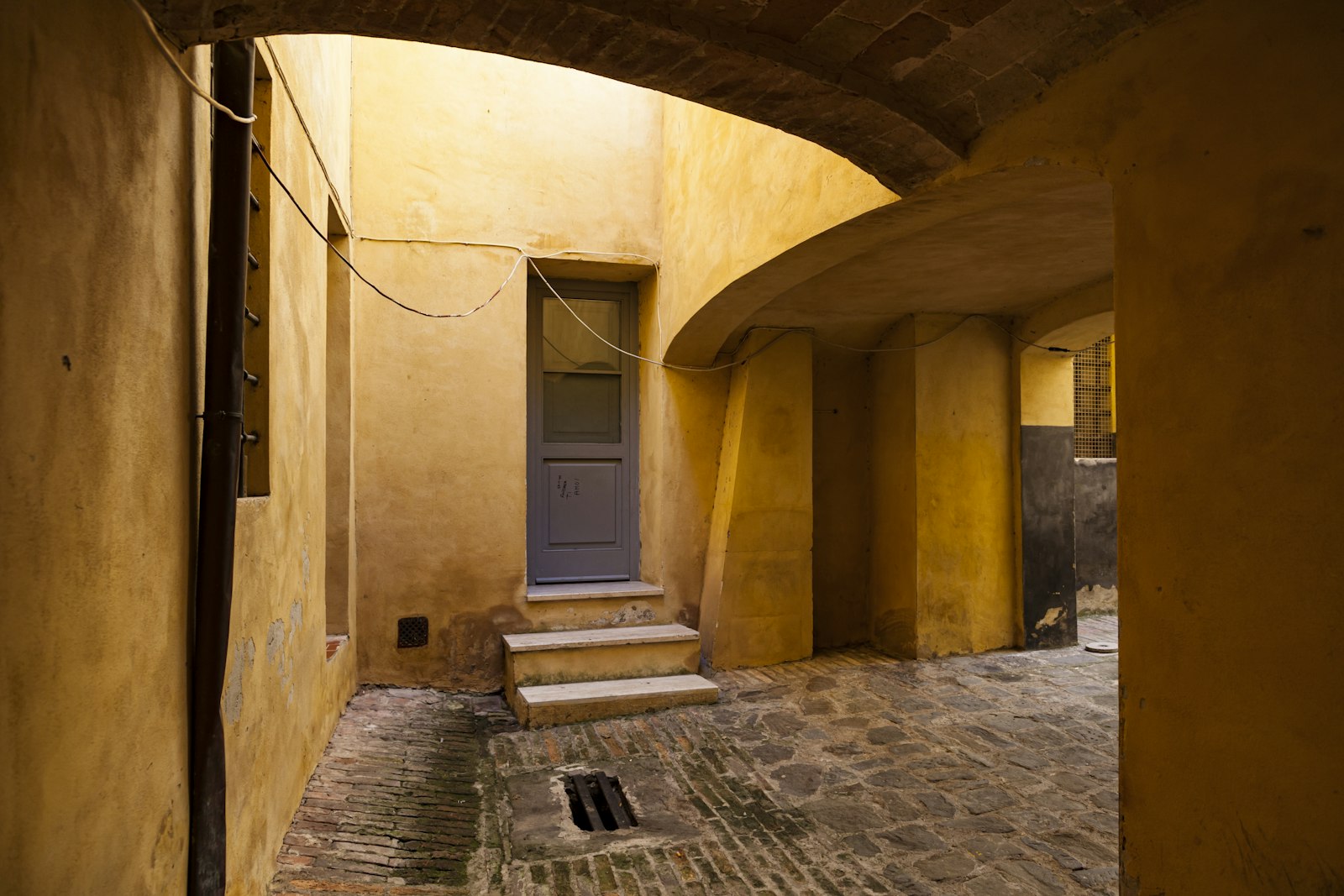
Inside the walls there is no transit plan, and that's the whole gift. Nothing in Siena is more than fifteen minutes on foot — uphill at some point, all of it on cobbles, so bring real shoes. Stay clustered in the center and your evenings need zero logistics: dinner, a contrada bar, and bed sit a short walk apart, and the night walk between them is quietly one of the best things you'll do here.
The honest word is about the car, not the crowd. Siena's center is a pedestrianized ZTL — a limited-traffic zone watched by cameras — and one wrong turn past a sign is an automatic fine that finds you months later, once per car, quietly ruinous. Leave the car in a ring garage — Santa Caterina has escalators straight up into town. Coming in from Florence, take the Autolinee Toscane coach over the train — it runs city-center to city-center in about 75 minutes, while the train strands you at a station downhill from the old town. Rent a car only for the days you leave Siena, and park it before the walls.
The one crowd-safety note is seasonal: during the Palio the Campo becomes a genuine crush, and a packed square is the one place in this gentle city where a pickpocket can work. Front pockets, bags zipped and worn in front, phones away — the rule for any tight festival crowd. The rest of the year, Siena is about as safe as a city gets.
Three group days, honestly paced
Fewer stops than the solo plan. That's the point.
Day one: arrive, drop bags inside the walls, and give the afternoon to Il Campo and the Duomo — the striped marble is worth a slow hour. Aperitivo in a contrada bar as the day-trippers clear out, then the long anchor dinner at Osteria Le Logge. That's a complete day. Do not add to it.
Day two: the group move is to split up. Climbers take the Torre del Mangia's 400 steps; the art crowd does the Museo Civico and the Duomo's library; everyone loose in between. Regroup for a standing lunch at Il Grattacielo, walk the contrade, and catch golden hour from the Facciatone, the giant unfinished cathedral wall you can climb. Dinner is the cellar at San Giuseppe, or the pergola back at the agriturismo. Groups that split for two hours stay friends for ten years.
Day three: point a car south. A Brunello tasting in Montalcino with the driver waiting, a long hill-town lunch, and the bare clay waves of the Crete Senesi going gold on the way back. Closer, if you'd rather: the towers of San Gimignano (about 45 minutes) or the walled circle of Monteriggioni (about 20). Farewell drinks on the brick of Il Campo, because you'll want to.
A fourth day is for the Val d'Orcia; a fifth, for our comprehensive guide and the whole region, because Tuscany is right there.
Where we would book
Direct with the owner, direct with the estate, and free where the best things already are.
For the apartment or the agriturismo, book direct with the owner rather than a third-party site when you can — you'll often get a better rate and real answers about which door is yours in a 700-year-old building. At eight or more, message the host first: does the place handle a group, or merely sleep one? Buy the Florence–Siena coach straight from Autolinee Toscane, and rent any car ahead — automatics sell out. For the Torre del Mangia, use the city's official ticket site; for a Brunello tasting, the estate's own page or email; for a wine day, a local driver over a branded minibus. The best things here — a seat on the bricks, the walk through the contrade, the Campo at sunset — cost nothing, so there's nothing to book and nothing to mark up.
Related guides
- Your Siena Travel Guide: The Gothic Heart of Tuscany — the whole city, where to stay, and how to get around.
- Siena Food Guide: Pici, Cinghiale, and Panforte — the long-table menu your group will argue over, happily.
- Things to Do in Siena: Towers, Day Trips, and Wine — the driver day and the climbs, at any headcount.
- Siena Culture Guide: The Duomo, the Palio, and the Contrade — the seventeen neighborhoods, explained.
- Florence Group Trip Guide — bistecca by the kilo and the Chianti van.
- Tuscany Group Trip Guide — the whole region as a villa week, pool included.
- Mexico City Group Trip Guide — another city built for a long table, where the best day is priced by the boat, not the person.