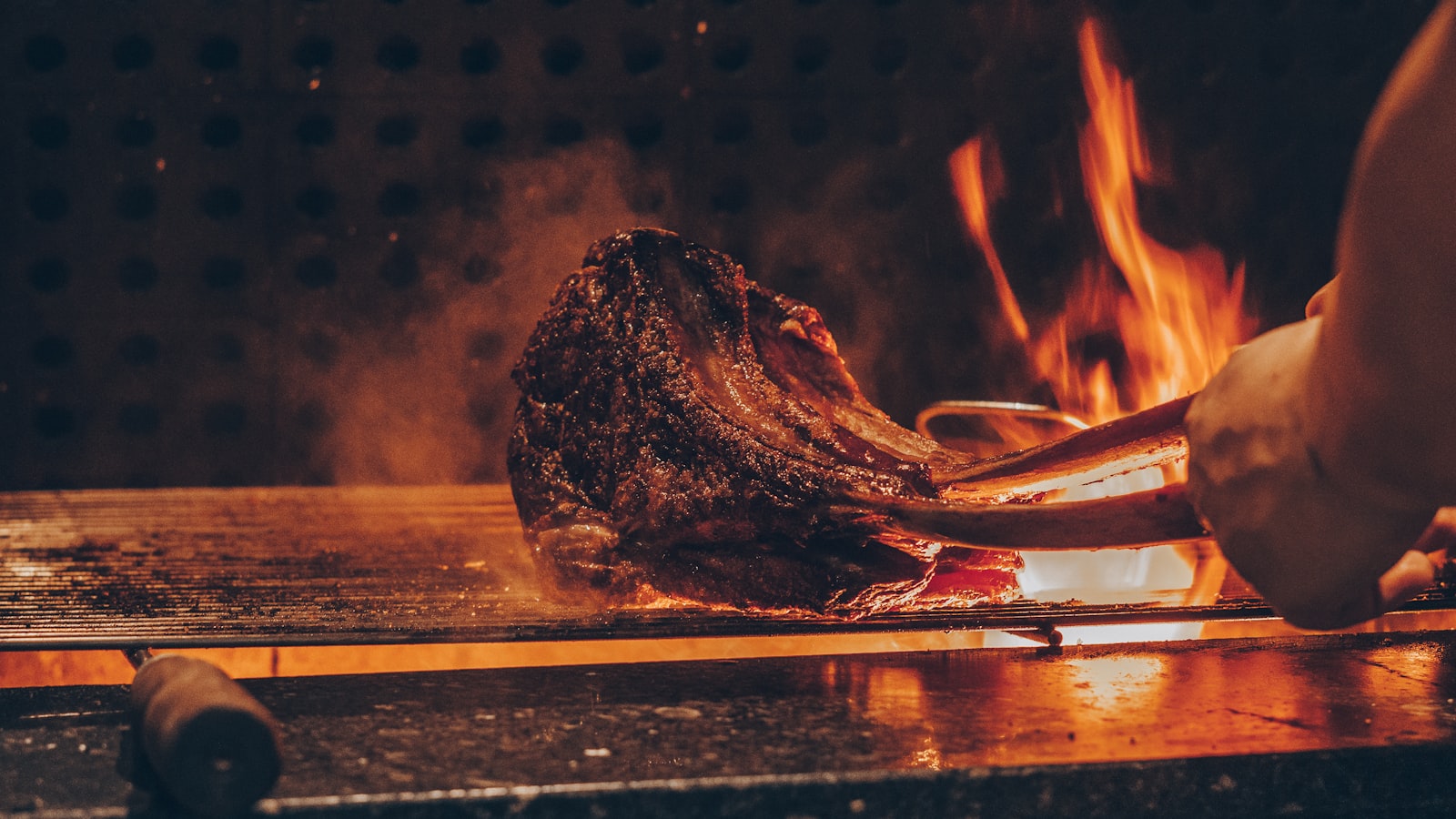
Tuscan food is blunt, and that's the point
Bread without salt. Steak without apology.
Florentine cooking is peasant food that won: unsalted bread, beans, day-old-bread soups, offal from a cart, and a steak so large it's priced by the kilo. Nothing is delicate. Everything is direct. The mistake visitors make is looking for refinement — the city's genius is in trattorie with paper tablecloths where the menu hasn't changed since the seventies, and in eating the way the city eats: standing espresso, long lunch, golden-hour aperitivo, late-ish dinner.
This is where we'd actually eat, what to order, and the two reservations to make before you fly.
The shape of a Florence food day
Stand for coffee. Sit for hours.
Colazione (7–10am): espresso or cappuccino standing at the bar with a budino di riso or cream-filled cornetto. Sitting down doubles the price; locals don't.
Pranzo (12:30–2:30pm): the trattoria meal. Ribollita or pappa al pomodoro, a plate of pasta, house wine in a carafe. The no-reservation legends are lunch-only — plan around them.
Aperitivo (6–8pm): a Negroni or a glass of Chianti with snacks, ideally outdoors on a piazza. This is the hour Florence is best at.
Cena (from 7:30–8pm): the bistecca night, the booked tables, the long ones. Kitchens close earlier than you'd think — by 10 in most trattorie.
Bistecca: the rules
By the kilo. Rare. Shared.
Trattoria Mario
San Lorenzo, lunch only, since 1953. No reservations, shared tables, menu on a board, bistecca that needs no defending. Get in line by 11:45. Cash only. The line is the price of admission and it's worth it.
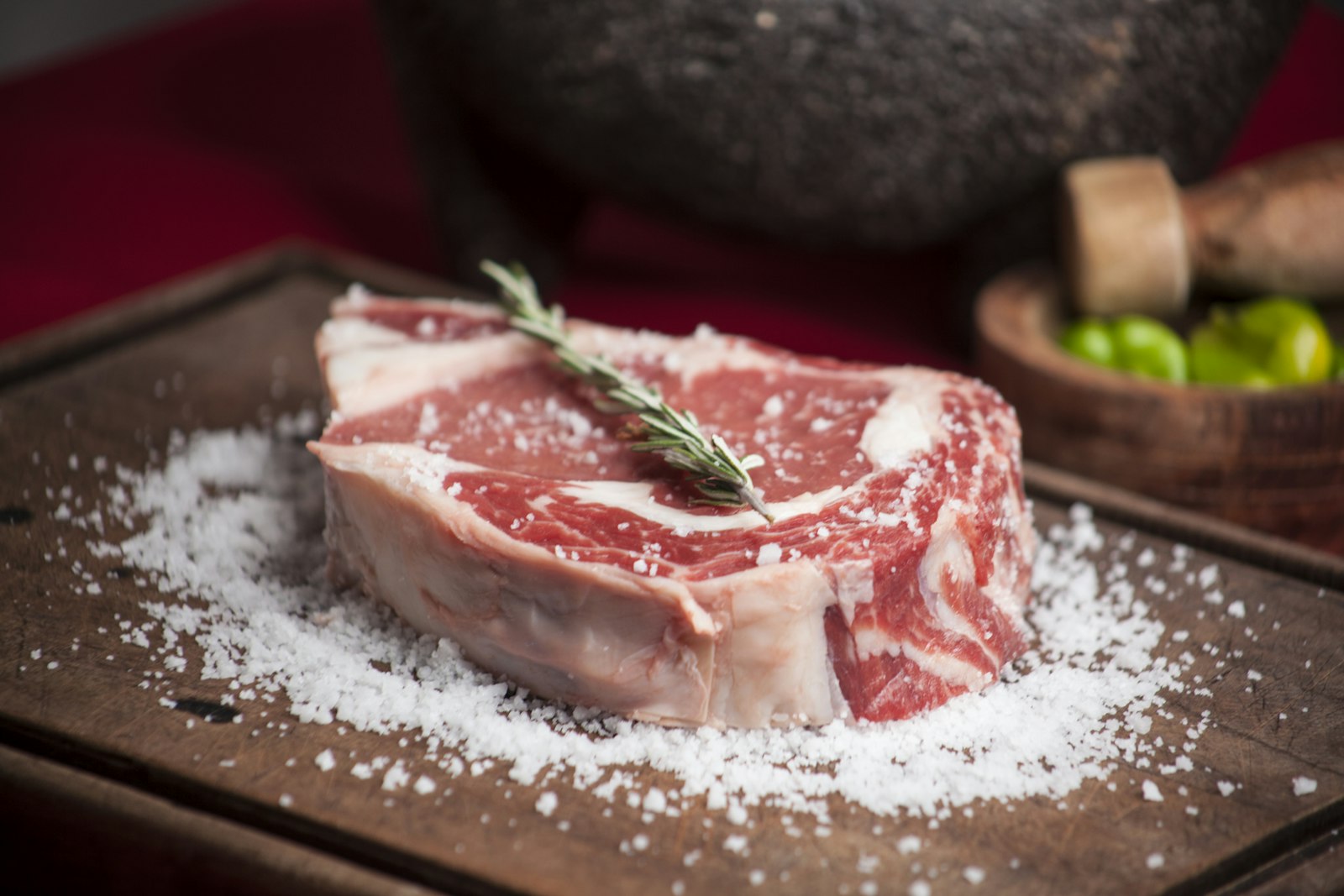
Bistecca alla fiorentina is a T-bone of Chianina or similar beef, cut at least three fingers thick, grilled over coals, served very rare and priced per kilo — usually €50–70/kg, with one steak feeding two to three people. The rules:
- Don't ask for it well done. Most places will politely refuse. Rare isn't a preference here, it's the dish.
- Order by weight, share it. A kilo to a kilo and a half for a table of four, with white beans and sautéed spinach alongside.
- Where: Trattoria Mario at lunch; Sostanza (since 1869, two seatings, cash, book days ahead) where you should also order the butter chicken even though it sounds wrong; Trattoria Cammillo for the polished old-school version; Trattoria Sabatino in San Frediano when you want the €25-a-head neighborhood night.
- The rest of the menu matters too: crostini di fegatini to start, ribollita if it's cold, cantucci dipped in vin santo to end.
Street food: the lampredotto question
Yes, it's tripe. Eat it anyway.
Florence's signature street food is lampredotto — the fourth stomach of the cow, simmered, stuffed into a roll dunked in broth, hit with salsa verde and chili oil. It costs about €5 and it's genuinely great; centuries of Florentine workers aren't wrong. Nerbone inside Mercato Centrale (since 1872) and the Sergio Pollini cart near Sant'Ambrogio are the standards.
The panino scene is the gateway version. All'Antico Vinaio is famous for a reason — the schiacciata is excellent — but the line is now an attraction in itself; go at 11am or skip it for Semel, a closet-sized counter by Sant'Ambrogio doing inventive combinations with no line and no seats. Eat it on the curb with a plastic cup of wine like everyone else.
The line is the price of admission and it's worth it.— On Trattoria Mario
Markets
Centrale for the show. Sant'Ambrogio for the shopping.
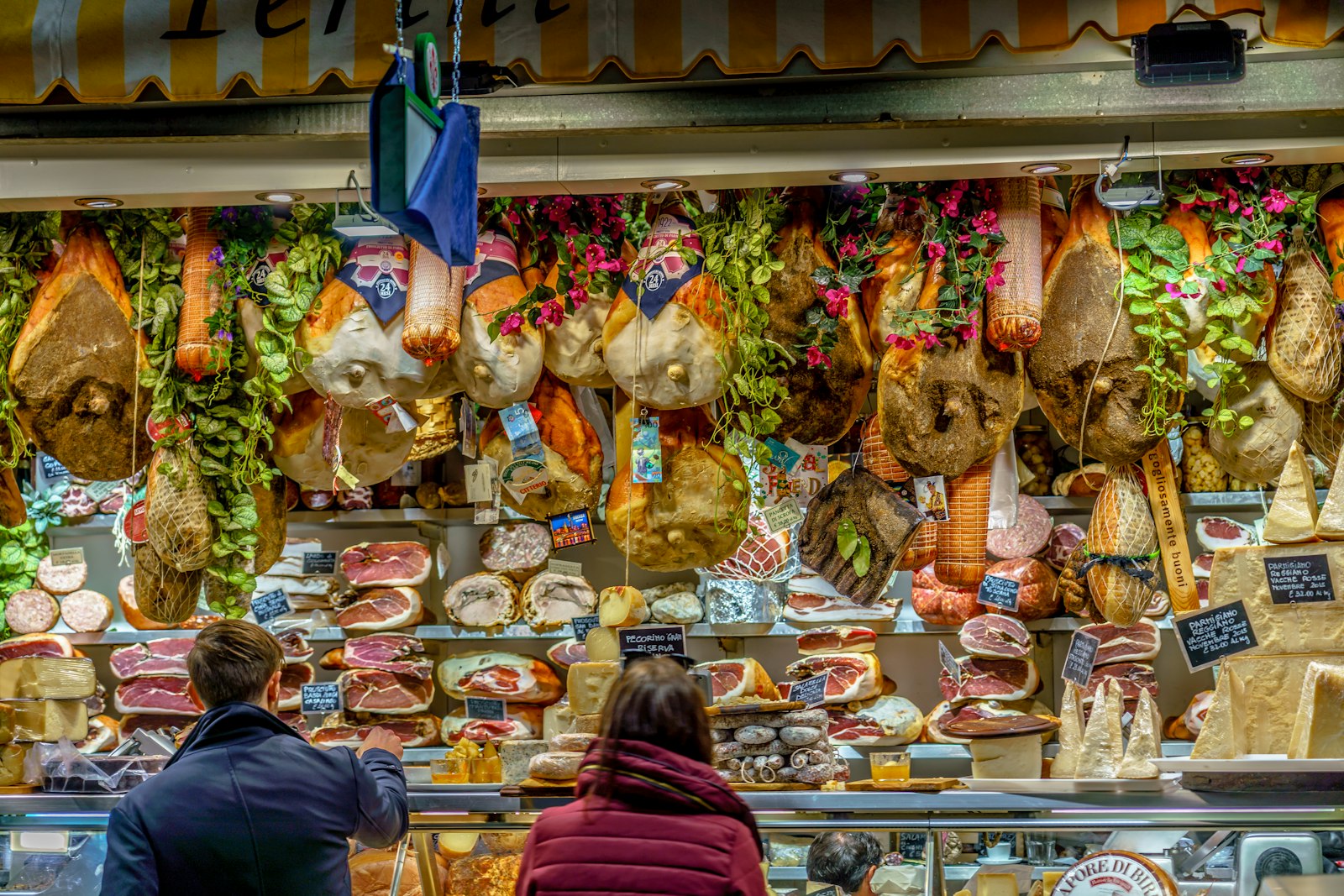
- Mercato Centrale (San Lorenzo) — ground floor is the real market: butchers, Nerbone, the Conti stalls for porcini and truffles. Upstairs is a polished food hall, useful when a group can't agree on lunch.
- Mercato di Sant'Ambrogio — where Florentines actually shop. Produce outside, counters inside; lunch at Trattoria da Rocco inside the hall costs about €12 and beats most restaurant lunches in the center.
Gelato: the test
Covered tins. Muted colors. No mountains.
Florence has a claim on inventing gelato, and also some of Europe's worst tourist gelato. The test: real gelato is stored flat or in covered steel tins, in muted natural colors — pistachio should be khaki, not neon. Fluorescent mountains under spotlights are frozen marketing. Our list: Gelateria della Passera (Oltrarno, tiny, seasonal), La Sorbettiera (Piazza Tasso, the locals' answer), Vivoli (since 1929, the affogato), and My Sugar near San Lorenzo. €3–4 a cup; anyone charging €8 is selling you the view.
Drinks: the Negroni's hometown
Invented here. Order accordingly.
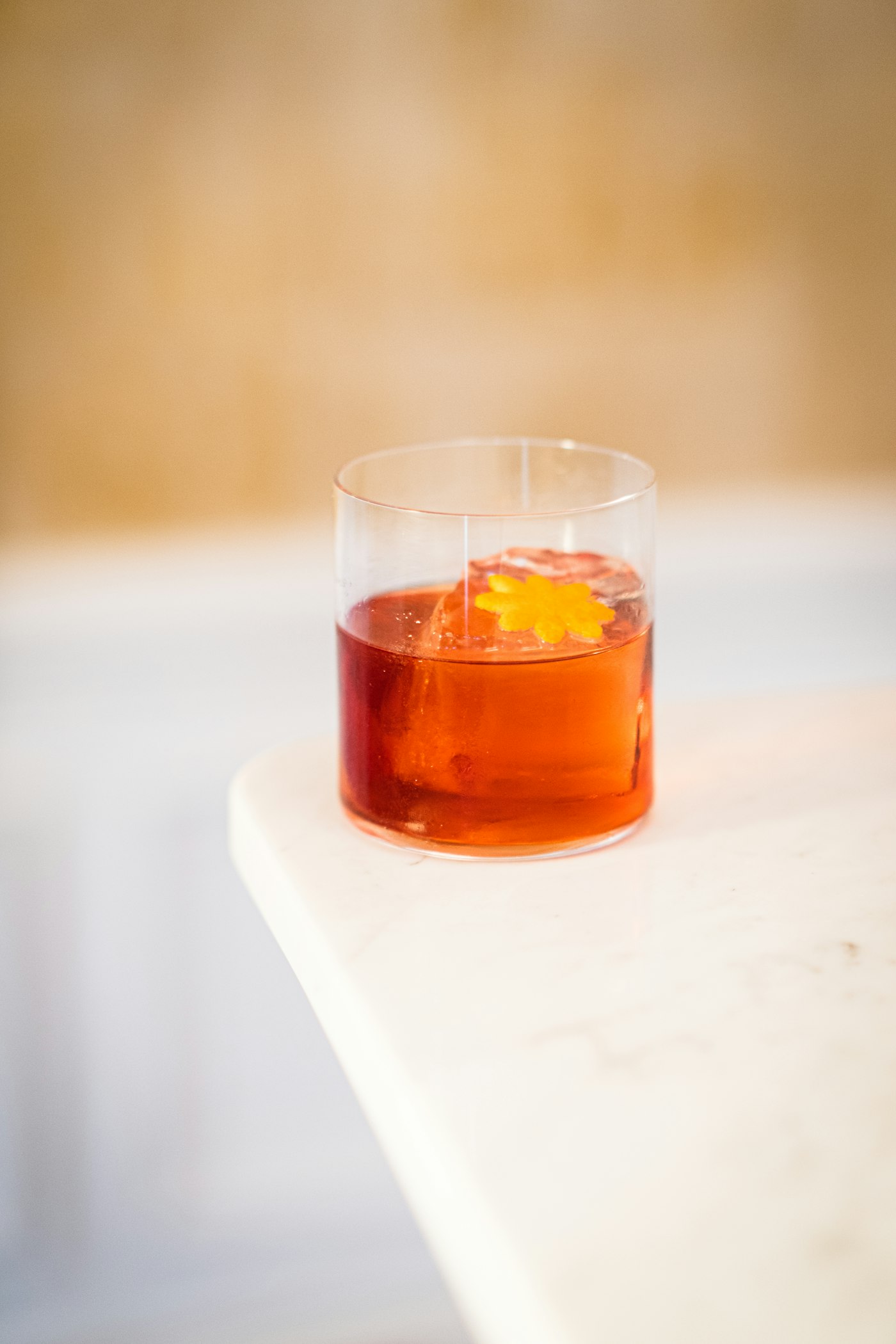
The Negroni was born in Florence around 1919, when Count Negroni asked a bartender on Via Tornabuoni to stiffen his Americano with gin. Have one at golden hour and you're observing local history. The aperitivo scene is best in the Oltrarno: the steps and bars of Piazza Santo Spirito (Volume, Pop Café) for the loose version, Il Santino in San Frediano for the tiny-wine-bar version.
Wine windows. The buchette del vino — hatches in palazzo walls that nobles sold wine through during plague years — have reopened. Babae on Via Santo Spirito pours glasses through theirs in the evening. Silly, charming, mandatory.
Enoteche. Le Volpi e l'Uva by the Ponte Vecchio pours small producers you won't see at home, with crostini to match. For the full Tuscan cellar experience, book a tasting out in Chianti — see the activities guide.
Coffee. Ditta Artigianale brought the specialty scene (multiple locations, laptops tolerated); for the classic counter, any bar with locals two-deep at 8am is correct. Procacci on Tornabuoni does truffle panini with prosecco and has since 1885.
Money + tipping
The coperto is not a scam.
The coperto (€2–4 per person) is a legal, normal cover charge — it covers bread and the table, and it appears on nearly every bill. Tipping beyond it is not expected: round up or leave a few euros for a great night, nothing for a normal one. Cards work everywhere except the lampredotto carts and a couple of proudly cash-only legends (Mario, Sostanza) — carry €50 in cash and you're covered.
Reservation strategy
Two bookings. The rest is lines and luck.
- Book before you fly: Sostanza (call or have your hotel do it; days ahead, more for the 7:30 seating) and one polished dinner — Cammillo or Buca dell'Orafo.
- Queue for: Mario (11:45am) and All'Antico Vinaio (11am or not at all).
- Walk in: Sabatino, the markets, every enoteca and gelateria in this guide.
If you only have one meal
Sostanza. The 7:30 seating.
Book the first seating at Sostanza. Ten tables, a hundred and fifty years of practice. Order the crostini, one bistecca per three people, and the butter chicken — two chicken breasts arriving furious in a skillet of browned butter, which sounds like nothing and eats like a revelation. Cash, carafe wine, done by 9:30. You'll think about it for years.
Where we would book
For restaurants, Florence still runs on phone calls — have your hotel or apartment host book Sostanza and Cammillo; there's no fee and it works. For food experiences, GetYourGuide's market-to-table cooking classes and Chianti tasting drives are the reliable picks. For apartments near the eating (Sant'Ambrogio or the Oltrarno, always), Booking.com has the depth.
Related guides
- Your Florence Travel Guide: Three Days, Honestly Done — the full plan this guide eats inside of.
- Florence Activities Guide — what to do between the meals.
- Florence Culture Guide — the museums, minus the burnout.
- Mexico City Food Guide — the same philosophy, different hemisphere.
- Florence Group Trip Guide — the same bistecca, split across a table of ten.