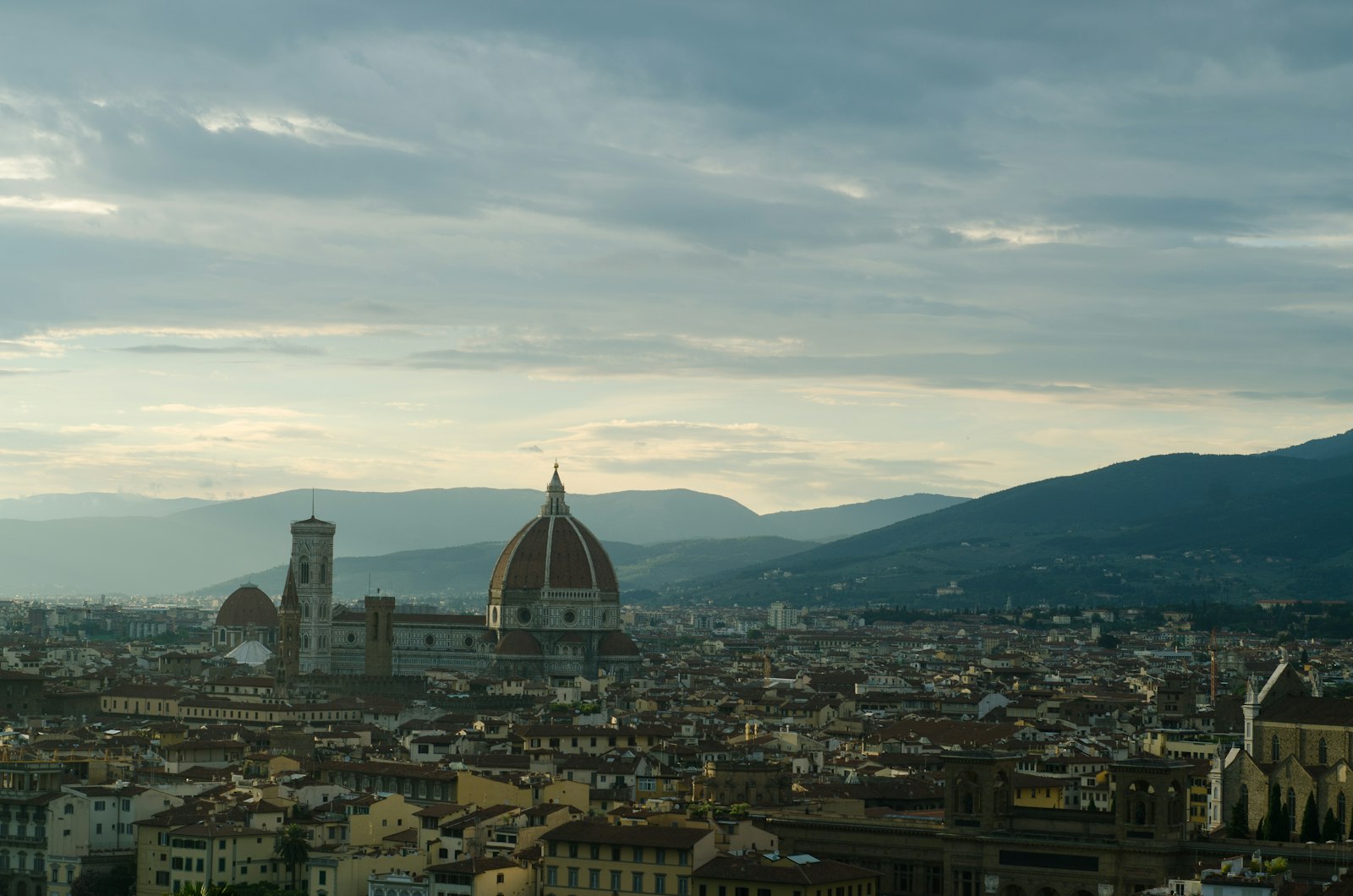
Florence is not an art history exam
You're allowed to skip a museum.
There's a version of a Florence trip that's just queue, gallery, queue, gallery, collapse. It produces excellent photos and no memories. The better version treats the museums as anchors — one a day, booked ahead — and spends the rest of the time doing what this city is actually best at: climbing things, walking ridgelines, watching artisans work, and drinking Campari outdoors while the light does its thing.
This is that list. Museums have their own guide; this one is everything else.
The climbs
463 steps, between the shells of the dome.
Brunelleschi's dome
The climb goes through the gap between the dome's two shells — you're inside the engineering that ended the Middle Ages. Timed slots only, sold out days or weeks ahead in season. Book the first slot of the morning and beat the heat and the crowds at once.
The Brunelleschi Pass (about €30) covers the dome, Giotto's bell tower, the baptistery, and the cathedral museum across three days. The strategy question is dome versus campanile: the dome climb is the better experience, the bell tower has the better view — because the dome is in it. With a group over a few days, do both: dome one morning, campanile at golden hour another.
Tips that matter: no big bags (there's no cloakroom at the dome), skip it if anyone's seriously claustrophobic — the final stretch is a single-file stone staircase — and don't stack a climb and a major museum in the same morning.
The Oltrarno: watch people make things
The last neighborhood of working botteghe.
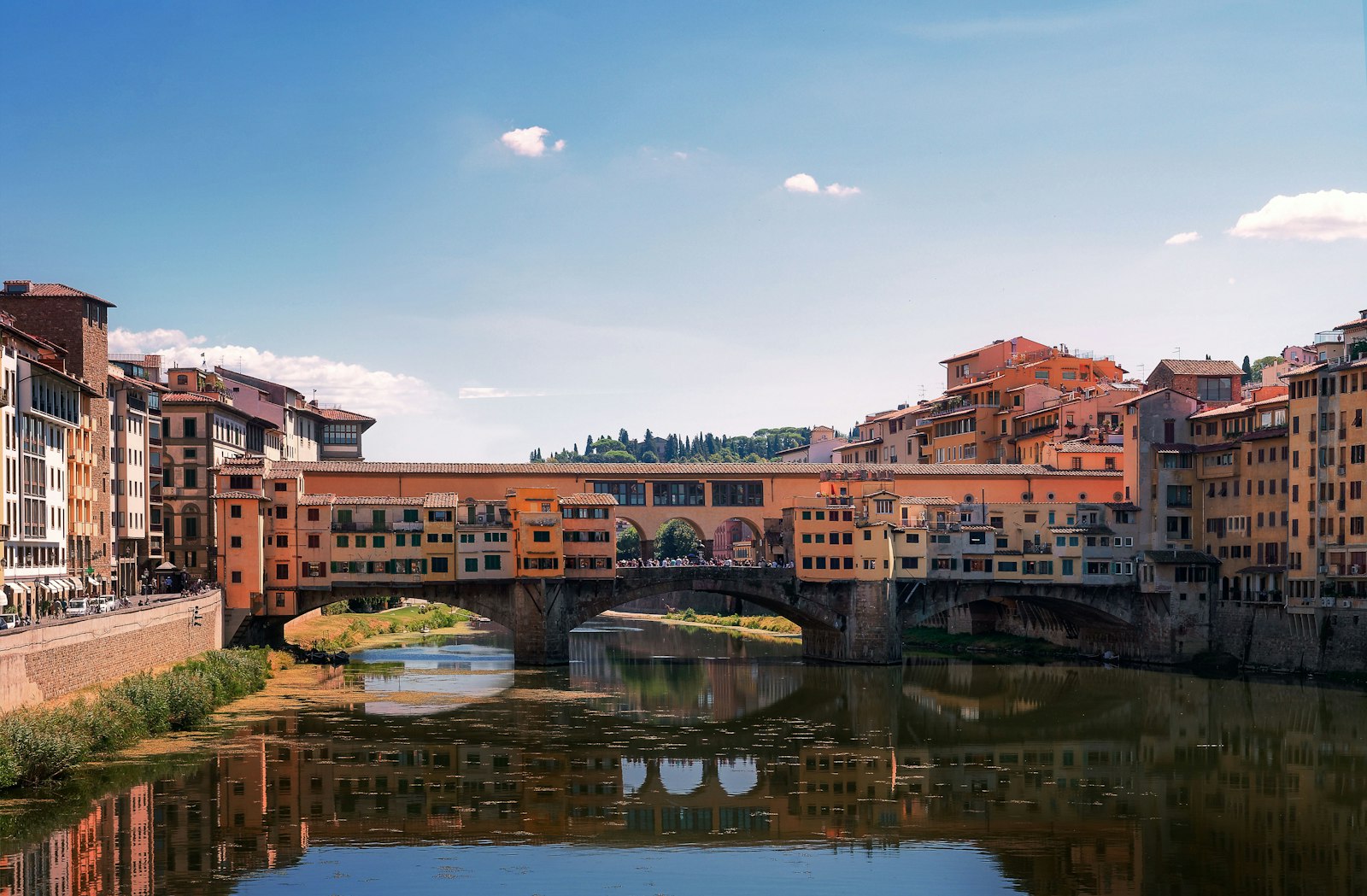
Cross the river and the souvenir shops give way to botteghe — workshops where Florentines still gild frames, marble paper, bind books, and cut leather the way they did when the Medici were the clients. Via Maggio, Via Santo Spirito, and the streets of San Frediano are the spine. Most workshops welcome visitors who knock politely; some run hands-on sessions you can book — an afternoon of leatherworking or paper marbling is the souvenir that doesn't end up in a drawer.
Finish in Piazza Santo Spirito, the last great unpolished square in central Florence — morning market, evening aperitivo, and Brunelleschi's plainest, loveliest church watching over it all.
Gardens and viewpoints
Sunset is the main event. Arrive early.
- Piazzale Michelangelo — the famous terrace. Yes it's crowded at sunset; it's crowded because it's correct. Walk up through the rose garden (free, open till dusk) instead of taking the bus and you'll arrive with a drink's worth of smugness.
- San Miniato al Monte — ten minutes above the Piazzale and a thousand years old. The view is better, the crowd thinner, and on many evenings the monks sing Gregorian chant at the service. The single most underrated half-hour in Florence.
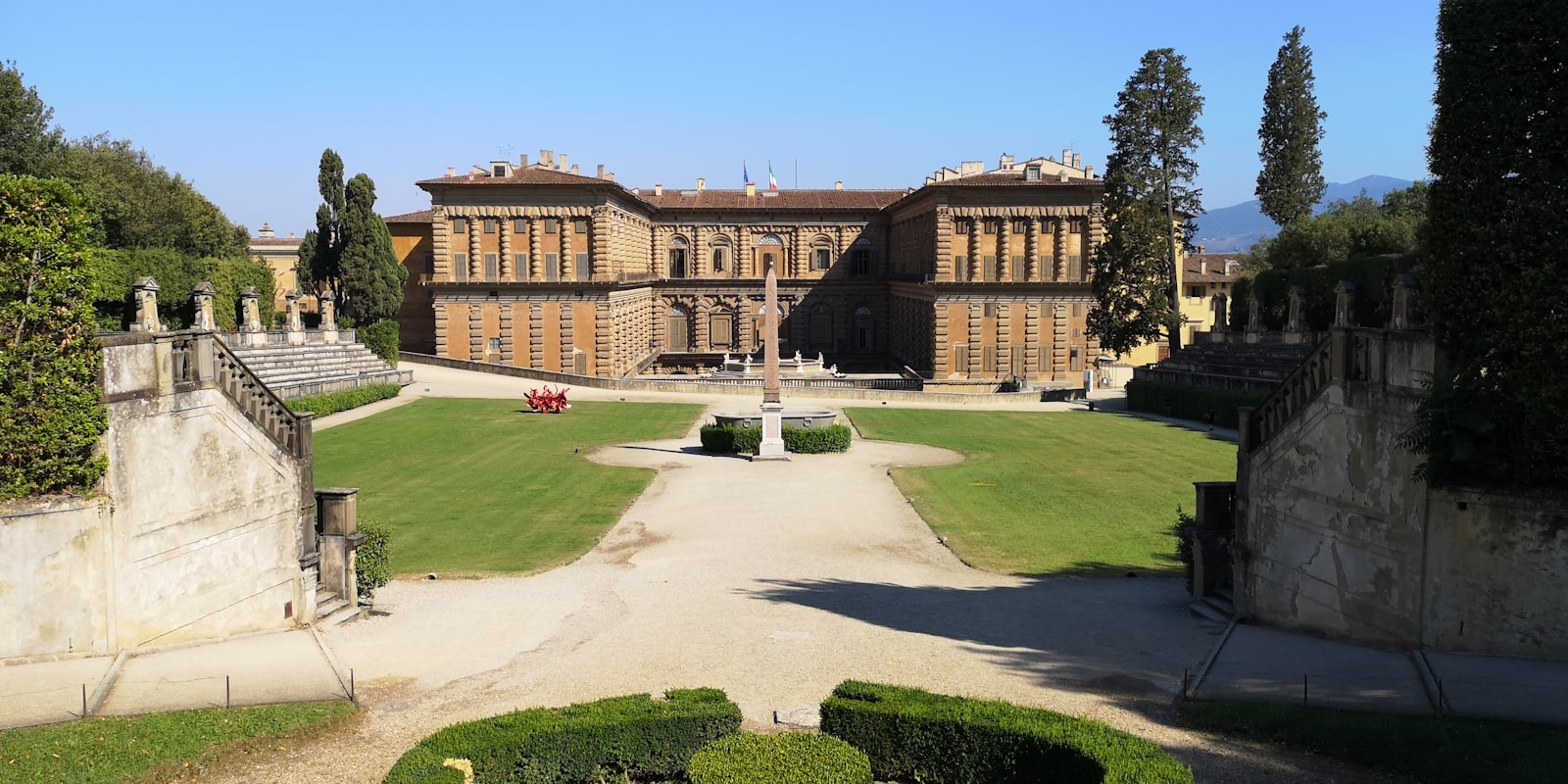
- Boboli Gardens — the Medici's backyard behind Palazzo Pitti. Cypress avenues, grottoes, and space to walk off a long lunch.
- Bardini Garden — on the combined ticket with Boboli and quieter by an order of magnitude, with the wisteria tunnel (mid-April) framing the dome.
The view is better, the crowd thinner, and the monks sing at vespers.— On San Miniato al Monte
Fiesole: the easiest escape
Bus 7. Twenty minutes. Another world.
When the center gets too dense, the number 7 bus from San Marco climbs to Fiesole, the Etruscan hill town that predates Florence by centuries. A Roman theater, a monastery at the top of a brutal little hill, lunch on a terrace with the whole valley below, and a footpath back down through olive groves and villa walls if you'd rather walk home. Half a day, a few euros, no tickets.
Day trips, ranked
One trip done well beats three done fast.
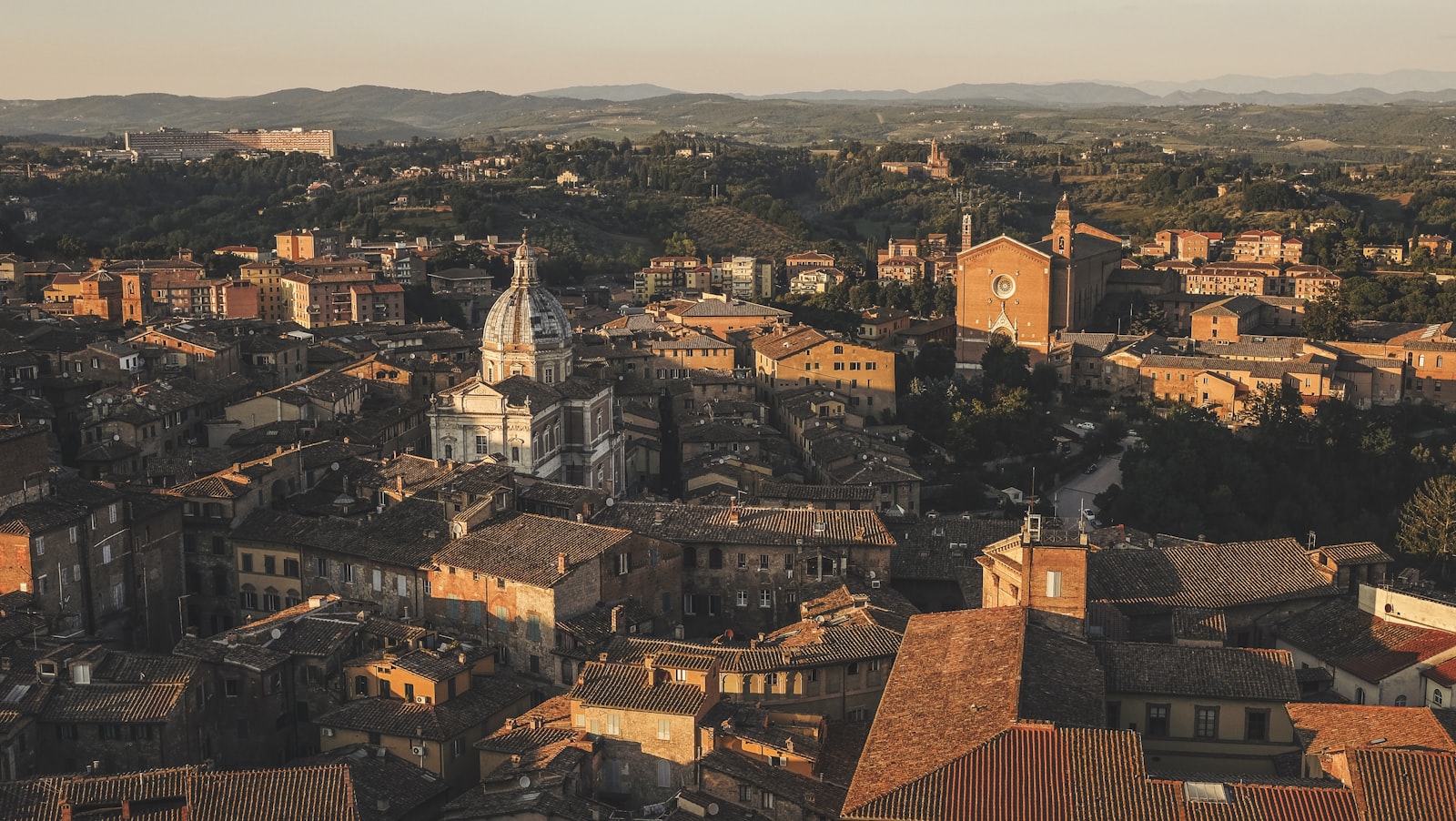
- Siena — the best of them. Gothic, vertical, and a genuine rival city, not a suburb. The fast bus from Florence takes about 75 minutes and drops you near the center (the train leaves you a hike away). The shell-shaped Campo and the striped cathedral justify the whole trip.
- Chianti — you need wheels, and the wheels shouldn't be yours after the second tasting. A small-group tour or hired driver hitting two wineries plus Greve or Radda runs the day. Book one with a long lunch built in.
- Lucca — the gentle one. Intact Renaissance walls you can cycle on top of, about 80 minutes by regional train. Best on a day your group is tired of queues.
- San Gimignano — the medieval towers are real and the day-trip crowds are too. Pair it with Siena on a driver day rather than spending a whole day on it.
- Pisa — fine. An hour by train, an hour at the tower, and you've done it. Only if someone in the group genuinely needs the photo; the Camposanto frescoes are the actual reward.
Do something with your hands
The activities that survive the group chat.
A cooking class is the best half-day a group can book in Florence — the market-shop-then-cook format ends with a long lunch you made yourselves. Leather workshops in the Oltrarno or at the Scuola del Cuoio behind Santa Croce run from one-hour demos to full-day courses. And if you're here in late June, calcio storico — Renaissance-costume no-rules football in a sand-filled Piazza Santa Croce — is the most Florentine event of the year; tickets are scarce, but the parades are free.
Rainy-day Florence
The city has 700 years of indoor practice.
The mercato Centrale food hall absorbs a group for hours. The Officina Profumo-Farmaceutica di Santa Maria Novella — an 800-year-old pharmacy turned perfume house — is the most beautiful shop you'll ever stand in, free to enter. Add a long lunch, a thermal-spa booking, or simply claim a café table with a deck of cards: Florence respects loitering done well.
Evenings
Aperitivo is the activity.
Florence nights are front-loaded: golden hour on a piazza, a Negroni where it was invented, dinner at 8, a last gelato on a bridge. For structure, there's opera and chamber music year-round (St. Mark's English Church does a crowd-pleasing opera series; the Teatro del Maggio does the serious version), and summer brings open-air cinema and festivals along the Arno. But the core evening activity is the passeggiata — the slow walk — and it needs no ticket.
Where we would book
Timed climbs only on the official Opera del Duomo site — resellers mark up a ticket that costs €30 direct. For Chianti drivers, cooking classes, and the Siena+San Gimignano combination days, GetYourGuide consistently has the small-group operators we'd pick ourselves. Train and bus tickets, buy at the machine or on Trenitalia's app the day before; no need to book further out.
Related guides
- Your Florence Travel Guide: Three Days, Honestly Done — the full plan.
- Florence Food Guide — the meals these activities are scheduled around.
- Florence Culture Guide — the museums, done strategically.
- Things to Do in NYC — the same anti-checklist energy, different continent.
- Florence Group Trip Guide — the same climbs and Chianti day, sized for a group.