The best things to do in Rio are mostly free, mostly outside, and mostly better with more people. That's the summary. The two ticketed views are worth their money once each, the hikes are worth the 6am alarm, and the boat is worth more the more of you there are — because it's priced per boat. Here's the order we'd do them in.
Learn the beach before anything else
Each stretch of sand is a different neighbourhood. Pick yours.

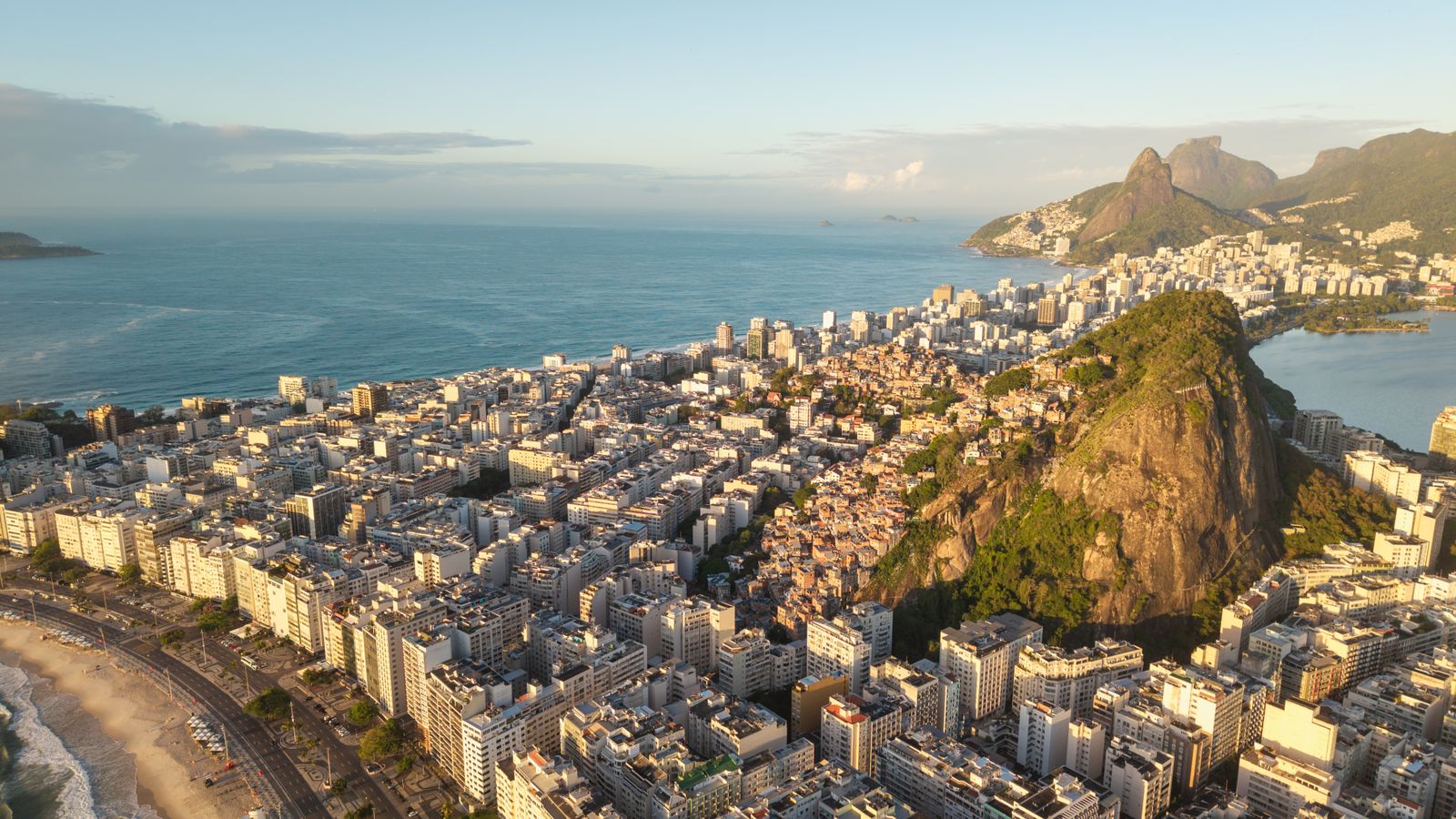
Give the first full day to the sand and don't apologise for it. Ipanema is the social one — Posto 9 is where the city's twenty-somethings, and everybody selling anything, converge, and it's a scene rather than a beach. Posto 8 next door is the surf end. Leblon at Postos 10 to 12 is calmer and greener. Copacabana is enormous and gets better the further you walk from the Palace — Postos 4 to 6 are the good half. Barra, out west, is where you go for space and for actual waves.
The one appointment worth keeping is Arpoador, the rock between Ipanema and Copacabana, at sunset. A few hundred people climb up, sit on the stone, and applaud when the sun goes behind the Dois Irmãos. It is the least cynical thing in any big city and it costs nothing. Get there 40 minutes early for a spot, take a beer from the guy with the cooler, and stay for the walk back along the water afterwards.
The two mountains, and the free version of the same view
Book one, do the other at sunset, and know what you can get for nothing.

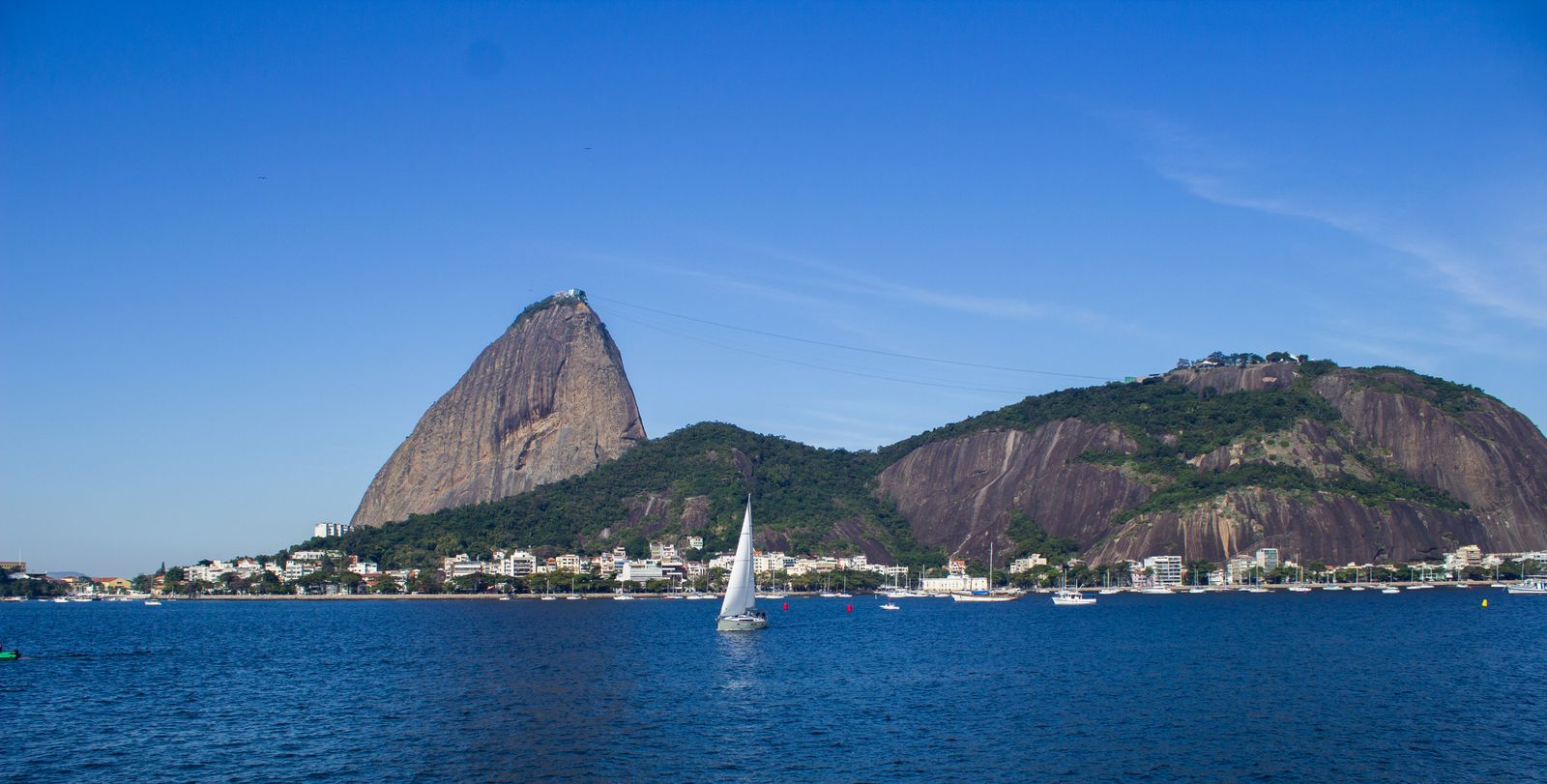
Corcovado and the statue: the cog train is R$134 at tremdocorcovado.rio, official vans are about R$120 return, and the first departures of the day are the ones to want — the cloud comes in mid-morning and it stays. Sugarloaf: R$205 general, R$160 for adults born and living in Brazil, R$102 half-price, R$85 for Rio State residents, from bondinho.com.br. Go up for the last hour of light. If you only do one, do this one — you're looking at Rio instead of at a statue, and the two-stage cable car is half the fun.
Now the part nobody sells you: the free version is excellent. The Mirante Dona Marta gives you the single most complete view of the bay, Sugarloaf and the beaches, from a viewpoint a car can drive to. The Vista Chinesa, a Chinese-style pavilion in the Tijuca forest, frames the Lagoa and Ipanema through trees. Both are R$0. Do the paid one, do the free ones, and put the difference into the boat.
Walk up something
Rio is a hiking city that happens to have beaches.
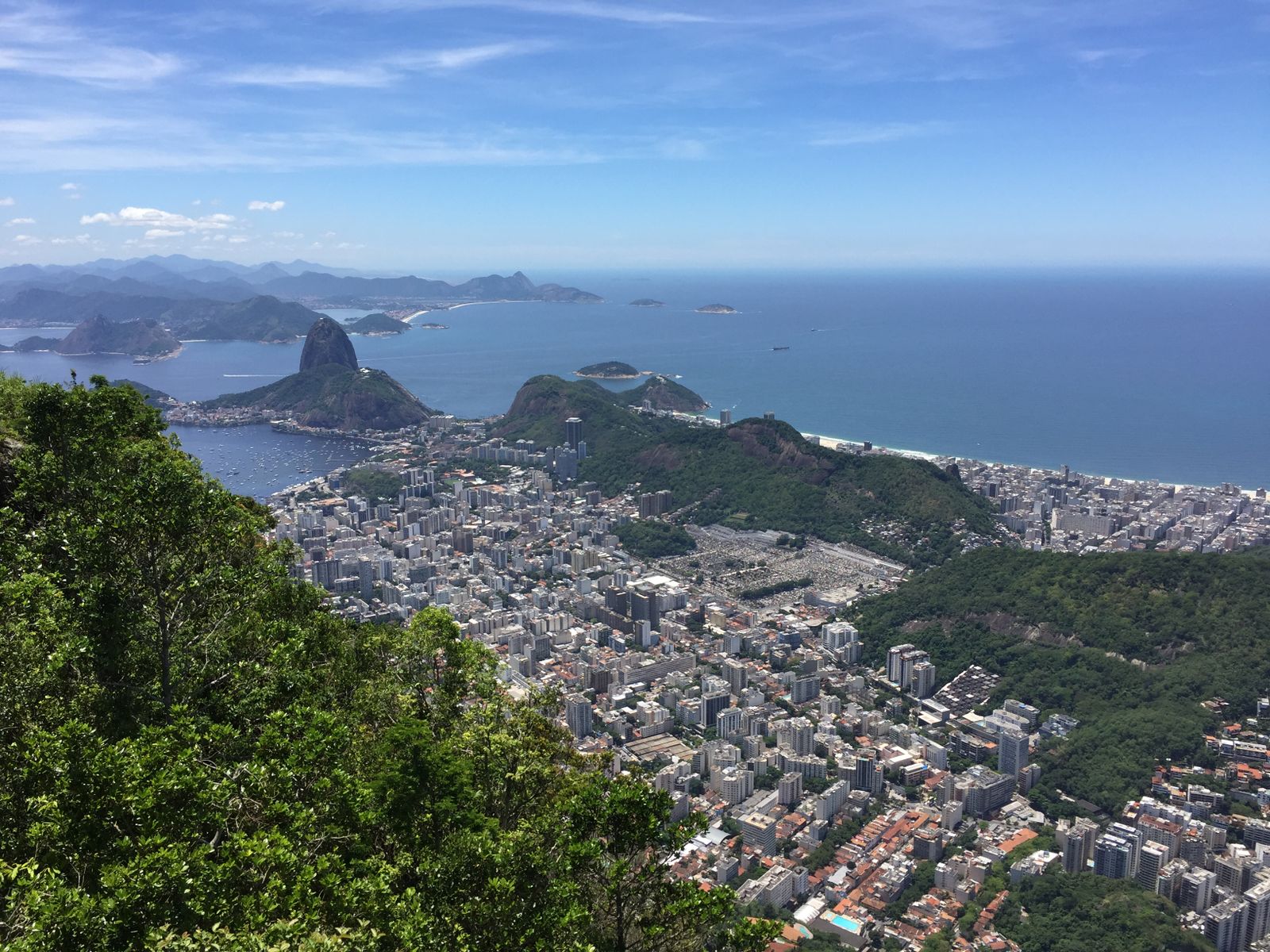
The city sits inside the largest urban forest in the world and the trails start at bus stops. Morro Dois Irmãos is the big one: about 90 minutes up through the Vidigal community, ending on a flat top with Ipanema, Leblon and the Lagoa laid out underneath — you take a moto-taxi up to the trailhead for a few reais, and going with a local guide is both the safer choice and the one that puts money in the neighbourhood. Pedra Bonita is a gentler hour with the hang-gliders launching beside you. Pedra do Telégrafo, out west, is the one with the photograph where you look like you're hanging off a cliff and are in fact a metre off the ground — a two-hour round trip and a very long queue for the picture, so go at dawn or don't bother.
Rules that matter here more than they sound: start at first light, because by 10am the heat is a real hazard; carry twice the water you think; and don't walk the Corcovado forest trail alone or after dark. Wear something on your feet with grip. The rock is granite and it's slick with dew until the sun gets on it.
Get on the water
The best day of the trip, and the one where a group actually saves money.
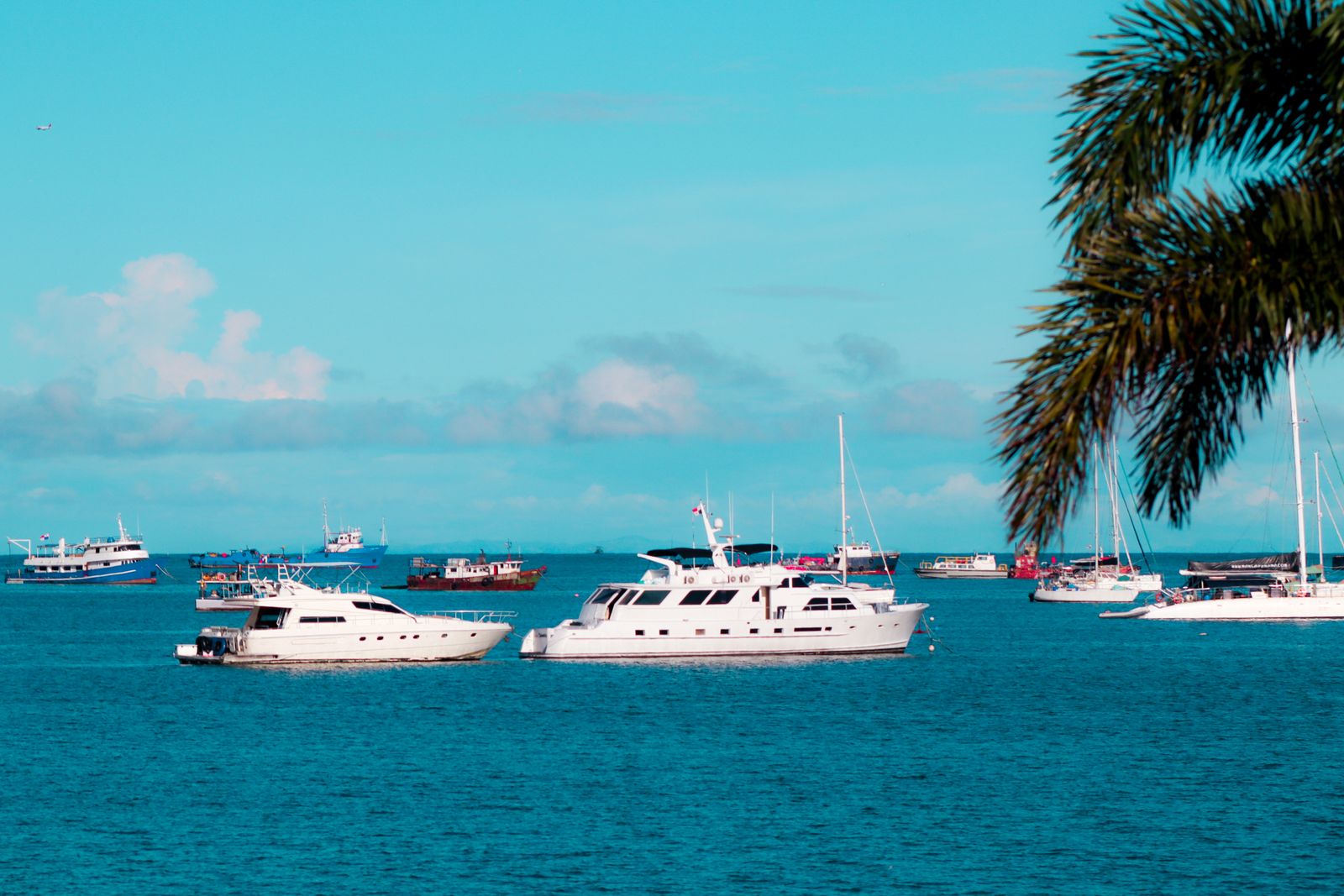
Rio from the water is a different city, and a boat is the one thing here where the arithmetic rewards you for having friends. A day schooner or private launch out to the Cagarras islands off Ipanema runs roughly R$1,500–2,200 for the boat — for the boat, not per person — with a skipper, a few hours of anchoring and swimming, and whatever you bring in the cooler. Ten of you at R$1,800 is R$180 each. Three of you is R$600 each. Same boat.
Cheaper water, same joy: the Lagoa Rodrigo de Freitas rents swan-shaped pedal boats by the half hour for pocket change, and the 7.5km path around it is the city's best sunset walk. A surf lesson at Arpoador or Barra is around R$120–150 with the board included, and the instructors have seen worse than you. And the plain ferry to Niterói from Praça XV costs a few reais, takes 20 minutes, and hands you the postcard view of Rio from the outside — plus Niemeyer's flying-saucer contemporary art museum on the other side.
A night at the Maracanã
Flamengo at home is the loudest room in South America.
If there's a game while you're here, go. The Maracanã holds around 78,000 and when Flamengo play a big one the noise arrives as physical pressure — the drums start an hour before kickoff and the whole stand moves. Tickets start around R$60–80 for the ordinary league fixtures and go up steeply for a derby or a Libertadores night. Buy through the club's official channel or the stadium's, not from the men outside; the ticket is nominal and tied to a name, and a fake one is a wasted evening. Sit in the neutral sections if the group is mixed, wear nothing in either team's colours until you know which end you're in, and take a car back — 78,000 people leave at once and the Metro station becomes a crush.
The wild beaches, west
An hour from Ipanema and it's forest coming down to the sand.
When the city beaches start to feel like a party you didn't RSVP to, go west. Prainha is a protected crescent of green hills and good surf; Grumari next door is bigger, wilder and has no buildings at all; and Barra de Guaratiba beyond it is where you eat lunch looking at mangroves. There's no useful public transport, which is exactly why they stay quiet — a car for the day split four or five ways is roughly R$70–90 each with the driver waiting, and it's the best money you'll spend outside the boat. Go on a weekday. Sunday is Rio's day off and everyone has the same idea.
Where we would book
Book Corcovado at tremdocorcovado.rio and Sugarloaf at bondinho.com.br, both direct, both weeks ahead for the good slots. For the boat, ask your apartment host first — every building in Ipanema knows a skipper, and the local price is well below the marina's tourist rate; get the total for the boat in writing along with what's included, and confirm whether fuel is in the number. For hikes, a guide for Dois Irmãos or the Tijuca trails costs around R$100–150 a head and is worth it for the navigation and the company; book through the guide's own social media rather than a resale platform. Maracanã tickets: official club channels only. Everything else on this page — Arpoador, the Lagoa path, Dona Marta, the ferry, the sand — is free, and we'd build the week around those and pay for the boat.
Related guides
- Your Rio de Janeiro Travel Guide — where to stay, what transit costs, and when to go.
- Rio de Janeiro Food Guide — botecos, feijoada, and lunch by the kilo.
- Rio de Janeiro Culture Guide — samba's birthplace, Lapa, and Carnival all year.
- Rio de Janeiro Group Trip Guide — the boat, the beach tab, and the house, for ten.
- Things to Do in Lisbon — the other Atlantic city where the viewpoints are free.