
Brazil
Rio de Janeiro
Beaches that work like public living rooms, samba on a Monday, and two views worth the ticket. Rio, planned for your group.
Currency
BRL
Language
Portuguese
Best months
April–June and August–October (dry, mild, far cheaper than summer) — Carnival: first week of February 2027
Mid-range budget
$
125
/ day
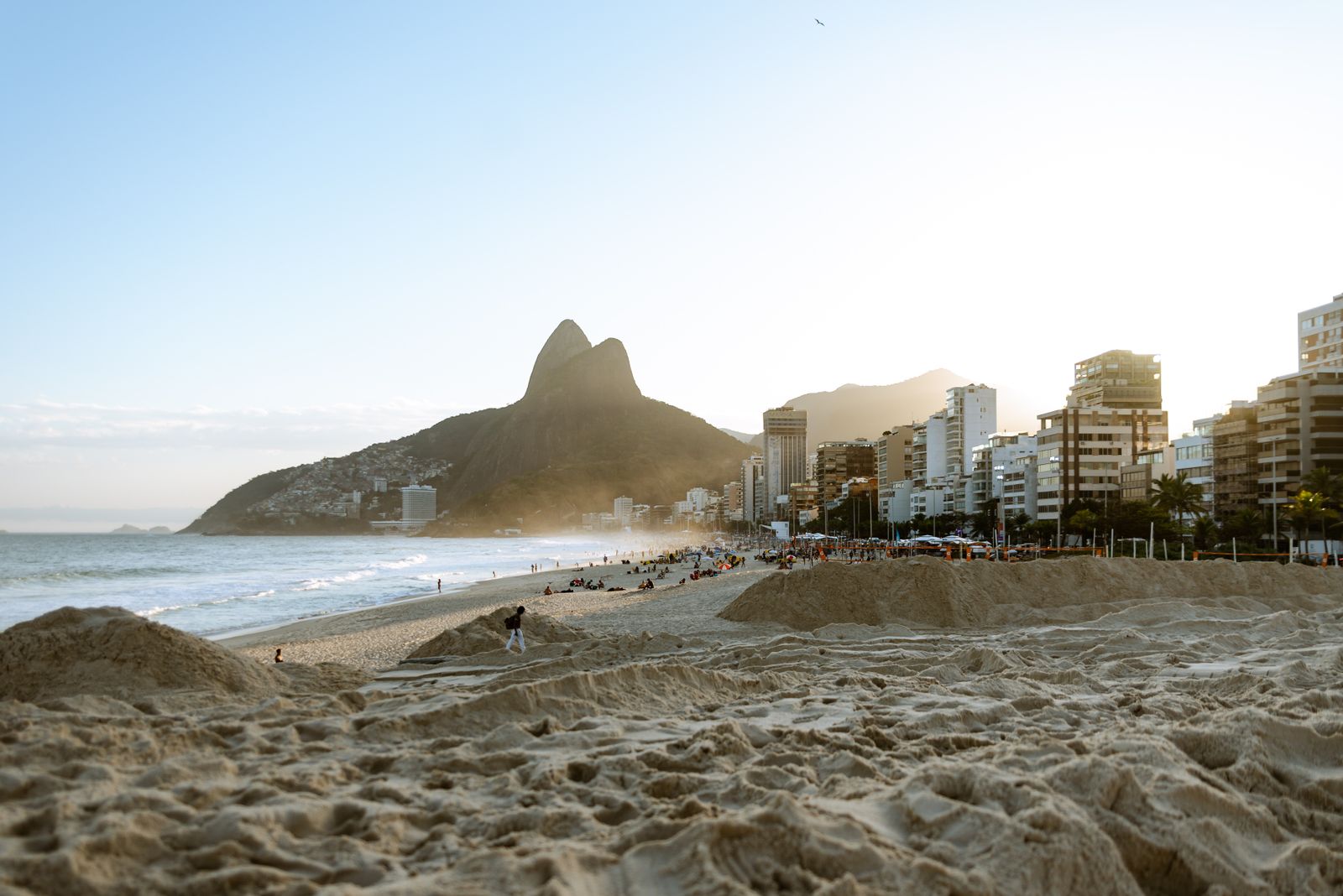
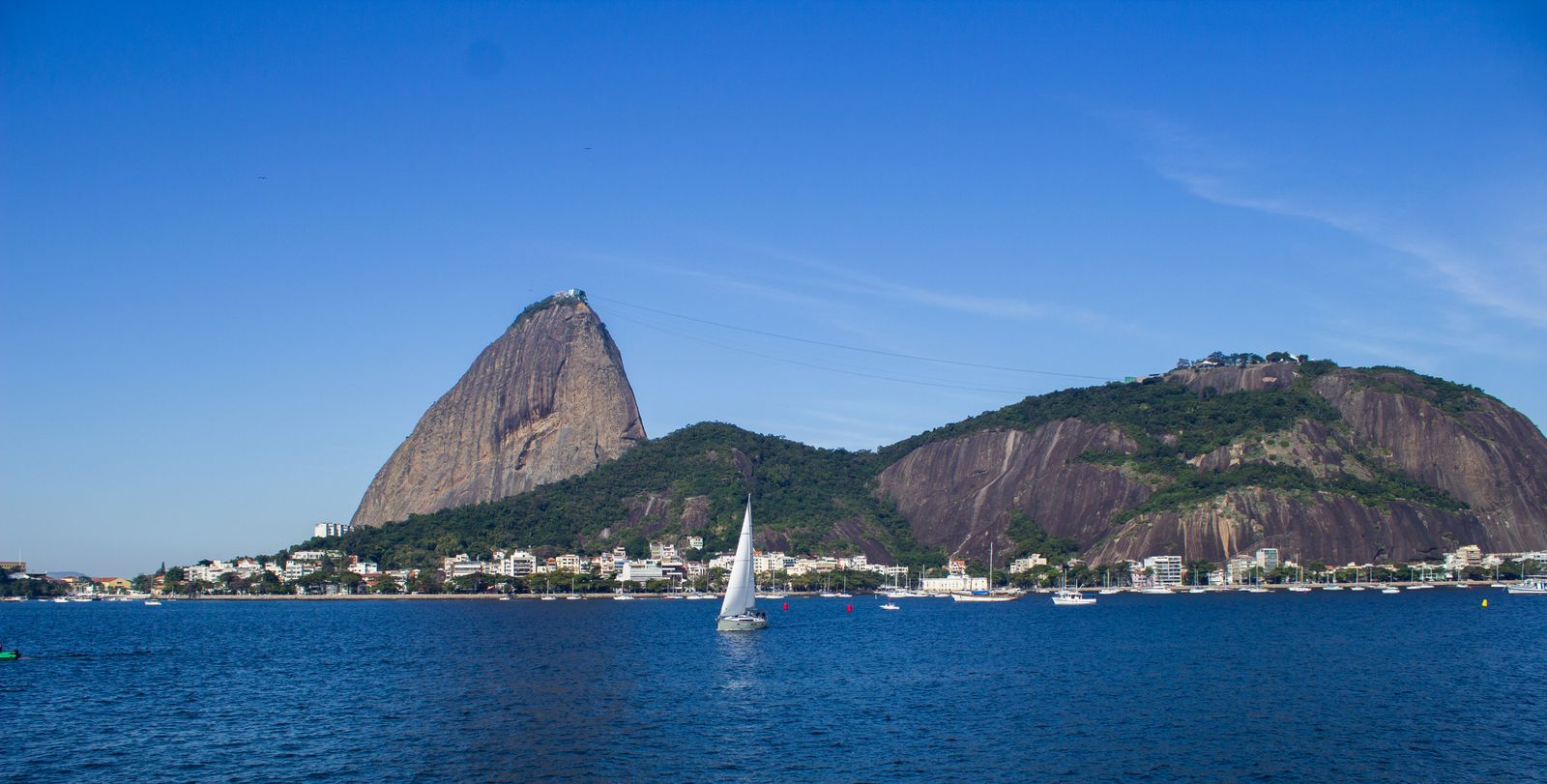
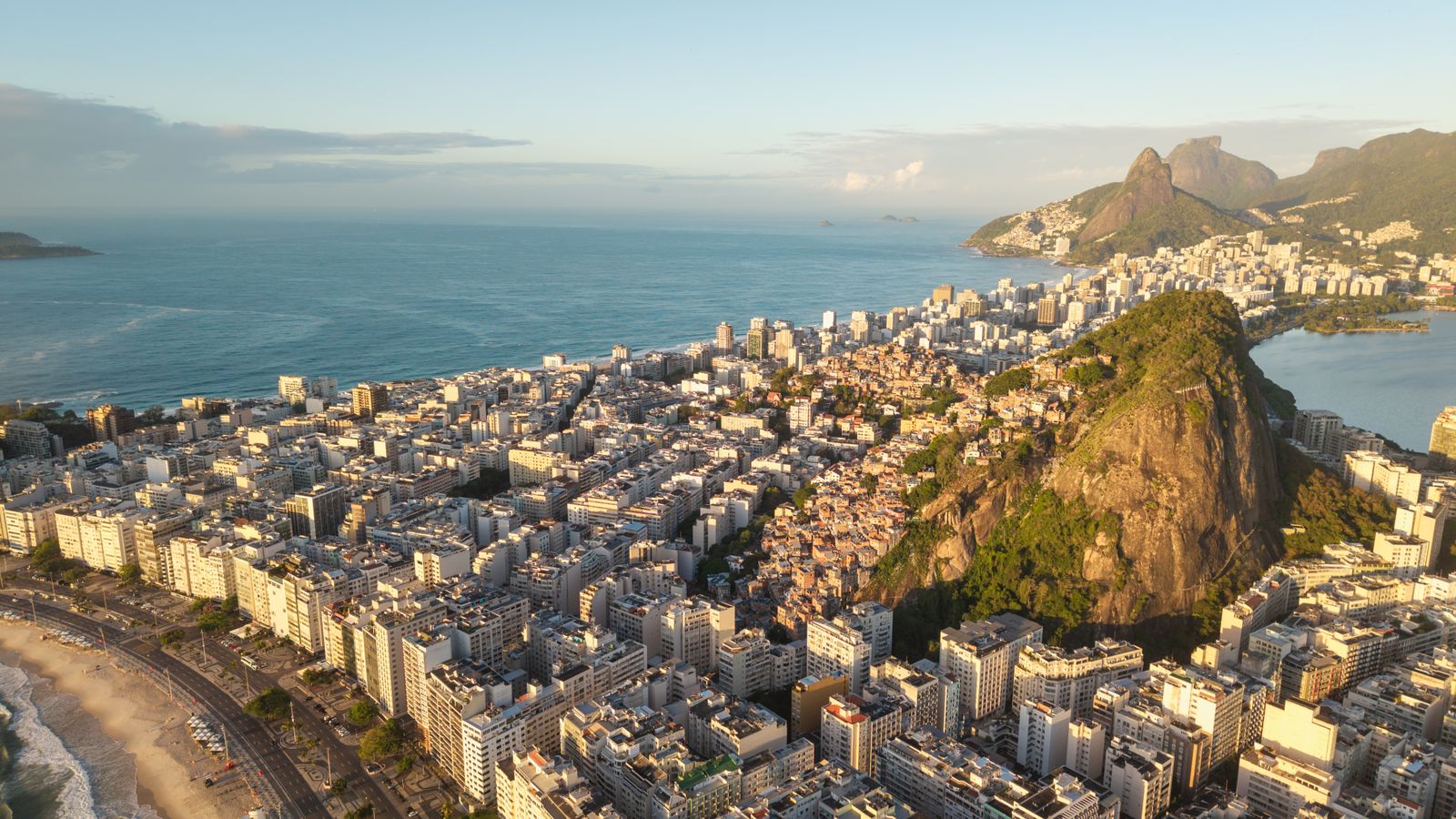
Rio is the rare famous city that looks exactly like the photographs and behaves nothing like them. The mountains really do come down into the sea, the statue really is up there in the cloud, and the beach really is the middle of town rather than the edge of it — a four-kilometre strip of sand that functions as the city's living room, its gym, its bar and its office. What the photographs don't carry is the noise: a Monday roda de samba on a rock in the old port where the music was invented, a whole street applauding the sunset at Arpoador because that's what you do, the sound of ten people at a boteco table arguing about football with a plate of fried shrimp between them.
It's also a genuinely good place to bring a group, because almost everything here is priced per boat, per table or per apartment rather than per person. Four of you in a car from Ipanema to Lapa costs less each than the bus does in most of Europe. Ten of you on a schooner for the day costs the same as three of you on the same schooner. A house in Santa Teresa split eight ways is cheaper than four hotel rooms and comes with the kitchen where the trip actually happens. Bring the shoes you can walk hills in, book the two things that sell out, and let the rest of the week arrange itself around the sand.
The soundtrack
Guides for here


Practical Stuff
Tipping
Almost every sit-down place adds 10% serviço to the bill. It's optional by law and you pay it anyway — it's how the room gets paid, and taking it off is a statement, not a saving. Beyond that nobody's counting: round up the taxi, leave a couple of reais on the counter at a boteco, nothing at all at a per-kilo lunch place. Two things worth knowing. In Lapa and the samba houses there's a couvert artístico, usually R$15–30 a head, which pays the band and appears on the bill whether or not anyone told you — that's not a scam, it's the ticket. And on the beach the barraca runs a tab in someone's head, so the tip is just rounding the total up when you settle.
Safety
Rio is safer than its reputation and still a city that asks you to pay attention. The trend is genuinely good: violent crime fell 4% in 2025, a third straight year of improvement, street crime in the South Zone is down 18%, and Ipanema and Leblon recorded zero homicides in the first quarter of 2026. What's actually likely to happen to you is a phone snatch. That's the whole risk, and it's very avoidable: don't walk down the street filming, don't leave the phone on the table at a beachfront café, and on the sand take only what you'd shrug at losing — locals go to the beach with a R$50 note in a flip-flop and nothing else. After dark, don't walk the beach or the empty stretch of Avenida Atlântica; the sand is not a shortcut. Get a car home instead — split four ways it's a few reais each.
The favela complexes are a different question from the ones you'll be in. Canada advises its citizens against Complexo do Alemão, Cidade de Deus and Rocinha outright, and police operations there are unpredictable and occasionally very violent. Skip the jeep tours that treat people's homes as scenery; if you want to hear the story, go to a community-run samba night with someone local instead. The US keeps Brazil at "exercise increased caution." On the Metro, buses and the beachfront at night, the standard applies: travel off-peak where you can, phone zipped in a front pocket, bag in front of you, nothing in the back pocket. The Metro is clean and easy in daylight; after about 10pm a car between four of you is the better call.
SIM card
Buy an eSIM (Airalo, Saily) before you fly — this is the one place where the tourist workaround is the only workaround. A Brazilian prepaid SIM is registered against a <em>CPF</em>, the local tax ID, which visitors don't have, so walking into a Claro or Vivo shop usually ends in a shrug. Coverage across the South Zone, Centro and the beaches is excellent, and Wi-Fi is standard in cafés, hostels and rented apartments.