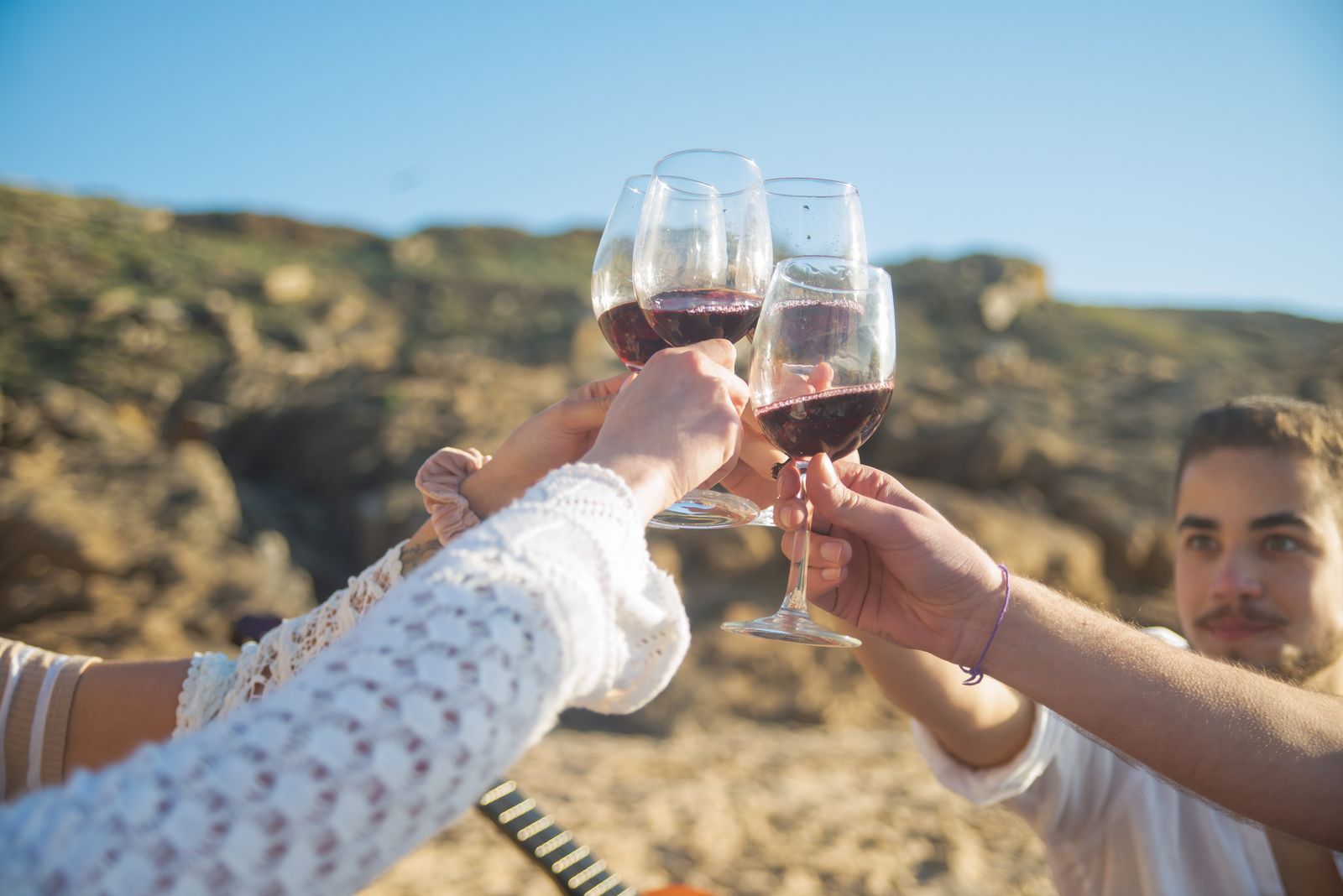
Mendoza is the best group trip in Argentina, and the reason is unromantic: the thing that makes wine country expensive for two people makes it cheap for six. You cannot drive yourselves between wineries here. So the day costs one vehicle and one driver — and that is the only number in this entire destination that falls every time somebody else climbs in. Everything below is built on that.
Why wine country is better with six of you
One vehicle, one driver, and a cost per head that keeps dropping.
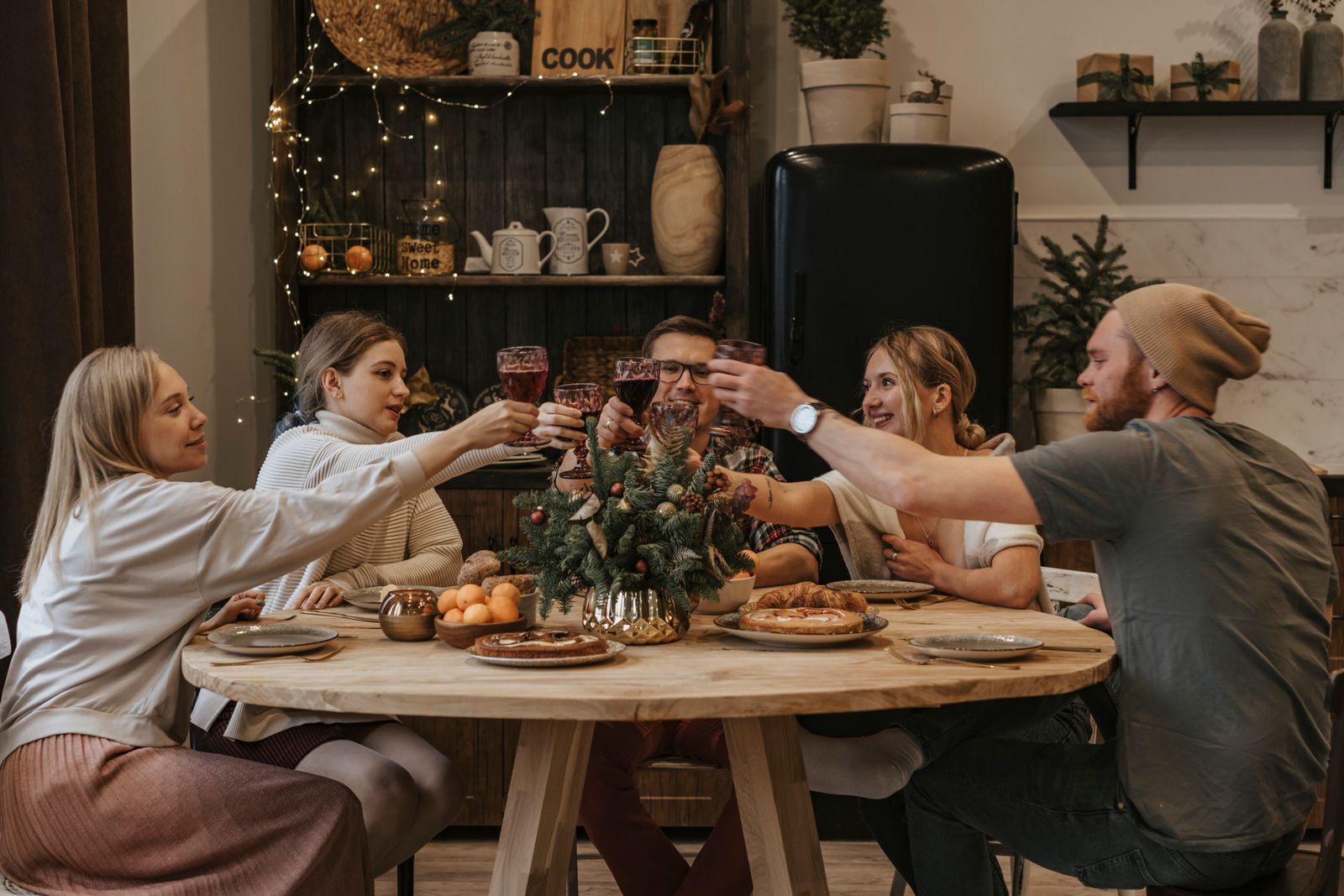
Start with the constraint, because it's the whole trip. Mendoza is one of six Argentine jurisdictions that didn't adopt the national zero-alcohol law and keeps a 0.5 g/L limit for private drivers — and whether the national routes through the province are zero tolerance is genuinely disputed between the province and the national road-safety agency. Nobody has settled it. So the only number you can plan a week of tastings around is zero, and somebody sober has to be driving.
Now the arithmetic that follows. A private car with a driver is quoted at USD 200–400 for the vehicle for two to four people; one Uco Valley day runs USD 280 for up to four. A small-group day tour is USD 80–150 per person. So:
At four to six: the private vehicle wins outright. USD 280 split four ways is USD 70 each — at or below the bottom of the per-person tour range, and you choose the wineries, the timings and when to leave.
At eight or more: you're into two vehicles or a van, and the per-head number keeps improving while the day gets better, because you can split — half the group to a long lunch, half to a third tasting, everyone back in the same vehicle at six.
And the thing to hold onto: tasting fees never do this. Catena Zapata's Blending Games is AR$106,000 a head whether there are two of you or ten. The transport is the only line item that rewards your group size, which is why the driver stops being a splurge and becomes the reason the trip works.
Where a group sleeps
One house beats six hotel rooms, and where you put it decides the week.
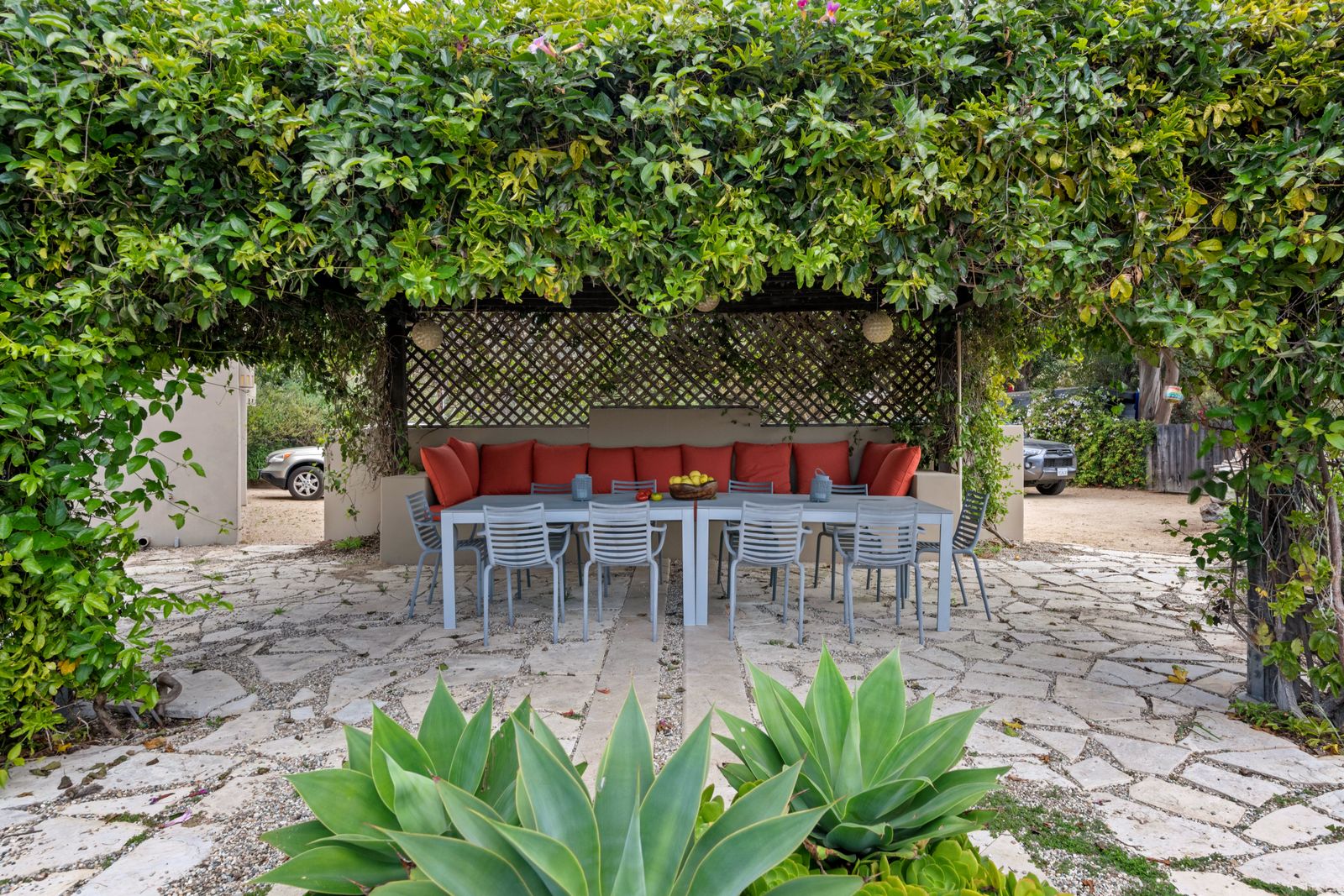
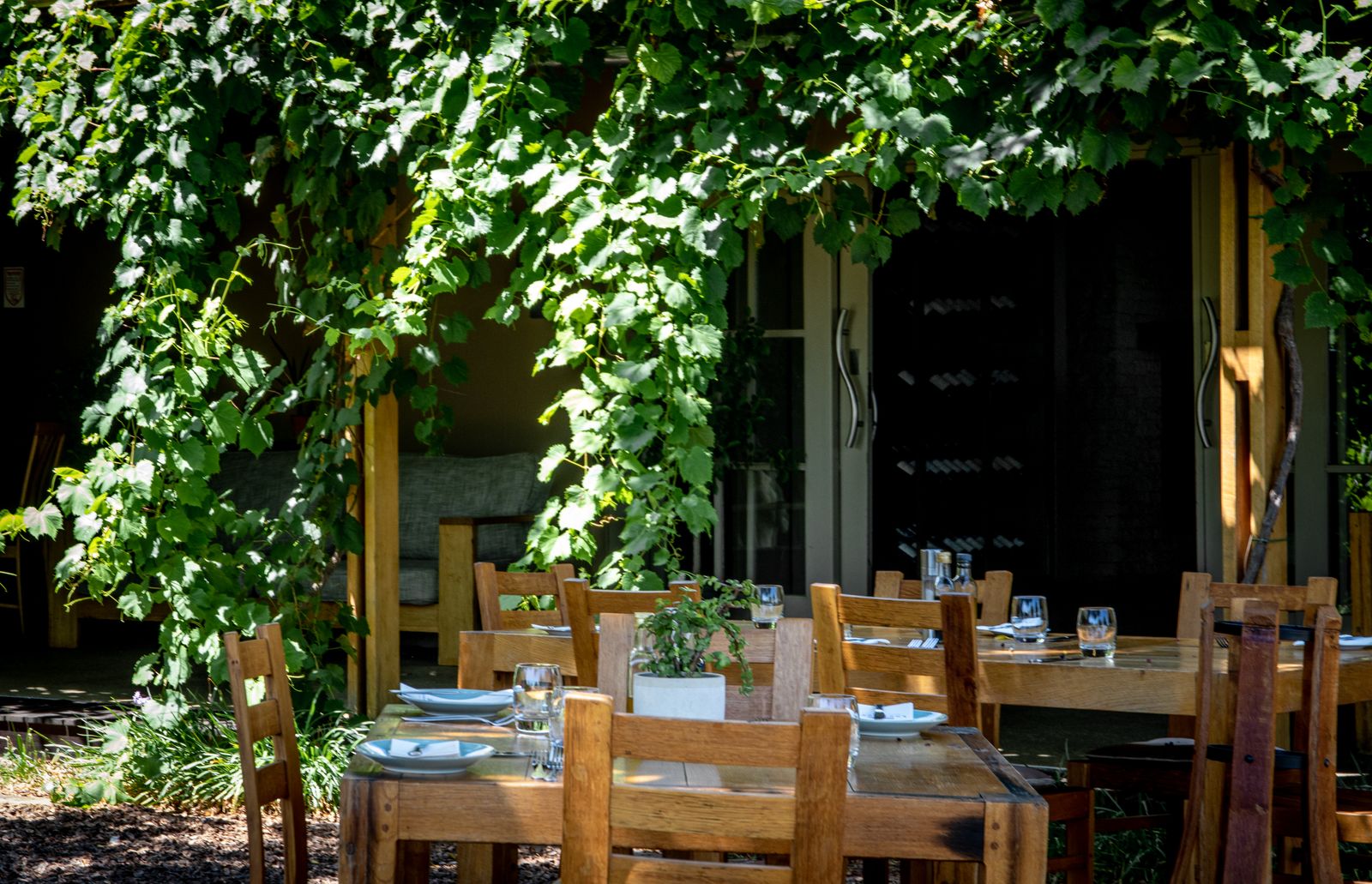
Chacras de Coria is our first answer for a group. It's a leafy, low-rise district on the city's south side, walking distance from some of the best eating in the province — Brindillas, which seats 18 people a service, and María Antonieta, which has the garden and the handmade pasta — and about 20 minutes from most of the Luján de Cuyo wineries you've heard of. Houses here are built for people who eat outside.
Mendoza city is the flexible choice: an apartment near Plaza Independencia puts the market, the restaurants and the buses at your feet, and it's the cheapest of the three. Take this if the group's interests are split between wine, mountains and simply being somewhere good.
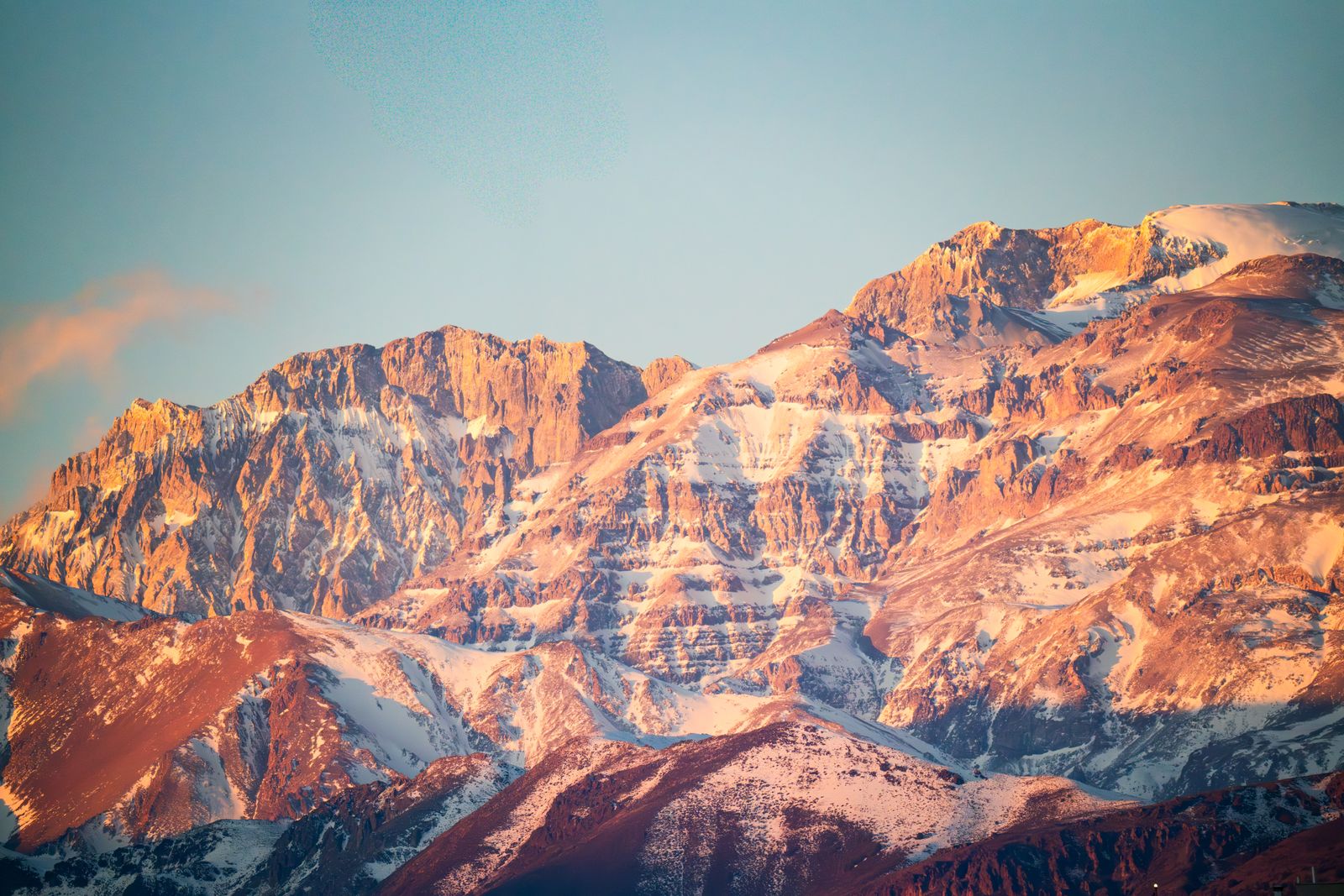
The Uco Valley is the version everybody photographs, and for a group it needs a decision rather than a booking. The valley is an hour and a half to two hours each way from the city. A group that day-trips it spends three to four hours in a vehicle on a day nobody can drink; a group that sleeps out there for two nights gets the mountain at breakfast.
At four to six: one house anywhere on this list, and price it against the hotel rooms before you book — in wine country the house usually wins twice, on money and on having somewhere to sit at midnight. At eight or more: the house is not optional, and the two things to check before you pay are how many bathrooms there actually are and whether the kitchen can cook for the whole group at once. Both get glossed over in listings and both decide how the week feels.
Eating as a group, by reservation tier
Some of the best rooms here seat 18. Plan accordingly.
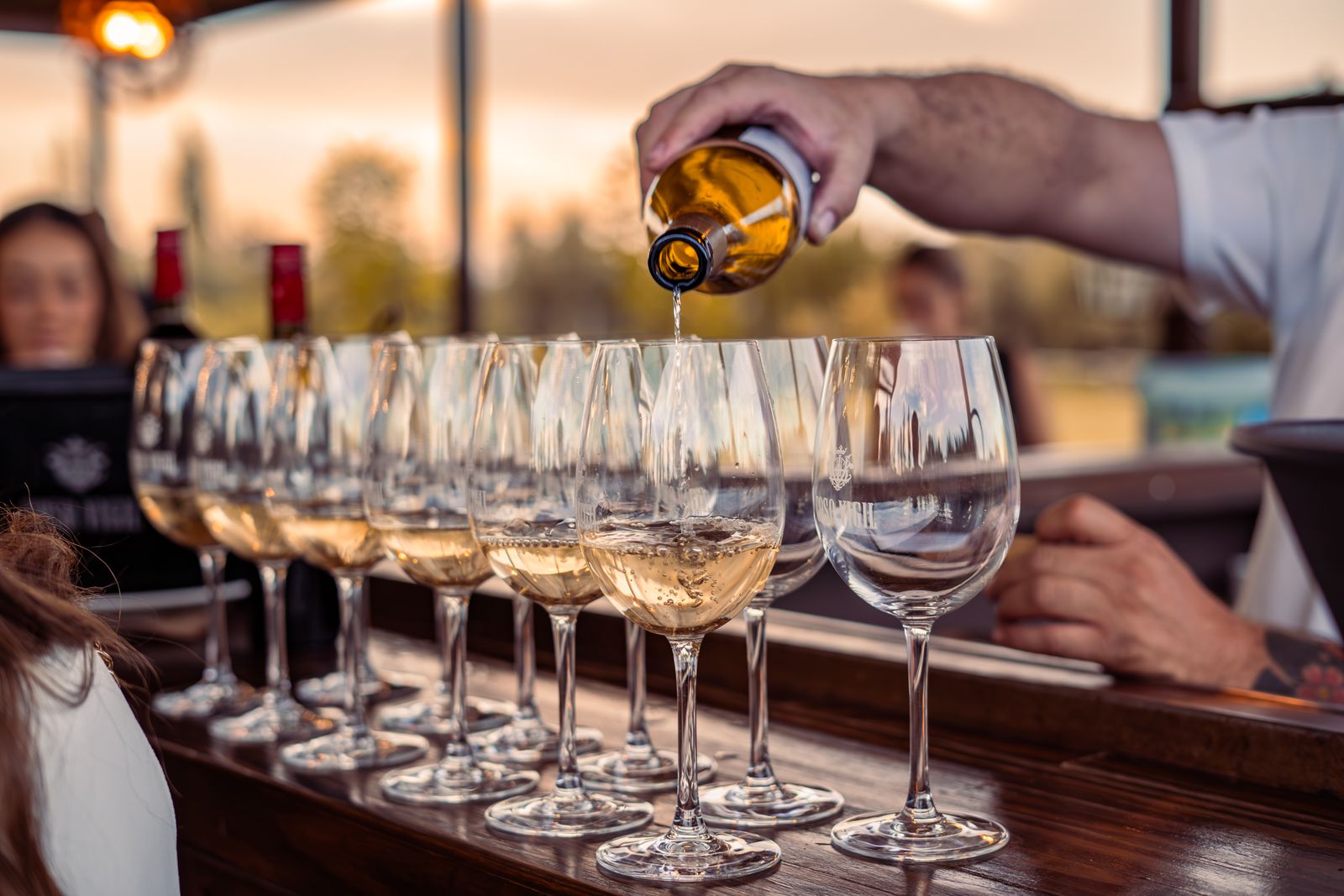
Mendoza province holds nine of Argentina's 14 Michelin stars as of the guide published on 13 July 2026, and most of them are inside wineries with small dining rooms. That's lovely for two and a genuine logistics problem for eight. Three tiers, in the order we'd use them.
Tier one, book months out, small groups only. The starred winery restaurants: Angélica Cocina Maestra at Catena Zapata in Agrelo, Riccitelli Bistró at Matías Riccitelli Wines in Luján de Cuyo — remodelled containers among old vines, and the one we'd send a first-timer to — Zonda Cocina de Paisaje at Lagarde, Cal in the Uco Valley at Matías Michelini's Sitio La Estocada, and Casa Vigil out in Chachingo. At six, book early. At eight or more, ring and ask before you plan around it, because the answer is often no.
Tier two, the group-sized win. A bodega paired lunch at AR$50,000–90,000 a head, taken as the one big meal of the trip, on the day you're already out in the valley. Book the winery visit and the meal together — the kitchen is usually attached to a timed slot and turning up for lunch alone doesn't work.
Tier three, where the week actually happens. The Mercado Central at Av. Las Heras 279 for lunch standing up — milanesas, empanadas, parrillada, chivito, and the olives and olive oil to take back to the house. Hours are Mon–Sat 08:30–13:30 and 17:00–20:30, Sun 09:00–13:30, and the afternoon gap catches everyone once. Then a parrilla: Don Mario for straight-ahead asado, Anna Bistró in the city when nobody can agree. And at least one night cooking at the house, because Mendoza is a place where the wine costs a tenth of what it does at home and the meat is the best argument in the country.
The eight-person reservation call
Before you build a day around a starred winery restaurant, phone and say your number out loud. Rooms this size — Brindillas serves 18 people a sitting — often can't take eight at one table, and finding out by email two days ahead ruins a plan that a five-minute call three months earlier would have saved. Ask for one table, not two. Two tables is a different dinner.
The things that get cheaper as more of you climb in
Vehicles, houses and bottles. Not tastings.
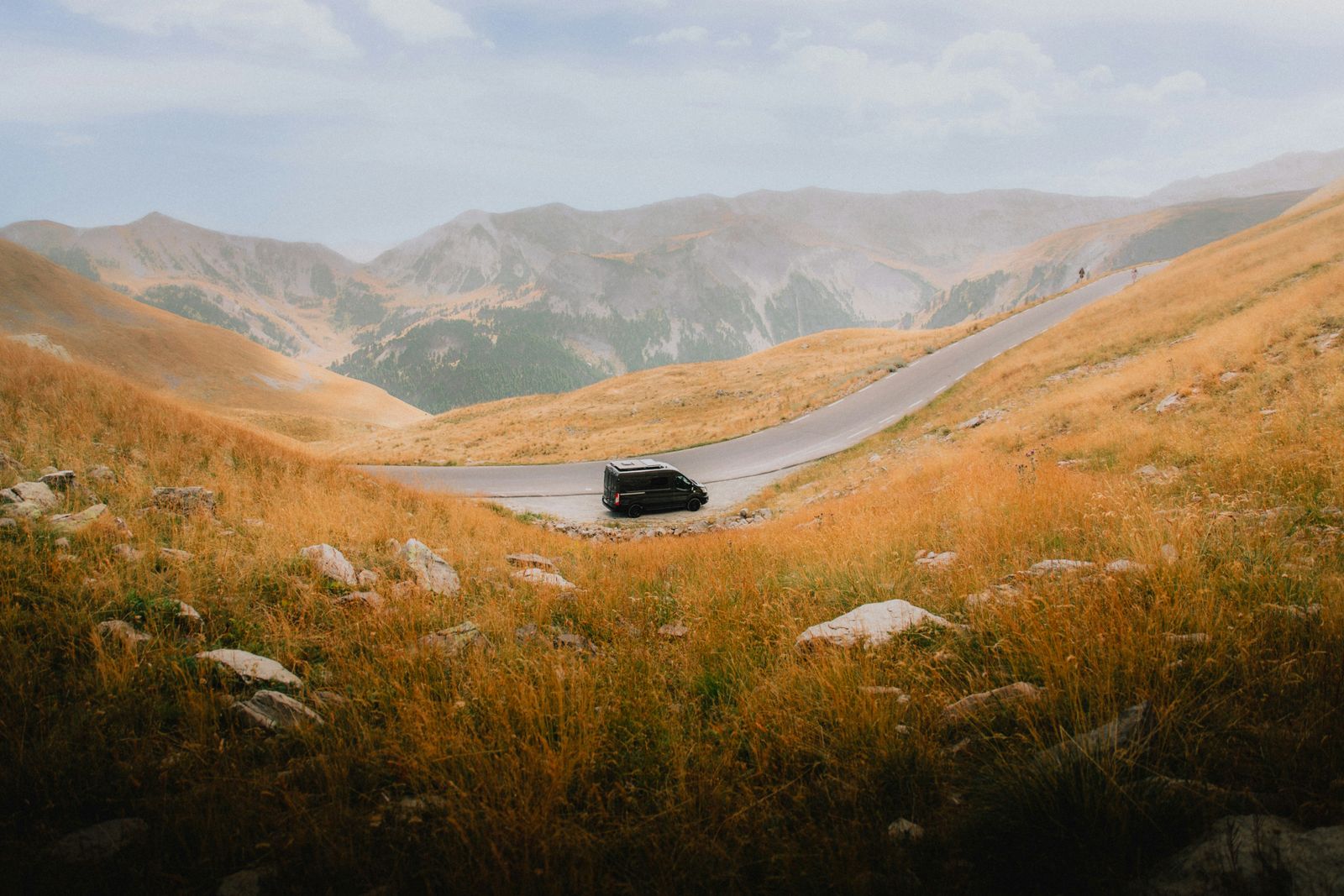
Worth being explicit about which costs reward your headcount, because it's how you build a week that's better and cheaper per person than the same week for two.
Gets cheaper per head: the vehicle and driver, priced per car. The house, priced per night. Transfers from El Plumerillo, 8 km out. Bottles at dinner, because a AR$25,000 bottle across six glasses is a rounding error and across two it's a decision. A cooked dinner at the house.
Does not get cheaper per head, at all: tastings, paired lunches, Aconcagua permits, rafting combos, festival tickets. These are strictly per person and no amount of group organising changes them.
So the shape of a good group week here is: spend generously on the things that divide, and be deliberate about the things that don't. Two tastings a day rather than four. One paired lunch rather than three. One extremely good driver for the days you're in the valley, and bikes in Maipú for the day you're not.
The driver divides. The tasting doesn't. Build the week around the difference.— On group arithmetic in wine country
Moving the group
A driver for the wine, SUBE for the city, and bikes for the one flat day.
For wine days, hire the vehicle. Local remis companies in Mendoza run winery days with waiting time built into the price, which is the detail that matters — the driver sits outside for two hours while you taste, and a tour bus doesn't wait. Agree the itinerary and the finish time in advance, and tip properly at the end, because that's a long day of not drinking on your behalf.
In the city, it's SUBE and nothing else. The Gran Mendoza flat fare went to AR$1,680 on 13 July 2026 and covers the Metrotranvía as well as the buses. No cash is accepted, so buy the cards on day one — and SUBE discounts step down as your monthly trip count rises, so a week of riding gets cheaper as it goes.
Being straight about the risk, because it's the local one rather than an imported one: the pattern here is motochorros, snatch thefts by two people on a motorbike. Provincial police advice is bag or cross-body strap in front held with your arm against your chest, phone away while you're walking rather than in your hand, lit and busy stops, and in taxis skip cars with heavily tinted glass or an unreadable ID number. The bus terminal and Parque General San Martín are both named locally as higher-risk — which matters because Cerro de la Gloria, the best free view in the city, sits inside that park. So: go up in daylight, go together, phones in pockets, and take a taxi or remis back down rather than walking out through the park at dusk. For a group at night generally, a booked remis is the move — split six ways it costs less than the bus fare you're skipping, and it drops everyone at the door.
For Maipú, take bikes. Fifteen minutes on the bus, operators by the stop hiring for USD 5–10 a day, flat ground, cycle paths and bike stands at the bodegas. A bike doesn't repeal the drinking problem, though — space the tastings, use the spittoon, eat lunch properly.
Three group days, honestly paced
Two tastings a day, one big meal, and one day with no wine in it.
Day one — Maipú by bicycle. Bus out mid-morning, bikes for USD 5–10 each, two bodegas and an olive-oil producer, lunch somewhere with a table outside. Back in the city by six. No driver needed, nobody's in charge, and it's the day that gets the group talking before anybody has spent real money. Dinner at a parrilla, late, with a bottle nobody has to think about.
Day two — Luján de Cuyo with a driver. This is the day to spend on. One vehicle, two tastings, and lunch at a winery — Riccitelli Bistró if you got the booking, the paired lunch wherever you're tasting if you didn't. Home by seven, and at eight or more, split the group across the two tastings and reconvene at lunch. At four to six: USD 280 for the car is about USD 70 each and the day is entirely yours.
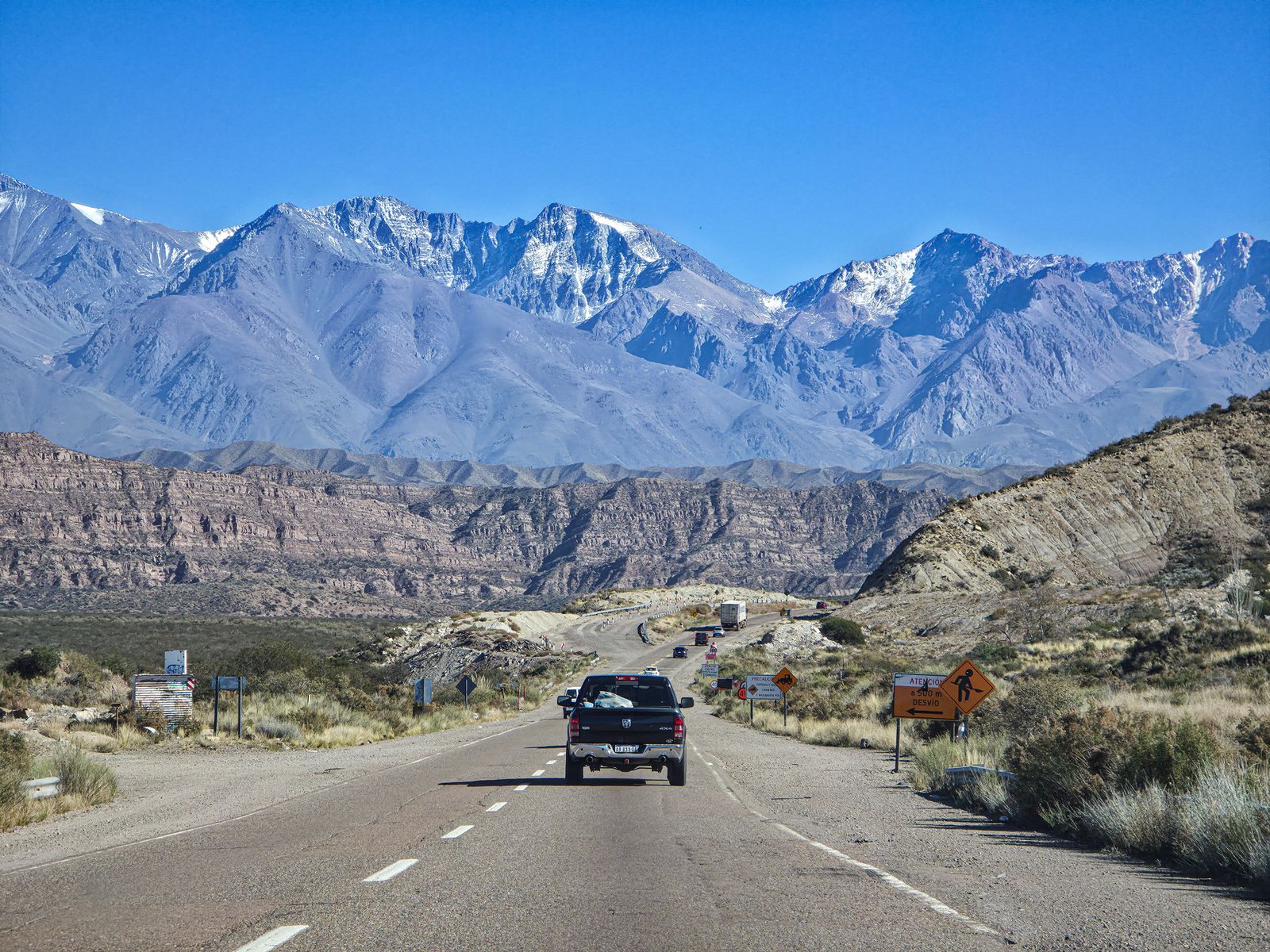
Day three — the day with no wine. Either the mountains or the water, and both are better than another cellar. Ruta 7 as far as Puente del Inca and the Aconcagua park entrance, with the Horcones–Confluencia day walk if you're in the 15 November to 10 April window: 7.5 km, 570 m, three to four hours, no advance registration, and permits were AR$55,000 for foreign visitors in the 2025–26 season. Or the Potrerillos raft and Termas de Cacheuta combo, where transfers are usually included and so nobody's driving a canyon road afterwards. Check Ruta 7's state the morning you go — the Cristo Redentor pass into Chile has been shut for over a month as we write this, with no reopening date, though the road to the park entrance has stayed open.
Then, if the week has a fourth day in it: sleep in the Uco Valley rather than day-tripping it, and make that the night of the long lunch and the good bottle. Two nights out there beats four days of driving back and forth, every time.
Where we would book
Wineries direct, on their own sites or by email, and early — Catena Zapata publishes real prices with validity dates and takes bookings through its own portal, and advice on lead time ranges from a week to three months, so treat three months as the safe number for the famous ones and book them before the flights. Say your group size in the first message rather than the third.
Drivers from local remis companies rather than a marketplace, because you want a phone number that answers when a road closes. Confirm that waiting time is included and agree the finish time up front.
Accommodation: one house, booked direct where you can, and if anyone in the group has a foreign-issued card, pay the accommodation with it — the 21% IVA on lodging is refunded to foreign tourists paying by foreign card or foreign transfer, which across a week and six people is a genuine sum. Aconcagua permits from the provincial park system, not an agency, for the day walk. Rafting and the thermal complex sell direct with transfers.
Related guides
- Mendoza Comprehensive Guide — the transport decision, the three zones and the 2026 numbers.
- Mendoza Food Guide — nine Michelin stars, and the market that beats most of them.
- Mendoza Activities Guide — the bike day, the Aconcagua walk and the water.
- Mendoza Culture Guide — the earthquake, the canals and Vendimia.
- Bordeaux Group Trip Guide — the same problem in the other wine capital: nobody can drive, and the group solves it with a tram and a train instead of a van.