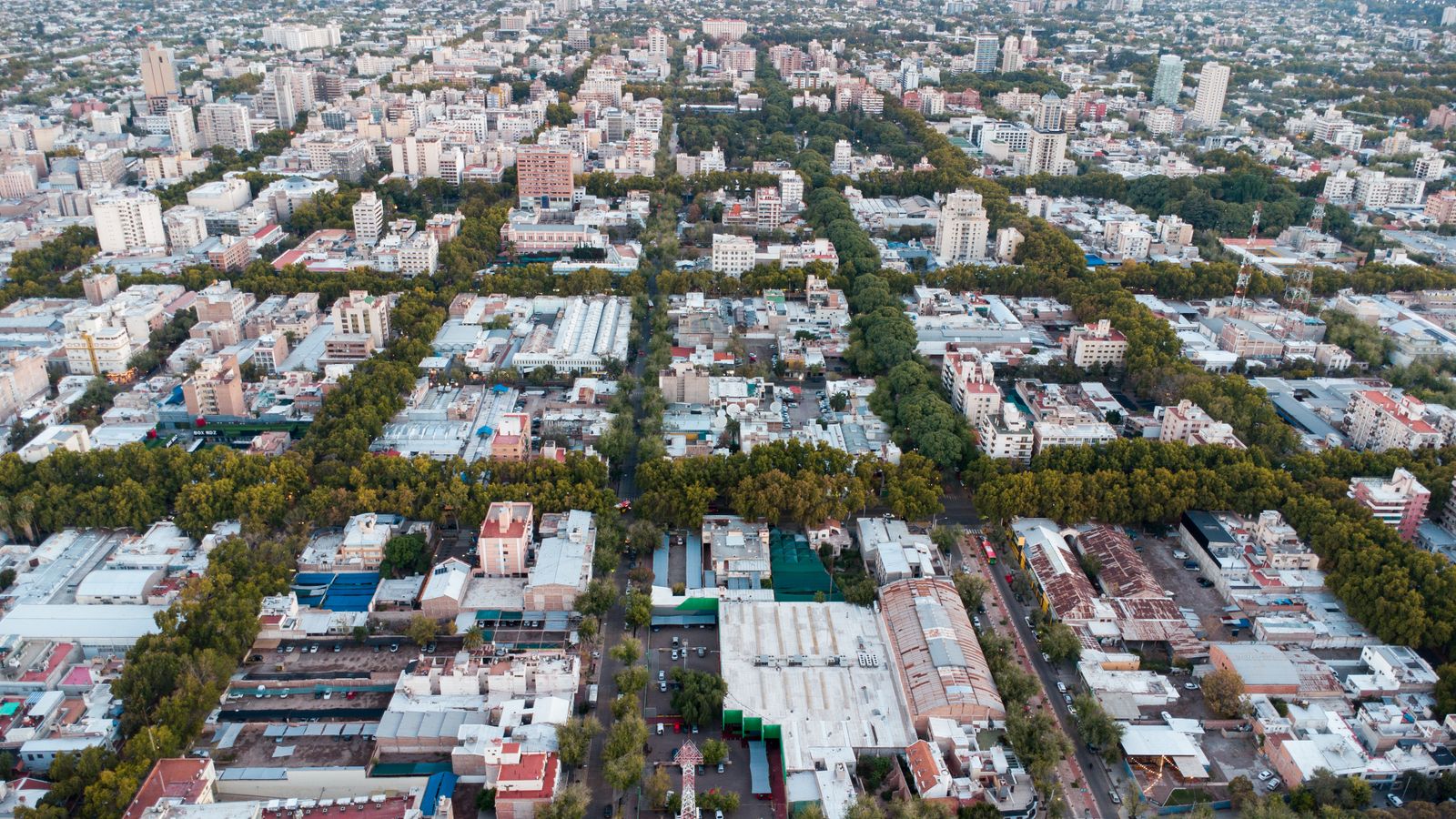
You can spend four days in Mendoza and come away thinking of it as a pleasant grid of plane trees that happens to be near some vineyards. That's a shame, because the city is one of the more interesting things in Argentina: it's the second Mendoza, built next to the wreckage of the first one, on a plan that people still argue about, and watered by a canal network you can hear from the pavement.
The city you're standing in is the second one
On 20 March 1861 the first one stopped existing.
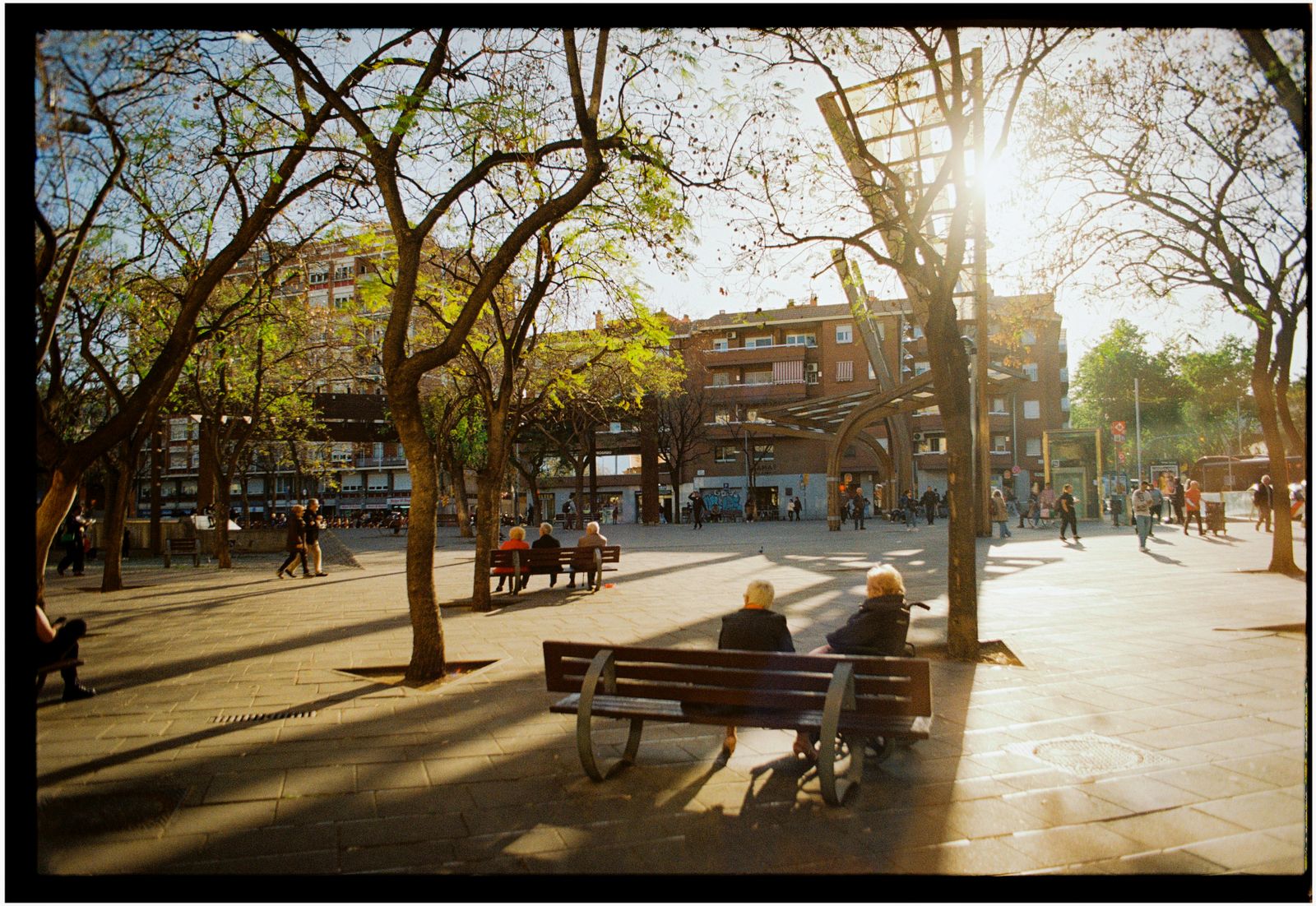
An earthquake destroyed essentially the whole of Mendoza on 20 March 1861, and killed somewhere between 4,000 and 6,000 people out of a population of about 12,000. Sit with that ratio for a second. It is not a disaster the city recovered from; it's a disaster the city was replaced after.
From 1863 a new Mendoza went up about one kilometre to the south-west of the ruins, on a plan drawn by the French surveyor Julio Balloffet. What he laid out is what you walk around today: unusually wide streets and pavements — San Martín, Las Heras, Colón, Belgrano — a decimal grid of blocks, acequias running along the edge of every one of them, and five large plazas, with Plaza Independencia in the middle and San Martín, España, Italia and Chile set around it.
The old city hasn't been tidied away, either. The Área Fundacional preserves the ruins and the archaeology of the original settlement, which is the rare museum where the exhibit is the hole in the ground. And every 20 March the province marks the Día de la Prevención Sísmica — an earthquake commemorated as a civil-defence date rather than as history.
The argument about why it looks like this
Everyone will tell you the wide streets are for earthquakes. It's contested.
Here's the story you'll hear from a guide, a taxi driver and roughly every article ever written about the city: Mendoza was rebuilt wide and open because of the earthquake, the boulevards and the five plazas designed as firebreaks and refuges for the next one.
It's a good story. It may also be a myth, and the person saying so has done the work. The historian Ponte, who went through the legislative record produced after 1861, says the documents of the period show no scientific understanding of seismic behaviour that could have informed an anti-seismic design — and calls the idea that Mendoza was engineered for earthquakes exactly that: a myth. Against him, other accounts of the reconstruction describe the five plazas explicitly as resguardo, refuge in the event of new quakes.
We can't settle it and we're not going to pretend to. What's true either way is more interesting than the tidy version: the shape of the city is real, it did come out of the aftermath of a catastrophe, and whether anyone at the time was thinking about seismology or simply about air, light and land value is still being argued in print. Ask a mendocino which they believe. You'll get an answer with some heat in it.
The acequias, and the water they're carrying
Every tree in this city is on a drip feed from a mountain.
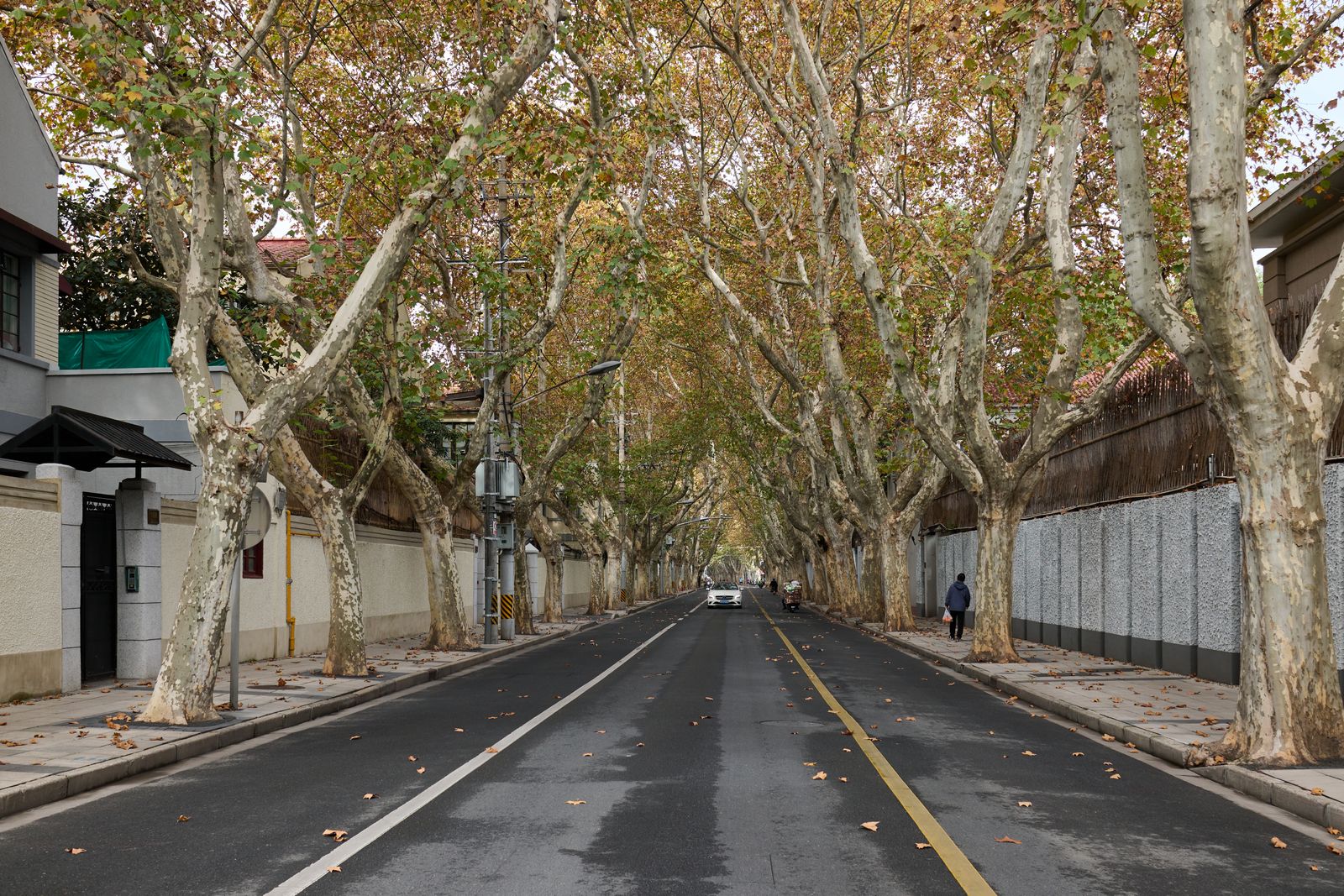
The channels running along the kerb everywhere in central Mendoza are acequias, and they are the whole reason there is a city here. Snowmelt off the cordillera is captured, distributed by canal, and fed to the plane trees that make the streets walkable in a place that is, climatically, a desert. Balloffet's grid was drawn with them; they border the blocks by design. Watch your step at night — locals do it without looking and visitors go in.
They also make the province's central tension visible. Mendoza's agriculture, its wine, and its shade all depend on how much snow fell on mountains you can see from the street, and several consecutive thin winters left the reservoirs low.
Then July 2026 happened: record snowfall, over three metres in sectors of the cordillera and over four in some, from a storm that ran more than a week. It would be easy to write that as the drought breaking. The province's own irrigation superintendent, Sergio Marinelli, said plainly that it isn't — a historic snowfall does not end years of water crisis — because the deficit is cumulative and the dams haven't recovered. There's also a mechanical catch that's genuinely counter-intuitive: that snow stays frozen until around October, so supply until then still comes out of storage, and the melt only starts contributing in November.
Which is a long way of saying: the tap water here is excellent and it comes off a mountain, and how much of it there is next summer was decided by weather in July. Drink it. Notice the acequias. They're the most functional monument in the city.
Every plane tree in Mendoza is being watered by a mountain, through a channel somebody dug on purpose.— On the acequias
Vendimia, which is bigger than you think
A harvest festival with a thousand performers and a queen from every department.
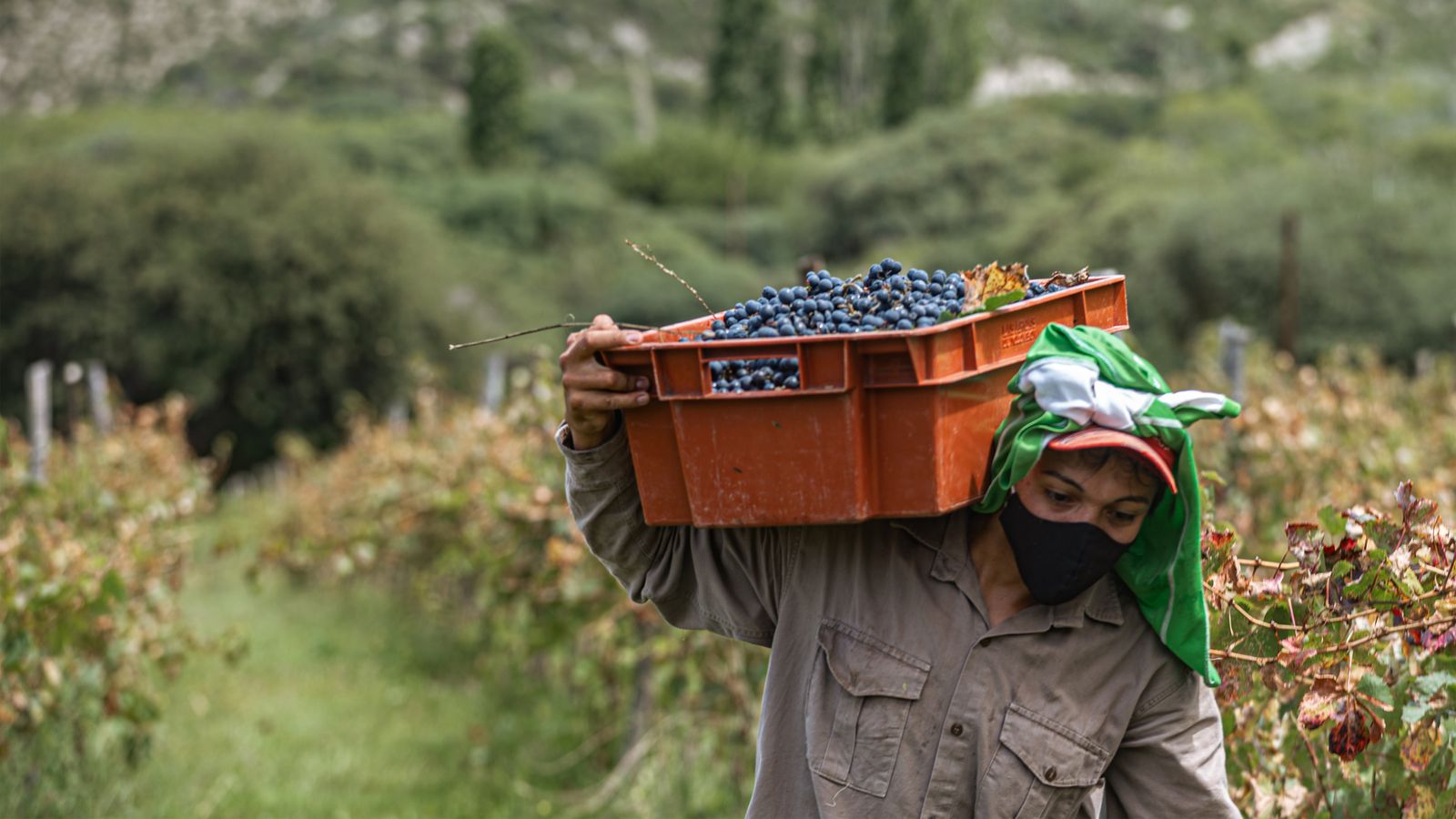
The Fiesta Nacional de la Vendimia is the national harvest festival and it closes the season in early March. The shape has been stable for decades: the Vía Blanca de las Reinas, a night parade of illuminated floats through the centre, on the Friday from 21:00; the Carrusel, a daytime parade, on the Saturday from 09:00; and then the Acto Central on Saturday night in the Teatro Griego Frank Romero Day — more than a thousand performers, and the election of the Reina Nacional de la Vendimia — with a single repetition on the Sunday.
In 2026 it ran 6–8 March and was the 90th edition. The 2027 dates were not published when we checked in mid-August 2026, and we're not going to invent them, because plenty of sites will and people book flights on that. Check the provincial calendar, then book.
The part that gets left out of the coverage is the better part. Vendimia is not one weekend in the capital: all 18 departments of the province hold their own harvest fiesta across January, February and March, choosing their own queen, with their own music and their own food. They're free, they're local, and they're radically easier to get into than the Acto Central. If you're here in February and there's no national festival on, there is almost certainly a departmental one within an hour of you.
Go to a departmental fiesta instead
Eighteen departments, eighteen harvest festivals, spread from January to March. No ticket queue, no ticketing site, no hotel surge. Ask at your accommodation which one is on that weekend — this is the version of Vendimia that people who live here actually attend.
The wind has a name, which tells you something
When a place names its weather, the weather matters.
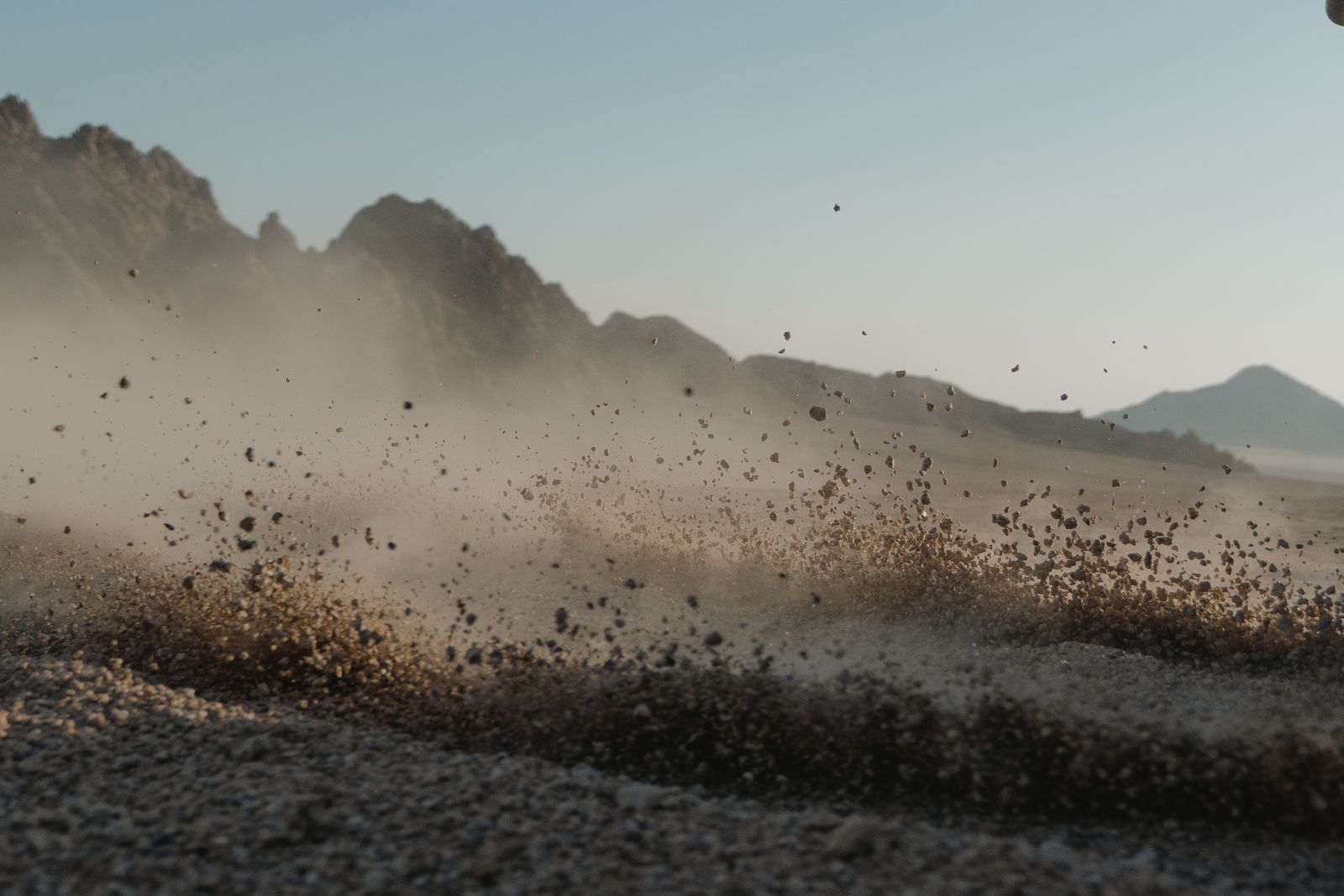
The Zonda comes down off the Andes hot and completely dry: gusts over 60 to 70 km/h, sustained wind of 30 to 45, temperature climbing sharply, humidity collapsing, dust reducing visibility. It damages roofs and infrastructure. The national weather service issues yellow and orange alerts for it and Defensa Civil asks people to secure loose objects and stay out of it — there were repeated alerts through July and August 2026. It usually shows up first around Malargüe and the pre-cordillera and can push into the Uco Valley and Gran Mendoza.
It's on this list rather than in the practical guide because it's a cultural fact as much as a meteorological one. People here talk about the Zonda the way other places talk about a full moon: it's blamed for headaches, bad moods, arguments and poor decisions, and everyone has a theory. Schools change plans. Outdoor events move.
For a visitor, it's simple and it's worth building into the week: keep one indoor day in your back pocket. When the Zonda comes, that's the day you use it — a cellar, the Área Fundacional, a four-hour lunch. You will not be the only person who has made that decision.
Where we would book
Nothing in this guide needs booking except Vendimia, and Vendimia needs it early. Acto Central tickets go on sale through the official channel the province announces each year — check the provincial calendar for the dates before you commit to flights, since the 2027 schedule wasn't out when we last looked. The Vía Blanca and the Carrusel are street parades and free; you're paying in arriving early enough to see anything.
The Área Fundacional is a municipal museum with a small entry fee, walkable from Plaza Independencia, and worth an hour. The departmental harvest fiestas are free and mostly announced locally rather than nationally, so the best source is the person at your accommodation desk.
And if you're coming for Vendimia specifically, book a bed before you book anything else. The city fills, and it fills for the exact weekend you want.
Related guides
- Mendoza Comprehensive Guide — the transport decision that comes before everything else.
- Mendoza Food Guide — nine Michelin stars, and the market that beats most of them.
- Mendoza Activities Guide — the bike day, Aconcagua and the water.
- Mendoza Group Trip Guide — the same city, planned for six or ten of you.
- Bordeaux Culture Guide — the other wine city that rebuilt itself on a plan and then argued about it for two centuries.