Almost every Mendoza itinerary is built the same way: pick the wineries, then work out how to reach them. Do it in that order and you will spend the week either driving when you shouldn't be, or paying twice to fix it. Mendoza is the rare destination where one logistical decision comes first and everything else arranges itself behind it. Get that one right and you have a week of Malbec at the foot of the highest mountain outside Asia, which is a very good week.
What you're actually looking at
A desert city, three wine zones, and a 6,961-metre mountain at the end of the road.
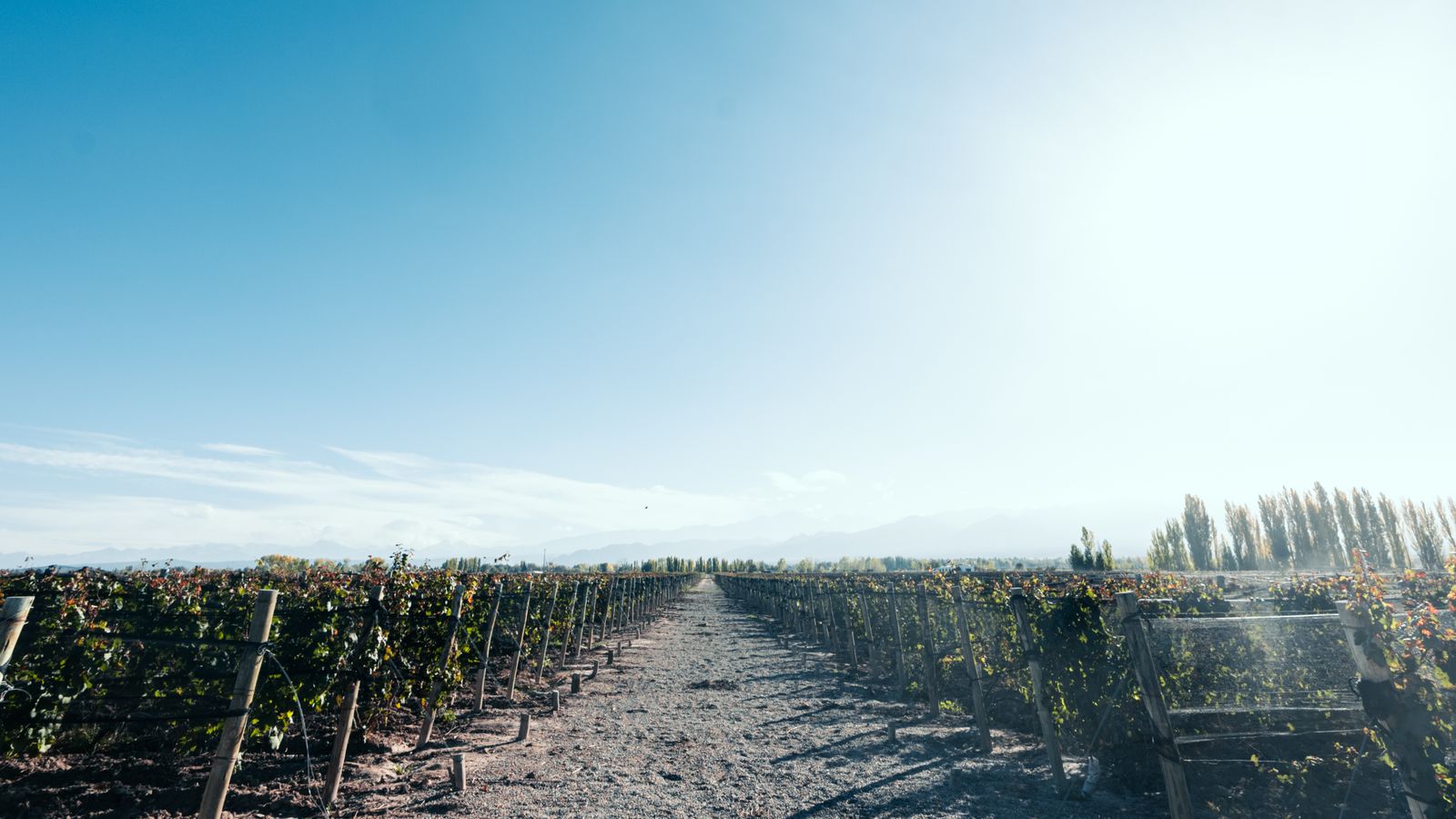
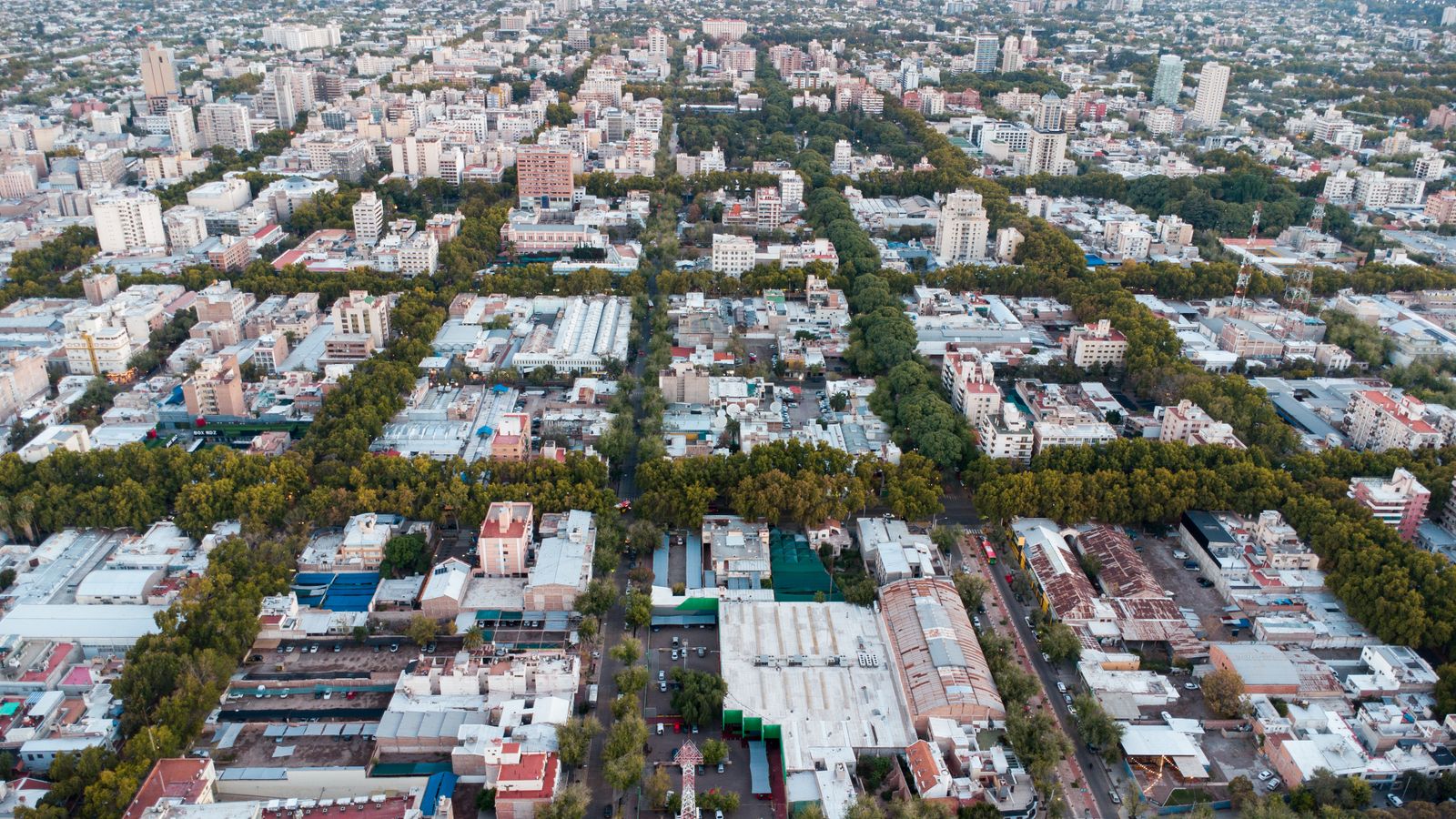
Mendoza is a city on a dry plain with the Andes standing up behind it, and the whole province is a piece of hydraulic engineering. Water comes off the snowpack, runs down open channels called acequias that line every street in the city, and turns a desert into vineyards, olive groves and plane-tree shade. Once you notice the acequias you cannot stop noticing them — they are the reason anything here is green.
The wine sits in three zones, and they are not interchangeable. Maipú is 15 to 25 minutes out: flat, historic, full of long-established bodegas and olive-oil producers, and the one zone you can genuinely do on a bicycle. Luján de Cuyo is 20 to 40 minutes out and is where Argentine Malbec actually comes from — the big names, the vineyard settings, the easiest logistics of the three. Valle de Uco is an hour and a half to two hours south, planted between 900 and 1,700 metres across Tupungato, Tunuyán and San Carlos, and it is the dramatic one: high-altitude fruit, architecture, lodges, long lunches, and the Andes filling the window.
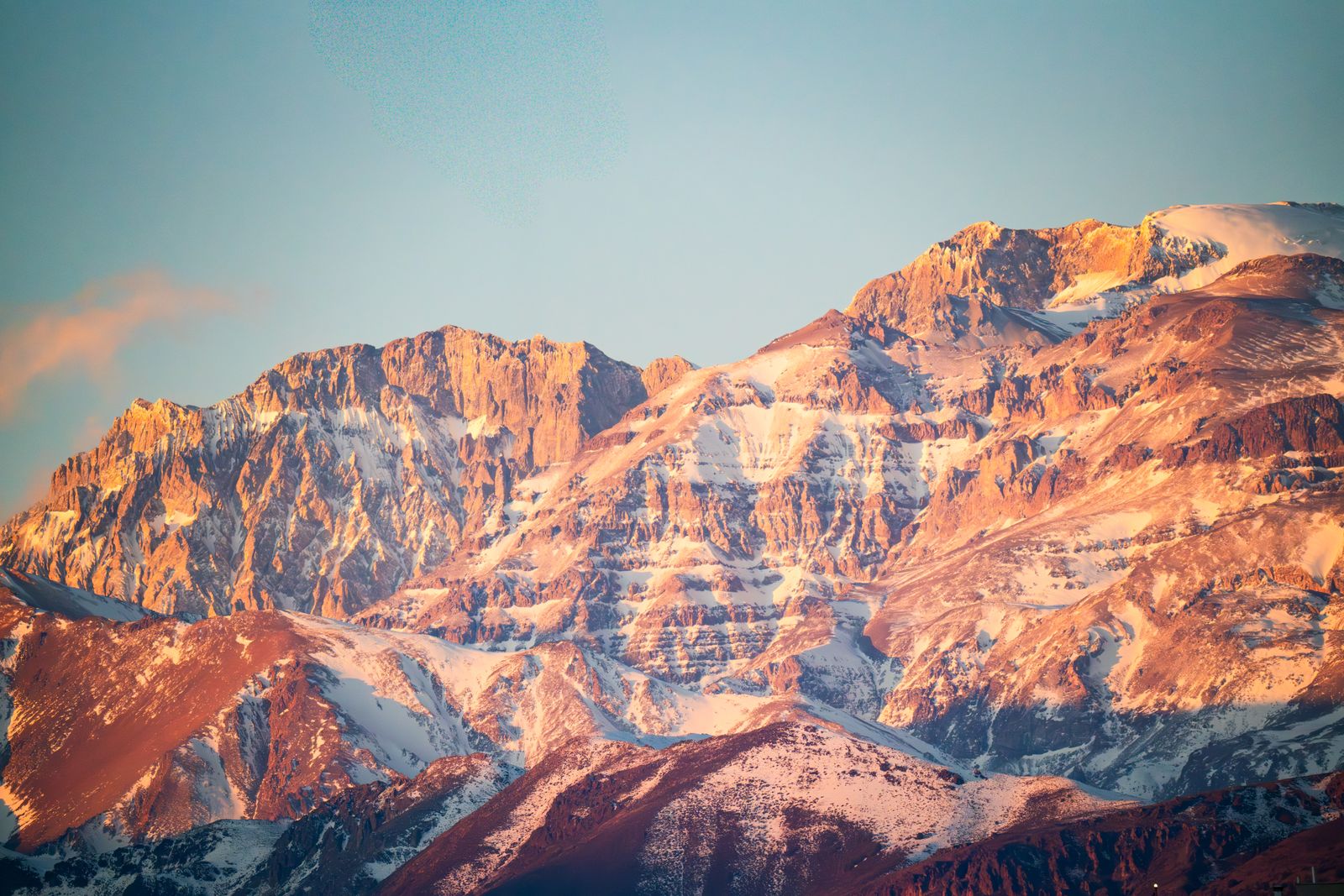
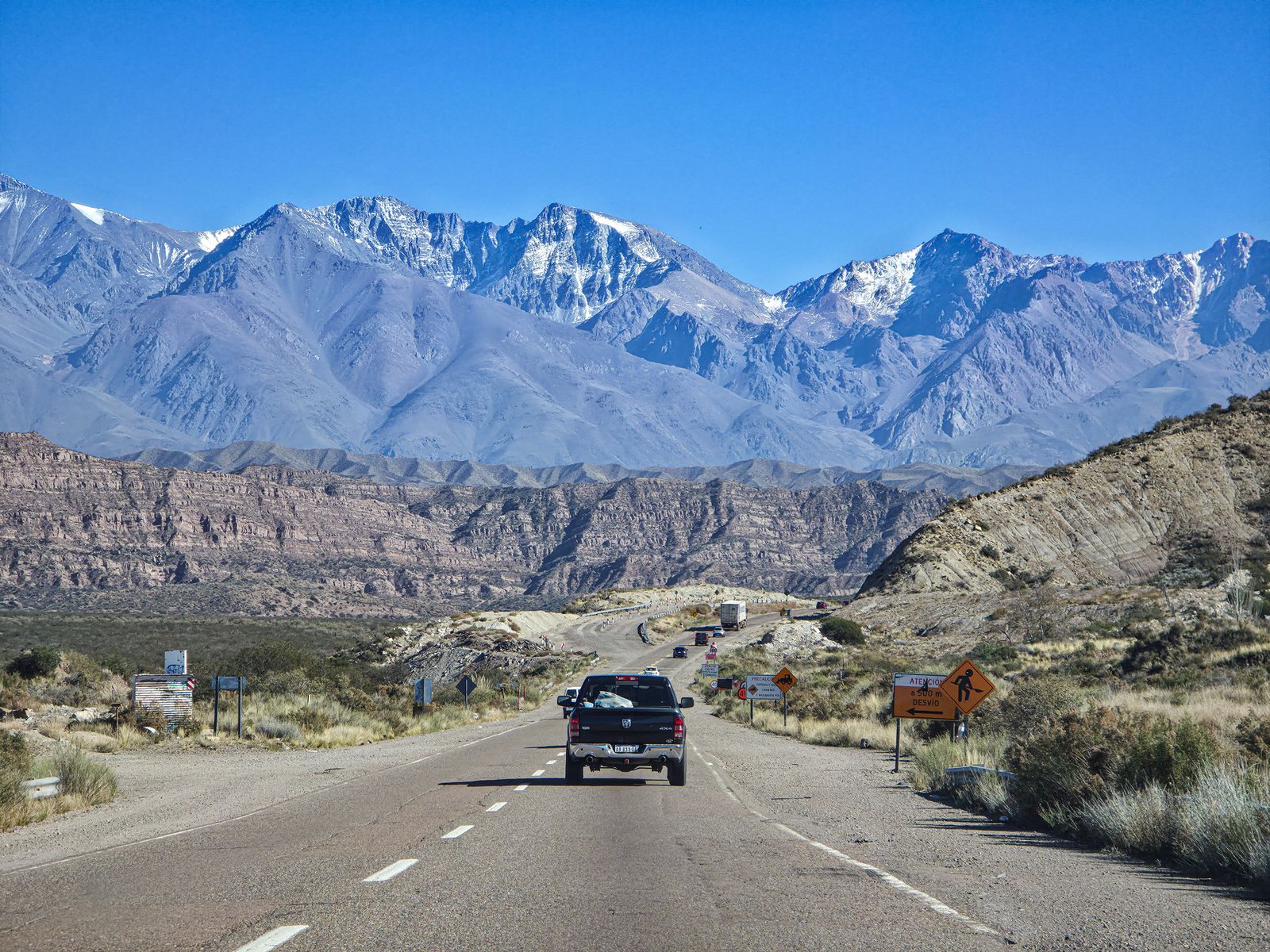
Behind all of it is Aconcagua, 6,961 m, the highest mountain outside Asia, reachable on a day trip up Ruta 7 without any of the equipment you're imagining. More on that below, because it's easier than people think and the paperwork is almost nonexistent.
Decide how you're getting around before you decide where you're drinking
This is the section that reorganises the trip. Read it before you book a car.
Here is the situation, and it is genuinely strange. Argentina has a national Alcohol Cero law and 18 provinces adopted it. Mendoza is one of six jurisdictions that didn't, alongside Buenos Aires city, Santa Fe, San Juan, Misiones and Corrientes — and Mendoza said no explicitly because of the wine industry, which lobbied against it and won. So the provincial limit for private drivers is still 0.5 g/L rather than zero.
Then it gets unresolved. National reporting states that zero tolerance is mandatory on all national routes anywhere in the country regardless of what a province decided — which would cover Ruta 7, the road into the mountains, and Ruta 40. Mendoza's own road-safety director and its then-minister have said the opposite in as many words: that traffic is an exclusive provincial power, and provincial law governs national routes inside provincial territory. Those two positions cannot both be operative, and as far as we can tell nobody has settled it.
We're not going to tell you who wins that argument, because we don't know and neither do the people quoted on both sides of it. What we can tell you is the practical consequence, and it's clean: the only number that isn't in dispute is zero. Which means the transport question isn't a detail you sort out after picking the bodegas. It's the first decision, and it shapes the rest.
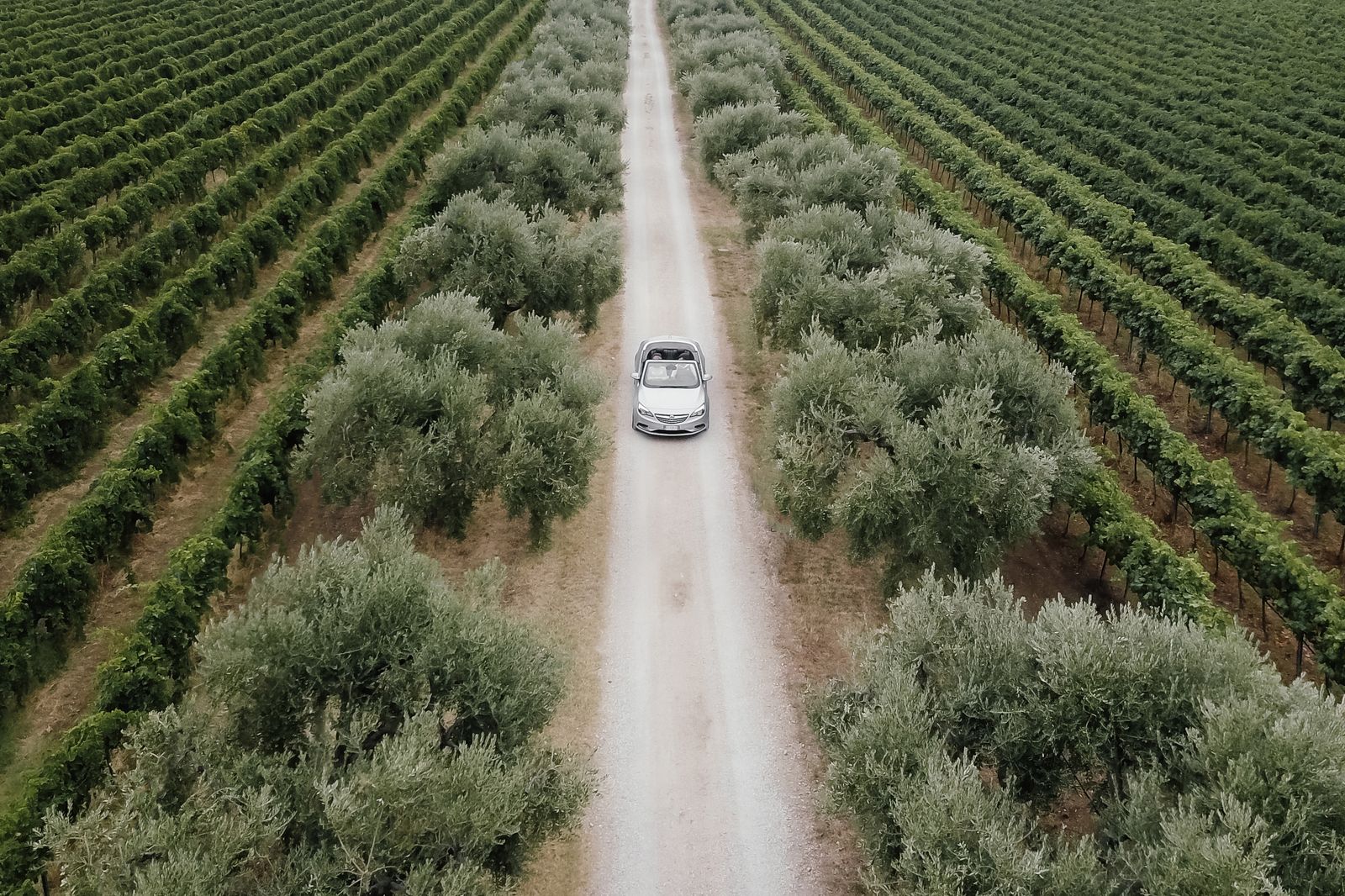
The options, honestly ranked. A private car with a driver is the best version and cheaper than it sounds: quoted at USD 200–400 for the vehicle for two to four people, with one Uco Valley day at USD 280 for up to four — call it USD 70 each at four. A small-group day tour runs USD 80–150 per person including transport and tastings at three or four estates, which is the right answer if there are only two of you. Bikes in Maipú cost about USD 5–10 for the day and are a genuinely lovely way to spend one of them. And the thing that makes the driver the obvious pick for a group: it is the one cost here that drops per head every time somebody else gets in the car. Tasting fees don't do that. Catena Zapata's Blending Games is AR$106,000 a person whether you're two or ten.
The one number nobody disputes
Provincial limit 0.5 g/L. National routes arguably zero. The province says otherwise. You are going to eight tastings this week. Plan on zero and hire the driver — then the argument is somebody else's problem and you get to actually drink the wine you flew here for.
Where you sleep decides what your week is
Maipú, Luján de Cuyo or the Uco Valley. Pick on drive time, not on prettiness.
Stay in Mendoza city if you want restaurants, a walkable grid, the market and easy access to both Maipú and Luján de Cuyo. It's the flexible choice and the cheapest, and the city is genuinely good — five big plazas, plane-tree tunnels, a food scene that has quietly become the best in Argentina.
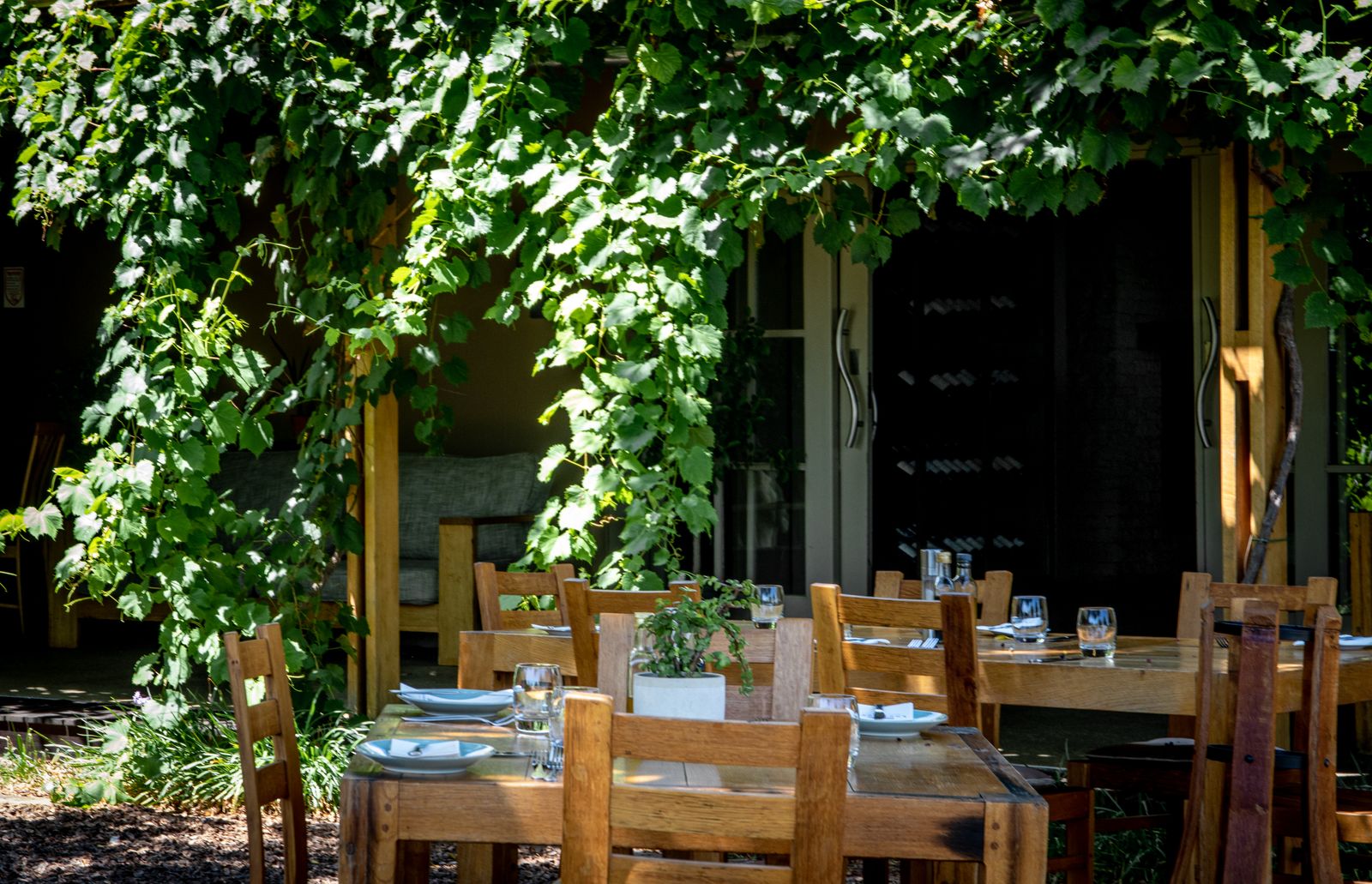
Stay in Chacras de Coria or Luján de Cuyo if you'd rather wake up among vines and be 20 minutes from most of the wineries you've heard of. This is the balanced answer for a first visit, and it puts you walking distance from some of the best eating in the province.
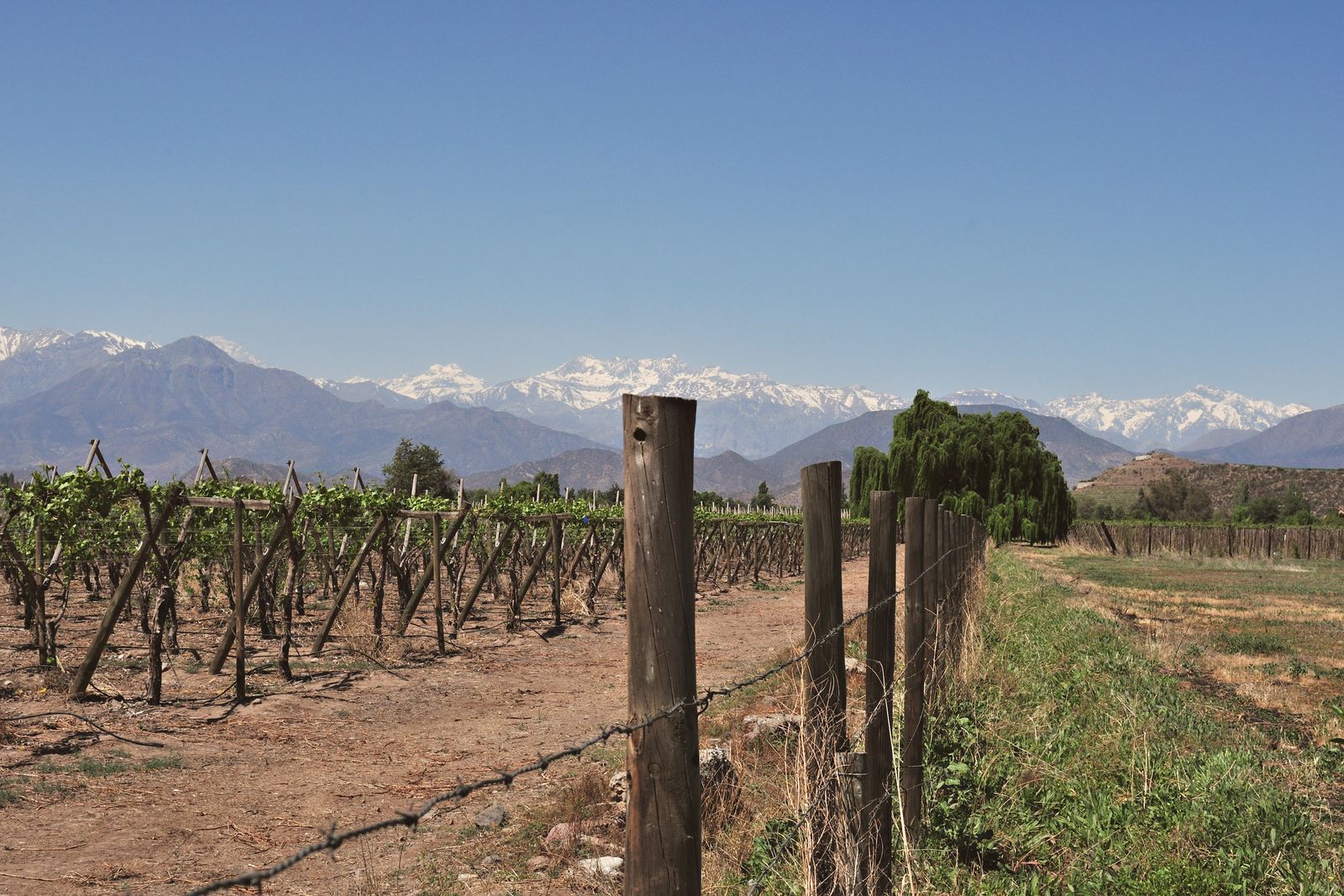
Stay in the Uco Valley for the version that ends up in everybody's photographs — but do it properly, which means sleeping there. The valley is an hour and a half to two hours each way from the city. Day-tripping it means three to four hours in a vehicle on a day when nobody in that vehicle can drink, which is a strange way to spend a wine holiday.
The Uco Valley is a three-hour round trip on a day when nobody in the car is allowed to drink. Sleep out there instead.— On the one decision that fixes the whole week
Book the wineries before you book the flights
The reservation wall is the real failure mode here. It isn't the money.
Most Uco Valley bodegas, and essentially all the small ones, are appointment-only. Not appointment-preferred. A tasting here is a scheduled, guided slot with a person assigned to it, which means turning up at 11:00 on a Saturday gets you turned away from a visibly empty room, and the staff feel bad about it, and you still don't get in.
Catena Zapata is the clearest case, and the advice you'll find contradicts itself: some sources say book a week ahead and four to six weeks for a weekend, others say three months, with a long waiting list and only a few slots a month. We can't reconcile those, so here's the safe version — treat three months as the number for the famous ones and book them before you buy the flights. Premium Uco names like Zuccardi Valle de Uco and Achaval Ferrer are quoted at one to three weeks minimum in season.
What it costs, so you can build a week instead of guessing. A standard guided visit with a three-glass tasting starts around AR$8,000; most proper tastings land AR$20,000–50,000; a vertical with the winemaker runs past AR$60,000; and a paired lunch is AR$50,000–90,000 a head. Concrete ones: Zuccardi's classic guided visit is about AR$18,000, and Trapiche's five-course paired menu was AR$42,000 in March 2026. At Catena Zapata, whose site publishes real numbers with validity dates — these are per person, valid 1 July to 30 September 2026 — The Blending Games is AR$106,000, Wine & Music AR$136,000, Family Is Everything AR$184,000, and the three-hour Wine Meditation, Wednesdays at 10:00, is AR$202,000.
Two tastings a day is plenty. Three is a lot. Four is a story you tell about the day you wasted AR$106,000 because you couldn't taste anything by then.
The mountain half
Ruta 7, Puente del Inca, and a day trek at Aconcagua that needs no paperwork.
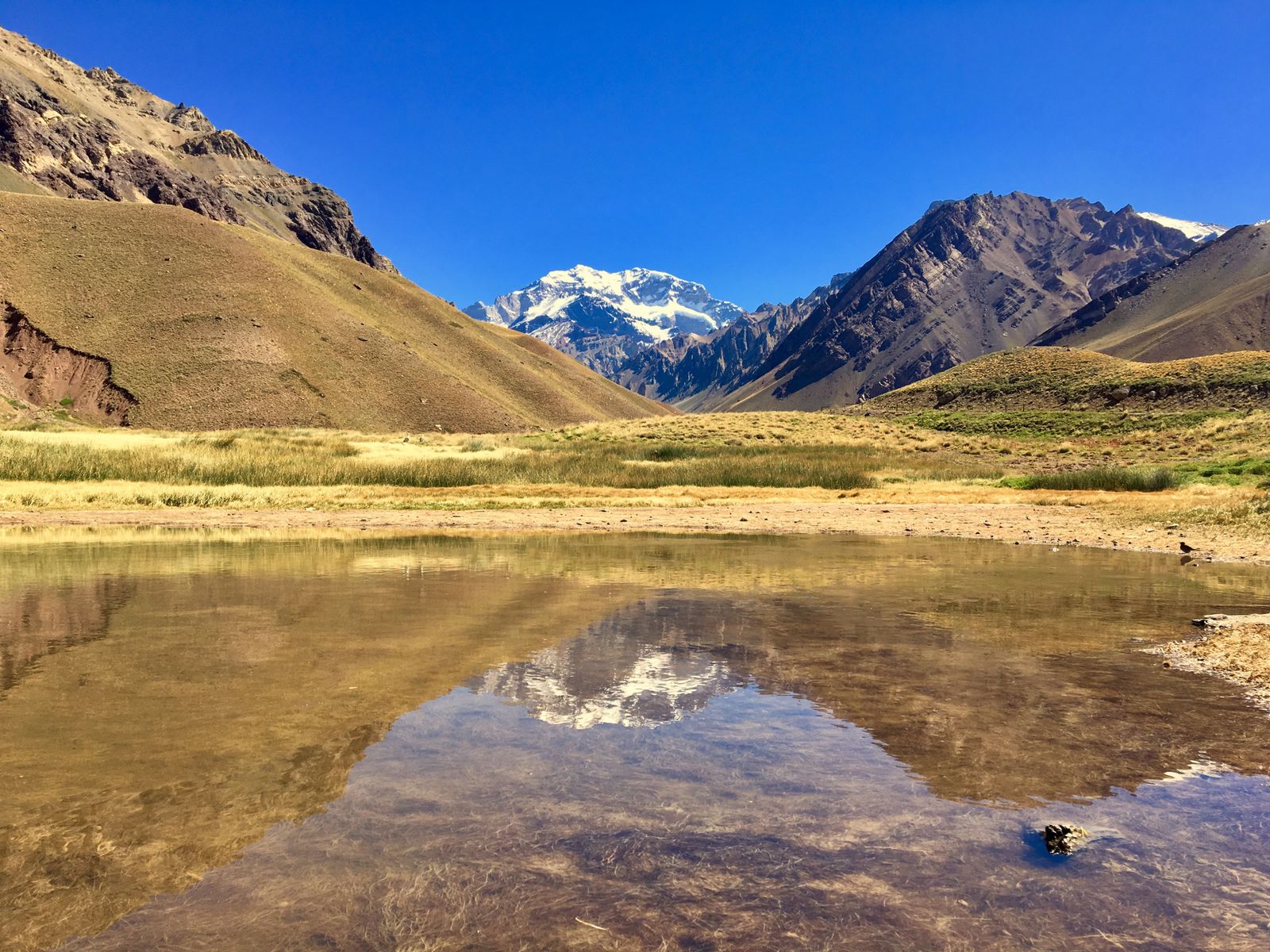
Ruta 7 runs west out of the city, climbs past Potrerillos and Uspallata, and ends at the Chilean border. It is one of the great road days in Argentina and you can do it in a day with a driver.
What's open, as of mid-August 2026, matters here. The Paso Cristo Redentor — the tunnel crossing into Chile — has been shut for more than a month on storms and snow, with thousands of trucks stranded and no reopening date confirmed. We're not going to guess one. But the useful half almost nobody publishes is this: Vialidad Nacional has kept Ruta 7 open for internal traffic as far as Uspallata, Polvaredas, Punta de Vacas, Penitentes, Puente del Inca and the Aconcagua park entrance. So the day trip works. The Chile crossing and the statue at the pass don't. Check the day you go, because that changes week to week.
And then the part worth planning a day around. The Horcones to Confluencia day trek in Aconcagua Provincial Park requires no advance online registration at all — you turn up, you pay, you walk. It's 7.5 km, 570 m of climbing, three to four hours, and it puts you inside the park at the foot of the mountain rather than looking at it from a car park.
Day-trekking permits for the 2025–26 season: AR$15,000 for Mendoza residents, AR$25,000 Argentine residents, AR$45,000 Latin American visitors, AR$55,000 foreign visitors. The park's summer season runs 1 November to 30 April and day trekking is enabled 15 November to 10 April — outside that window the walk is closed even though the road reaches the gate. Prices reset each October for the new season, so check the current ones rather than trusting ours. Short, long and ascent permits are a different thing entirely and have to be collected in person in Mendoza city.
The small numbers
Money, buses, and the flight from Buenos Aires.
Money. The old advice about bringing crisp hundred-dollar bills to change at a better rate is finished. On 17 August 2026 the official rate was $1,465 buy / $1,515 sell and the blue was $1,498.65 / $1,545 — a gap of roughly two percent, which is not worth organising a holiday around. Pay by card, and if you're Argentine, pay the way you pay at home: transferencia to an alias, Mercado Pago QR, cuotas where they're offered.
One thing genuinely worth knowing: foreign tourists get the 21% IVA on accommodation refunded when the room is paid with a foreign-issued card or a foreign bank transfer. On a week of hotels that is real money, and it only works if you pay that way.
Buses in the city. The Gran Mendoza flat fare went to AR$1,680 on Monday 13 July 2026, up 20% from AR$1,400, and it covers the Metrotranvía as well as the buses. It's SUBE only — no cash — and SUBE applies tiered discounts as your monthly trip count adds up, so a week of riding gets progressively cheaper. Get the card on day one.
Getting here. Aeroparque to Mendoza is about 1 hour 45 direct, flown by Aerolíneas Argentinas, Flybondi and JetSMART, with Aerolíneas running the most frequencies. The bus is 13 to 15 hours from around USD 35, and an Argentine overnight bus is a genuinely fine way to travel rather than a penance. El Plumerillo airport is 8 km from the centre.
When to come
Harvest, a wind with a name, and the month everything is full.
March is harvest, and it's the month Mendoza is most itself: fruit coming in, cellars working, and Vendimia, the national harvest festival, closing the season. In 2026 it ran 6–8 March and was the 90th edition — Vía Blanca de las Reinas on the Friday from 21:00, the Carrusel on Saturday morning from 09:00, the Acto Central on Saturday night at the Teatro Griego Frank Romero Day with more than a thousand performers, and a single repetition on Sunday. The 2027 dates weren't published when we checked in August 2026, so don't book flights around a date you found on a listicle. Check, then book — and note that all 18 departments hold their own harvest fiesta between January and March, which are free, local, and much easier to get into.
October and November are the other answer: vines coming back, snow still on the peaks, everything open, nothing full.
January and February are hot and booked solid. June to August is cold, some mountain roads shut, and the wine country is quiet, cheap and beautiful — a real option if you'd rather have the cellars to yourselves than the Uco Valley in full leaf.
Whenever you come, learn the word Zonda. It's a hot, bone-dry wind that comes down off the Andes with gusts over 60 to 70 km/h, a sharp jump in temperature, humidity falling through the floor, and dust in the air. Alerts ran through July and August 2026, and it typically starts around Malargüe and the pre-cordillera before reaching the Uco Valley and the city. A Zonda day is a cellar day, a museum day, a long lunch day. It is not a bike day or a ridge day, and pretending otherwise is how people end up miserable.
Where we would book
Book the wineries first and book them direct, on their own sites or by email — the tasting slots are theirs to allocate and going through a reseller adds a margin without adding availability. Catena Zapata publishes its prices with validity dates, which is rarer than it should be, and takes bookings through its own portal. For the driver, local remis companies in Mendoza do winery days with waiting time built in, and a local operator you can phone is worth more than a slick booking page when a road closes.
For Aconcagua, permits come from the provincial park system — buy the day-trekking permit for the Confluencia walk rather than paying an agency to buy it for you, since the walk needs no registration and no guide. For the mountain road, check Vialidad Nacional on the state of Ruta 7 the morning you drive it rather than the week before.
Accommodation: pay with a foreign-issued card if you have one, for the 21% IVA refund. And if there are more than four of you, price a house against the hotel rooms before you book anything, because the arithmetic in wine country tends to favour the house.
Related guides
- Mendoza Food Guide — nine Michelin stars, and the market sandwich that beats most of them.
- Mendoza Activities Guide — the bike day, the Aconcagua walk, and the water.
- Mendoza Culture Guide — the earthquake, the canals and the festival.
- Mendoza Group Trip Guide — the same wine country, planned for six or ten of you.
- Bordeaux Comprehensive Guide — the other city built entirely around visiting wineries, with the same problem and a different answer: a tram instead of a driver.