
Argentina
Mendoza
Argentina's wine capital, planned properly: the transport decision that comes first, and what 2026 actually costs.
Currency
ARS
Language
Spanish
Best months
March for the Vendimia harvest, or October–November — vines back, snow still on the peaks
Mid-range budget
$
110
/ day
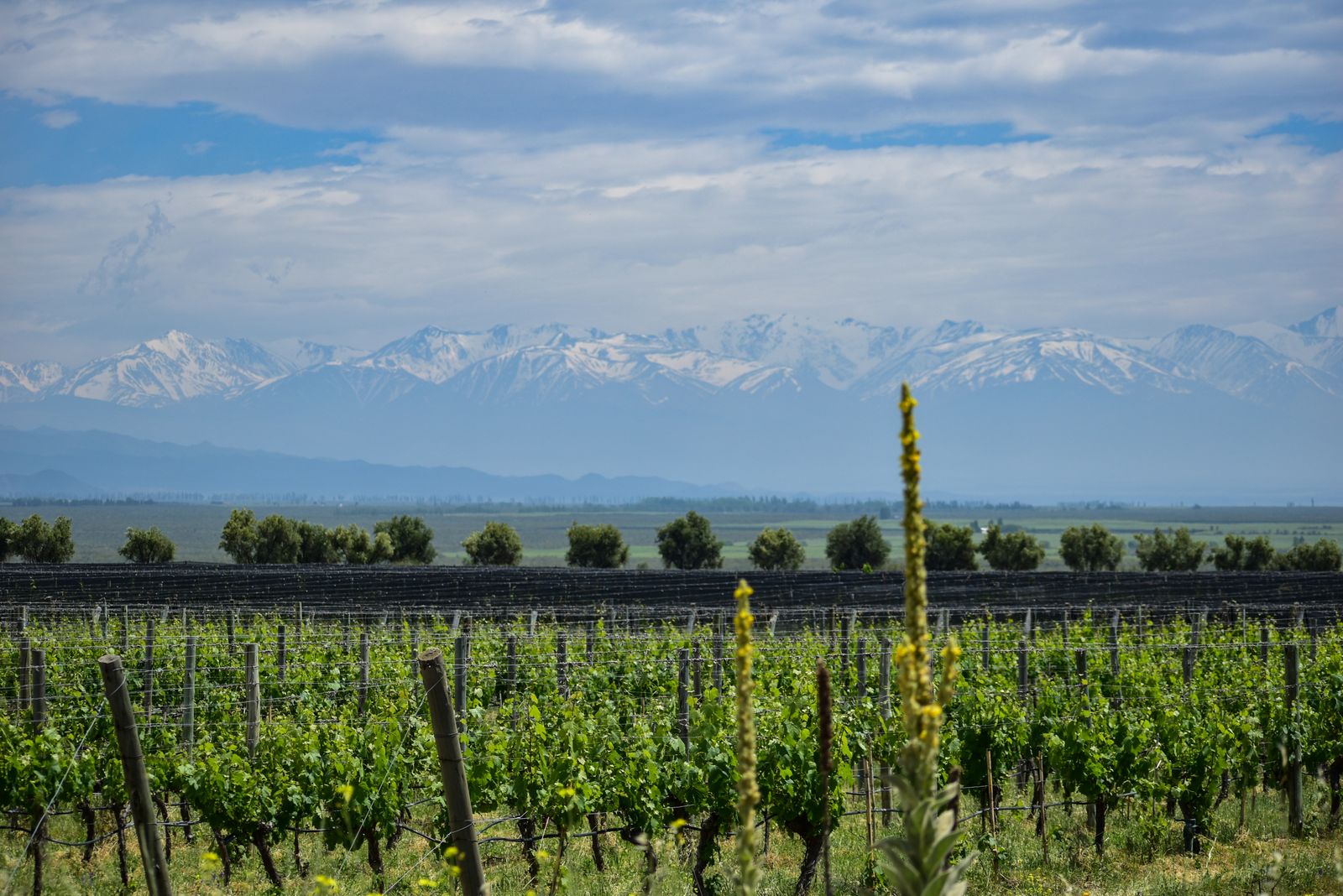
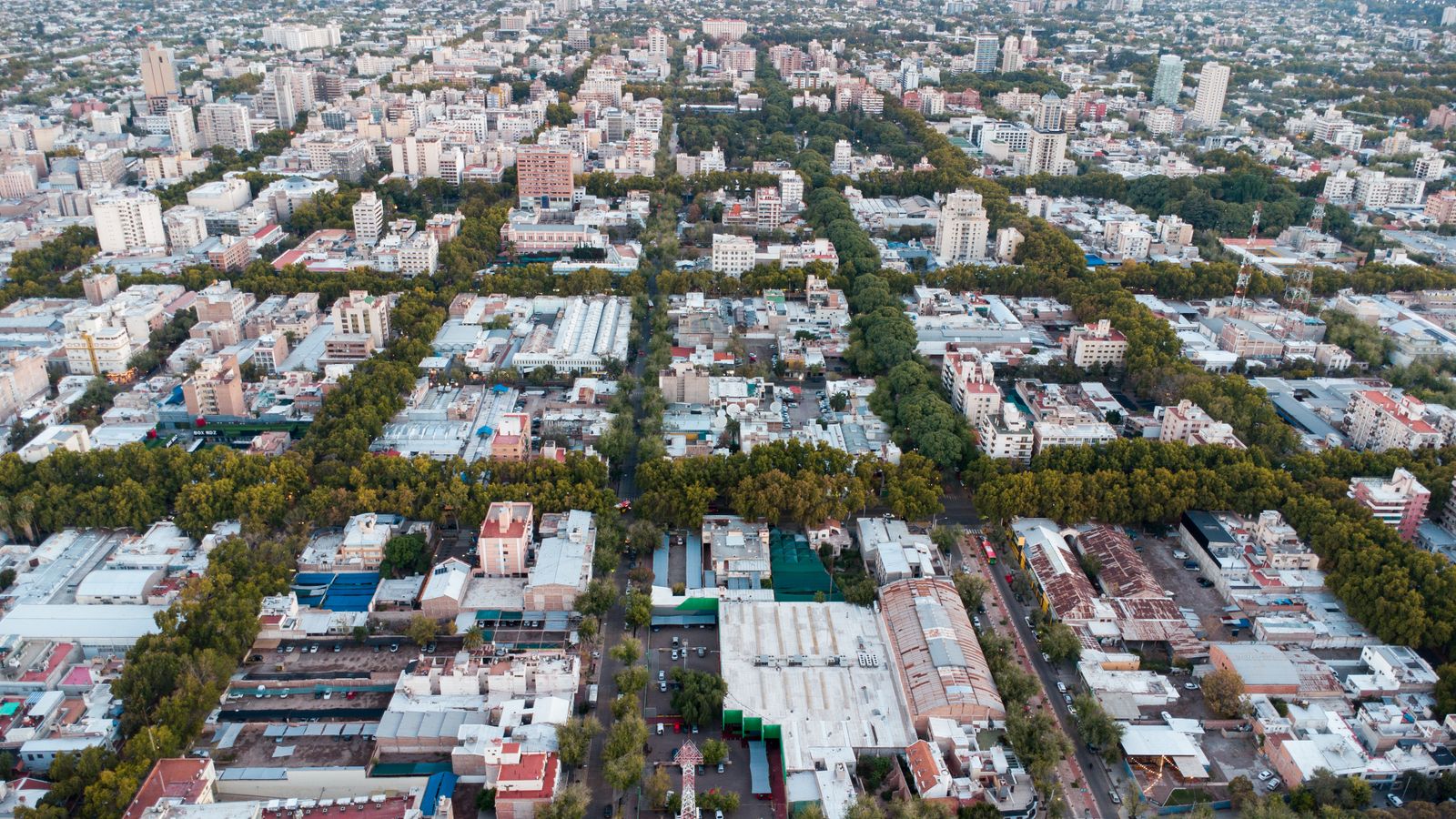
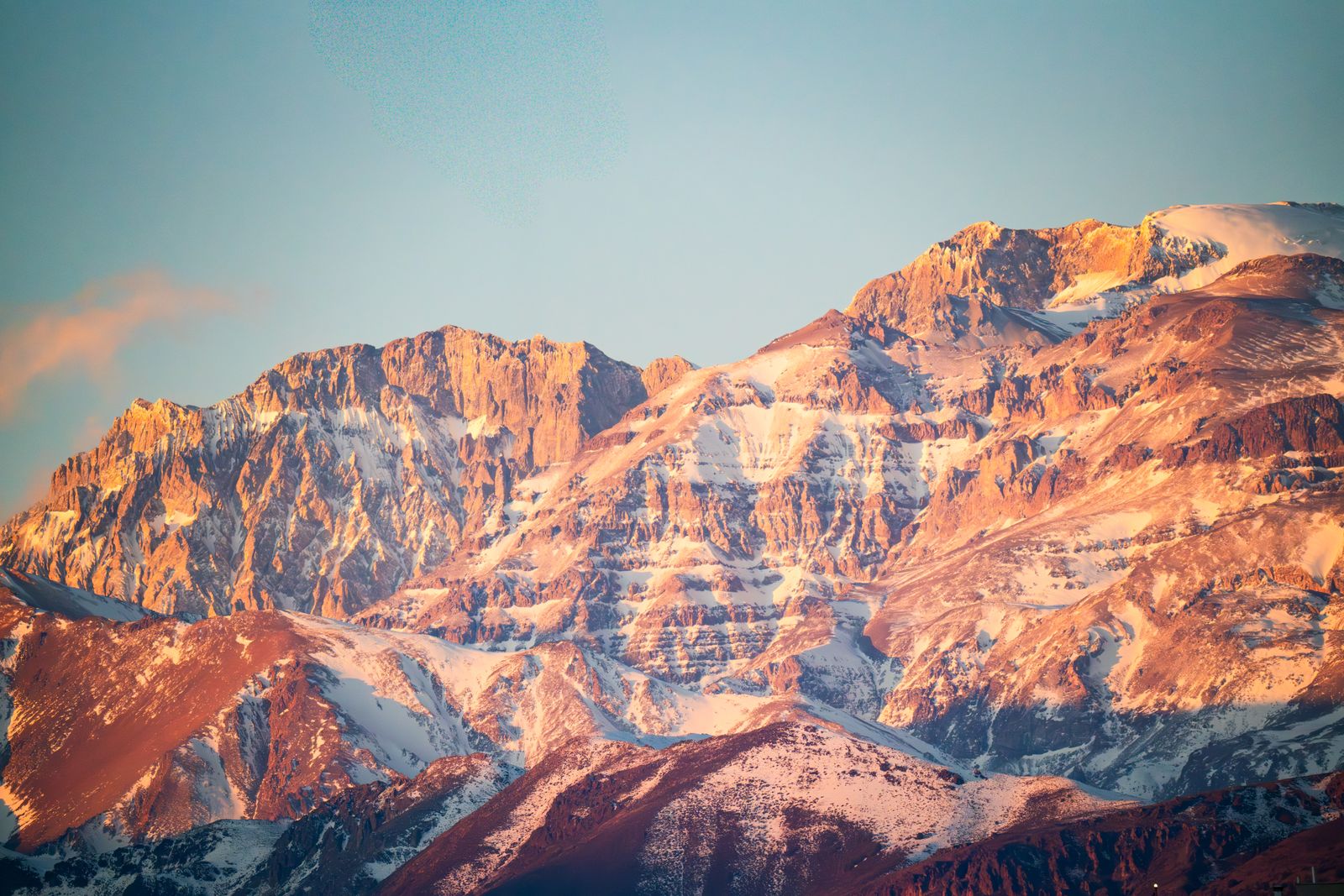
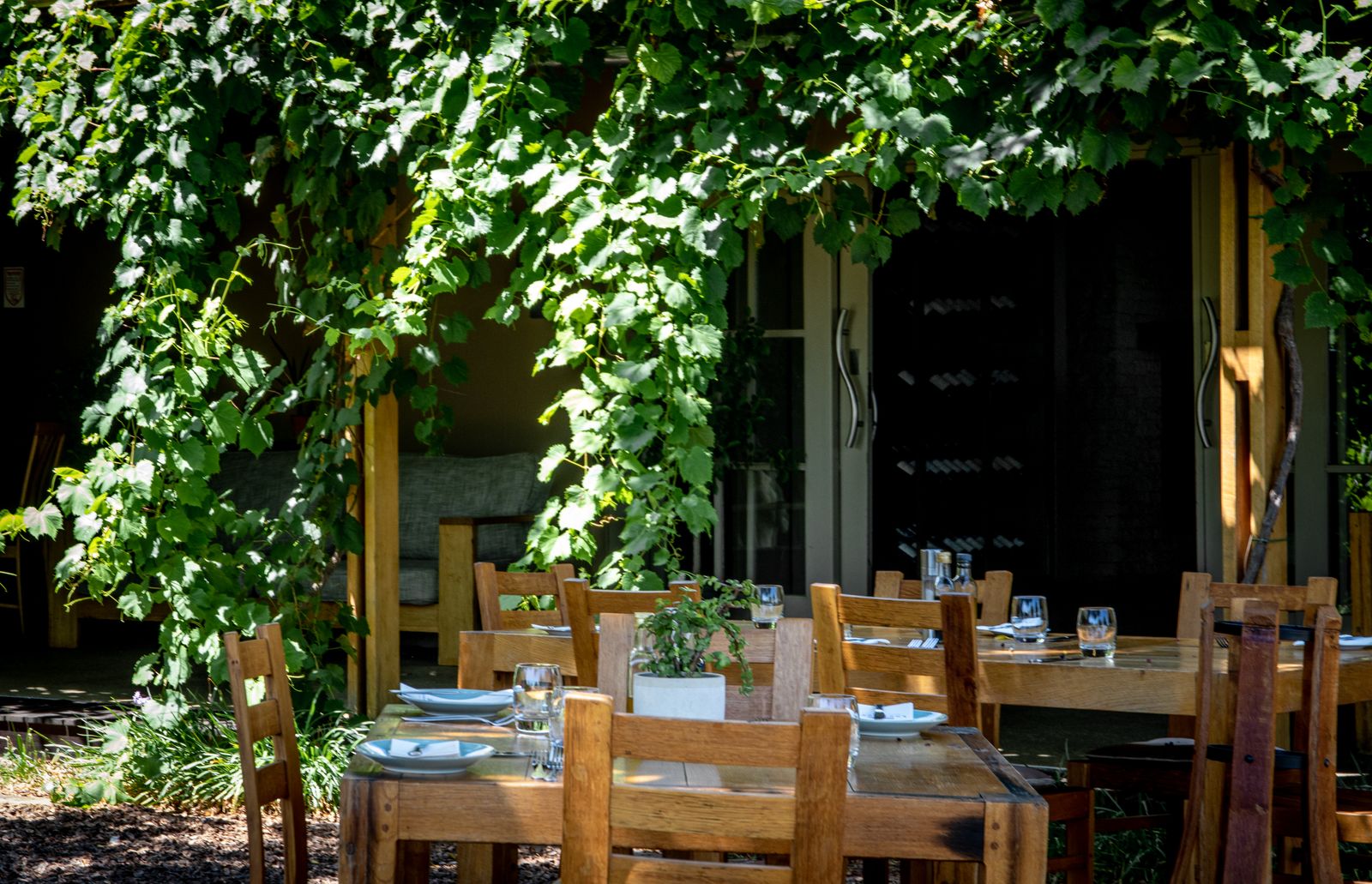
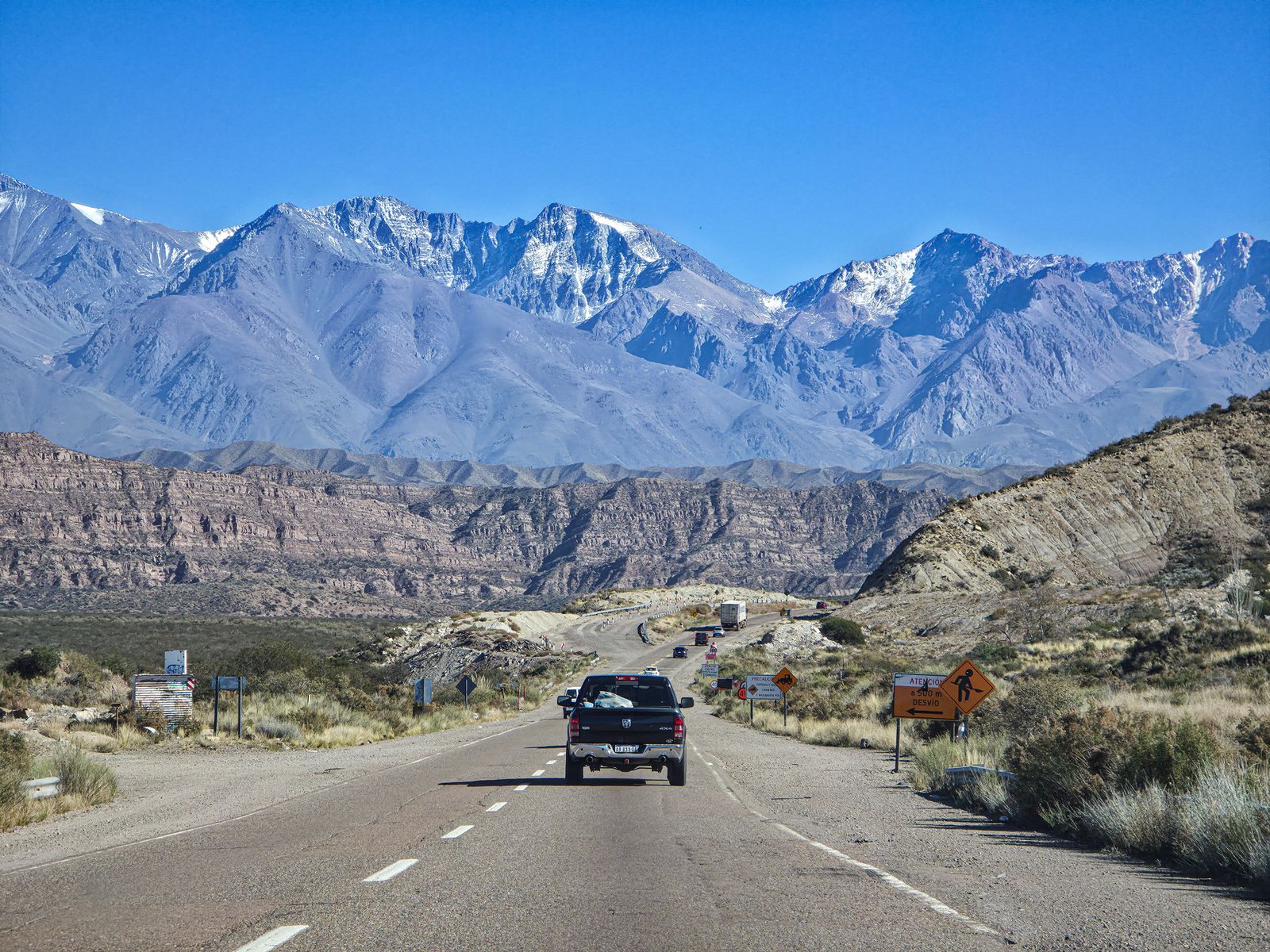
Mendoza is a desert that got talked into being an orchard. The city sits on a dry plain under the highest wall of the Andes, and everything green in it arrives by canal — the acequias that run along every street, under every row of plane trees, carrying snowmelt down from mountains you can see from the pavement. Out past the suburbs the same water turns into the most famous vineyards in South America: Maipú's old bodegas and olive groves, Luján de Cuyo where Argentine Malbec actually comes from, and the Uco Valley an hour and a half further on, planted between 900 and 1,700 metres with Tupungato filling the windscreen.
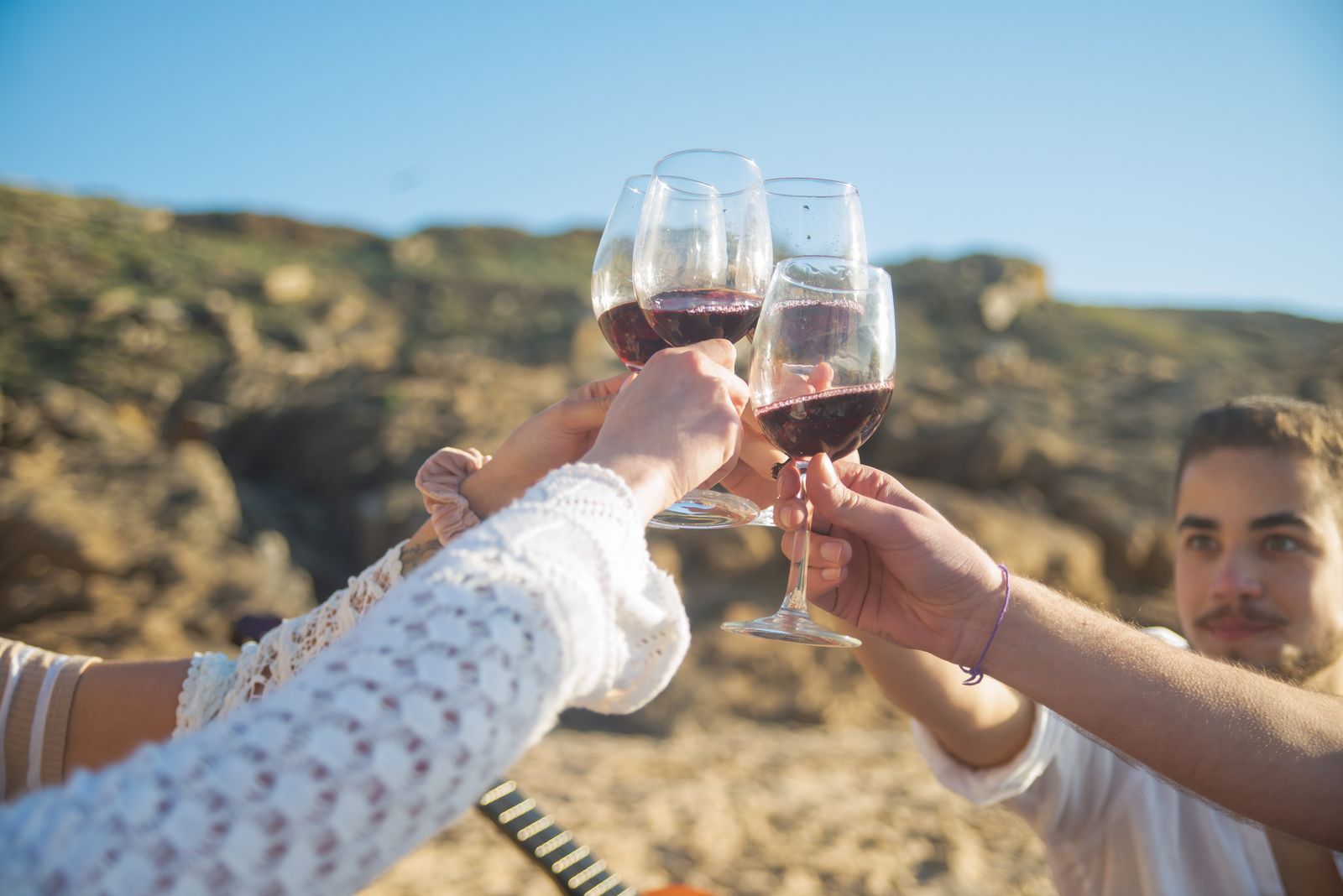
It is also the trip that most rewards a group, for a reason nobody puts in the brochure. You cannot drive yourself around wine country, so the day costs one vehicle and one driver — and that is the only line item here that gets cheaper every time somebody else climbs in. A private car and driver for the Uco Valley runs about USD 280; at four of you that is USD 70 each, and the tasting fee beside it stays exactly the same whether you are two or ten. Six people, one van, one card at the end of the day, and the mountain in every photograph.
The soundtrack
Guides for here
Practical Stuff
Tipping
Ten percent in restaurants, left in cash even when you pay the bill by card, because card tips often don't reach the staff. Round up for taxi and remis drivers. Tip the driver who spent the day waiting outside bodegas while you tasted — that is a long day of not drinking on your behalf. One thing to be clear about: a winery tasting fee is a fee, not a tip. Pay it at the desk and tip the guide separately if they were good.
Safety
The biggest risk here is the one nobody frames as a risk: driving after a tasting. Mendoza is one of the few Argentine jurisdictions that did not adopt the national zero-alcohol law and keeps a 0.5 g/L limit for private drivers, and whether zero tolerance applies on the national routes through the province is genuinely disputed between the province and the national road-safety agency. Which means the only number you can plan around is zero. Book a driver, take a tour, or ride bikes in Maipú.
In the city, the pattern is motochorros — snatch thefts by two people on a motorbike. Provincial police advice is the same as in any Argentine city and it works: bag or cross-body strap in front, held with your arm against your chest, phone away while you're walking rather than in your hand, lit and busy bus stops, and no fixed route at a fixed time. In taxis, skip cars with heavily tinted glass or an unreadable ID number. The bus terminal and Parque General San Martín are both named locally as higher-risk, which matters because Cerro de la Gloria sits inside the park: go up in daylight, go with company, keep the phone away, and take a taxi or remis back rather than walking out through the park at dusk.
The weather is a real hazard rather than a footnote. The Zonda is a hot, dry downslope wind with gusts over 60 to 70 km/h, a sharp temperature rise, collapsing humidity and dust — Defensa Civil issues alerts and means them. On a Zonda day, move your plans indoors. In the mountains, check the road before you drive it: Ruta 7 gets closed above Uspallata in snow, and the Paso Cristo Redentor into Chile can stay shut for weeks.
SIM card
Buy a Personal, Claro or Movistar SIM with your passport in the city — it takes minutes, and coverage is good across Gran Mendoza, Maipú and Luján de Cuyo. Expect it to thin out in the Uco Valley between estates, and to disappear entirely on Ruta 7 above Uspallata and anywhere in the Aconcagua park. Download offline maps before any mountain day, and get your winery addresses and confirmation numbers onto your phone rather than trusting you'll have signal at the gate.