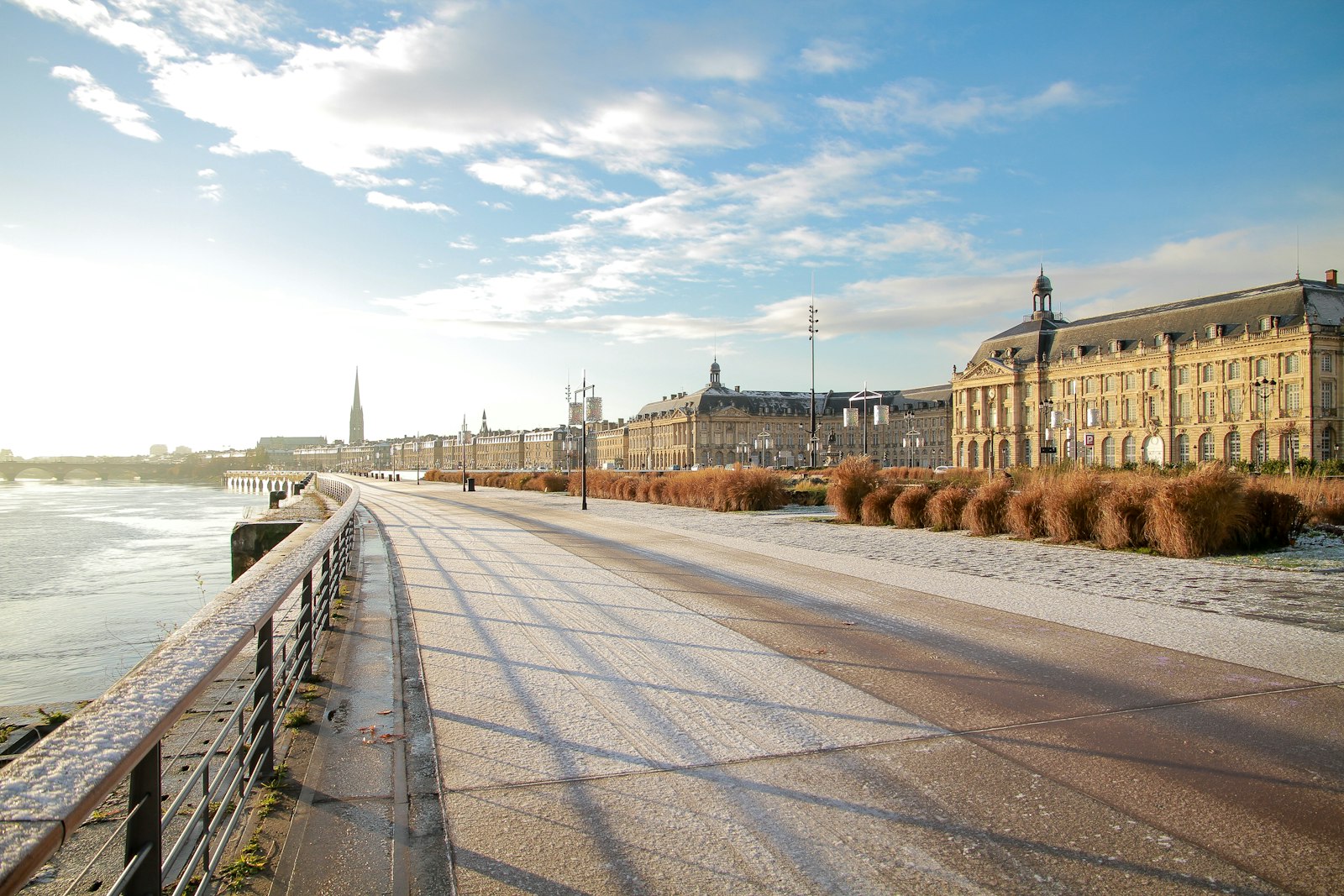

Ten friends and a city that pours by the case
Bordeaux is small, golden, and ringed by the most famous vineyards on earth. A group just gives you enough people to split the van.
Some cities make you work to fit a group in. Bordeaux hands you the tools. It's small, golden, and walkable, the wine country that made it famous sits a short train or van ride from your door, and nearly everything worth doing — a private van to Saint-Émilion, a boat's worth of Cap Ferret oysters, a long table in Saint-Pierre — gets cheaper per person the more of you there are. With four friends it's a lovely long weekend; with ten, the arithmetic quietly tips in your favor.
This guide is for both trips. Where the advice changes with headcount, we say so — at four to six you can improvise most of it; at eight or more, one van booking and one dinner reservation buy everyone's freedom back. The deep dives on the food, the wineries, and the coast live in our other Bordeaux guides.
One rule first, and it matters more here because this is wine country: plan two things a day, not six — a morning, an evening, and a long lunch between them with nobody rushing the glass. Bordeaux rewards the slow version. Now — beds.
Where a group sleeps: one apartment in the golden triangle
Rent the whole place in Saint-Pierre or the Triangle d'Or and the trip half-plans itself.
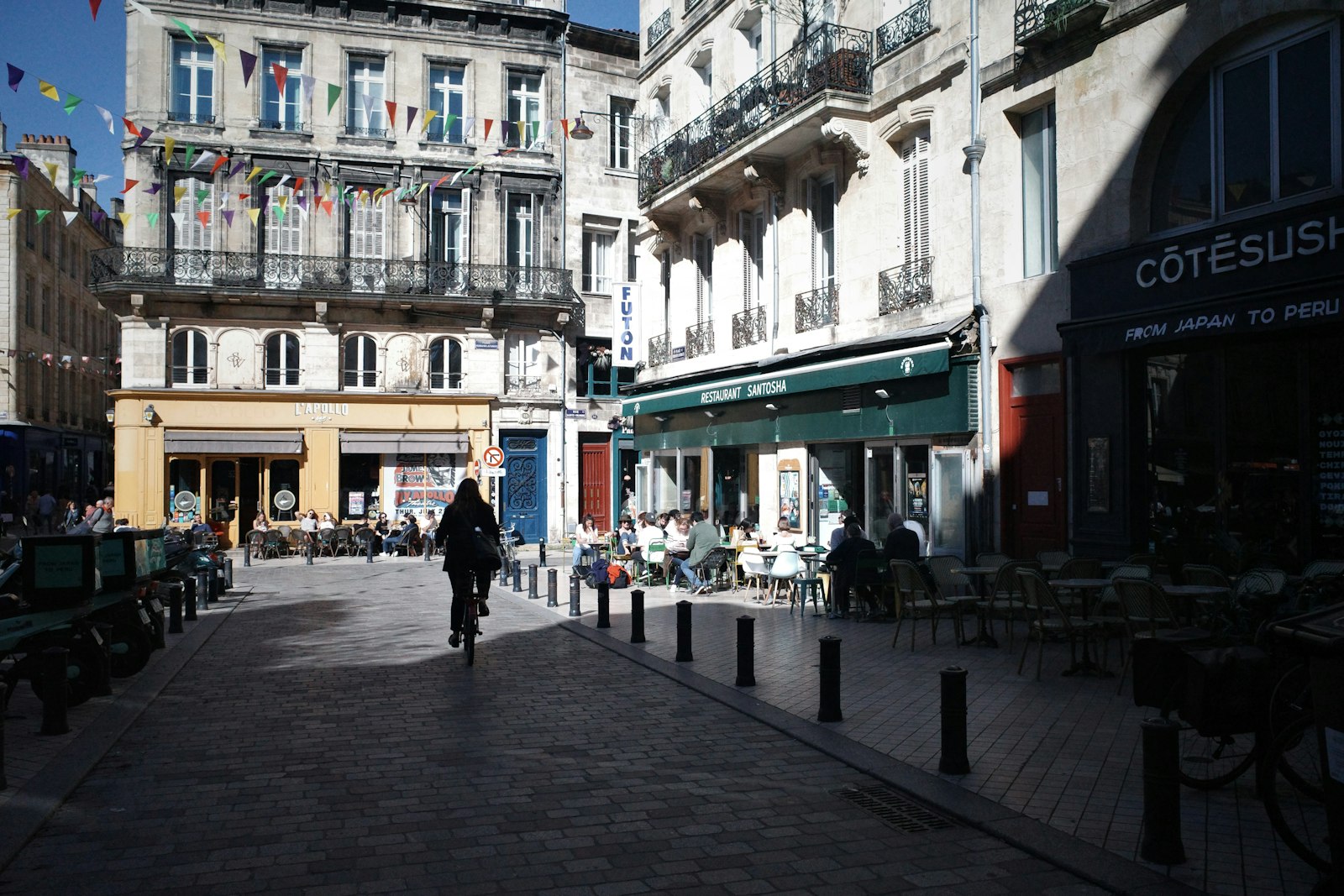
Book the neighborhood first and everything downstream gets easier. The walkable core is a tight golden crescent, and you want to be inside it. Saint-Pierre — the old town, all stone lanes and dinner terraces — is a stumble from the restaurants; the Triangle d'Or, the elegant wedge by the Grand Théâtre, is glossier and just as central; Chartrons, the old wine-merchant quarter up the river, trades buzz for antique shops and a Sunday market. A three-bedroom apartment here runs roughly €180–320 a night and sleeps six.
At four to six: take one whole apartment — one kitchen for the oysters and wine you'll haul back from the market, one long table for the first bottle, one address for the taxis. Saint-Pierre if you want to walk home from dinner; Chartrons for quiet mornings and a bakery run.
At eight or more: two apartments on the same block beat one grand house on the outskirts — two kitchens, two bathrooms' worth of morning peace, and a door to close when the group needs twenty minutes off. The center is small enough that "the same block" is real: base near Place du Parlement and you're all a two-minute walk apart. Book two to three months ahead for a big group, more for the September harvest.
Someone will front the deposit and the first few bottles — a real favor. Be kind to them; we'll come back to them at the van.
Eating as a group without forming a committee
Know which meals need a booking, which need a market stall, and which need nobody to agree at all.
The big-table tier, book ahead. La Tupina in Saint-Pierre is the group blowout — southwest cooking over an open fire, ducks on the spit, the long generous dinner a table of ten was invented for. Call a week out if you're eight or more. For the meal everyone came to Bordeaux for — entrecôte à la bordelaise, rib steak under that 200-year-old red-wine sauce — the institution is L'Entrecôte: one set menu, no reservations, a fast-moving queue. Ten people is just a longer line.
The Saturday oyster ritual
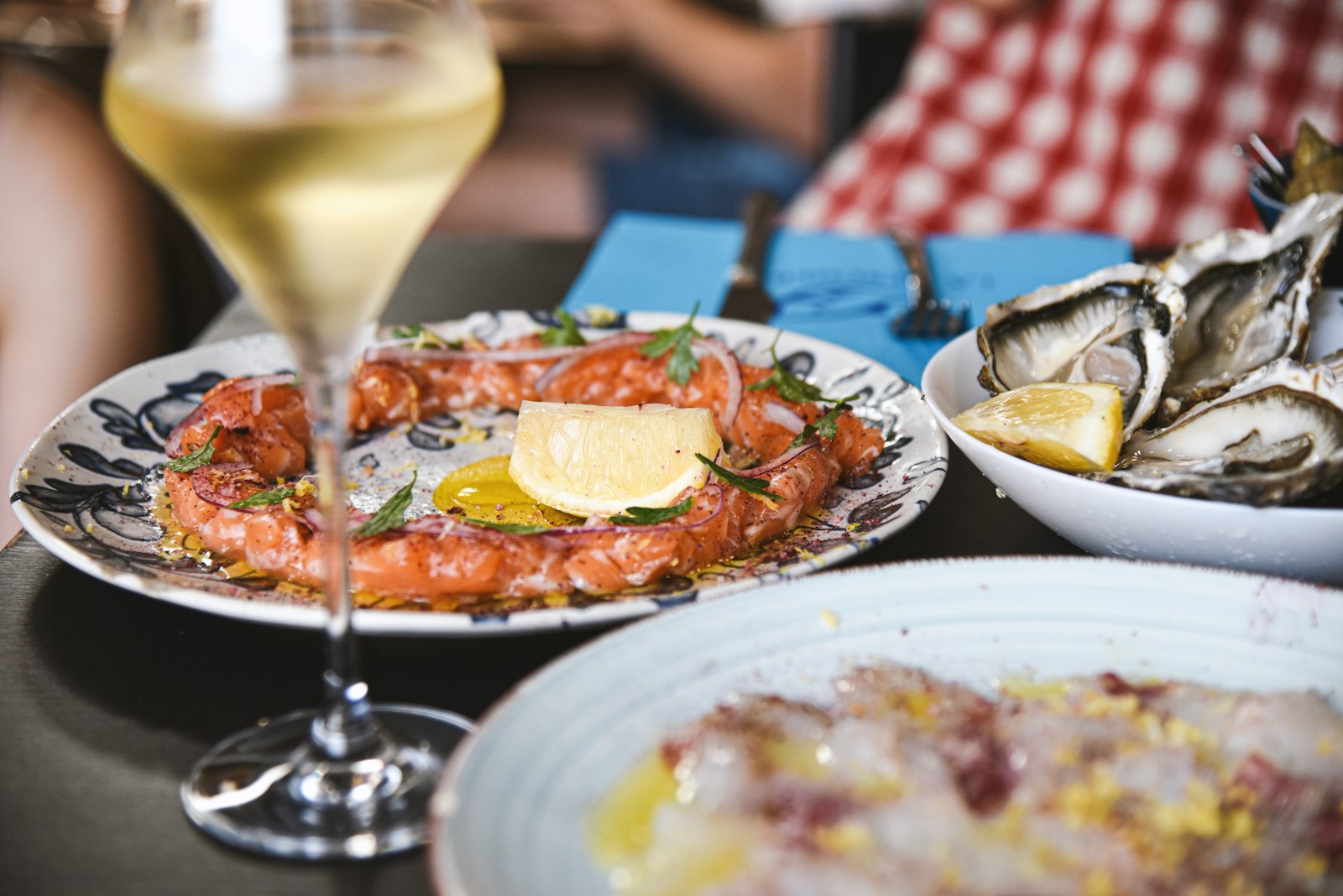
Every Saturday morning, Bordeaux does the same beautiful thing: a dozen Arcachon oysters, a glass of cold Entre-deux-Mers white, and a little grilled crépinette sausage on the side, eaten standing up before noon. The Marché des Capucins is where it happens — "le ventre de Bordeaux," the belly of the city. Put one person on the tab, graze the stalls, and let the group lose a whole morning to it. Nobody will remember who ordered the second dozen. That's the point.
Then the no-reservation tier, where headcount stops mattering. The CIVB Bar à Vin — the wine board's own bar on the Cours du 30 Juillet — pours serious Bordeaux by the glass for a few euros, no booking and no markup; walk in with all ten and hold a corner. That same market is the meal for the day nobody can agree on: everyone scatters to a counter and reconvenes at a shared table, oysters and charcuterie in hand. And for the sweet run, Baillardran for canelés — the rum-and-vanilla cakes with the near-burnt crust — bought by the box and gone before the tram. The full table lives in our food guide; steal from it freely.
The things that only get better with more people
Per-van pricing to the vineyards, per-dozen oysters on the Bassin, and a tasting nobody has to drive home from.
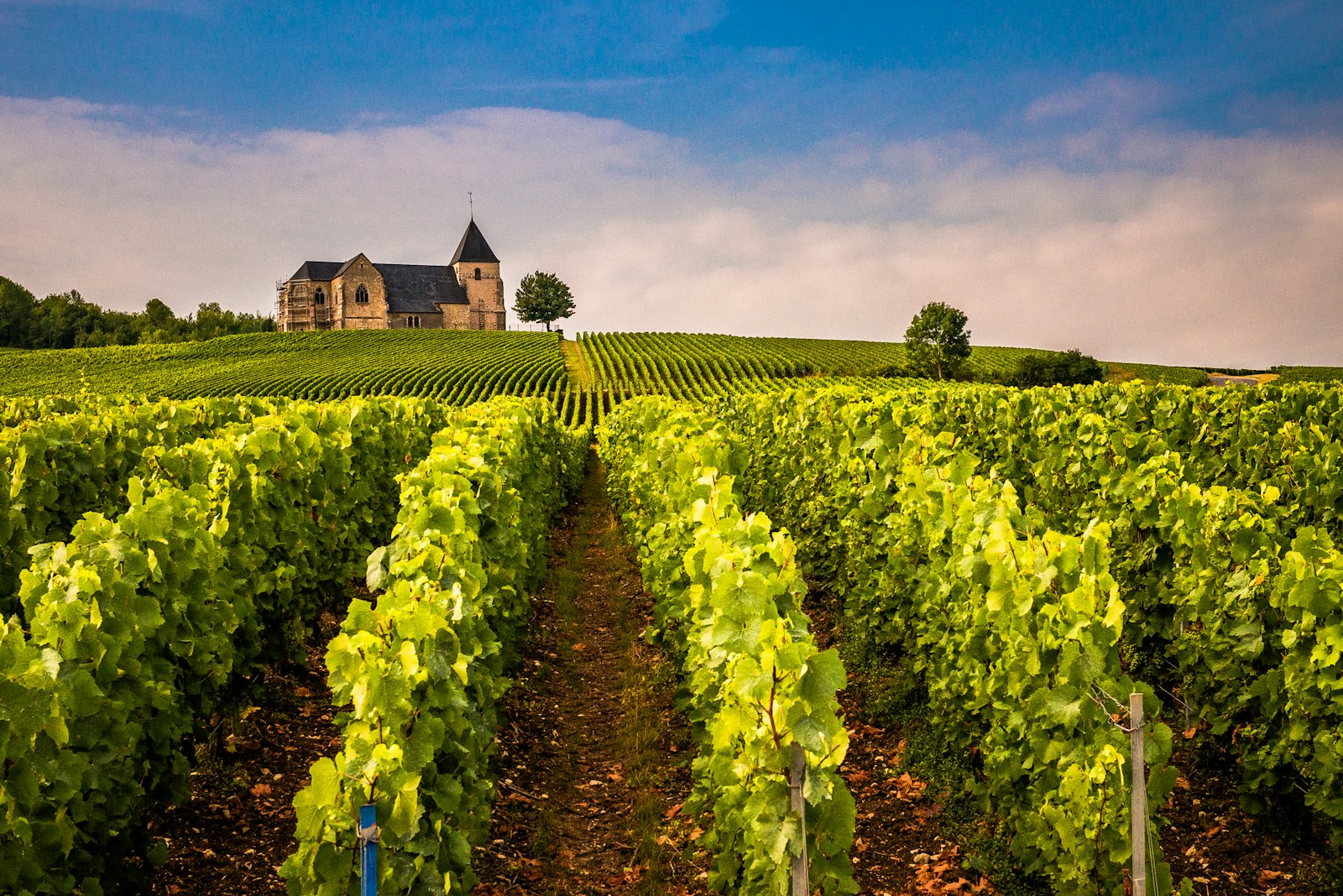
Start with the wine country — it's the whole reason you're here, and group economics in its purest form. A day of vineyards means tastings, and tastings mean nobody should be driving — French drink-drive limits are strict, and the Médoc back roads are no place to test them. The move is a private minibus with a driver: a small-group seat runs about €90 a head for a half-day, but hire the whole van for your group and split it, and a full day door-to-door often lands cheaper per person than the shared tour — and the van leaves when you leave.
A rented car is one designated driver watching everyone else's wine. A split van is ten people tasting. Book the van.— On the vineyard day
Saint-Émilion is the easy first bet — a medieval village ringed by grand cru vineyards, and the one wine town you can also reach by a 35-minute train if the group would rather skip the van. The Médoc — Margaux, Saint-Julien, Pauillac — is the grand drive for a group serious about the labels. Book the châteaux ahead through their own sites; the good ones take small groups by appointment.
Then the coast, an hour west and worth a whole day. Cap Ferret and Arcachon are oyster country: sit at a shack over the Bassin, where a dozen oysters and a glass of white costs less than a city lunch, priced by the dozen so a big group just orders more. Climb the Dune du Pilat, Europe's tallest sand dune, on the same trip. And do the Cité du Vin — the decanter-shaped wine museum — on day one, so everything you taste has a backstory. Pick two of these, not four. Remember the rule.
Moving the group around a small city (and out to the vines)
The center is a walk, the tram fills the gaps, and the vineyard day rides in one van.
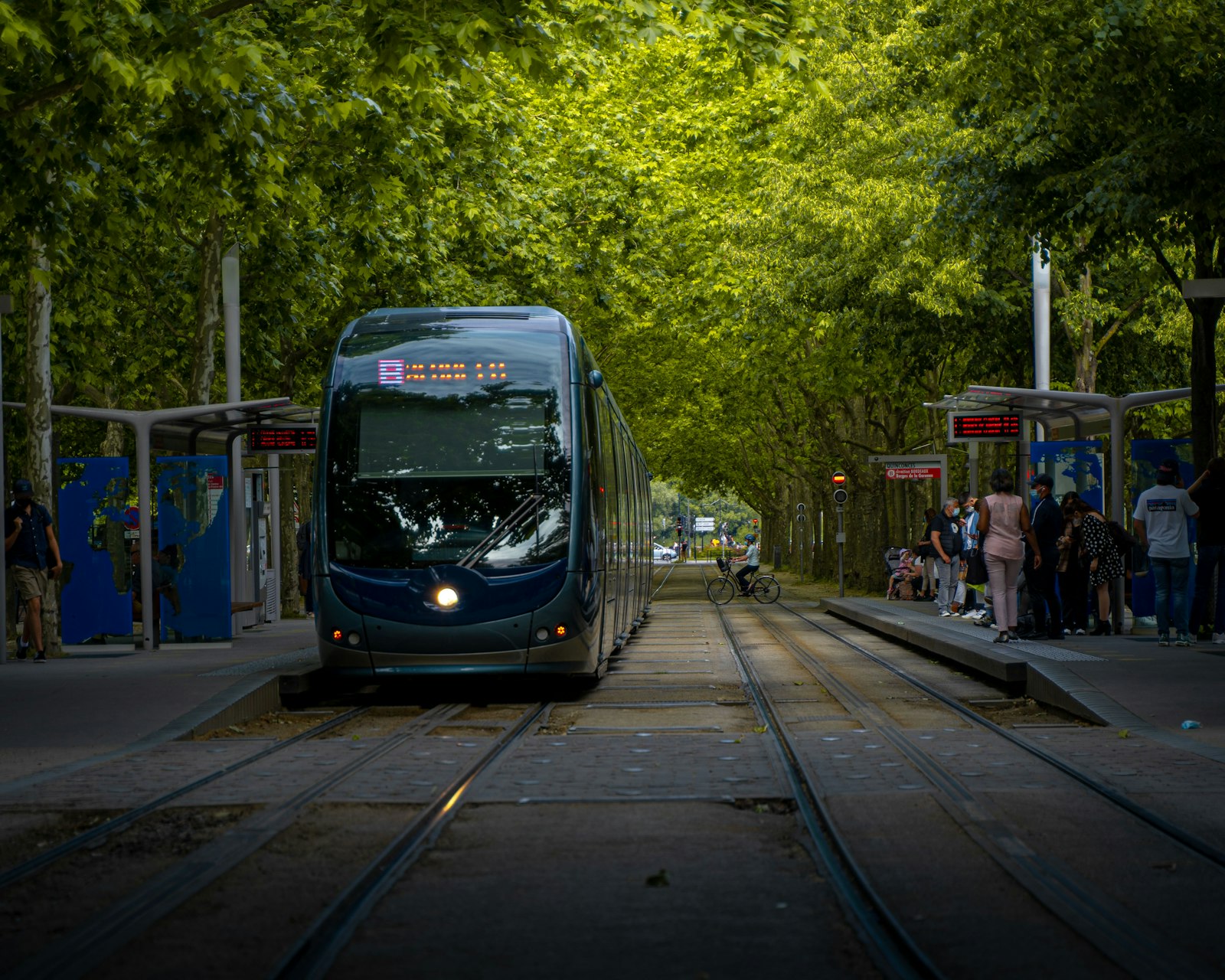
Good news first: Bordeaux's center is small, flat, and made for walking, so if you based yourselves in Saint-Pierre or the Triangle d'Or, most evenings need no transit plan at all — dinner, wine bar, and bed sit a ten-minute stroll apart. For everything else there's the tram, which actually works: a few stops link the station, the center, and the Cité du Vin, and a group piles on with day tickets.
The tram deserves one honest word. It's genuinely good, but its crowded cars — along with the packed length of Rue Sainte-Catherine and the crush at Gare Saint-Jean — are the one place Bordeaux's ordinary pickpocketing happens. Ride with phones in front pockets and bags zipped and worn in front, mind the group's bags in the squeeze, and you've handled it. One more thing locals forget to mention: the trams are near-silent, so look both ways crossing the tracks — a group spilling out of a wine bar is exactly who forgets. The livelier Saint-Michel and Grosse Cloche quarters are fine after dark with the usual city sense.
For the wine country, one van beats a convoy of rental cars — one driver who isn't tasting, one bill to split, nobody navigating Médoc back roads after lunch. Prefer the train? Saint-Émilion is 35 minutes from Saint-Jean. And for a slow morning, the riverfront quays are flat and bike-friendly — the city's shared bikes turn the Garonne crescent into a golden hour.
Three group days, honestly paced
Fewer stops than the solo trip. The lunches are longer on purpose.
Day one: land, drop bags, and walk the golden city until everyone's awake again — Place de la Bourse and the Miroir d'eau, the reflecting pool that mists over at dusk, then the Cité du Vin in the afternoon to set the week up. Dinner is the long one you booked in Saint-Pierre. That's a complete day. Don't add to it.
Day two: the Saint-Émilion van day. The van collects you after breakfast, and by mid-morning you're tasting grand cru under a medieval bell tower. Two châteaux, a long lunch among the vines, and time to wander the stone lanes before home. The group move: put one person in charge of the day's kitty — van, tastings, lunch — and everyone else just gets on. Nobody counts euros at each stop; you settle once, later. (More below.)
Day three: the coast. Train or drive to Arcachon, ferry across to Cap Ferret for oysters over the water, and climb the Dune du Pilat before the light goes. Back in town, a farewell round at the CIVB Bar à Vin and a last box of canelés. If it's Saturday, swap in the morning oyster ritual at the Capucins — worth reordering the trip for.
Have a fourth day? The Médoc, or a slow day of market, river, and a nap. A fifth? Now you want our comprehensive guide.
Where we would book
Direct to the estate, direct to the market, and one person on the van.
Apartments live on the usual platforms; for eight or more, message the host first — the good ones will tell you straight whether the place handles a group or merely sleeps one. Château visits go through each estate's own site or a quick email: small groups by appointment, the famous names well ahead. For the vineyard day, book the minibus direct with the Bordeaux tourist office or a reputable local operator, not a global aggregator that just adds a margin. The CIVB Bar à Vin needs no booking — walk in — and L'Entrecôte takes none either, so go early. The best thing in Bordeaux, the river and the Miroir d'eau at dusk, is free. Book direct everywhere it counts; resellers add margin, not magic.
Related guides
- Your Bordeaux Travel Guide — the whole city and its wine country, one guide.
- Bordeaux Food Guide — canelés, oysters, and the entrecôte your group will argue about.
- Things to Do in Bordeaux — the river, the vineyards, and the coast, at any headcount.
- Bordeaux Culture Guide — the golden stone and the wine trade that built it.
- Mexico City Group Trip Guide — the same job done for CDMX: boats, big tables, and beds for ten.