
Bordeaux's culture is written in its stone — an entire 18th-century city built on the wealth of Atlantic trade, then polished back to gold in our lifetime. But it's not a museum piece. There's a working opera house older than most countries, a submarine base turned into the world's largest digital art space, and a wine trade that is still the beating economic heart of the place. Understand where the money came from — the good and the very dark — and the beautiful city reads a lot deeper. Here's the culture worth your time.
A city built as one idea
The Port of the Moon, and why the whole center is UNESCO.

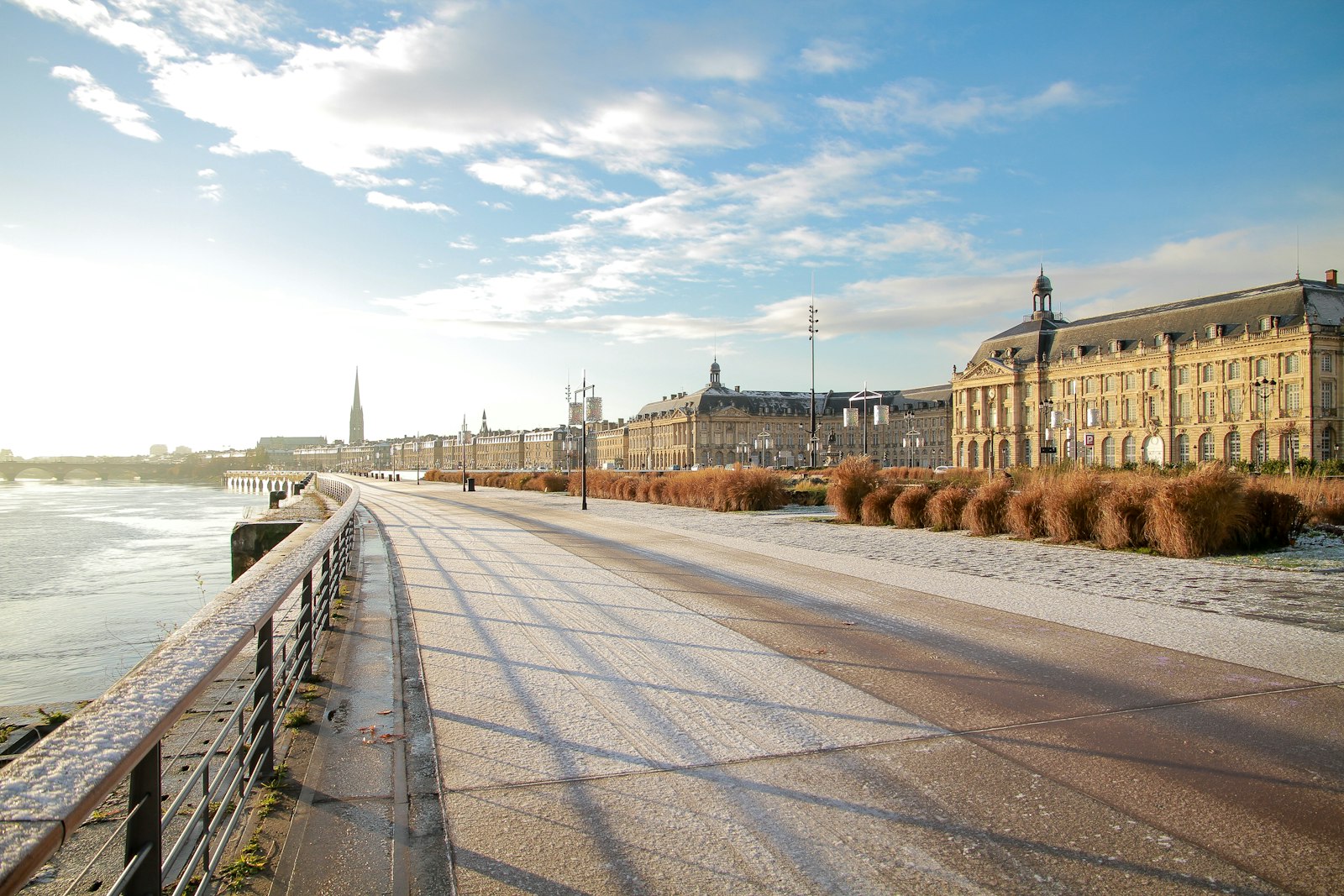
Bordeaux calls itself the Port de la Lune — the Port of the Moon — for the crescent bend the Garonne makes through it. In the 18th century, at the height of its wealth, the city tore down its medieval walls and rebuilt itself as a single coherent vision of pale limestone: matching facades, grand squares, wrought-iron balconies, all facing the river. It's one of the largest 18th-century urban ensembles anywhere, and UNESCO listed the entire center — the biggest such inscription in France after Paris. The Place de la Bourse was the showpiece, a royal square designed to greet ships. Stand in the middle of it and you're standing inside a single act of civic confidence.
The Grand Théâtre and the arts
A temple to opera that taught Paris a thing or two.
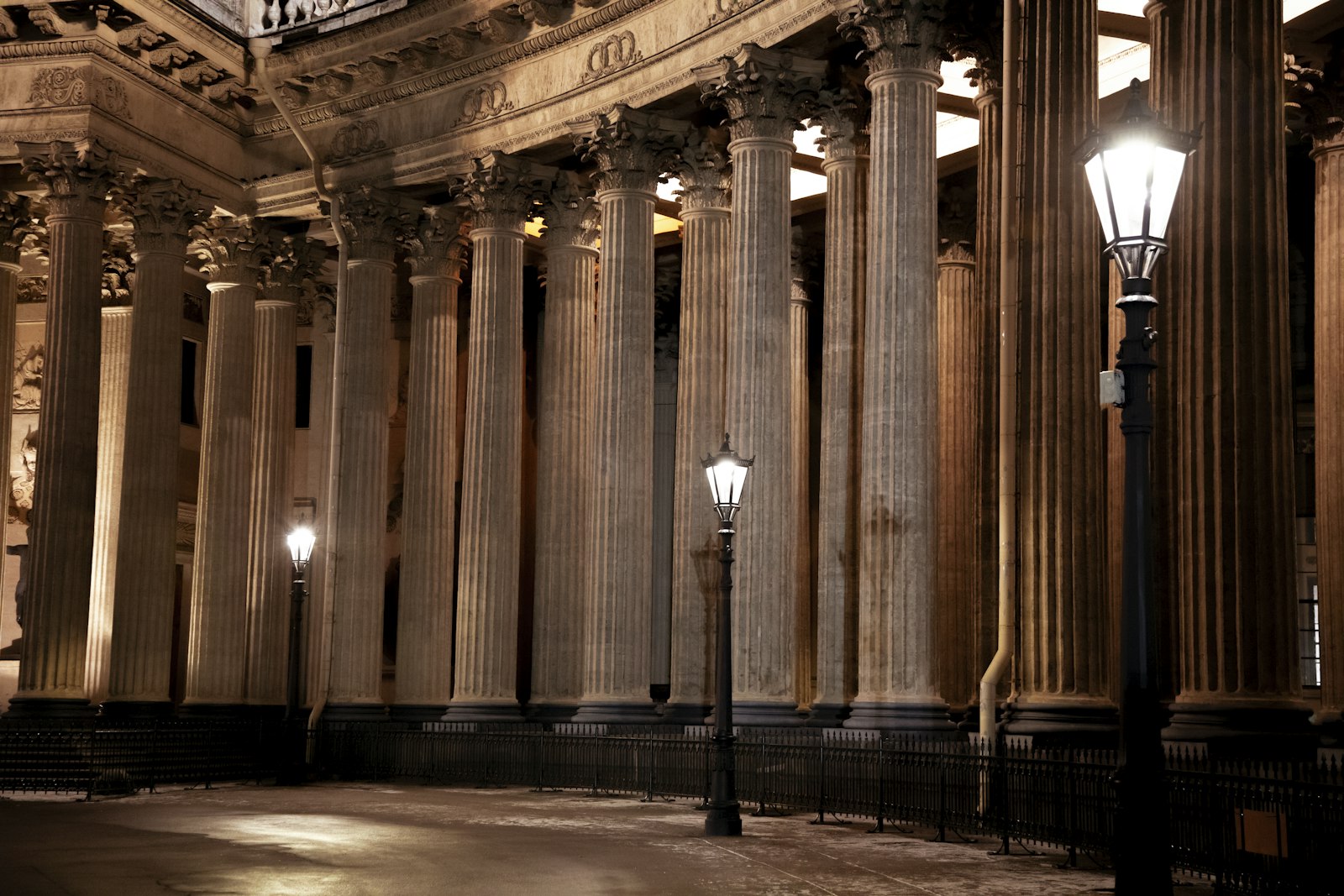
The Grand Théâtre, finished in 1780, is one of Europe's great opera houses — a neoclassical temple with twelve columns and twelve muses and statues on the roofline, and an interior of blue and gold that reportedly inspired Garnier's opera in Paris a century later. Catch a performance if the season's on; if not, take the daytime tour to stand in the auditorium. Round out the arts with the Musée des Beaux-Arts, the sharp contemporary CAPC in a cavernous old colonial warehouse, and the Musée d'Aquitaine, which tells the city's whole story — including the part it long preferred not to.
The Grand Théâtre was built to make a wine merchant feel like a prince. It still works.— On 18th-century swagger
Chartrons, and an honest reckoning
Where the wine money came from — all of it.
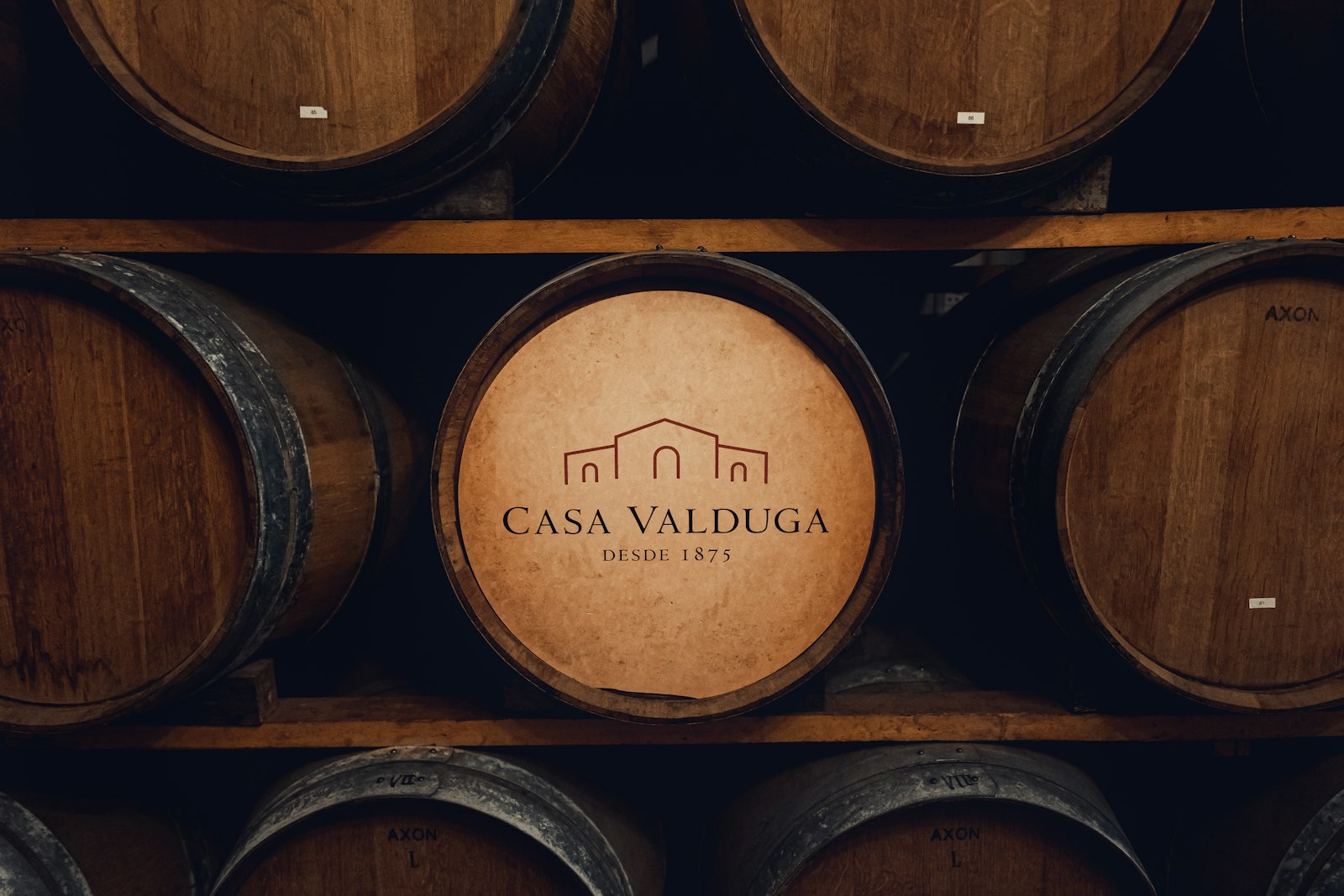
The Chartrons quarter is where the wine trade lived: for centuries, foreign merchants — Dutch, Irish, English, German — ran the export business from these quays and townhouses, and the négociant system they built still moves much of Bordeaux's wine today. Wander it for antique shops, the Sunday market, and the Cité du Vin at its northern end. But the same Atlantic trade had another side: Bordeaux was one of France's major slave-trading ports, and much of the 18th-century splendor was financed by it. The city has slowly, belatedly begun to say so — plaques, museum galleries, and public debate over the street names of slave traders. It's part of the story, and a guide worth its salt tells the whole thing, not just the pretty half.
Old stone, new light
A WWII submarine base, now the world's biggest digital art hall.
For proof that Bordeaux keeps reinventing itself, go to the Bassins des Lumières. It's inside a colossal WWII German submarine base — brutal concrete pens the city couldn't demolish — now flooded with reflecting pools and turned into the largest digital art center in the world. Immersive projections of Klimt, Dalí, and the rest wrap floor to ceiling and shimmer on the water. It's the perfect counterweight to a day of 18th-century facades, and it lands with any group, wine-obsessed or not. Pair it with a walk through the surrounding Bacalan district and the Cité du Vin next door.
Where we would book
Buy Grand Théâtre tickets and tour slots from the Opéra National de Bordeaux's own site, and Bassins des Lumières and Cité du Vin entry from their official pages — never a reseller charging extra for the same timed entry. The city museums (Beaux-Arts, CAPC, Aquitaine) are cheap, and several are free on the first Sunday of the month. For the real context, a good walking tour from the tourist office — including one that covers the trade history honestly — is worth every euro. Book direct, and let one person handle the group's tickets in Obe.
Related guides
- Your Bordeaux Travel Guide — the practical trip around all this.
- Bordeaux Food Guide — the wine and the table that culture built.
- Things to Do in Bordeaux — the river, the vineyards, and the coast.
- Tuscany Culture Guide — art and history in the other wine country.
- Bordeaux Group Trip Guide — the golden city and its wine trade, planned for ten.