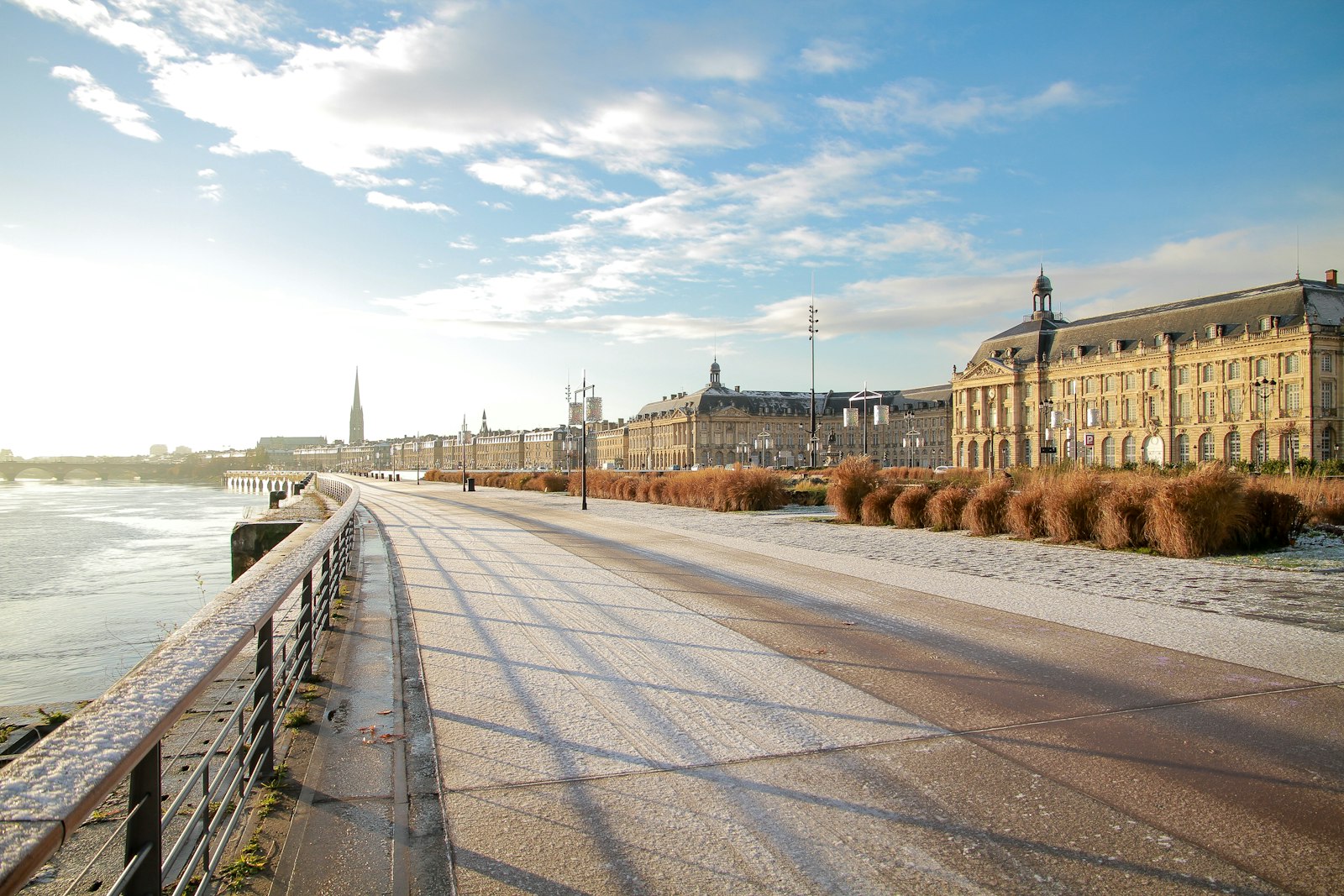
Bordeaux is the city that woke up. For decades it sat behind soot-blackened facades, a grand old wine port gone sleepy. Then it cleaned itself off and turned out to be one of the most beautiful cities in France — a full mile of honey-colored 18th-century stone curving along the Garonne, now a UNESCO site end to end. You can see the headline city in a long weekend. Give it a day or two more and use it for what it's really built to be: the most comfortable base imaginable for the greatest wine country on earth, with the Atlantic and its oysters thrown in.
Getting in, and getting around
Two hours from Paris by train. Then let the tram do the work.
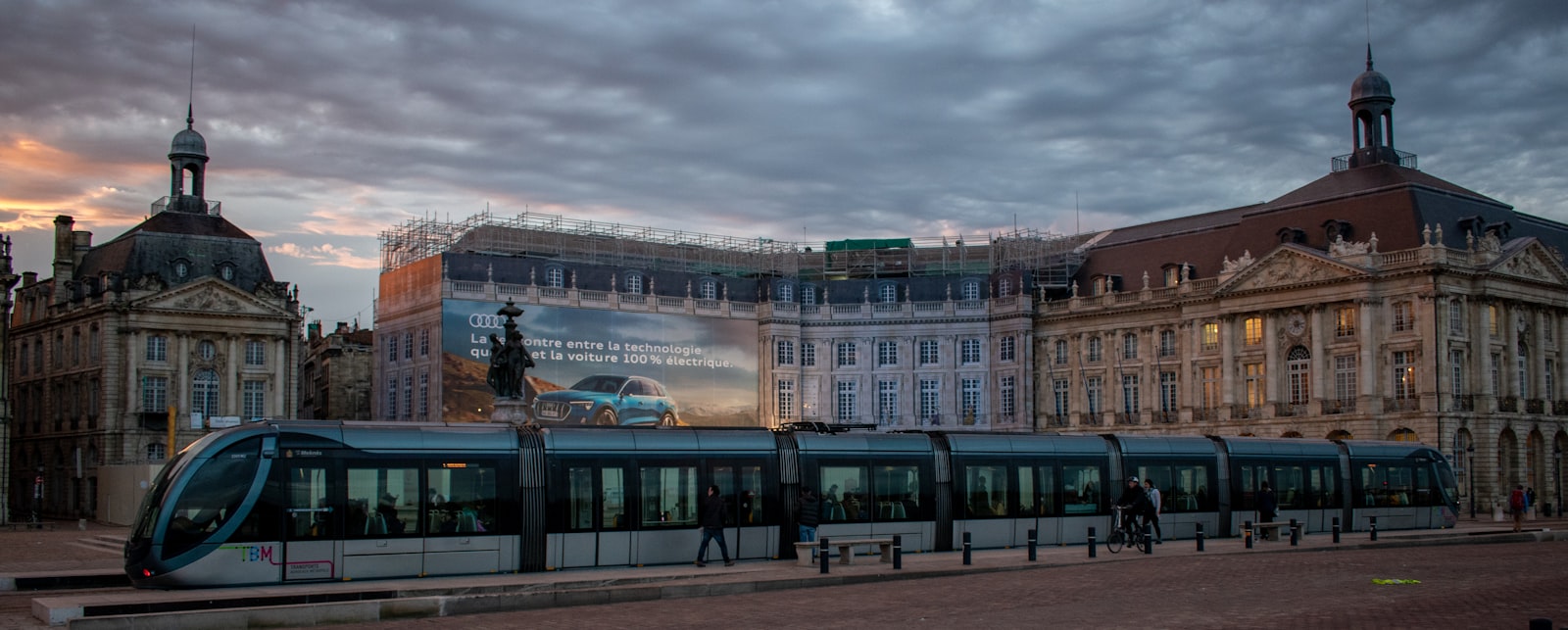
From Paris, take the train — the TGV runs Montparnasse to Bordeaux Saint-Jean in about 2 hours 5 minutes, city center to city center, which no plane can touch once you count the airports. Book ahead on SNCF Connect and it's often cheaper than a taxi to the gate. If you do fly, Bordeaux Airport (BOD) is 20 minutes out and the '30' shuttle bus or a tram-and-bus combo brings you in. Once you're here, you won't want a car in the center — the tram (lines A, B, C, D) is fast, silent, and cheap, the whole old town is walkable, and the flat quays are made for a rental bike. Save the car for the vineyard days, and rent it only for those.
Where to stay
Saint-Pierre to be in the middle of it; Chartrons to feel like a local.

Base yourselves inside the old town and you can walk to everything. Saint-Pierre is the medieval heart — tight stone lanes, the best clustering of bars and restaurants, and Place de la Bourse two minutes away. The Triangle d'Or is the elegant, slightly pricier grid around the Grand Théâtre. For a quieter, more lived-in feel, Chartrons — the old wine-merchants' quarter — has antique shops, the Sunday quay market, and a neighborhood rhythm. For a group, renting a whole apartment almost always beats splitting across hotel rooms: you get a kitchen for the market haul, a table to sit around, and a per-night number that drops fast once you divide it.
One apartment, not four hotel rooms
A two- or three-bedroom apartment in Saint-Pierre or Chartrons usually undercuts the equivalent hotel rooms, hands you a kitchen for the oysters and wine you'll haul back from the Capucins market, and gives everyone a place to land between plans. Rent the whole place, split it evenly, and the nightly cost gets friendly quick.
The golden city, on foot
One walk ties the whole center together — and it's free.

Bordeaux's greatest sight is Bordeaux itself, and the best way in is a slow walk along the river. Start at the Place de la Bourse, the perfect 18th-century square, and cross to the Miroir d'eau — the world's largest reflecting pool, a thin sheet of water that mirrors the facade and then hisses into fog on a cycle. It's the photo you came for, and kids and dogs turn it into a party on a warm evening. From there, wander into Saint-Pierre's lanes, up the endless Rue Sainte-Catherine (Europe's longest pedestrian shopping street), past the Grand Théâtre, and out to the Cathédrale Saint-André with its Tour Pey-Berland you can climb for the rooftops. None of this needs a ticket. It's just one of the great city walks in Europe.
Stand on the Miroir d'eau at dusk when the mist comes up. That's the whole trip in one photo.— On the Place de la Bourse
The wine capital, and the coast
The best of it is a short train or drive out of town.
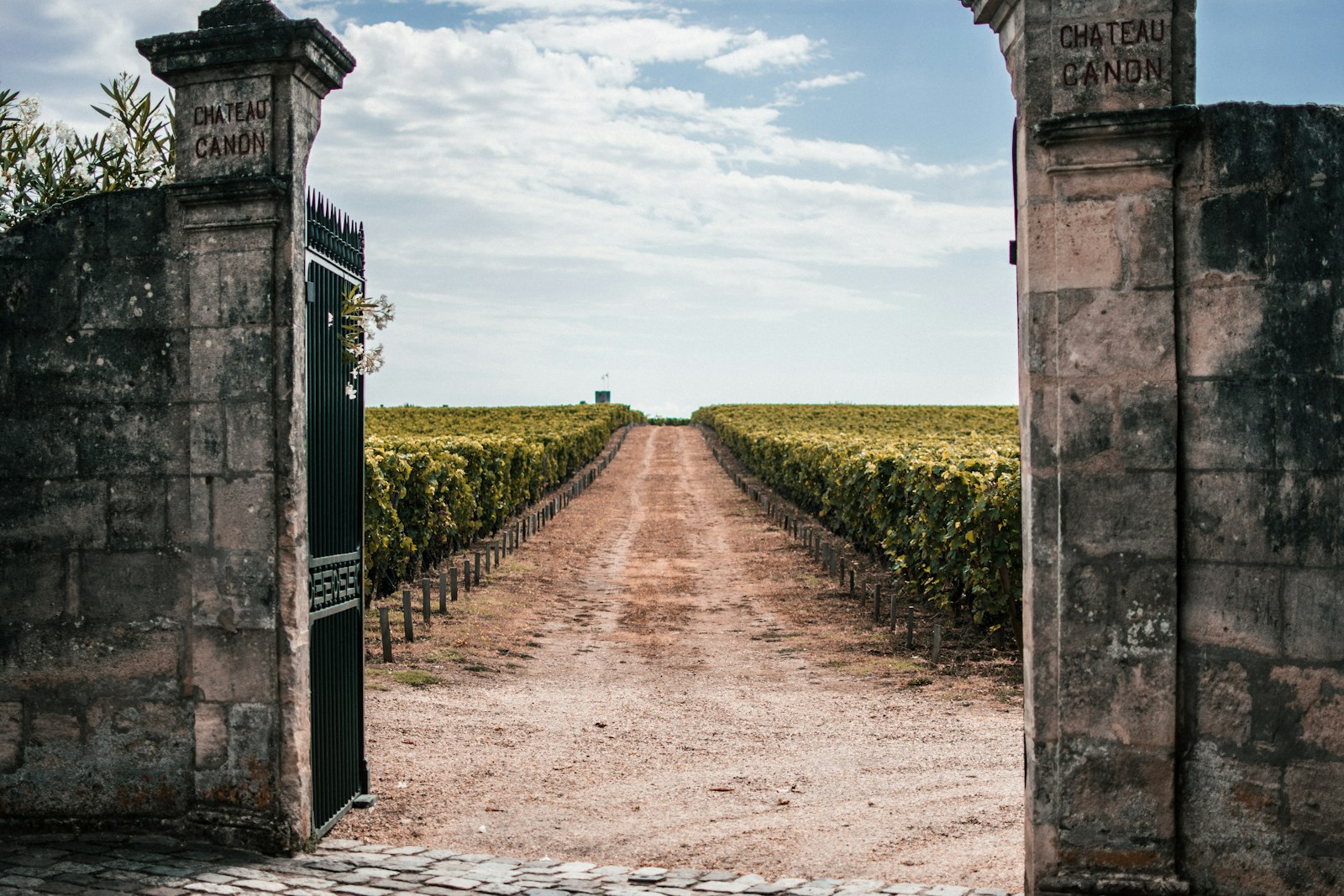
Here's Bordeaux's superpower: location. The most famous vineyards on earth start at the edge of town. Saint-Émilion — a medieval village ringed by grand cru vines — is a 35-minute train from Saint-Jean. The Médoc, north along the river, lines up Margaux, Saint-Julien, and Pauillac, the châteaux behind the labels you know. Graves and Sauternes sit to the south. And when you want the water, the Arcachon basin is under an hour by train — oysters straight off the boats at Cap Ferret, and the Dune du Pilat, the tallest sand dune in Europe, to climb at sunset. You could stay a week and never eat the same lunch twice. The activities guide lays out the full day-trip hit list.
- Saint-Émilion — medieval wine village, 35 minutes by train.
- The Médoc — Margaux to Pauillac, the grand cru châteaux, about an hour by car.
- Arcachon & the Dune du Pilat — oysters and Europe's tallest dune, under an hour by train.
- Sauternes & Graves — golden sweet wine and old reds, south of the city.
How long, and a shape for the days
Two nights for the city. Four if you're doing it right.
A long weekend sees the city; four or five nights makes it a proper base. A shape that flows: Day 1, arrive, drop bags, and give the evening to the river walk, the Miroir d'eau at dusk, and a long dinner in Saint-Pierre. Day 2, the market at the Capucins for oysters and white wine, the Cité du Vin in the afternoon, aperitivo on the quays. Day 3, the train to Saint-Émilion for a village and a tasting or two. Day 4, the Médoc with a driver, or the beach and the dune at Arcachon. Leave one slot with nothing planned — in Bordeaux that's usually the long lunch that becomes the whole afternoon.
When to go
Late spring and early autumn — harvest season is the sweet spot.
Come May to June or September to October: warm days, long light, and terraces in full swing. September is the pick — the vendange (grape harvest) is on in the vineyards, the summer crowds thin, and the light turns the stone amber. July and August are hot and busy, and a fair few restaurants close for a couple of weeks around August as the city empties for holidays. Winter is quiet, moody, and cheap, with the wine bars at their coziest. Bordeaux throws its huge Fête le Vin riverside festival in June of even years — worth timing a trip around if the dates line up.
Where we would book
For the apartment, book the place direct where you can (find it on Booking.com or Airbnb, then look up the property's own site for the same dates — often better rates, and a real answer about which specific door is yours). Buy the Paris–Bordeaux TGV and the Saint-Émilion and Arcachon trains straight from SNCF Connect; there's no reseller worth a markup on a French train ticket. Rent any vineyard-day car ahead (automatics sell out). For the Cité du Vin and Bassins des Lumières, buy from their official sites, not a reseller charging extra for the same timed slot. And the best thing here — the walk along the river and the Miroir d'eau at dusk — is free. No middleman required, so we skip it.
Related guides
- Bordeaux Food Guide — canelés, oysters, and entrecôte à la bordelaise.
- Things to Do in Bordeaux — the river, the wine country, and the coast.
- Bordeaux Culture Guide — the 18th-century stone and the wine trade.
- Your Tuscany Travel Guide — the other great wine region you base yourself in.
- Bordeaux Group Trip Guide — the same city, planned for six or ten of you.