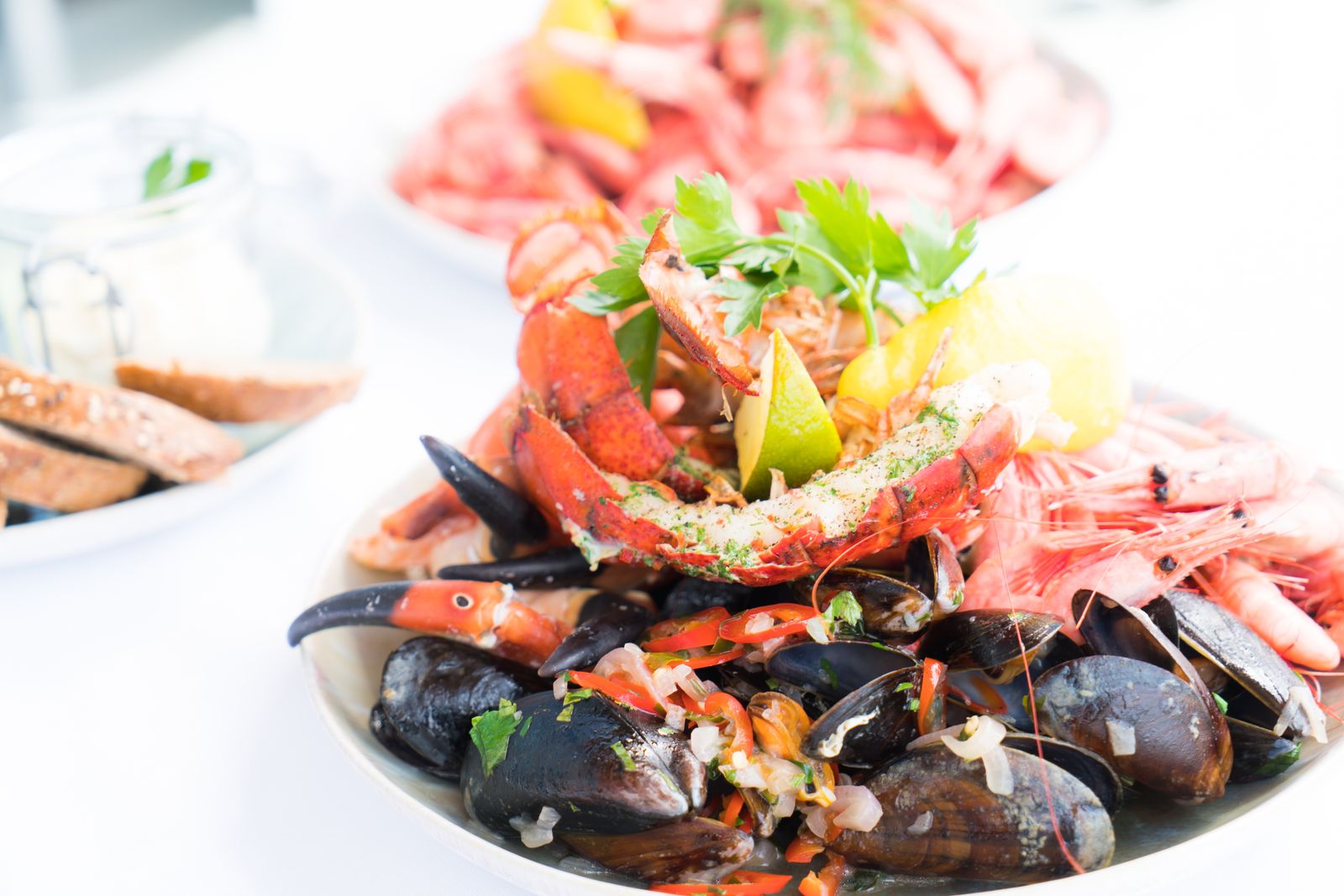
Lisbon is the best-value eating city in Western Europe and it isn't close. A tasca lunch — soup, a plate of something braised, half a litre of house red — lands around €12. A full-blown seafood blowout with beer and a tower of shellfish is €45–60 a head, which in most capitals buys you a starter. The trick isn't finding good food, it's not wasting meals on the wrong places: skip anything with a laminated photo menu and a man outside inviting you in, and you're already 80% of the way there. Here's where we'd actually eat.
The nata question, settled
Yes, you should eat two. No, they're not the same.
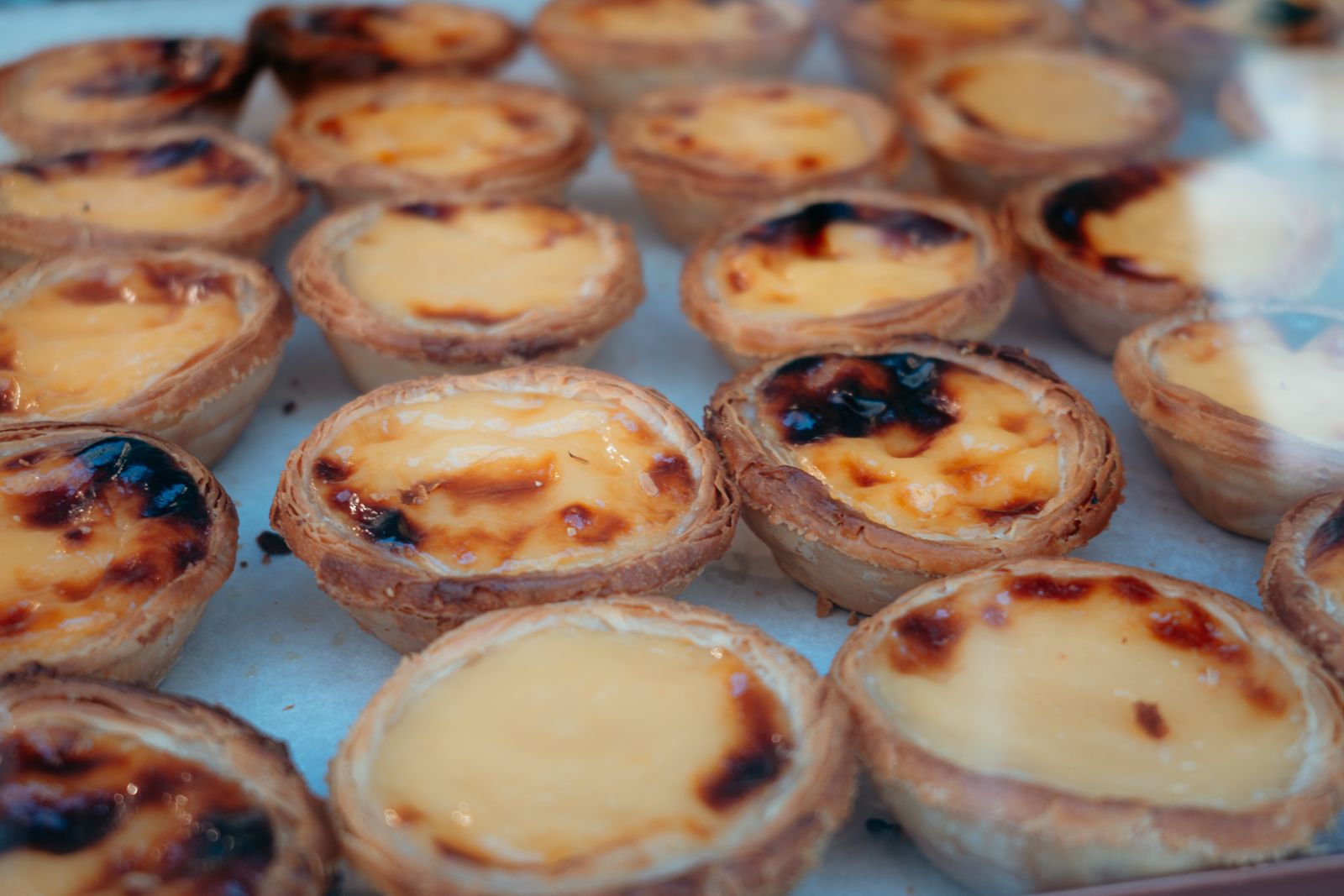
The pastéis de nata argument has two real sides. Pastéis de Belém has made them to the 1837 monastery recipe since the monks sold it — the pastry is shatteringly thin, the custard is looser and less sweet, and the queue moves faster than it looks because the takeaway line is separate from the vast tiled dining rooms inside. Go in, sit down, order two and a bica. Then judge it against Manteigaria, whose Chiado shop bakes them in front of you and rings a bell when a tray comes out — darker, more caramelised, blistered on top, and at about €1.40 a plausible daily habit. Two more worth the detour: Confeitaria Nacional on Praça da Figueira, open since 1829, all mirrors and gilt and a bolo-rei counter at Christmas, and Pastelaria Aloma in Campo de Ourique, a two-time national nata champion that locals actually queue at. Order them quentinhos — warm — with cinnamon on top. That's the whole ritual.
Everyone arrives loyal to one nata and leaves loyal to another. Eat both on the first day and settle the argument early.— On the great custard tart debate
Seafood, and the cervejaria ritual
Beer halls that happen to serve the best shellfish in Europe.
A cervejaria is a beer hall with a marble counter, a man in a white coat cracking crab, and no interest in your mood lighting. The famous one is Cervejaria Ramiro on Avenida Almirante Reis, and it deserves it: garlic prawns still spitting, amêijoas à Bulhão Pato (clams, garlic, coriander, white wine) you will want twice, and the house move of finishing with a prego steak sandwich for dessert. It takes bookings on its own site with a €25-a-head deposit that comes off the bill — for a group, pay it. Cervejaria Ribadouro on Avenida da Liberdade is the local's alternative with the same standard and shorter waits; Sea Me in Chiado bridges seafood and sushi and takes reservations like a normal restaurant. Order percebes (goose barnacles) once, get shown how to eat them by the waiter, and expect them to be expensive — they're scraped off Atlantic cliffs by people risking their lives.
Ponto Final — the lunch across the water
Take the ferry from Cais do Sodré to Cacilhas (about €1.50, ten minutes), turn right, and walk the crumbling riverside path for fifteen minutes until the blue-and-white tables appear, set so close to the Tagus that the water is at your elbow and Lisbon is the view. That's Ponto Final: grilled fish, octopus, a carafe of white, and the best seat in the region. It's family-run and books out weeks ahead by email only (pontofinalrest@gmail.com), and it's closed Tuesdays — both facts have ruined many a casual plan. Write early, ask for a sunset table, and give the day to it.
The tascas
Paper tablecloths, house wine, and the food Lisbon actually eats.
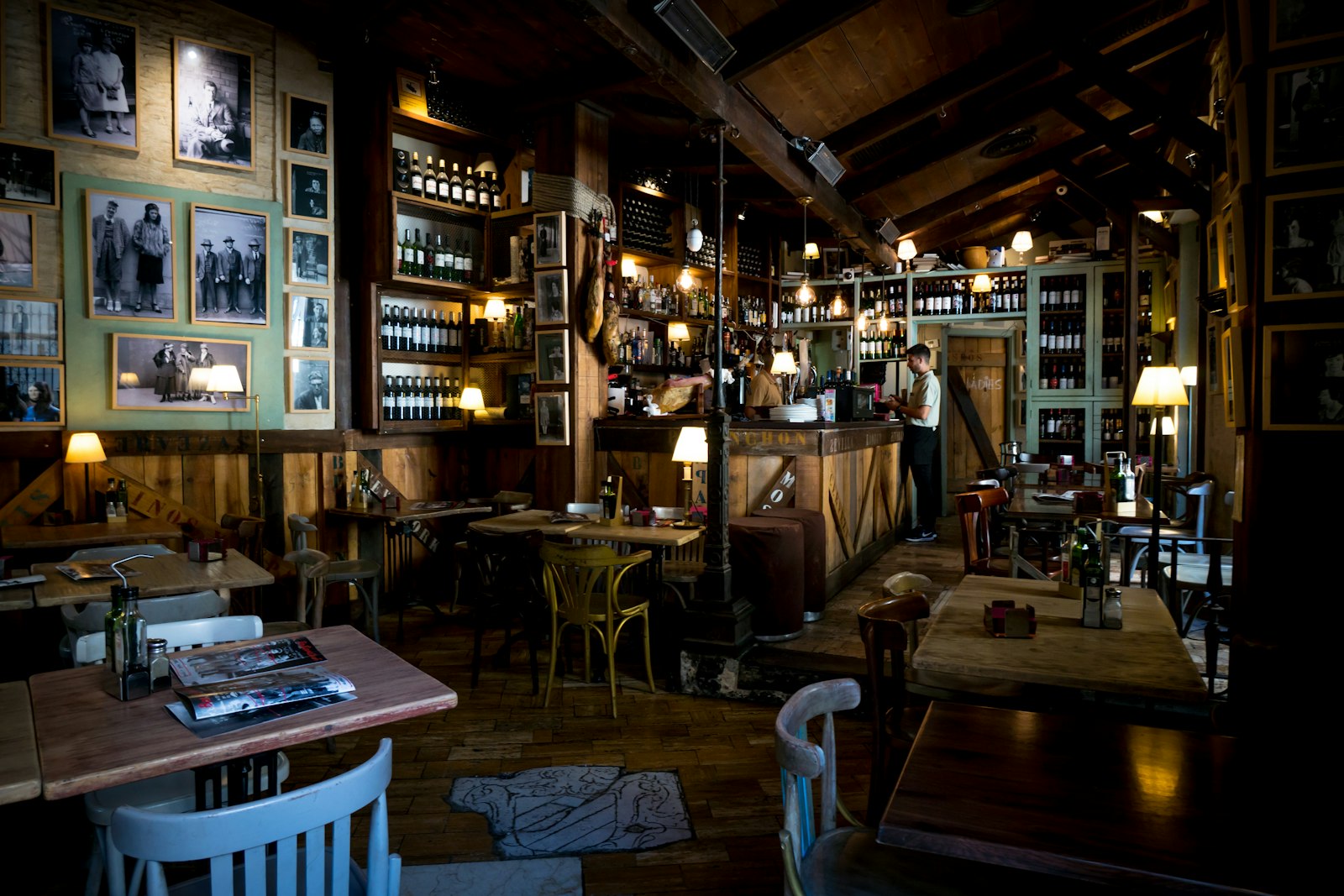
The tasca is the point of eating in Lisbon: small, family-run, loud, cheap, and unbothered. O Velho Eurico beside Largo de São Cristóvão took the form and sharpened it — old-school dishes cooked properly, natural wine, walk-ins only, get there when it opens or wait. Zé dos Cornos in Mouraria is the real thing: shared tables, roast pork ribs, a lunch bill that feels like a misprint, and it fits a group if you turn up early. Taberna da Rua das Flores in Chiado writes the day's menu on a board, doesn't take bookings, and is worth the queue it always has. For a bigger, older, white-tablecloth version, Solar dos Presuntos near Restauradores has been feeding Lisbon since 1974 — seafood rice, hams hanging over the door, and a wall of celebrity photos that would be tacky if the food weren't excellent. Learn two dishes and order them everywhere: bacalhau à brás (salt cod, egg, matchstick potatoes) and aróz de marisco (soupy seafood rice, for the table).
Snacks, sandwiches, and the small glass of cherry
The €4 lunch, the €1.50 shot, and the market that does everything.
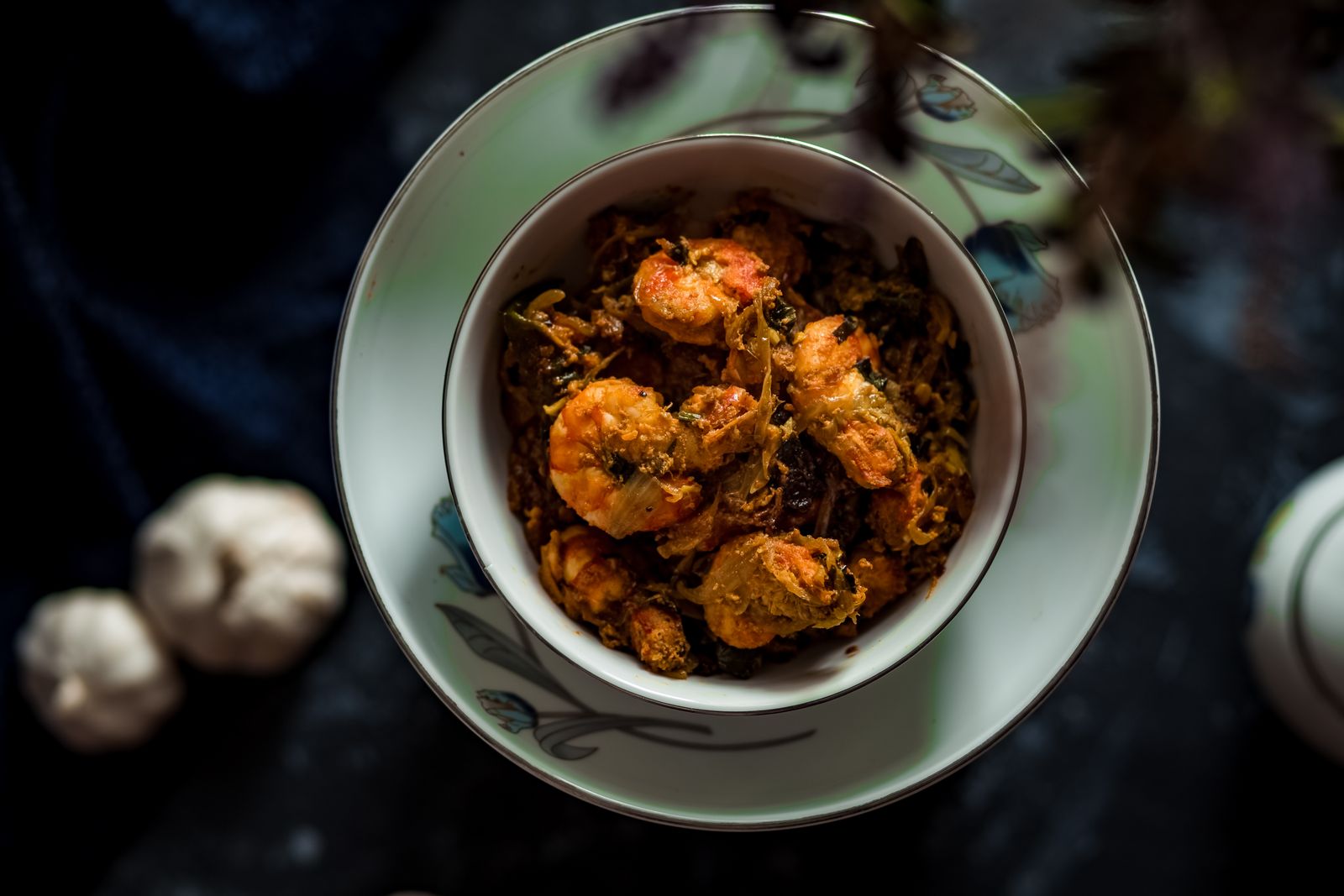
A bifana — thin pork simmered in garlic and white wine, jammed in a bread roll — is the great Portuguese cheap lunch. O Trevo on Praça Luís de Camões is the famous one (Bourdain's stop, still €4-ish, eat standing); As Bifanas do Afonso near the Sé does a spicier, greasier, arguably better version out of a hole in the wall. Then there's ginjinha, sour-cherry liqueur served in a shot glass with a boozy cherry in the bottom, for about €1.50: drink it at A Ginjinha on Largo de São Domingos, which has been pouring since 1840 and has no seats, no menu, and no need of either. For a group that can't agree, the Time Out Market at Cais do Sodré is genuinely good rather than merely convenient — stalls run by serious chefs like Marlene Vieira and Henrique Sá Pessoa, dishes at €10–16, one person minds the table while everyone scatters. Locals do the same thing more cheaply at the Mercado de Campo de Ourique.
When you want the big night
Two tasting menus and one perfect middle ground.
Lisbon's fine dining is having a decade. Belcanto, José Avillez's two-star in Chiado, is the full theatrical evening and priced accordingly; Alma, Henrique Sá Pessoa's two-star a few streets away, is the one chefs send you to — less spectacle, more precision, and a tasting menu that stays recognisably Portuguese. Both need booking a month or two out. If you want the modern Lisbon plate without the tasting-menu commitment, Prado near the cathedral is the answer: a bright room in an old fish warehouse, ingredients from small Portuguese producers, natural wine, and a menu that changes constantly. Its wine bar next door takes walk-ins. Book the splurge first and build the trip around it — not the other way round.
Where we would book
Reserve Ramiro on its own site (the €25 deposit is credited to your bill), Ponto Final by email weeks ahead — and not on a Tuesday — and Belcanto, Alma, or Prado direct through their websites a month or more out. Everything else here is walk-in by design: O Velho Eurico, Taberna da Rua das Flores, and Zé dos Cornos don't take bookings and are better for it — arrive when they open, put a name down, and have a beer while you wait. If a place has an online booking platform and its own site, use its own site; the restaurant keeps more of the money and you're not one cancellation away from losing the table. For food tours we'd rather send you to the Time Out Market with €30 and this guide. And the ferry to Cacilhas, the ginjinha, and the queue at Manteigaria need no middleman at all, so we don't pretend otherwise.
Related guides
- Your Lisbon Travel Guide — where to stay, how to move, and the shape of the days.
- Things to Do in Lisbon — viewpoints, Belém, the river, Sintra, and the ocean.
- Lisbon Culture Guide — fado, tiles, and the city that rebuilt itself.
- Where to Eat in Buenos Aires — the other Atlantic city that eats late and argues about it.
- Lisbon Group Trip Guide — the same city, planned for six or ten of you.