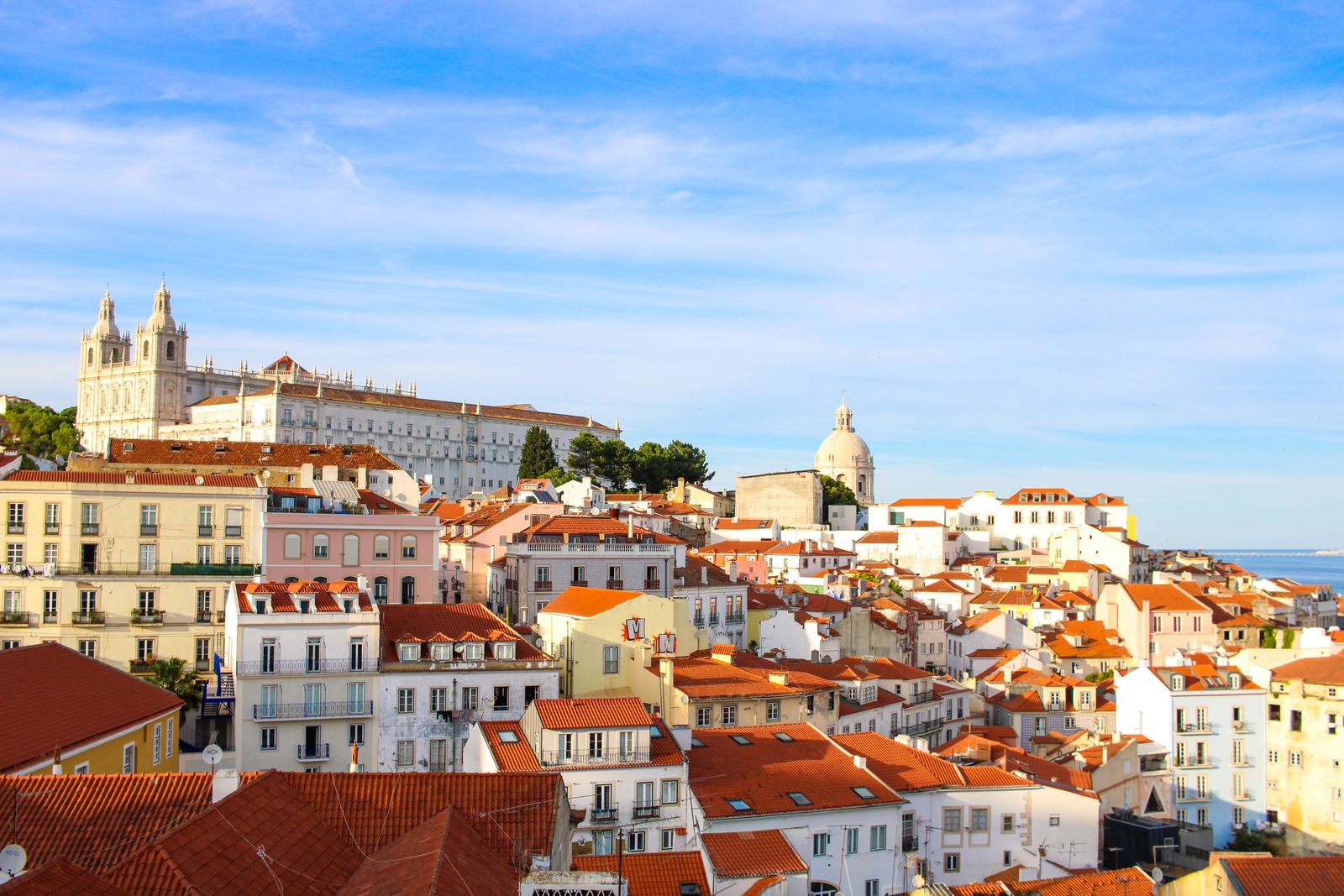
Lisbon rewards a plan and punishes a schedule. The city is small enough to walk end to end and steep enough that walking it end to end will end you, the two things you'll want most — Sintra and one great seafood dinner — are the two things that sell out, and everything else works best when you leave room for it. Four days is a real trip. Five or six and you get the ocean too. Here's how the pieces fit.
Getting in, and getting around
The airport is in the city. The trams are transport, not a ride.
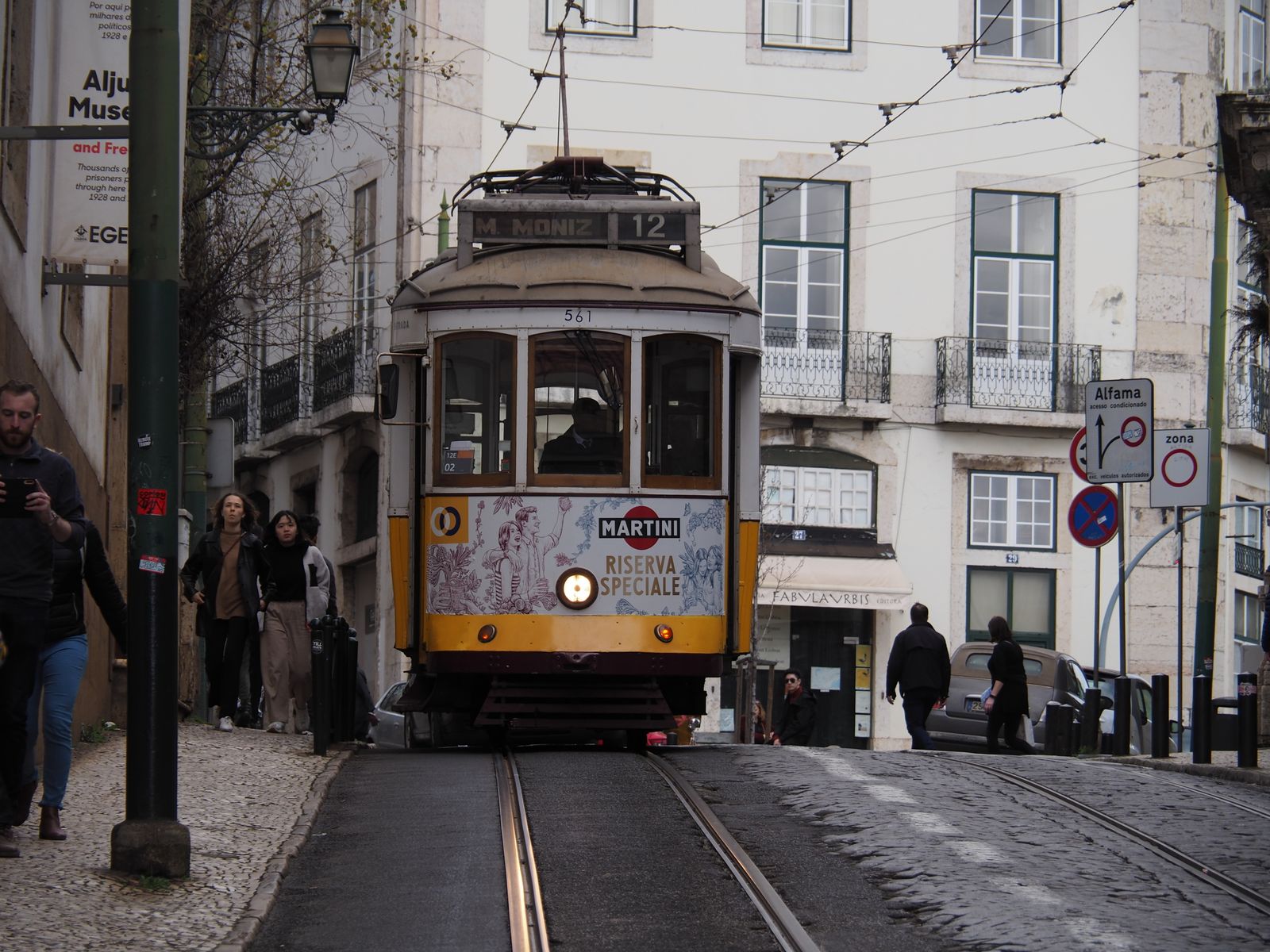
Humberto Delgado Airport (LIS) sits inside the city, which is a gift: the Metro's red line runs from the terminal and gets you to the centre in about 20–30 minutes with one change. Buy a rechargeable navegante occasional card for €0.50 and load it — a single ride is €1.90, or €1.72 in “zapping” pay-as-you-go mode, and a 24-hour Carris + Metro pass is €7.25 if you're really going to hammer it. With a group and luggage, though, just take two Bolts or Ubers: the trip into the middle runs roughly €12–20 per car and beats dragging four suitcases down a spiral staircase at Rossio. Around town, the Metro is quick and clean, the buses go where the Metro doesn't, and the trams — 28, 24, and the 15E out to Belém — are genuinely useful if you treat them as buses that happen to be beautiful. One honest note: the funiculars have had a hard year. The Glória has been closed since the 2025 accident, and the Bica and Lavra have been in and out of service under reinforced inspections, so check the Carris site the week you travel rather than building a day around one.
Nothing in Lisbon is far. Everything in Lisbon is uphill. Plan around the second part and you'll love the first.— On the seven hills
Where to base yourselves
Chiado to walk everywhere; Príncipe Real to sleep; Alfama if nobody's got a big suitcase.
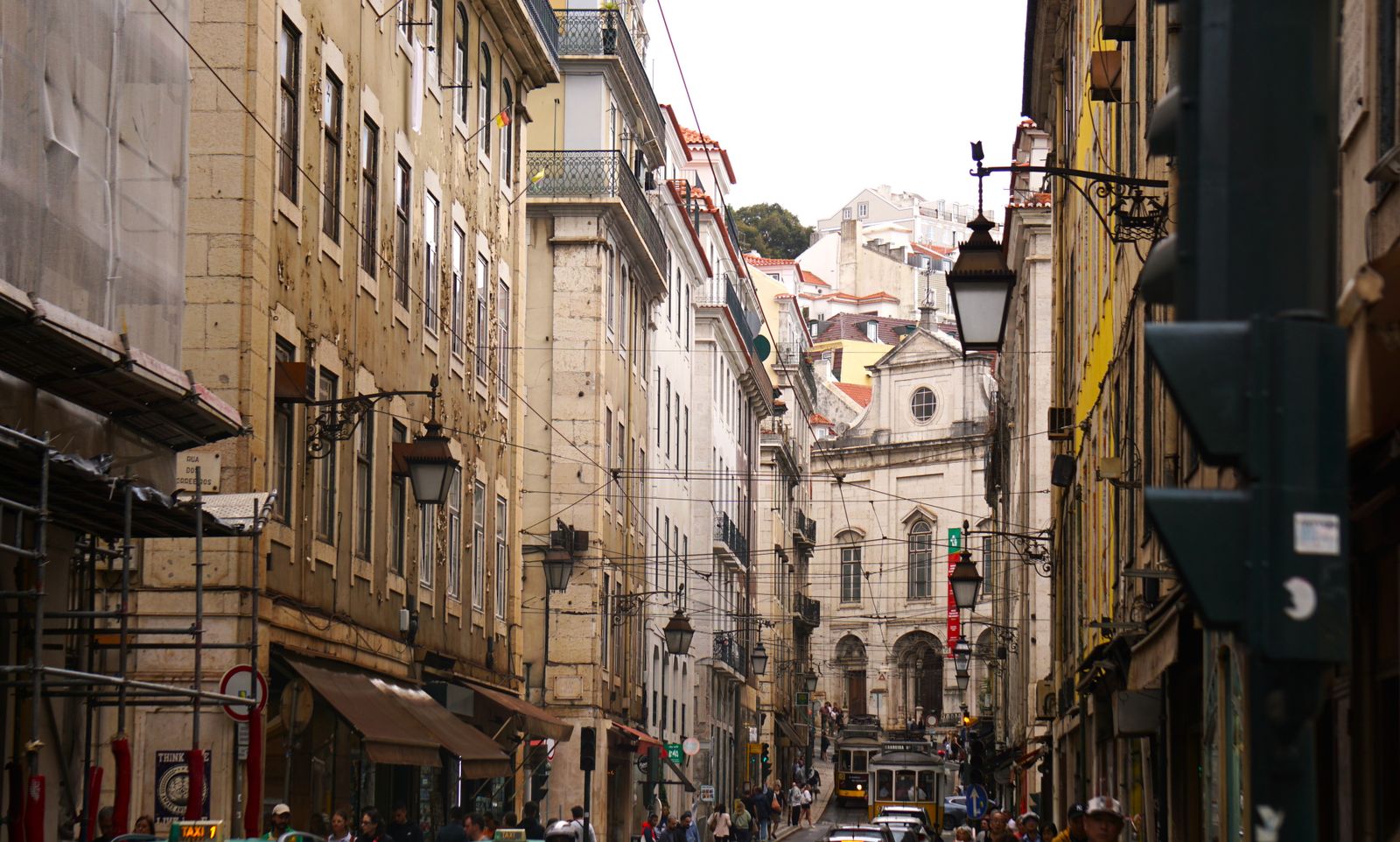
Chiado and the top of the Baixa are the safe centre of the board — flat-ish, walkable to almost everything, on the Metro, and surrounded by the good coffee. Príncipe Real is the quiet upgrade: leafy, full of the city's best small shops and restaurants, a ten-minute downhill walk to the action and a slightly grim uphill one back. Alfama is the most beautiful place to wake up in Lisbon and the most punishing to arrive in — the lanes are stairs, no car reaches the door, and you will carry the bags. Bairro Alto is where the noise is until 3am, which is either the point or a serious mistake. For a group of six or more, Campo de Ourique and Estrela are the underrated picks: real neighbourhood, real market, bigger apartments, tram straight down.
One apartment beats four hotel rooms — here's how to book it
Lisbon apartments are plentiful and the maths is friendly once you divide. Do the two-tab trick: find the place you like on Airbnb or Booking, then search the building name and photos — most managed apartments have their own site with the same weeks 10–15% cheaper once the platform fee drops out. Before you pay, check two things. Legal rentals carry an Alojamento Local (AL) registration number — it should be on the listing; no number is a red flag. And read the sleeping count as beds, not sofa cushions. One more line item nobody warns you about: Lisbon charges a city tax of €4 per person per night, capped at seven nights, and it's usually collected separately at check-in — for six of you over four nights that's €96 that isn't in the booking total. Budget it, split it, move on.
The city, one hill at a time
Six neighbourhoods, each with a completely different day in it.
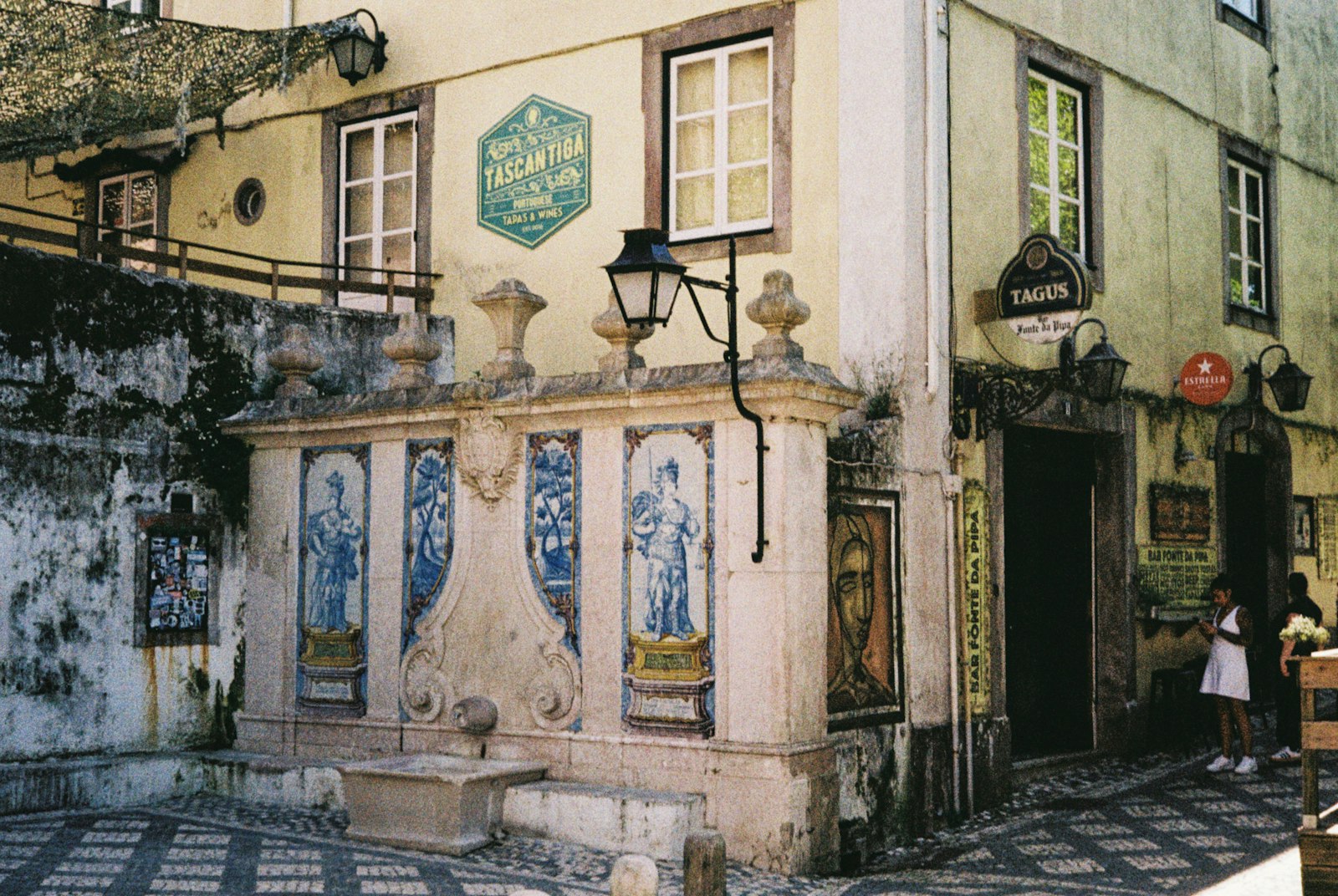
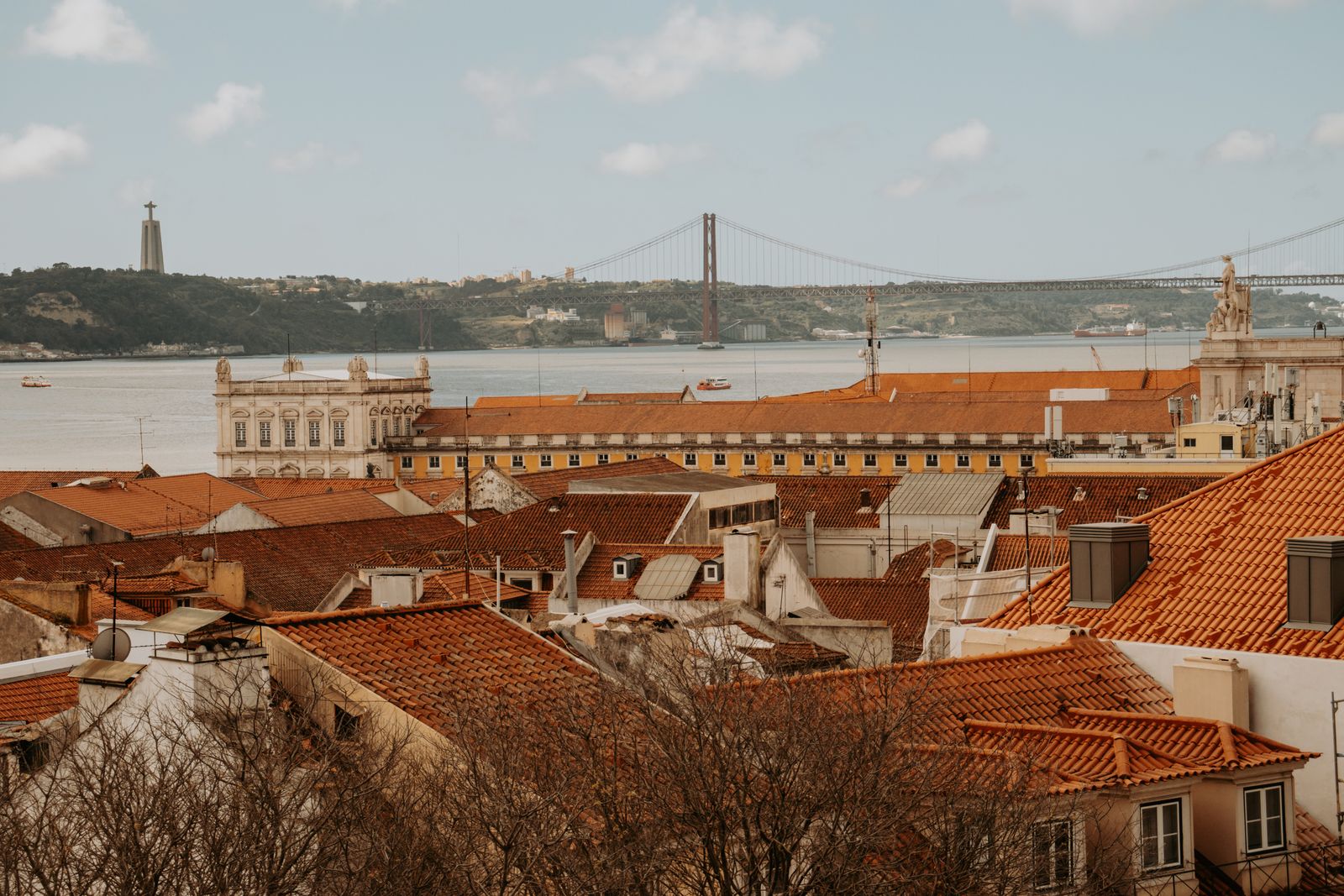
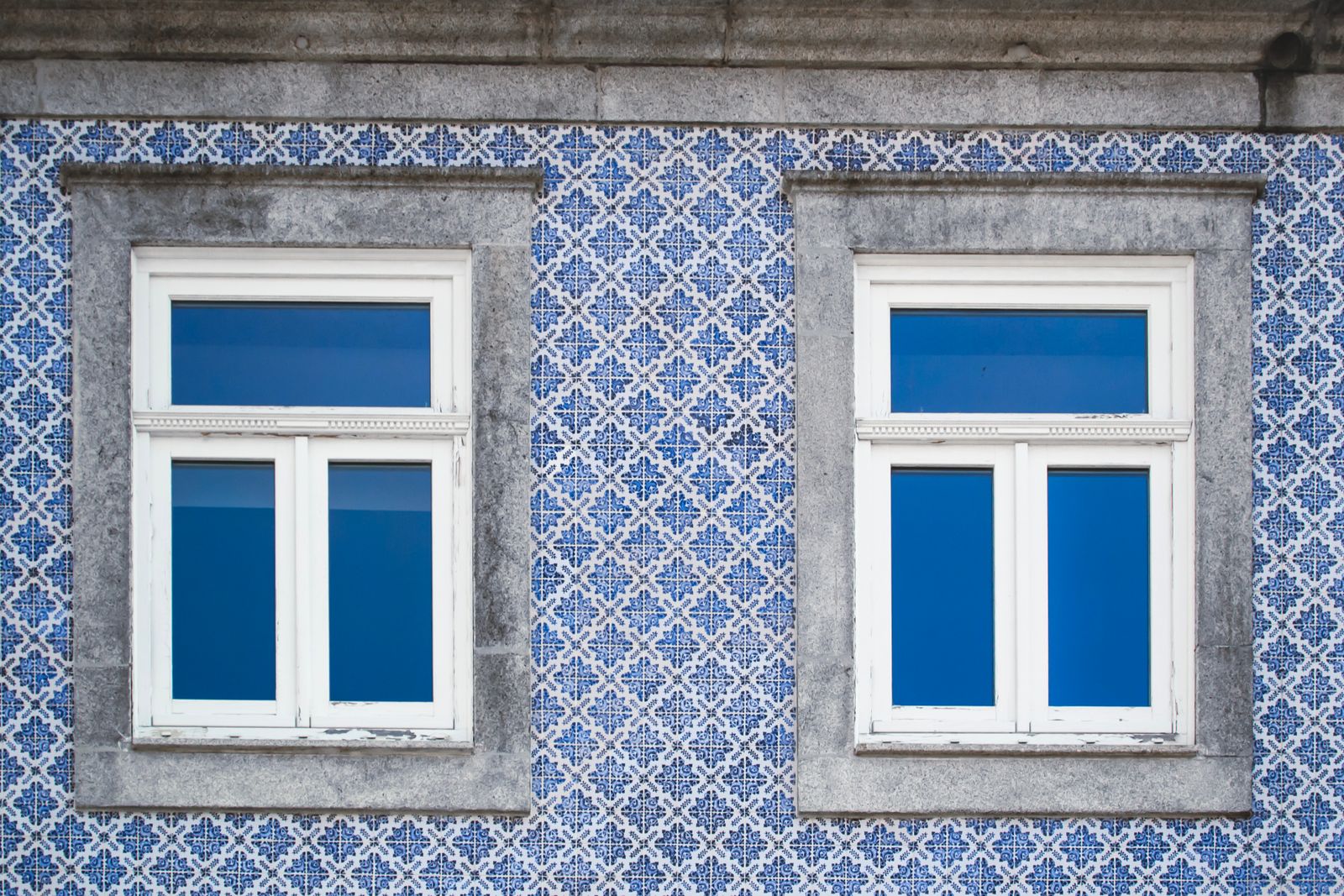
Lisbon is a set of villages that happen to touch. Alfama is the old Moorish quarter the earthquake spared — washing lines, tiled saints, and fado leaking out of doorways after dark. Mouraria, over the hill, is where fado was actually born and where the city eats best across the most nationalities. Graça sits above both with the viewpoints. The Baixa is the grand grid rebuilt after 1755, running from Rossio down to the water at Praça do Comércio. Chiado is the elegant shopping and bookshop quarter that shades into Bairro Alto above it, and drops to Cais do Sodré — old sailors' district, now the late-night one — below. Then there's Belém, six kilometres west, where the monuments and the original custard tarts are, and Alcântara next door with LX Factory under the bridge.
- Alfama & Mouraria — medieval lanes, fado houses, the castle above.
- Baixa & Chiado — the post-earthquake grid, cafés, bookshops, the flat bit.
- Bairro Alto & Cais do Sodré — dinner, then the rest of the night.
- Príncipe Real — leafy squares, small shops, the best sleep.
- Belém — monastery, tower, river, and the tart that started it.
- Alcântara & Campo de Ourique — LX Factory, the market, everyday Lisbon.
Getting out of town
Sintra, the ocean, and the ten-minute ferry that feels like a different country.
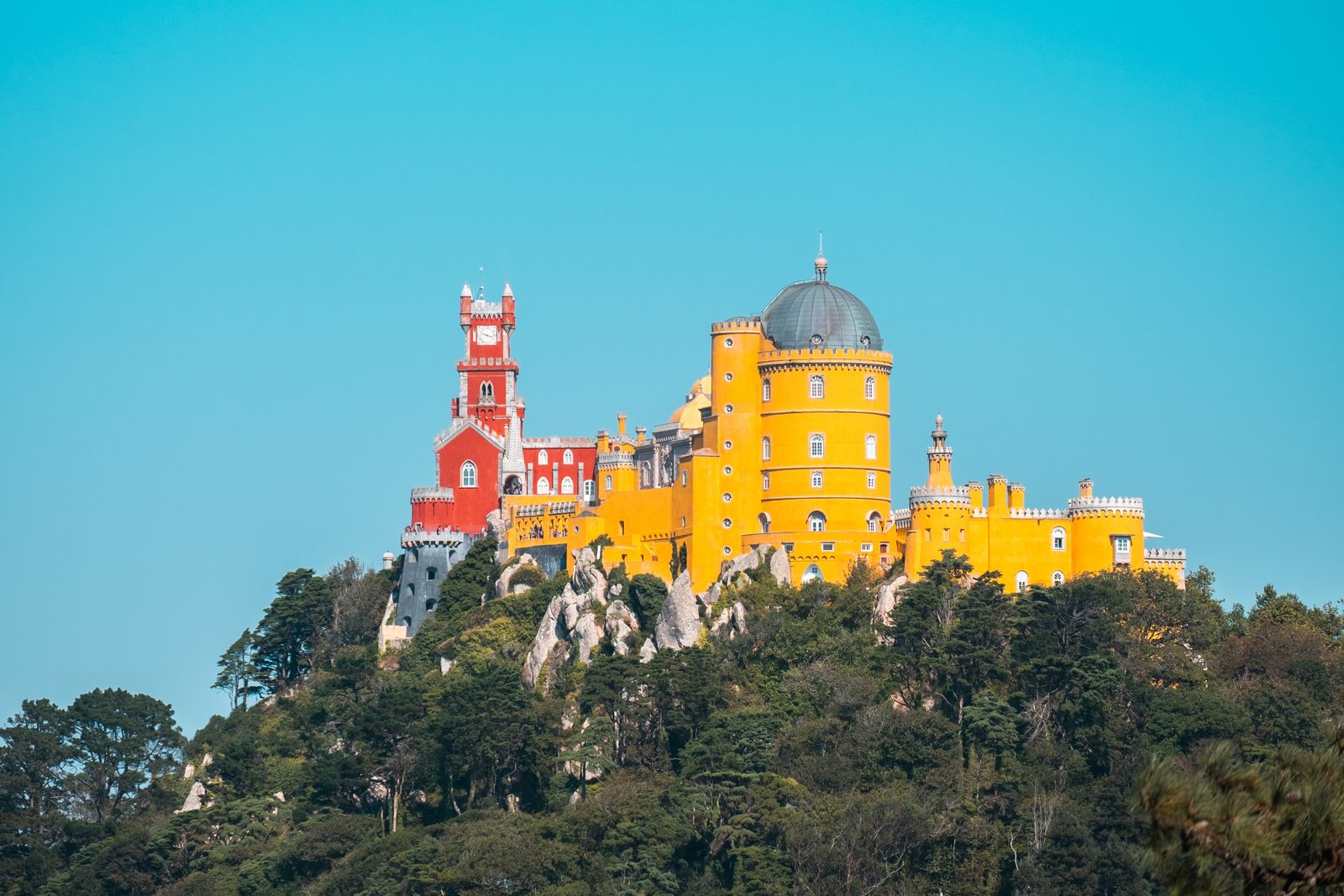
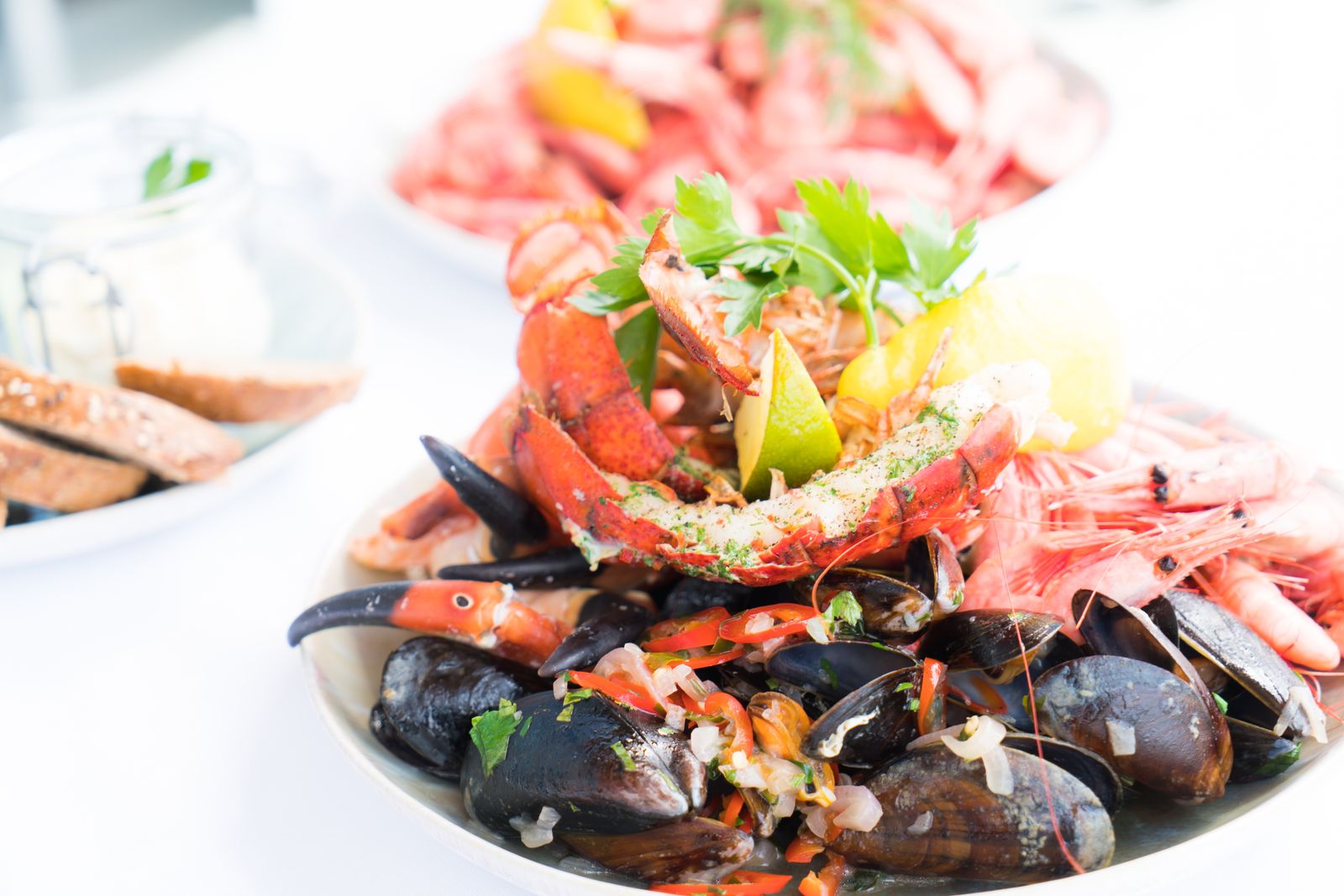
Three escapes, all easy. Sintra — palaces in a misty forest 40 minutes from Rossio station by train, about €2.40 each way — is the big one, and the one that needs actual planning: Pena Palace and Quinta da Regaleira both run strict timed entry now, and the 10am–2pm slots sell out days ahead in summer. Book Pena early, do Regaleira's gardens after lunch, and skip the tuk-tuk touts. Cascais is the beach town at the end of the coastal train from Cais do Sodré — 40 minutes, ocean the whole way, and worth doing as a half-day with lunch. And the cheapest thrill in Lisbon is the ferry to Cacilhas: about €1.50 and ten minutes across the Tagus, with the whole city rearranging itself behind you and a row of riverside restaurants waiting on the other side.
How long, and a shape for the days
Four days is a trip. Six and you get the ocean too.
A shape that works: Day 1, land, drop bags, walk Chiado and the Baixa, and get an early dinner in a tasca before jet lag wins. Day 2, Alfama from the top down — castle, viewpoints, the tiles — and fado somewhere small at night. Day 3, Belém in the morning and LX Factory after, or the ferry across for a long lunch on the water. Day 4, Sintra with the timed tickets you booked weeks ago. Day 5, the ocean at Cascais or Caparica, or nothing at all in Príncipe Real. Leave one evening completely unplanned — in Lisbon that's the one that becomes a table of eight and a bottle of vinho verde that never quite ends.
When to go
Spring and early autumn. June if you want the whole city in the street.
March to June and September to October are the sweet spots: long warm days, ocean that's swimmable by September, and terraces that aren't a queue. June is special — the Festas de Lisboa take over the whole month, and on the night of the 12th the city grills sardines on every corner of Alfama and Graça for Santo António. It's the best night of the Lisbon year and the hardest to find a bed for, so book months out. July and August are hot, packed, and pricier, though the city empties a little in mid-August when locals leave for the coast. Winter is mild, grey-blue, cheap, and quietly lovely: the light goes long and golden, the fado houses feel like they're yours, and rain turns the pavement into glass — wear the good shoes.
Where we would book
Book the apartment direct where you can — the two-tab trick above, with the AL number checked. Buy Sintra tickets from the official parquesdesintra.pt, not a reseller: same entry, no markup, and Pena's timed slots are the one thing that genuinely sells out. Same for the Jerónimos Monastery and Belém Tower — buy on the official site and go at opening or after 4pm. For the seafood night, Cervejaria Ramiro takes bookings on its own site with a €25-a-head deposit that comes straight off the bill, which is worth it for a group; otherwise join the queue and accept the wait. Ponto Final across the river is email-only (pontofinalrest@gmail.com), books out weeks ahead, and is closed Tuesdays. Trains to Sintra and Cascais you just tap through with the navegante card — there is nothing to pre-buy and no one worth paying to do it for you. And the best of Lisbon — the viewpoints, the ferry, the tiles, the ninety minutes you'll lose in a bookshop — costs nothing, so we take no cut on it.
Related guides
- Lisbon Food Guide — nata, seafood towers, and the tascas worth the queue.
- Things to Do in Lisbon — viewpoints, Belém, the river, Sintra, and the ocean.
- Lisbon Culture Guide — fado, tiles, the earthquake, and the revolution.
- The Complete Buenos Aires Guide for Groups — the other Atlantic port city with a national music of longing.
- Lisbon Group Trip Guide — the same city, planned for six or ten of you.