The parrilla is the main event
Meat, fire, Malbec, four hours. Start here.

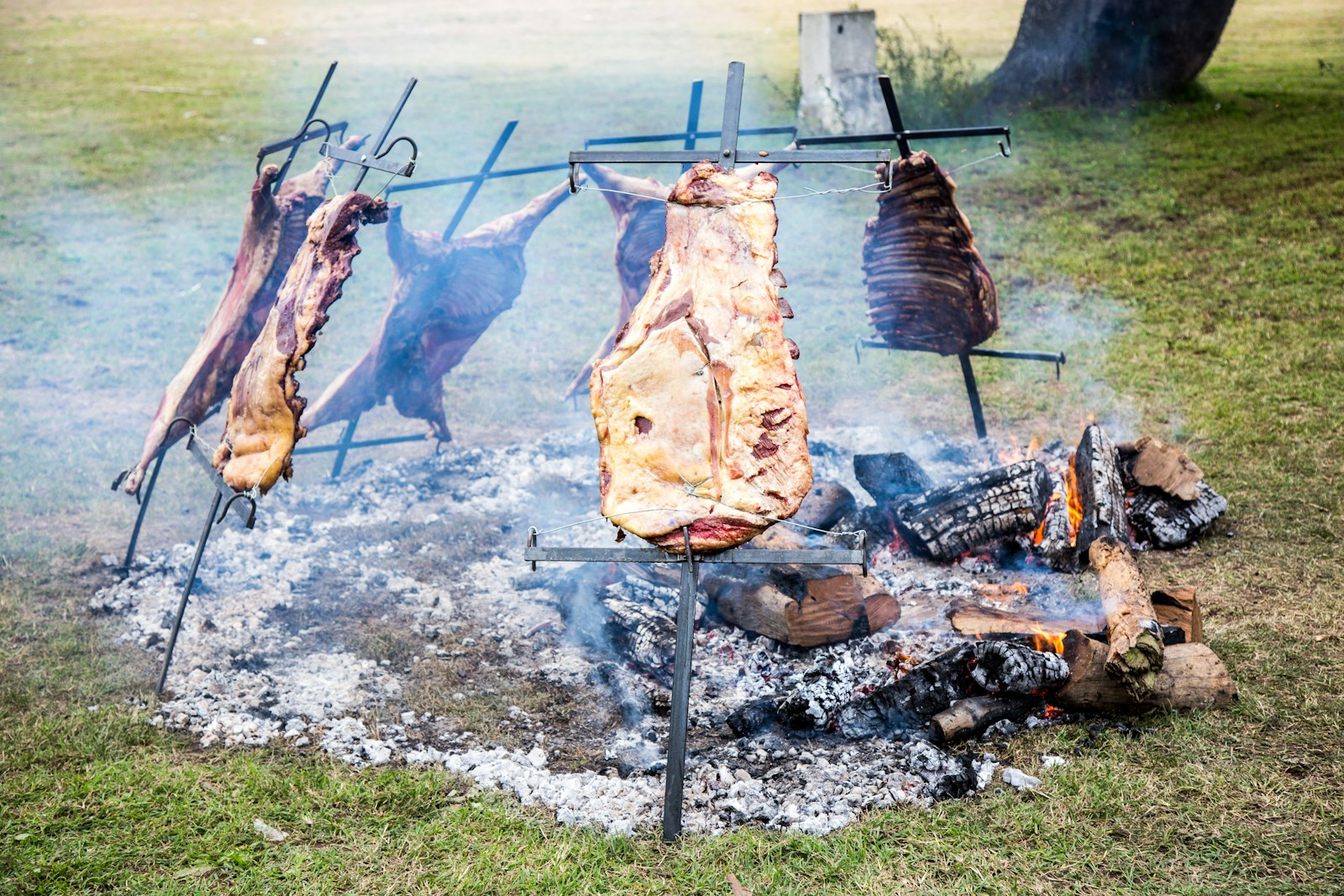
You can't talk about eating in Buenos Aires without starting at the grill. The parrilla is the city's beating heart — a wood-fired altar to beef where the meat arrives in waves and the night arrives with it. Begin with provoleta (a whole disc of provolone blistered over coals), chorizo and morcilla, maybe sweetbreads if you're brave. Then the main event: bife de chorizo (sirloin), ojo de bife (ribeye), vacío (flank). Order it jugoso (rare) or a punto (medium), get a tomato-and-onion salad and fries to cut it, and pour the Malbec freely.
Don Julio
The world-famous Palermo parrilla, and yes, it lives up to it: ivy walls, an empanada that should be studied, and dry-aged steak with a crust like caramel. Book weeks ahead, or join the sidewalk standby list with a free glass of bubbles. If you can't get in, La Cabrera and a hundred unsung barrio grills will treat you just as well.
Beyond Don Julio the range is wide and all of it is good: La Cabrera in Palermo for the famous little free side dishes, El Preferido de Palermo for a bodegón-parrilla hybrid that's been going since 1952, old-school Parrilla Peña downtown for the value, and Niño Gordo for a loud, neon, Asian-tinged spin on the grill. The smarter move for a group: one parrilla blowout, then let the rest of the trip wander into the city's other obsessions.
It's secretly an Italian city
Half of Buenos Aires has an Italian surname. The food remembers.

Generations of Italian immigrants left the city mad for pasta and pizza, done the porteño way. Sunday is for ñoquis (gnocchi) — there's even a tradition of eating them on the 29th of the month with a banknote tucked under your plate for luck. The pizza is its own genre: pizza al molde, thick, doughy, and buried under more mozzarella than seems advisable, often as fugazzeta (onions and cheese, no tomato). Eat it standing at Güerrín on Avenida Corrientes with a slab of fainá (chickpea flatbread) pressed on top, the way locals have since 1932. It's cheap, it's loud, it's perfect after a show. The other classics: El Cuartito (open since 1934, walls papered with football and boxing) and Banchero in La Boca, which claims to have invented the fugazzeta. For the pasta half of the Italian inheritance, a neighborhood cantina like Il Ballo del Mattone in Palermo does handmade sorrentinos the porteño way.
Breakfast is medialunas — and now, very good coffee
Flaky, sweet, and best with a cortado.

Mornings here are simple: medialunas (small, glossy, sweet croissants) and a café con leche or a cortado. Have them at a café notable for the marble-and-brass atmosphere, or grab three for almost nothing at any corner bakery. Have the ritual version at a grand café notable — Café Tortoni on Avenida de Mayo, gilded Las Violetas in Almagro, or La Biela beside the Recoleta cemetery — worth the slightly touristy premium once. The city has also gone deep on specialty coffee: Lab Tostadores, Félix Felicis, and Salvaje Bakery in Palermo and Villa Crespo pull flat whites that would hold up anywhere. Old-world one morning, perfect espresso the next.
The bodegón is the soul of it
Old, unfussy, enormous portions. Where the city actually eats.
For every famous restaurant there are a hundred bodegones — old-school neighborhood canteens with paper tablecloths, brusque-but-kind waiters, and portions built for a dockworker. This is where to get a milanesa (a breaded cutlet the size of a hubcap, often topped napolitana with ham and cheese), a tortilla, a bowl of pasta, and a half-litre of house wine for the price of a sandwich back home. They're vanishing slowly, which is all the more reason to go. Three we'd point you to: El Obrero in La Boca (a 1950s classic near the stadium, football shirts on every wall), El Ferroviario in Liniers (milanesas the size of a manhole cover, worth the taxi), and Los Galgos, a restored 1930s bar-bodegón downtown that also pours a serious vermut. Or just ask anyone over fifty for their favorite, and go to that one.
A milanesa napolitana is not a portion. It's a dare you'll happily lose.— On lunch
Dulce de leche, and the sweet ending
The national flavor, in every possible form.
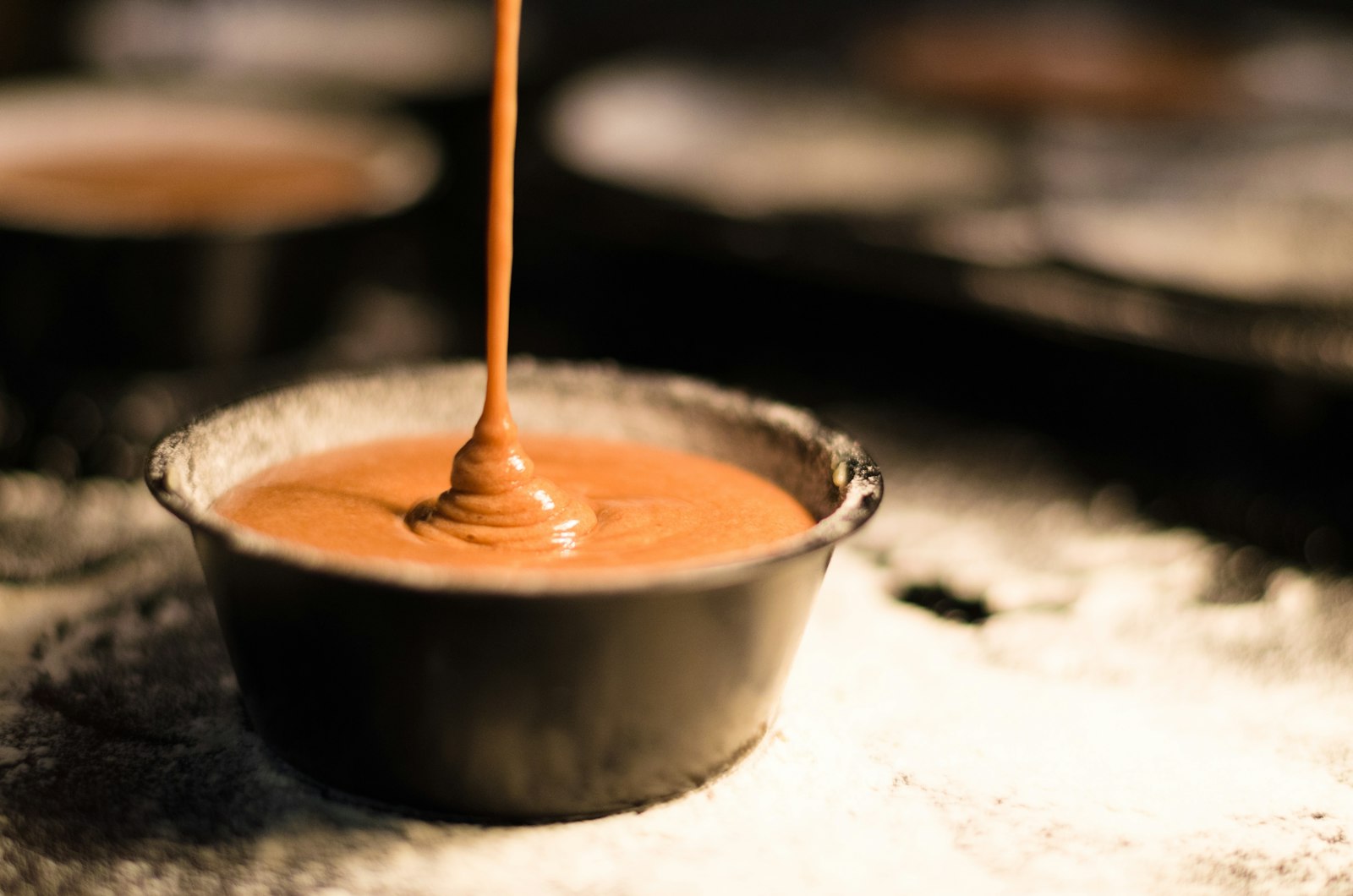
Argentina runs on dulce de leche, and so should you. It's in the alfajores (two soft cookies hugging a layer of dulce de leche, rolled in coconut or dipped in chocolate — buy a box from Rapa Nui or Havanna, thank us later), it's the best flavor at any heladería, and it's smeared on every breakfast medialuna you let near it. The ice cream here is a genuine rival to Italy's — generations of Italian gelato-makers saw to that — so end a hot afternoon with a cone of dulce de leche granizado from Cadore on Avenida Corrientes (an artisan holdout since 1957) or Rapa Nui, and call it research. Now, who's getting the second scoop?
Where we would book
Book Don Julio the day your dates firm up — it's the one reservation worth setting an alarm for. For everything else, Buenos Aires rewards walking in: the bodegón, the pizzería, and the heladería don't take reservations and don't need them. If you want to learn the map fast, a guided food or parrilla tour on your first day is genuinely worth it — you'll eat better for the rest of the trip because of it. Skip the overpriced "tango dinner shows" sold to tourists; eat where the city eats, and see tango somewhere real instead.
Related guides
- The Complete Buenos Aires Guide — barrios, money, and how to build the trip.
- Things to Do in Buenos Aires — what to do between meals.
- Buenos Aires: A Culture Guide — café life, tango, and the city's bookish heart.
- Where to Eat in Mexico City — the other unmissable food capital of Latin America.
- Buenos Aires Group Trip Guide — every parrilla and bodegón, sized for a table of ten.