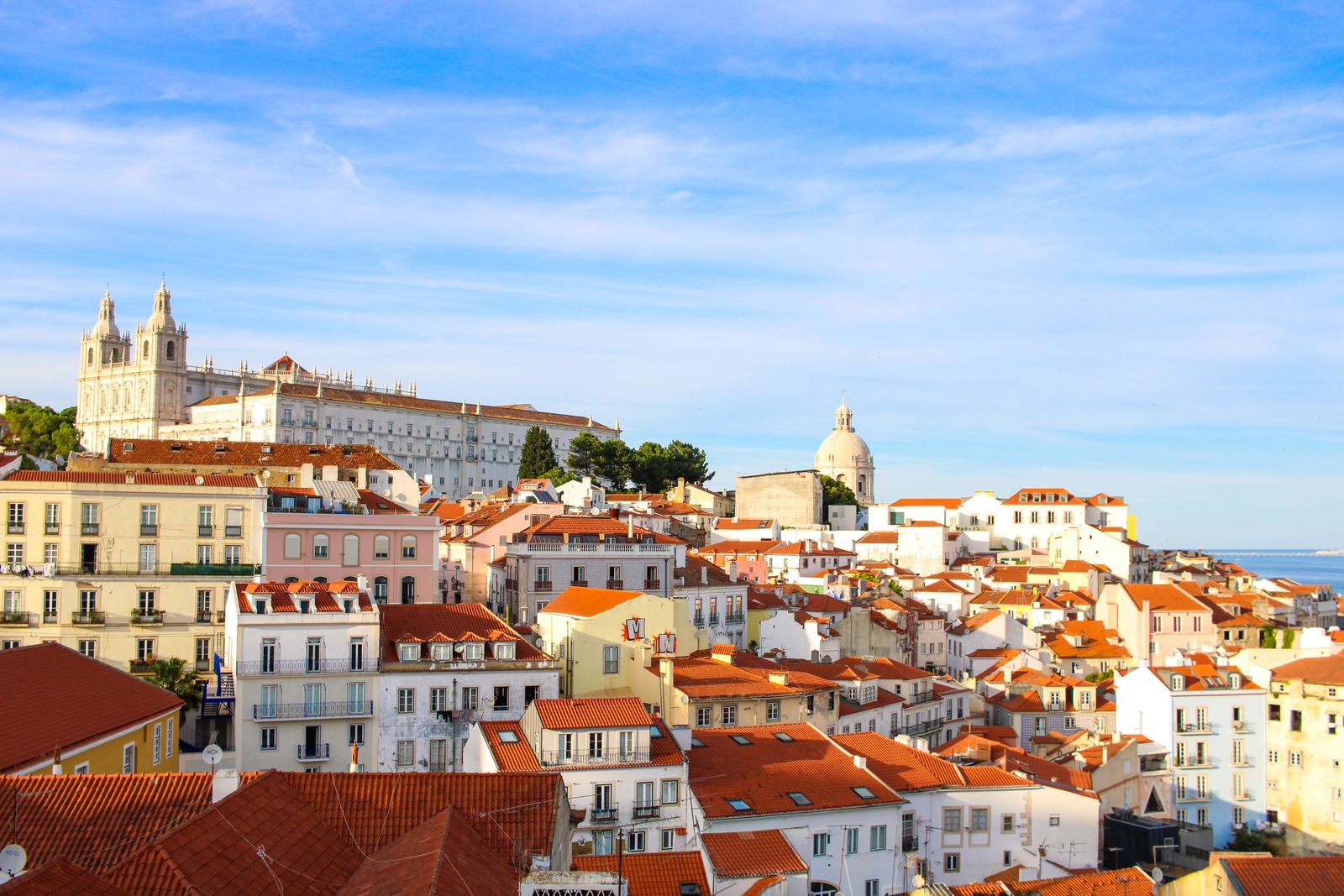
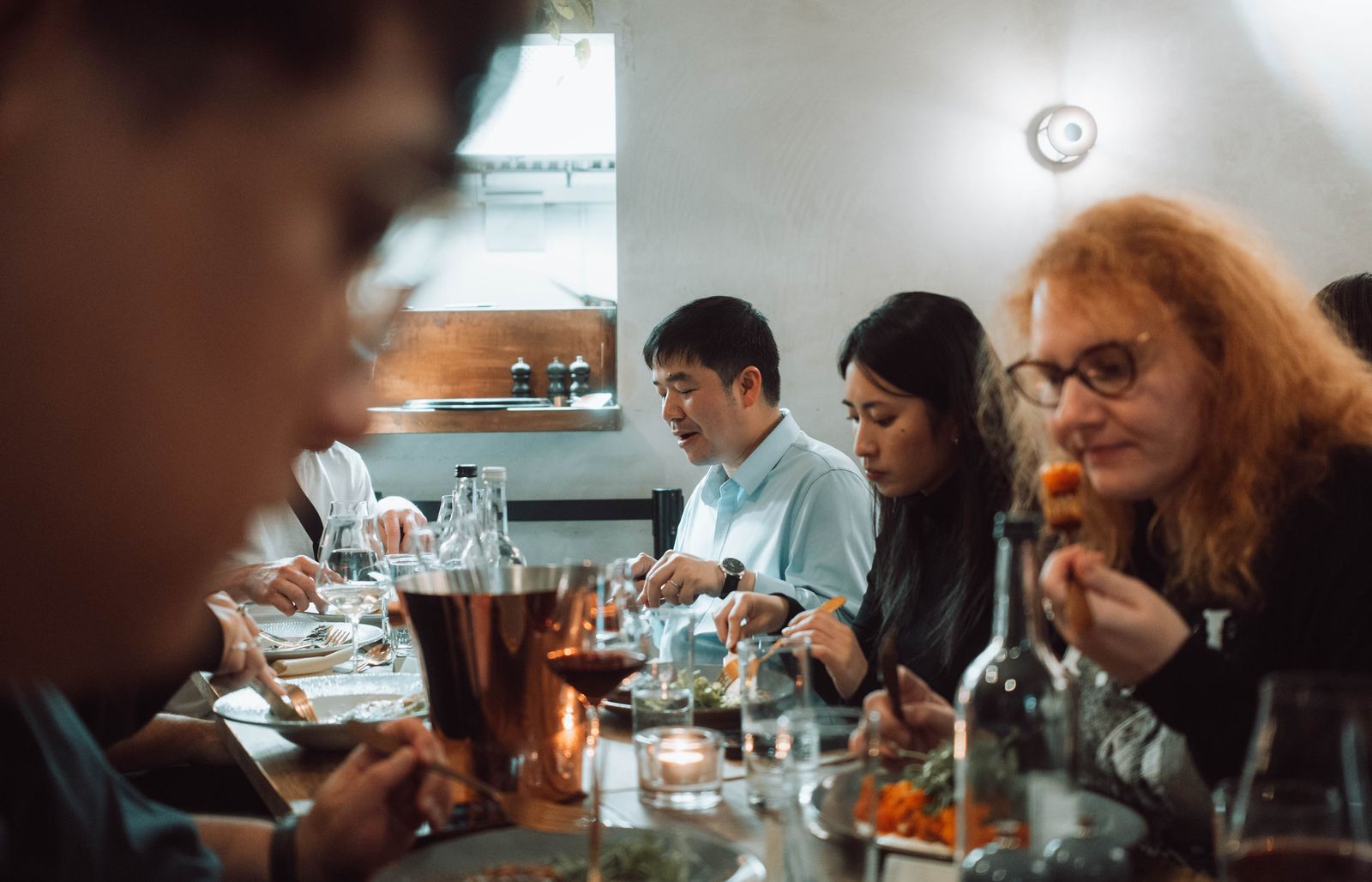
Lisbon is one of the easiest cities in Europe to take a group to, and the reasons are unglamorous: the food is cheap enough that nobody flinches at a shared bill, the city is small enough that a split-up group finds each other again in twenty minutes, and there is a table big enough for all of you somewhere within walking distance. What it asks in return is that you respect the hills and book the two or three things that genuinely sell out. Here's how ten people do Lisbon without anyone becoming the trip's accountant.
Why this city is kind to a group
Cheap where it counts, small enough to lose people safely.
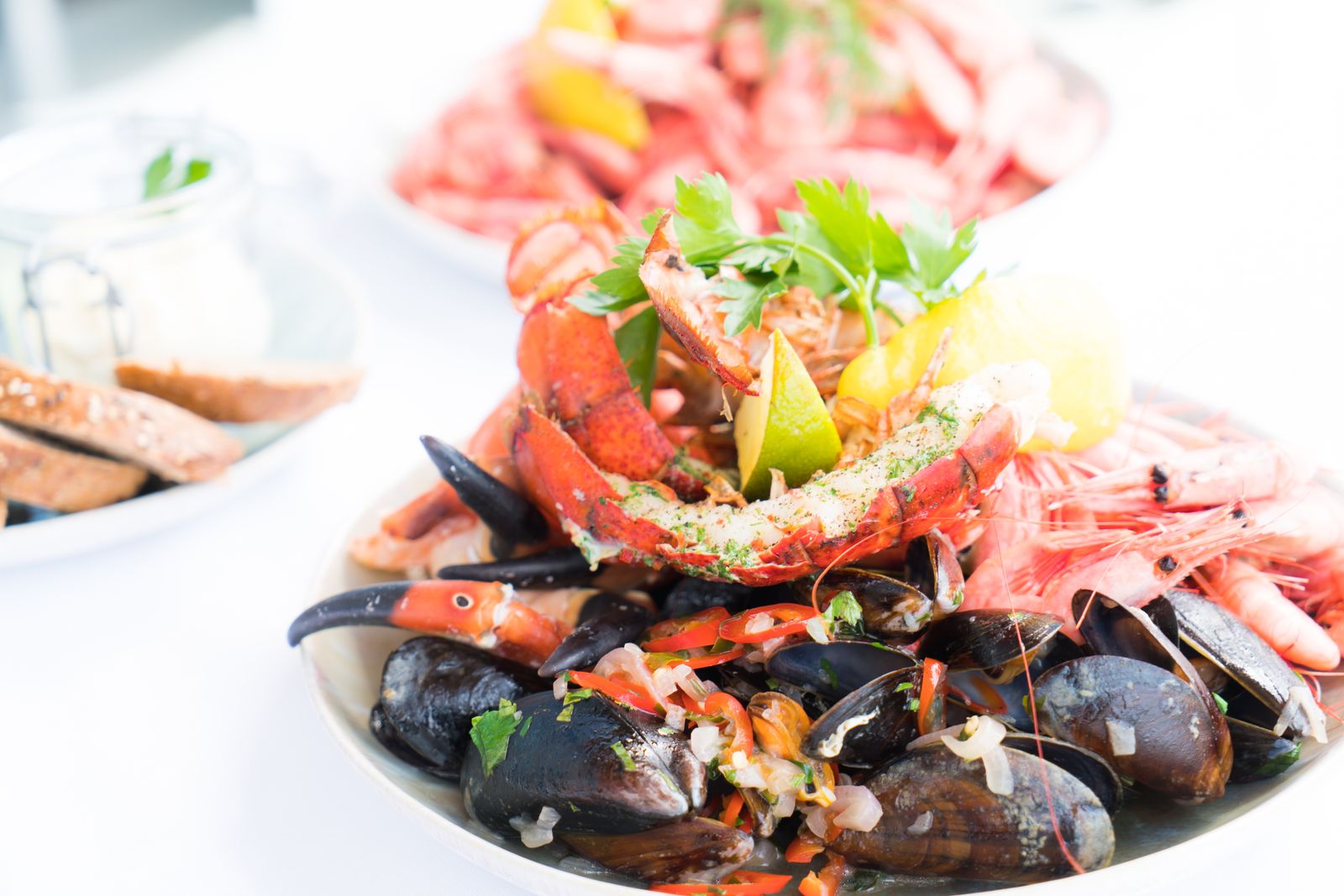
The arithmetic is the first thing. A tasca lunch runs about €12 a head; a full seafood blowout with beer lands at €45–60, which is a normal Tuesday dinner in most capitals. That means the group's inevitable range — the person counting every euro and the person who wants the tower of shellfish — can eat at the same table without either of them making a face. The city is also compact: from Chiado you can walk to the castle, the river, and three neighbourhoods' worth of dinner. And the culture cooperates. Portugal is a country of long tables, shared plates, and waiters who do not rush you out, which is precisely what a group of eight needs.
The honest catch is the terrain. Lisbon is built on hills, the pavement is polished limestone that turns slick in rain, and every group has someone whose knees or shoes will file a complaint by day two. Plan around it — take a tram or a Bolt up and walk everything down — and the city is a pleasure. Ignore it and you'll spend day three negotiating about a taxi.
Where a group sleeps
One apartment with a terrace beats a corridor of hotel rooms, every time.
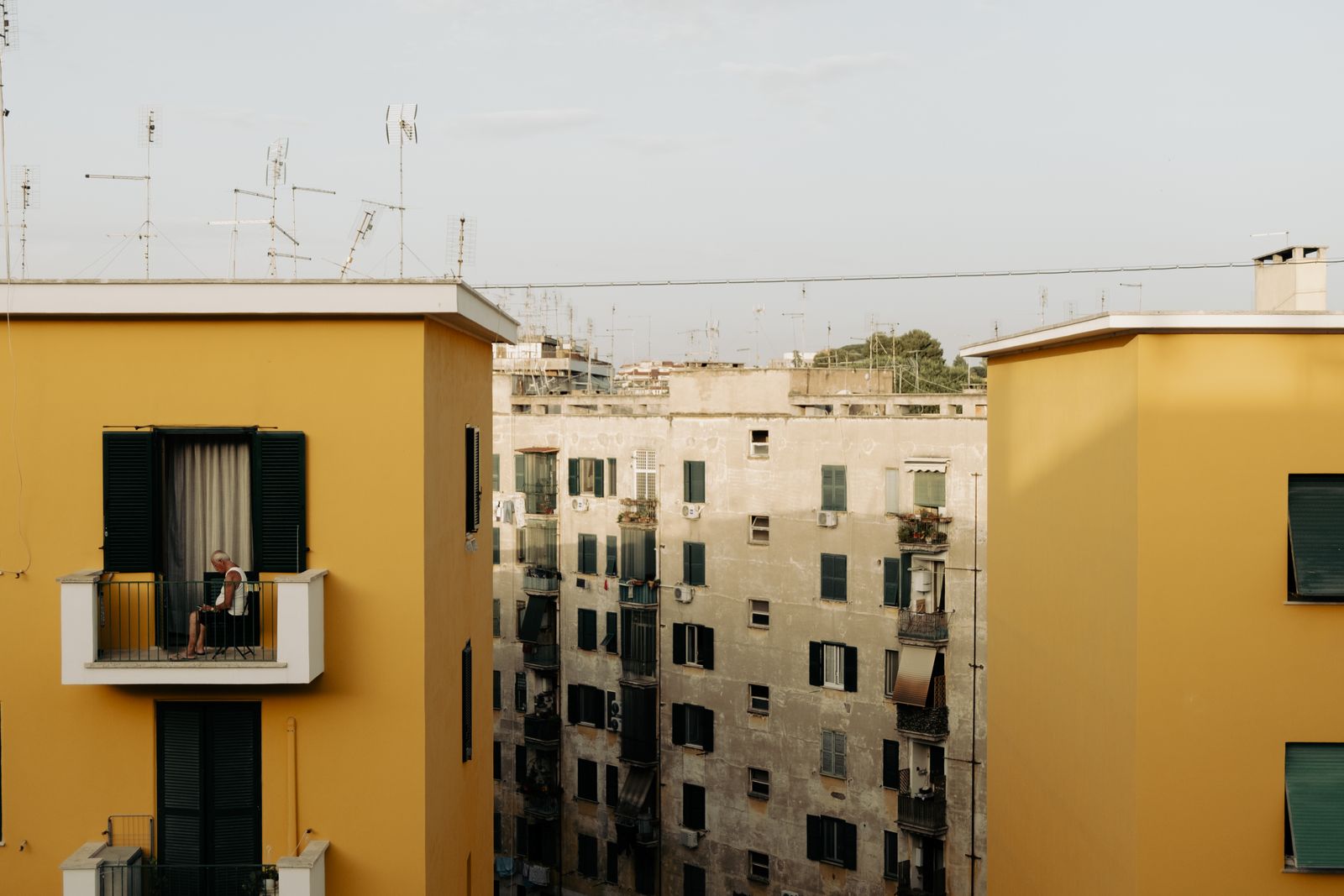
Rent a place, not rooms. Lisbon has a deep supply of apartments and the per-head number drops fast once you divide, plus you get the thing that actually makes a group trip work: a kitchen, a terrace, and somewhere to sit at 1am that isn't a bar.
At four to six: a two- or three-bedroom in Chiado or the top of the Baixa puts everything in walking range, and you'll use the Metro maybe twice. Príncipe Real is the quieter, leafier version if your group likes a slow morning.
At eight or more: stop trying to squeeze into the old centre. Campo de Ourique and Estrela have genuinely bigger flats, a real neighbourhood market, and a tram straight down into town — and you'll pay less per person for more space. Avoid Alfama at this size unless everyone travels light: the lanes are staircases, no car reaches the door, and somebody will be carrying a suitcase up sixty steps. Avoid Bairro Alto unless the group intends to be the noise.
Two things to check before anyone pays. Legal rentals carry an Alojamento Local (AL) registration number — it should be on the listing. And Lisbon charges a city tax of €4 per person per night, capped at seven nights, usually collected separately at check-in: for ten of you over four nights that's €160 nobody budgeted. Do the two-tab trick as well — find the flat on Airbnb or Booking, search the building's name, and book the same weeks direct, usually 10–15% cheaper.
Eating as a group, by reservation tier
Some of the best places will never seat ten. Plan for that instead of being surprised by it.
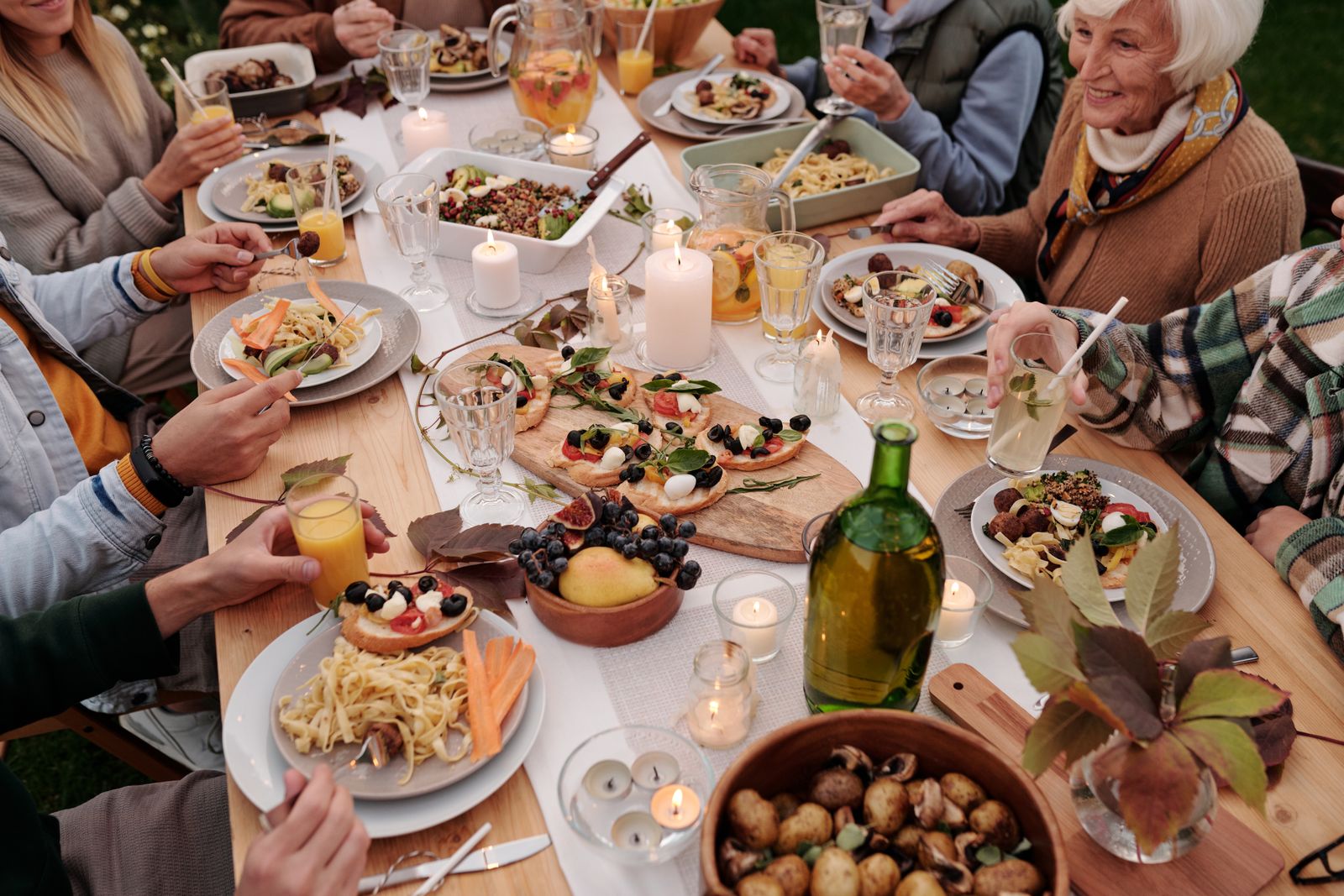
Lisbon's restaurant culture splits neatly into three tiers once you're a crowd, and knowing which is which saves you a miserable hour on a pavement.
Books a big table, gladly: Solar dos Presuntos near Restauradores has been feeding large parties since 1974 and handles a group with style — seafood rice for the table, hams over the door. Cervejaria Ramiro takes bookings on its own site with a €25-a-head deposit credited to the bill, which at eight people is the single best €200 you'll spend on the trip. Ponto Final across the water in Cacilhas takes groups by email (pontofinalrest@gmail.com) weeks ahead and is closed Tuesdays.
Will feed a group if you show up early: Zé dos Cornos in Mouraria has shared tables and a lunch bill that reads like a misprint — arrive when it opens with your whole crew and you'll get in. Cervejaria Ribadouro on Avenida da Liberdade is the local alternative to Ramiro with shorter waits.
Will not seat ten, ever: O Velho Eurico and Taberna da Rua das Flores are small, walk-in, and wonderful. Go with three or four on a night the group splits up, and stop trying to make it a party of twelve.
The move when nobody can agree
Send the group to the Time Out Market at Cais do Sodré. One person grabs a table on the communal benches, everyone else scatters to stalls run by serious chefs — Marlene Vieira, Henrique Sá Pessoa — and comes back with something different at €10–16 a plate. The vegetarian, the person who only wants a steak sandwich, and the one chasing the best thing in the room all leave happy, and it's the rare group meal with no reservation risk at all. Locals do the same trick more cheaply at the Mercado de Campo de Ourique.
The things that get better with more people
Some Lisbon prices are per boat, per apartment, or per table — which is where a group quietly wins.
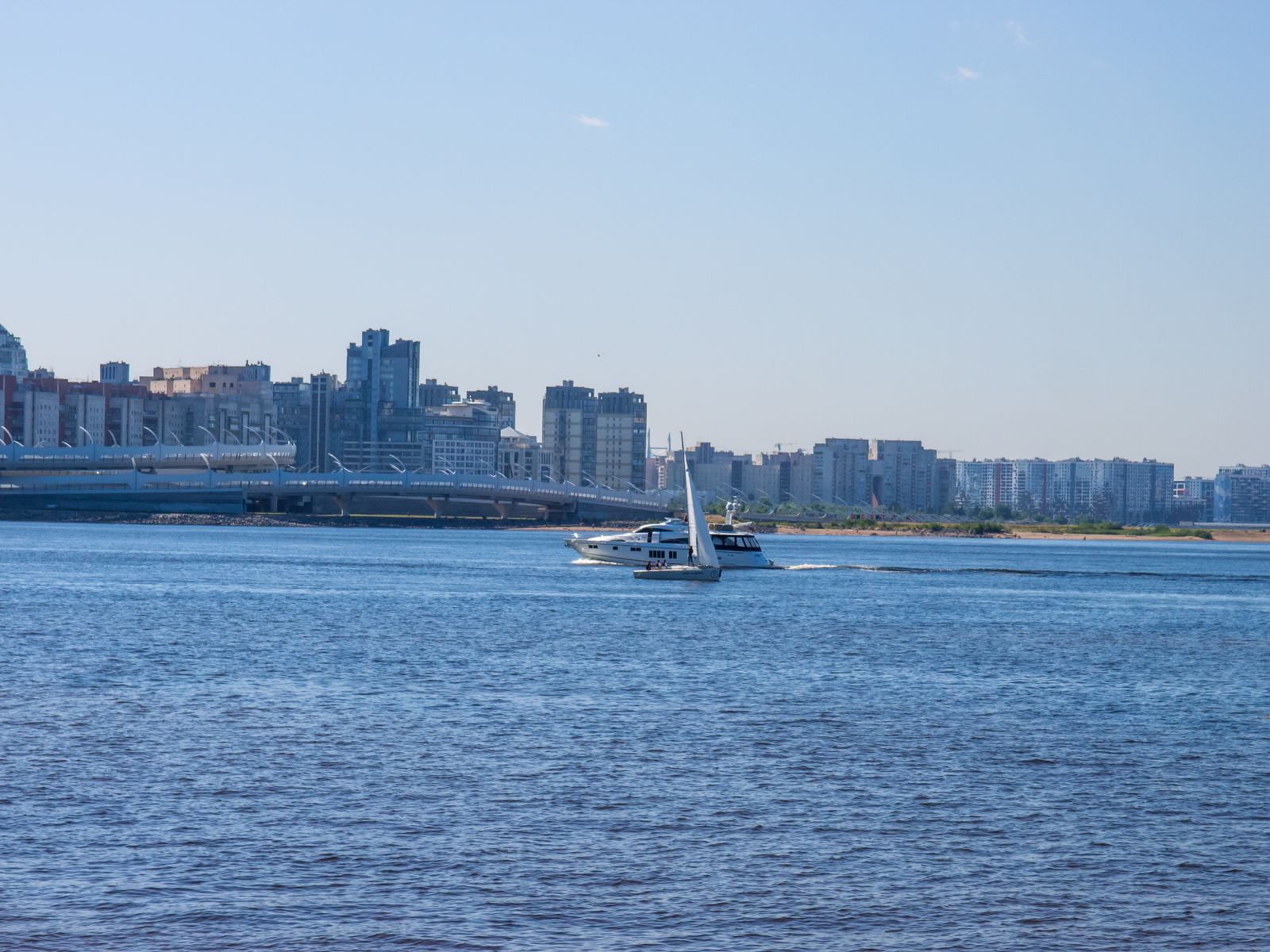
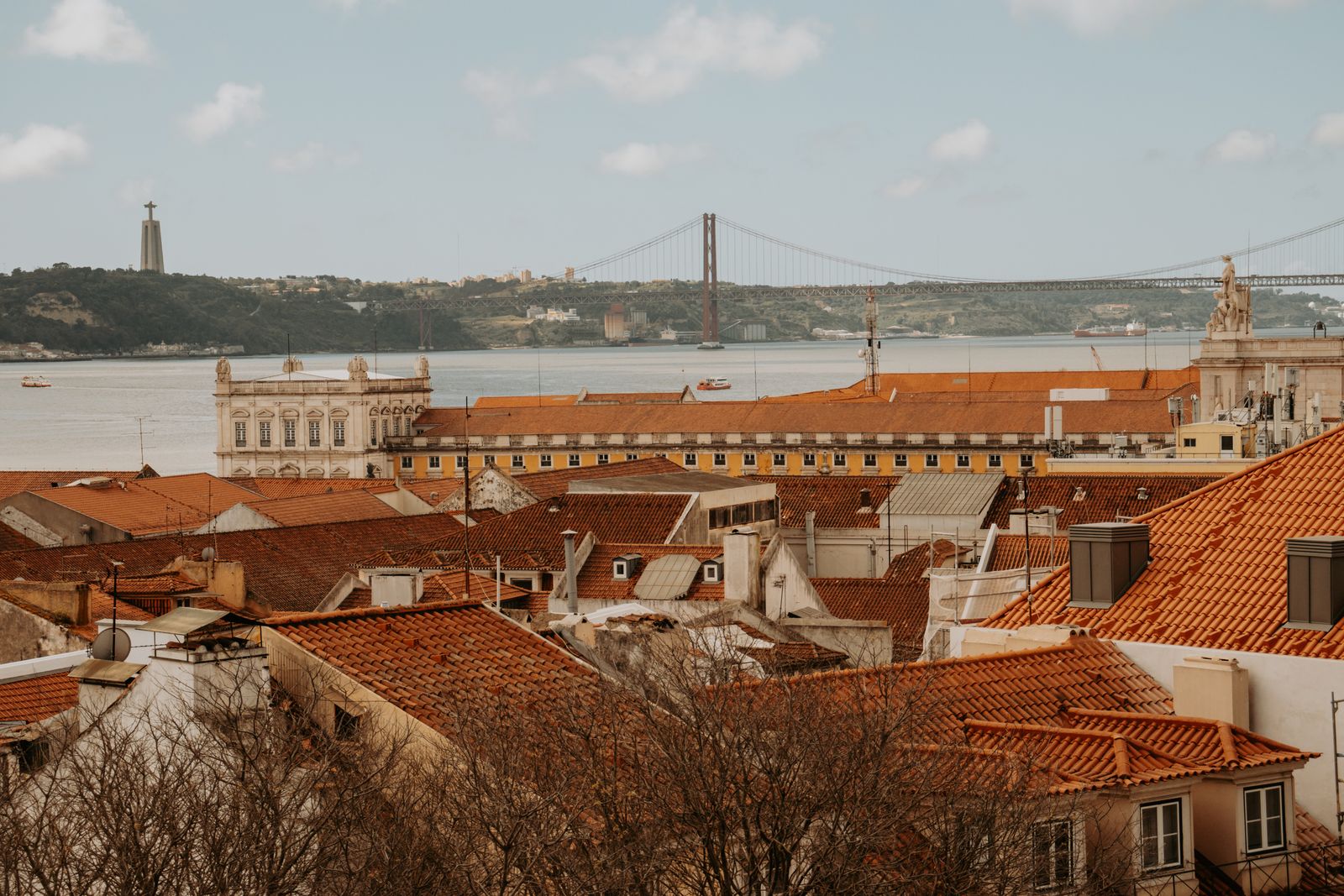
A sunset sail on the Tagus is the clearest case. Charter the whole boat rather than buying seats on a shared trip and you get two hours, your own music, wine on board, and the 25 de Abril bridge going pink — and at eight or ten people the per-head number usually undercuts the per-seat tickets. Same logic on the water at ground level: the ferry to Cacilhas costs about €1.50 each and buys a whole afternoon on the far bank.
The seafood table works this way too. A tower at Ramiro is a fixed lump of shellfish that gets cheaper per person the more forks arrive, and the same goes for the big pan of arroz de marisco that most tascas will only make for four or more. Sintra is the admin version: one person buys ten Pena Palace and Quinta da Regaleira timed tickets in a single transaction six weeks out, and the whole group just shows up at Rossio station.
The best group prices in Lisbon are the ones quoted per boat, per apartment, or per pan. Find those and the trip gets cheaper the more of you there are.— On the arithmetic of showing up together
Moving ten people around a city of hills
Two cars beat one bus argument. And keep your phones in your pockets.
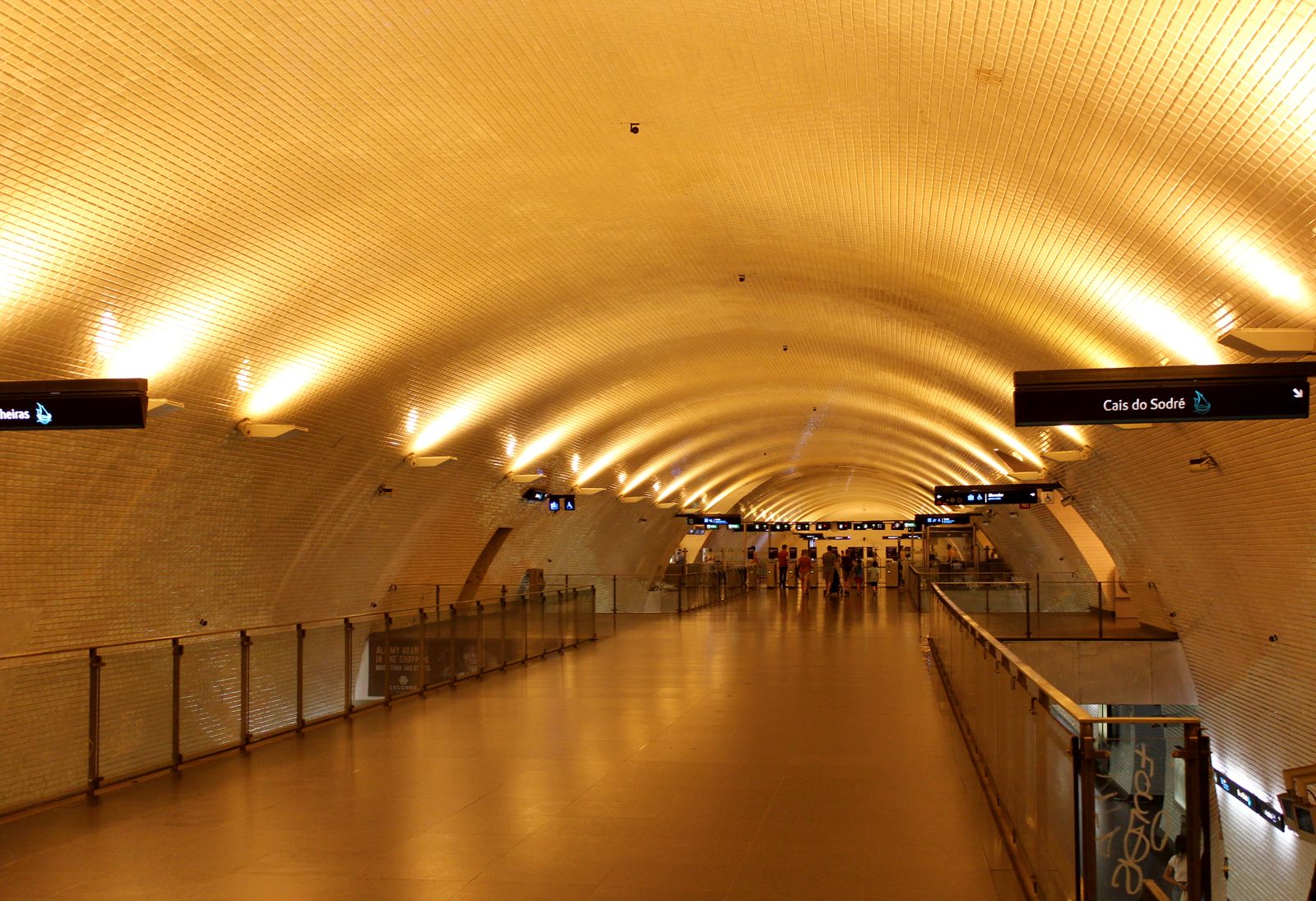
Buy everyone a navegante occasional card at the airport for €0.50 and load it — a single ride is €1.90, and the 24-hour Carris + Metro pass is €7.25 if you're going to hammer it. The Metro is quick and clean; the buses fill the gaps.
Now the honest part, because a group is a slower, more distracted target. Tram 28 is the most reliable pickpocketing venue in Portugal, and the crowded Metro at rush hour and the Santa Justa queue are close behind. It's theft, not danger — but with ten of you it's near-certain that somebody is the one who gets got. So: phones zipped away rather than in a hand, bags in front, never a backpack on your back in the door crush, and ride the trams off-peak (before 9am) rather than at midday. If a group of you wants the tram-28 experience anyway, board at the Estrela end going the other way, or take tram 24 up to Príncipe Real, where you'll get seats.
At four to six: one Bolt or Uber holds four, so most trips are one car and a short wait. At eight or more: order two cars at the same time from the same spot and name a destination out loud before anyone gets in — the classic group failure is two cars arriving at two different Miradouros. Fares in town run roughly €6–12 a car, which splits to nothing. And one honest note on the funiculars: the Glória has been closed since the 2025 accident and the Bica and Lavra have been in and out of service under reinforced inspections, so check the Carris site the week you travel rather than routing a group day through one.
Three group days, honestly paced
One anchor a day. Leave the evenings loose.
Day one — the low-effort arrival. Walk Chiado and the Baixa, climb once to Miradouro de São Pedro de Alcântara for the view across to the castle, and eat early at a tasca before jet lag takes anybody. Nobody should be booking anything ambitious for the first night; groups are bad at first nights.
Day two — Alfama downhill, then the big dinner. Tram or Bolt up to São Jorge Castle, then let gravity walk you down through Alfama's lanes to the cathedral. Book Ramiro or Solar dos Presuntos for the evening — this is the meal the trip gets remembered for. If the group wants fado after, Tasca do Chico takes walk-ins and won't mind a crowd; Mesa de Frades is tiny and needs booking, so send four, not ten.
Day three — get out of town. Either Sintra with the timed tickets somebody bought weeks ago, or the ten-minute ferry to Cacilhas for a long lunch at Ponto Final and the lift up to Cristo Rei. Both are whole-day plans; don't try to staple them together. Keep the last evening completely unplanned — in Lisbon that's the one that becomes a table of ten and a bottle of vinho verde that never quite ends.
Where we would book
Book the apartment direct where you can, with the AL number checked and the €4-a-head city tax written into the budget from day one. Ramiro takes its own bookings with the deposit credited to your bill; Ponto Final is email-only and closed Tuesdays; Solar dos Presuntos takes big tables direct by phone or its site. Buy Sintra tickets from the official parquesdesintra.pt and the Jerónimos Monastery from its own site — resellers charge more for the identical timed slot, and at ten tickets that markup is a round of drinks. For the boat, contact a local operator directly for a private charter rather than buying ten seats on a platform. Skip the hop-on-hop-off bus and the tuk-tuk tours, which cost four times a tram for the same road. Trams, ferries, and the Sintra train are just the navegante card in everyone's pocket, and every viewpoint in this guide is free — so there's nothing there for anyone to take a cut of, including us.
Related guides
- Your Lisbon Travel Guide — where to stay, how to move, and when to come.
- Lisbon Food Guide — nata, seafood towers, and the tascas worth the queue.
- Things to Do in Lisbon — viewpoints, Belém, the river, Sintra, and the ocean.
- Lisbon Culture Guide — fado, tiles, the earthquake, and the revolution.
- Mexico City Group Trip Guide — the same job in a city where the boat is a trajinera.