Lisbon is a city that has been knocked down, rebuilt, made rich, made poor, ruled by a dictatorship for 48 years, and freed by an army that carried flowers instead of ammunition — and it keeps all of that in plain sight rather than in a museum. You can read most of it off the buildings, the tiles, and the music, if you know what you're looking at. This is the guide to looking at it.
Fado, and where to hear it honestly
Small rooms, no photographs, and the lights go down.
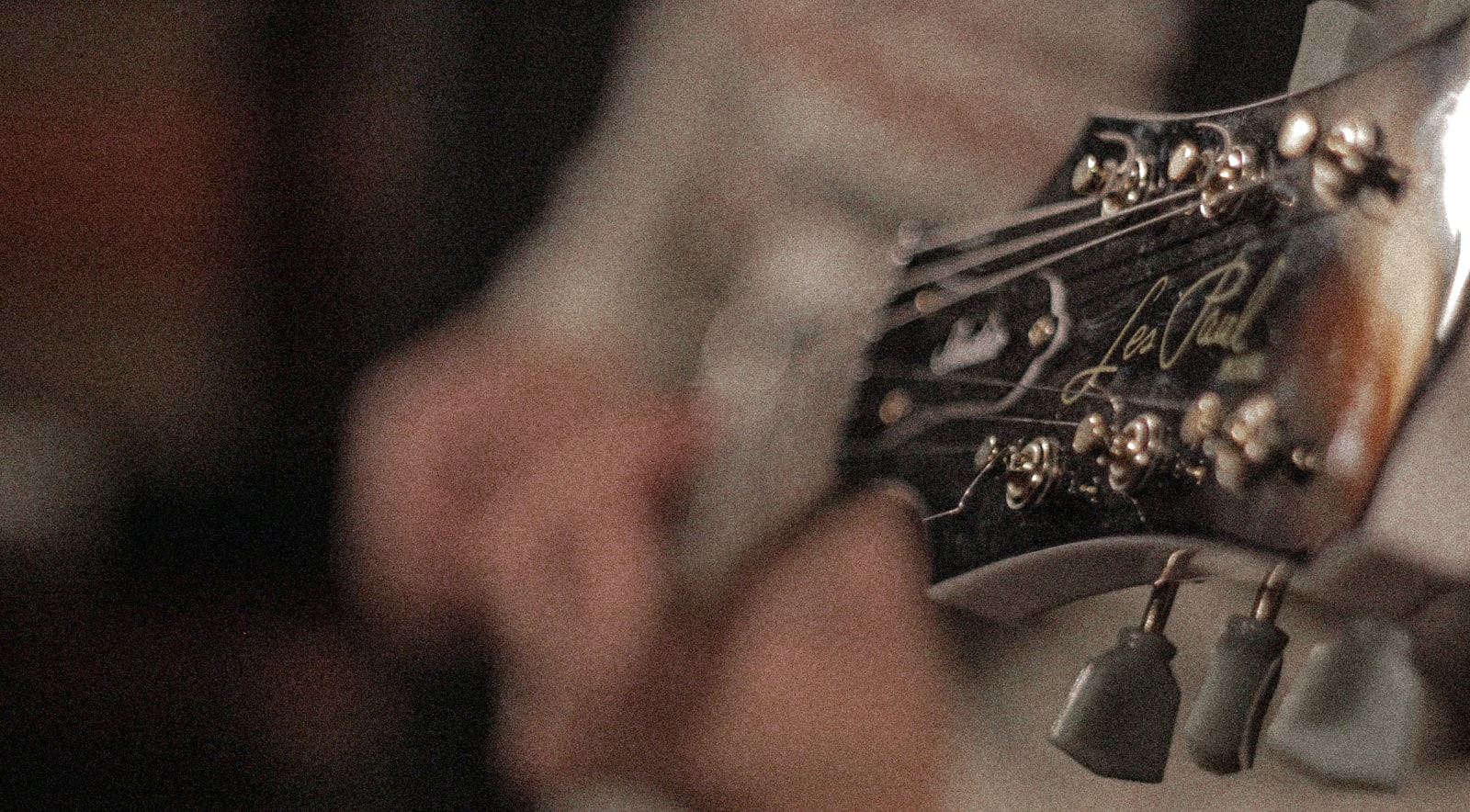
Fado is the sound of the city: one voice, a Portuguese guitar, and a word — saudade — that means the ache of missing something that may never have existed. It was born in the working-class lanes of Mouraria and Alfama in the 1800s, and it's UNESCO-listed now, which is both an honour and a hazard: plenty of places serve mediocre dinner with fado as wallpaper. The rule is simple — in a real fado house, the lights drop, the room goes silent, and nobody talks or films while the singer sings. Start at the Museu do Fado in Alfama to learn what you're hearing. Then go to Tasca do Chico in Bairro Alto (loud, cheap, chaotic, walk-in, the singers are often regulars off the street), A Baiuca in Alfama for fado vadio where amateurs take turns, Mesa de Frades — a tiny former chapel lined with 18th-century tiles, booking essential — or Clube de Fado and Sr. Vinho for the professional, dinner-and-a-name version. And listen to Amália Rodrigues before you come; her house on Rua de São Bento is a museum kept as she left it.
If they let you take photos during the singing, you're in a restaurant. If they don't, you're in a fado house.— On telling the difference
The tiles are not decoration
Azulejos are insulation, advertising, propaganda, and a national archive.
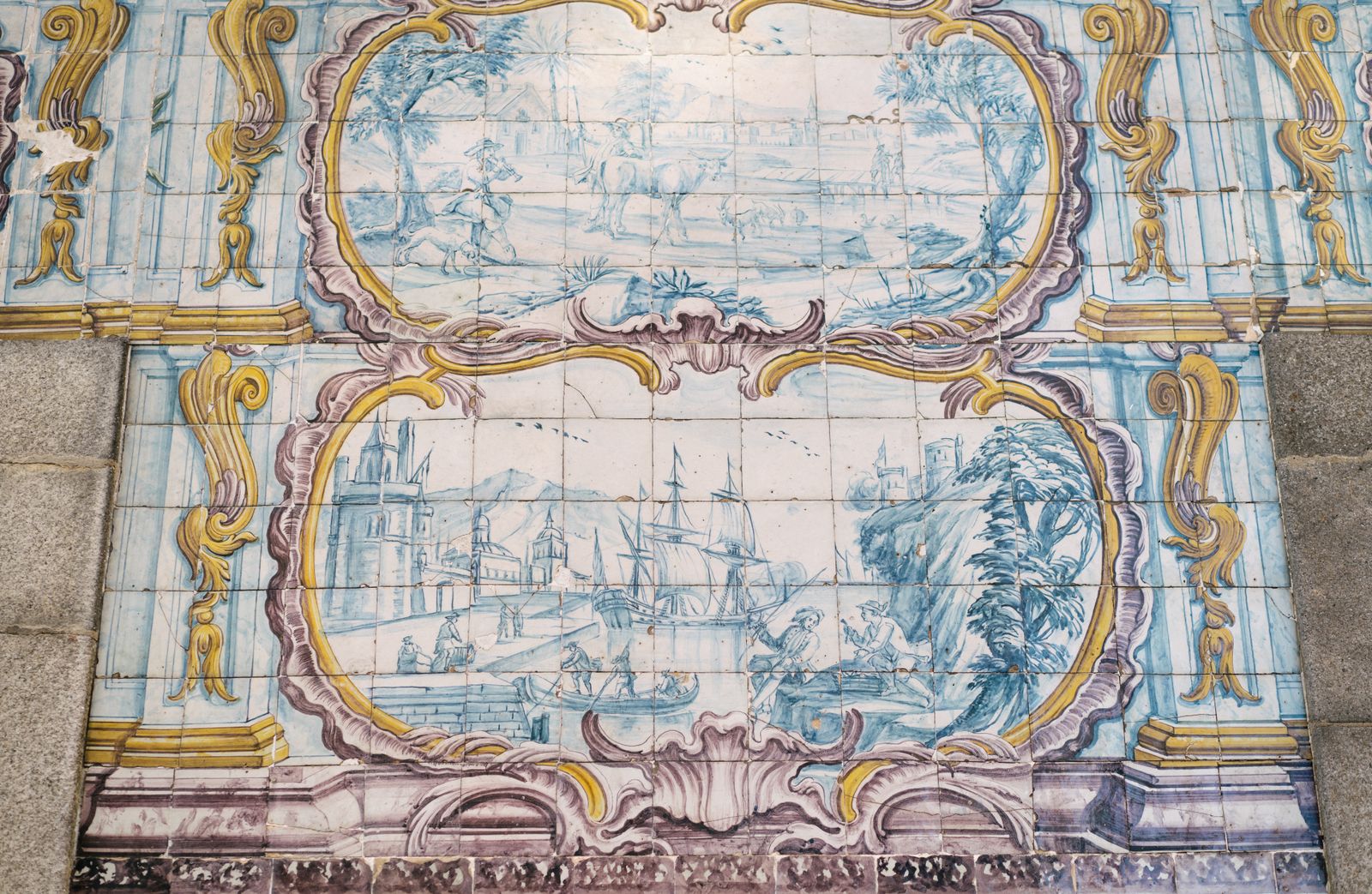
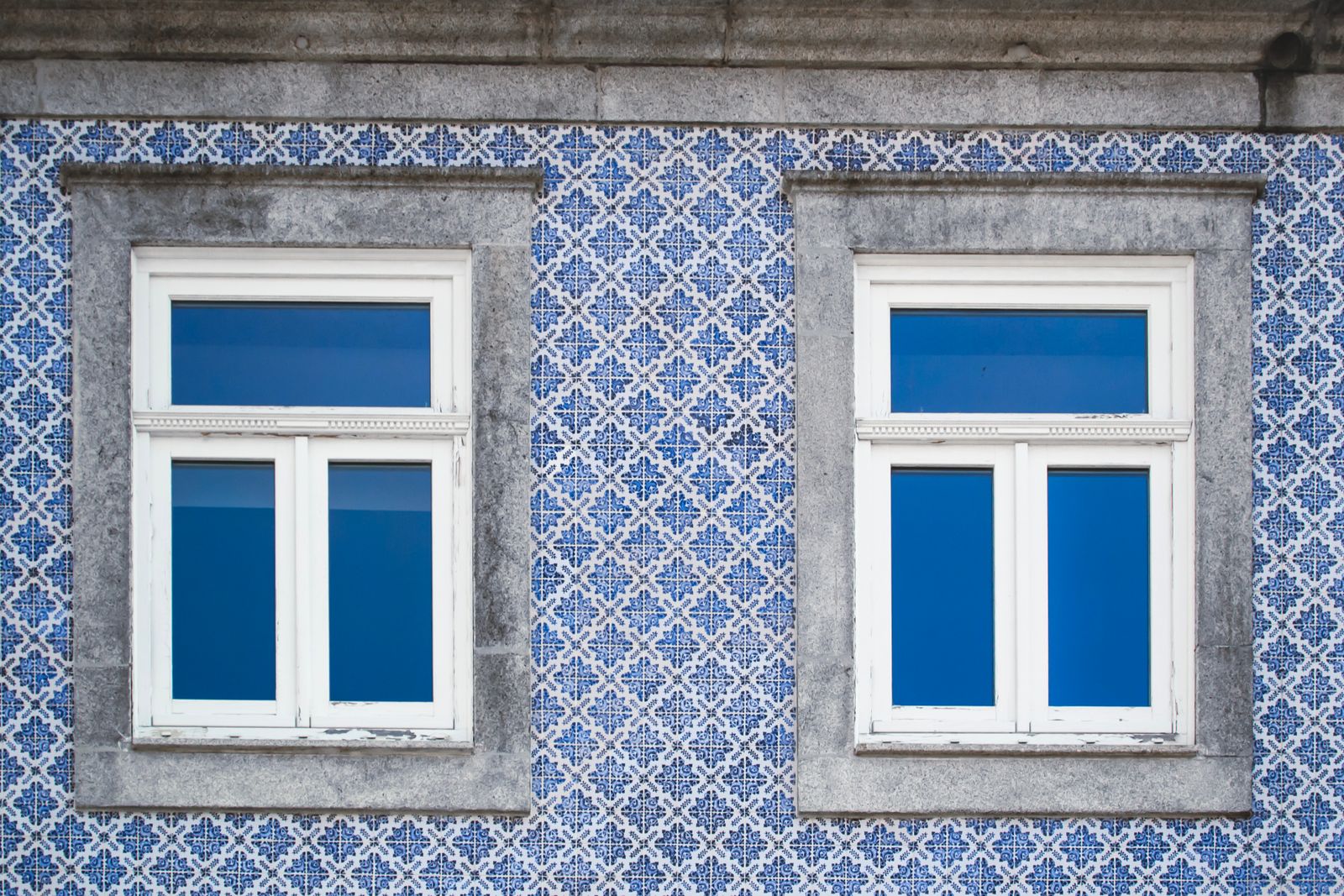
The blue-and-white azulejos came from Moorish Iberia (the word is Arabic, from al-zulayj, polished stone), and Portugal took them further than anyone — not just borders and patterns but enormous narrative panels covering entire church walls like a comic strip for a population that couldn't read. They're practical too: tile keeps damp out and heat off, which is why whole facades wear it. The Museu Nacional do Azulejo, in a 16th-century convent a bus ride east of the centre, is the one museum in Lisbon we'd insist on — five centuries of tile ending with a 23-metre panel of the city as it looked before the 1755 earthquake, and a gilded chapel that stops people mid-sentence. Then walk Alfama, Graça, and Campo de Ourique and look up: Art Nouveau facades, 1950s geometric patterns, hand-painted saints on street corners, and modern panels in the Metro stations, where artists have been commissioned since the 1950s.
1755, and the city that got rebuilt on a grid
Why the Baixa looks nothing like the rest of Lisbon.
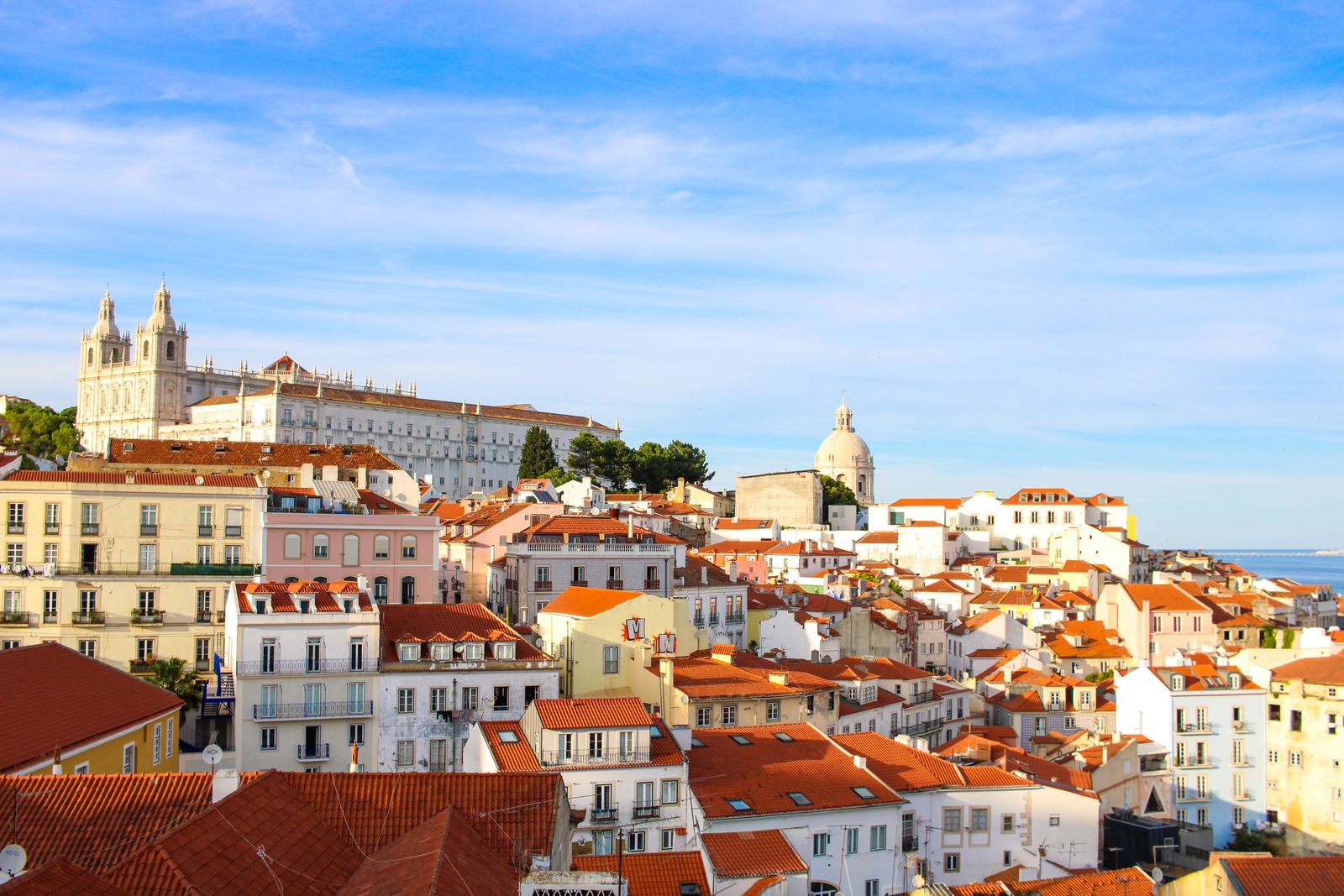
On All Saints' Day 1755, with the churches full of candles, an offshore earthquake estimated near magnitude 8.5 shook Lisbon for minutes, then a tsunami came up the Tagus, then the fires took what was left. Tens of thousands died and one of Europe's richest capitals was rubble. The king's minister, the Marquês de Pombal, answered with a sentence — bury the dead, care for the living — and then did something unprecedented: he rebuilt the centre as a rational grid of standardised buildings on the world's first anti-seismic timber cages, with wide streets designed for escape. That's the Baixa Pombalina you walk from Rossio to Praça do Comércio, and it's why the Baixa is flat and orderly while Alfama, which the quake largely spared, is still a medieval tangle. The disaster also shook European philosophy — Voltaire wrote a poem about it, then Candide. Stand in Praça do Comércio facing the river and you're standing where the royal palace was, and where the water came in.
Belém, and the harder half of the story
The monuments are magnificent. It's worth knowing what paid for them.
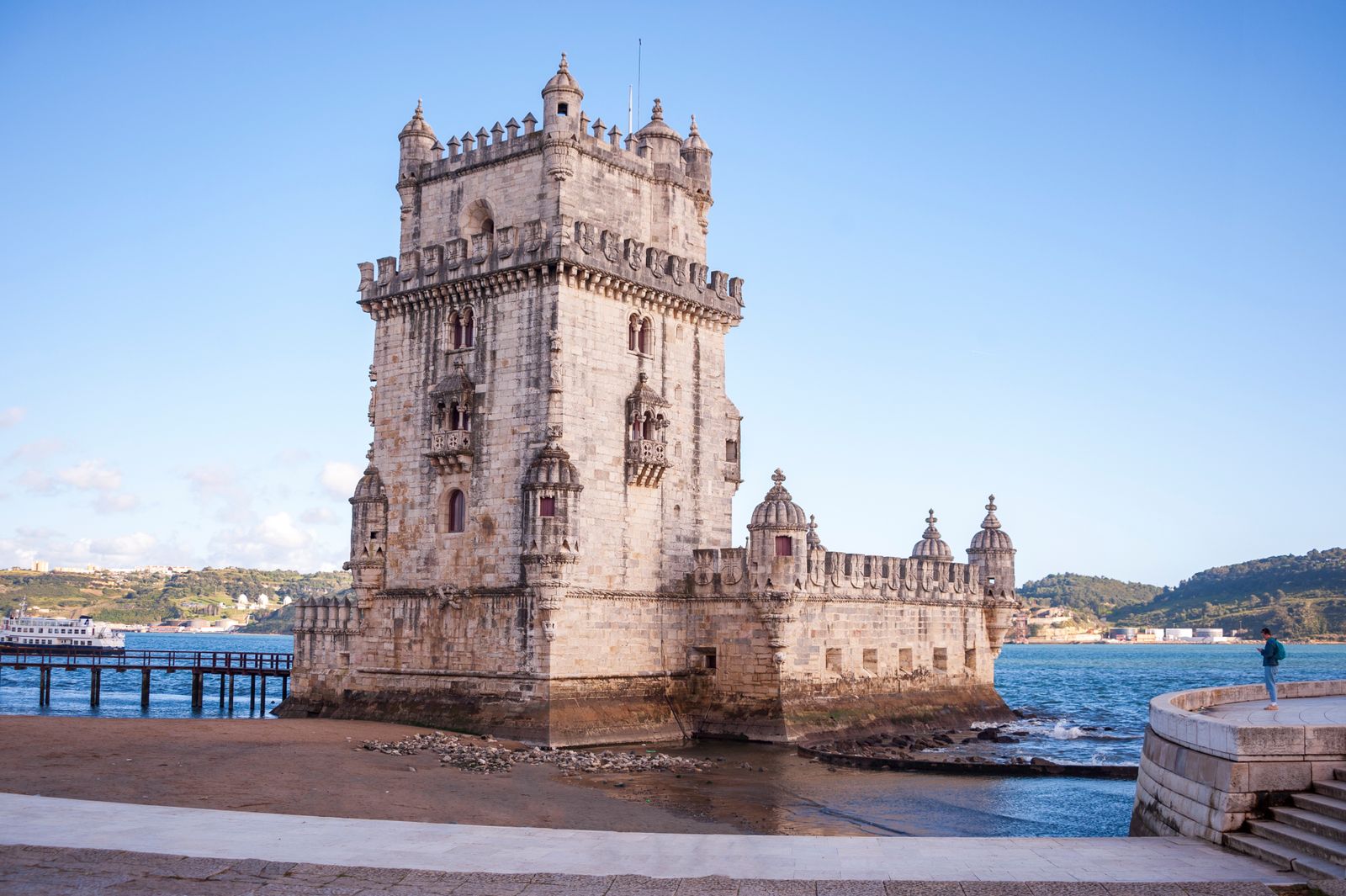
The Jerónimos Monastery and the Belém Tower are the high-water mark of Manueline architecture — stone carved into rope, coral, seaweed, and armillary spheres, a whole style invented to celebrate ships. They were built with the returns of the sea route to India that Vasco da Gama opened in 1498, and the same routes carried the transatlantic slave trade, of which Portugal was the earliest and one of the largest operators. Lisbon is more openly reckoning with this than it once was: a memorial to enslaved people is planned for Campo das Cebolas, and the small Museu do Aljube nearby does the same honest work for the dictatorship years. You don't have to choose between admiring the cloister and knowing the ledger — the city itself increasingly refuses to. See both, and the Padrão dos Descobrimentos reads very differently on the way out.
The revolution with flowers in the rifles
April 25, 1974 — the day a song on the radio started a coup.
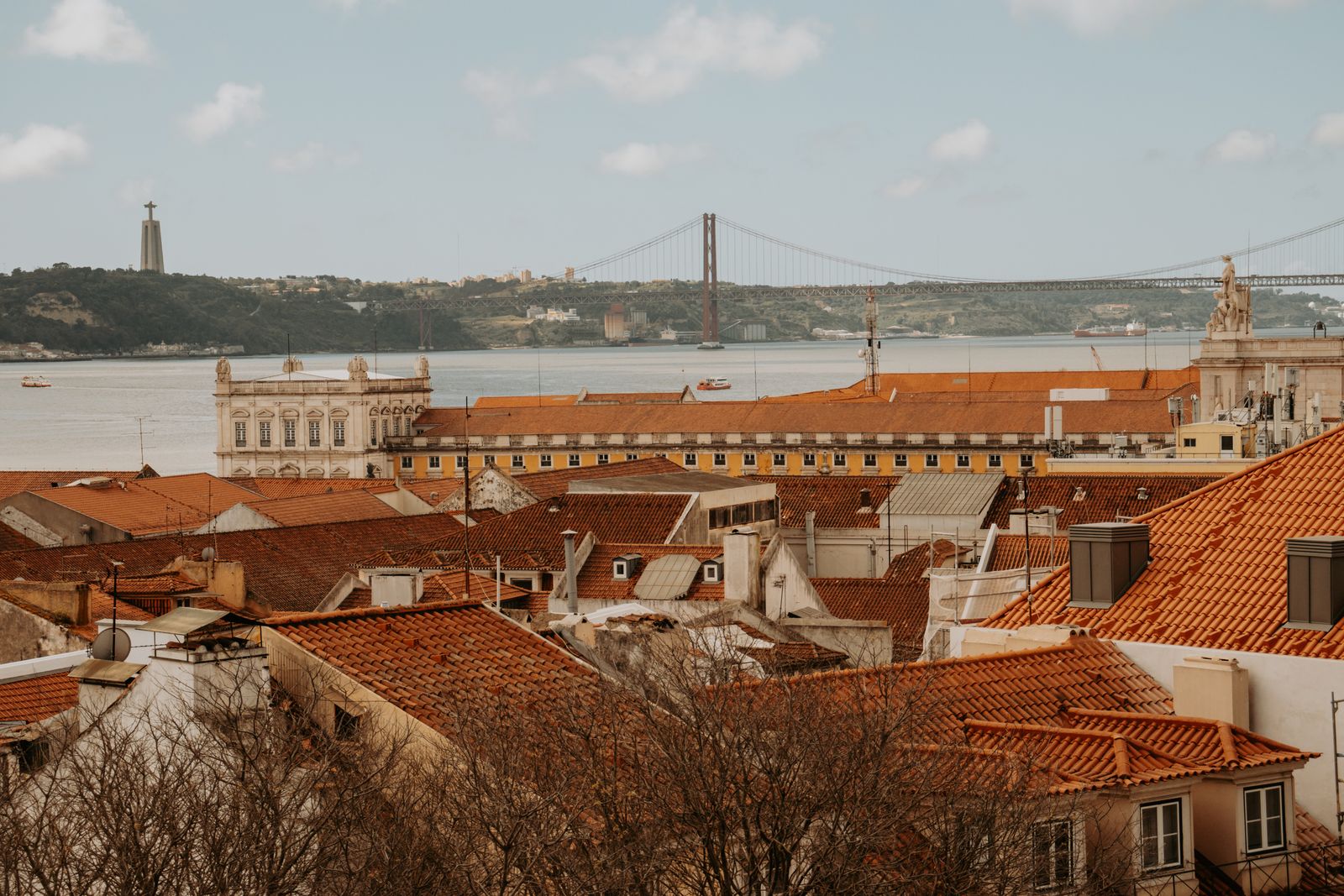
Portugal lived under the Estado Novo dictatorship from 1933 to 1974: censorship, secret police, and colonial wars in Africa that were bleeding a generation. On 25 April 1974, a group of young army officers moved on Lisbon overnight, using two songs on the radio as the signal — the second, Grândola, Vila Morena, is still sung at Portuguese protests today. The regime fell in under 24 hours with almost no shots fired. A flower seller in the Rossio began handing red carnations to soldiers, who put them in their rifle barrels, and that's the image the day is named for. The bridge over the Tagus, built under the dictatorship and named for it, was renamed Ponte 25 de Abril that year. Go to the Museu do Aljube — a former political prison beside the cathedral — for the resistance story told in the building where it was punished, and note that every Portuguese city has a Rua 25 de Abril or a Rua da Liberdade. They mean it.
Books, cafés, and the man in the hat
Pessoa, the oldest bookshop on earth, and where writers still sit.
Fernando Pessoa is Lisbon's presiding ghost — a poet who wrote as more than 70 invented personalities, worked as a commercial translator, drank in the Baixa, and died largely unknown in 1935 with a trunk of 25,000 unpublished papers. His Book of Disquiet, assembled from that trunk, is the best possible reading for this city, and the Casa Fernando Pessoa in Campo de Ourique keeps his library and his room. He sits in bronze outside A Brasileira in Chiado, which is now packed and overpriced but historically the right chair. Better coffee and the same century: Confeitaria Nacional (1829) on Praça da Figueira, and Pastelaria Versailles on Avenida da República, a mirrored, chandeliered 1922 room where Lisbon's grandmothers hold court. Then walk to Chiado for Livraria Bertrand, opened in 1732 and recognised by Guinness as the oldest bookshop still trading anywhere in the world.
Where we would book
Book Mesa de Frades and Clube de Fado direct — they're small, they fill, and the fado houses that need a middleman are rarely the ones you want. Tasca do Chico and A Baiuca are walk-in; get there early, order the sardines, and stay quiet when the singing starts. Tickets for the Museu Nacional do Azulejo, the Museu do Fado, the Museu do Aljube, the Gulbenkian, and the Casa Fernando Pessoa are cheap and sold at the door or on their own sites; the Lisboa Card only pays off if you're doing three or more in a day plus transit, so do that sum before you buy it. For a fado night with dinner, we'd book the fado and eat somewhere better beforehand — the music is the product, the food usually isn't. And Grândola, the tiles on the street, and the statue of a poet outside a café cost nothing at all.
Related guides
- Your Lisbon Travel Guide — where to stay, how to move, and when to come.
- Lisbon Food Guide — nata, seafood towers, and the tascas worth the queue.
- Things to Do in Lisbon — viewpoints, Belém, the river, Sintra, and the ocean.
- Buenos Aires Culture Guide — tango, books, and the other great music of longing.
- Lisbon Group Trip Guide — the same city, planned for six or ten of you.