
Portugal
Lisbon
Seven hills, tiled facades, and the best seafood in Europe — how to eat, ride, and plan Lisbon with your group.
Currency
EUR
Language
Portuguese
Best months
March–June and September–October (long warm days, swimmable ocean in September, none of the August crush)
Mid-range budget
$
190
/ day
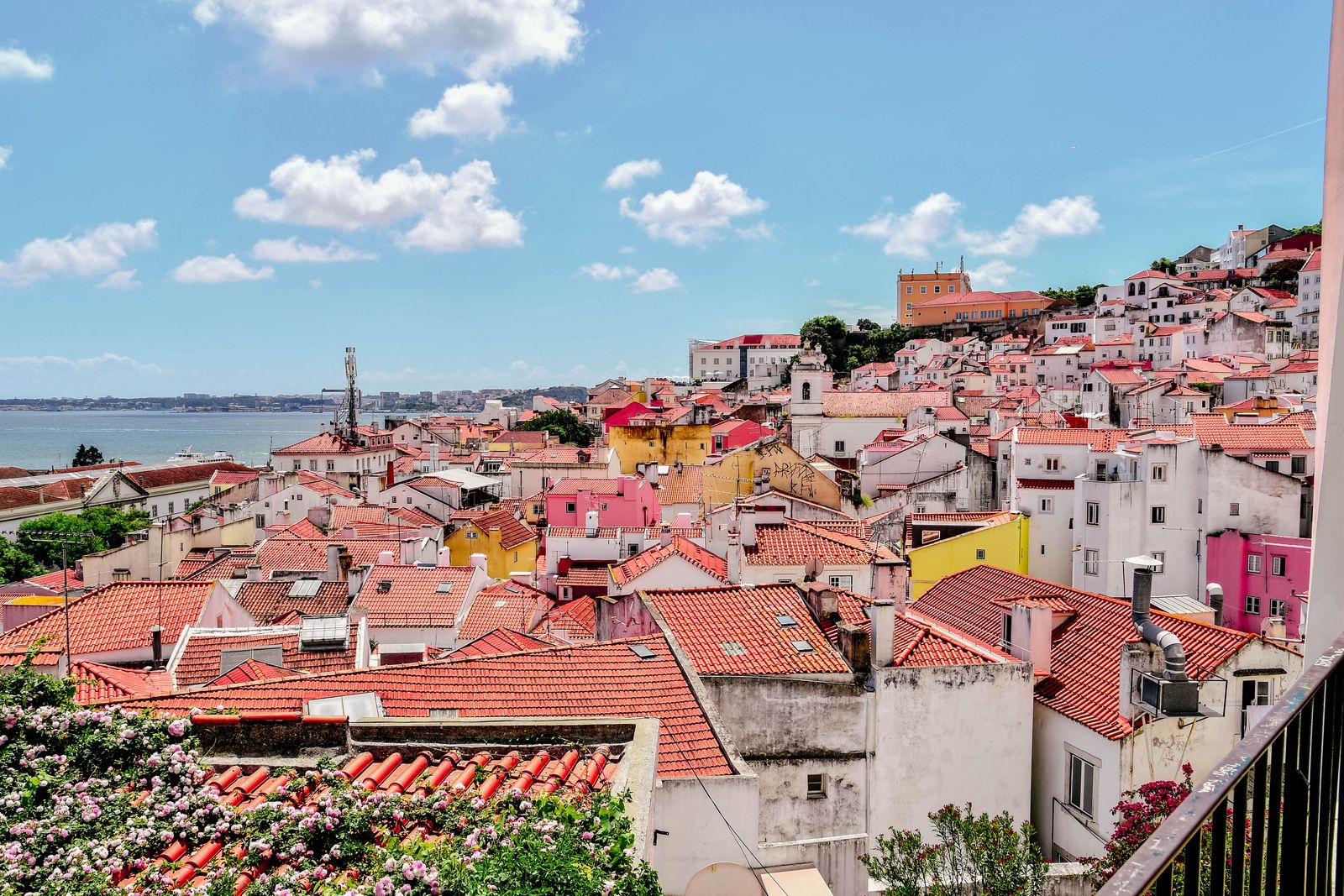
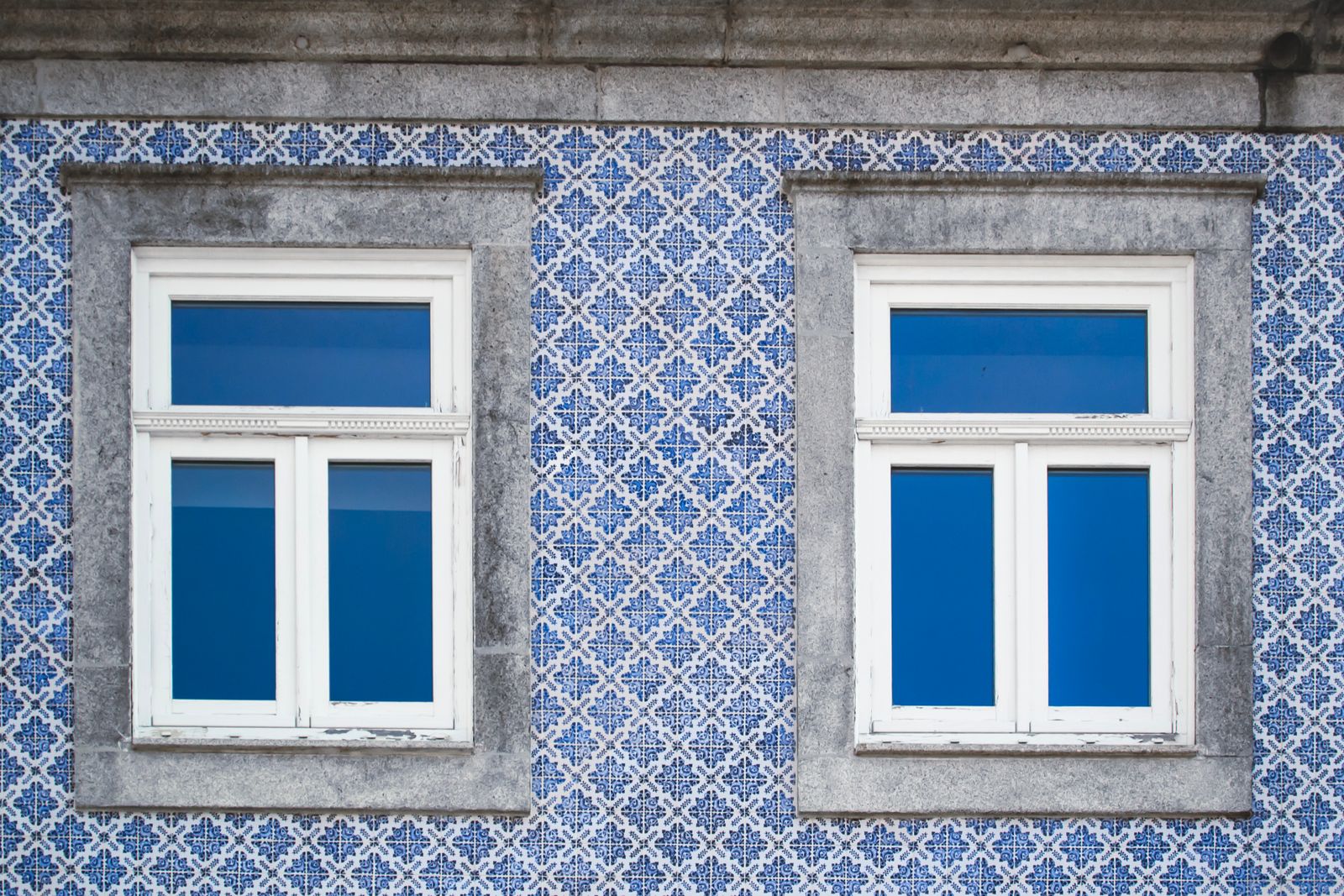
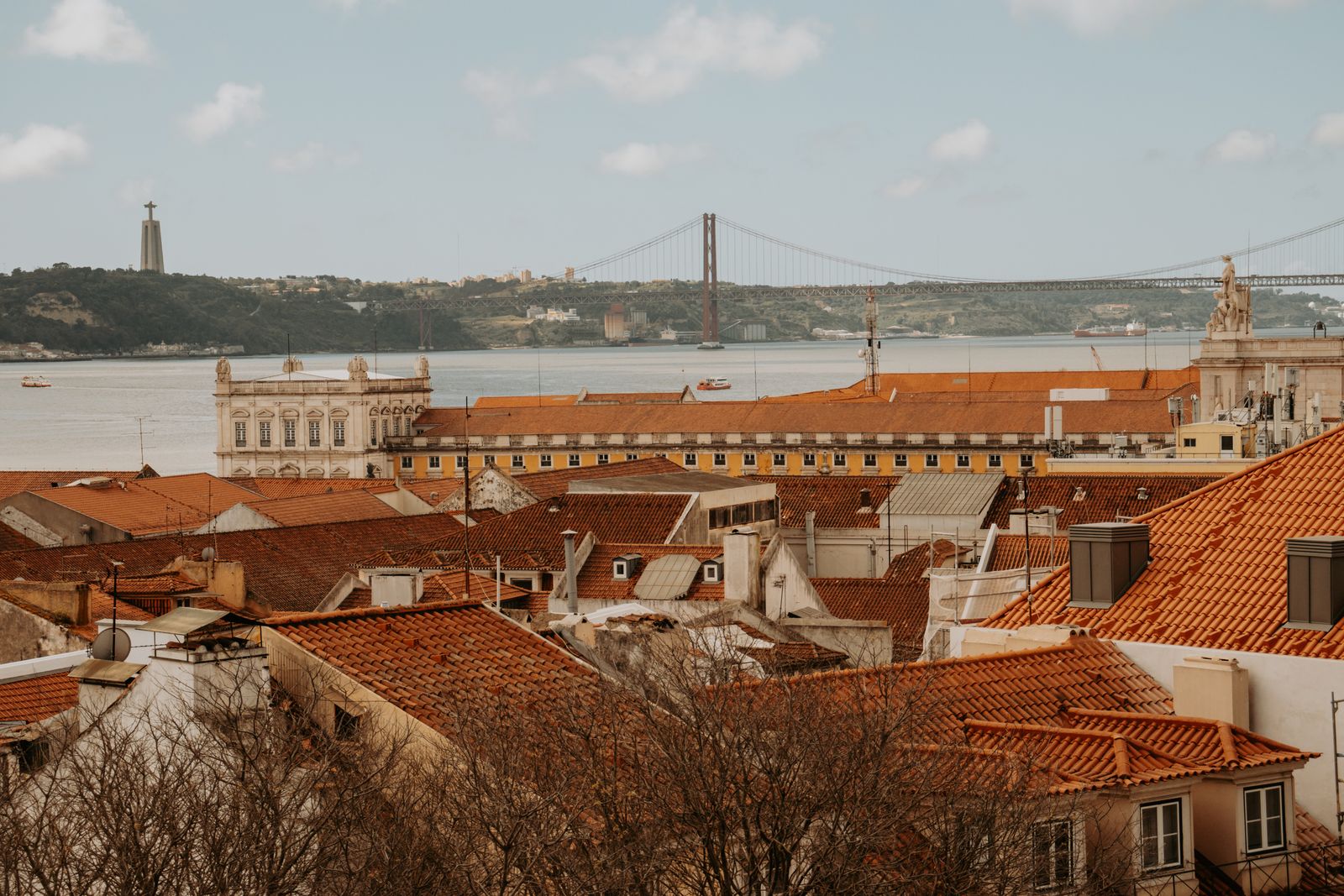
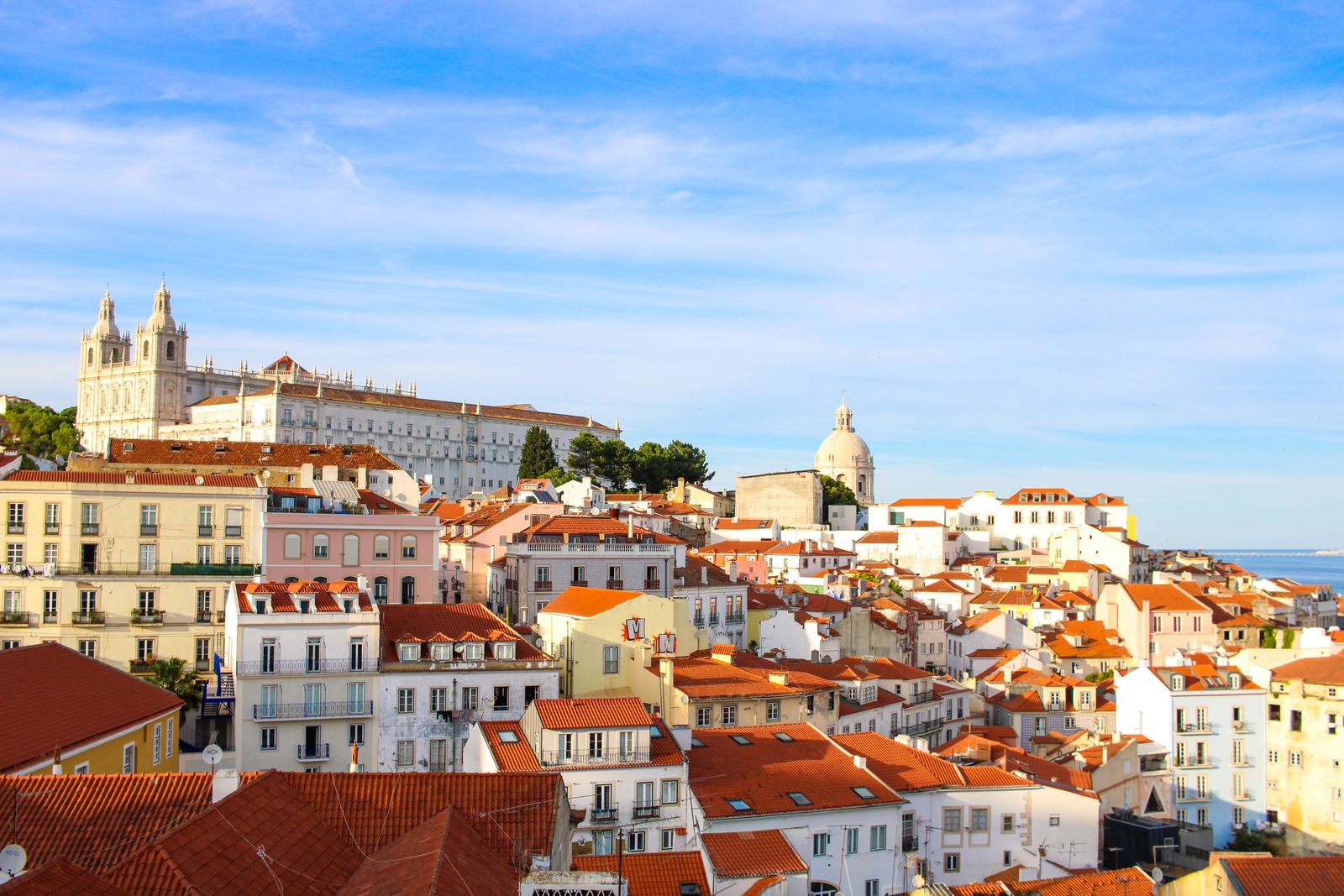
Lisbon is built on hills above a river so wide it looks like the sea, and it wears its history in public. The tiles on the facades are the city's outdoor wallpaper. The grid of the Baixa is what a king's engineers drew after the 1755 earthquake flattened everything, making this the first European capital rebuilt on a rational plan. The yellow trams still grind up streets designed for mules. And down at Belém, the monastery that Portugal built with the profits of the sea routes still stands at the point the ships left from — a beautiful building with a complicated bill attached, and the city is increasingly honest about both halves of that.
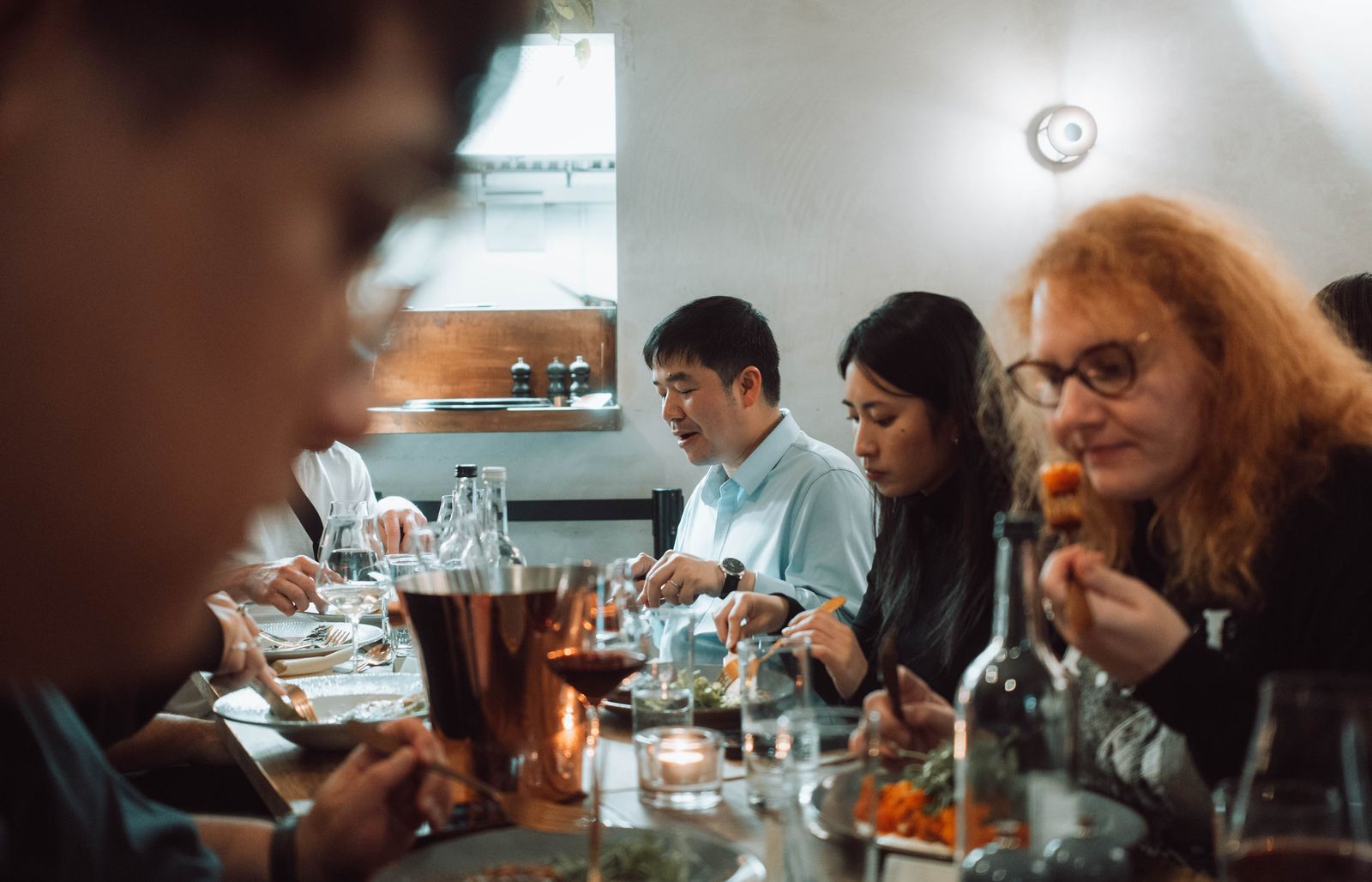
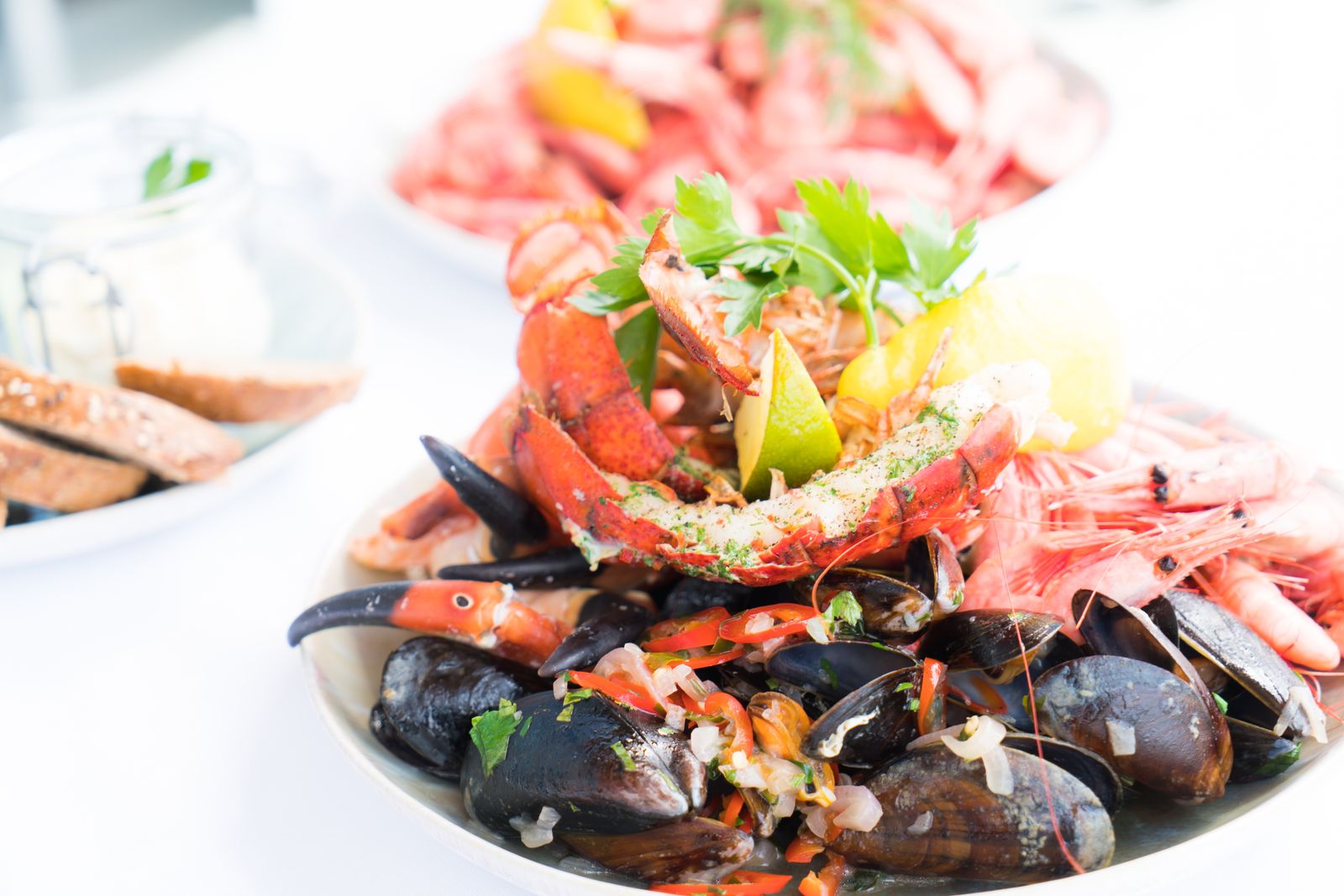
What makes it a great group trip is that Lisbon is generous and cheap in the ways that matter. A full seafood dinner with beer costs what a middling pasta costs in Paris. The viewpoints are free, the ferry across the Tagus is a couple of euros, and the ocean is 40 minutes away by train. Days here fall into an easy shape — a pastel de nata and a long coffee, a climb to a miradouro, an afternoon that dissolves in a tasca, and fado somewhere small after eleven. Bring shoes you can walk hills in, book the two or three things that actually sell out, and let the rest of it happen.
The soundtrack
Guides for here
Practical Stuff
Tipping
Service isn't included and nobody's counting — tipping in Portugal is a gesture, not a percentage. Round up the coffee, leave a euro or two on a good lunch, 5–10% after a long dinner you loved. Cash is kindest; the card terminal often doesn't prompt for a tip at all. The thing worth knowing is the couvert: the bread, olives, cheese, and little plates of tinned fish that appear before you order aren't free, and they're not a scam either — they're a menu item you can accept or wave away. Say não, obrigado and it goes back, no awkwardness. Eat it and it lands on the bill at €2–4 a head, which is usually worth it.
Safety
Lisbon is one of Europe's safest capitals to walk around at night, and the risks here are almost entirely petty. Pickpockets work the predictable places: tram 28 above all, the crowded Metro at rush hour, the queue for the Santa Justa lift, Rua Augusta, and the June street parties. Phones zipped, bags in front, and don't stand in the tram doorway with a backpack on your back. In the Baixa and around Rossio you'll get quietly offered drugs — it's fake product sold to tourists, the sellers move off the moment you keep walking, and a flat não ends it. The genuinely underrated hazard is the ground: calçada portuguesa, the beautiful polished-limestone mosaic pavement, turns into an ice rink in the rain and the hills are steeper than they photograph. Real shoes, not smooth soles. On the coast, the Atlantic has serious rip currents — swim at beaches with lifeguards and respect a red flag.
SIM card
An eSIM (Airalo, Saily) is the simplest move — set it up before you land. Otherwise MEO, NOS, and Vodafone all sell prepaid SIMs at the airport and in any shopping centre, and coverage is excellent everywhere you'll go, including the Sintra hills and the beaches. EU visitors just roam on their home plan.