
Start with a barrio, not a checklist
Pick where you sleep first. The rest gets easy.
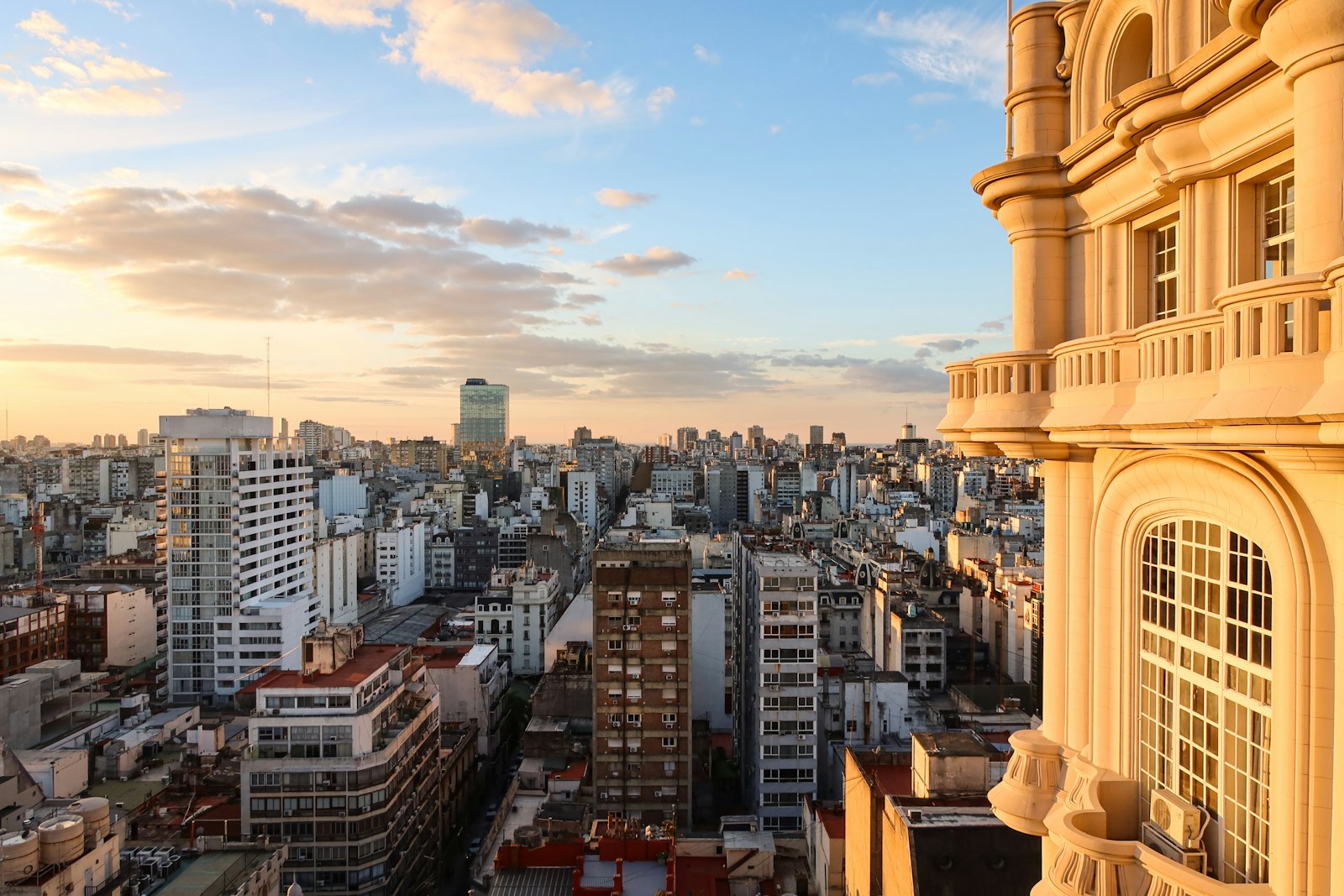
Buenos Aires is too big to "see," so don't try. Pick a barrio to call home base and let it set the tone of the trip. For a group, we'd put almost everyone in Palermo — specifically Palermo Soho or Palermo Hollywood, the leafy, low-rise heart of the city's eating and drinking, where the good restaurants and the best apartments cluster and you can walk home from dinner. Recoleta is grander and quieter, all French facades and old money, great if your crew skews calm. San Telmo is the cobblestoned old city — bohemian, atmospheric, loud on market days — and a brilliant base if you want character over polish. Skip basing yourself in the microcentro, which empties out at night, and treat Puerto Madero, the shiny waterfront, as a place to visit, not stay.
For four to six people, one rented apartment in Palermo beats separate hotel rooms by a mile: a kitchen for the medialunas, a living room for the pre-dinner Malbec, and a single address everyone can walk home to. Book it early for spring and you'll get the city's best neighborhood for the price of a mid-range hotel back home. Now — where's everyone meeting for the first night?
How money actually works here
The advice you have read about this is probably two years out of date.
For most of the last decade Argentina ran a wide gap between the official rate and the parallel blue rate, and the whole game was getting your money in at the better one. That game is over. Through August 2026 the two rates have been running within roughly one to three percent of each other. There is no arbitrage left worth the effort, and any guide still telling you to land with a brick of crisp hundreds is describing a country that no longer exists.
What works now: pay with a foreign-issued card. Cards issued outside Argentina are charged at the tourist rate automatically — the good rate, with nothing for you to arrange. And there is one wrinkle attached to it that is worth real money: foreign tourists get the 21% IVA on accommodation refunded when the room is paid with a foreign-issued card or a foreign bank transfer. Across a week of hotels that adds up, and it only works if you pay that way.
Still carry some cash, but for a different reason than you were told. Plenty of restaurants, shops and guesthouses give a 10 to 20 percent discount for paying in cash. That is a merchant discount rather than an exchange rate, and it is now the best reason to have pesos in your pocket — along with markets, taxis, tips and the small stuff. Western Union still works and still occasionally beats a card by a point or two, but that point now costs you an hour in a queue: worth it if you are changing a lot, not worth it for a week of spending money.
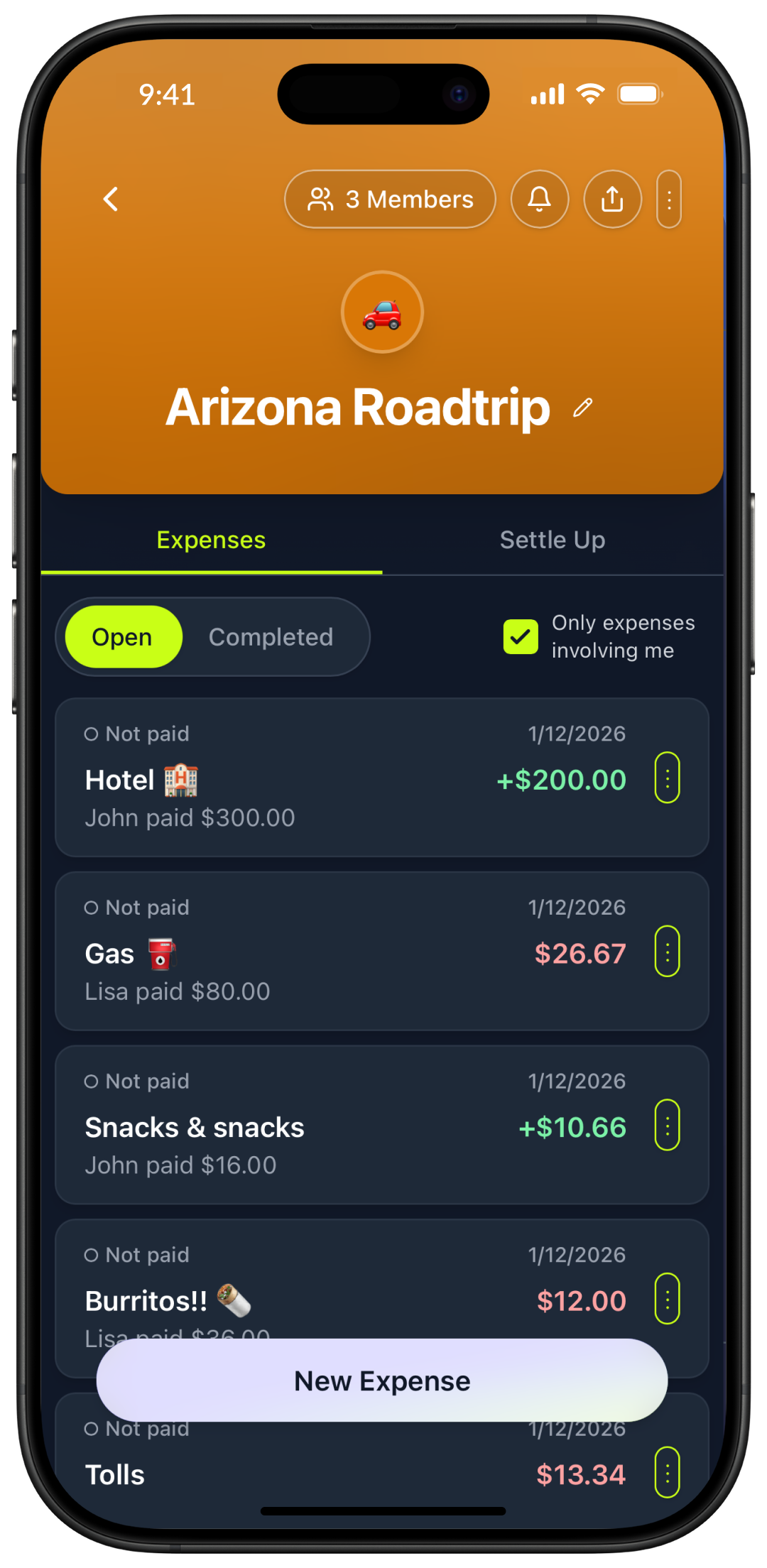
One thing that has not changed: don't change money with the men shouting "cambio!" on Calle Florida. It used to be bad advice because you could do better elsewhere. It is still bad advice, now because there is no better rate to chase and you are standing on a crowded street counting cash. And don't sweat the math at dinner — one person can float the whole table and sort it out later (more on that below).
Getting around
Cheap, easy, and mostly above ground.

Buenos Aires is flat and walkable within a barrio, and genuinely cheap to cross. Grab a SUBE card (sold at kiosks and stations) for the Subte and the buses — you can't pay cash on board, so the card isn't optional. For groups, the move is often a Cabify or Uber: a cross-town ride splits four ways to almost nothing, and it sidesteps the one taxi scam in town, the rigged meter. The Subte is fast for north–south runs but shuts around 10–11pm, so late nights are a rideshare game. Mostly, though, you'll walk. The city was built for it.
The one dinner you plan around
A parrilla night is the trip's anchor. Book it.
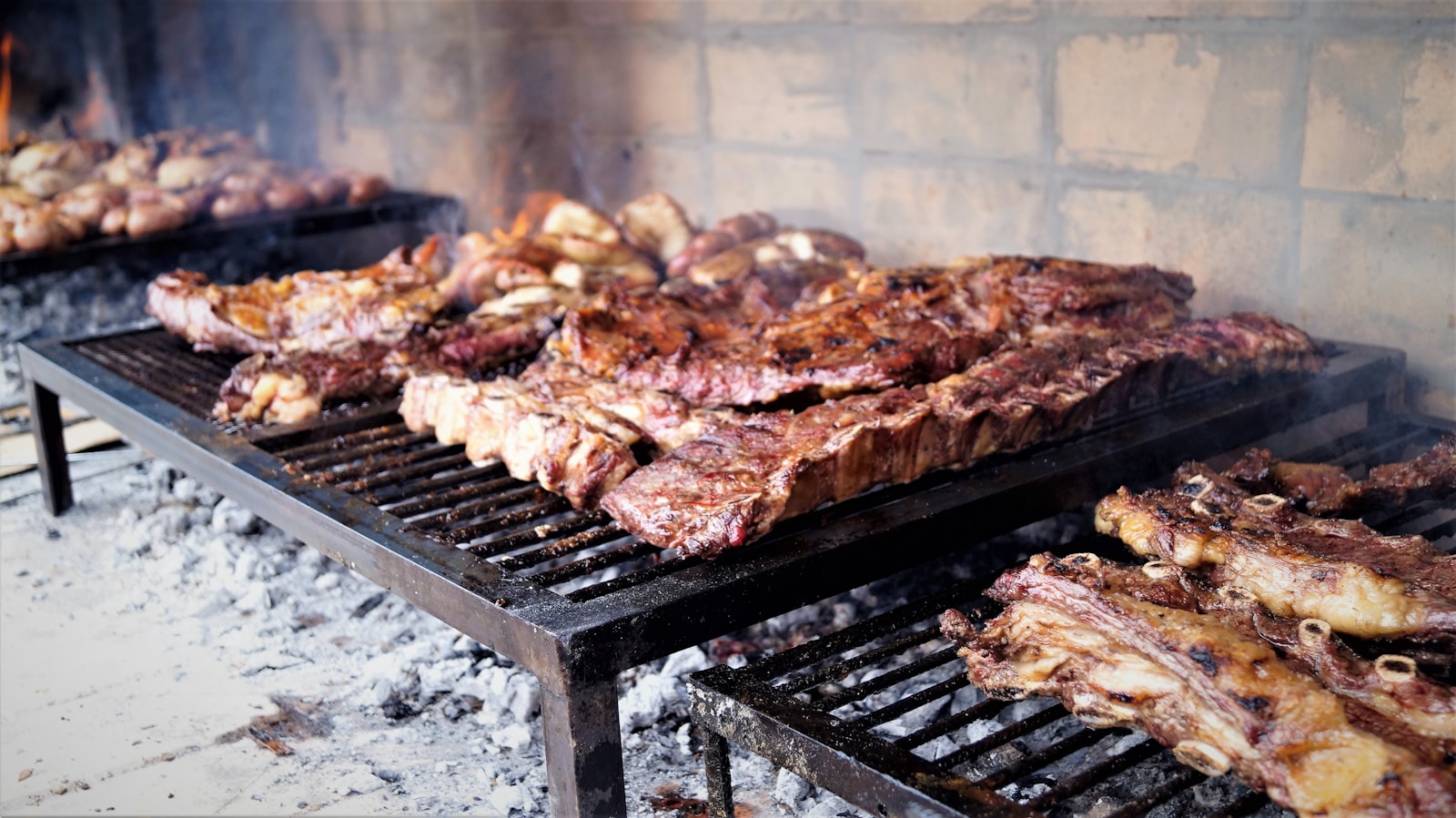
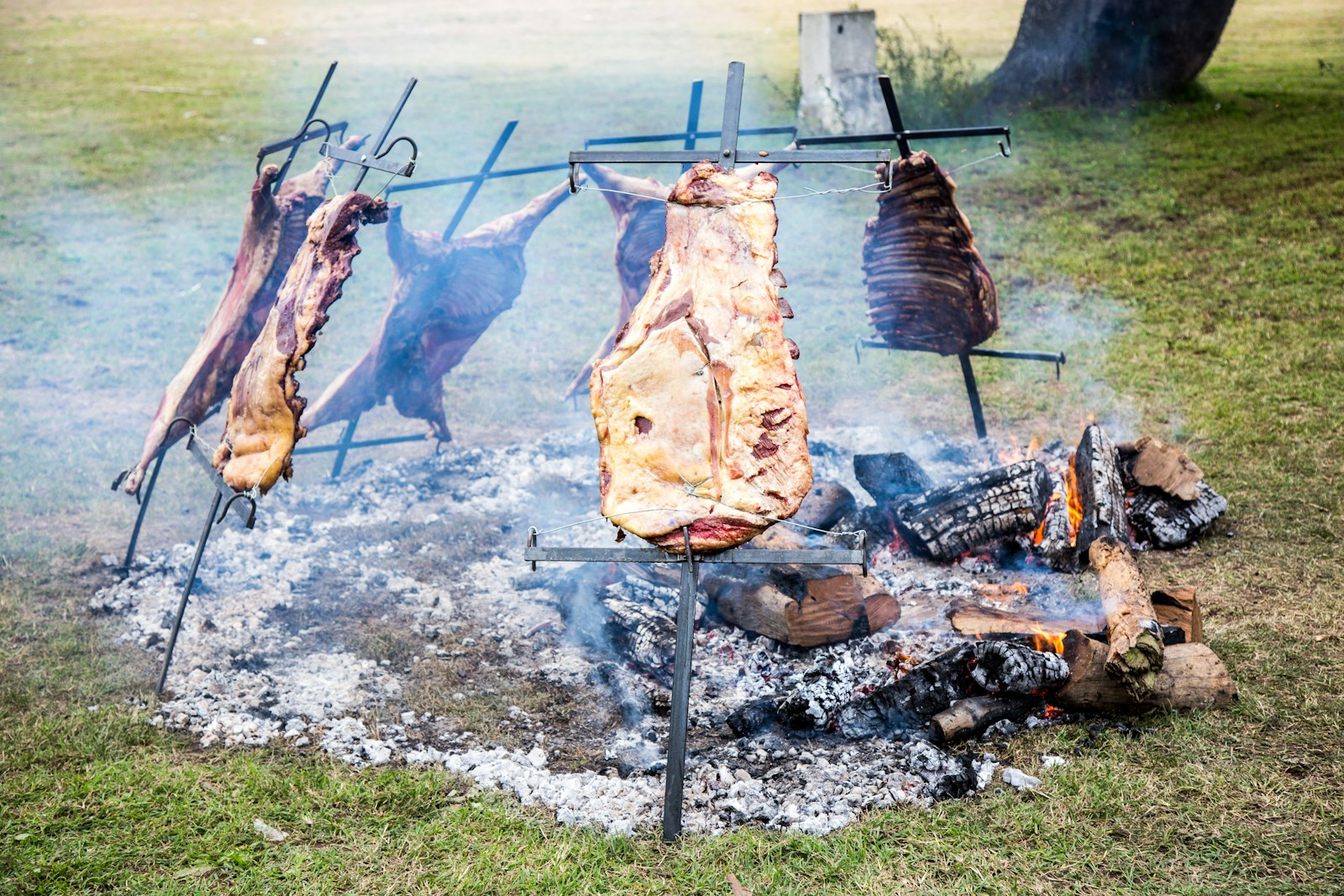
If you do one thing as a group, make it a long night at a parrilla. This is the Argentine asado in restaurant form: a wood-and-coal grill, a parade of grilled meats, blistered provoleta cheese, crisp fries, and as much Malbec as the night requires. It's loud, slow, communal, and the single most Buenos Aires thing you can do at a table. Order the bife de chorizo and the ojo de bife, get the grilled vegetables so it isn't all protein, and let one person captain the wine.
Don Julio
The famous one, and famous for a reason — a Palermo parrilla with ivy on the walls, empanadas that ruin you for all others, and dry-aged beef that earns the hype. It's hard to book and worth the effort: reserve weeks out, or join the standby list and drink Malbec on the sidewalk while you wait. Not in the cards? Almost every barrio has a neighborhood parrilla doing 90% of the magic for a third of the fuss.
An asado isn't a meal you attend. It's a meal that holds you hostage, happily, for four hours.— On the Argentine dinner
Three days, loosely
A skeleton. Hang your own trip on it.

Day one: ease in. Coffee and medialunas in Palermo, a wander through the Botanical Garden and the best streets of Soho, then the parrilla night you booked. Day two: history and grandeur — Plaza de Mayo and the Casa Rosada, the Recoleta Cemetery's marble city of the dead, El Ateneo bookshop in a converted theater, and a long café afternoon. Day three: pick your texture — San Telmo's antique market if it's Sunday, a football match if you can get a tour ticket, or a slow day out on the Tigre delta. Cap any night with a milonga if the group's still standing. Leave the afternoons soft; the city fills them better than you will.
When to come
Spring and fall. November if you can swing it.

Buenos Aires is a southern-hemisphere city, so the seasons flip: aim for spring (September–November) or fall (March–May) for warm days and walkable nights. November is the showstopper — the jacarandá trees bloom and half the city turns violet, which is exactly the purple you see all over this page. January and February are hot, sticky, and half-empty as locals flee to the coast; June through August is mild but grey. Stick to the shoulders and you'll get the city at its best.
Where we would book
For the apartment, we'd book in Palermo Soho and lock it months ahead for spring. For the parrilla, reserve Don Julio the moment your dates are set — or pick a neighborhood grill and walk in. The genuinely useful splurges here are a small-group football-match experience (a reputable operator handles the tickets and the transfers, which is the safe way to see Boca or River) and a guided tango milonga night if nobody in your group dances. Everything else — the cemetery, the markets, the walking — is free or close to it. Don't pay a reseller for what the city gives away.
Related guides
- Where to Eat in Buenos Aires — the parrillas, the pasta, and the best medialuna in town.
- Things to Do in Buenos Aires — tango, fútbol, San Telmo Sundays, and the delta.
- Buenos Aires: A Culture Guide — tango's real story, café life, and the loveliest bookshop on earth.
- The Complete Mexico City Guide — the other great late-dinner capital of the Americas.
- Buenos Aires Group Trip Guide — the same city, planned for six or ten of you.