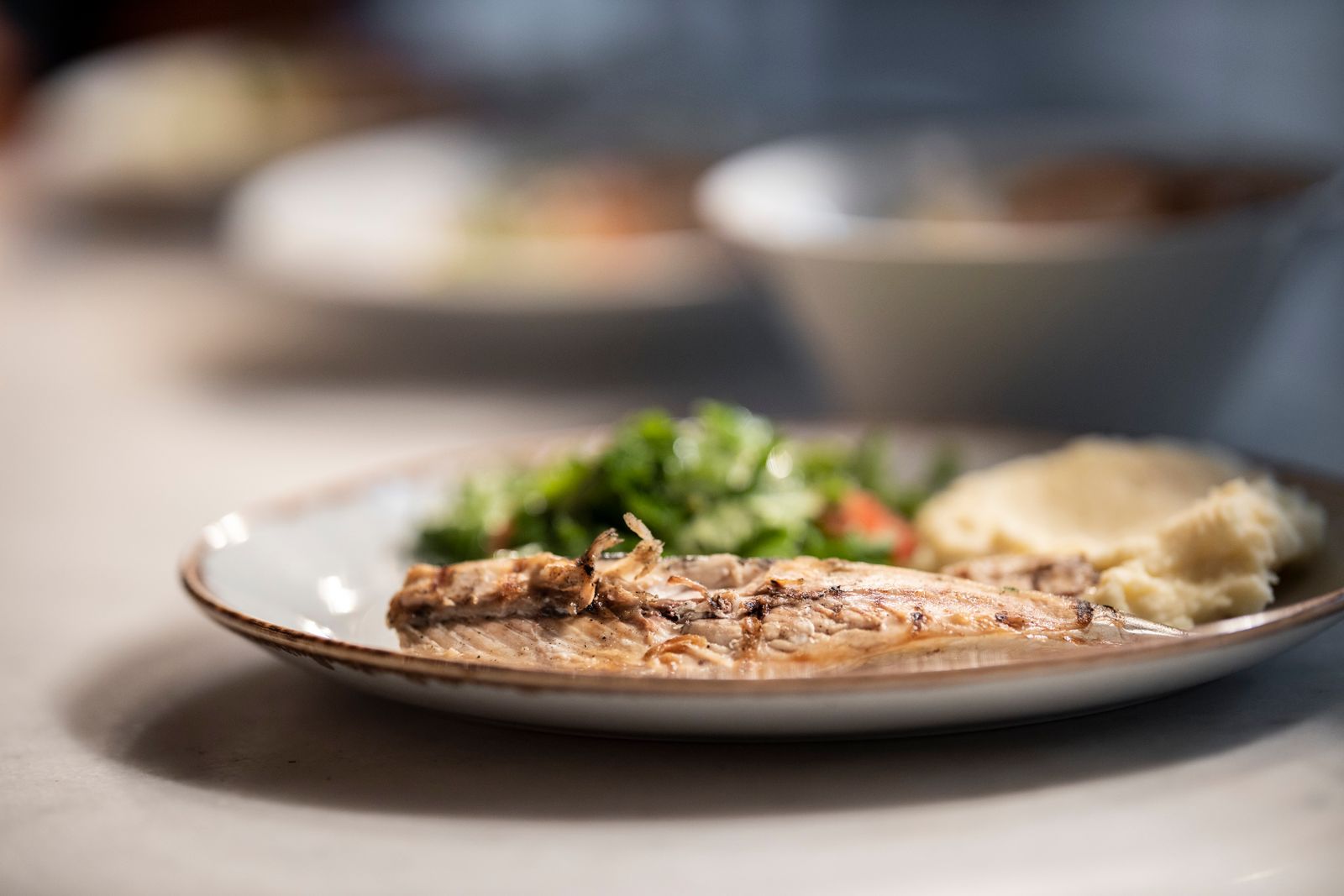
Iguazú's food is better than its reputation, which is a low bar because its reputation is "there's a restaurant near the park." What's actually here is Misiones cooking: river fish that never travels far enough to reach Buenos Aires menus, cassava in five forms, a Guaraní substrate under a Brazilian influence under an Argentine parrilla, and — because this is a border — the option of eating dinner in a different country. Here is where to eat it, with the addresses.
What Misiones actually eats
Cassava, not wheat. Learn four words and the whole region opens up.
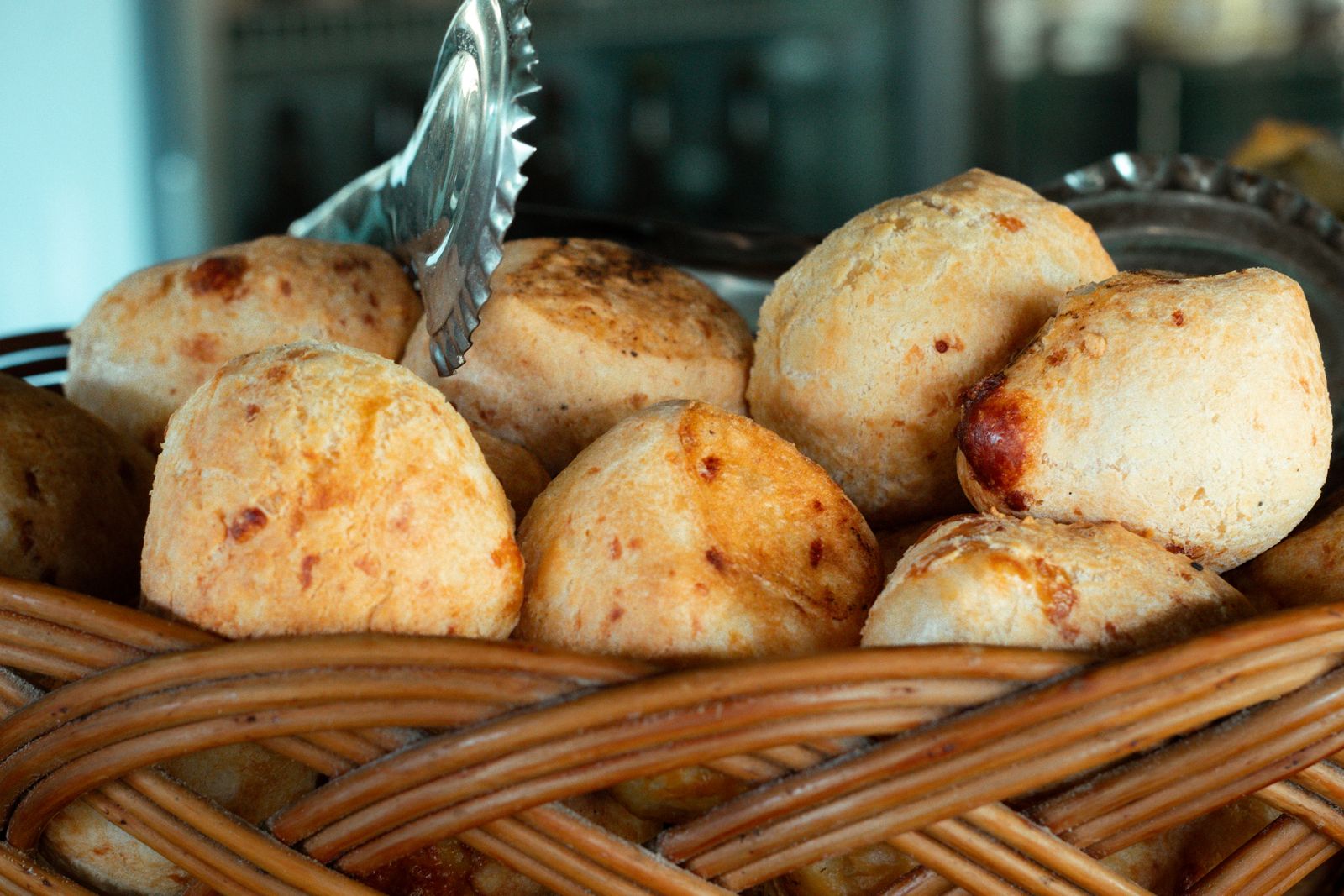
Chipá is the one you'll meet first: a small warm roll of cassava starch and cheese, sold from insulated baskets on the street, at the bus terminal, at traffic lights, and on the park bus. It is chewy, salty and better than it looks, it costs almost nothing, and the ones sold hot from a basket are meaningfully better than the ones in a bag from a shop. Buy two. Mbejú is its flat cousin, a pan-cooked cassava-and-cheese disc that eats like a cross between a pancake and a tortilla. Reviro is the one that tells you where you are — flour, fat and water worked in a hot pan until it breaks into rough golden crumbs, the food of the tareferos who harvest yerba mate, eaten for breakfast with mate and looked at strangely by anyone from Buenos Aires.
Then mandioca itself, boiled or fried, arriving alongside things the rest of Argentina would serve with chips. Sopa paraguaya, which is not soup but a dense cornbread with cheese and onion. Guiso de poroto negro, black bean stew, straight over the border from Brazil and usually improved with sausage. And for dessert, dulce de mamón — papaya in heavy syrup, served with a slab of hard white cheese, which sounds wrong and is completely right.
The river on a plate
Surubí, pacú, dorado. This is the thing you cannot eat at home.
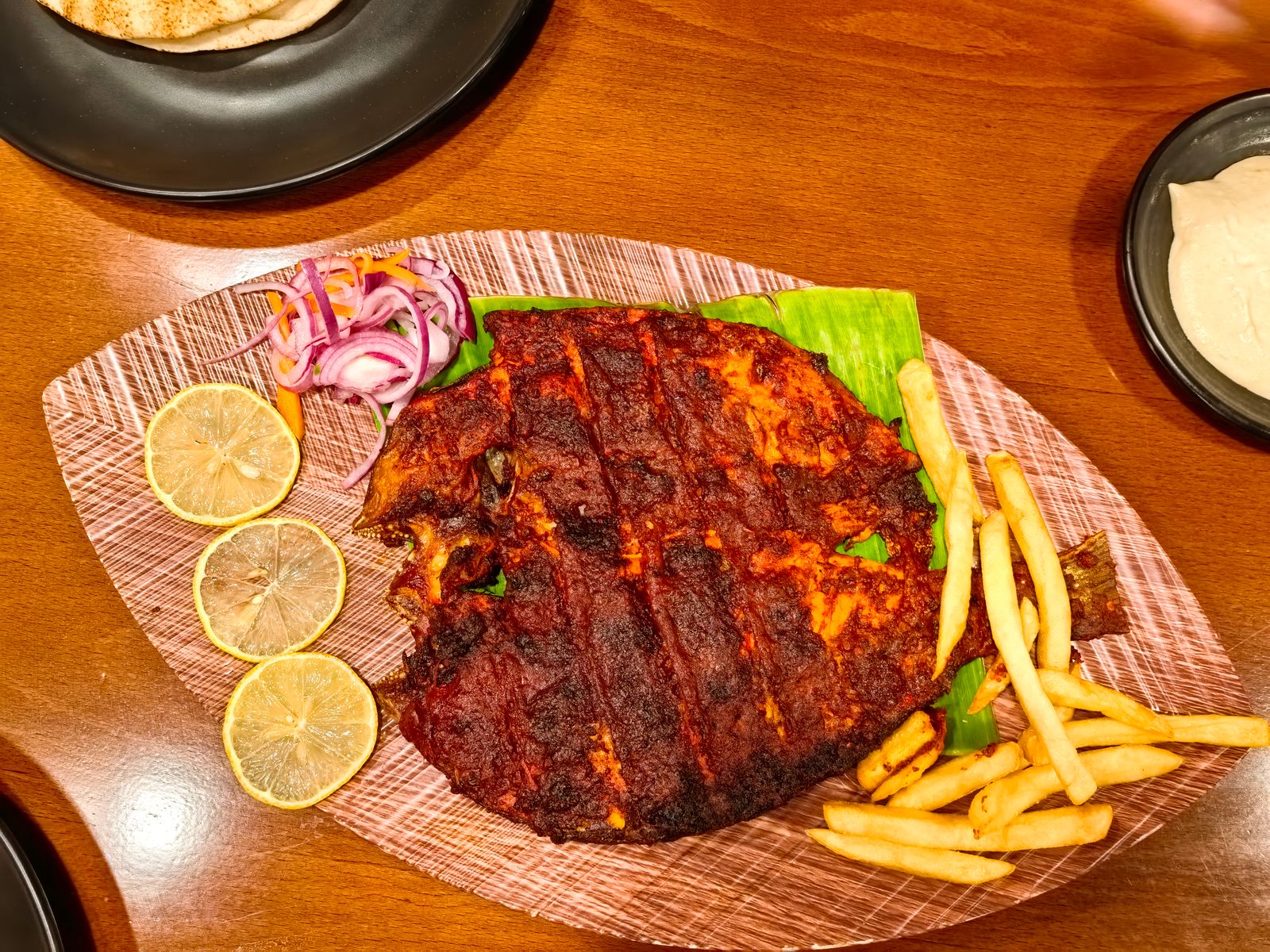
The Paraná and Iguazú rivers put four or five serious fish on menus here, and none of them travel well enough to be worth ordering anywhere else in Argentina. Surubí is the headline: a big catfish, firm, white, meaty enough to grill in steaks rather than fillets, and the default order at any restaurant that takes itself seriously. Pacú is fattier and sweeter, often served as ribs, and the closest thing here to a rich cut of pork. Dorado is the sport fish, golden and strong-flavoured. Patí and manguruyú turn up on the more local menus.
- Aqva Restaurante — Av. Córdoba, on the corner of Carlos Thays. The river-fish specialist and the one to book. The surubí tropical — grilled with fruit and cassava — is the dish the town is known for, and the antipasto misionero at the start is a proper regional survey rather than a filler. Opens at noon.
- La Rueda 1975 — Av. Córdoba 28. Open since 1975 and still the benchmark; a wooden room, a long menu and a surubí that has been on it for decades. Not cheap and not pretending to be.
- Te Amaré Maitena — Av. Brasil at Perito Moreno. Does both sides of the border well: river fish and a very good picanha, which is the Brazilian cut the Argentine side has quietly adopted.
- El Hito Mirador Gourmet — at the Hito Tres Fronteras itself. You are paying partly for the view of three countries at sunset, and it's worth it once. Opens at 16:00, so it's a drinks-and-dinner plan, not a lunch one.
Aqva, and the reason to book it
Puerto Iguazú is a town of about eighty thousand people that receives well over a million visitors a year, and the good tables are a small number in a big crowd. Aqva is the one that gets full first — it's the restaurant locals send people to when they want the visitor to eat something that isn't steak, and on a busy night in high season walking in at nine is optimistic. Call or message in the morning for the same evening; that's usually enough. Order the surubí, order the antipasto to share, and let someone else at the table order the pacú so you can try both.
Nothing on this menu travels well enough to reach a Buenos Aires table. That is the entire argument for eating it here.— On the river fish
The parrilla end of town
You are still in Argentina, and Argentina has rules about this.
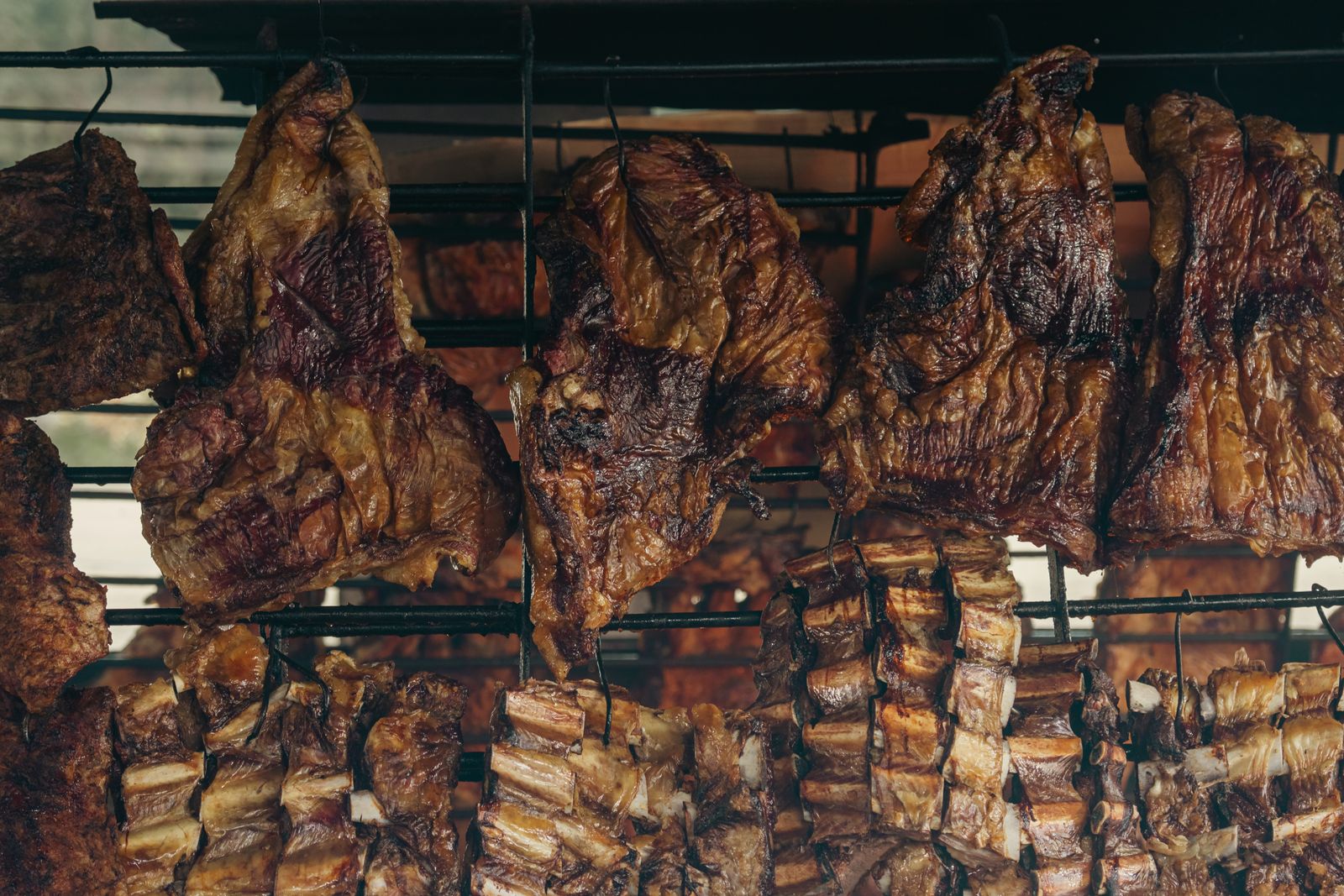
Iguazú does not out-grill Buenos Aires and doesn't try to. What it has is a handful of honest parrillas where the meat is good, the portions assume you have been walking all day, and the bill is a fraction of a capital one.
- El Quincho del Tío Querido — Av. Perón at Caraguatá. The big, cheerful one, going since long before the town got busy, with live tango and folk most nights. It's touristy in the way that things which have been good for thirty years become touristy. Opens 11:30.
- Tatú Carreta — Av. Victoria Aguirre 773. More local, less show, very good beef and regional plates alongside it.
- Antigal Parrilla — the current favourite for a serious cut, with live music and a room that fills.
- Pata Negra — Tareferos 155. Small, off the main drag, worth the walk.
- Doña María — Av. Córdoba 148. Regional home cooking at sane prices, and the place to eat mandioca with something rather than chips.
Cheap, and late
The town is small, so the good cheap places are the ones locals actually queue at.
Eating well here does not require spending money. Tatakua Pizzas y Empanadas and Punto Pizza cover the pizza-and-empanada end properly — a dozen empanadas feeds four people for less than one main course at a river-fish restaurant. La Vaca Enamorada, Av. República Argentina 79, does straightforward home cooking at accessible prices and is where you go on the third night when nobody wants a production. Cerveza Patagonia's Jardín Cervecero is an outdoor beer garden that opens at noon and is the easiest place in town to put ten people around a table without booking.
For after dinner, Quita Penas Resto Bar runs until three in the morning and is effectively the town's late option. Don Aldo Wine Resto Bar has the most serious wine list in Puerto Iguazú and — read this carefully — closes at 16:00, so it is a long-lunch destination and has disappointed a lot of people who turned up at eight.
Eating inside the park
Pack a bag. Then guard it, because of the coatis.
The Argentine park has cafés and a buffet near Estación Central and prices that reflect a captive audience on an island of jungle. The food is fine and the value is not. Bring your own lunch, water and fruit; there are picnic areas, and the money you save across a group over two park days is real.
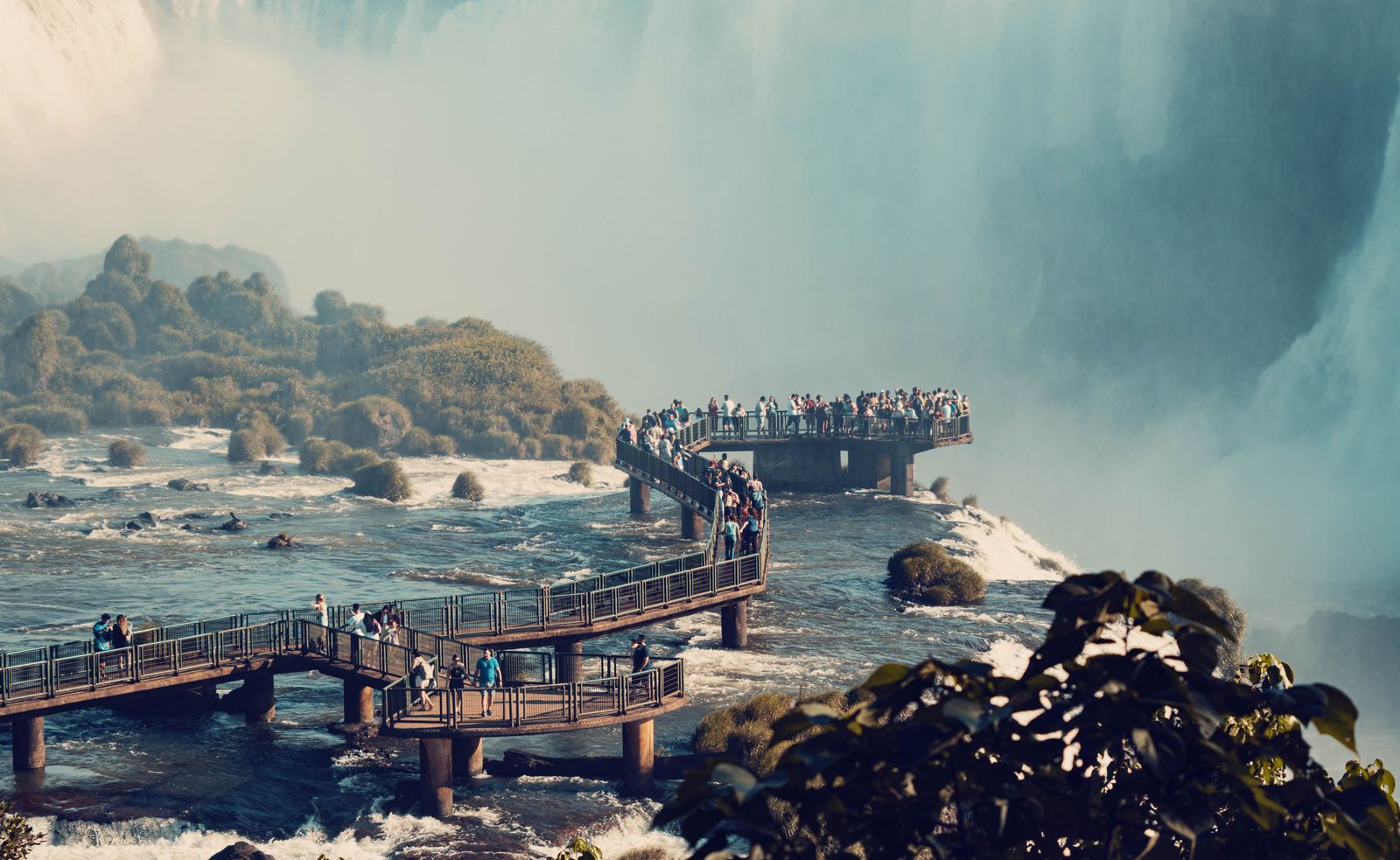
The catch is the coatis. They work the walkways in packs, they are entirely unafraid of people, and they bite and scratch when food is involved — the park's own signs say so because bites are common enough to sign for. Keep everything sealed inside a closed bag, never hand-feed one for a photograph, and don't let a child walk along holding a snack at coati height. They are cute right up until the moment they aren't.
Crossing the bridge for dinner
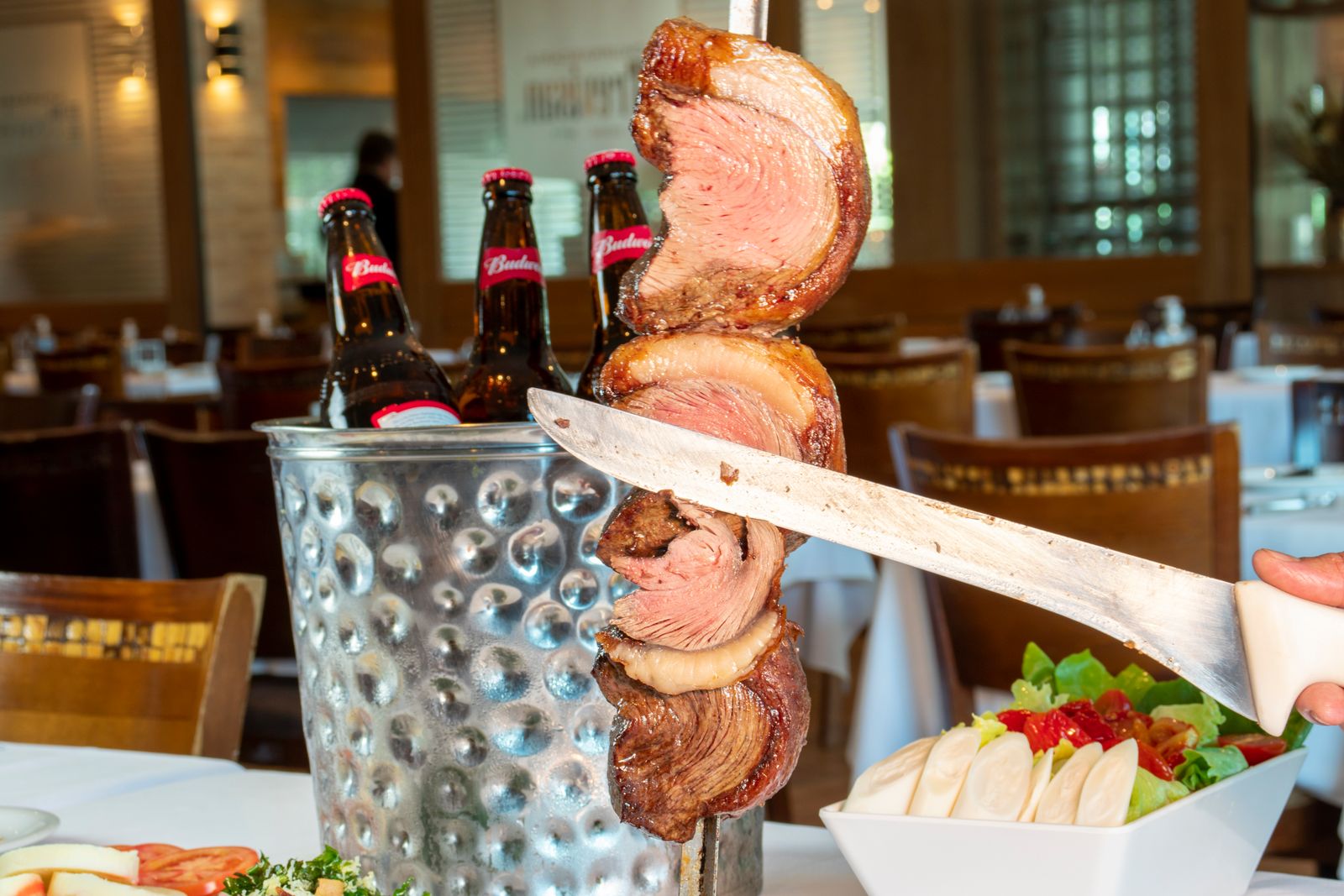
Foz do Iguaçu is a bigger city with a bigger appetite, and rodízio is a group's best friend.
Check your passport situation first — the border section of our comprehensive guide covers who needs a Brazilian e-visa, and it is not a decision you can make at dinner time. If you can cross freely, Foz is worth an evening.
- Búfalo Branco — Rua Eng. Rebouças 530, Centro. The city's landmark rodízio: a fixed price, waiters bringing skewers of lamb, pork, poultry and beef until you turn the card over. The buffet lines cost extra, which is worth knowing before you load a plate. Tue–Fri 12:00–15:00, Sat–Sun 12:00–16:00, and every day 18:30–23:00.
- Vó Bertila — Rua Bartolomeu de Gusmão 1116. Pizza and pasta in a room decorated like a grandmother's front parlour, plates on the walls and lace at the windows, with a long wine list and no irony about any of it. Tue–Sun 18:30–23:45.
- Feirinha da JK — the Sunday producers' market, 07:00 to noon and genuinely over by noon. Fruit, cheese, cooked food and crafts; the 7Temperos stall does the Arab food that a hundred years of Levantine migration made normal in this part of Brazil. Go early and hungry.
What to drink
Mate in the morning, tereré when it's 35 degrees, and beer that changes brand at the bridge.
Misiones grows most of Argentina's yerba mate, so you are at the source and the stuff in the supermarket here is both better and cheaper than what you'd buy elsewhere. In this heat the local version is tereré: the same gourd and straw, but ice-cold water instead of hot, usually with citrus or mint in the jug. It is the correct drink for a 35-degree afternoon and being offered it is an invitation, so take the gourd, drink it all, and hand it back without saying thank you — gracias means you've finished for good.
Beyond that: Argentine wine is everywhere and priced sensibly, the Brazilian side runs on very cold lager, and if someone hands you a caipirinha in Foz you have crossed a cultural border as well as a national one. Tap water is drinkable on both sides.
Where we would book
Aqva and La Rueda 1975 are the two worth booking ahead in high season, and both take a message or a phone call directly — there's no aggregator that gets you a better table in a town this size, and going direct means the restaurant keeps the margin. Everywhere else in Puerto Iguazú you can walk into, with the exception of a Saturday night in January. On the Brazilian side, Búfalo Branco takes bookings and a group of eight should make one; the rodízio price is fixed, so the only variable is whether you get seated together.
If you want the region's food explained rather than just served, the Guaraní community visits described in our culture guide include food that isn't on any restaurant menu, and the money goes to the people who cooked it. Book those through the community's own operation or your accommodation rather than a third-party site.
Related guides
- Your Iguazú Falls Travel Guide — what's open, what it costs, and the border fee to plan for.
- Things to Do at Iguazú Falls — the circuits, the jungle trail and the boat.
- Iguazú Culture Guide — Guaraní land, yerba mate and three borders.
- Iguazú Falls Group Trip Guide — feeding eight people across two currencies.
- Rio de Janeiro Food Guide — where the Brazilian half of your appetite goes next.