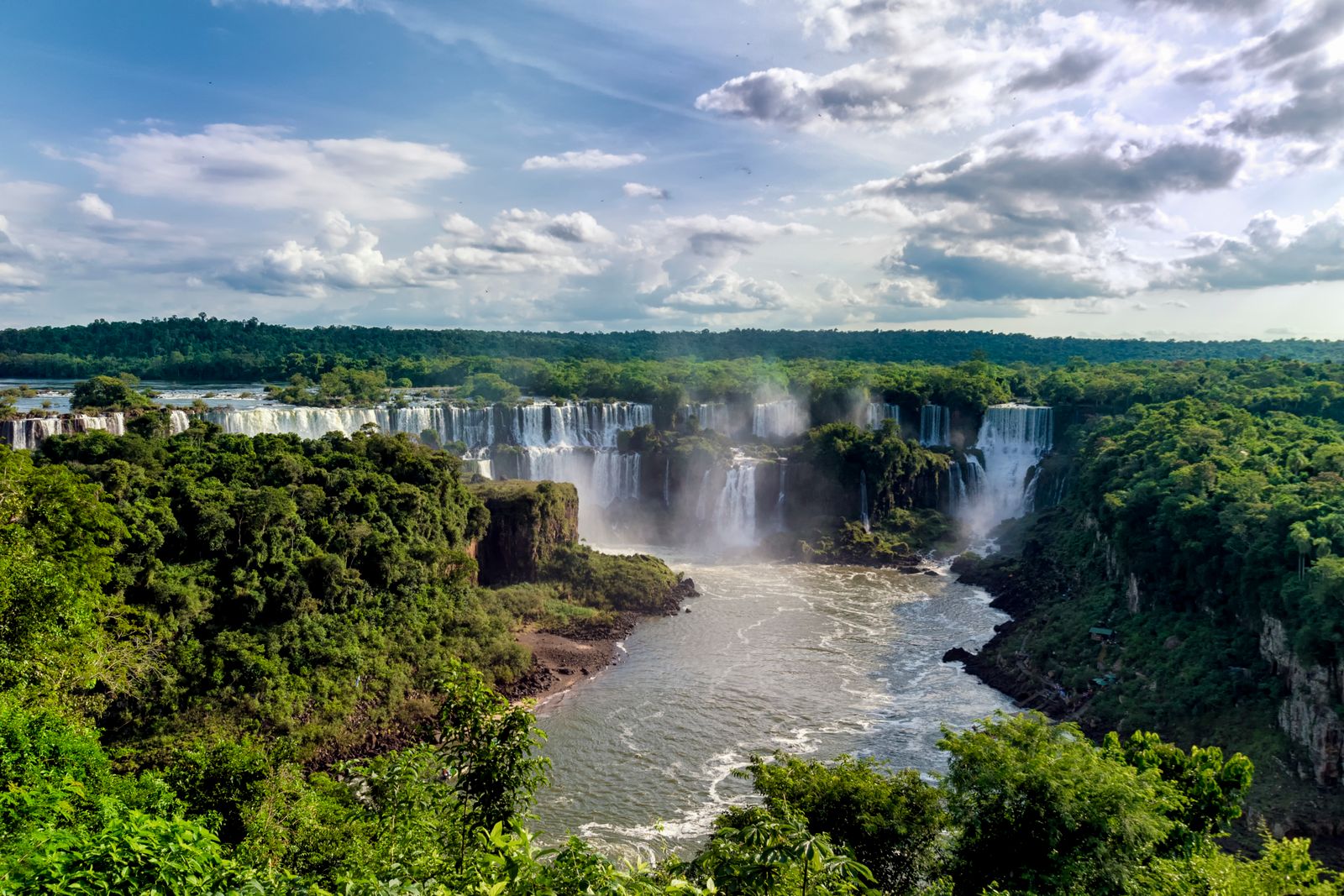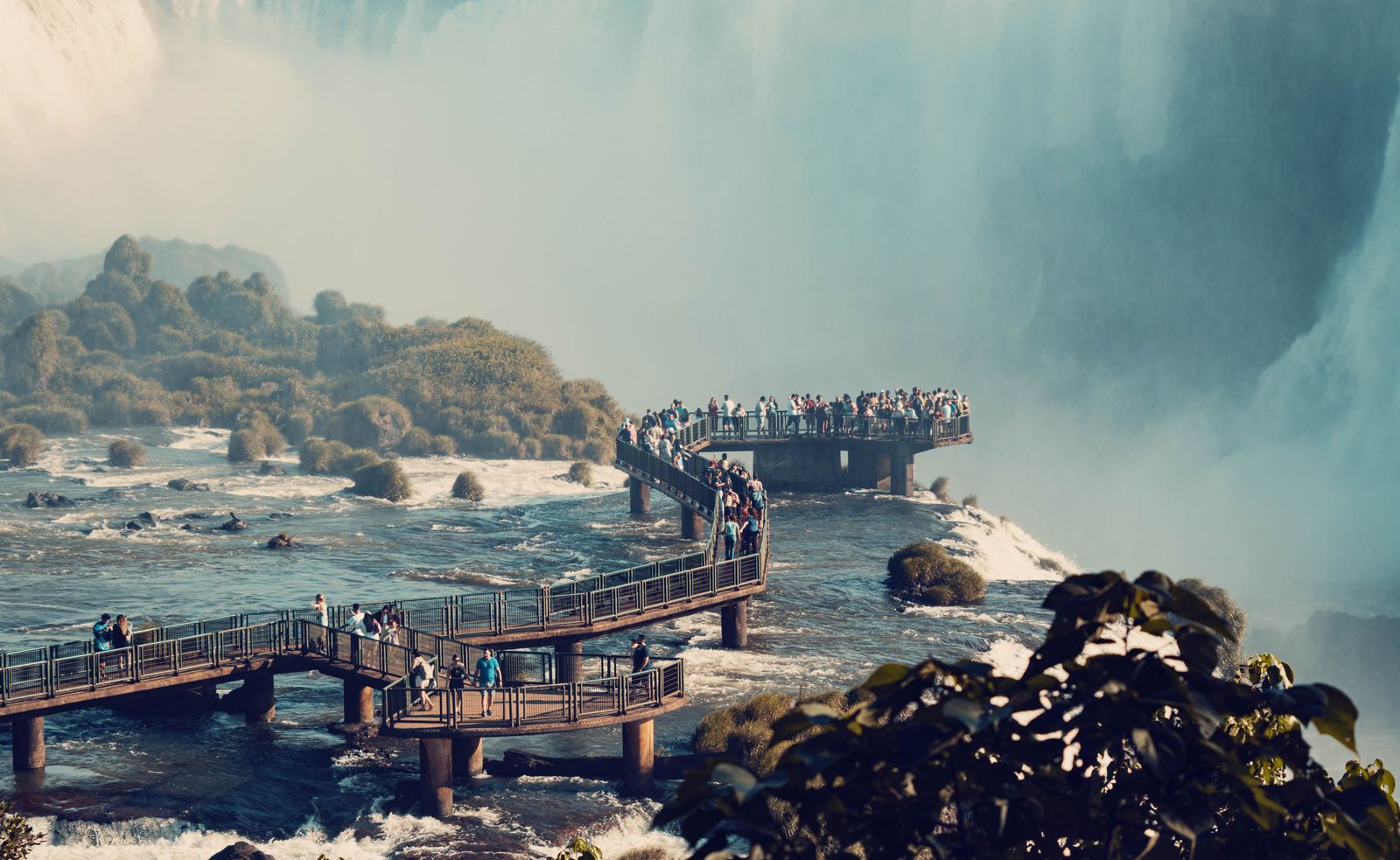
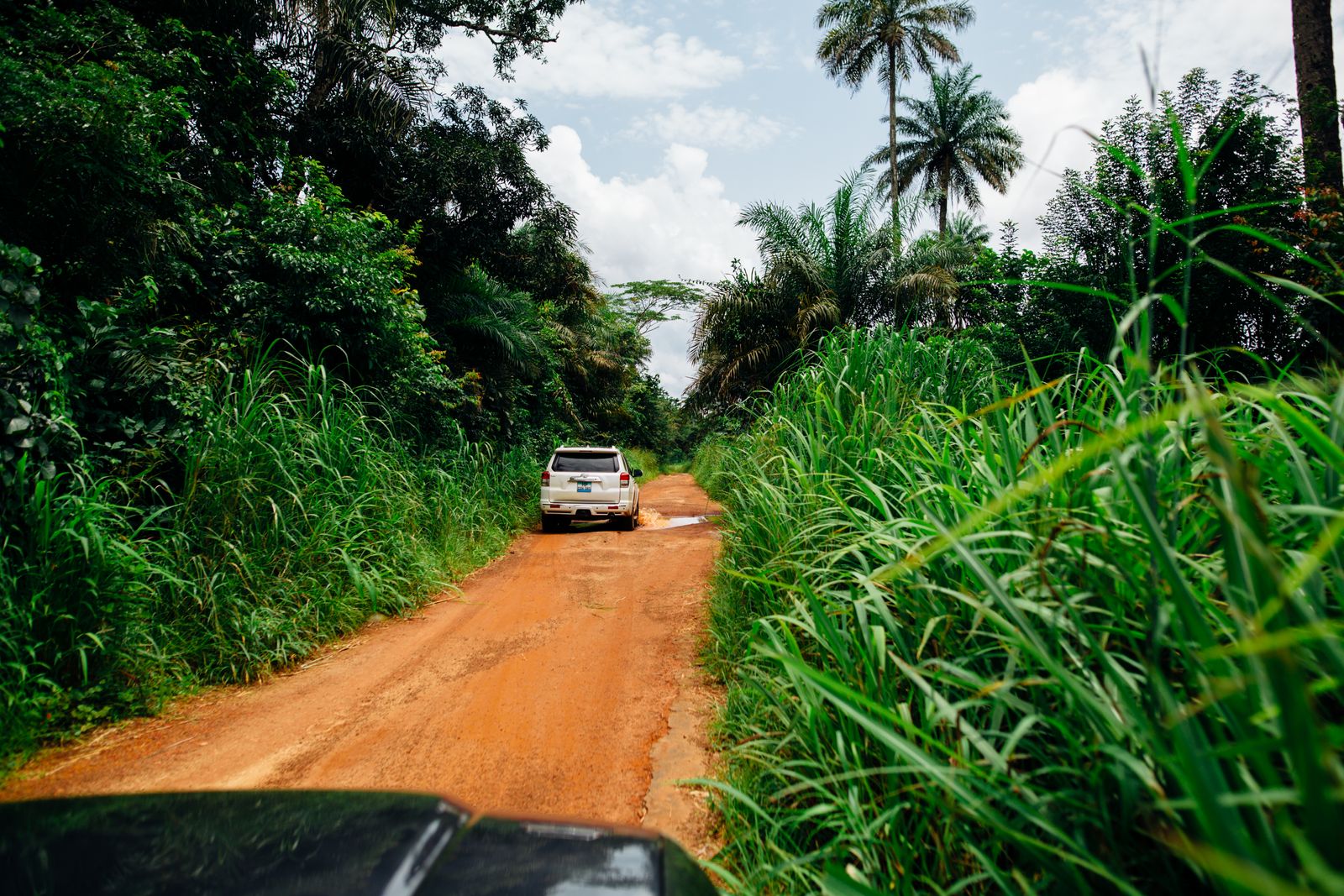
The falls are the reason nobody looks at Misiones. That's a shame, because the province underneath the waterfall is one of the more interesting corners of South America: red earth, subtropical forest, seventy-odd Mbya Guaraní communities, the ruins of a Jesuit experiment that still divides opinion four centuries on, and three countries close enough that people shop in one, work in another and live in a third. Here's what's actually here, and how to engage with it without being a nuisance.
Whose land this is
Seventy-four Mbya Guaraní communities, and a waterfall that is a wound in the story.
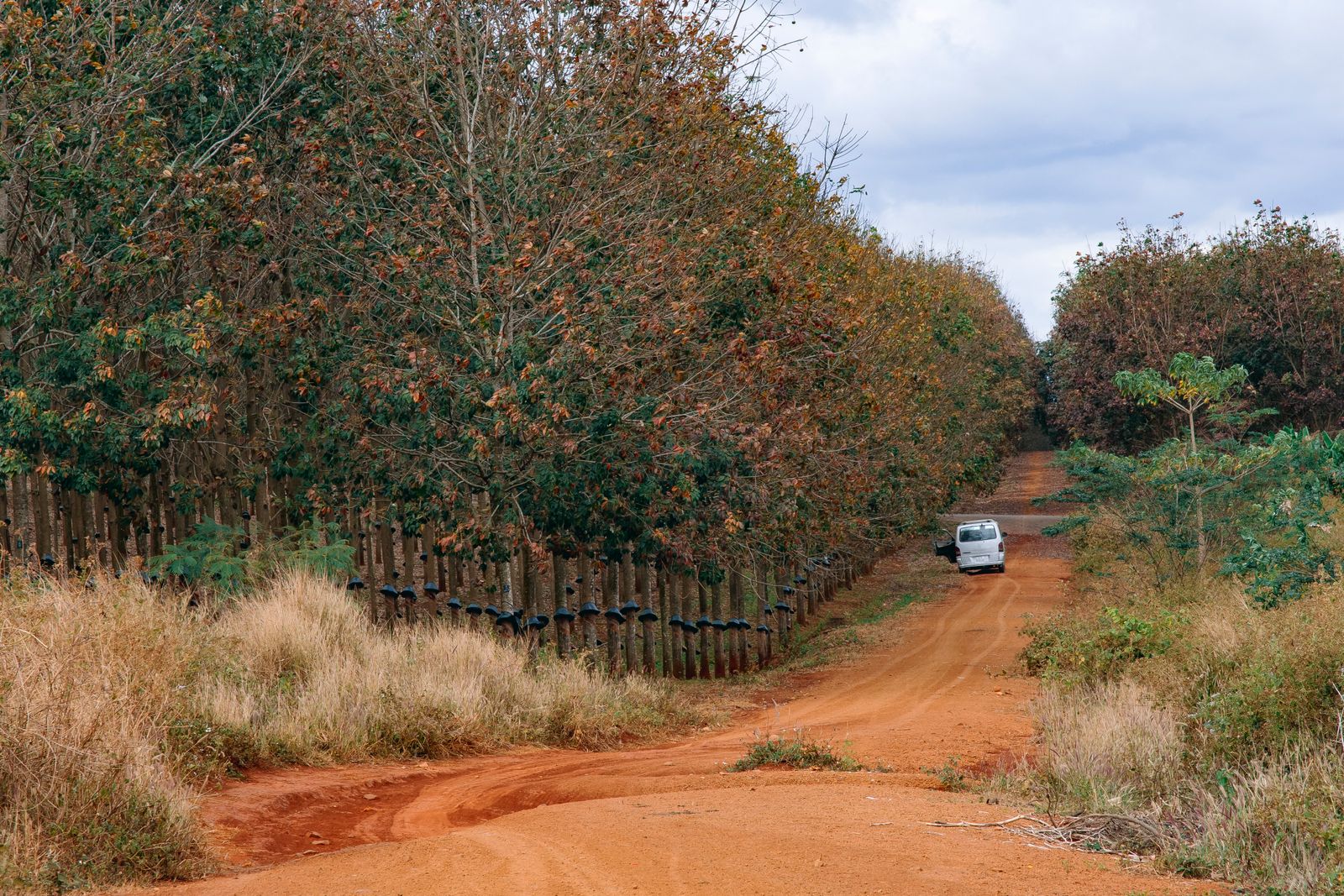
The Guaraní were here first, and are still here — there are around 74 Mbya Guaraní communities across Misiones, several of them within a short drive of Puerto Iguazú. The name of everything comes from their language: Iguazú from y guasu, big water. Yaguareté, the jaguar. Tereré, the cold mate you'll be handed. Half the place names in the province are Guaraní words that Spanish spelling has roughed up.
Their story of the falls is worth knowing before you stand in front of them. Naipí was a young woman promised to the serpent god M'Boi; she fled downriver by canoe with a warrior called Tarobá. M'Boi, in rage, drove himself into the riverbed and split it — the crack is the falls, Naipí was turned into a rock at their base and Tarobá into a palm on the bank above, and the serpent watches from below forever so the two can never reach each other. The rainbow that stands in the mist on a bright morning is the two of them touching. It is a better story than the one about the Spanish captain who wandered past in 1542 and named it after a saint.
Visiting a community, properly
Community-run, on their terms, and worth doing for that reason.
Two things near Puerto Iguazú are run by the communities themselves rather than by an agency selling access to them, and that distinction is the whole point.
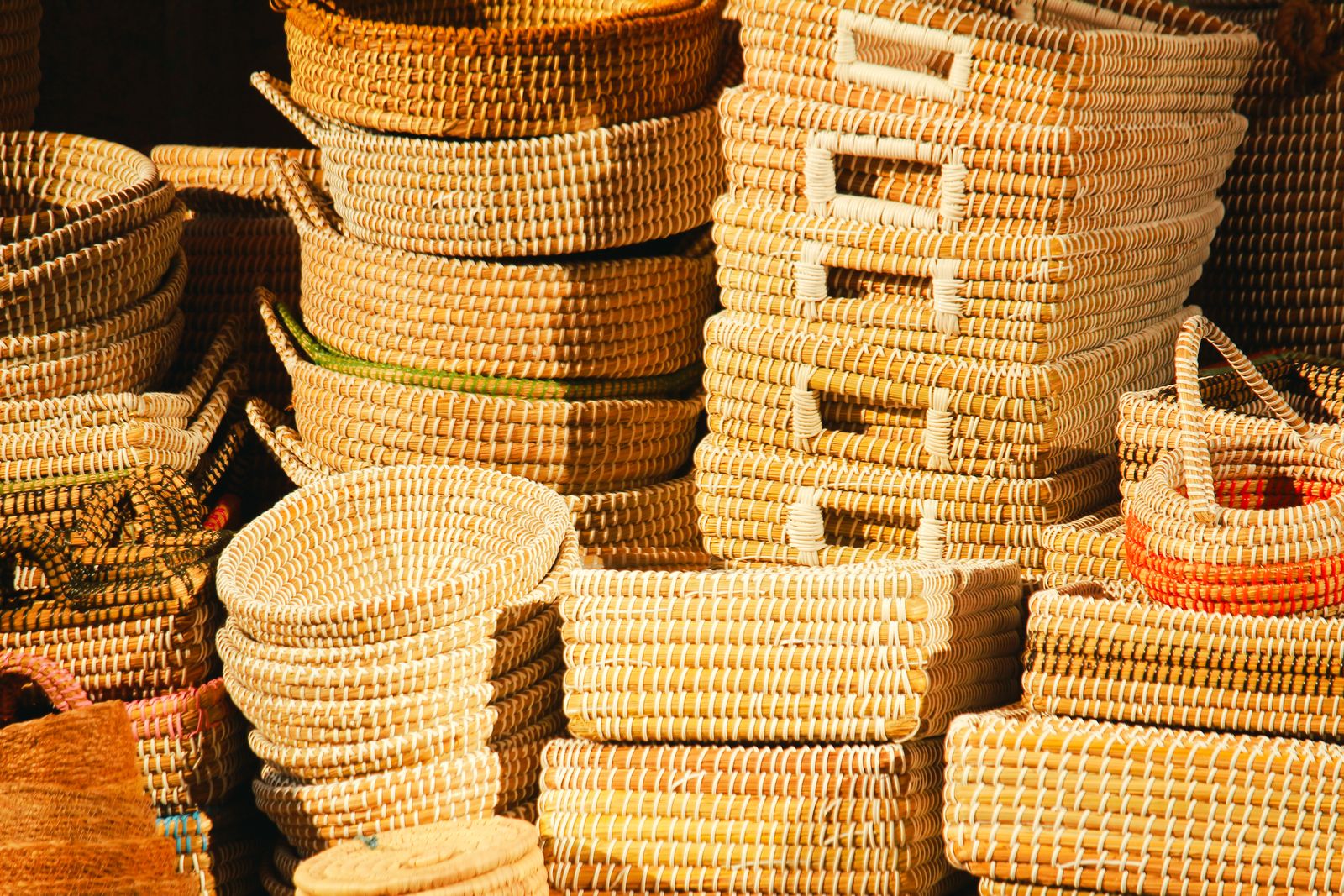
- Yriapú Turismo Guaraní — self-managed by the Mbya Guaraní, built explicitly around their own worldview and organisation rather than a visitor's expectations. Forest trails, the edible and medicinal plants along them, the language, the crops, and crafts made from wood, cane, seed and plant fibre. Open daily 08:30–17:30; the long circuit runs about two hours.
- Aldea Fortín Mbororé — a community of around 140 families. The visit crosses the M'Boca-í stream and follows a forest trail where guides explain hunting techniques, traps, and which plants do what. Some operators bundle it with a meal.
Yriapú, and the difference one word makes
The word that matters in Yriapú Turismo Guaraní's own description of itself is self-managed. It isn't an agency running tours to a community; it's the community running its own operation, built around its own priorities — identity, the language, the forest, and trade on terms it sets. That changes what the two hours are actually like. You get taken through the forest by someone explaining which tree is medicine and which fruit you can eat, in a place their family has lived for generations, rather than watching a performance staged for a coach. It's open daily, 08:30 to 17:30, the long circuit is about two hours, and it is the single most worthwhile non-waterfall thing near Puerto Iguazú. Bring cash and buy something on the way out.
How to be a good visitor: ask before photographing anyone, and accept no as an answer without negotiating. Buy something — the crafts are the point of the visit economically, they're made by the person selling them, and haggling here is not the folk ritual it is in a tourist market. Pay in cash. If a guide answers a question with a story rather than a fact, that is the answer. And book through the community's own operation or your accommodation rather than an international aggregator, because the split is very different depending on which door you come through.
The waterfall is 275 falls and a UNESCO listing. It is also somebody's grandmother's story, told in a language older than the border.— On Iguazú and the Guaraní
Red earth and green leaves
Misiones calls itself the red land, and the reason is under your shoes.
The soil here is tierra colorada — deep iron-oxide red laterite that stains roads, shoes, trouser hems and every photograph you take. Argentines from elsewhere identify Misiones by it instantly, and the province uses the phrase for itself. Against the green of the forest it is genuinely startling the first time you drive out of Puerto Iguazú.
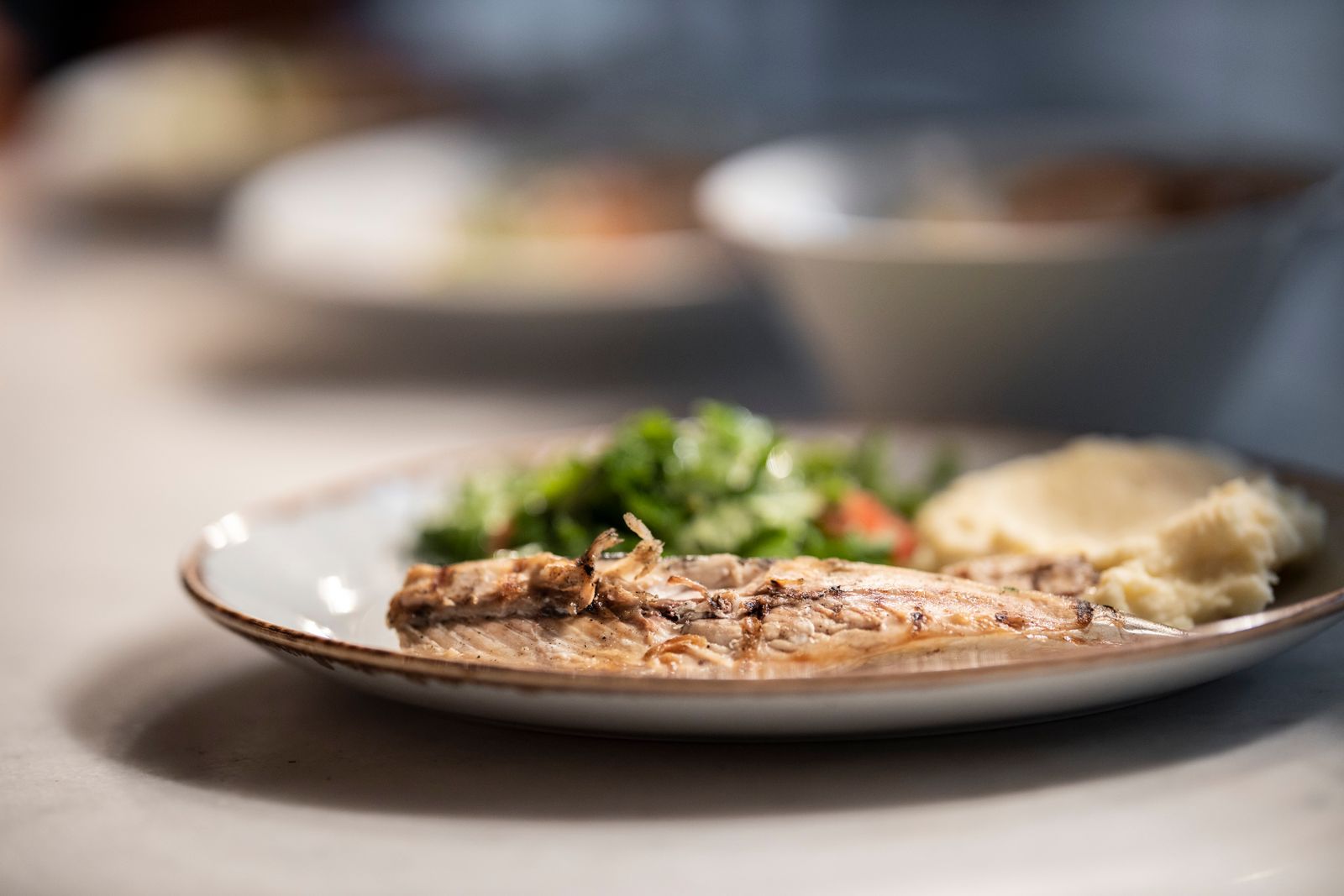
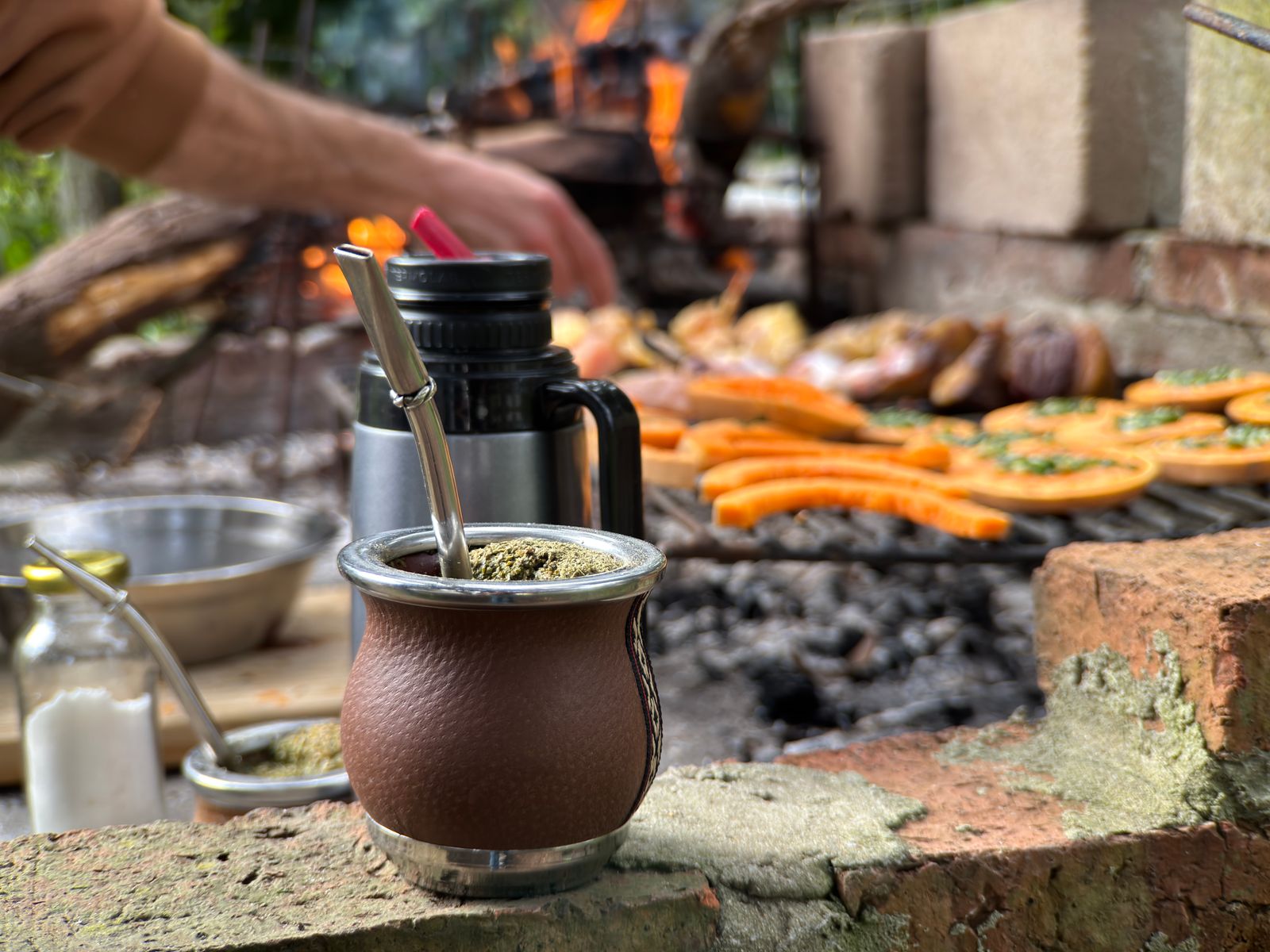
What grows in it is yerba mate. Misiones produces the great majority of Argentina's yerba, which means the thermos in every hand from Ushuaia to Jujuy starts here. There's a harder story behind that: the tareferos who harvest it have historically been among the worst-paid rural workers in the country, working in the heat with no shade, and their food — reviro, flour and fat in a hot pan — is now sold as regional cuisine. Drinking mate in Misiones with that in mind is a slightly different experience than drinking it in a park in Buenos Aires.
The etiquette, if you're offered a gourd: one person owns the thermos and pours for everyone, in turn, from the same straw. Drink the whole serving — it's meant to be finished — and hand it straight back. Don't touch or reposition the straw. Say gracias only when you've had enough, because that's the word that takes you out of the round.
The Jesuit century
Thirty towns, 150 years, and an argument that hasn't finished.
Between the early 1600s and 1767 the Jesuits and the Guaraní built around thirty reducciones across this region — planned towns of thousands of people, with stone churches, workshops, printing presses and orchestras, organised on a model that had no obvious European equivalent. Depending on who is telling it, this was a refuge that protected the Guaraní from Portuguese slavers, or a machine for dissolving a culture into Catholicism, and the honest answer involves both. When Spain expelled the Jesuits in 1767, the towns emptied and the forest took them.
San Ignacio Miní is the great surviving ruin and a UNESCO site: red sandstone walls, carved façades, and enough of a street plan left to walk. It's $12.000 for foreigners and $7.000 for Argentines — but be clear-eyed about the geography, because it's roughly four and a half hours' drive each way from Puerto Iguazú. It belongs to a trip that includes Posadas, not to a day at the falls. If you can't get there, the 1986 film The Mission was shot at these falls and tells this story with the waterfall standing in for everything; it's a reasonable substitute for an evening.
Living on three borders
Three countries, three currencies, and one language made of two.
At the Hito Tres Fronteras in Puerto Iguazú, three painted obelisks face each other across two rivers: Argentina, Brazil, Paraguay. It's free, it's the best sunset in town, and it makes the abstract point concrete — this is a place where the border is a fact of daily life rather than a line on a map. People cross to work, to shop, to see family, and to buy things that are cheaper on the other side, which is most of what Ciudad del Este in Paraguay exists to sell.
Listen and you'll hear portuñol, the working mixture of Portuguese and Spanish that people here speak without thinking about it, plus Guaraní, which is an official language in Paraguay and alive in Misiones. Three currencies circulate within a few kilometres and everyone does mental conversion constantly. Understanding that this is one interconnected region with three flags over it, rather than three separate destinations, is the thing that turns a waterfall trip into an actual visit to somewhere.
Where we would book
The Guaraní community visits are the ones where how you book genuinely changes what happens to the money. Yriapú Turismo Guaraní is self-managed by the community and can be arranged directly or through your accommodation in Puerto Iguazú; Fortín Mbororé is generally arranged through local operators, so ask specifically what the community receives before you book, and take the answer seriously. Bring cash for crafts; card facilities are not the norm and the margin on a woven basket does not survive a card fee.
Güirá Oga, the hummingbird garden and La Aripuca are all walk-up. San Ignacio Miní sells tickets at the gate — but if you're going, build the day around Posadas rather than trying to bolt it onto Iguazú. For the falls themselves and everything else practical, our comprehensive guide has the entries, the border rules and the budget.
Related guides
- Your Iguazú Falls Travel Guide — what's open, what it costs, and the border fee to plan for.
- Iguazú Falls Food Guide — chipá, reviro and the river on a plate.
- Things to Do at Iguazú Falls — the circuits, the jungle trail and the boat.
- Iguazú Falls Group Trip Guide — two parks, two currencies, one card.
- Rio de Janeiro Culture Guide — samba, Carnival and Little Africa, across the same border.