
Argentina
Iguazú Falls
Two countries, one waterfall: what's open, what the tickets cost now, and how to do both sides properly.
Currency
ARS
Language
Spanish
Best months
March–April and August–September (strong water, 20–30 °C) — check river levels before fixing dates
Mid-range budget
$
105
/ day
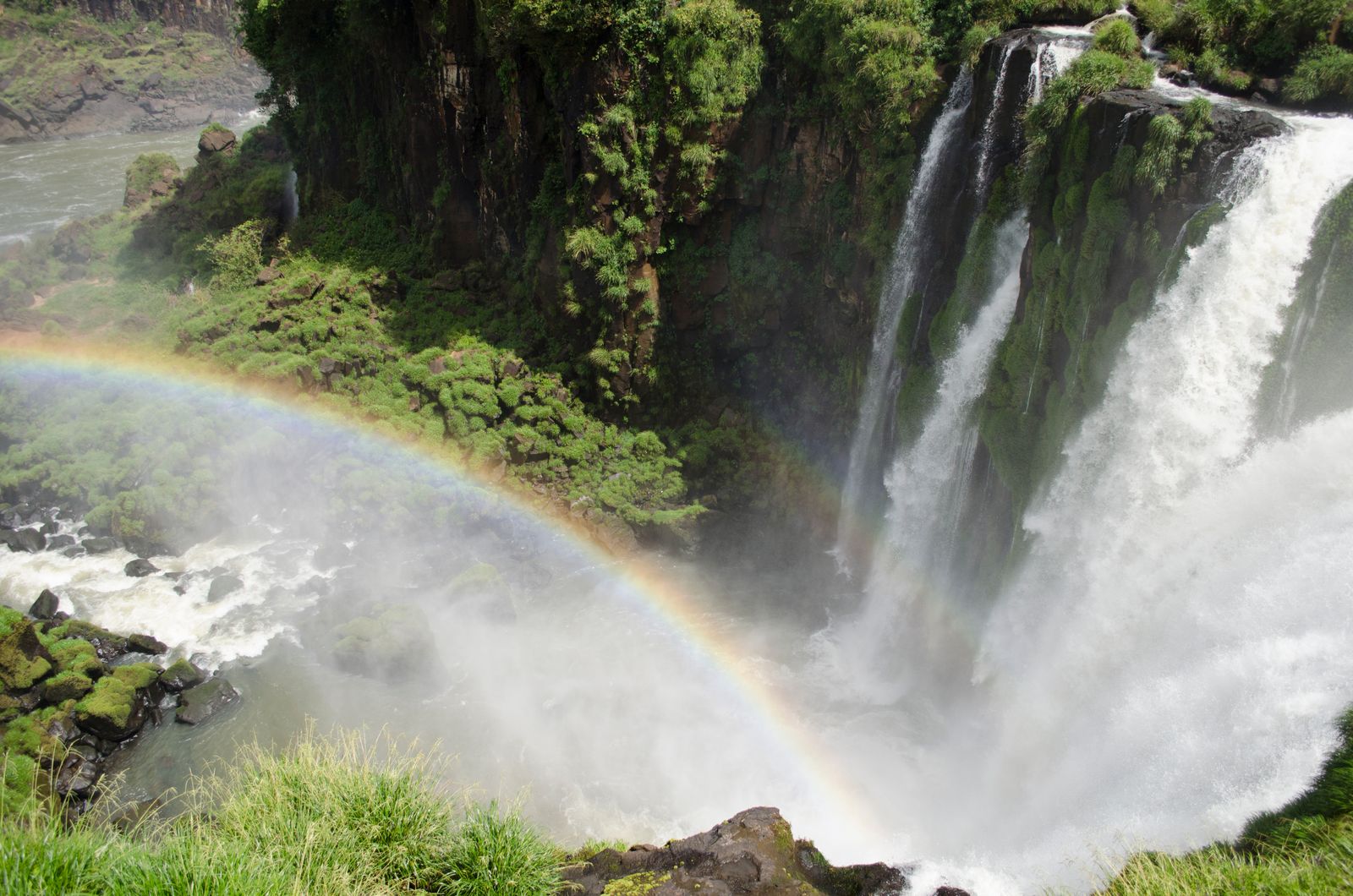
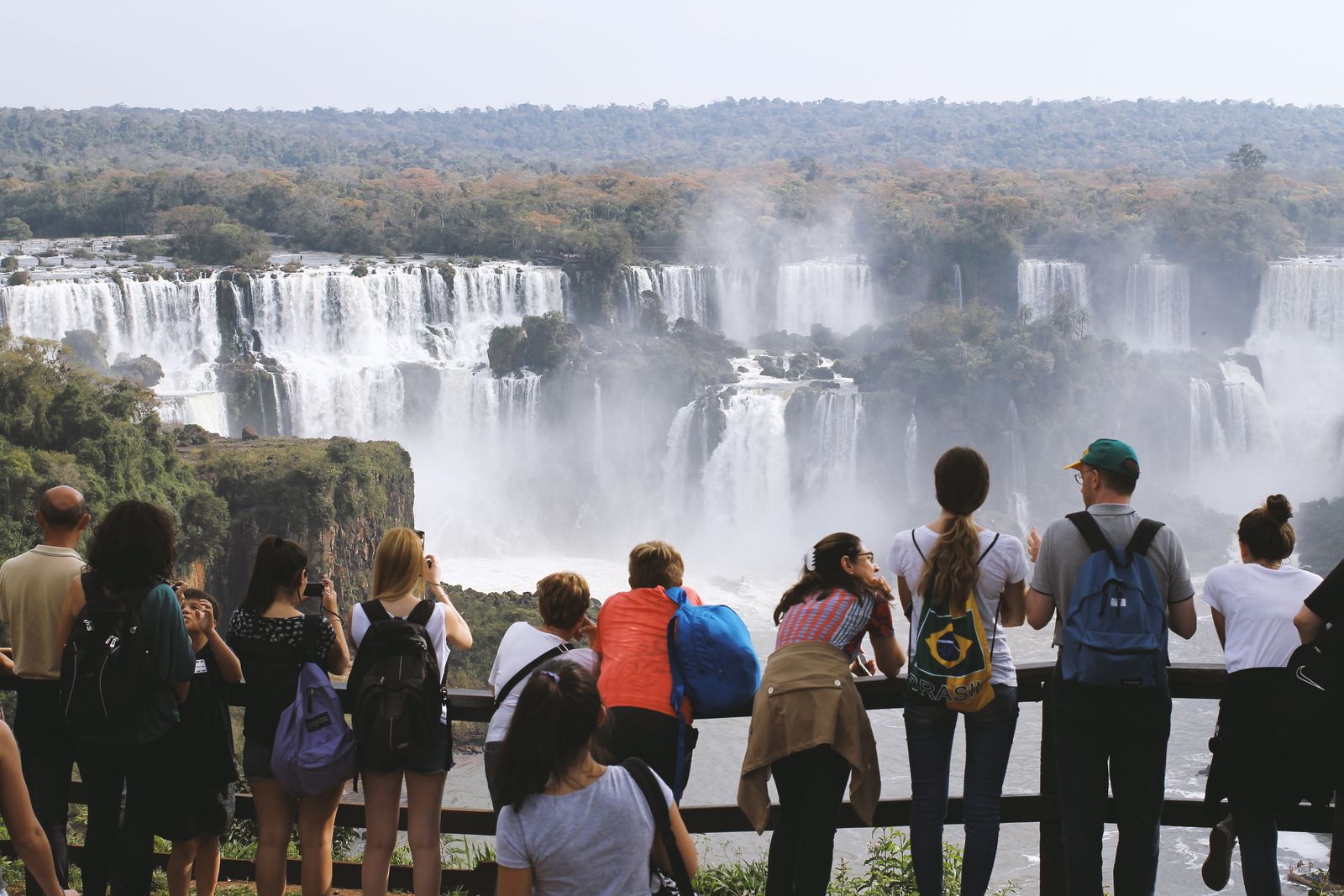
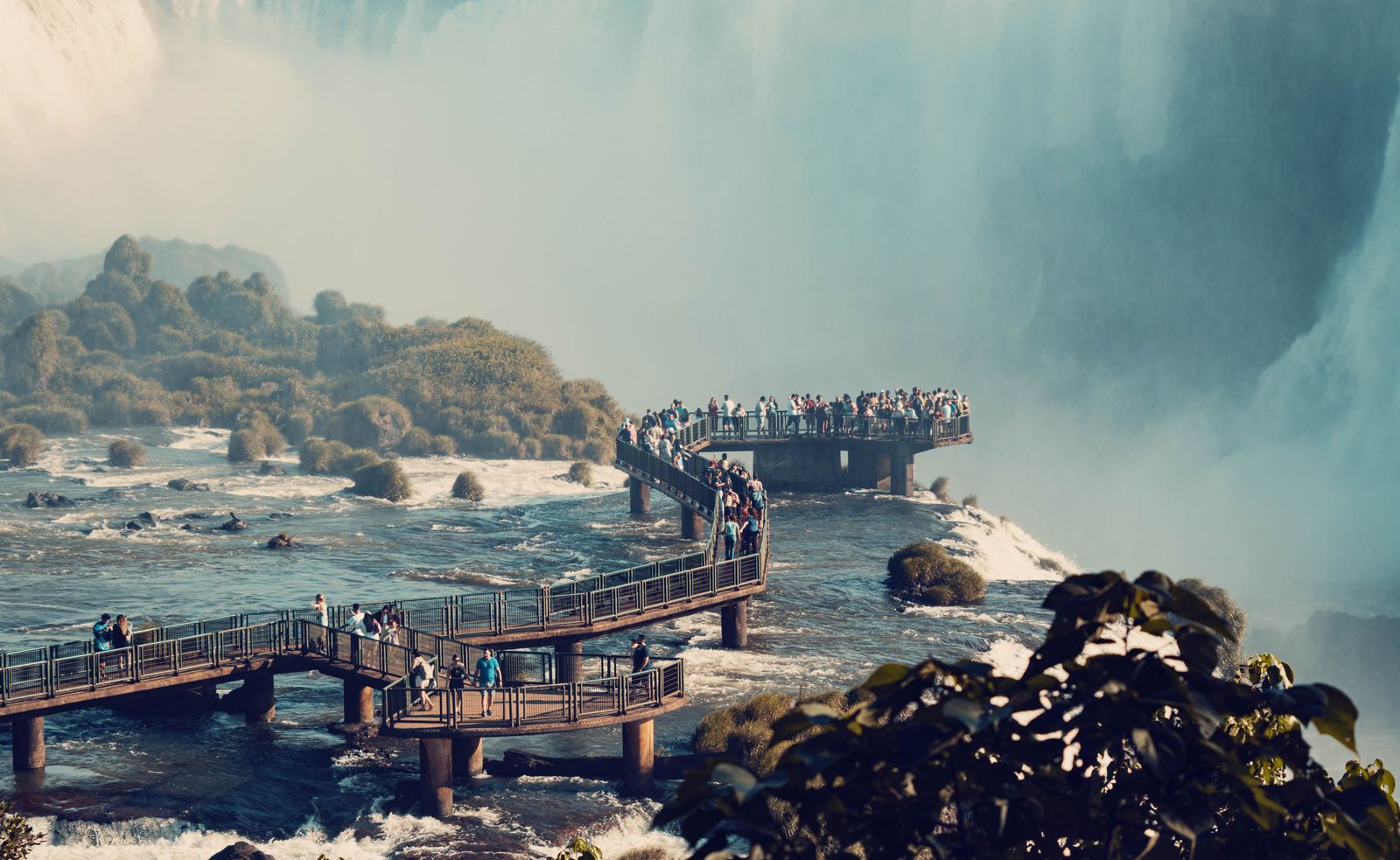
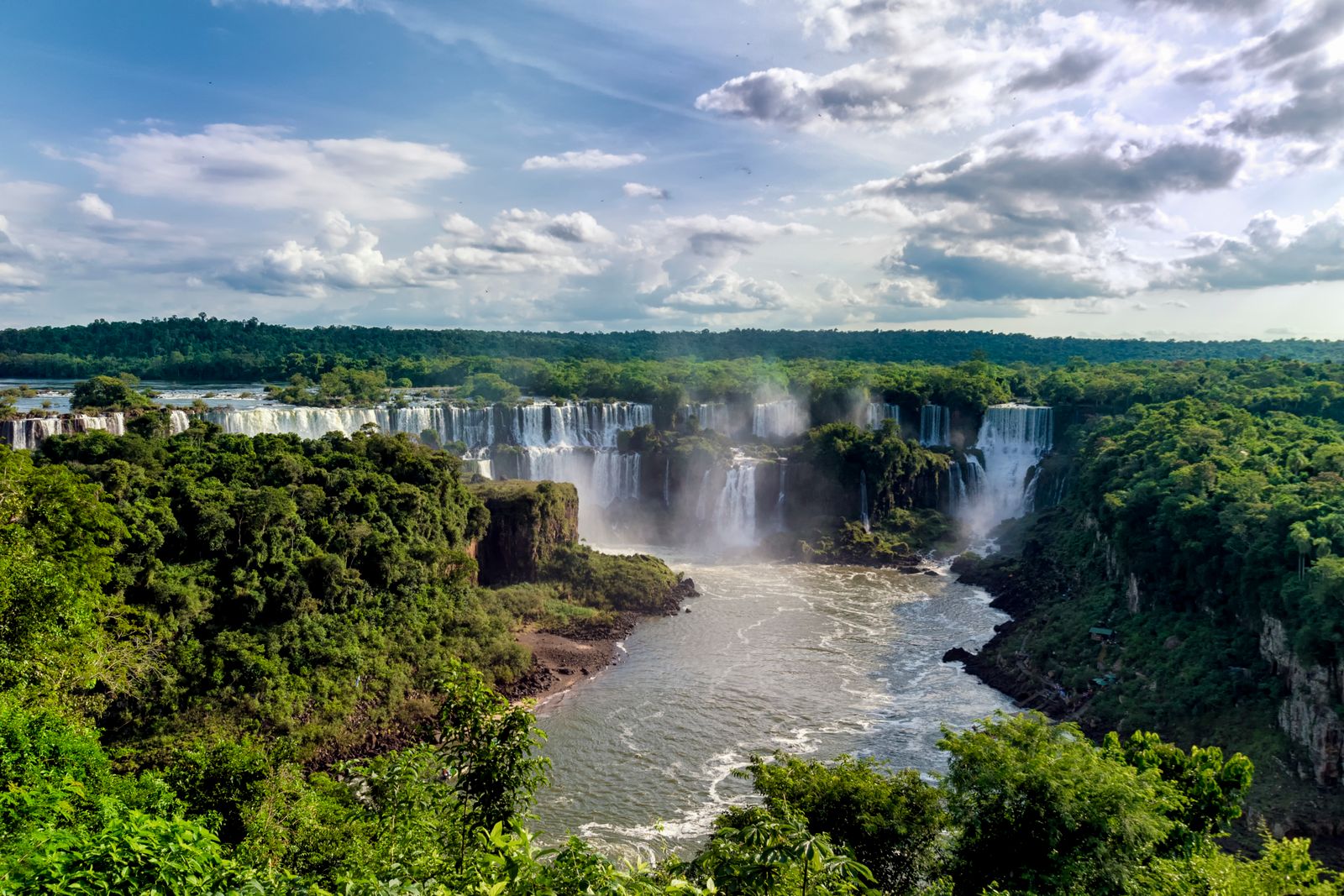
There are about 275 separate waterfalls here, strung along nearly three kilometres of the Iguazú River, and the border between Argentina and Brazil runs straight through the middle of them. Roughly four-fifths sit on the Argentine side, which is why Argentina has the walkways that put you inside the spray and Brazil has the balcony that lets you see the whole thing at once. Everyone repeats the line — Argentina is the experience, Brazil is the photograph — and annoyingly it's true. What nobody tells you is that this makes Iguazú a two-country trip with two sets of tickets, two currencies, two park opening times and, for some passports, a visa. Plan it as one place and you will lose half a day and a lot of money finding that out.
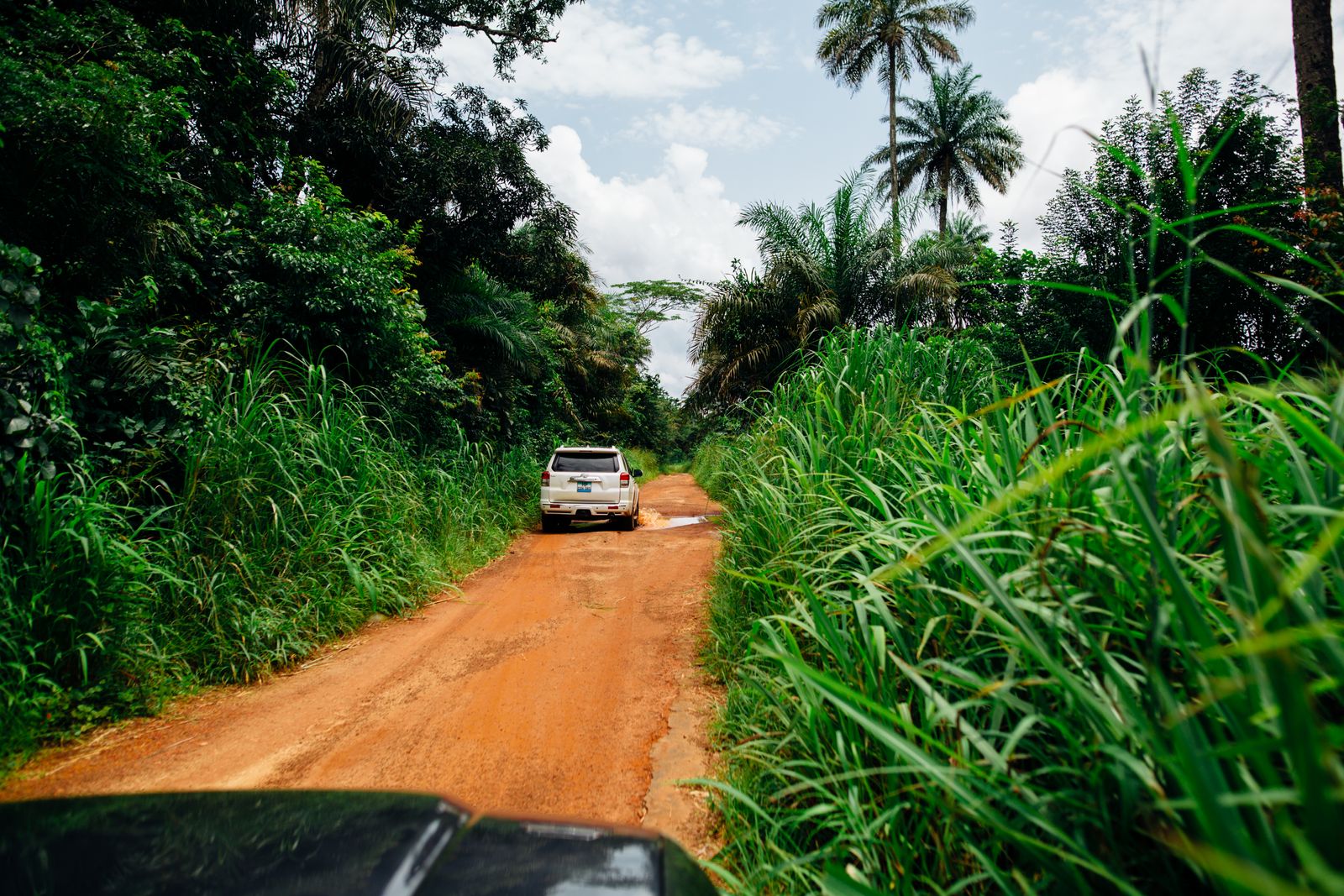
The falls are also only part of what you came to. This is Misiones: red laterite soil, subtropical jungle thick enough to hide a jaguar, seventy-odd Mbya Guaraní communities on land that was theirs long before any of the three flags, and the yerba mate that ends up in every thermos in Argentina. Three countries meet at an obelisk in Puerto Iguazú and you can watch the sun go down over all of them. Come for the water, stay for the fact that the water is the loudest thing in a place where everything else is quietly interesting — and check the river level before you book anything, because here the river decides what's open, not the calendar.
The soundtrack
Guides for here
Practical Stuff
Tipping
Ten percent in cash on the Argentine side when the service was good, which is the same rule as the rest of Argentina. It isn't on the bill, nobody chases you, and leaving nothing at a sit-down meal reads as a comment. Watch for the cubierto, a small per-person cover charge for bread and the table — it's printed on the menu, it's legal, and it is not the tip.
Cross the bridge and the rule changes. In Brazil most restaurants add a 10% serviço to the bill and it is genuinely optional, though almost everyone pays it; if it's there, you're done. At a rodízio the service charge is usually already inside the fixed price. Guides on both sides work partly for tips and a note per person at the end of a good half-day is normal. Drivers and boat crews, the same. Nobody expects US-style percentages anywhere in this triangle.
Safety
The honest risk at Iguazú is not crime, and pretending otherwise wastes the warning. Puerto Iguazú is a small border town that lives on tourism and behaves like it; the usual small-city sense applies after dark on the quiet streets away from Avenida Victoria Aguirre, and the bus terminal is the one place worth keeping a hand on your bag, but this is nothing like a big-city risk profile. Foz do Iguaçu is a bigger city with bigger-city edges — take a car at night rather than walking between neighbourhoods, and don't wander the areas around the bridges after dark.
What actually injures visitors here is water, animals and heat. The river is the serious one: when it rises, the park closes circuits and cancels boats, and those closures are not negotiable or refundable on your schedule — in August 2026 the Garganta del Diablo walkway was taken apart in advance of a projected flood. Never step over a barrier for a photograph; the current below the falls is not survivable. Coatis patrol the walkways in packs, and they bite and scratch around food — the park signs say it because bites are common. Keep food sealed inside a closed bag, don't hand-feed anything, and don't let a child hold a snack at coati height. In summer the heat and humidity are punishing on the exposed circuits: go at opening, carry more water than feels sensible, and use the shade of the jungle trails at midday. Finally, the mosquitoes here are real — repellent morning and evening, and get the yellow-fever shot at least ten days before you travel if you don't already have it.
SIM card
An eSIM is the sane answer here specifically because you'll be crossing a border, and a regional plan that covers both Argentina and Brazil (Airalo, Saily) saves you from having your phone go dark halfway through the day. If you're staying on the Argentine side only, a local prepaid SIM from Claro, Personal or Movistar is cheap over the counter in Puerto Iguazú. Note that phone signal drops to nothing on much of the Argentine park's lower circuit and along the Macuco trail — agree a meeting point and a time before you split up, because you will not be able to call each other. Wi-Fi is standard in hotels, hostels and the park's visitor centres.