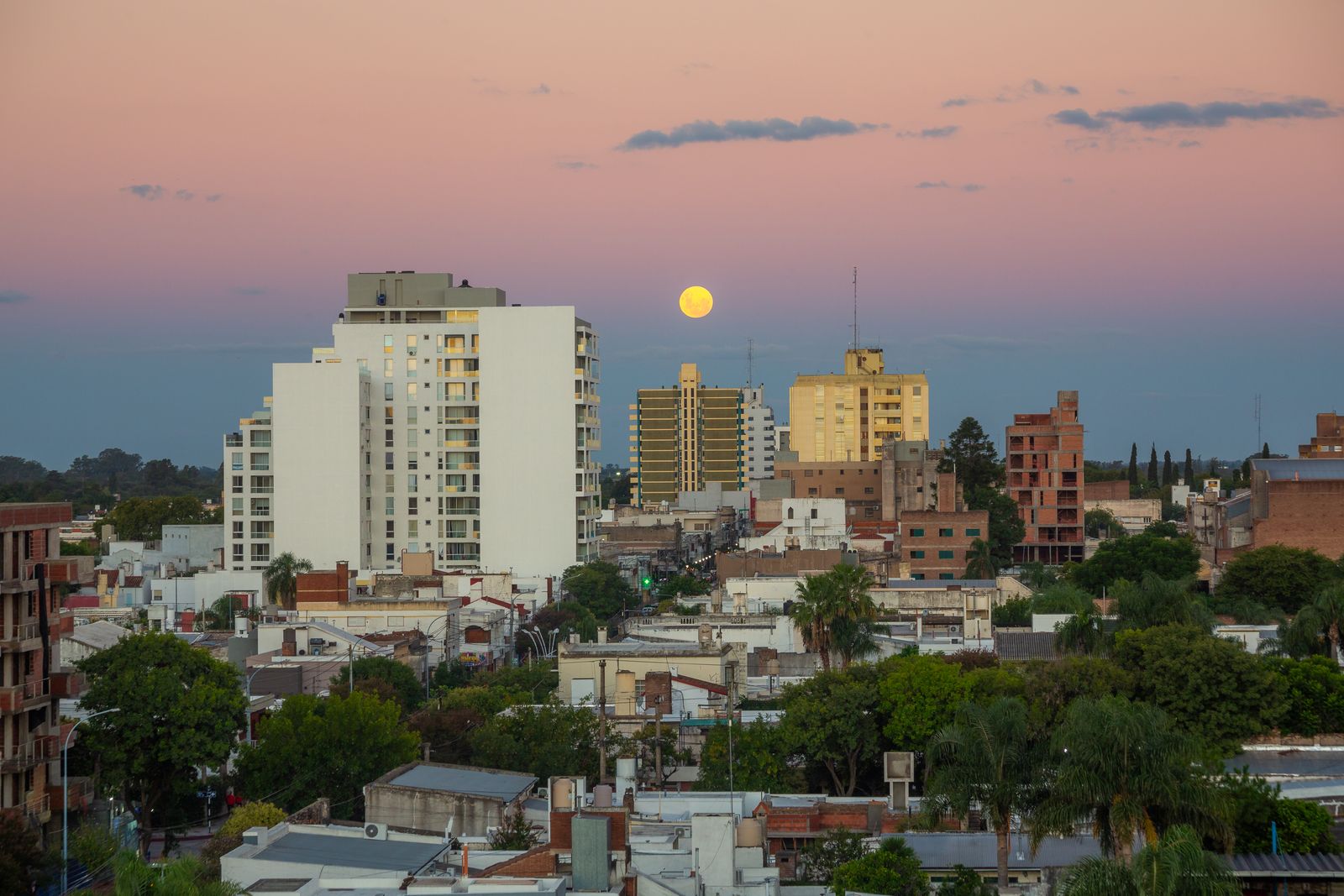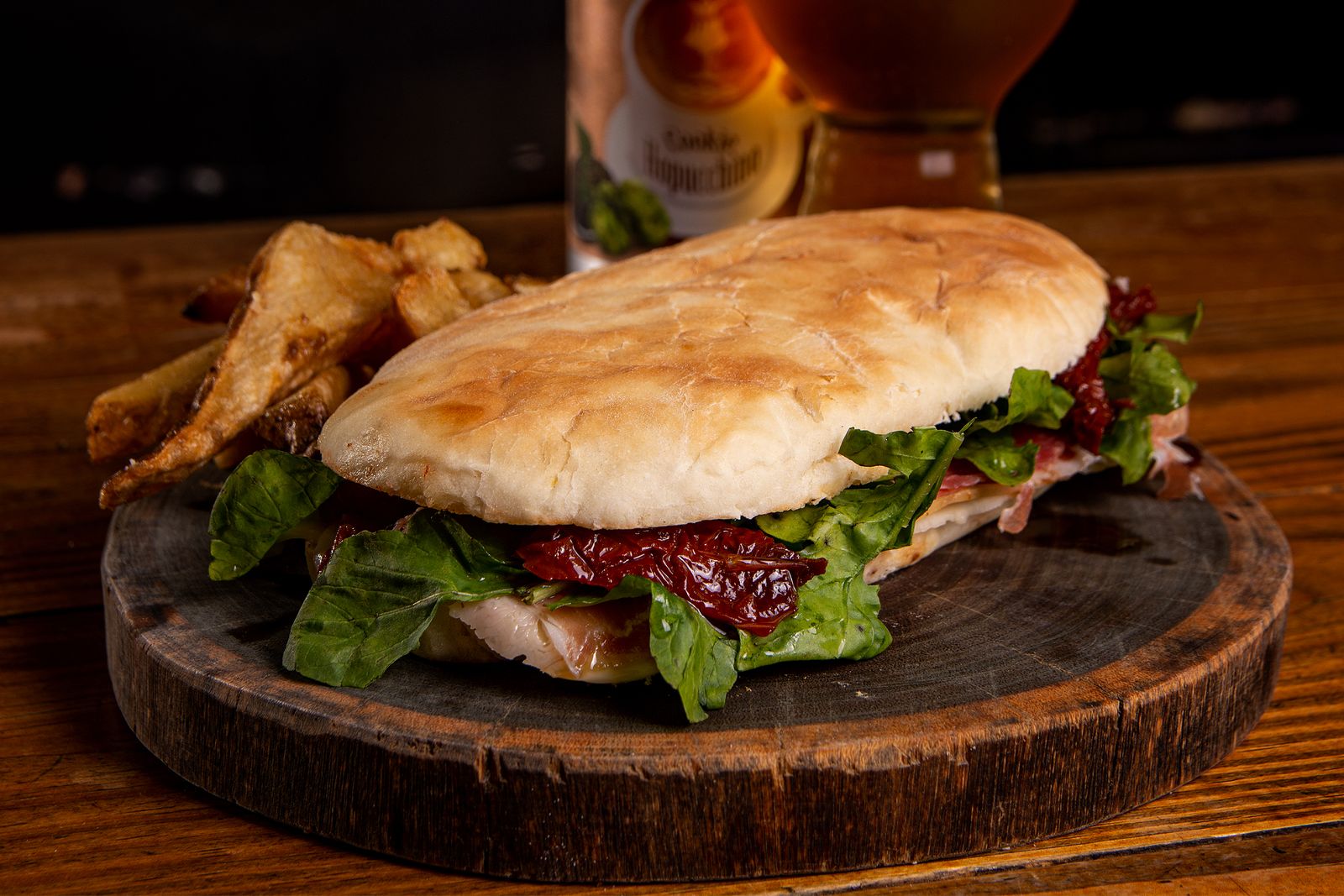
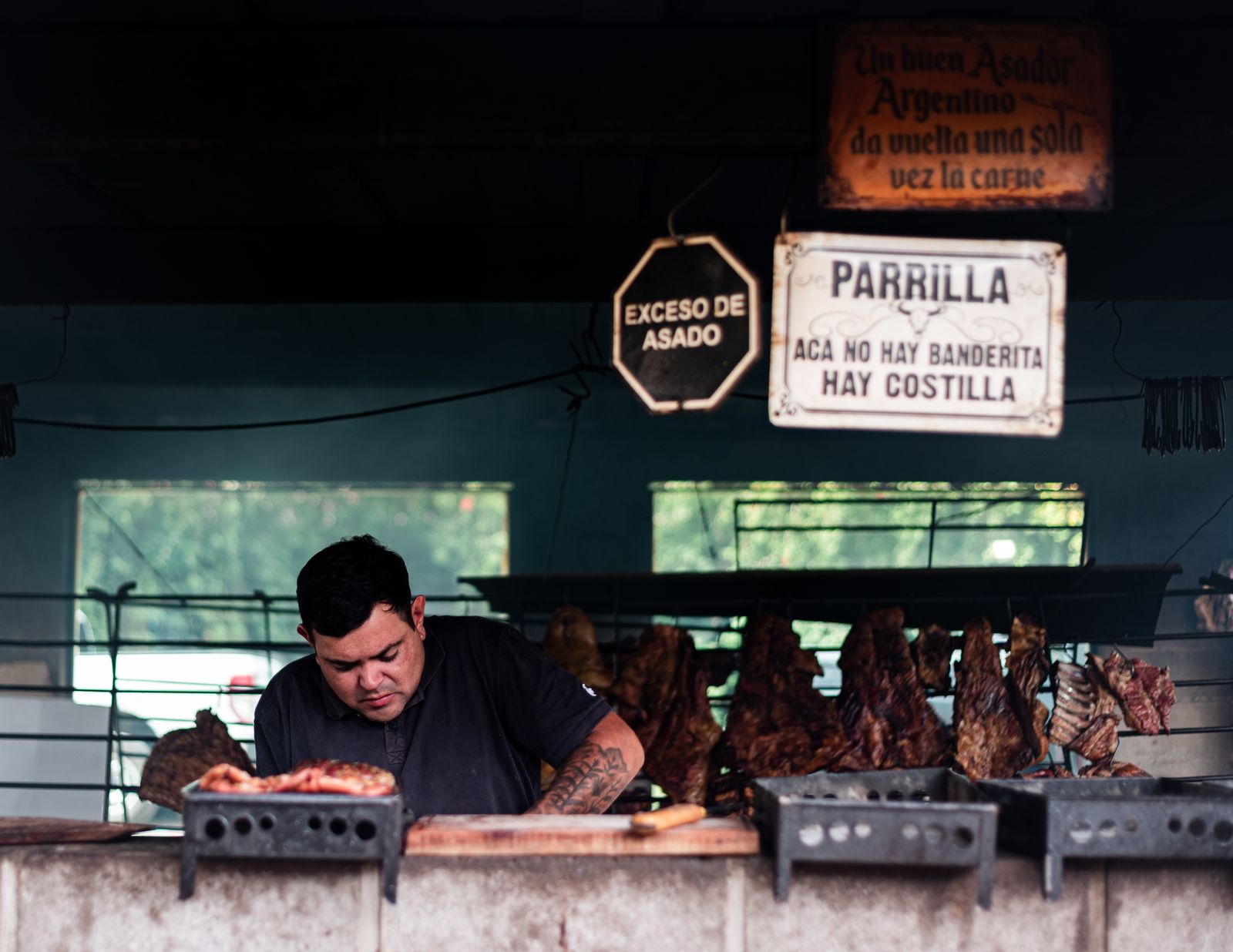
This is the trip Argentina actually takes. Not the flight and the boutique hotel — a bus or a car, a cabin in the sierras that sleeps ten, a river, a long asado, and a bottle of fernet standing on the table with one big glass beside it. Córdoba is set up for it in a way few places are: the accommodation is priced per house, the meat is priced per kilo, the car costs the same whoever's in it, and the drink is designed to be poured for everybody at once. Here's the version planned for six or ten of you.
Why Córdoba works for a group
Almost nothing here charges you for being more people. Several things reward it.
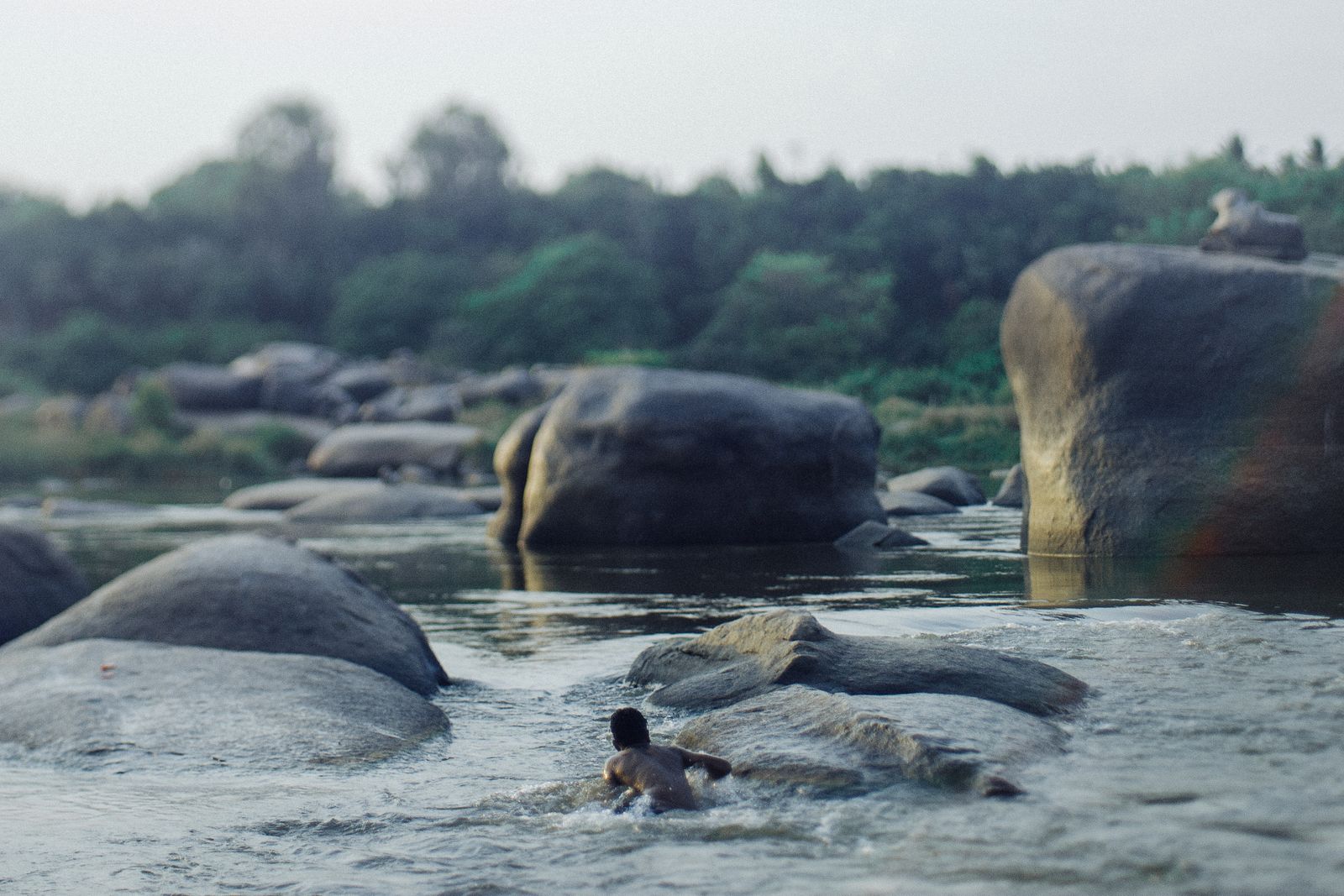
Look at what a week here is made of. The cabaña is quoted for the cabin, not the head. The asado gets cheaper per person the more of you are standing around it, because a whole tira de asado costs what it costs. The car over the Altas Cumbres is the same price with two people in it or five. The river is free. Even the drink is communal by design — nobody buys their own fernet, somebody buys a litre and it does the whole table. The only things priced per person are bus tickets and gig tickets, and one of those you can book together anyway.
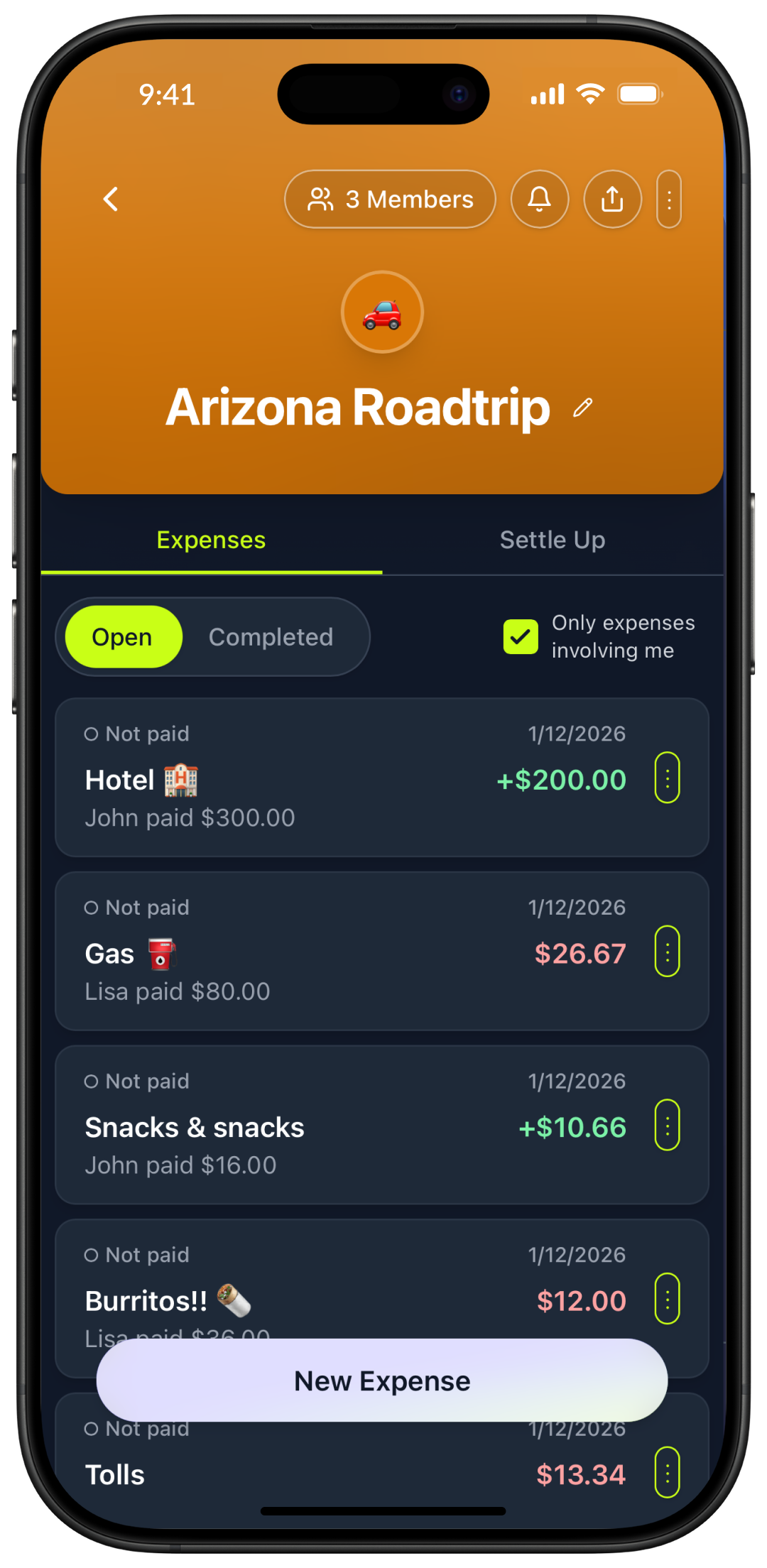
The other thing in your favour is that the money finally behaves. The old Argentina routine — everyone bringing dollars, someone becoming the group's unofficial exchange desk, two prices for everything — is over. Controls for individuals came off in April 2025 and by August 2026 the blue and official rates sit within 0.3% of each other. Cards work. Everyone can pay for things. Which sounds trivial and completely changes how a group trip here runs: the problem is no longer who has cash, it's the ordinary one of who paid for what.
Where a group sleeps
A flat in the city, a cabaña in the sierras, and the number that decides it.
At four to six: take a three-bedroom flat in Güemes or Nueva Córdoba, roughly $110,000–160,000 a night at August 2026 prices. Four nights at $130,000 split six ways is about $86,700 each for the whole stay — call it $57 — and you get a kitchen, which matters more than any hotel amenity. Güemes if you want to enjoy the neighbourhood; Nueva Córdoba if you want to be able to walk home from anywhere at four in the morning, and can sleep through an avenue.
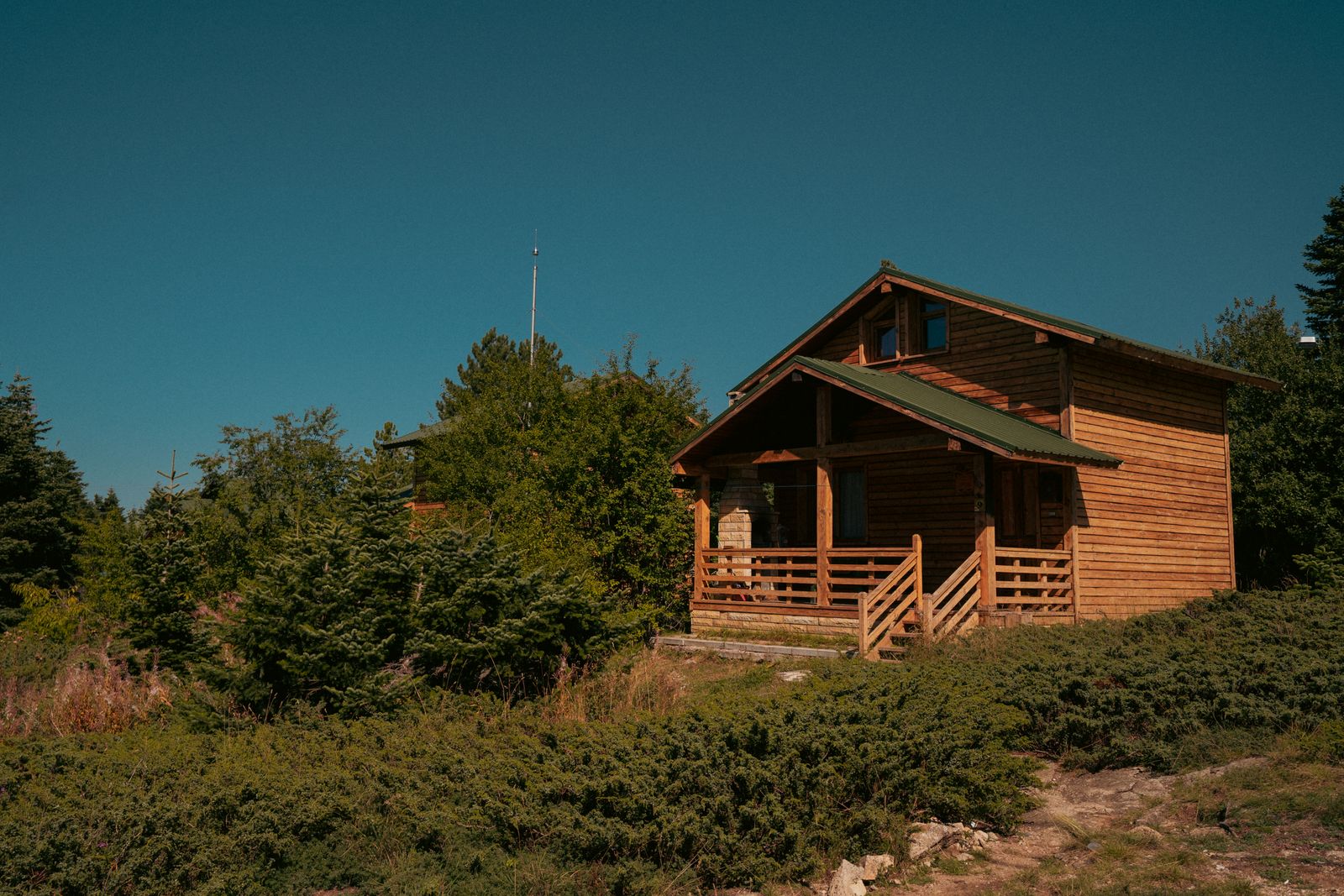
At eight or more: stop looking at flats and rent a cabaña in the sierras. Calamuchita — Villa General Belgrano, Los Reartes, Santa Rosa — is full of houses that sleep eight to twelve with a quincho, a grill, and usually a river or a pool. Reckon on $180,000–260,000 a night for a good one that sleeps ten in shoulder season. Three nights at $220,000 is $660,000, which is $66,000 each — about $43 — for the entire stay, with a fire and a kitchen and nobody sharing a wall with a stranger. Split the trip: two nights in the city, three in the hills.
Three questions to ask before you pay a deposit, in order of how much they matter: how many the quincho seats (a house that sleeps ten with a table for six is a house that eats in shifts), whether the access road is paved (some of the prettiest ones are 3 km of gravel, which matters in a hire car in the rain), and whether there's a supermarket in the village or you're driving 20 minutes for bread. Then do the two-tab trick — the platform listing, then the owner's own site or WhatsApp, which in the sierras is very often cheaper.
Eating as a group
Three tiers, and the best one happens in your own back yard.
Tier one, no booking, any number of you: lomitos and empanadas. Somebody goes to Betos or El Carro de Mario with a list and comes back with a bag; a dozen empanadas from a neighbourhood rotisería feeds four for the price of one restaurant main. Nine lomitos completos at $14,000 is $126,000, or $14,000 each — about $9 for the best sandwich in the country, eaten on a sofa.
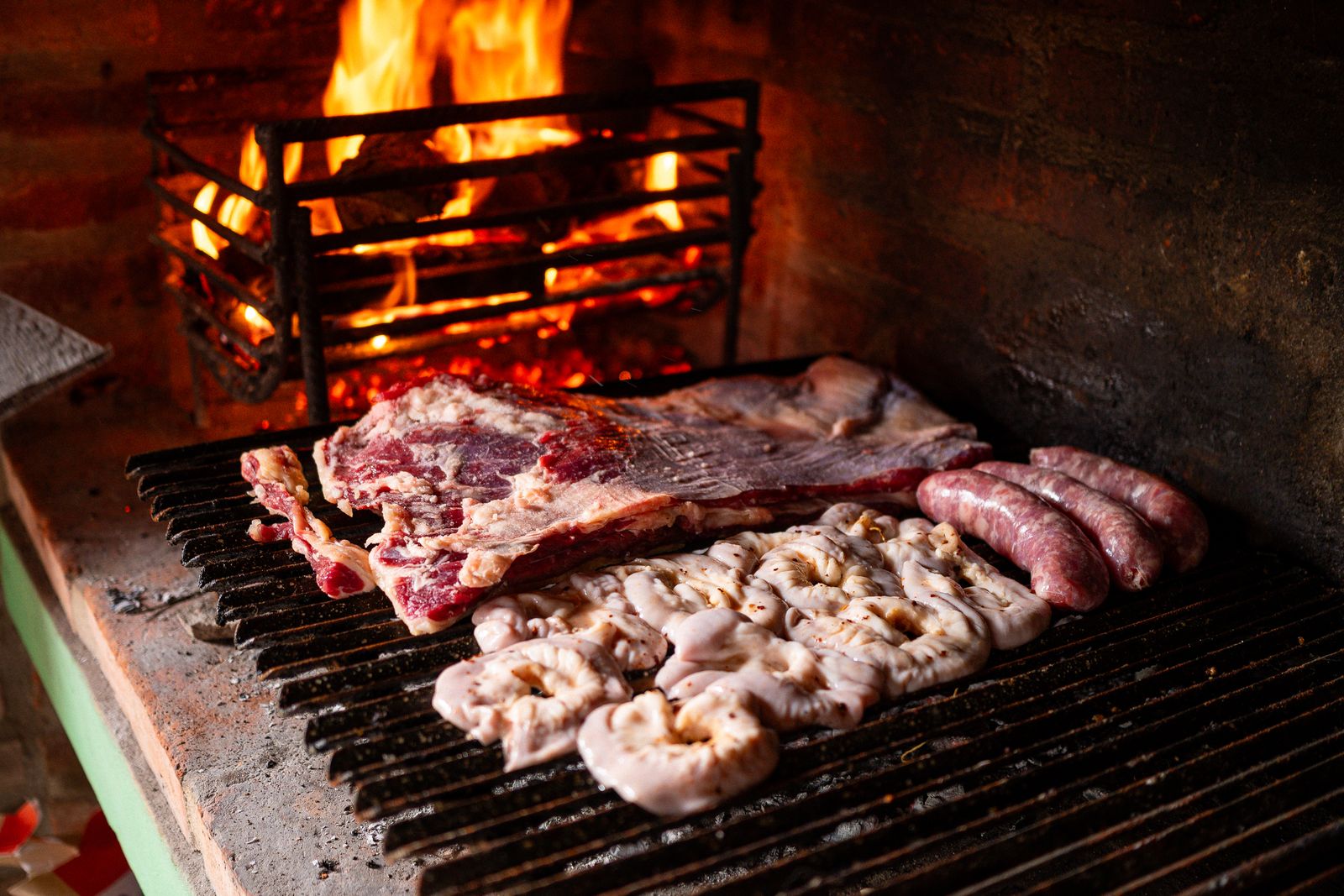
Tier two, book it, once: a proper parrilla. Parrilla La Emilia on Ricchieri 2300 for a table of six or more, ordered for the table — tira de asado, vacío, chorizos, one salad — at nine o'clock or later. Call or DM ahead; a table of ten at short notice is the one thing Córdoba can't magic up.
Tier three, and the one you'll remember: do the asado yourselves. This is the whole reason to rent a house with a grill. Tell a carnicería the day before that there are ten of you and they'll cut it right and tell you exactly how much to buy. Meat, chorizos, bread, salads and wine for ten lands around $130,000 — $13,000 a head, roughly $9 — and takes four unhurried hours, which is not a side effect, it's the format.
One bottle, one glass, ten people
Fernet is the most efficient group purchase in Argentina and nobody outside the country understands it. You don't buy rounds. Somebody buys a litre of fernet and a big bottle of Coca-Cola on the way to the cabin — roughly 30% fernet, 70% Coke, over a lot of ice, mixed in a glass big enough to be a joke and passed around, or made up in a jug for the table. That's the evening handled, for ten people, for less than two cocktails cost in Buenos Aires. Córdoba drinks about 30% of Argentina's fernet on its own, which is roughly 20 million litres a year, and once you've watched one bottle serve a room you understand why the statistic exists. If somebody hates it — and someone will — that's what the wine is for.
The things that get better with more people
Per house, per car, per kilo. Learn to spot the pricing.
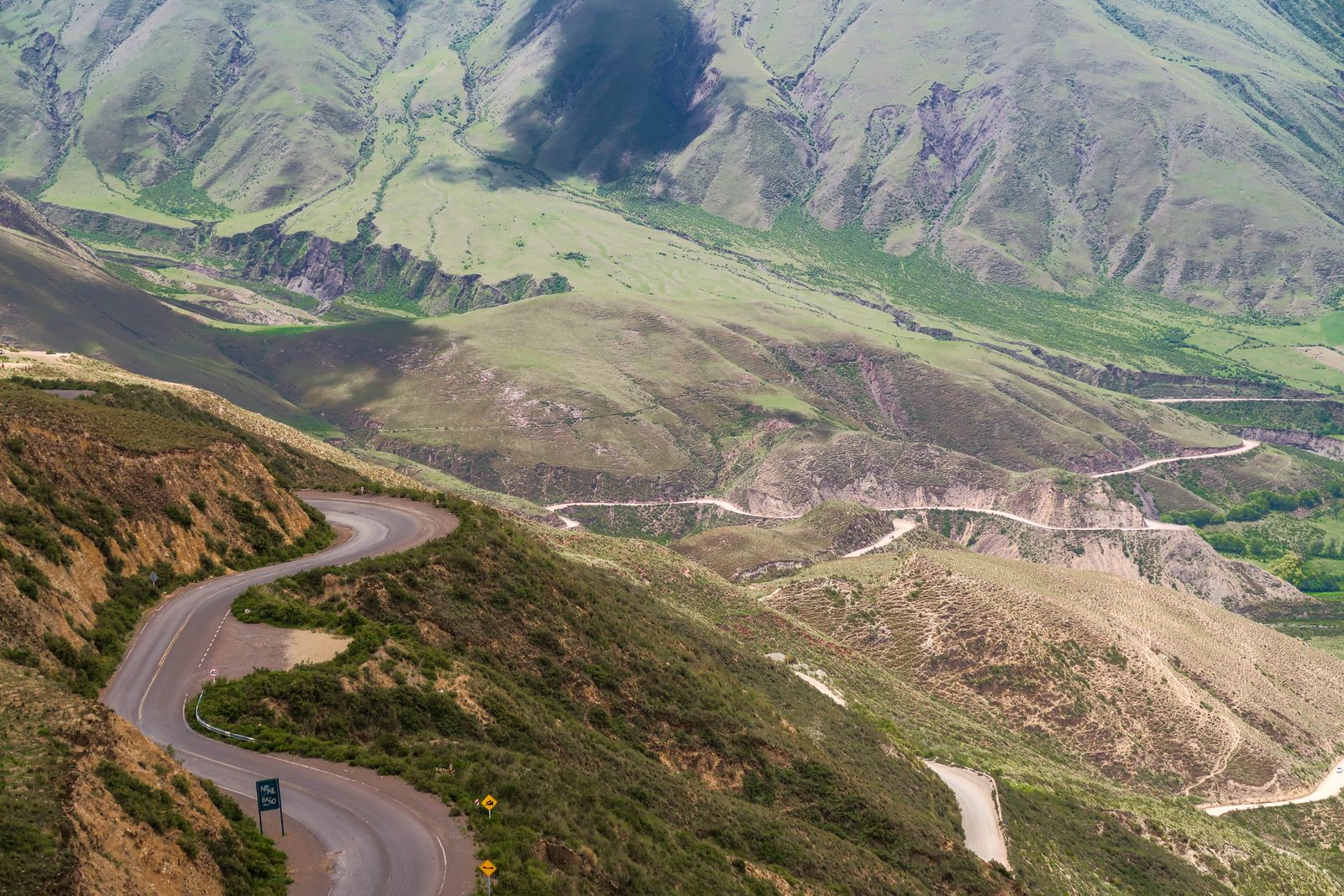
The car is the clearest one. A day's hire plus a full tank over the Altas Cumbres to Mina Clavero costs about $95,000 — for the car. Five of you is $19,000 each, about $12, for a mountain road, a national park and a river at the end of it. Two of you is $47,500 each for exactly the same day. At eight or more, take two cars rather than a van: they're easier to park in the villages, and it means half the group can leave the condor park while the other half finishes the walk.
The same logic runs through the week. The cabaña gets cheaper per head with every extra bed you fill. The asado gets cheaper per head because the cuts come whole. A remise across the city at two in the morning is small money split four ways and removes the only real safety question this city poses. And the things that don't scale — the Tren de las Sierras at $700 to $7,000, the Quebrada del Condorito at nothing at all, the feria, the Cañada, the walk up the Cerro de la Cruz — are cheap enough that it doesn't matter.
Two of you pay $47,500 each for that car. Five of you pay $19,000. It's the same road and the same day.— On why you invite everyone
Moving the group
SUBE in the city, two cars in the hills, and a car home after dark.
In the city, walk. The centre, Nueva Córdoba and Güemes are one continuous half-hour on foot, and that's most of your days. For the rest, the buses run on SUBE — and note that the Red Bus card stopped working on 31 December 2025, so if anyone in the group researched this a year ago they're about to buy the wrong thing. A single is $2,150 as of July 2026 and you tap the blue validator by the door. If someone's already been to Buenos Aires, their SUBE works here.
Two safety notes, said plainly rather than skipped. The real risk in Córdoba is the motochorro — two people on a motorbike who take a phone or a bag off the pavement in seconds — and Nueva Córdoba comes up most often in the reporting. The trend is good (robberies fell through the first quarter of 2026, and homicides across the province hit their lowest level in years), and the behaviour that avoids it is simple: phones away while you're walking, check the map inside a bar rather than on the kerb, bags cross-body on the wall side, and split cash between pockets. In Güemes stay on the busy main axis rather than cutting through the quiet streets one block over. At four to six: one car home after midnight, every time. At eight or more: order two at once and agree the address before anyone gets in, because a group of ten split across four cars arriving over twenty minutes is how an evening quietly ends.
For the sierras, hire the car in the city rather than at a mountain agency, fill up in Carlos Paz because there's nothing on the plateau, and don't drive the Altas Cumbres after dark — unlit, gravel on the bends, and livestock that has never heard of you.
Three group days, honestly paced
One city day, one road day, one day where nothing is planned.
Day one — the city, slowly. Late breakfast, the Manzana Jesuítica on the 11:00 Spanish tour (email a day ahead if there are more than ten of you), lunch, then the Palacio Ferreyra or the Caraffa while it's hot. Lomitos in the evening rather than a restaurant, because nobody wants to negotiate a menu on day one. Then Güemes — the feria if it's Friday to Sunday, and a table at La Tapería or Camelia afterwards. Car home.
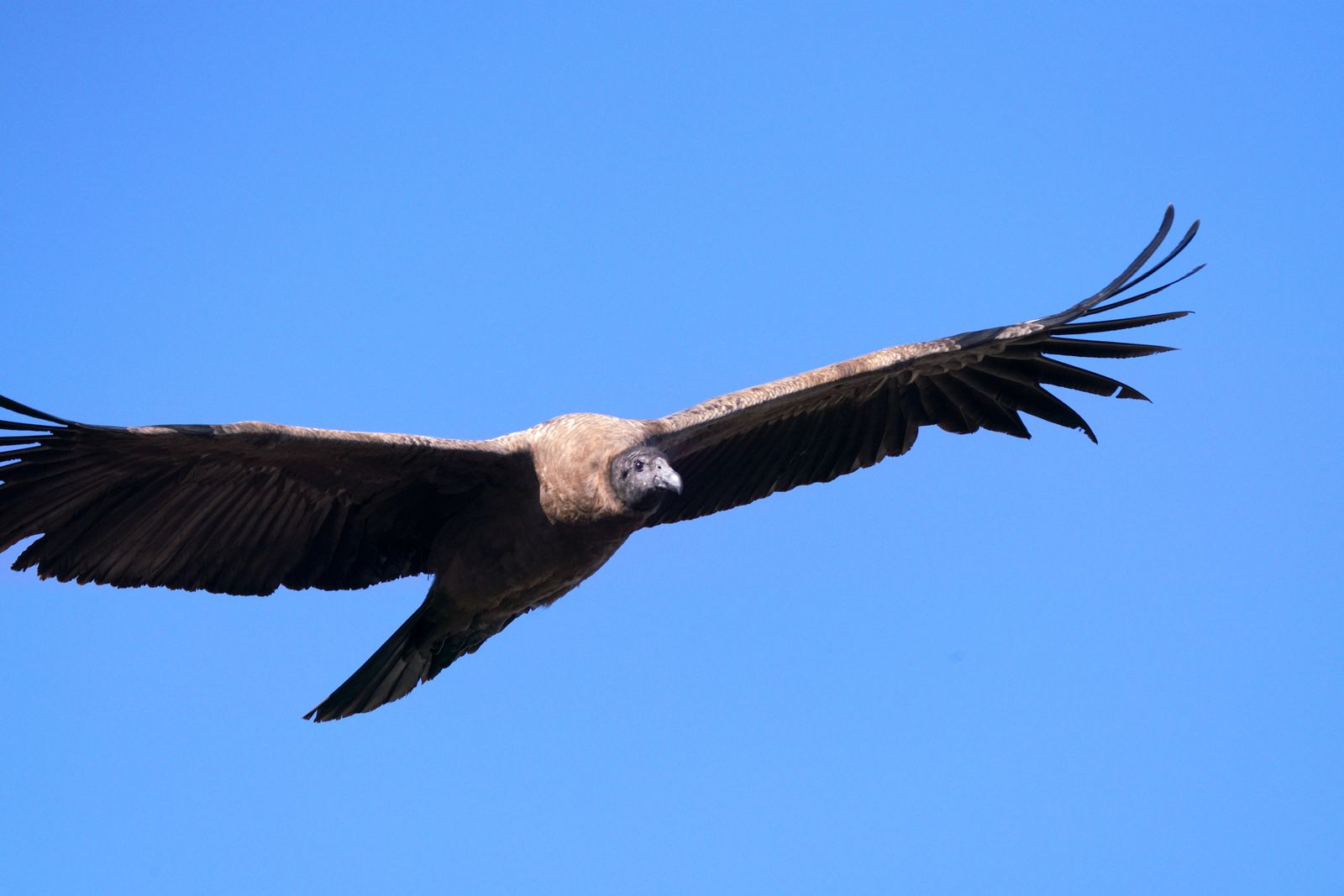
Day two — the road. Out early over the Altas Cumbres. Register for the Quebrada del Condorito the night before, be through the gate before 11:00, and do the Balcón Norte — four hours there and back, with condors coming past below the rock. Then down into Mina Clavero for a late lunch and an hour in the river. Back over the top before dark. Somebody stops at a carnicería on the way home, because tomorrow is the asado and you don't want to be shopping at noon.
Day three — the cabin, and nothing else. This is the day the trip is actually for. One person lights the fire at two, the meat goes on at four, and it's eaten at six. Somebody's in the river, somebody's asleep, somebody's arguing about the playlist. Fernet from one bottle, one glass going round. If the group has a fourth day, make it La Cumbrecita — leave the cars at the gate and walk the whole village — and make it the last one, because it's very hard to follow.
Where we would book
The cabaña direct, after the two-tab check, with the quincho-size and access-road questions asked and the deposit split rather than left on one card. Buses from Buenos Aires and out to the valleys through Plataforma 10, Central de Pasajes or the companies themselves — and if you're travelling in January, weeks ahead, not days. The car from a city or airport agency rather than an aggregator, with the insurance sorted before you're standing at a counter with nine people waiting. Quebrada del Condorito registration online the night before, screenshotted, because the signal at the gate is unreliable. The Manzana Jesuítica by email for any group over ten. Cuarteto tickets from Universo Tickets the day they drop, and Cosquín Rock only from cosquinrock.net — where BBVA's 12 cuotas sin interés is what makes ten tickets at once a normal decision instead of a big one. Everything else — the river, the feria, the walk, the fire — takes no booking and no deposit, and that's the best of it.
Related guides
- Your Córdoba Travel Guide — where to stay, what things cost, and how the money finally works.
- Córdoba Food Guide — the lomito, the empanada argument, and fernet.
- Things to Do in Córdoba — the slow train, the condor gorge, and the pedestrian village.
- Córdoba Culture Guide — cuarteto, the Jesuit block, and why they call it La Docta.
- Buenos Aires Group Trip Guide — the same country, the same long table, ten hours down the road.