Córdoba is not a fine-dining city and has never wanted to be. What it has is three things it invented or perfected and will argue about with you at length: a sandwich big enough to be dinner, an empanada that puts sugar where Buenos Aires thinks sugar has no business, and a bitter herbal drink it consumes at a rate the rest of the world finds concerning. Eat the cheap things properly and the week costs almost nothing. Here's the map, and the one dinner worth booking.
The lomito is the whole point
A steak sandwich with the chips inside it. Get it out of the way on night one, then have it again.
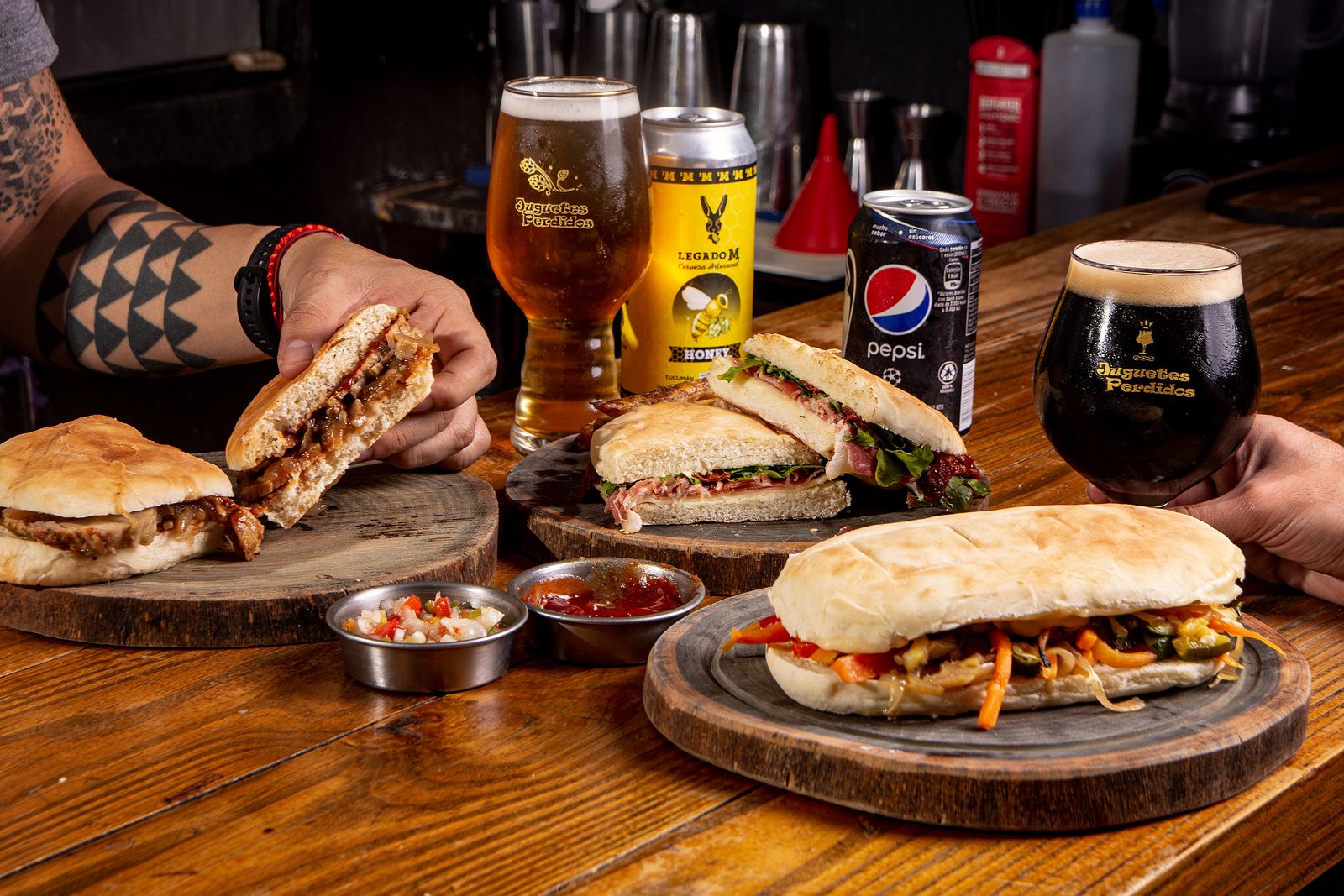
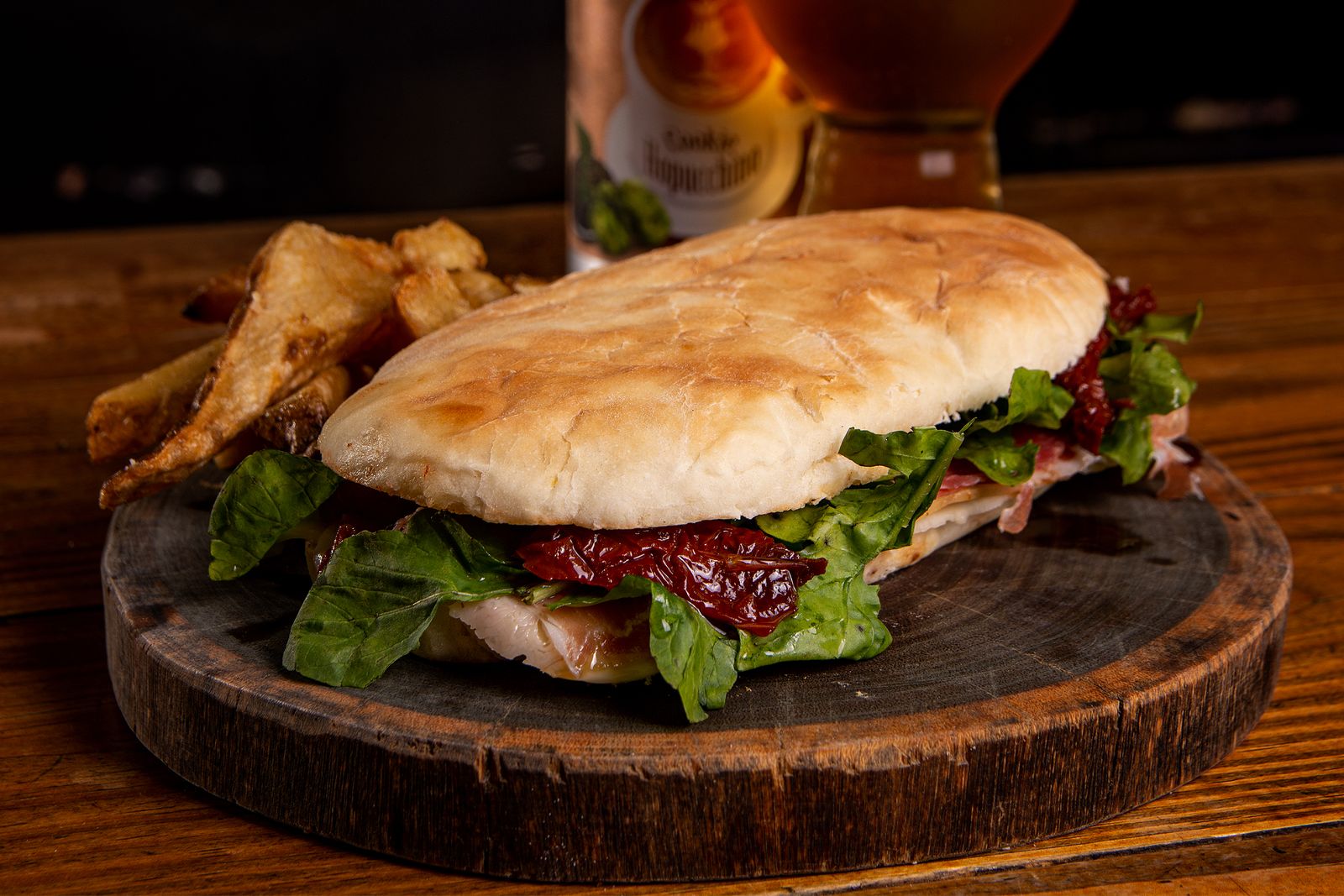
A lomito is a beef fillet steak, cooked on a plancha, in bread, with ham, melted cheese, a fried egg, lettuce, tomato, mayonnaise, and — this is the part outsiders get wrong — the chips inside the sandwich, not beside it. It is enormous, it is roughly $9,000–14,000 depending where you go (those are May 2026 menu prices, so budget a little more), and it is genuinely one of the best sandwiches anywhere. It ranks in global sandwich lists, which Cordobeses mention with the studied casualness of people who have been waiting to mention it.
Where to have it. El Carro de Mario is the pilgrimage — a Córdoba institution that came third in the city's 2026 poll with 31% of the vote and has the queue to prove it. Betos took 33% and is the reliable chain everyone actually eats at, open late and consistent across branches. Parador El Cuadrado out on Recta Martinolli 5344 won the thing outright with 36%, and is worth the trip north if you have a car. Lomitos 348 has been at it for over three decades and gets flagged by international food writers who wandered in by accident. And if you want the version with an opinion in it, Anisa Entre Panes topped the gourmet category and Santa Calma came second with a ciabatta, provolone and caramelised onion build that traditionalists consider a provocation.
One tactical note: a lomito is a meal for a person and a half. Two people splitting one plus a portion of chips is a completely normal order and nobody will blink. Come in May and the whole city runs Semana del Lomito, with two-for-ones and 30% off across dozens of places, which is either brilliant timing or a warning depending on your constitution.
The empanada argument
Sweet, with potato, and sugar dusted on the crust. Buenos Aires is wrong about this.
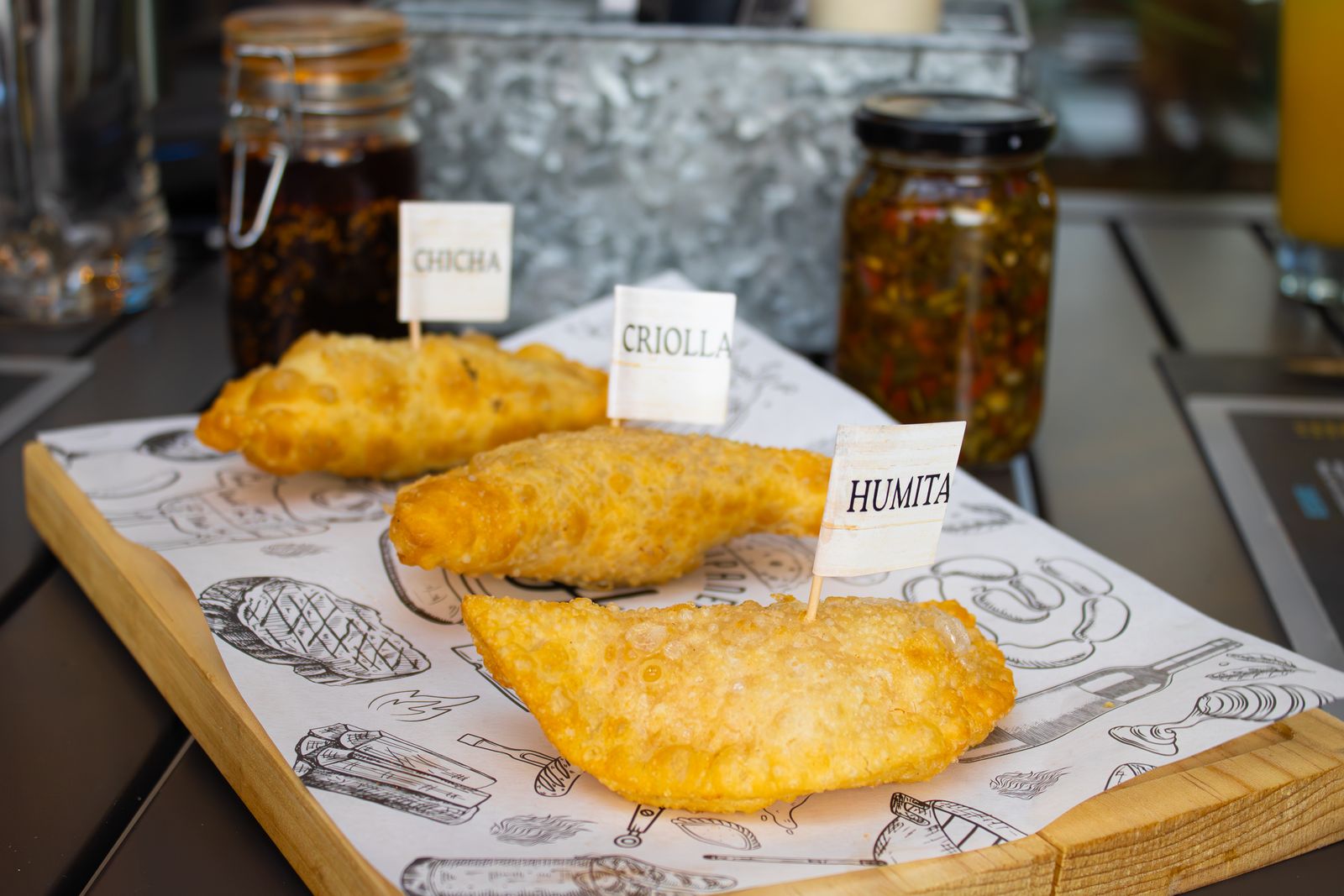
The empanada cordobesa is a genuinely different animal from the ones you get anywhere else in Argentina: the filling is cut with potato, it's noticeably sweet, it usually carries raisins, and it comes out of the oven with sugar dusted on the pastry. Porteños find this an outrage. Cordobeses find the porteño version dry and unseasoned. Nobody is going to win, and taking a side is a fast way into a conversation with strangers.
Buy them by the dozen from a neighbourhood rotisería rather than a restaurant — that's where the good ones are, they cost a fraction of the sit-down price, and a dozen plus a bottle of wine is a completely respectable dinner for four in a rented flat. Order them al horno, not fried. And while you're there: locro, the thick corn, bean and meat stew that gets eaten on national holidays and every cold day in between, and humita en chala, sweet corn and cheese steamed in the husk, which is the best thing on most menus and the thing nobody orders.
Fernet, and how it actually works
One bottle, one big glass, and everyone's hand in the same round.

Argentina drinks roughly 75% of the world's Fernet Branca, and Córdoba — one province — accounts for something like 30% of the national total: about 20 million litres a year. This is not a statistic the city is embarrassed about. Fernet is a dark, bitter, medicinal-tasting Italian amaro, and the first one you try will taste like a mistake. The third one will taste like the drink you came for.
The ritual matters more than the recipe. Roughly 30% fernet to 70% Coca-Cola, poured over a lot of ice, in a vaso big enough to be embarrassing, and the whole thing is made in one glass and passed around, or made in a pitcher for the table. Buying rounds individually is not how this works — somebody brings a litre bottle and a big Coke to the cabin and that's the night sorted for ten people for less than the price of two cocktails in Buenos Aires. Order it in a bar and it arrives as a tall dark glass with no fuss. A note for the tender-hearted: the branded factory everyone assumes is here is actually in Buenos Aires province. Córdoba just drinks it.
One bottle, one glass, ten people. It's not a cocktail, it's a way of arranging an evening.— On fernet
Where to eat and drink in Güemes
The old quarter turned into the good quarter, and it happened fast.

Güemes is where the city's eating and drinking actually happens now — low old buildings, a weekend craft feria, and a run of bars that would hold their own in Palermo at half the price. La Tapería on Belgrano 647 does classic and house cocktails, wine by the glass and proper food, and is the safe first stop for a group with mixed tastes. Sharing the same address, Pan Plano puts wood-fired pizza on the table, which solves a lot of arguments. Camelia on Ayacucho 540 is tapas and cocktails in a garden that people go slightly overboard describing, and they're not wrong. Apartamento on Achával Rodríguez 365 was one of the first wine bars here and still runs weekly tastings — the place to go if someone in the group has opinions about Malbec.
Over in Nueva Córdoba, Antares on San Lorenzo 79 has been voted the city's best cervecería five years running and is the default for a big loud table. Bend on Laprida 78 does sharing plates with more ambition than the neighbourhood usually attempts. And Fresco on Estrada 18 is the one to know if you've hit day four of an all-beef diet and want fish.
The one dinner worth booking
A parrilla, once, mid-trip — and it still costs less than you think.
Somewhere in the week you should sit down at a proper parrilla and order for the table: a tira de asado, a piece of vacío, chorizos and morcilla to start, a salad nobody will finish, and a bottle of Malbec. Parrilla La Emilia on Ricchieri 2300 is the smarter end of that — well-run, not stuffy, and the one we'd pick for a birthday. Expect to spend real money by local standards and considerably less than the equivalent night in Buenos Aires, and go at nine at the earliest, because arriving at seven marks you out as a tourist more surely than a camera does.
The better version of this, if the group has a kitchen or a cabin, is to do it yourselves. Meat from a neighbourhood carnicería for ten people — asado de tira, vacío, a ring of chorizo each, bread, a couple of salads, wine — lands around $130,000 all in, which is $13,000 a head, roughly $9. That is not a compromise version of the restaurant. In Argentina it's the better one, and it takes four hours, which is the point.
Where we would book
Almost none of this needs a reservation, which is one of the pleasures of eating here. The lomiterías don't take bookings and wouldn't know what to do with one — you queue at El Carro de Mario or you go to Betos instead, and both are correct answers. The rotiserías and the empanada places are counter transactions. In Güemes, book La Tapería, Camelia or Apartamento for a Friday or Saturday and walk in on any other night; a WhatsApp or an Instagram DM is how Córdoba actually takes reservations, and it works. Parrilla La Emilia is worth calling ahead for a table of six or more. And for the asado at the cabin, the only booking that matters is telling the carnicería the day before how many of you there are — they'll cut it properly and tell you how much to buy, which is better advice than anything on the internet.
Related guides
- Your Córdoba Travel Guide — where to stay, what things cost, and how the money finally works.
- Things to Do in Córdoba — the slow train, the condor gorge, and the pedestrian village.
- Córdoba Culture Guide — cuarteto, the Jesuit block, and why they call it La Docta.
- Córdoba Group Trip Guide — the same tables, booked for eight or ten.
- Where to Eat in Buenos Aires — the other Argentine table, and the one that gets all the attention.