The best things to do around Córdoba are outside the city, cost almost nothing, and mostly involve a road or a river. There's a national park where condors nest on the walls of a gorge and entry is free. There's a village you're not allowed to drive into. There's a train that takes twice as long as the bus and is worth every extra minute. Here's the order we'd do them in, and what each one actually asks of you.
Take the slow train up the valley
The Tren de las Sierras costs pocket money and is the nicest thing you'll do all week.
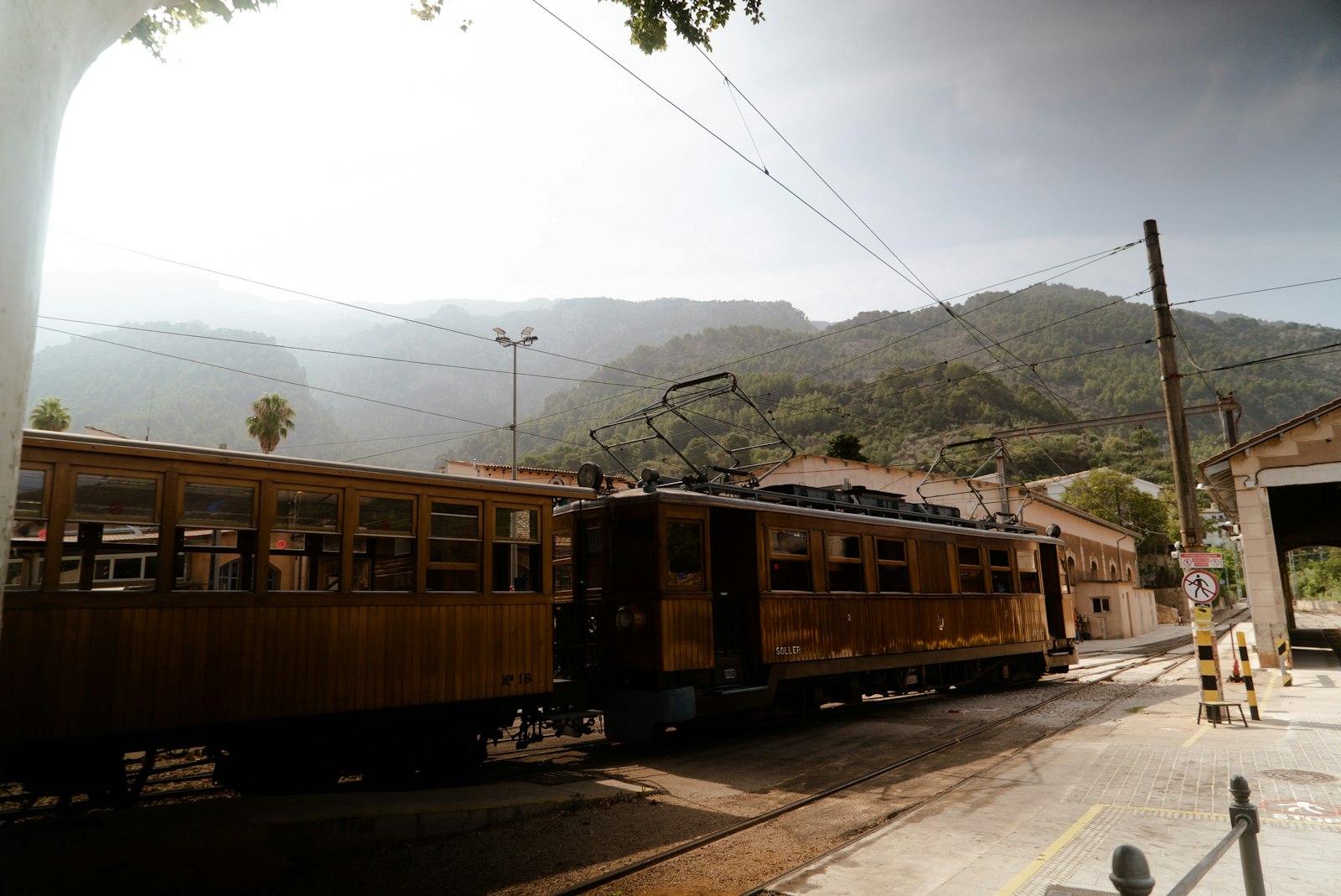
The Tren de las Sierras runs from Córdoba out through La Calera and up the whole Punilla valley — Cosquín, Valle Hermoso, La Falda, and on to Capilla del Monte at the far end. It is not a fast way to get anywhere; the buses will beat it comfortably. It is a train that spends two hours going through river gorges and low hills with the windows open, and it costs between $700 and $7,000 depending how far you go, which is less than the city bus for the short hops.
The practicalities: the first departure from Córdoba is at 07:00 and the first one back from Capilla del Monte at 07:45, there's no evening service, and the timetable shifts around on weekends and holidays — so pull the current PDF the week you travel rather than trusting anything you read a month out. Tickets come from the station offices, from webventas.sofse.gob.ar, or from the guard on board. The move most people miss: take the train out to Cosquín in the morning, spend the day there or walk up the Cerro Pan de Azúcar, and take a bus back when you're tired. You get the good part and skip the return crawl.
The condor gorge
Free entry, a four-hour walk, and a gate you need to be through before eleven.
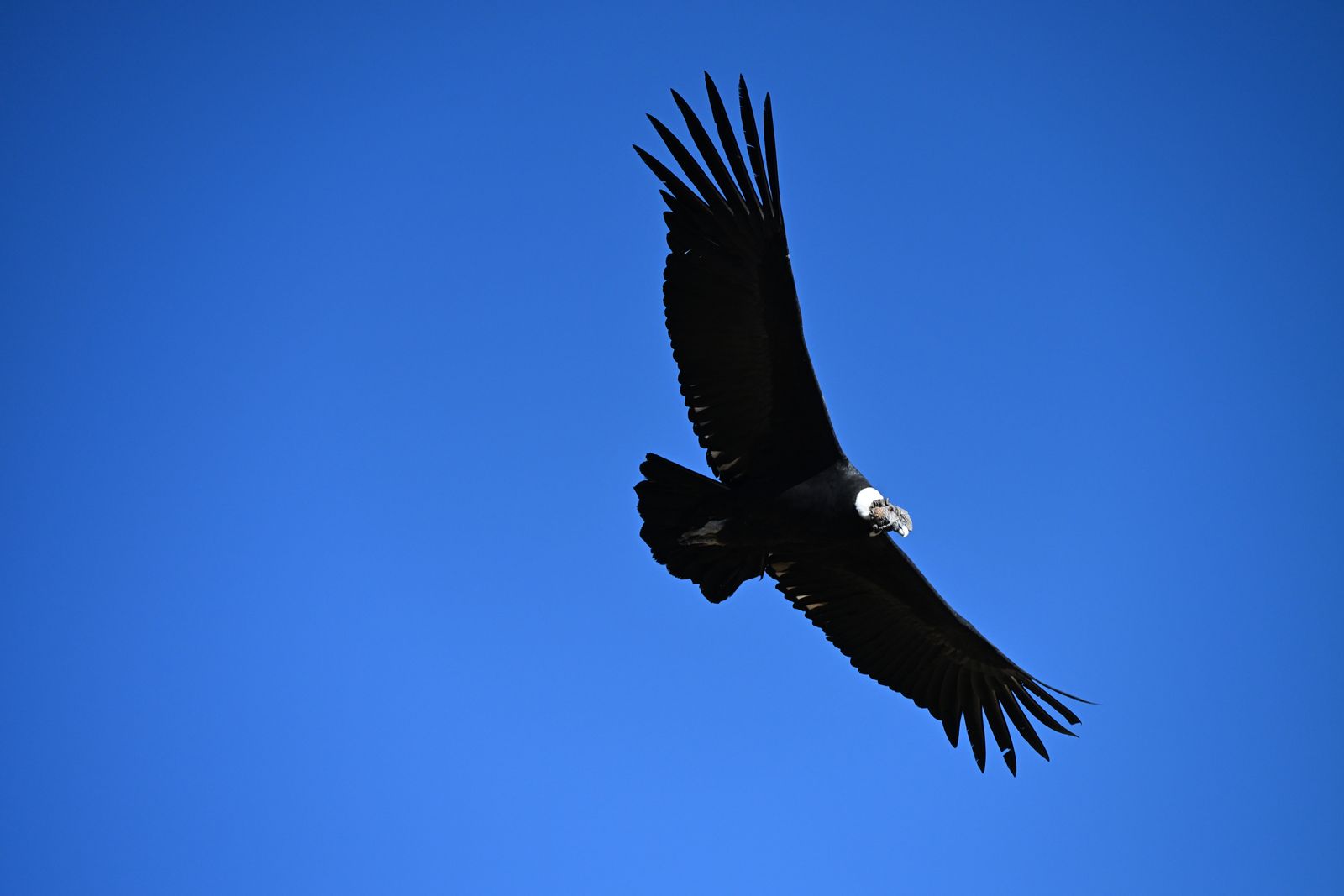
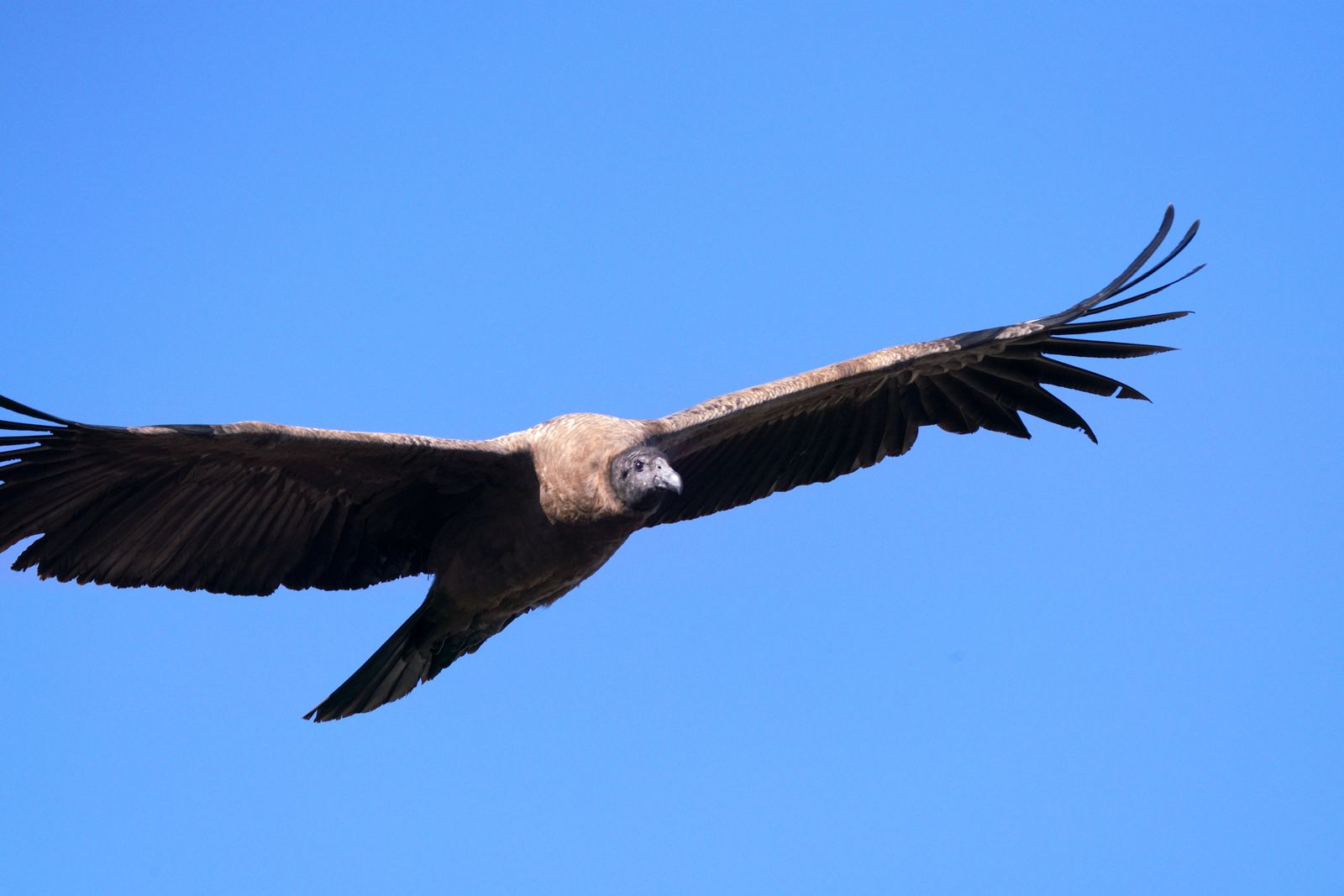
Parque Nacional Quebrada del Condorito sits 110 km from the city on the Camino de las Altas Cumbres, and it's the one genuinely wild thing within reach of Córdoba: a deep gorge where Andean condors nest on the cliffs and use the thermals off the walls to teach the young ones to fly. You stand on a balcony of rock and they come past below you. It is free, and it is not a theme park — this is high, exposed grassland and the weather does what it likes.
What you need to know before you go. The park reopened on 1 May 2026 after a fire in October 2025 closed the main circuits, so anything written before that is out of date — check the park's own channels the week you travel. It's open 09:00 to 18:00, entry is free but registration is mandatory, either online beforehand or by scanning the QR code at the gate. The Balcón Norte is the standard walk: about four hours there and back, no guide required, and rangers want you through the gate before 11:00 so you're not finishing in the dark. The Balcón Sur needs an authorised guide, no exceptions.
Getting there without a car is easier than it looks: the COATA and Ciudad de Córdoba buses that run between Córdoba, Carlos Paz and Mina Clavero stop at La Pampilla, the park entrance. Tell the driver where you're getting off. Take twice the water you think, take a windproof layer even in summer, and take sunscreen — there is no shade anywhere on that plateau.
You stand on a rock and the condors come past underneath you. That part costs nothing at all.— On the Quebrada del Condorito
The village you can't drive into
La Cumbrecita leaves the cars at the gate, and it makes all the difference.
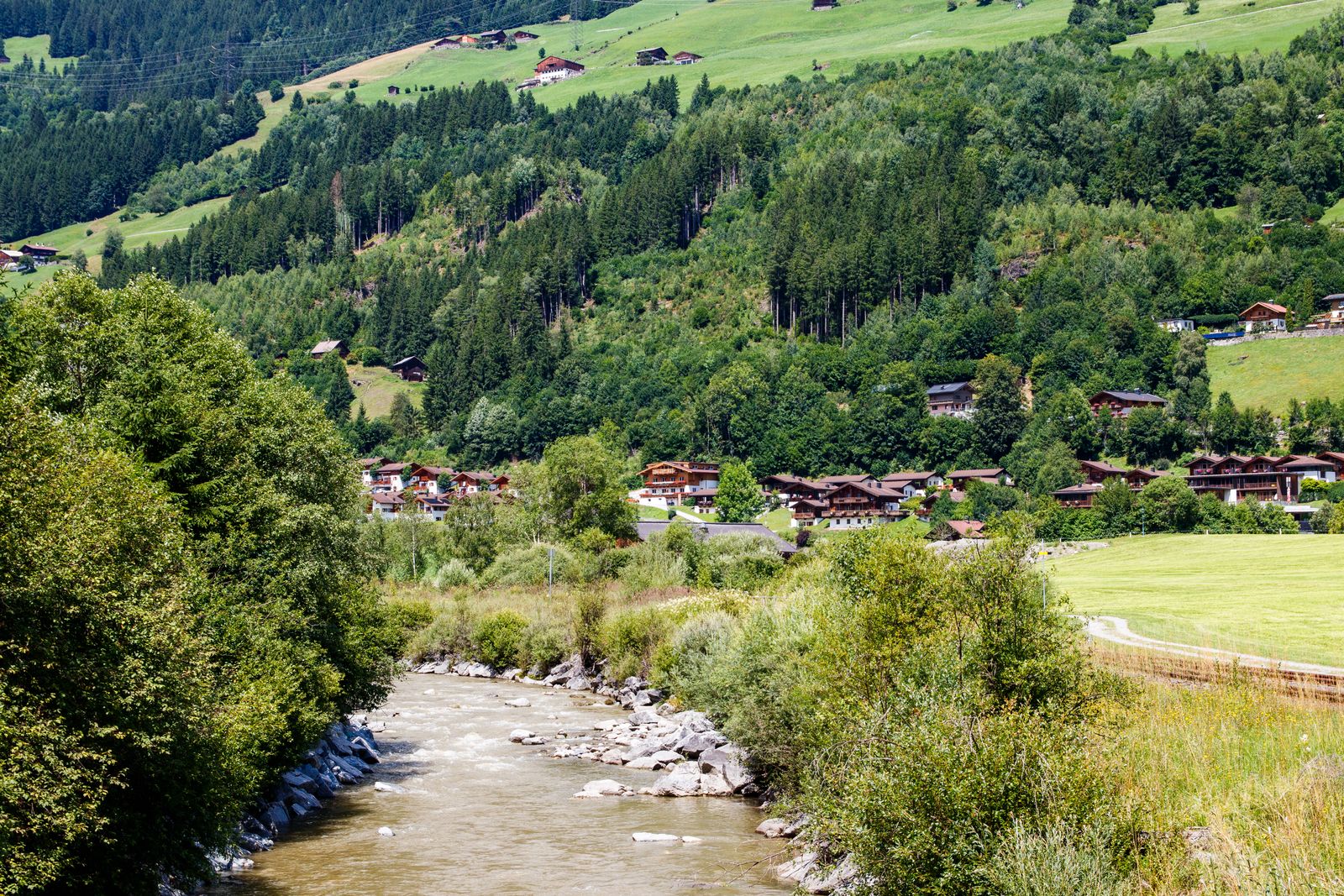
La Cumbrecita is a small alpine-looking village 120 km south-west of the city in the Calamuchita valley, built by German and Austrian settlers and — this is the good bit — entirely pedestrian. Cars stop at the communal car park at the entrance and you walk in. The result is a place where the loudest thing is the river, which is a rarer experience than it should be.
You get there on RP5 to Villa General Belgrano and then RP109, or on a bus from Córdoba terminal via VGB that drops you at the entrance. Once you're in, everything is a walk: La Olla, a deep green swimming hole in the rock; the Cascada Grande waterfall; the Cerro Wank lookout, which is a steady 45 minutes up and gives you the whole valley. If you're sleeping in the village you're allowed to drive to your lodging, which is worth knowing before you carry ten people's bags up a hill. Note that there's a free unattended car park outside the village as well as the paid one inside — the tourist office would rather you used the proper one, and for a group with luggage in the boot so would we.
La Olla, and the ten minutes it takes to get there
Ten minutes upstream from the middle of La Cumbrecita, the river drops into a deep green pool scooped out of the rock and everybody in the village ends up in it. It's called La Olla — the pot — it's free, and the water is cold enough to make the decision for you. Take shoes you can walk in wet, go before two so you get an hour of sun on the rock, and understand that this is the actual reason to come here rather than the wooden chalets. If it's busy, keep walking upstream for five more minutes; there are smaller pools most people never bother to find.
The lake town, and the chairlift
Villa Carlos Paz is 40 minutes away and better than its reputation.
Villa Carlos Paz sits on Lago San Roque 36 km from the city, buses leave the terminal every fifteen to twenty minutes, and it is the easiest escape on this list — you can be swimming by mid-morning and back for dinner. Argentines think of it as the summer-theatre-and-nightclubs town, which it very much is in January, and which means the rest of the year it's a pleasant lakeside place with room to breathe.
The thing to do is go up the Cerro de la Cruz. There's an aerosilla — a one-kilometre chairlift that opened on Christmas Day 1955 and was the first private chairlift in South America — running from the complex in town to a café at the top with telescopes and a terrace over the lake and the whole Punilla valley. Or you walk, which takes 30 to 40 minutes from the base, costs nothing, and delivers you to the same 15-metre cross that's been up there since 1934. Do the chairlift up and walk down if the group is split on the question.
The estancia, and the doctor's house
Alta Gracia holds a Jesuit World Heritage site and Che Guevara's childhood bedroom, four blocks apart.
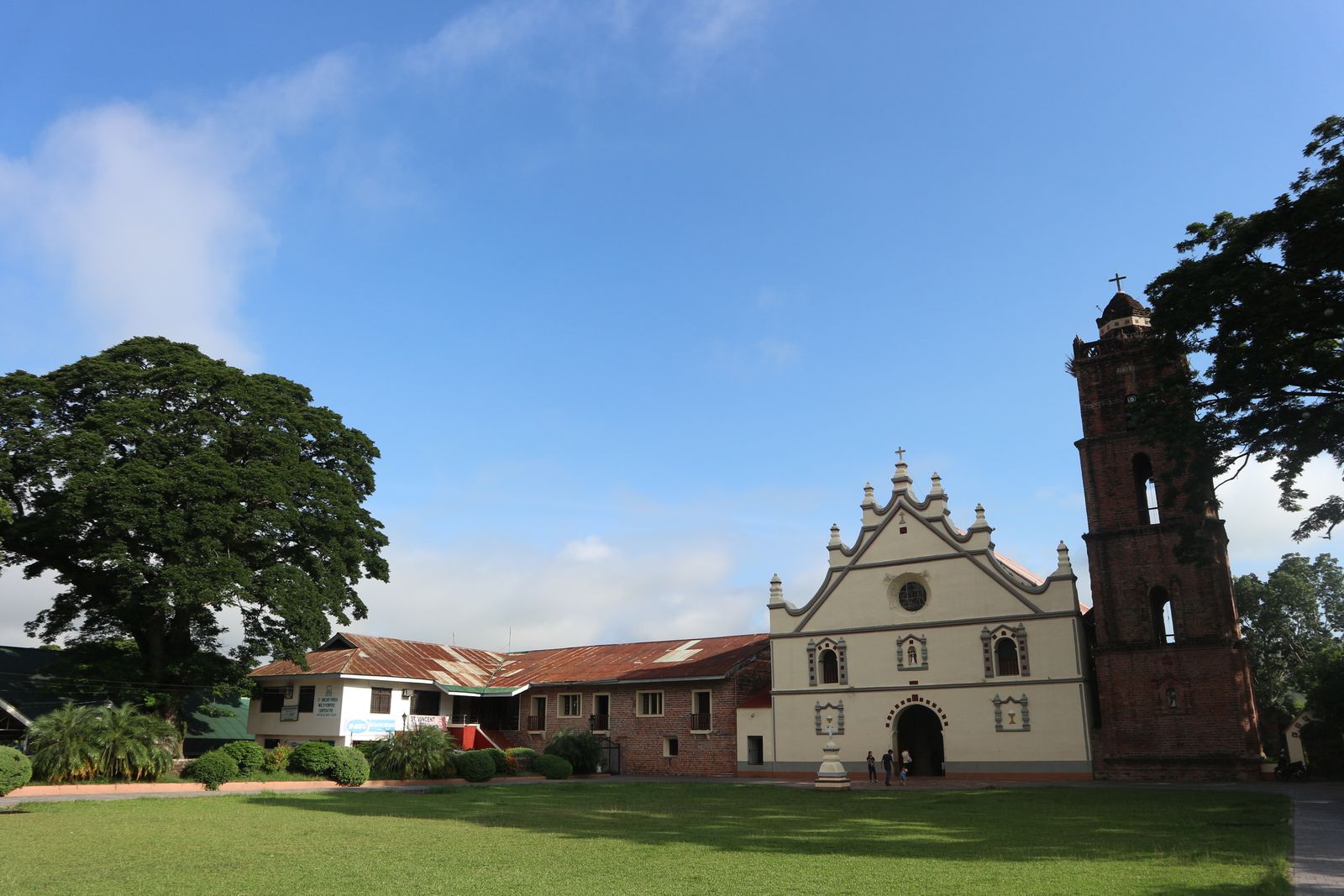
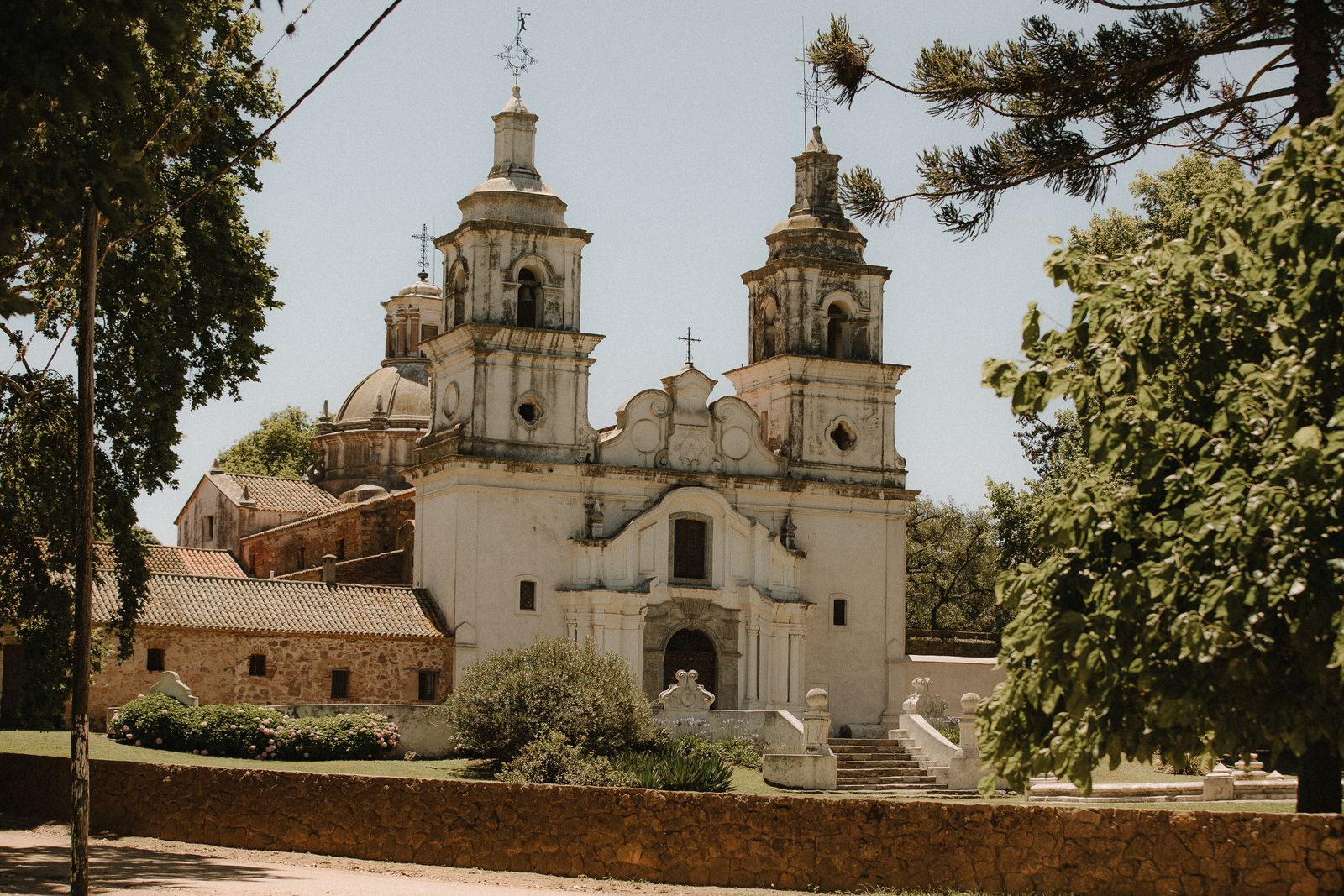
Alta Gracia, 36 km south of the city, is the best half-day trip here because it's two completely unrelated things in walking distance of each other. The Museo Nacional Estancia Jesuítica de Alta Gracia y Casa del Virrey Liniers is one of the five Jesuit estancias that make up the UNESCO listing with the city's Manzana — a working 17th-century agricultural complex with its church, its reservoir and its workshops, and rooms full of the objects of a household that ran on enslaved and Indigenous labour, which the museum does not gloss over. It's open Tuesday to Friday 09:00–13:00 and 15:00–19:00, weekends 09:30–12:30 and 15:30–18:30, closed Mondays, with free guided tours at 11:00 and 16:30 Tuesday to Sunday and no reservation needed.
Four blocks away is the Museo Casa de Ernesto Che Guevara — the house the family moved to in the 1930s because the dry mountain air was supposed to help his asthma. It's a small, plain, oddly moving place: school reports, family photographs, the bicycle with the motor on it. You can be at both plus lunch and back in Córdoba by six.
The road over the top
The Altas Cumbres to Mina Clavero is the drive, and the drive is the activity.
If someone in the group can drive and you can get a car for a day, the Camino de las Altas Cumbres is the single best thing in this guide. It climbs west out of the Punilla valley onto a high, treeless plateau of granite and yellow grass, runs past the entrance to the condor park, and then drops down the far side into Mina Clavero and the Traslasierra valley — a river town where people spend the whole summer in the water. It's about two hours each way without stops, and you should absolutely stop.
Without a car, the same road is served by COATA and Grupo Sarmiento buses from Córdoba terminal, roughly three hours to Mina Clavero, twice a day. That's a fine way to arrive and a poor way to sightsee, so if the road is the point, rent the car. Two rules: fill the tank in Carlos Paz because there is nothing on top, and don't do it after dark — no lighting, loose gravel on the bends, and a real chance of finding livestock in the road.
Where we would book
Quebrada del Condorito needs no ticket and no money, only the mandatory registration — do it online the night before and screenshot it, because signal at the gate is unreliable. Tren de las Sierras tickets come from the station, webventas.sofse.gob.ar or on board; buy the outbound and improvise the way home. Sierras buses go through Plataforma 10 or the terminal counters, and for January you want them days ahead rather than hours. Alta Gracia's guided tours are free and walk-in, and the estancia's Monday closure is the classic wasted trip — check the day before you go. Rent a car from the airport or a city agency rather than a booking aggregator; local rates for a day in the sierras are reasonable and the aggregator's insurance upsell at the counter is not. And skip the packaged "sierras tour" that does four towns in a day from a coach window: you'll see all of them and none of them, and the same money in a rented car with five friends buys you the version where you can stop at the river.
Related guides
- Your Córdoba Travel Guide — where to stay, what things cost, and how the money finally works.
- Córdoba Food Guide — the lomito, the empanada argument, and fernet.
- Córdoba Culture Guide — cuarteto, the Jesuit block, and why they call it La Docta.
- Córdoba Group Trip Guide — the car, the cabin, and the river, for ten.
- Things to Do in Buenos Aires — the other Argentina, where the best things are also free.