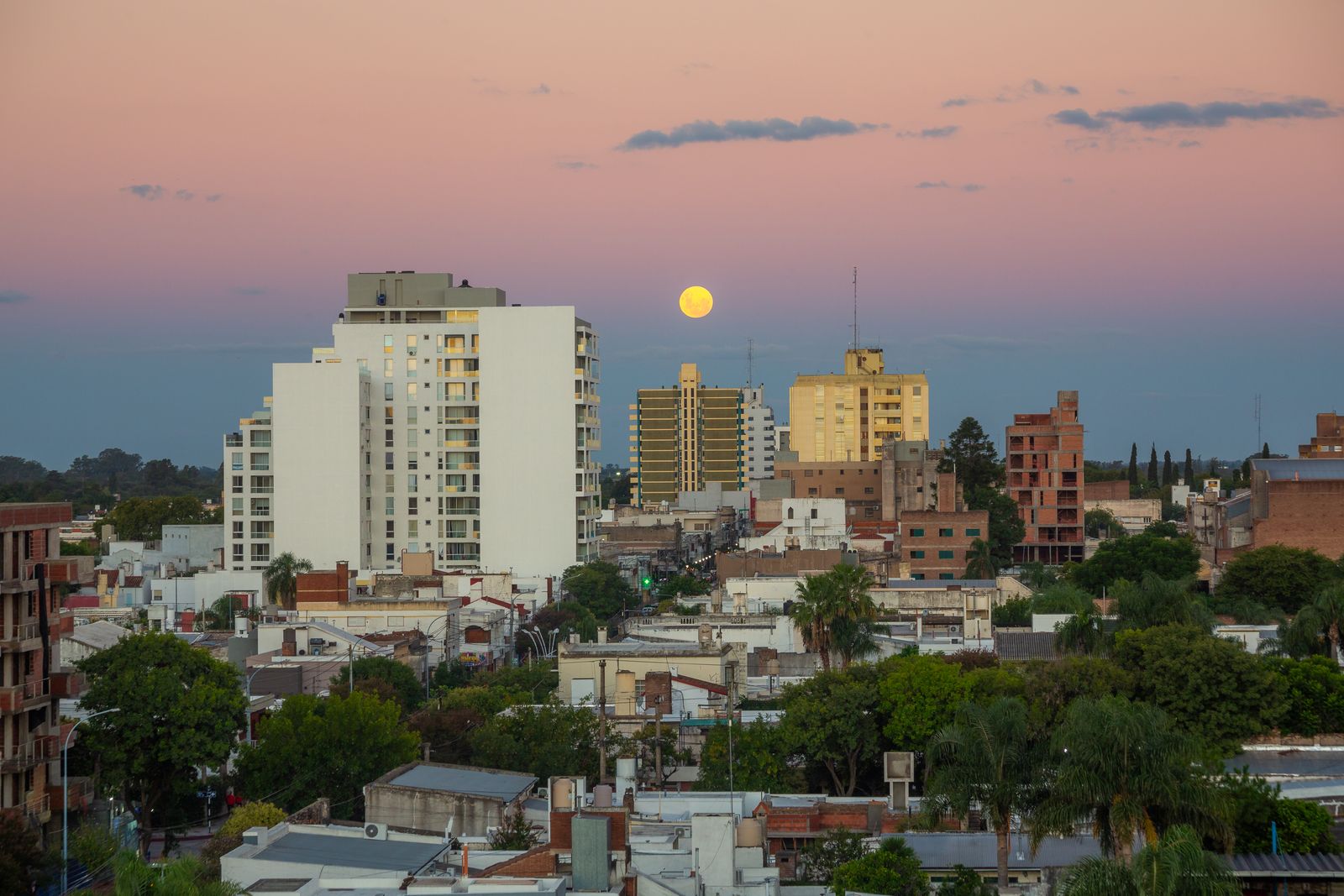
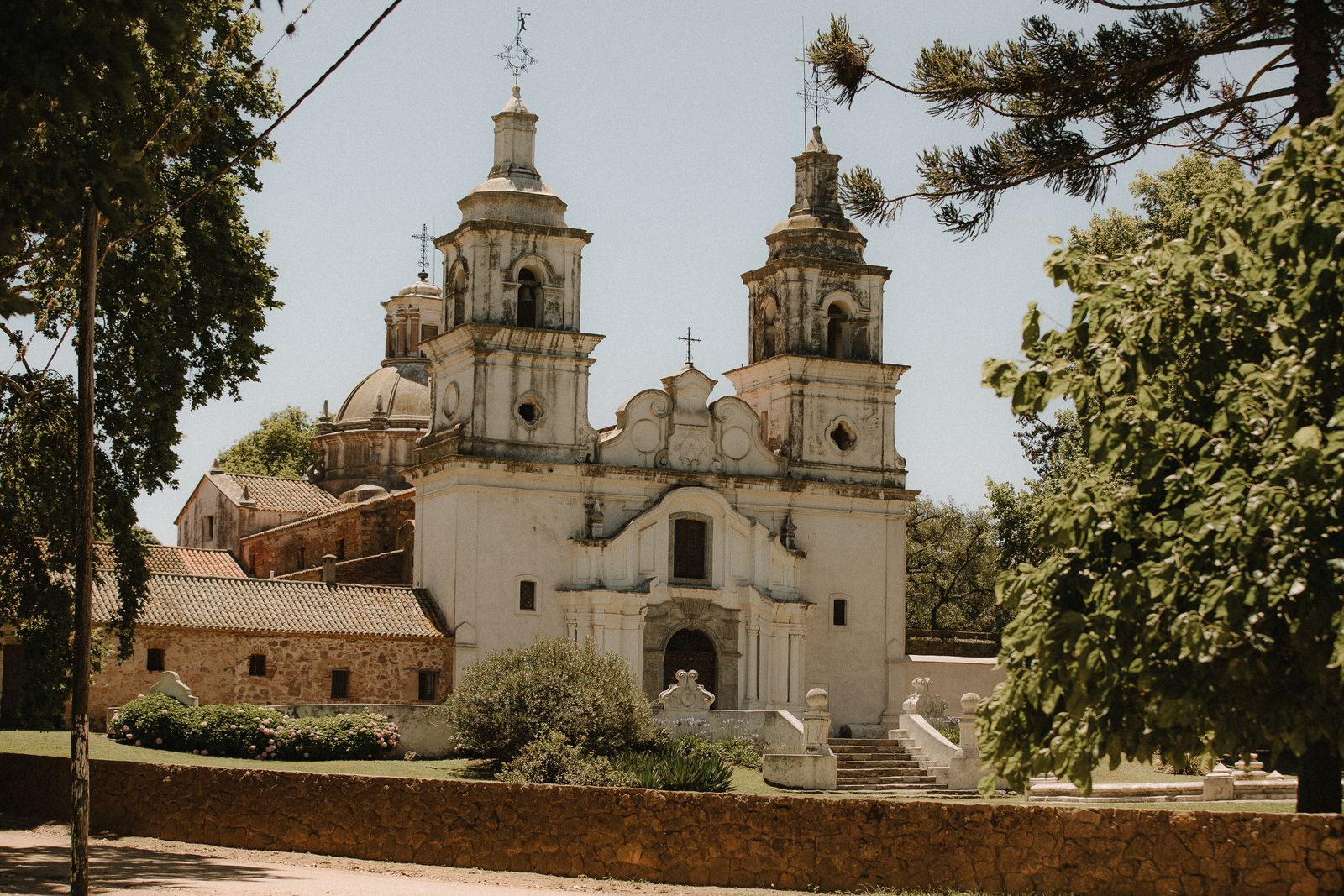
Two things happened in Córdoba that happened nowhere else. In 1613 the Jesuits founded a university here, four hundred years before anyone thought of putting one in Buenos Aires, and the city has been calling itself La Docta ever since. In 1943 a four-piece band in a working-class dance hall invented a rhythm that turned into the most popular music in the province and one of the few genuinely local genres left in Latin America. The colonial half is a UNESCO site you can walk around in an hour. The other half fills stadiums on a Saturday. You want both.
Cuarteto: invented here, still playing
A piano rhythm from 1943, a woman nobody outside Córdoba can name, and a stadium that still sells out.
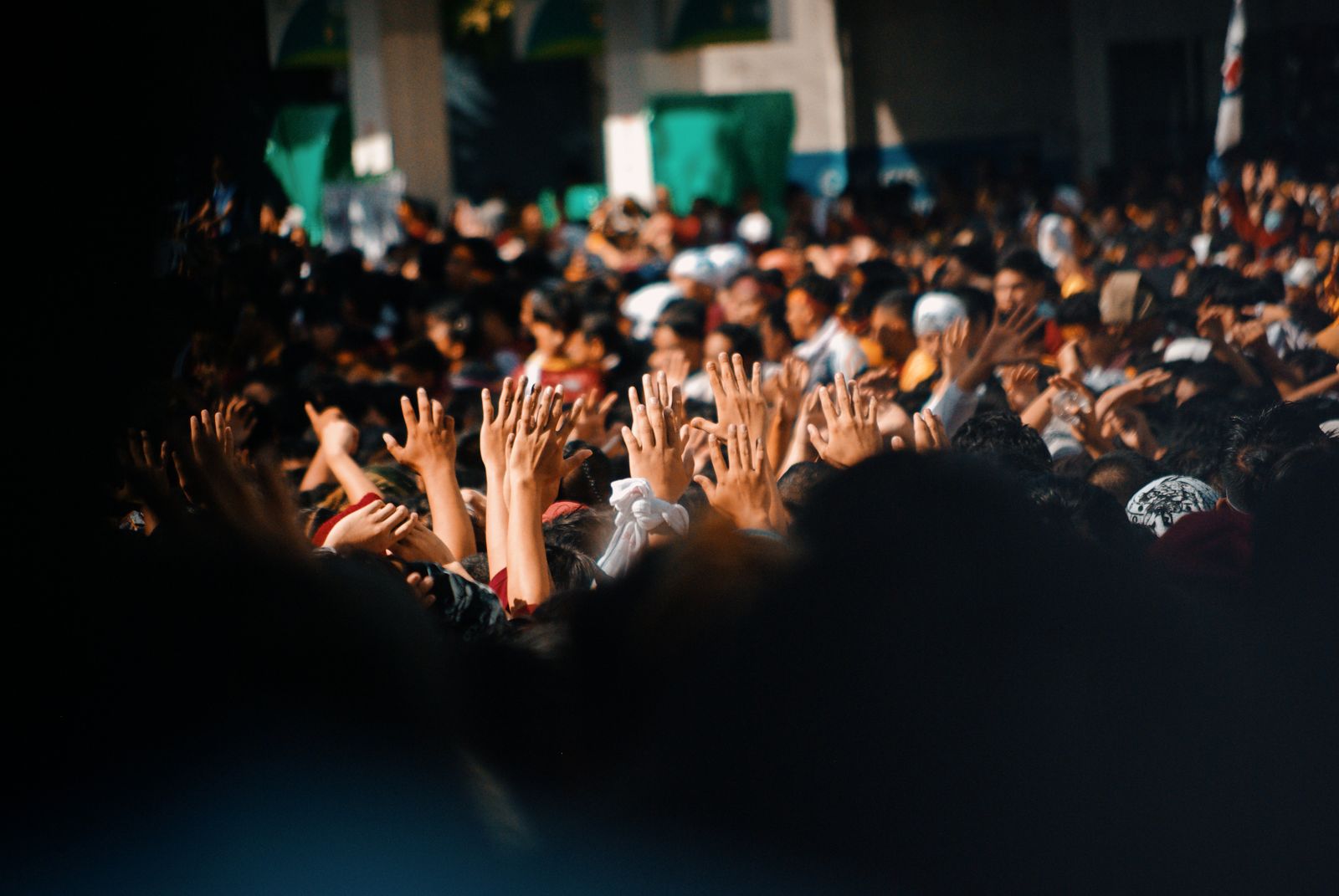
Cuarteto started in 1943 with the Cuarteto Leo, and its defining sound — the tunga-tunga, that relentless bouncing left-hand piano figure you'll recognise within four bars — was invented by the band's pianist, Leonor Marzano. There's a statue of her in the city, which is the least Córdoba could do for someone who wrote the rhythm the entire province dances to. It has been working-class music from the start, played at bailes — dances, not concerts — where the floor is the venue and standing still is the odd choice.
The living monument is Carlos "La Mona" Jiménez, who has been performing since the 1960s, is in his seventies, and still filled Forja to a sold-out house in February 2026 and came back for another baile on the Día del Amigo in August. Tickets go through Universo Tickets, start around $40,000, and go fast — the February date sold out and he added another. The other names to know are Ulises Bueno, and Rodrigo — Rodrigo Bueno, who took cuarteto national in the 1990s, died in 2000 and is commemorated with a mural at the Belgrano ground and a statue at the Buen Pastor beside La Mona's.
How to actually go to one. The big rooms are Forja, the Plaza de la Música (a 1910 power station, and a gorgeous space) and the Estadio del Centro. If a stadium-sized baile feels like a lot for a first attempt, the city's own tourist office points people at Sala del Rey — smaller, gentler, and specifically the place to take a first step as a dancer. Buy in advance, go with a group, expect it to start much later than the ticket says, and expect to be the worst dancer in the room, which nobody will care about at all. If you'd rather do the daylight version, the Museo del Cuarteto at Avenida Colón and Rivera Indarte opened in 2021 and lays out the whole story. The Día del Cuarteto is 4 June, and the city takes it seriously.
Nobody goes to a baile to watch. That's the difference between a concert and a dance, and Córdoba only has one of them.— On cuarteto
The Jesuit block
Argentina's first World Heritage site, one square block, and a university older than most countries.
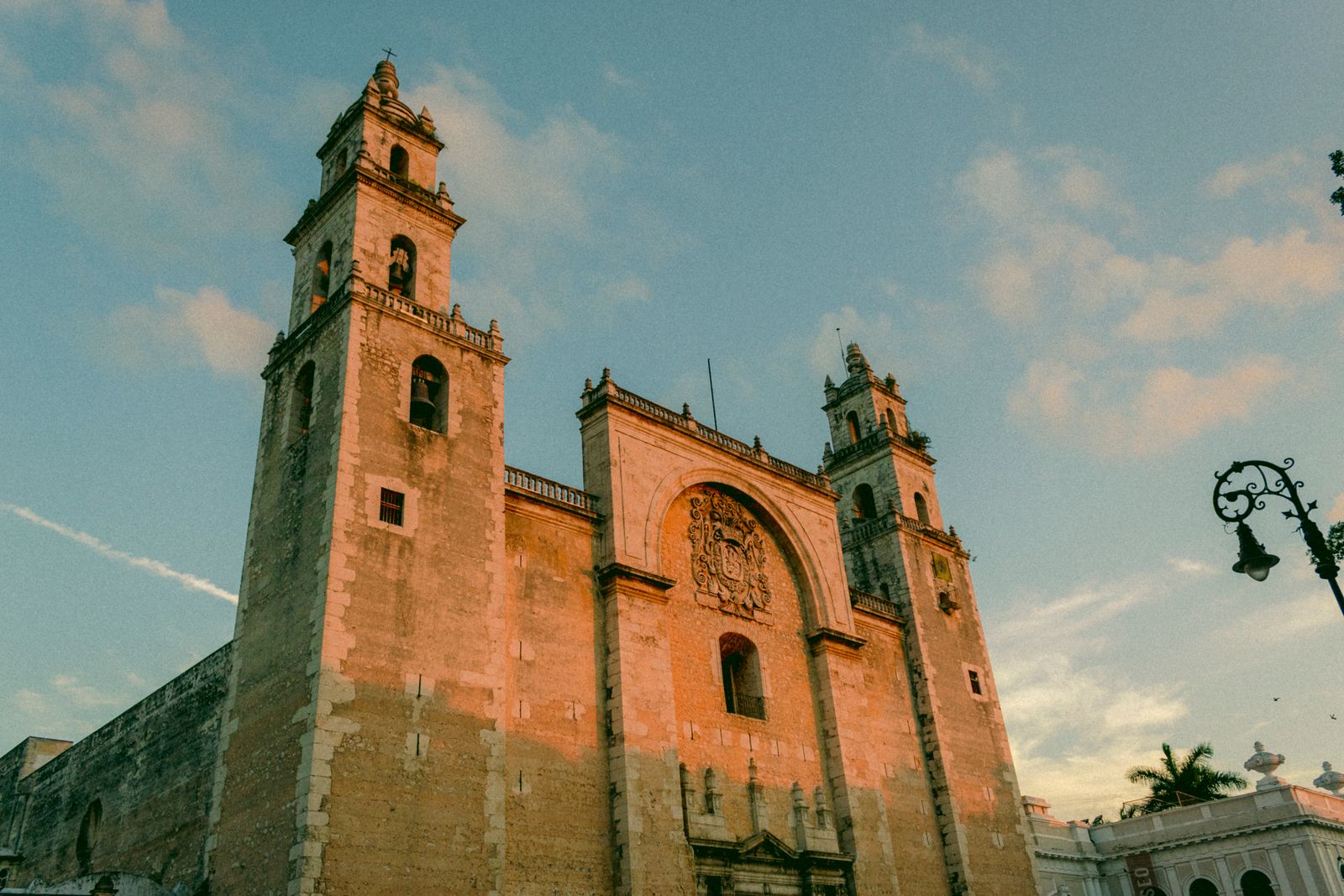
The Manzana Jesuítica — the Jesuit Block — is a single city block holding the Iglesia de la Compañía de Jesús, the old university, the Colegio Nacional de Monserrat and the residence, and it was inscribed as Argentina's first UNESCO World Heritage site in 2000, together with five estancias out in the province. The church's ceiling is the thing people remember: a barrel vault built by a Belgian shipwright out of Paraguayan cedar because there was no one in the colony who could vault it in stone, so he built it like an upturned hull.
The Universidad Nacional de Córdoba was founded in 1613, which makes it the oldest in Argentina and one of the oldest in the Americas, and it's still very much alive — about 150,000 students, and in 1918 the Reforma Universitaria started here and spread across Latin America. Visit through the Museo Histórico UNC in the old rectorate. Guided tours run about an hour, cap out at 30 people, and cost a small bono contribución. Spanish tours are at 11:00 and 15:00 on weekdays and 11:00 on Saturdays and holidays, walk-in. The English tour at 10:00 needs 24 hours' notice by email to reservas@museohistorico.unc.edu.ar — and that's also how a group of more than ten books. It's the one reservation the city genuinely asks of you.
La Docta, and what a student city does to a place
150,000 students set the opening hours, the prices, and the volume.
You can feel the university in things that have nothing to do with it. Dinner is late and cheap. Bars in Nueva Córdoba fill at midnight on a Wednesday because someone finished a lab at ten. There are more bookshops per block than a city this size should support, and a genuinely good independent cinema and theatre scene that survives on student pricing. The trade-off is that the city partly empties in January and February when everyone goes home or to the coast — which is exactly when the sierras are at their fullest, so the season inverts depending on which half of the trip you're doing.
The physical set-pieces are easy to walk in an afternoon. Plaza San Martín with the Cabildo and the cathedral; the Iglesia de los Capuchinos, a neo-Gothic pile with one tower deliberately left unfinished as a note about human imperfection; the Paseo del Buen Pastor, a former women's prison and asylum turned into a cultural centre with fountains outside it; and La Cañada, the walled stream running through the middle of town under a tunnel of trees, which is where the city goes to walk slowly.
The museums, and the feria
Two serious art collections, a French palace, and a market that takes over Güemes every weekend.
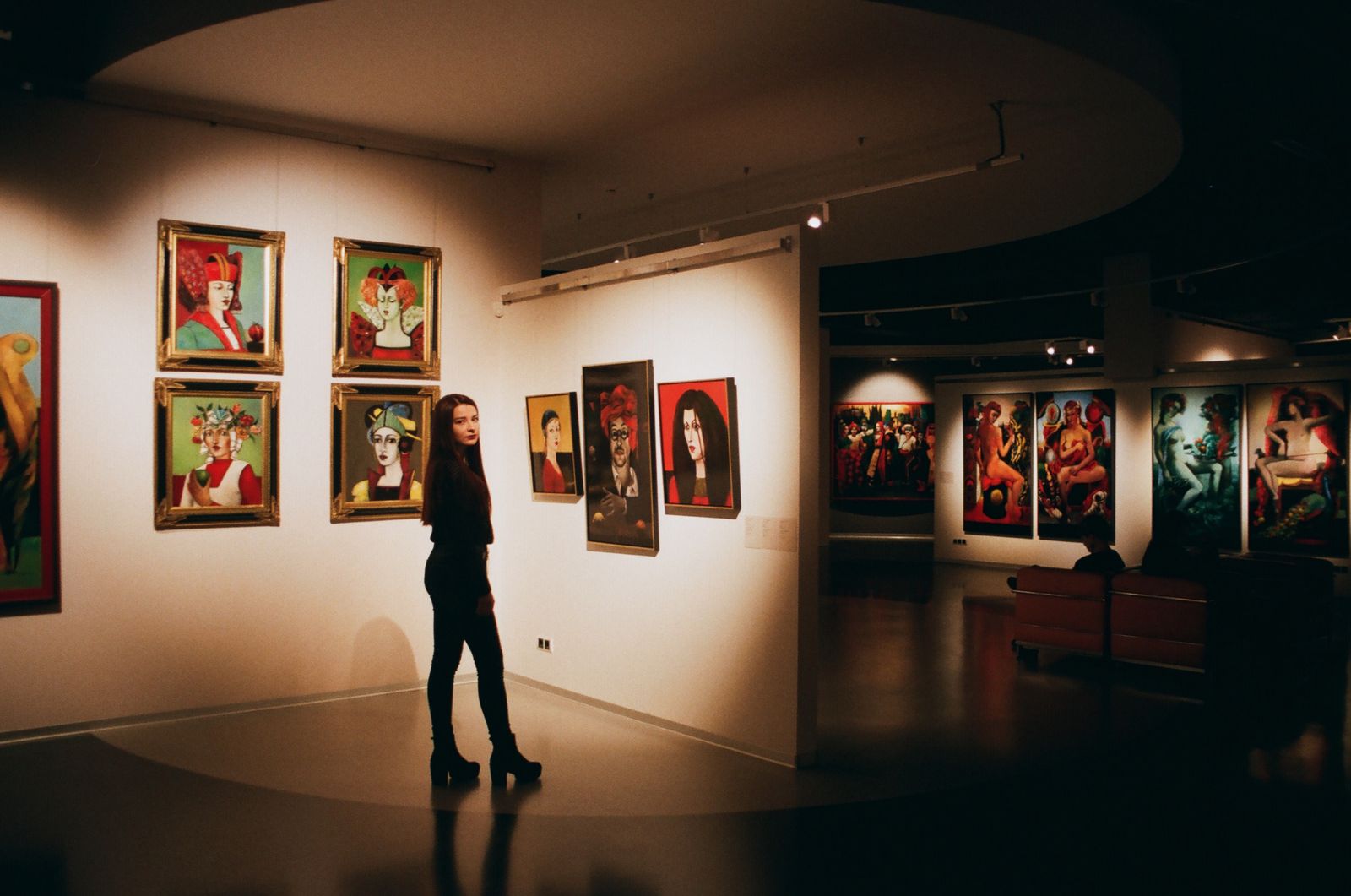
Two museums are worth an afternoon. The Museo Superior de Bellas Artes Evita lives in the Palacio Ferreyra, a Louis-style mansion built for a Córdoba family in 1916 and gutted into a modern gallery inside — the contrast between the shell and the interior is half the visit. Across the road, the Museo Emilio Caraffa is the province's fine-art museum and runs the more adventurous temporary shows. Both sit on the edge of Nueva Córdoba beside the Buen Pastor, so it's one stop, not three.
The other thing to time your weekend around is the Paseo de las Artes in Güemes — the old flea market, still called the Feria de las Pulgas, running Friday to Sunday from 17:00 to 23:00, free, spread between La Cañada and calle Belgrano. Craftspeople, antiques, plants, food stalls, and the whole neighbourhood out on the street. Go at seven, eat something from a stall, and then fall into one of the bars around it, which is the correct sequence and the one everybody follows.
The festivals worth planning around
January belongs to folklore. February belongs to rock. October belongs to beer.
Córdoba province runs one of the densest festival calendars in the country, and three of them are worth building a trip around. The Festival Nacional de Folklore de Cosquín is the big one — nine consecutive nights in Plaza Próspero Molina in the second half of January, known as the nueve lunas, and the stage where essentially every Argentine folk musician of the last seventy years has had to prove themselves. The 2027 edition is the 67th; the exact dates get confirmed closer to the time, so watch the festival's own channels rather than booking on a guess. Overlapping it, Jesús María runs its doma and folklore festival, which is horses and gaucho skill and not remotely a tourist production.
Cosquín Rock is the other one: 6 and 7 February 2027 at the Aeródromo Santa María de Punilla. Tickets are sold only through cosquinrock.net, they went on sale on 29 July 2026 in three staged releases, and BBVA cards carry up to 12 cuotas sin interés — which for a group buying six tickets at once is the difference between going and not. And in October, Villa General Belgrano holds the Oktoberfest, the 63rd edition, across two weekends in the Bosque de los Pioneros, with free entry Monday to Thursday. The dates move and the sources disagree, so confirm on the town's own site before you book a cabin around it.
Where we would book
The Manzana Jesuítica is the one thing to organise: Spanish tours are walk-in, the English one and any group over ten need an email to reservas@museohistorico.unc.edu.ar a day ahead. Cuarteto bailes sell through Universo Tickets and the venues' own channels — buy early for La Mona, who sells out, and buy at the door for a small room like Sala del Rey. Cosquín Rock is cosquinrock.net and nowhere else; every resale listing is either a markup or a problem. For Cosquín in January, the festival sells its own tickets and the accommodation is the hard part — beds in Punilla go months ahead, so book the room before you book the night. The museums are cheap, never sell out, and are the correct plan for a hot afternoon. And the feria, the Cañada, the Capuchinos and the whole colonial centre cost nothing, which is where we'd start.
Related guides
- Your Córdoba Travel Guide — where to stay, what things cost, and how the money finally works.
- Córdoba Food Guide — the lomito, the empanada argument, and fernet.
- Things to Do in Córdoba — the slow train, the condor gorge, and the pedestrian village.
- Córdoba Group Trip Guide — the baile, the cabin, and the asado, for ten.
- Buenos Aires Culture Guide — the other Argentine music, and the city that exports it.