
Argentina
Córdoba
Argentina's second city: cuarteto, the best sandwich in the country, and the sierras an hour behind it.
Currency
ARS
Language
Spanish
Best months
March–May and September–November (warm days, dry air, the sierras at their best)
Mid-range budget
$
85
/ day
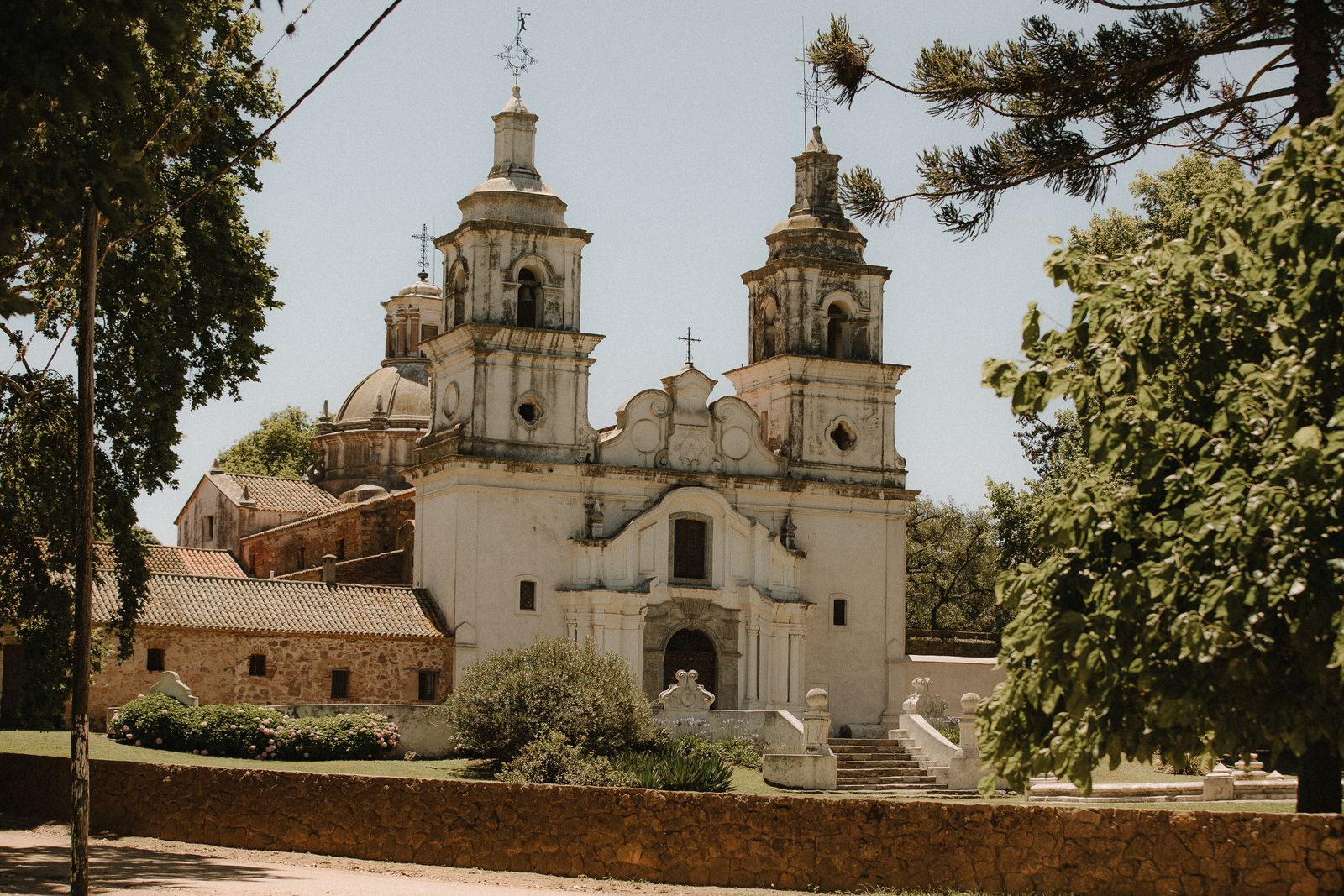
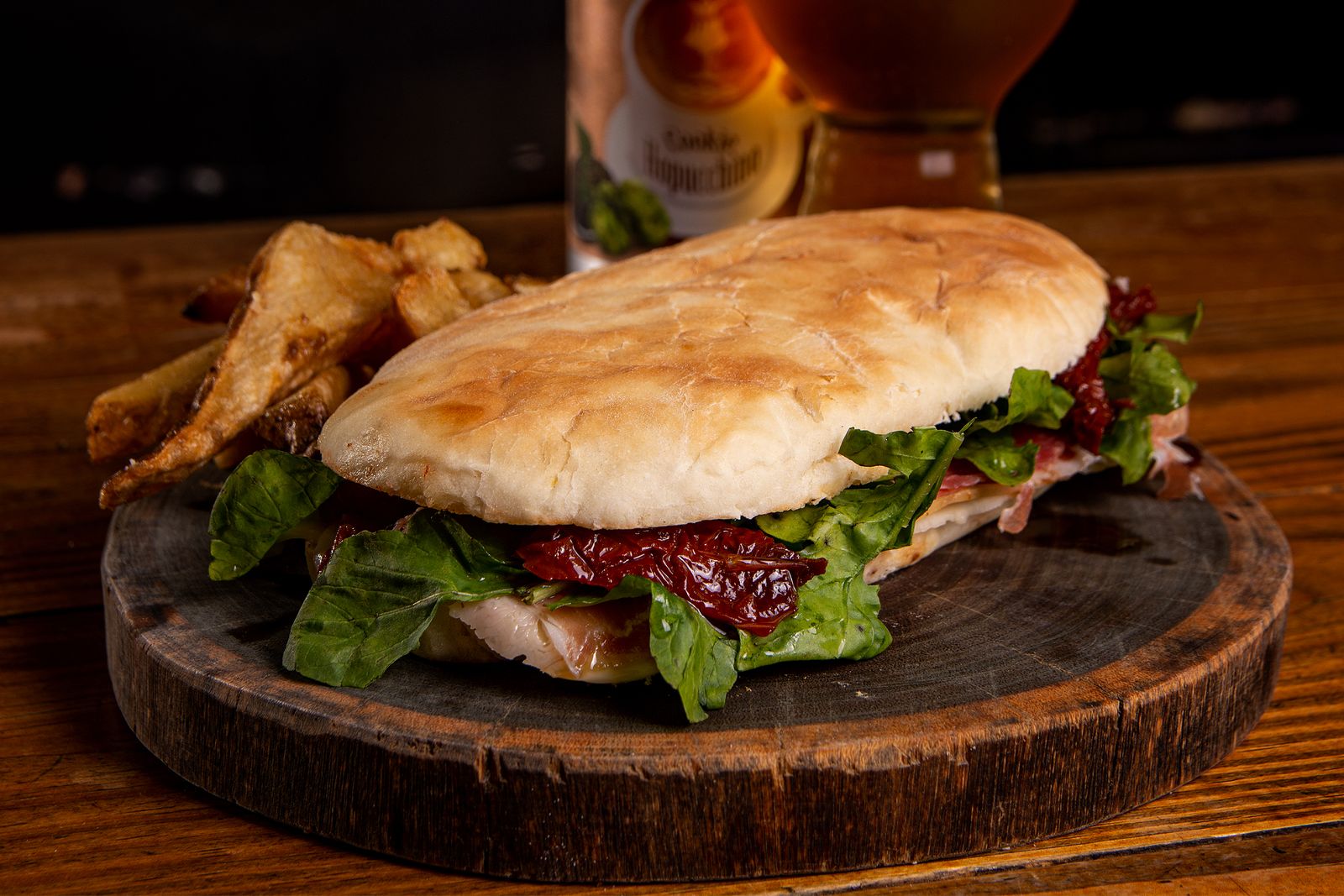
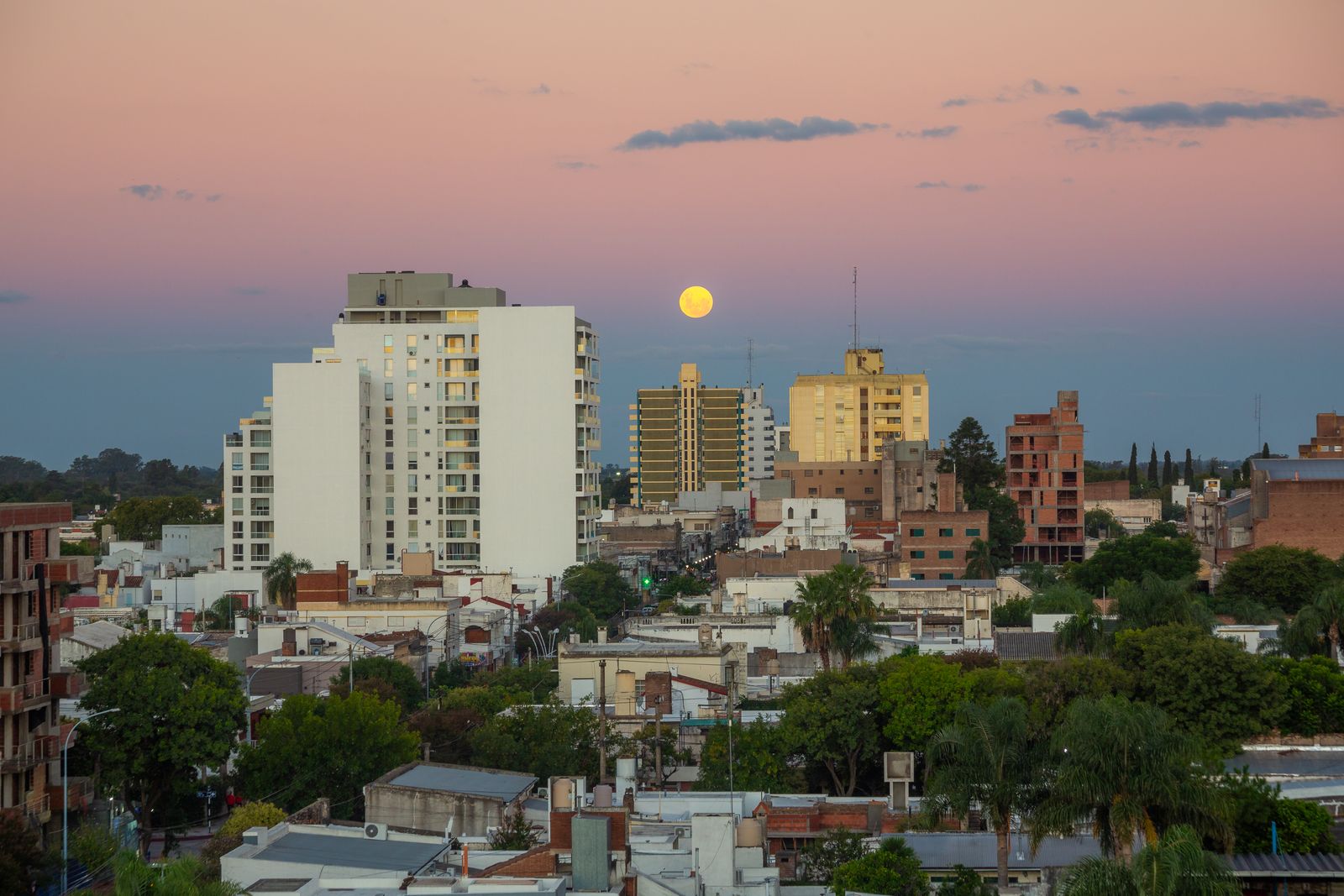
Córdoba is where Argentina keeps its second opinion. It has been arguing with Buenos Aires since 1613, when the Jesuits founded a university here and the country's whole intellectual life started 700 kilometres from the port — which is why everyone still calls it La Docta, the learned one, with roughly equal parts pride and eye-roll. Today that translates into about 150,000 students, a centre of colonial stone with a UNESCO block in the middle of it, and a nightlife that starts when the last class gets out. It also has its own music, its own sandwich and its own drink, none of which it borrowed from anywhere: cuarteto was invented here in 1943 and is still played to full stadiums, the lomito is a sandwich so good it turns up in global rankings, and the city drinks something close to a third of Argentina's fernet on its own.
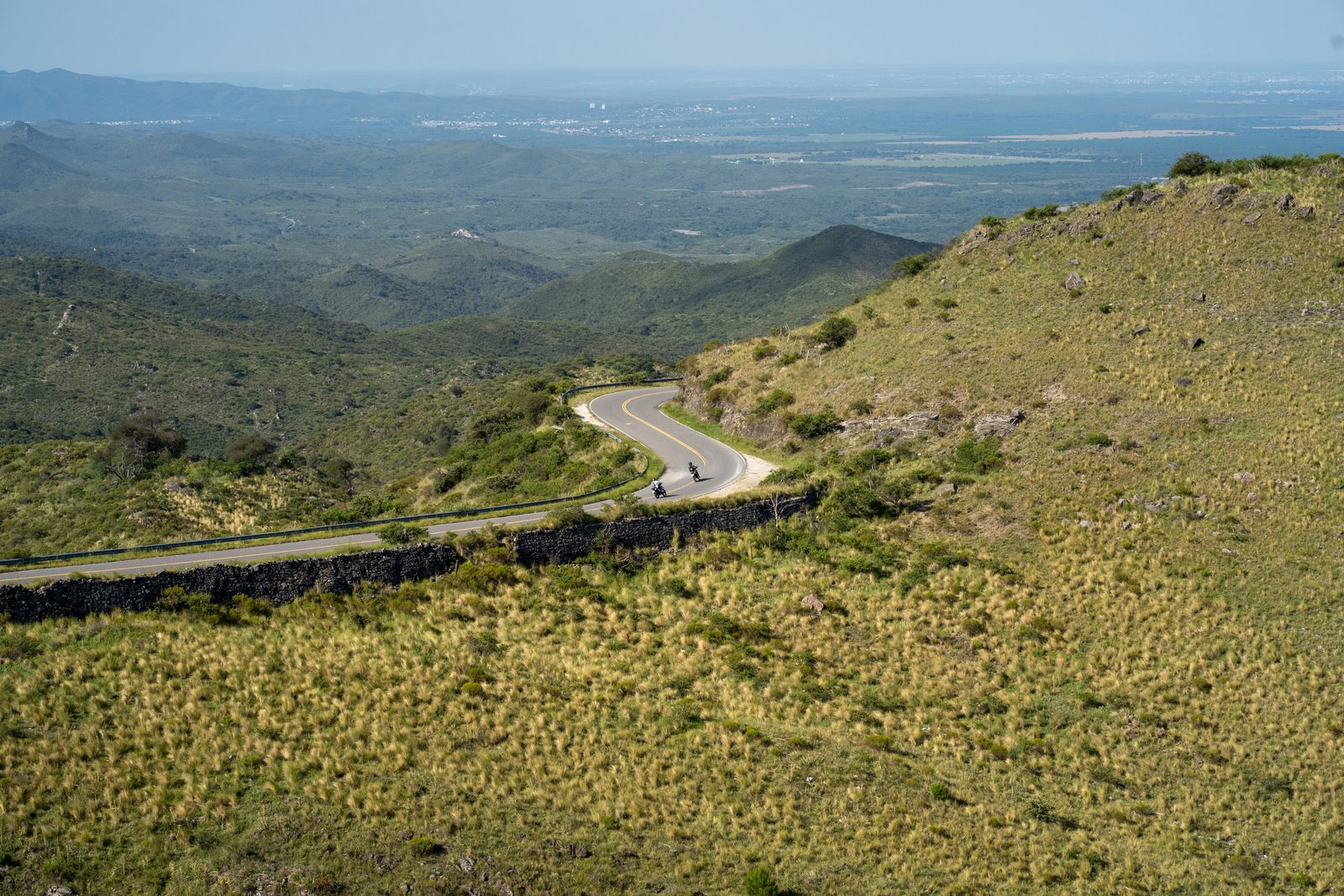
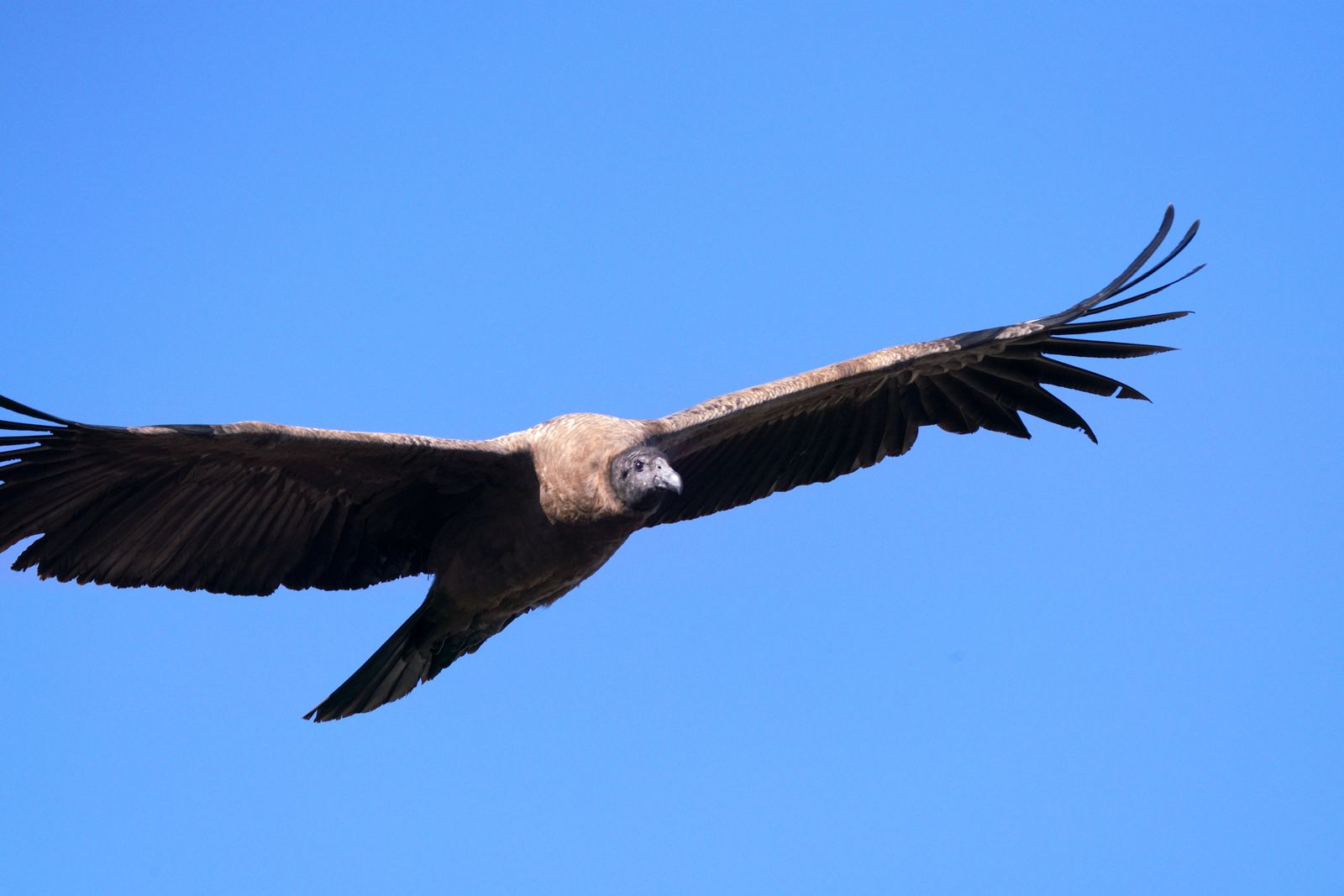
And then there's the other half of the trip, which starts about forty minutes from the bus terminal. The Sierras de Córdoba are low, dry, ancient hills full of rivers you can swim in, villages you can walk across in ten minutes, condors riding the thermals over a gorge, and cabins that sleep ten and cost less per person than a hotel room. This is the trip Argentines actually take — a car or a bus, a cabaña, a long asado, and a river. Bring shoes you can walk on rock in, come in autumn or spring if you can choose, and understand before you arrive that everything here is designed for a group of people who turned up together.
The soundtrack
Guides for here
Practical Stuff
Tipping
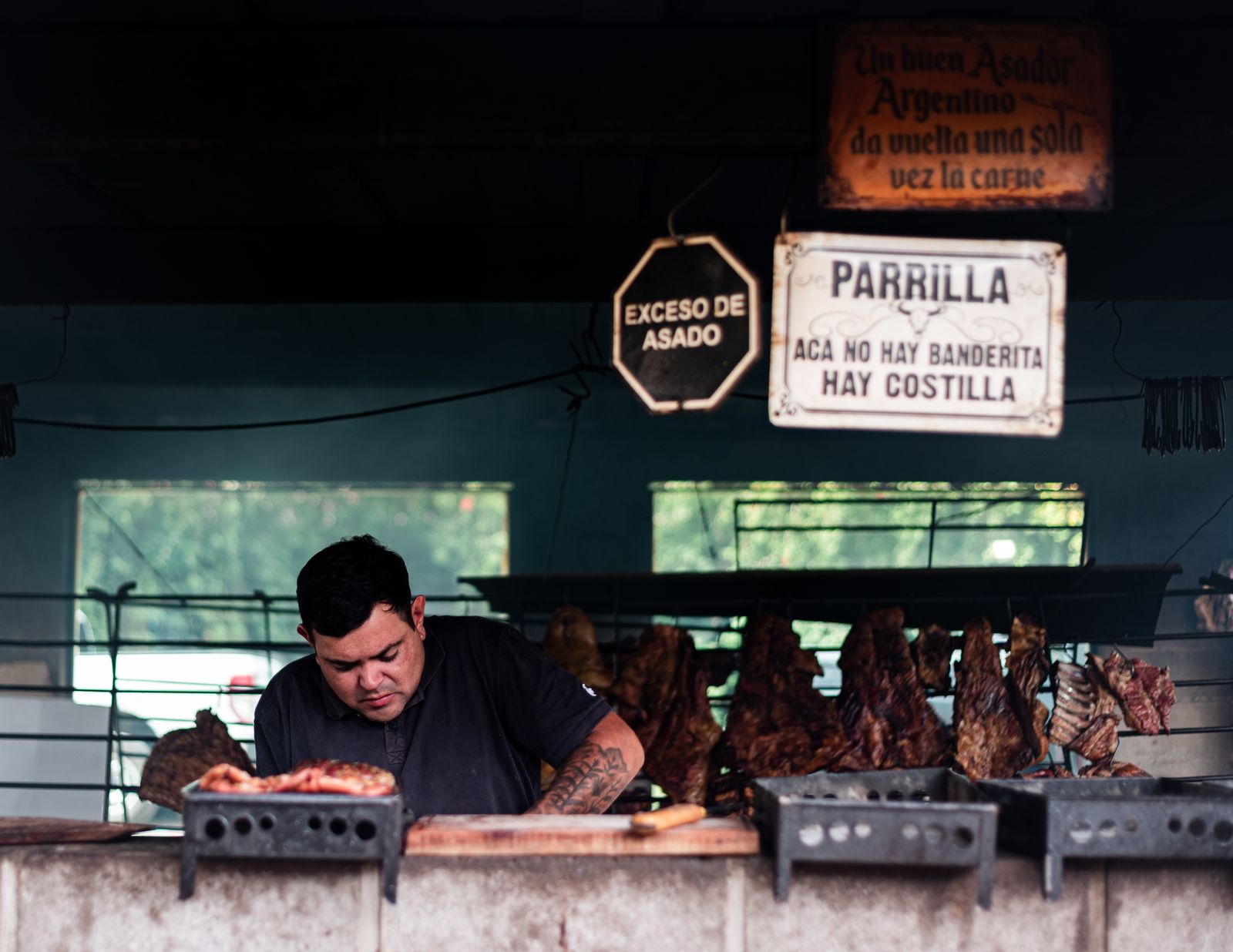
Ten percent, in cash, when the service was good. That's the whole rule. It isn't added to the bill and nobody will chase you for it, but leaving it is normal and leaving nothing at a sit-down meal reads as a comment. A few things worth knowing beyond that. Some places add a cubierto, a small per-person cover charge for bread and the table — it's legal, it's printed on the menu, and it is not the tip. Card machines increasingly offer a propina line, and it works, but cash still lands better and gets to the person who served you. At a boliche, a bar counter or a lomitería you round up and that's it, and at a mountain cabin the person who cleaned it appreciates something left on the table more than any of this.
Safety
Córdoba is a normal big city with a specific, well-known problem, and it's worth naming plainly. The numbers are moving the right way — robberies and thefts fell through the first quarter of 2026, and the province recorded 16 intentional homicides between January and March, the lowest in years and the continuation of a decline that started in 2023. What's actually likely to happen to a visitor is a motochorro: two people on a motorbike who take a phone or a bag off a pavement in about three seconds. Nueva Córdoba turns up in the reporting more than anywhere else, and the mechanism is always the same — someone walking with a phone out, or a bag on the street-side shoulder.
So: keep the phone away while you're walking, check the map inside a café instead of on the kerb, wear a cross-body bag on the wall side with the zip in front of you, and split your cash between two pockets. In Güemes the main axis is busy and easy well into the night, and it's the quiet side streets one block off it where things happen — so walk the busy way home even if it's longer. After dark, take a car; between four of you it's small money and it removes the whole question. The sierras have a different risk profile entirely: no crime worth mentioning, but real weather. Storms build fast on summer afternoons, streams flood in minutes, and the mountain roads have no lighting and plenty of loose gravel. Don't swim in a river that's changed colour, and don't drive the Altas Cumbres road at night if you can help it.
SIM card
An eSIM (Airalo, Saily) is the frictionless option and works everywhere in the city. A local prepaid SIM is genuinely cheap and easy here though — Claro, Personal and Movistar all sell one over the counter at a kiosco or a shop in the centre, and topping it up is a routine transaction — so if you're staying more than a week it's worth twenty minutes. Coverage is good across the city and the main sierras valleys, and patchy the moment you're on a trail. Wi-Fi is standard in cafés, hostels, cabins and rented flats.