
Ten friends and a city that eats at midnight
Buenos Aires already runs on long tables and late nights. A group just makes it official.
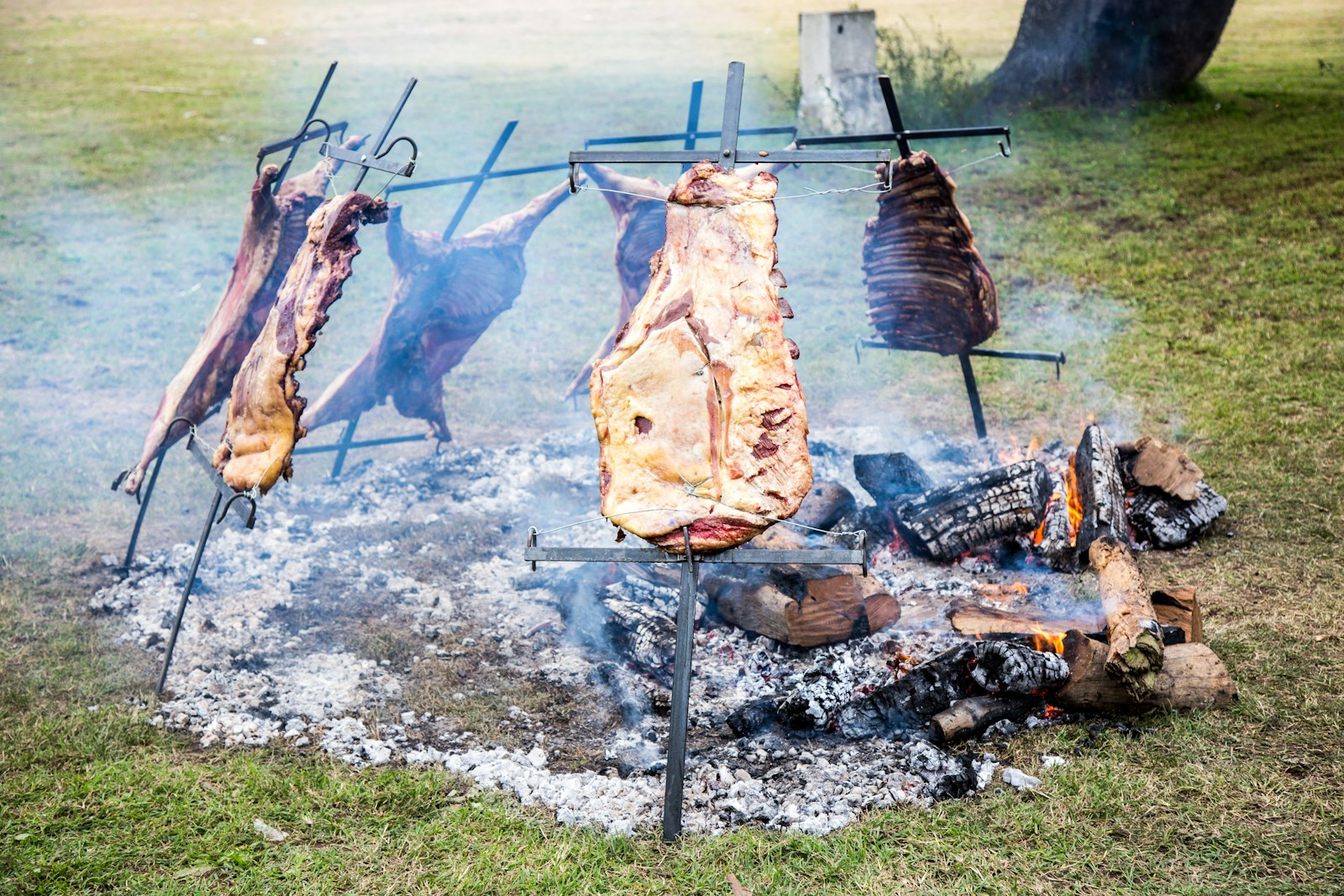
Some cities need convincing to host a group. Buenos Aires asks how many of you there are. The national meal is a slow, smoky feast around a shared table, dinner starts at ten and ends when it ends, and the neighborhoods you'd stay in are full of apartments with room for everyone and a bakery for the morning after. With four friends it's a great trip; with ten, it looks like what the city had in mind all along.
This guide covers both trips. Where the advice changes with headcount, we flag it — at four to six you can improvise almost everything; at eight or more, three reservations and one group-chat rule buy back everyone's freedom. The deep dives — every parrilla, museum, and day trip — live in our other Buenos Aires guides, and we'll point to them as we go.
One adjustment first: this city runs about three hours later than you do. Dinner at ten, dancing at one, ice cream on the walk home. Don't fight it with early alarms; schedule the naps and join in. Now — beds.
Where a group sleeps: Palermo, almost every time
One leafy neighborhood solves headquarters, breakfast, and the walk home.
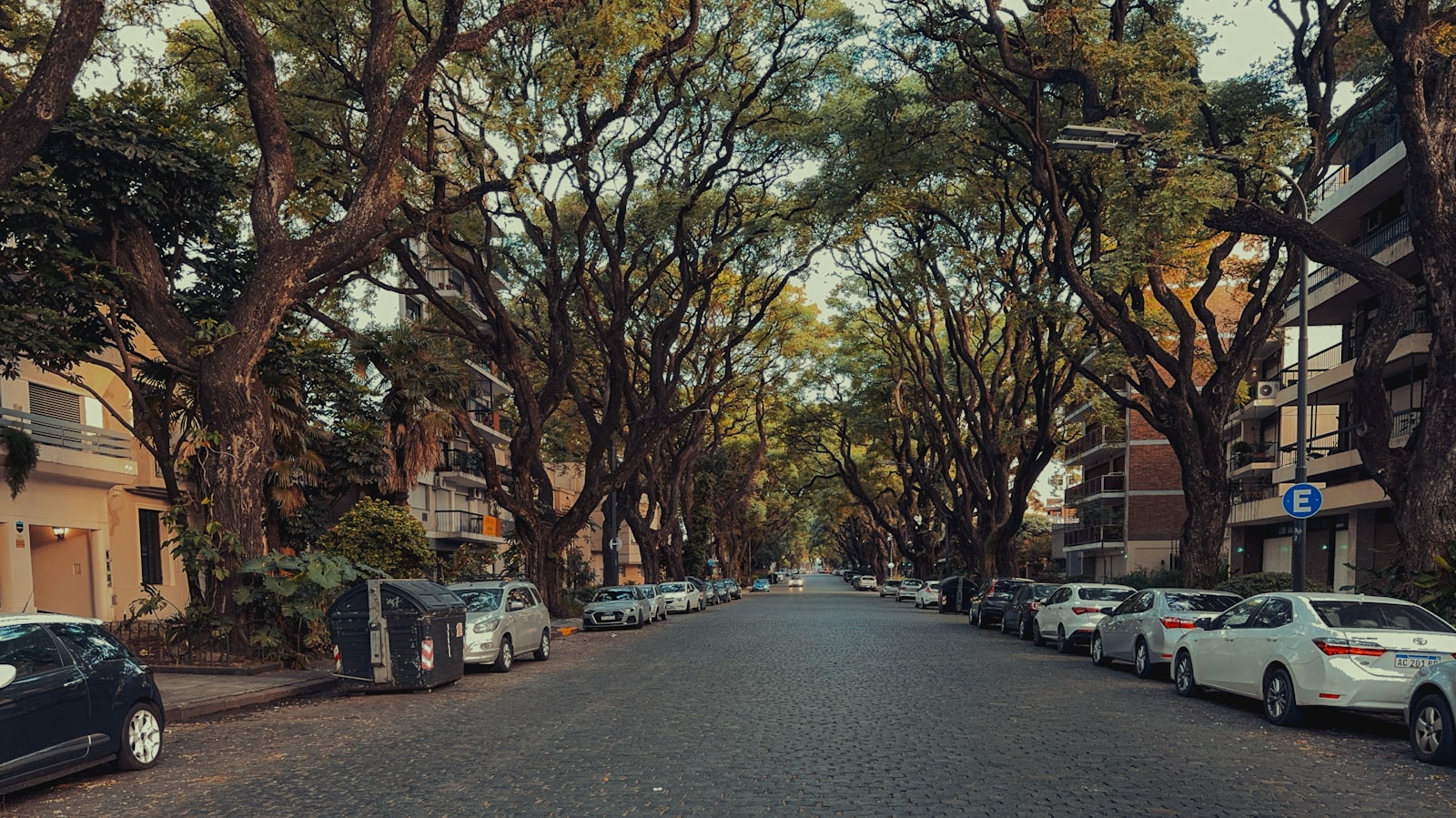
Book the barrio before anything else. Palermo — Soho for the boutiques and bars, Hollywood for the restaurants — is where the group apartments cluster: leafy, low-rise, dense with cafés, and close enough that the night ends on foot. Listings price in dollars, and a good three-bedroom lands around $120–220 USD a night — the city's best neighborhood for what a mid-range hotel costs at home.
At four to six: one whole apartment, no debate. You want the single address, the kitchen for the medialunas, and the living room where the first Malbec opens while somebody finishes showering.
At eight or more: two apartments on the same block beat one ten-bed trophy house. Two kitchens, two bathrooms' worth of morning peace, and a door to close when the group needs twenty minutes off. If your crew skews calm, Recoleta does the same trick behind grander façades; San Telmo does it with cobblestones and a market on the doorstep. Skip the microcentro, which empties after office hours; treat shiny Puerto Madero as a walk, not an address.
Someone is going to front the deposit for all of this, in a country where money itself is a small adventure. Be kind to that person. We'll come back to them at the parrilla.
Eating as a group, from blowout to sidewalk
Book one big night. Walk into everything else.
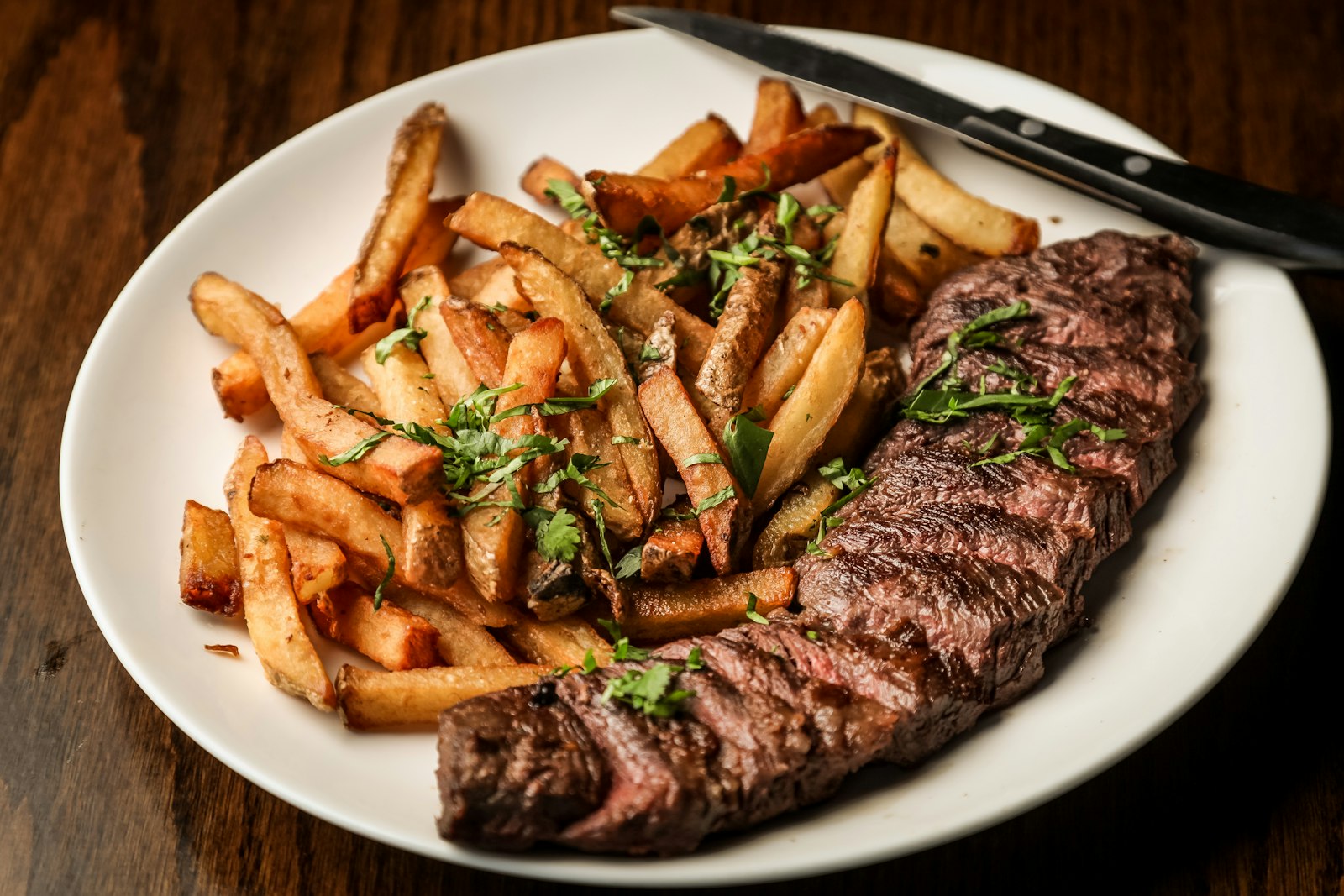
The blowout tier first. Don Julio is the famous one — ivy on the walls, dry-aged beef with a crust like caramel — and it does seat groups, but the booking is the hard part: reserve weeks out, the day your dates firm up. The sidewalk standby list is a two-person move, not a ten-person one.
La Cabrera
The group parrilla of record, blocks away in Palermo. Steaks arrive flanked by a small solar system of complimentary side dishes — creamed pumpkin, pickled onions, potato things people will fight over — so a long table fills itself, no negotiating. Book a few days ahead for eight or more, put one person on wine duty, and settle in.
The neighborhood tier is where the city actually eats, and it loves a crowd: El Preferido de Palermo, a bodegón-parrilla cross since 1952, for the table that wants milanesas and steak at once; Los Galgos downtown, for a vermut hour that becomes dinner; and El Ferroviario in Liniers, for milanesas the size of a manhole cover — worth the taxi, and the meal you'll still be describing in December.
Then the tier where headcount stops mattering. Güerrín on Corrientes has fed standing crowds slabs of fugazzeta since 1932 — order at the counter, press a slice of fainá on top like the locals, and ten people is just a wider row of elbows. The covered Mercado de San Telmo is the meal where nobody has to agree: everyone scatters to a counter and reconvenes victorious, empanadas in hand.
Two mechanics make group meals painless. The clock: porteños sit down at 9:30 or 10, so the 8pm seating is wide open — a table of ten walks in at eight where four wouldn't fit at ten. The bill: most places now charge foreign cards at the fair tourist rate, but the 10% tip goes on the table in cash pesos, and the small per-person cubierto is normal and legal, not a hustle. The full peso playbook — why the blue-dollar era is over, and the cash discount that replaced it — lives in our comprehensive guide; the menu, in the food guide.
The things that get better with more forks
Per-table feasts, block seats, and a warehouse full of beginner tango.
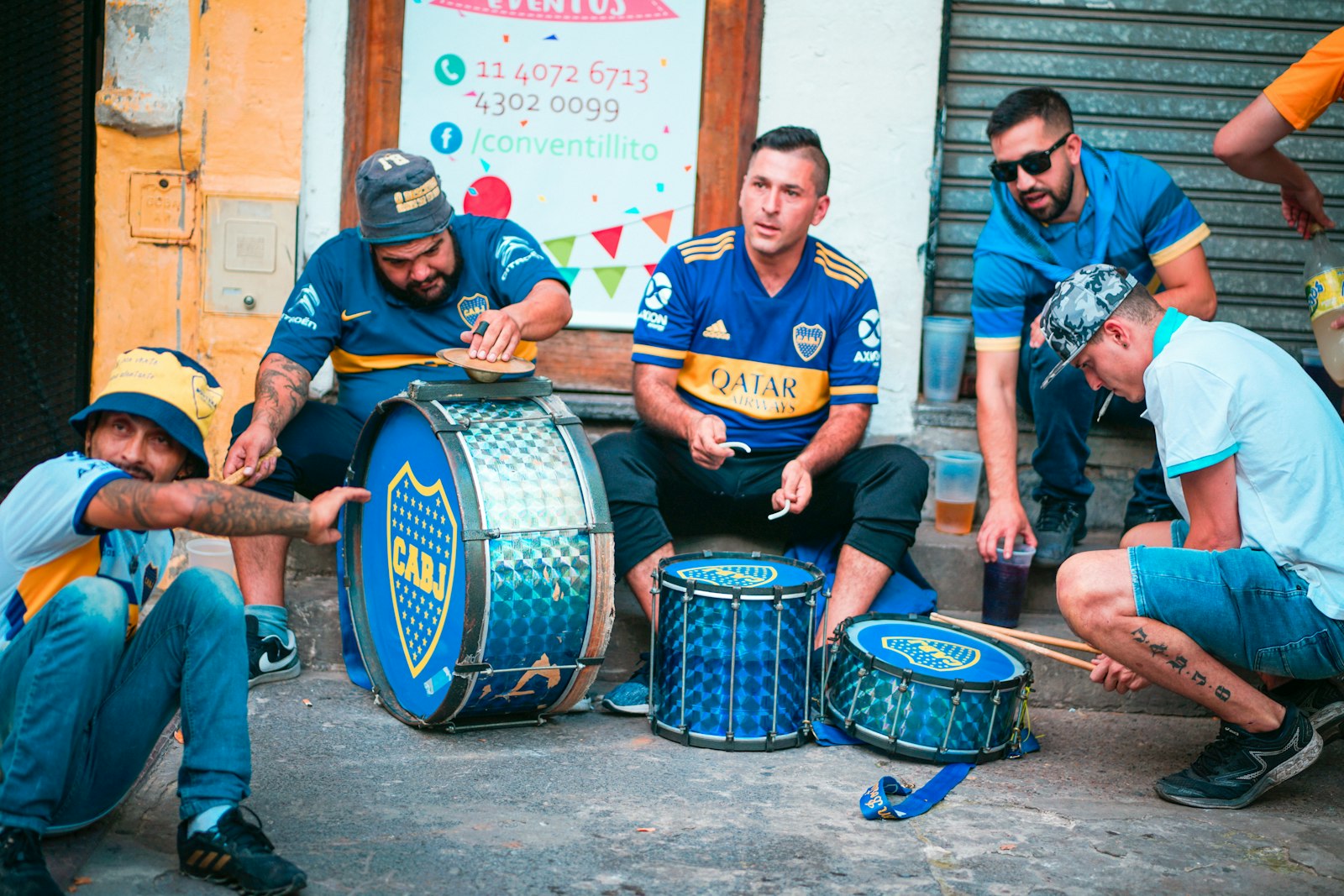
Start at the grill, because the asado is group economics in its purest form. Parrillas sell the feast by the table, not the fork — the parrillada platter scales to your headcount, the provoleta comes out first, and the wine is priced like the city wants you to have another bottle. A full parrilla night with wine lands near 40,000 pesos (~$33 USD) a head — the dinner that costs triple at home, and only gets more efficient as the table gets longer.
Nobody has ever left a four-hour asado wishing the table had been smaller.— On group math
Then dance it off. La Catedral in Almagro — a cavernous, candlelit former dairy warehouse — runs a beginner tango class before the milonga takes the floor. Being collectively terrible at something is the fastest bonding a group can buy, and here it costs about the price of a round. Don't dress up; do stay for the dancing. When the group wants the real floor, Salón Canning and La Viruta are where porteños actually dance.
A match at La Bombonera or El Monumental is the loudest two hours in Argentina — the stands genuinely bounce. Tickets are hard for visitors and the resale market is sketchy, so at eight or more the one sane route is a reputable match-day operator bundling tickets and transfers: budget a three-figure day in dollars, money well spent. (La Boca itself is a daytime visit on the marked streets — go for the Caminito, leave before dark.) If a superclásico lands during your trip, cancel everything.
For the slow day, head north to the Tigre delta, an hour out, where public lanchas thread green channels to lunches you can only reach by water — a deck full of your people counts as a private tour at public prices. The splurge version is an estancia day on the pampas, asado and horses included. Our activities guide makes the case for both.
Moving ten people across a very wide city
Two Cabifys, one SUBE card each, and phones in pockets.
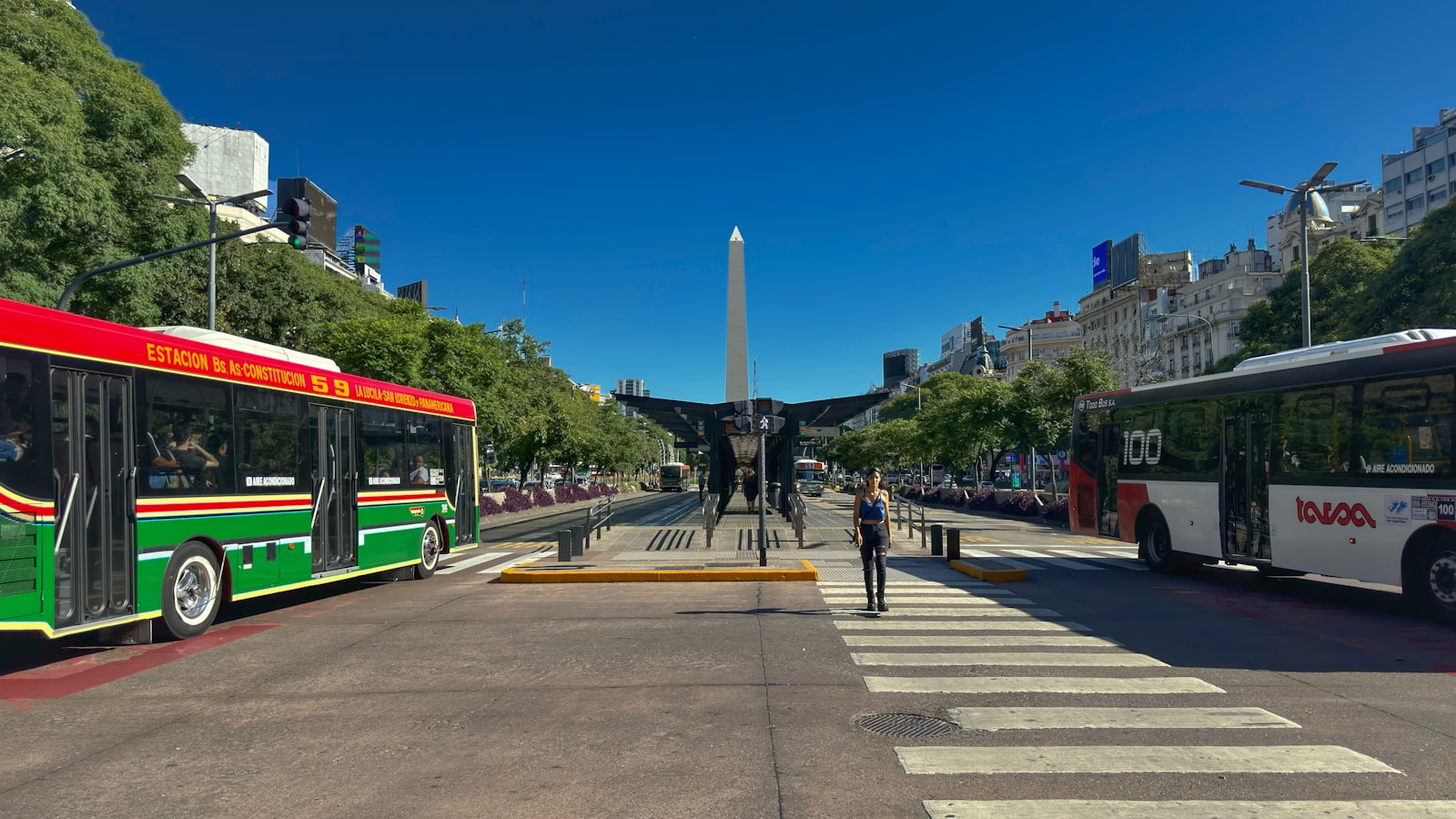
Rideshares here are cheap enough to be the default: a cross-town Cabify or Uber splits to almost nothing and sidesteps the classic taxi scam, the rigged meter. At four to six, one XL is the whole transit plan. At eight or more, run a convoy: two cars ordered together, the destination pinned in both, and a rally point that is a door — "outside Güerrín" — not a vibe — "somewhere on Corrientes."
The Subte deserves an honest word. It's fast and cheap — grab a SUBE card each at any kiosk, because you can't pay cash on board — but its crowded cars, and the busy corners above them, are where the city's everyday hazard lives: phone-snatching. Ride off-peak, phones zipped and bags worn in front; don't walk and text on a quiet block, keep the phone off the café table's edge, and stay alert around Retiro and Constitución. The Subte also stops running around 10:30–11pm, which in Buenos Aires is before dessert. For a group, the convoy wins on every count but nostalgia.
Mostly, though, you'll walk. The city is flat, the blocks are shaded, and if you based yourselves in Palermo, dinner, bar, and bed sit ten minutes apart. Carry only the day's pesos and leave the rest at the apartment, and the 1am walk home through Soho — ice cream in hand — becomes one of the trip's quiet highlights.
Three group days at porteño speed
Fewer stops, longer meals. That's the whole trick.
Day one: land, drop bags in Palermo, and resurface slowly — cortado and medialunas at the corner café, a wander through Soho's murals, maybe a nap nobody admits to. At night, the blowout you booked: La Cabrera, wine captain in charge. A complete day. Add nothing.
Day two: the split-up, which is how big groups stay friends. Book people to El Ateneo Grand Splendid, the 1919 theater turned bookshop; art people to MALBA; everyone else into the marble labyrinth of Recoleta Cemetery, where Evita is buried and the dead live better than the living. Reconvene for merienda at La Biela next door — a cortado there is a lease on the table. Evening: the beginner class at La Catedral, then the milonga.
Day three: if it's Sunday, it isn't optional — the San Telmo feria runs down Calle Defensa from Plaza Dorrego: antiques, leather, mate gourds, street tango on the cobbles. Go early, before the crush, and let the group scatter; lunch is empanadas in the covered market. Not Sunday? It's the Tigre delta — or the match, if the fixtures are kind. Farewell dinner: El Preferido if you booked it, Güerrín standing up if you didn't.
Have a fourth day? The estancia. A fifth? You're not tourists anymore — ask the café waiter where he eats.
Where we would book
One alarm, one operator, and dollars in your pocket.
Apartments live on the usual platforms; at eight or more, message the host first — the good ones will tell you straight whether the place hosts a group or merely sleeps one. Reserve Don Julio the day your dates are set (set an actual alarm), and La Cabrera or El Preferido a few days out for the long table. Football goes through a reputable match-day operator, full stop — the resale market is where group trips lose an afternoon and a deposit. The milonga needs no booking, just shoes; the estancia day does. And the money move has changed: pay with a foreign card, which gets the tourist rate automatically, put the accommodation on it for the 21% IVA refund, and carry cash for the 10-20% efectivo discount rather than for the rate. Book direct everywhere else — resellers add margin, not magic.
Related guides
- The Complete Buenos Aires Guide for Groups — barrios, money, and the shape of the whole trip.
- Where to Eat in Buenos Aires — every parrilla, bodegón, and heladería, in full.
- Things to Do in Buenos Aires — tango, fútbol, San Telmo Sundays, and the delta.
- Buenos Aires: A Culture Guide — cafés notables, bookshops, and tango's real story.
- Mexico City Group Trip Guide — the same job done for CDMX: boats, big tables, and beds for ten.