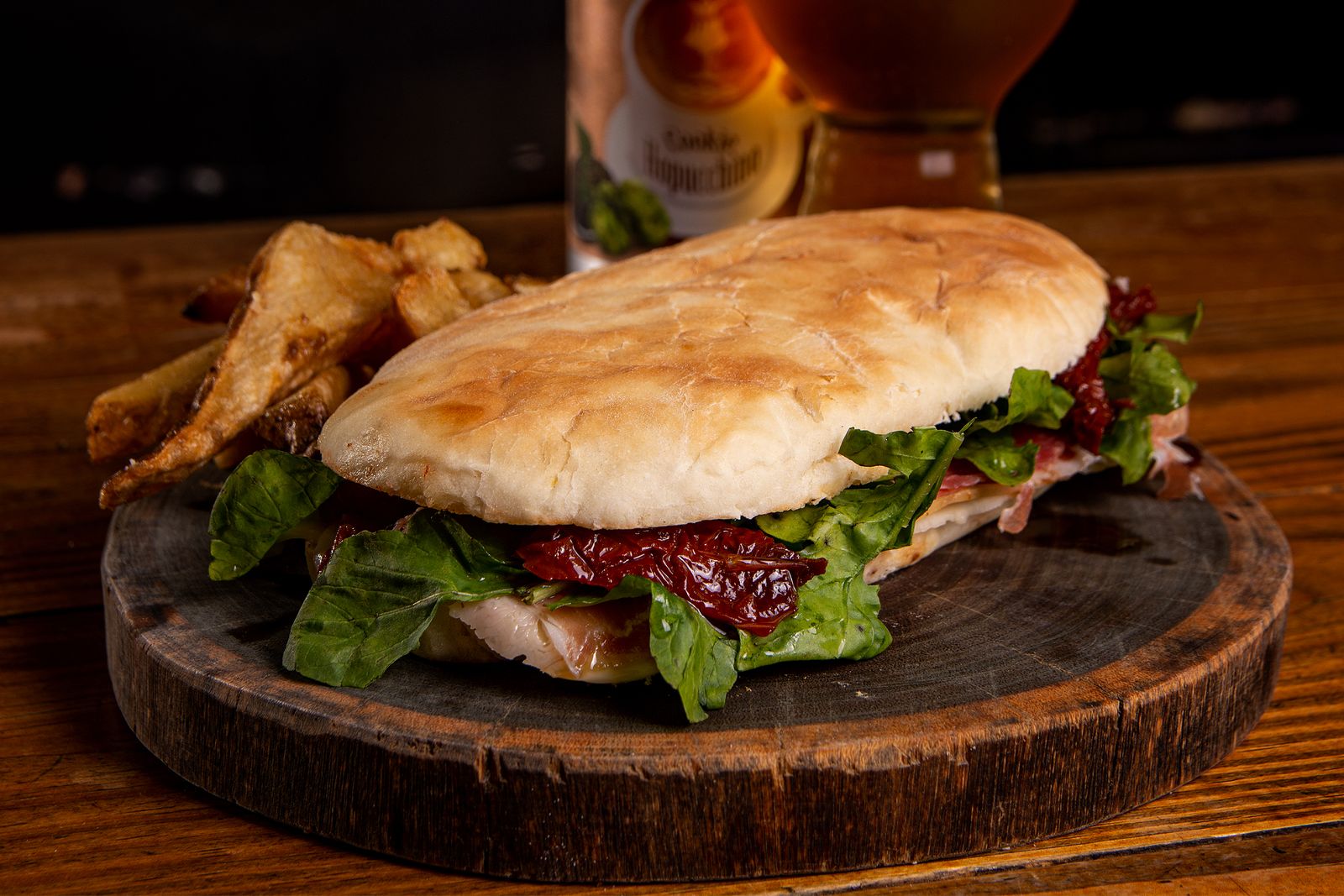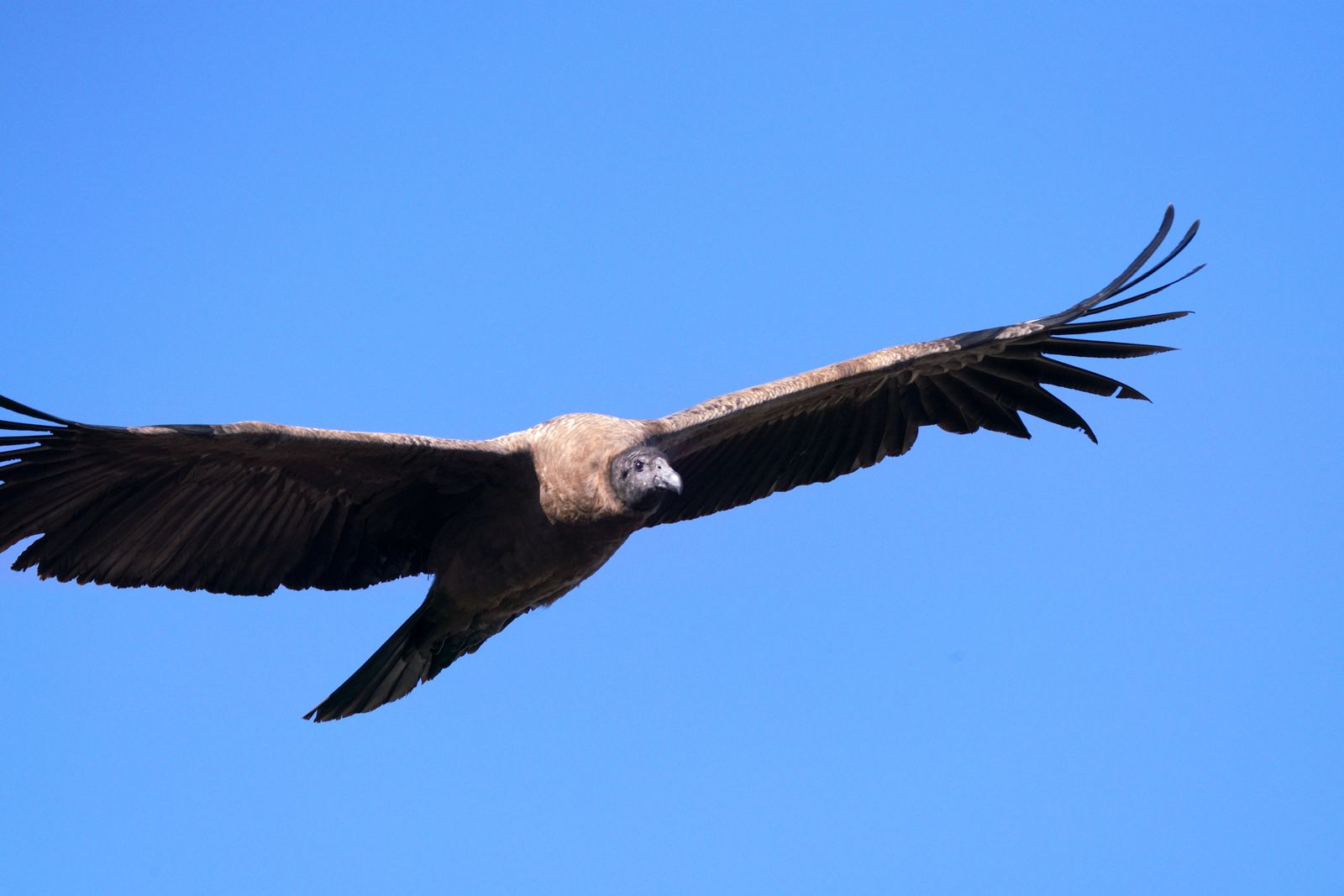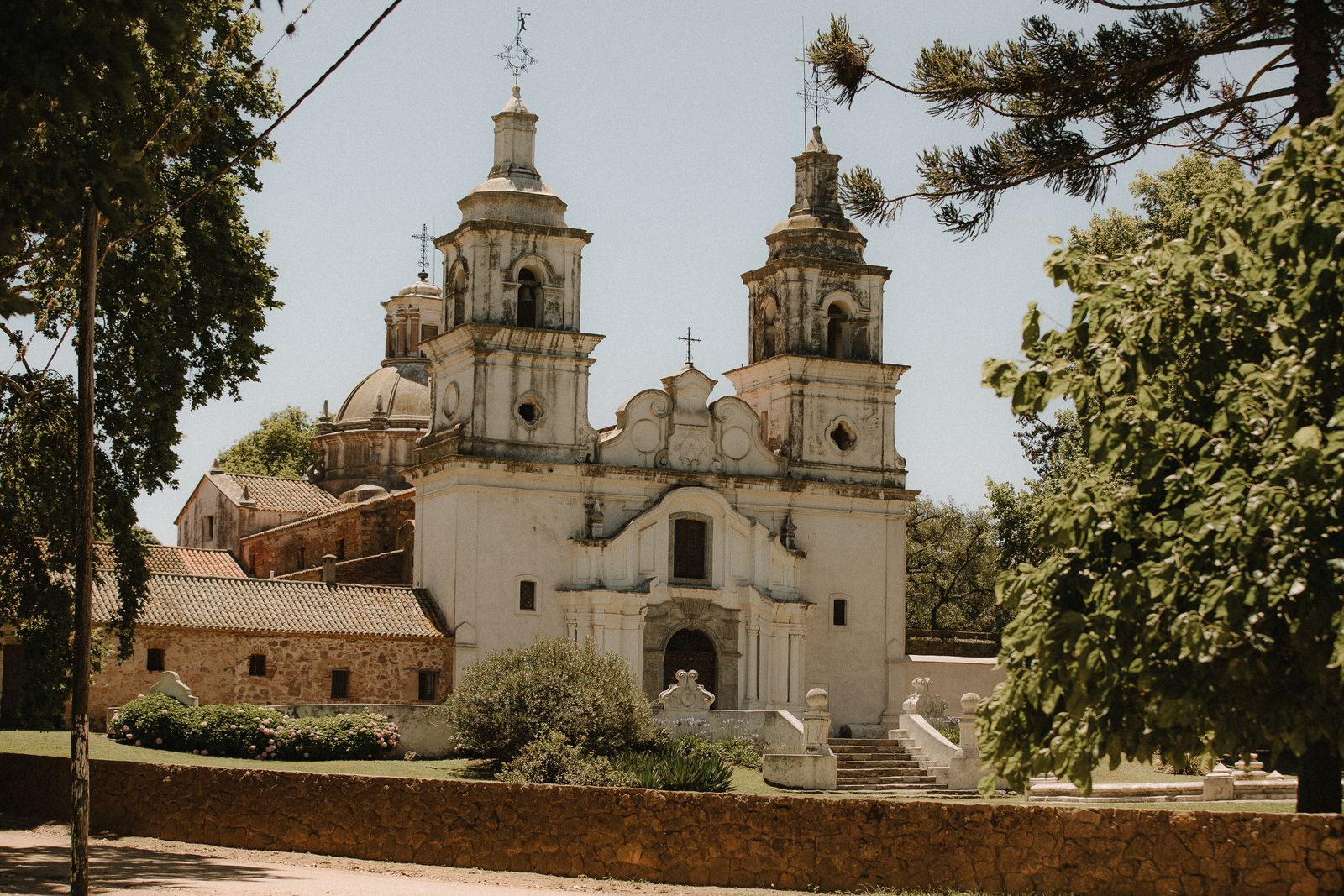
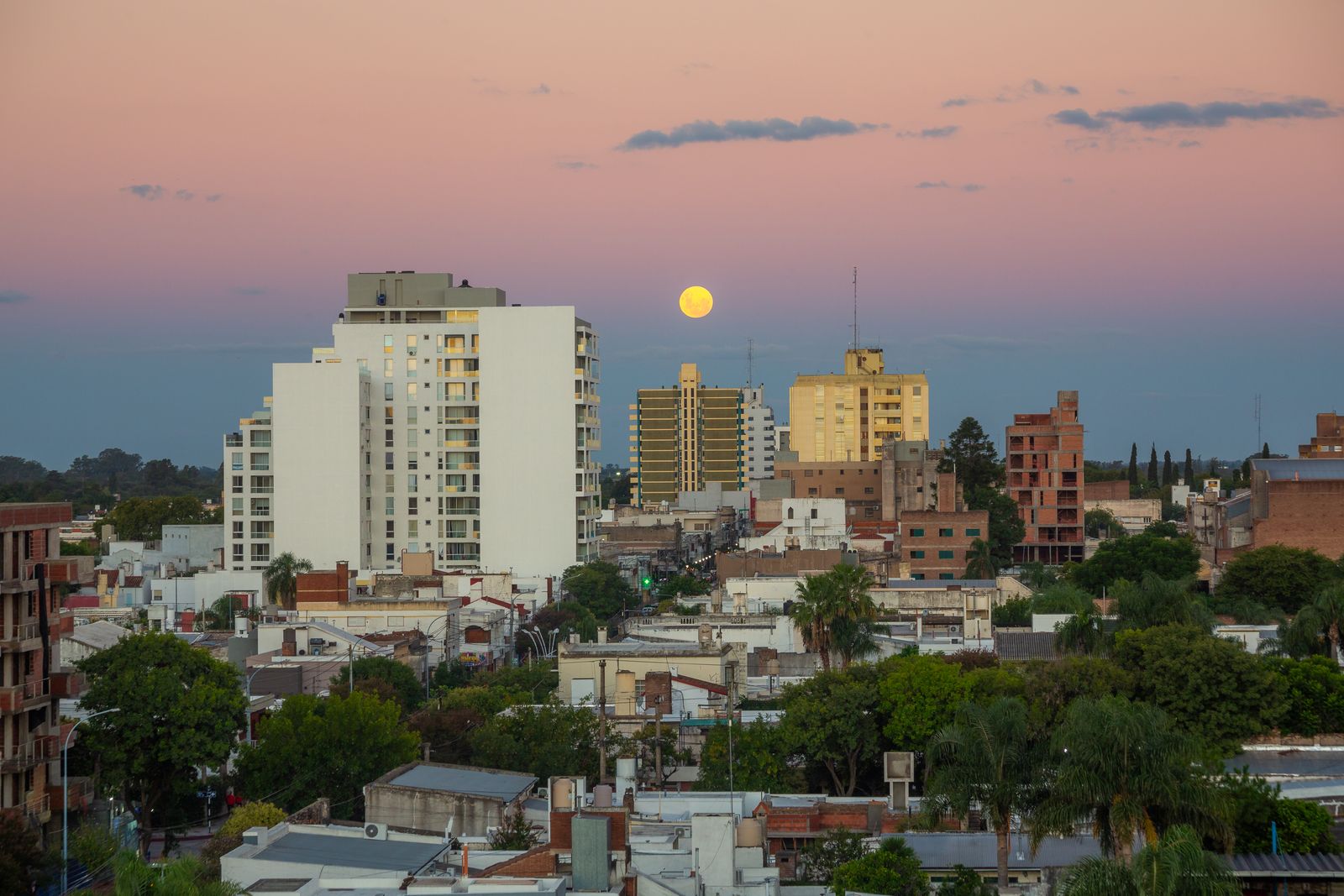
Most people do Córdoba wrong in the same way: two days in the city, a photograph of the cathedral, and back to the airport wondering what the fuss was. The fuss is that this is two trips stacked on top of each other. There's a 400-year-old university city with the loudest student nightlife in the country, and there's a mountain range starting forty minutes from the bus terminal with rivers, condors and cabins in it. Do one and you've had a nice weekend. Do both and you've had the trip Argentines actually take. Here's what it costs, what's changed, and how to split the week.
Getting in, and getting around
The overnight bus is genuinely good, and the city card you've read about no longer exists.
From Buenos Aires there are two honest answers. The overnight bus leaves Retiro in the evening and puts you in Córdoba's terminal around breakfast: about ten hours, fares starting near $35,000 as of August 2026, and a cama seat that reclines far enough to actually sleep in. It costs you a night's accommodation and no daylight, which is the whole argument. The alternative is a flight into Ambrosio Taravella (COR) north of the city — Aerolíneas, Flybondi and JetSMART all fly it, and Flybondi's sale fares have gone as low as $17,999 one way, which occasionally makes flying cheaper than the bus. Check both. Neither is the obvious winner.
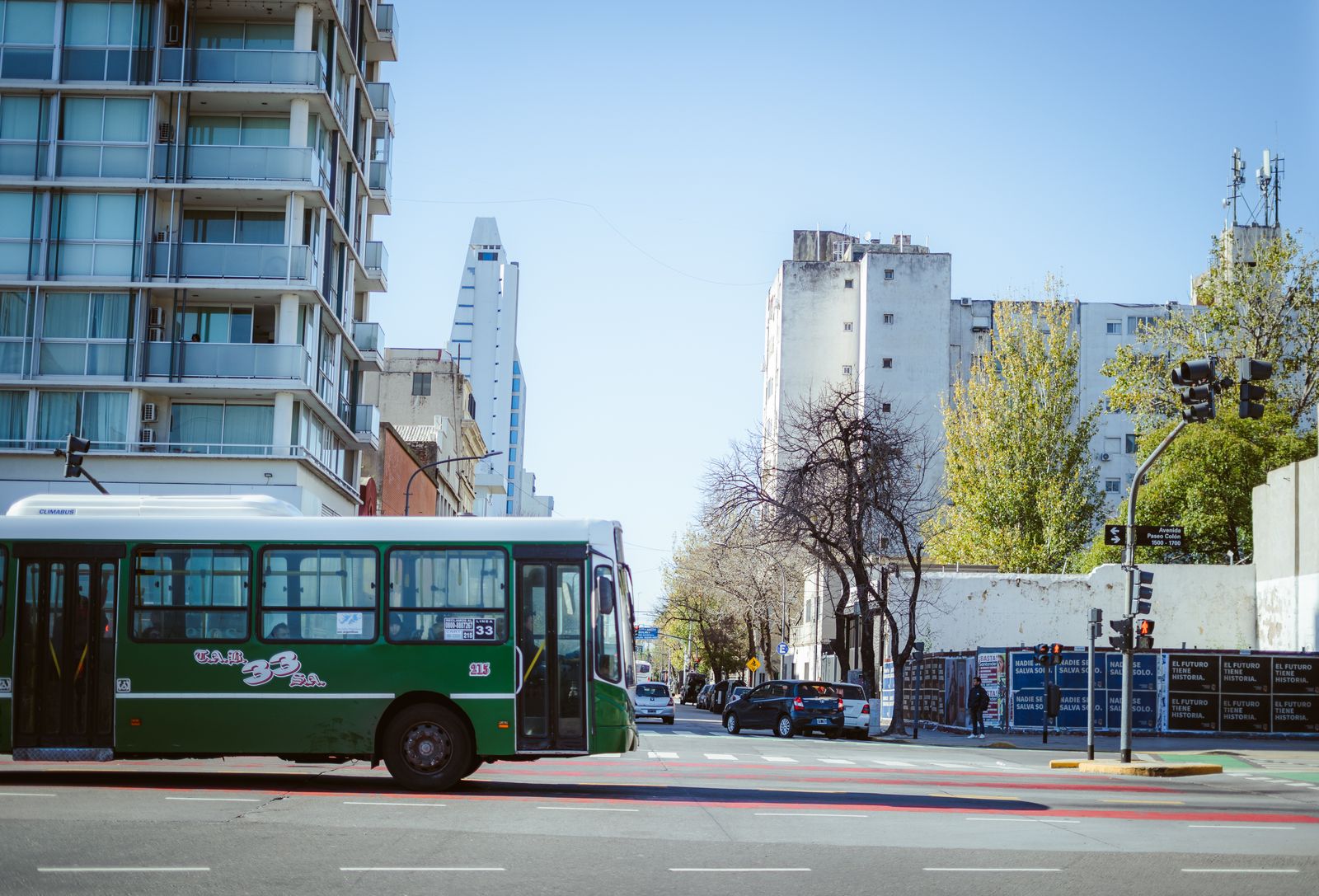
Once you're here, the single most useful thing to know is that the Red Bus card is dead. It stopped working on 31 December 2025, and since January 2026 Córdoba's buses run on SUBE — the same card as Buenos Aires, which means if you've been to BA you already have one. Half the internet still tells you to buy a Red Bus. Don't. A single fare is $2,150 as of 18 July 2026, you tap the blue validator by the door, and the screen tells you what's left on the card. Top up at kioscos and terminals all over the centre.
Honestly, though, you'll walk. The centre, Nueva Córdoba and Güemes are a connected 30-minute stroll end to end, and buses matter mainly for reaching the terminal or the north of the city. For anything at night, use a car: Uber, Cabify, DiDi and the old-fashioned remises all operate, a cross-town ride is small money, and split between four it costs less than the bus does. Which brings us to the part everyone gets wrong.
Two cities, one bus terminal, forty minutes apart. Most people only ever visit one of them.— On Córdoba and its sierras
The money question, answered properly
The blue-dollar era is over. Nobody has updated the guidebooks.
If you've read anything about travelling in Argentina written before about 2025, throw the money chapter away. The routine — bring crisp US hundreds, find a cueva, do a Western Union transfer to yourself, never use a card because the official rate robs you — was real, and it is finished. Currency controls for individuals were lifted in April 2025 and the rates converged. On 7 August 2026 the blue dollar sat at $1,525 and the official at $1,520: a gap of about 0.3%. There is nothing left to arbitrage.
What that means in practice is boring and excellent. Use your card. Withdraw pesos from an ATM if you want cash, pay for dinner with a tap, and stop doing mental arithmetic about which rate you got. Keep some cash anyway — ferias, colectivo top-ups, the empanada place, tips and anything in a small mountain town all run smoother on notes — but you no longer need to arrive with an envelope of dollars taped to your leg.
The one thing that hasn't changed is inflation. Peso prices in this guide are August 2026 and they will drift upward; the dollar figures alongside them age better. If you're Argentine, none of this is news and the mechanics you already use — a transferencia to someone's alias, a Mercado Pago QR at the counter, cuotas sin interés on anything with a ticket price — work everywhere in Córdoba, including for the things worth booking early.
Where to base yourselves
Güemes to enjoy it, Nueva Córdoba to be in the middle of it, the sierras if you came for the sierras.
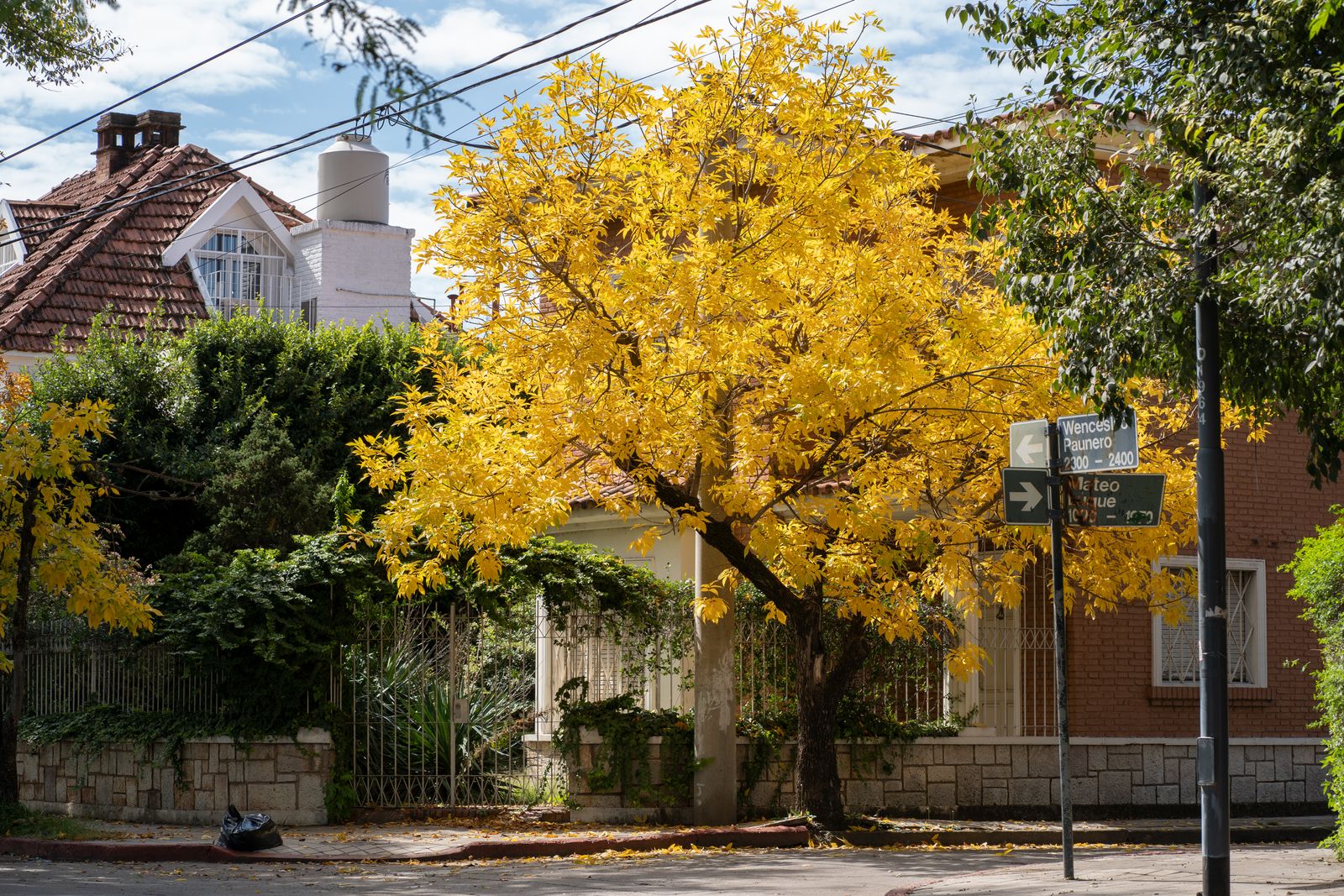
Güemes is the one we'd pick. It's the oldest quarter of the city, low buildings and cobbles, and over the last decade it's filled up with bars, wine rooms, design shops and the weekend feria without losing the neighbourhood underneath. You can walk to the centre in fifteen minutes and to dinner in three. Nueva Córdoba is the student quarter: towers, cheap food, the Paseo del Buen Pastor, and a noise level that's either the point or the problem depending on your group — it's the most convenient place to sleep in the city and the least restful. The Centro around Plaza San Martín is where the colonial stone is, and it empties out after office hours, which some people love. Barrio General Paz, a little north-east, is the quiet grown-up option with good restaurants and a twenty-minute walk into town.
One flat, six people, and the number that decides it
Córdoba is an apartment city — the towers of Nueva Córdoba exist because 150,000 students need somewhere to live — and short-term flats are correspondingly abundant and cheap. A three-bedroom in Güemes or Nueva Córdoba runs roughly $110,000–160,000 a night at August 2026 prices. Six of you for four nights at $130,000 is $520,000, which is about $86,700 each for the entire stay — call it $57, for four nights, with a kitchen. There is no hotel arithmetic that competes. Two things to check before you book: whether the building has a working lift (the older towers are six floors and some don't), and whether the flat faces an avenue, because Nueva Córdoba at 3am is loud in a way photographs can't convey. And do the two-tab trick — find the flat on the platform, then search the building or the host's name, since plenty of Córdoba landlords rent direct and quietly cheaper.
The sierras are half the trip
Three valleys, forty minutes to two hours out, and each one is a different holiday.
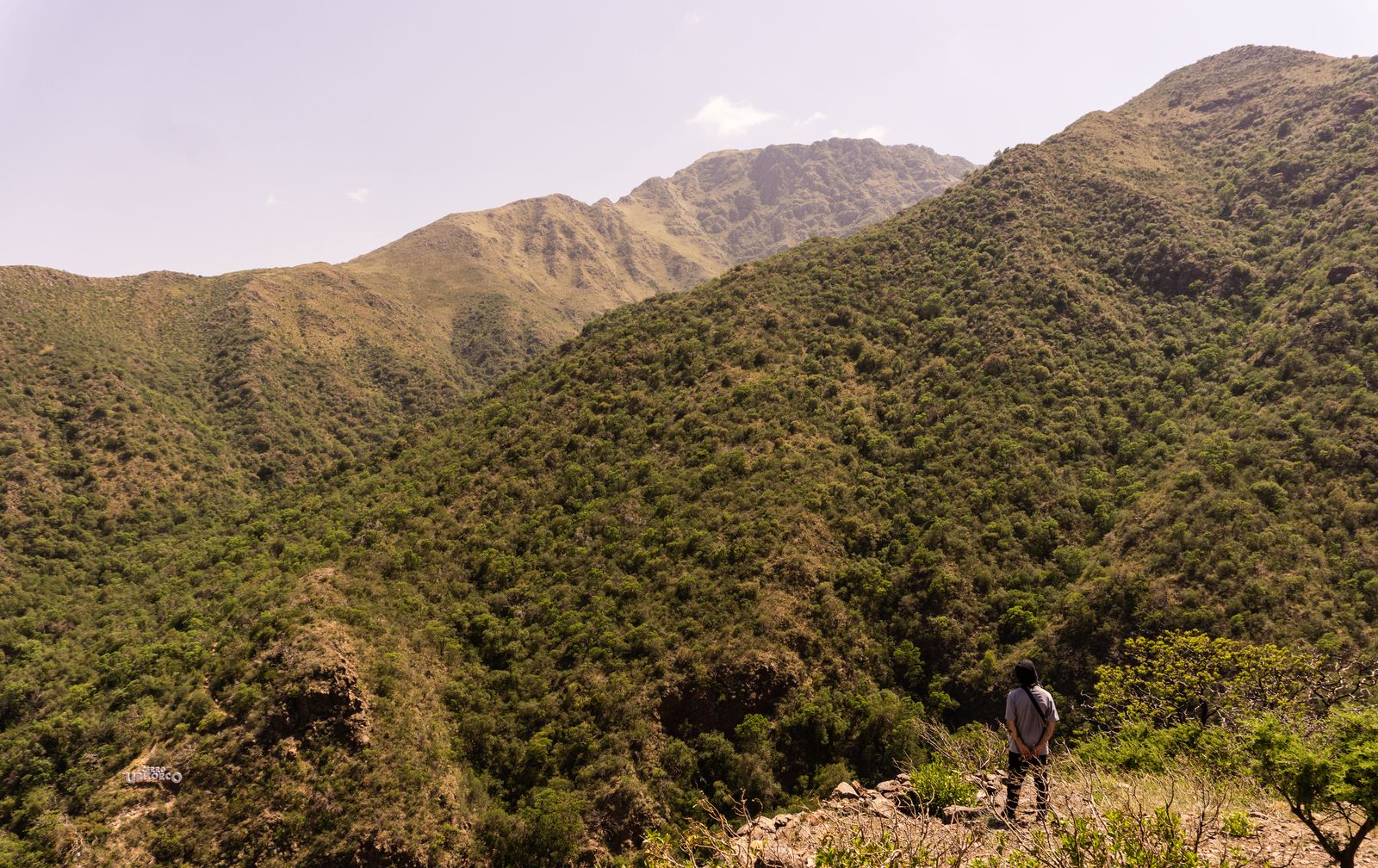
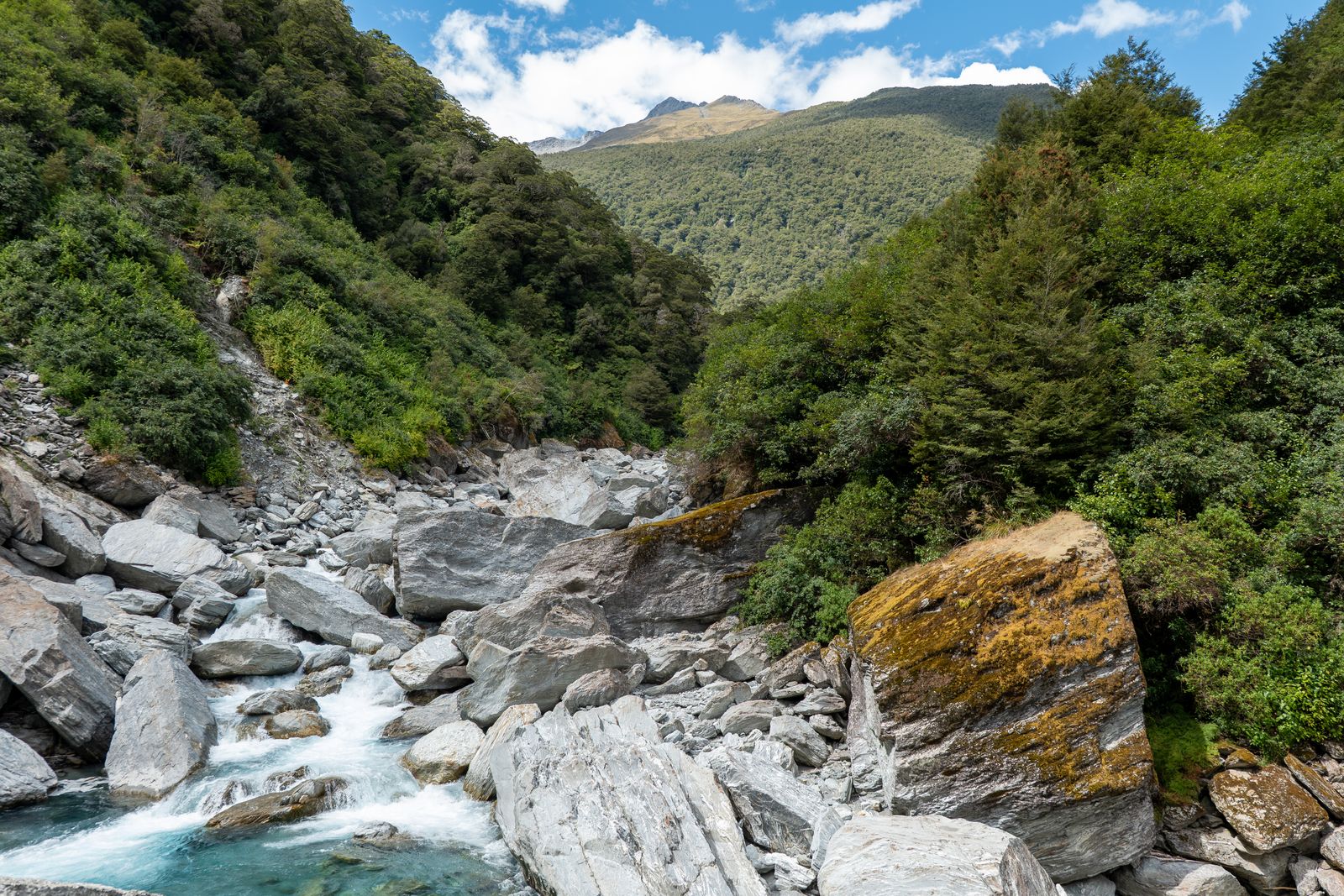
The Sierras de Córdoba wrap around the city in an arc, and Argentines sort them into three valleys that feel nothing alike. Punilla, to the north-west, is the busy one: Villa Carlos Paz and its lake 36 km out, then Cosquín, La Falda and Capilla del Monte strung up the valley. It's the easiest to reach — buses leave the terminal every fifteen or twenty minutes, and the Tren de las Sierras runs the whole valley for pocket change. Calamuchita, to the south, is the green one: Villa General Belgrano with its beer festival, La Cumbrecita, rivers with actual swimming holes, and the cabins most groups end up renting. Traslasierra, over the top, is the wild one — you get there on the Camino de las Altas Cumbres, a genuinely beautiful two-hour road that climbs over the range past the condor gorge and drops into Mina Clavero on the other side.
How to fit that into a trip: don't day-trip everything. Give the sierras at least two nights of their own, in one valley, with a cabin. Day-tripping from the city works fine for Carlos Paz, Alta Gracia or Cosquín, and it turns Traslasierra into four hours of sitting down. If the group only has one shot, take Calamuchita — it's the prettiest and the best set up for a group that wants a kitchen, a river and a fire.
A shape for the days
Five days is a real trip. Three of them belong in the city.
Day 1: land or get off the bus, drop bags in Güemes, walk the centre while it's still light — Plaza San Martín, the Cabildo, the Manzana Jesuítica from the outside — and eat a lomito for dinner because you should get it out of the way early and then have it again. Day 2: the Manzana Jesuítica properly on the morning tour, the Capuchinos church, lunch, the Museo Caraffa or the Palacio Ferreyra in the afternoon, and Güemes at night. Day 3: get out — either the Tren de las Sierras up to Cosquín and back, or a car to Alta Gracia for the estancia and the Che Guevara house. Days 4 and 5: the cabin. Calamuchita, a river, an asado, and one walk that takes longer than anyone expected. If you've got a sixth day, spend it on the Altas Cumbres road to Mina Clavero, stopping at the Quebrada del Condorito on the way up.
And leave one night with nothing in it. In this city that's the night that turns into a baile nobody planned, and you'll want the morning after to be negotiable.
When to go
Autumn and spring. January if you want the festivals and you've booked already.
March to May and September to November are the good windows — warm days, dry air, cool evenings, rivers still swimmable at the edges of that range, and prices that bear no relation to summer. December to February is Argentina's holiday season and the sierras fill up completely: 35°C afternoons, spectacular evening storms, and every cabin in Calamuchita booked. It's also festival season, which is a real reason to come — the Festival Nacional de Folklore in Cosquín runs its nine nights in the second half of January (the 2027 edition is the 67th; exact dates get announced closer to the time), the Jesús María doma and folklore festival runs alongside it, and Cosquín Rock lands on 6 and 7 February 2027 at the Santa María de Punilla aerodrome. If that's your trip, book beds in September and tickets the day they go on sale.
June to August is the underrated one: bright dry days in the city, genuinely cold nights in the mountains, empty trails, and cabins at half the price with a fire in them. October has the Oktoberfest in Villa General Belgrano — the 63rd edition, across two weekends — and the exact dates move around, so check the town's own site before you book anything around it.
Where we would book
Book the flat direct where you can, with the two-tab check and the lift question asked. Buses — both the overnight from Buenos Aires and the sierras services — come from Plataforma 10, Central de Pasajes or the companies' own sites, and for January you want them weeks ahead; the terminal counters are fine for anything within the province a day or two out. Tren de las Sierras tickets are sold at the station offices, at webventas.sofse.gob.ar and on board, and cost so little that booking is about certainty rather than money. For the Manzana Jesuítica, the Spanish tours take walk-ins and the English one needs a day's notice by email — that's the only reservation the city really asks of you. Cosquín Rock sells only through cosquinrock.net and nowhere else; anything on a resale site is a risk you don't need. And the best things here — the feria in Güemes, the Cañada under its trees, a river in Calamuchita, the walk up the Cerro de la Cruz — cost nothing at all, which is exactly why we'd build the week around them.
Related guides
- Córdoba Food Guide — the lomito, the empanada argument, and how fernet actually gets poured.
- Things to Do in Córdoba — the slow train, the condor gorge, and the pedestrian village.
- Córdoba Culture Guide — cuarteto, the Jesuit block, and why they call it La Docta.
- Córdoba Group Trip Guide — the same trip, planned for six or ten of you.
- Your Buenos Aires Travel Guide — the other Argentina, ten hours down the road.