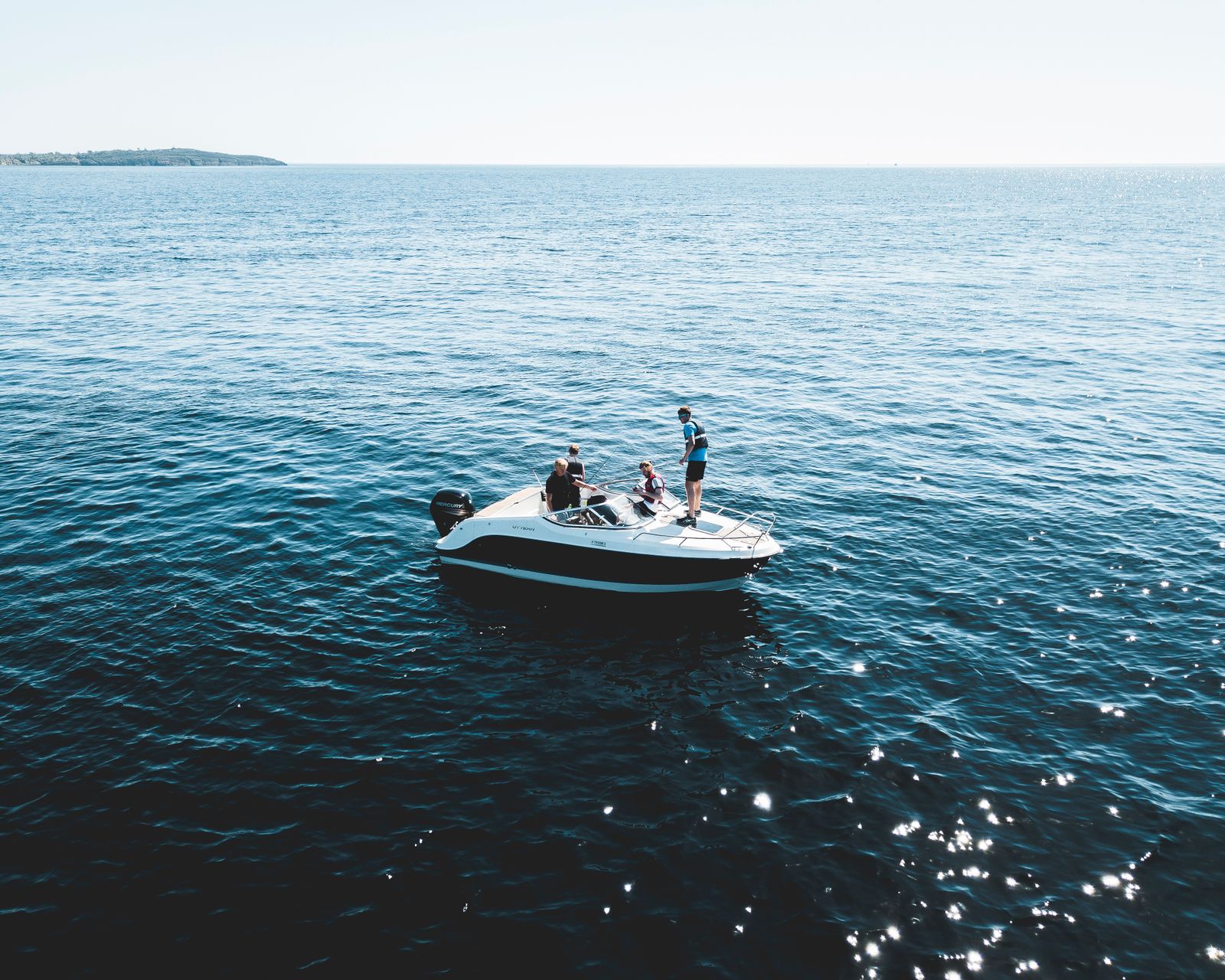
Cartagena is a city with two prices for almost everything: the per-person price, which is what a couple pays, and the whole-thing price, which is what a group can pay instead. The boat, the bus, the house, the driver — all of them are sold as a single number that you divide. Meanwhile the fees at the gates are per person and stay exactly the same whether there are two of you or twelve.
Sort your week into those two piles and Cartagena stops being expensive and starts being one of the best-value group trips on this coast. Get it wrong and eight people pay couple prices eight times over.
Get the house — then ask for its RNT number
This one line of due diligence is worth 19% of your accommodation.
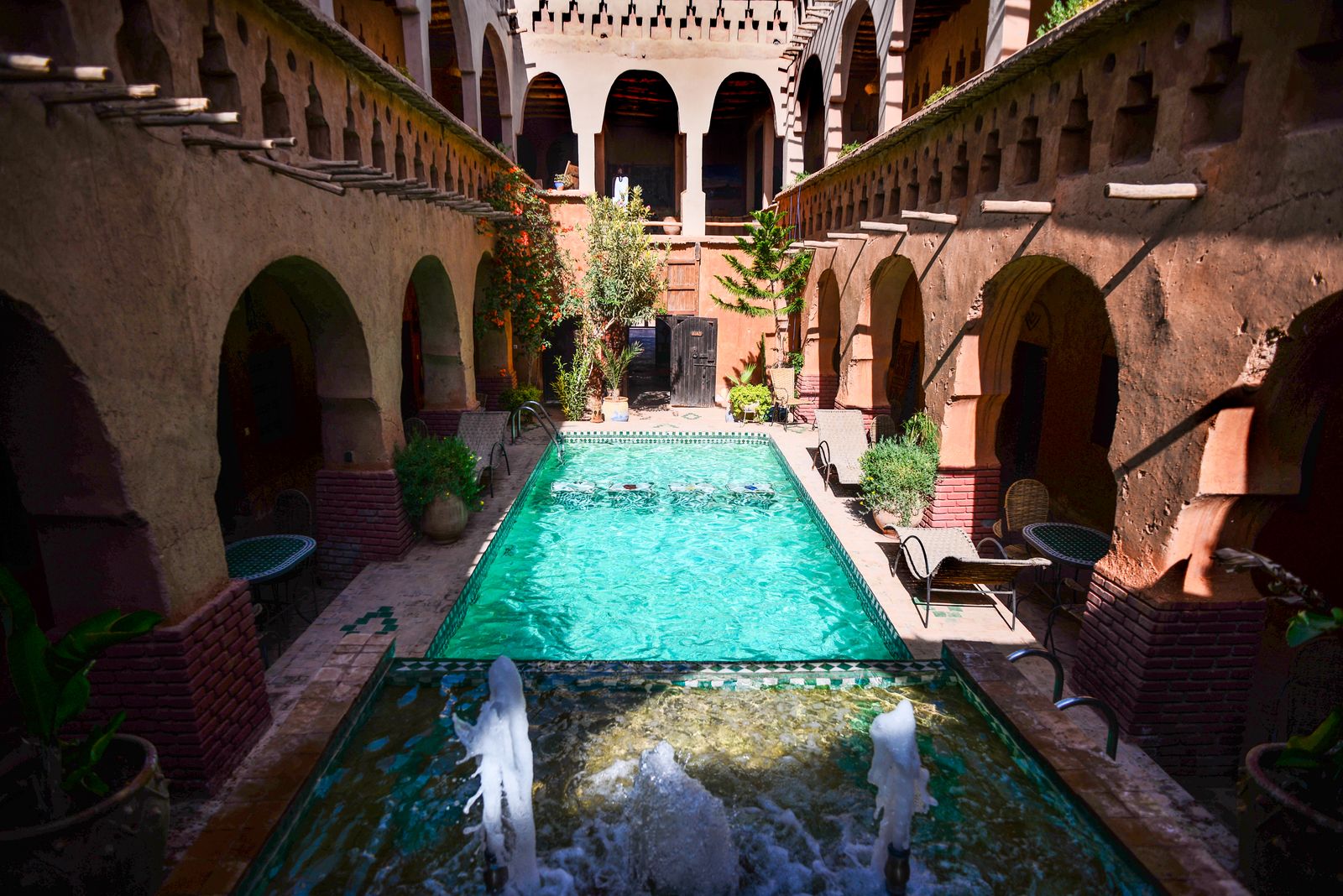
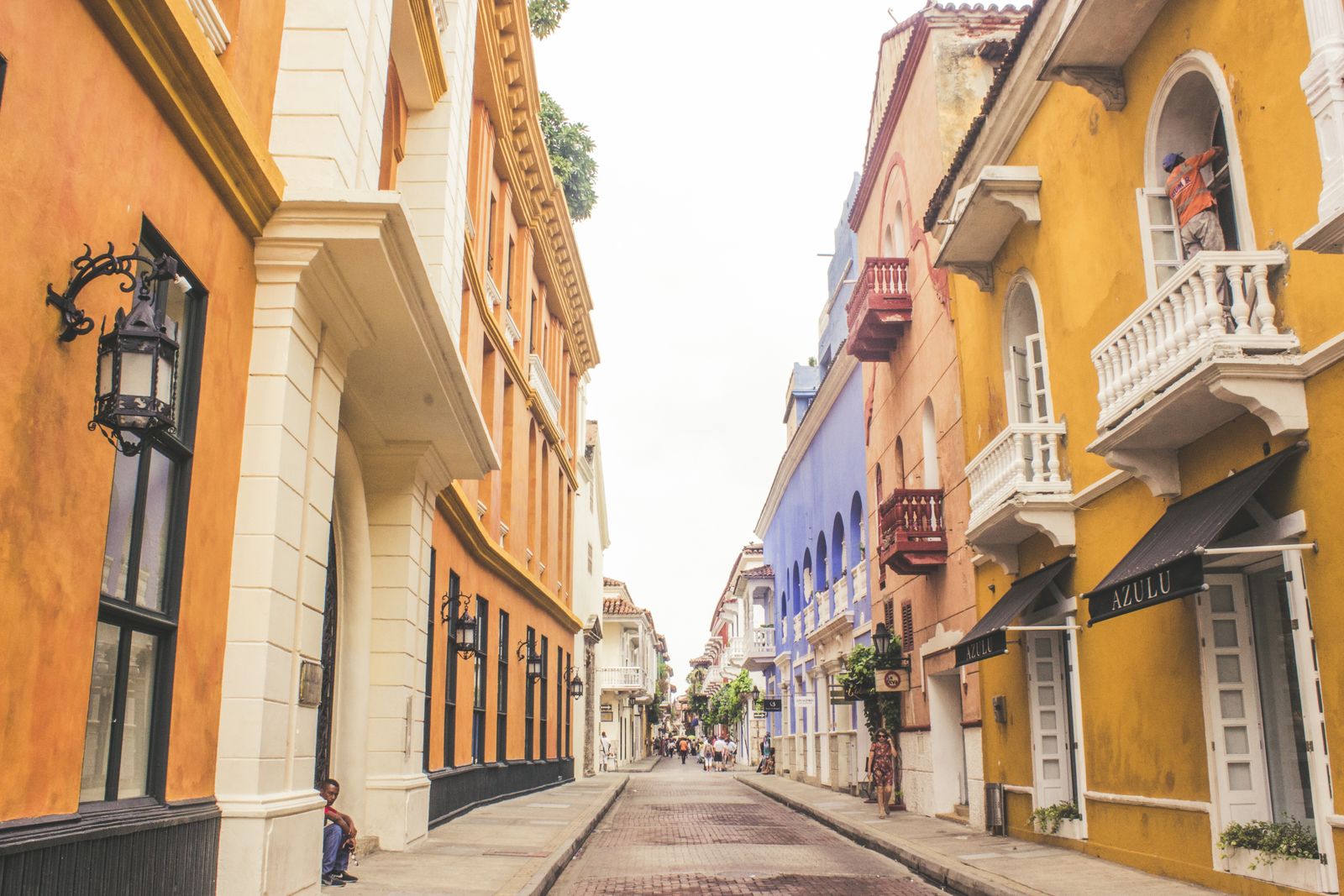
A colonial house in Getsemaní with a courtyard and a plunge pool, or an apartment big enough that the evening happens at home before anybody goes out, beats four hotel rooms for the usual reasons: one kitchen, one table, one place where the day gets planned.
But there is a tax rule here that changes the maths, and almost nobody factors it in. A non-resident foreign visitor pays no 19% IVA on accommodation in Colombia — you present the original passport with a valid PIP-3, PIP-5, PIP-6 or PIP-10 entry stamp, or a TP-7, TP-11 or TP-12 visa, and the tax comes off. The DIAN listed the accepted documents in Concepto 3522 de 2025.
The condition is that the accommodation is registered in the Registro Nacional de Turismo (RNT). Hotels are. Properly registered apartments are. Informal listings are not, and cannot pass the exemption on. So the apartment that looks 10% cheaper than the hotel is frequently more expensive once the tax goes back on. Ask for the RNT number before you book, in writing, and compare like with like.
Charter the boat. Don't buy eight seats on one.
This is the single biggest difference between a group trip and eight solo trips.
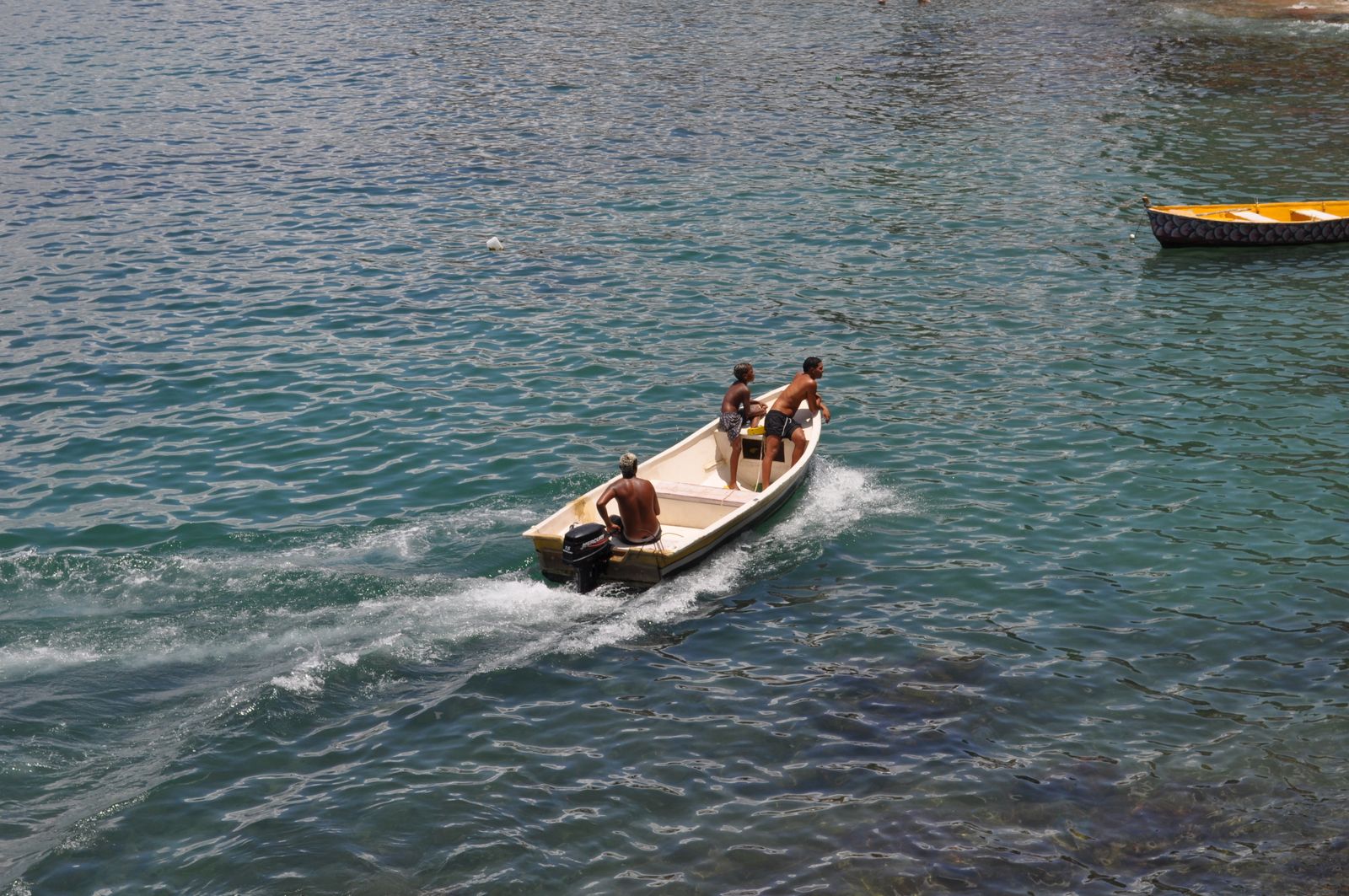
The shared Rosario Islands tour is USD 45–75 per person plus the charges collected at the pier. It runs on somebody else's schedule, stops where the operator has arrangements, and the cheapest end of that market is the part with the documented complaints.
A private lancha starts around USD 680 for four hours for up to ten people, and USD 680–950 for a full day for up to twelve. Ten people at USD 680 is about USD 68 each. That is the same money as the shared seat, for a day where you choose the island, the departure time and who is on board. The tipping point is around six: below it, take the seats; above it, take the boat.
The same logic runs through the whole week. The chiva rumbera — the open-sided party bus with the live band and the open bar — is priced per vehicle. A driver for the day is priced per vehicle. A private sunset charter in the bay is USD 200–500 for two or three hours against USD 25–50 a head shared, which at eight people is a straight win.
Three piles: what collapses, what never moves
Sort every cost into one of these before you build the week.
- Collapses hardest with group size: the house, the boat charter, the chiva, the driver. Every extra person makes these cheaper for everybody. Spend here.
- Collapses a little: restaurant tables, where sharing plates across eight is genuinely cheaper per head than two people ordering two courses each.
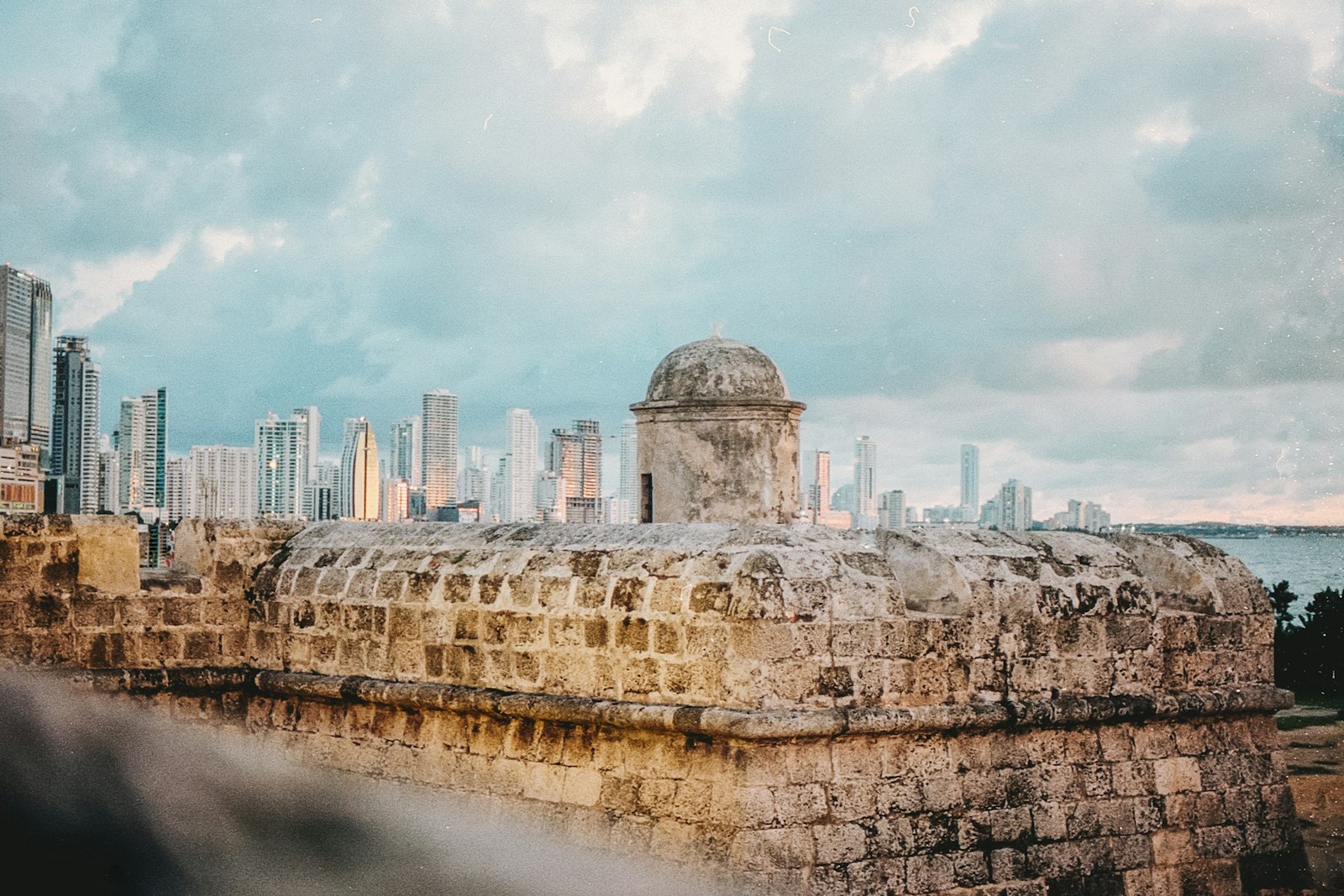
- Never moves, ever: the gates. Pier and park charges at roughly COP 41,000 a head. Castillo San Felipe at COP 25,000. The Inquisition palace at COP 15,000. Beach club day passes from USD 38 to USD 129. Eight people is eight times each of those and there is no group rate coming.
The free evening is the best evening
Before anyone books a table for eight, know that the best night in Cartagena costs about the price of a beer. Plaza de la Trinidad in Getsemaní, from six, is plastic chairs, a corner shop, a dance circle and half the neighbourhood. Do that on three of your evenings and spend the saved money on the boat. That trade is the whole trip.
One person owns the pier
Give the cash job to somebody, out loud, the night before.
The fees at the muelle are cash, they are per person, and they are collected at six in the morning when nobody is at their best. Eight people trying to produce exact change on a jetty is how boats leave without you.
So make it a job. One person draws the cash the day before, knows the total, hands it over in one go, and logs it. Give the same person the brief of getting the written total out of the operator in advance — pier, park, insurance, all of it — so there are no surprises on the morning. Then they are off duty and somebody else owns the dinner booking.
The heat is a group problem, not a personal one
Eight people move slower than two. Build the day for that.
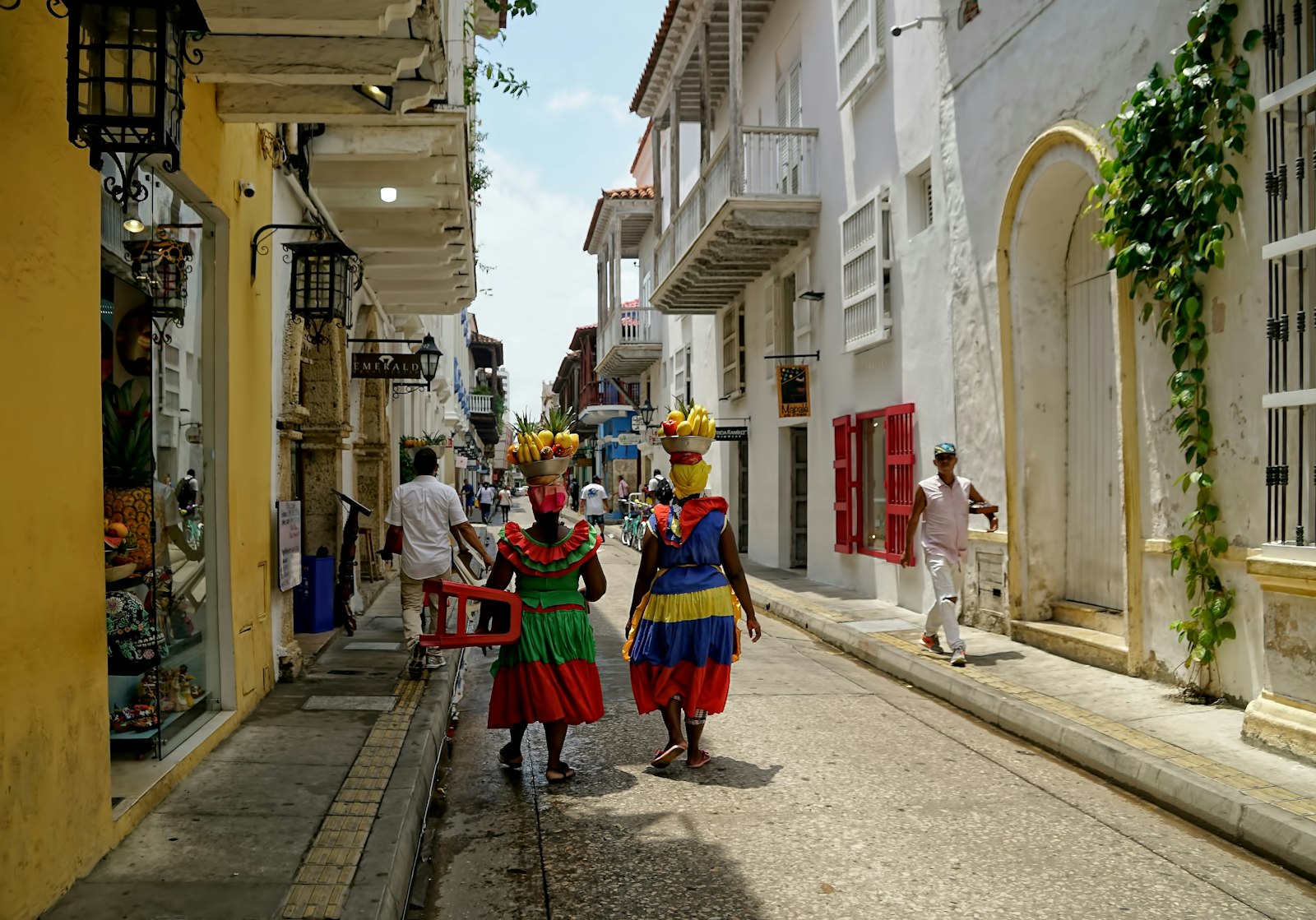
At 31 to 33 degrees with humidity, the difference between leaving at eight and leaving at eleven is the difference between a good morning and everyone quietly falling out at a fort with no shade. Groups are slow to leave the house. Accept it and plan the early thing as the only fixed point of the day.
Then leave the middle of the day genuinely empty. Pool, hammock, long lunch, sleep. The city does this too — you are not missing anything between noon and four, because there is nothing happening. Everyone reconvenes at five in a much better mood.
The one table worth booking
One big dinner, booked early. The rest walked into.
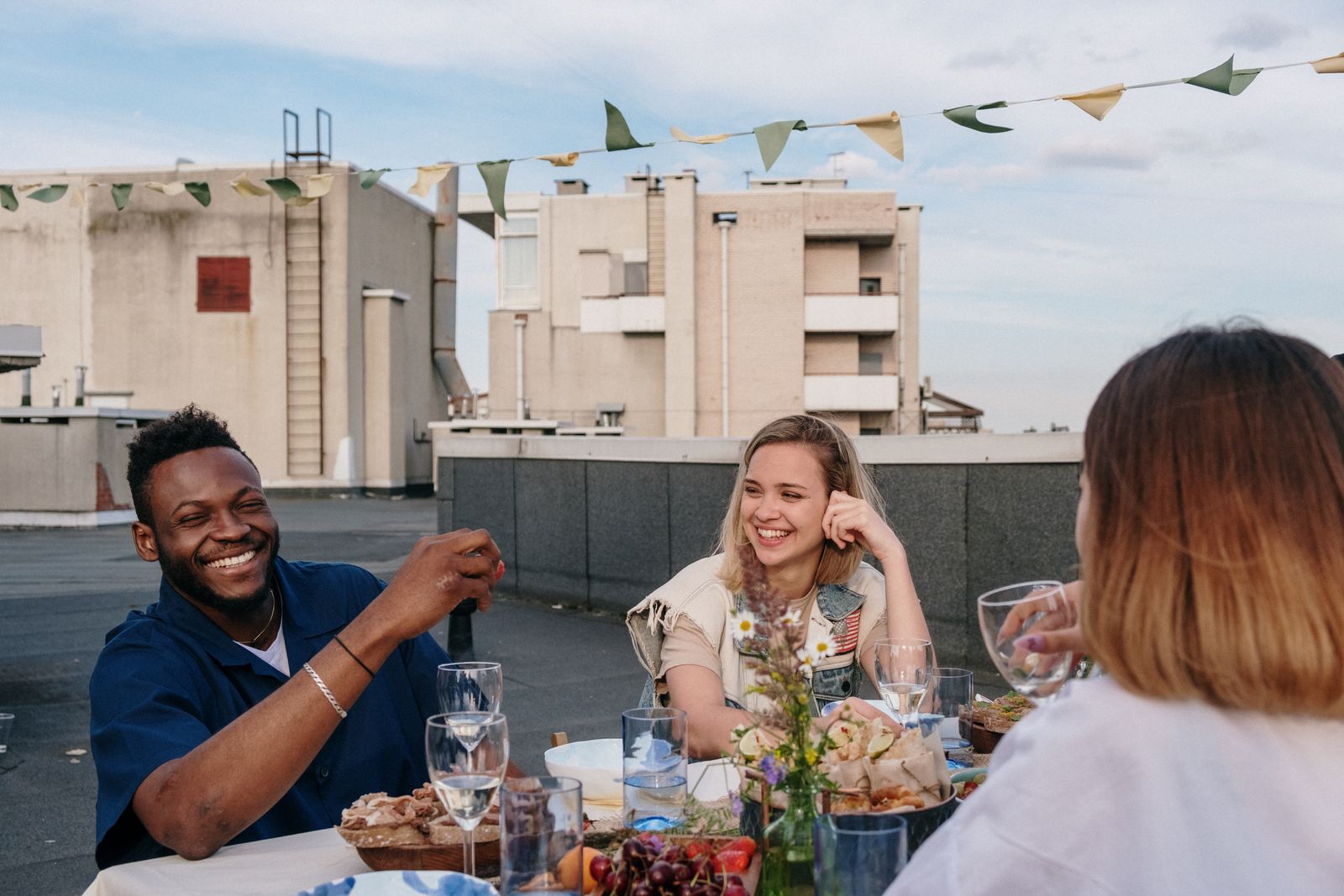
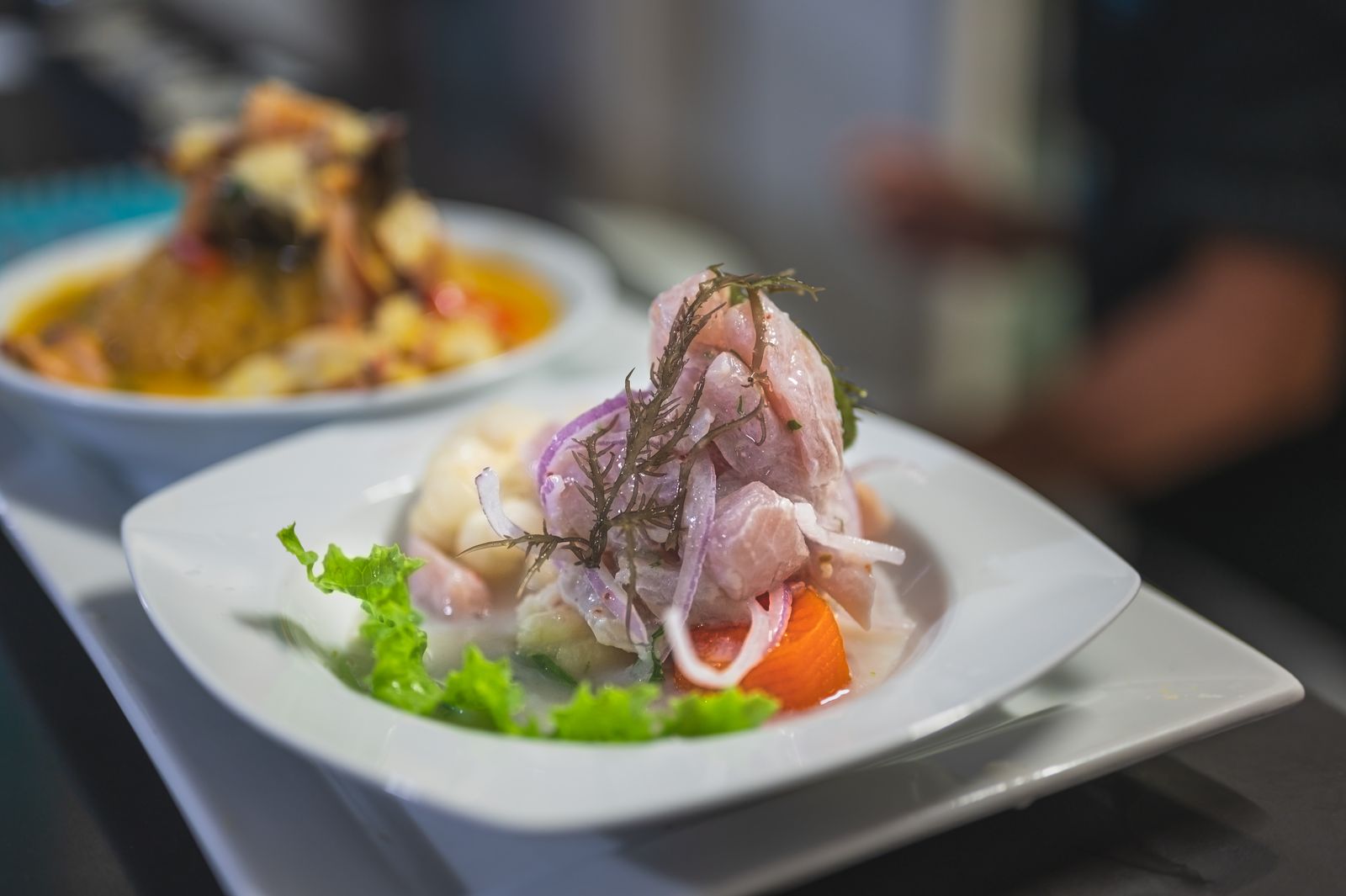
Pick one night, book Celele the moment you have dates, and let that be the meal everybody remembers. Every other dinner can be decided at six that evening, because this city's best eating is either in a market at lunchtime or handed to you through a hatch for four thousand pesos.
And know the tipping rule before the bill arrives: under Ley 1935 de 2018 the service charge is voluntary, capped at a suggested 10%, and the restaurant must ask you before printing the final bill. It is a question, not a line item — which also means it is one more thing that is not in the number three of you memorised.
Buy the whole boat, take the free plaza, and ask every single price before it happens. That's the week.— On doing Cartagena with eight people
Where we would book
Lock the house first, with the RNT number confirmed in writing, and run the comparison against a registered hotel with the 19% taken off both. For November's Fiestas or the Christmas-to-January stretch, that means months ahead.
Get two quotes for a private boat and set them against the per-seat price for your exact headcount — at six or more it is usually the same money for a far better day. Book one dinner early and nothing else. Price the chiva for one night if the group wants a big one; it is the rare thing here that gets cheaper the more of you there are.
Everything else — the wall, the plaza, the fritos, the walking — costs nothing and needs no plan, which is exactly why this trip works at eight.
Related guides
- Cartagena Comprehensive Guide — the currency clock and the gate clock.
- Cartagena Food Guide — the one table, and the forty small ones.
- Cartagena Activities Guide — the wall, the fort and the island day.
- Cartagena Culture Guide — Palenque, and what the walls were for.
- Rio de Janeiro Group Trip Guide — the same eight people, the next coast over.