
Colombia
Cartagena
Colombia's Caribbean walled city, priced honestly for 2026 — after the peso moved, and with every gate charging separately.
Currency
COP
Language
Spanish
Best months
December to April — the dry season, trade winds and two or three rainy days a month
Mid-range budget
$
145
/ day
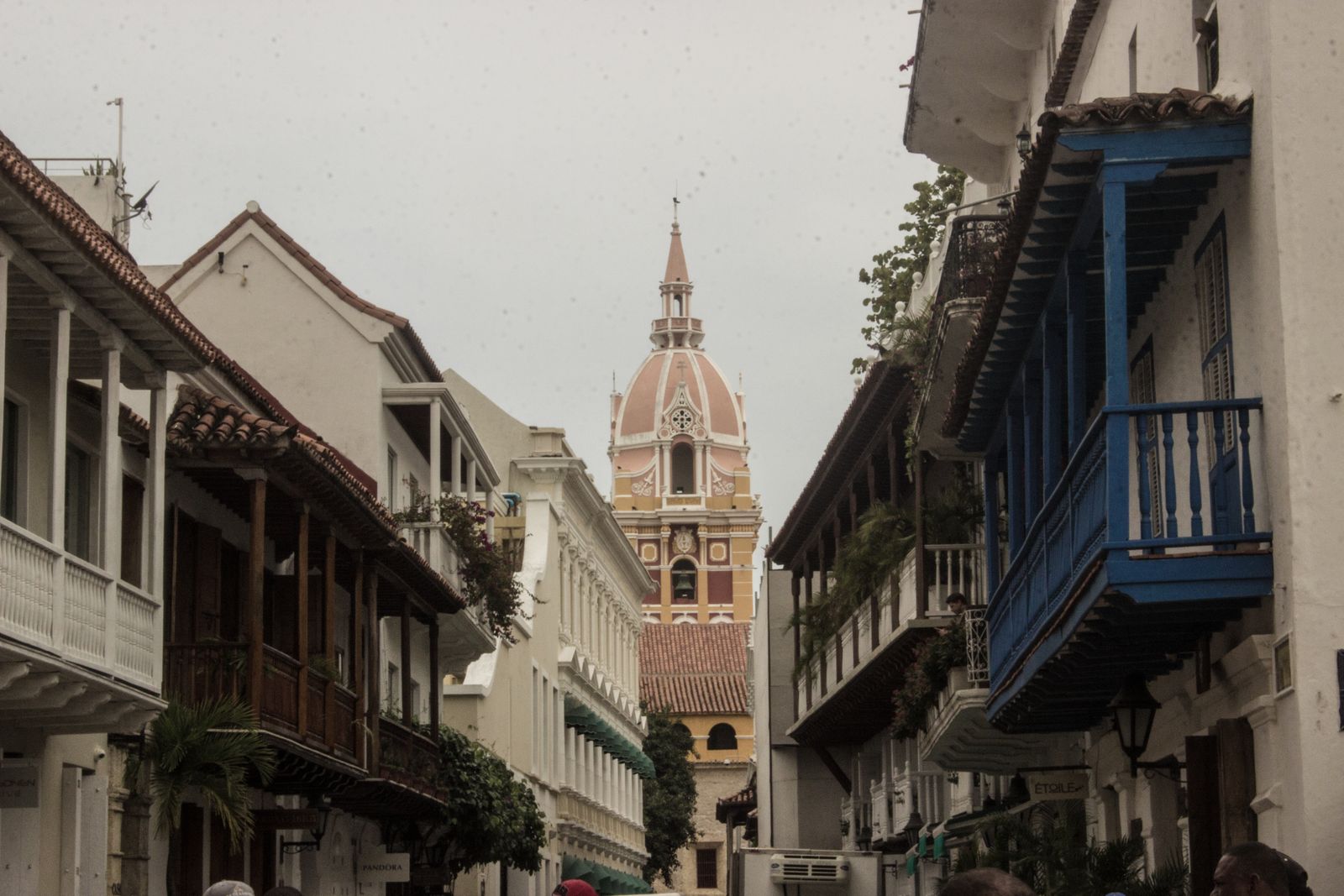
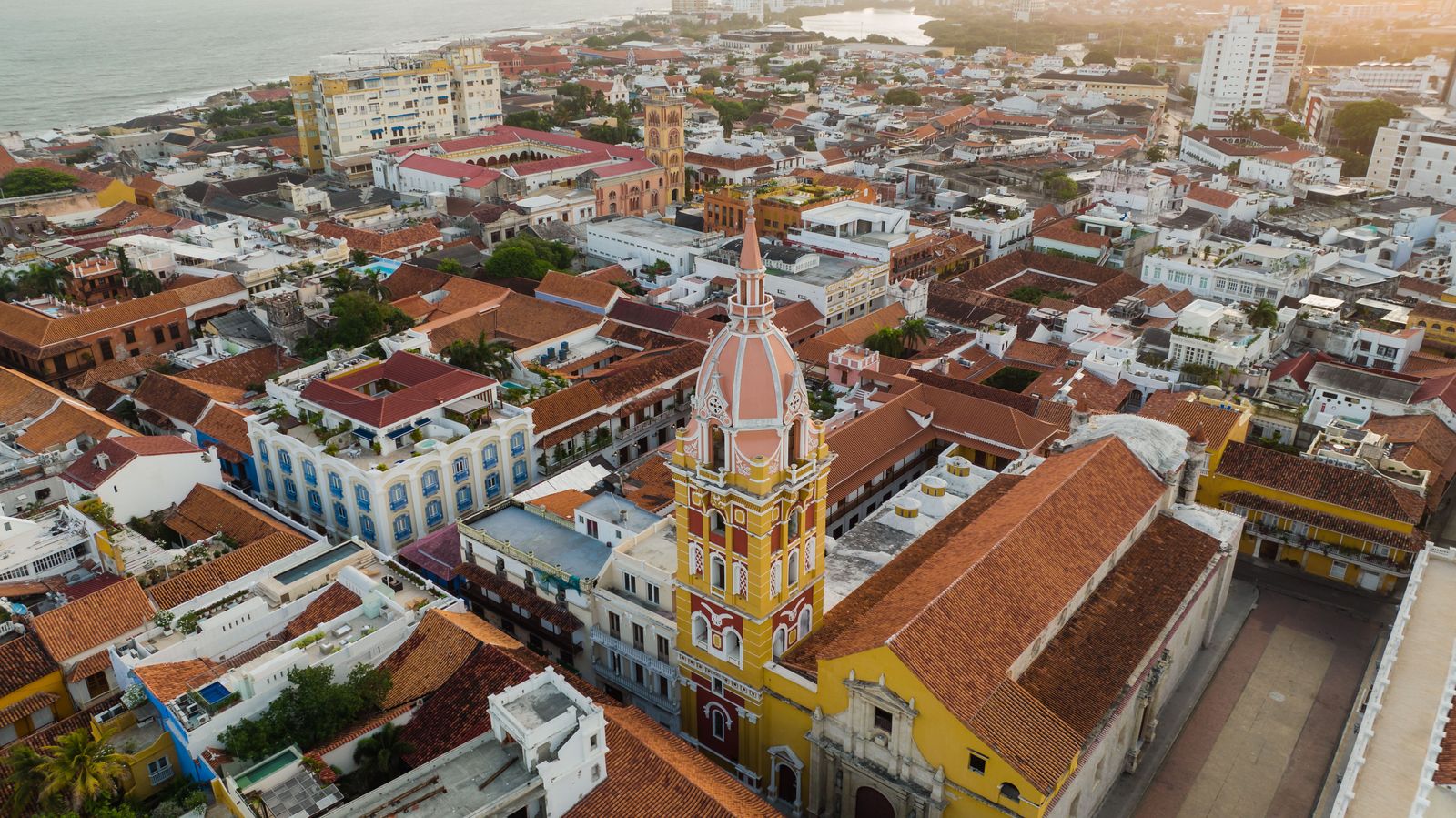
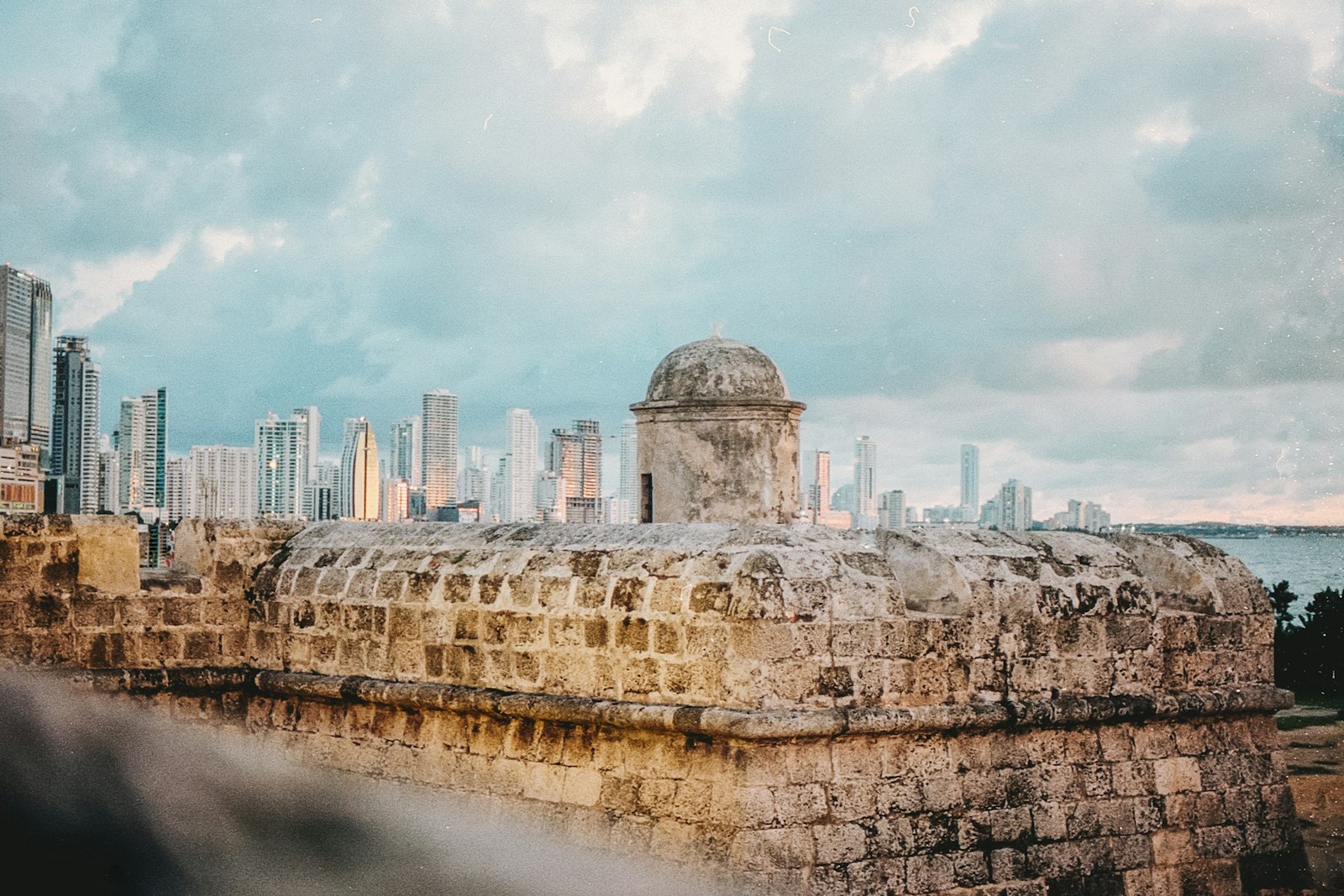
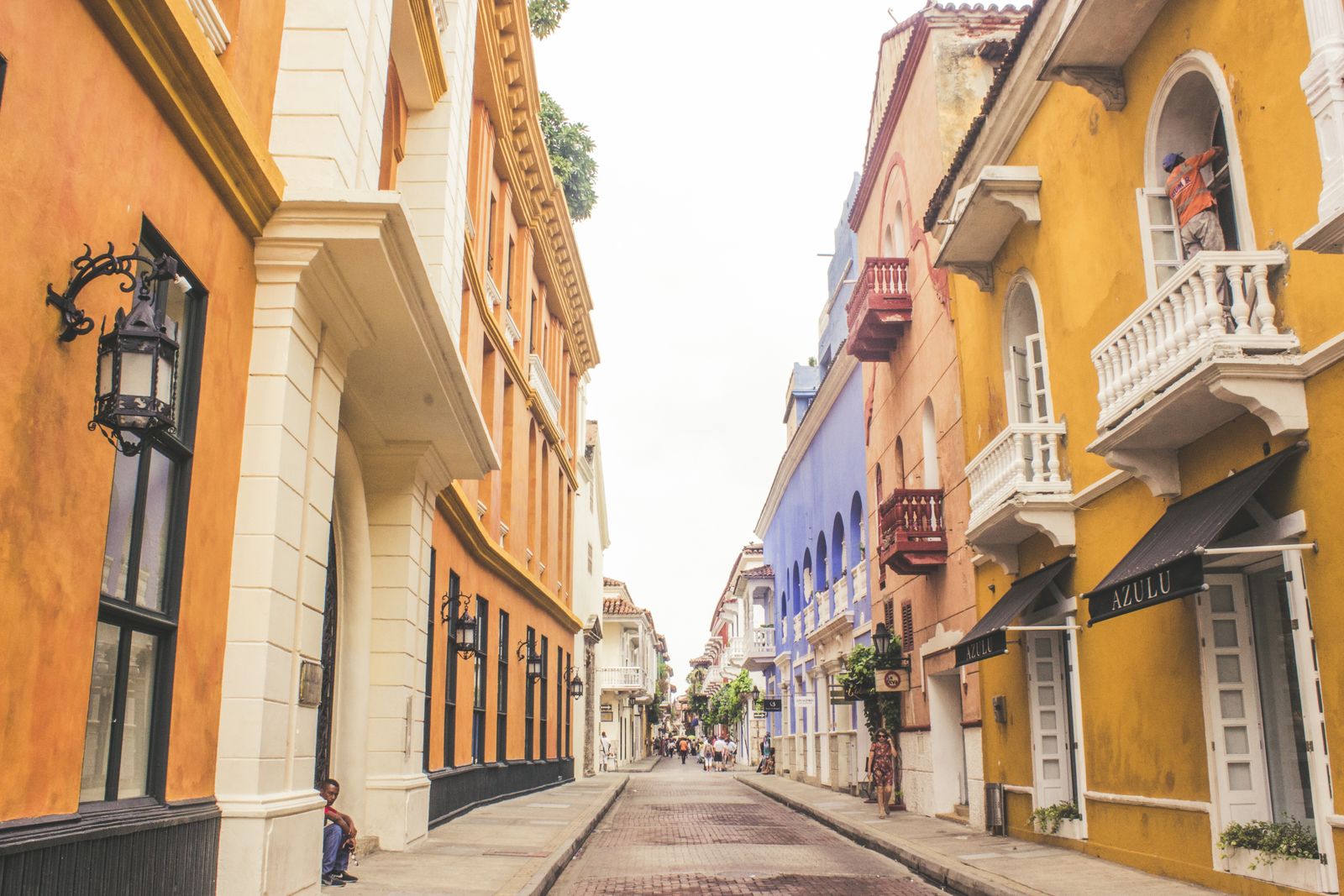
Cartagena is a walled Spanish port on the Caribbean that has spent five hundred years being photographed and about the same amount of time charging for it. Inside the walls: lime-washed and ochre houses with heavy wooden balconies, bougainvillea coming over the top of them, plazas that empty at midday and refill at six. Outside them: Getsemaní, which is where the city actually goes out, and Bocagrande, which is a wall of towers along a beach. An hour offshore are the Islas del Rosario, and over a bridge to the south is Barú.
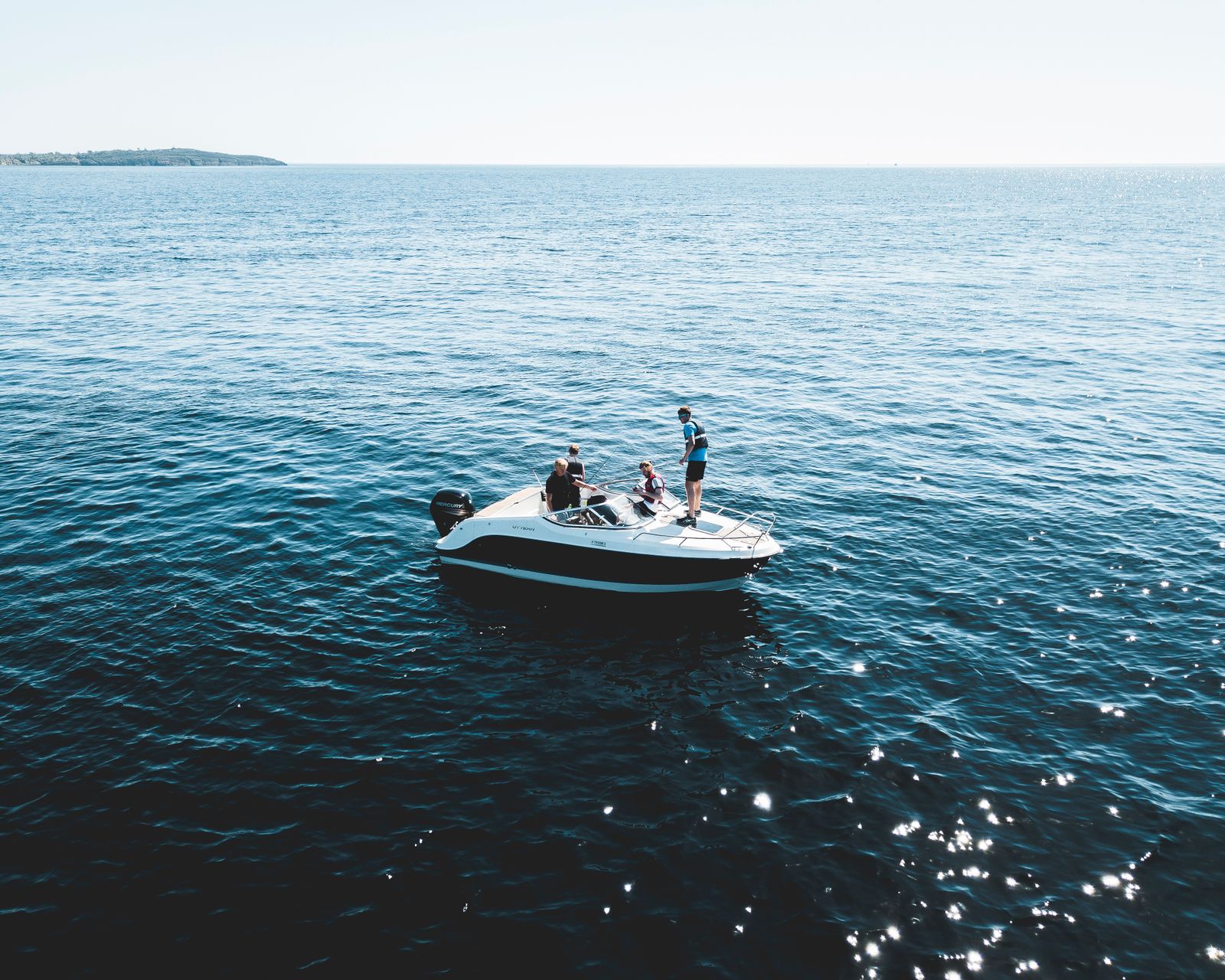
What nobody tells you is that the price you are quoted here is almost never the price you pay. The boat is quoted without the pier. The taxi has no meter. The photograph has a fee. And the currency itself has moved hard — the peso is up around 18% in 2026 alone, so the internet's advice about how cheap this place is was written at a rate that no longer exists. None of that makes Cartagena a bad idea. It makes it a city that rewards a group that asks for the total up front, charters the boat instead of buying six seats on it, and knows that the best night of the week is free and happens in a plaza.
The soundtrack
Guides for here
Practical Stuff
Tipping
Tipping is governed by Ley 1935 de 2018, and it is worth knowing because almost nobody explains it at the table. A restaurant may suggest a tip of up to 10% of the service, and it must ask you before it prints the final bill. You can decline it, or pay a different amount, at any point — and a business that forces it can be fined by the SIC. In practice: say yes when the service was good, in cash where you can, and never feel strange saying no.
Everywhere else, the rule is not a tip so much as a habit: agree the number before the service, not after. That goes for taxis, for beach vendors, for the fruit sellers in the plazas, and for a photograph of anyone in a pollera.
Safety
The thing that actually costs visitors money here is not crime, it is the unpriced transaction — the taxi with no meter, the beach massage that turns out to cost four times what you assumed, the plate of fried fish nobody quoted. The habit that solves almost all of it is boring and total: ask the price, out loud, before the thing happens. Taxis are negotiated before you get in, and the official minimum fare is COP 12,250 with a COP 1,100 surcharge from 19:00 to 05:00. inDrive is the local default because you name the fare yourself.
Mercado de Bazurto is genuinely worth going to, in daylight, with a guide who knows it — and the streets around it are not a place to be wandering after dark. Scopolamine stories circulate constantly; the risk is real but rare and almost entirely conditional on the same few situations — a drink you did not watch being poured, an unlicensed venue late at night on your own, a stranger who approaches you first. With your own group, in normal places, it is not the thing to plan your week around.
The heat is. It sits at 31–33 °C with humidity most of the year, and it will flatten anyone who tries to walk the walled city at two in the afternoon. Water, shade, and a day built around the mornings.
SIM card
Claro, Movistar or Tigo all sell a prepaid SIM in minutes with your passport, and an eSIM works if your phone takes one. Coverage in the city and out along Bocagrande is fine; it thins on the boat and on the outer Rosario islands. Worth knowing before you leave the mainland: <strong>the fees at the pier are collected in cash</strong>, so signal is not the thing that will save you at the muelle — pesos in your pocket are.