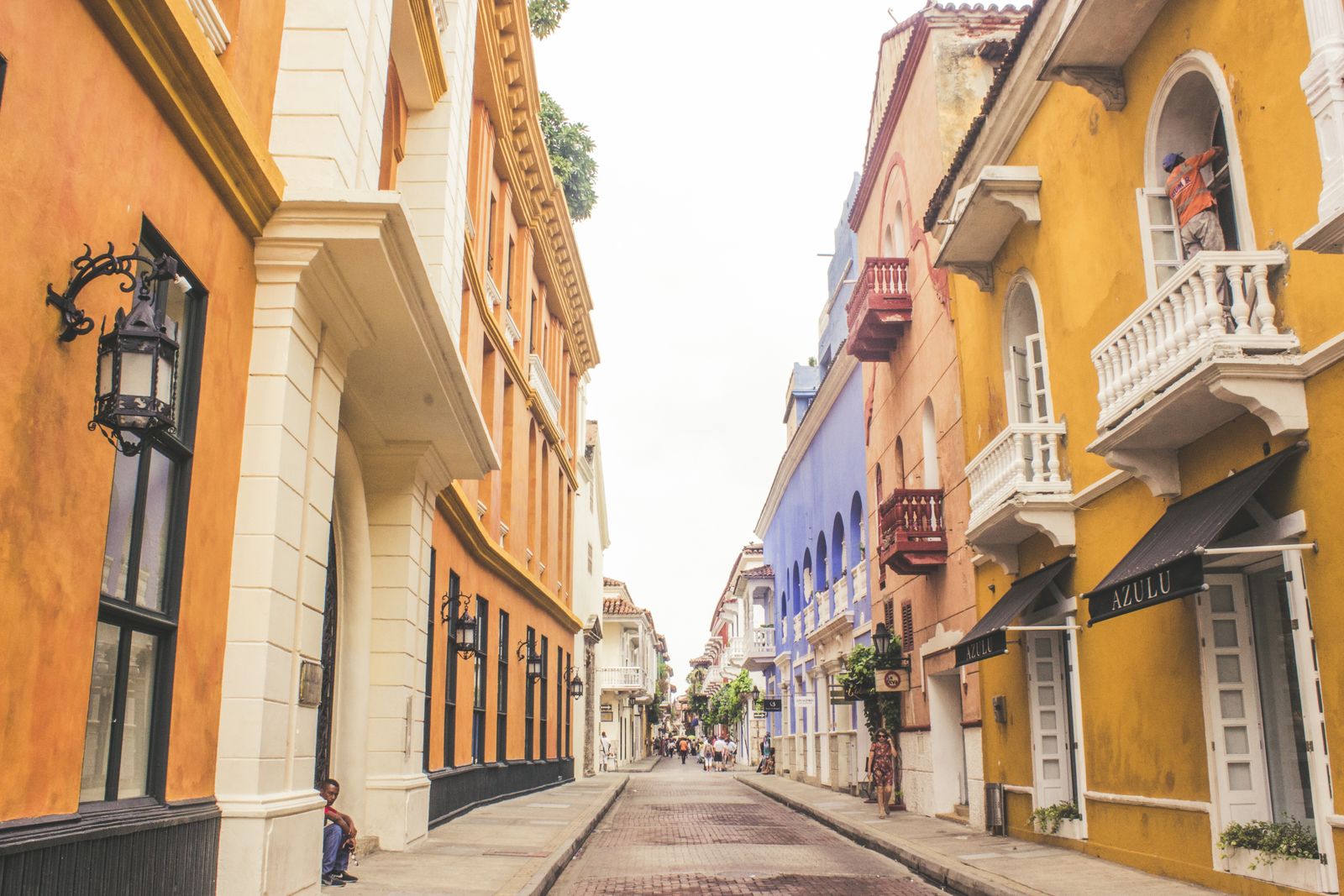
Most Cartagena advice online has one thing quietly wrong with it, and it is not the restaurants. It is the arithmetic. Almost everything written about how cheap this city is was written when a dollar bought four thousand pesos or more. In August 2026 it buys a little over three thousand. Nothing about Cartagena got worse — it just got about a third more expensive than the internet thinks, in a city that was already the most expensive in Colombia.
Add the second thing, which is that the price you are quoted here is almost never the total, and you have the whole planning problem. Both are completely manageable. Neither is a reason to skip it. But you want to know them before you are standing on a pier being asked for cash you did not budget.
What you're actually looking at
Four places with four different personalities, and one of them is offshore.
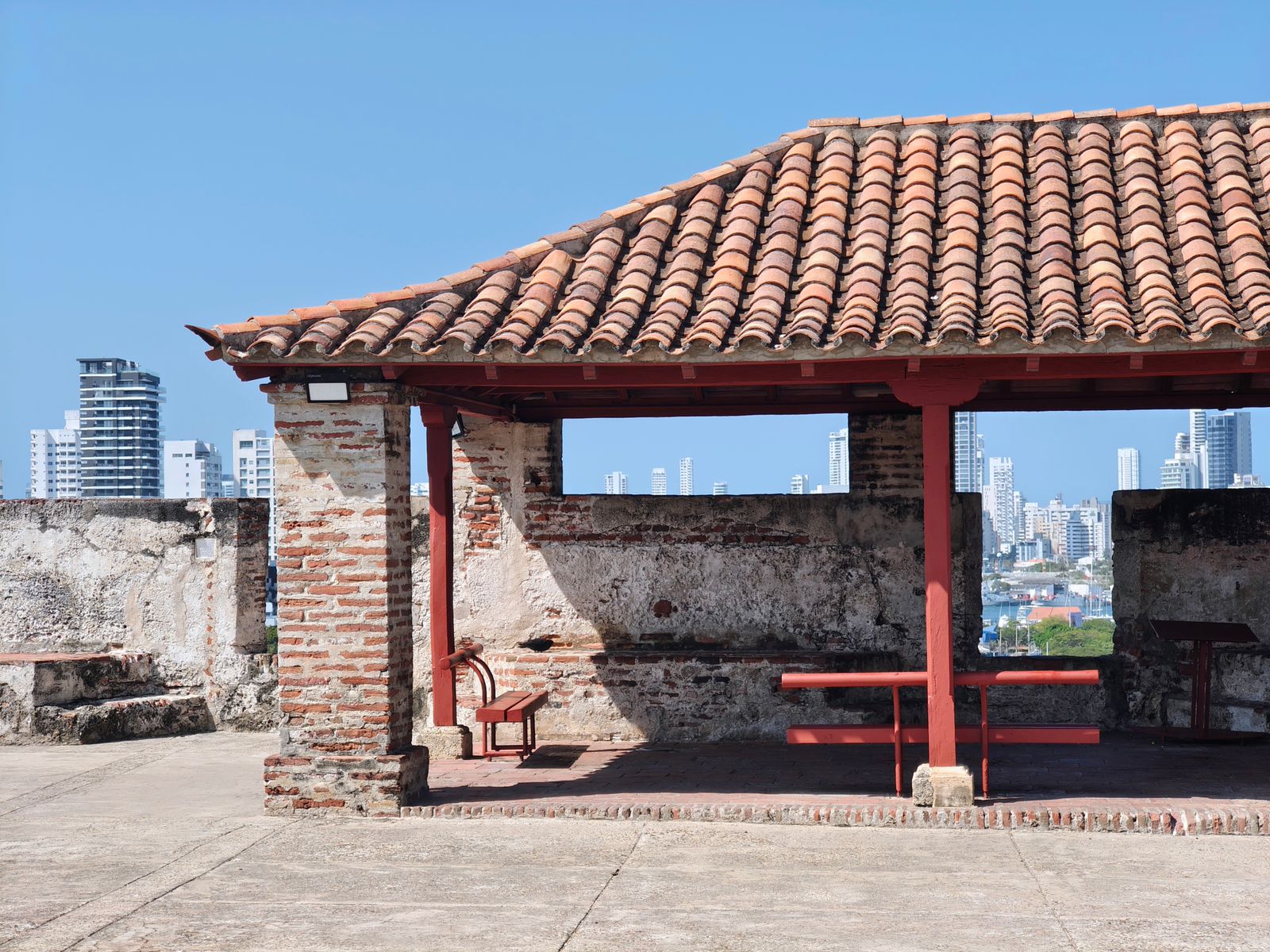
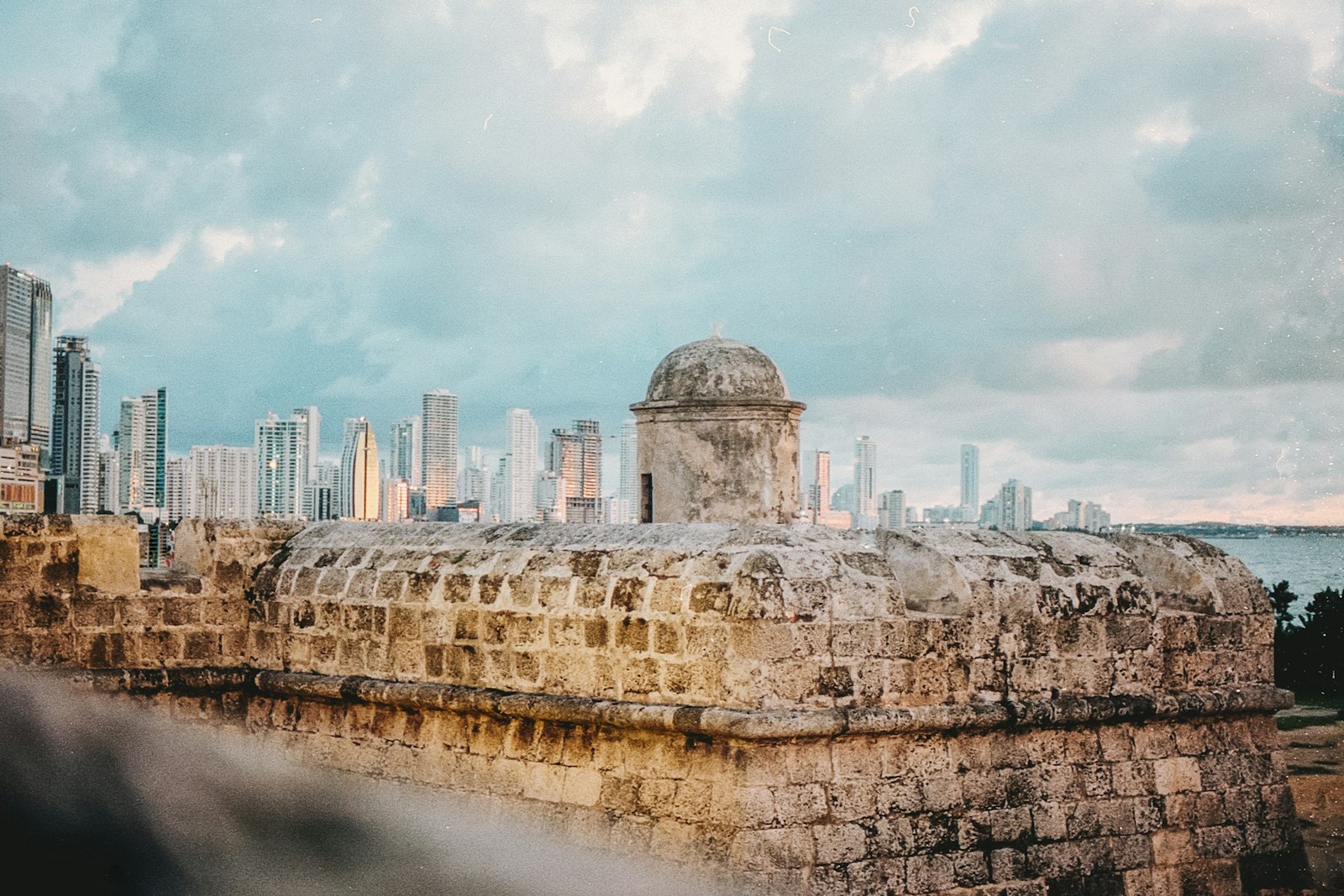
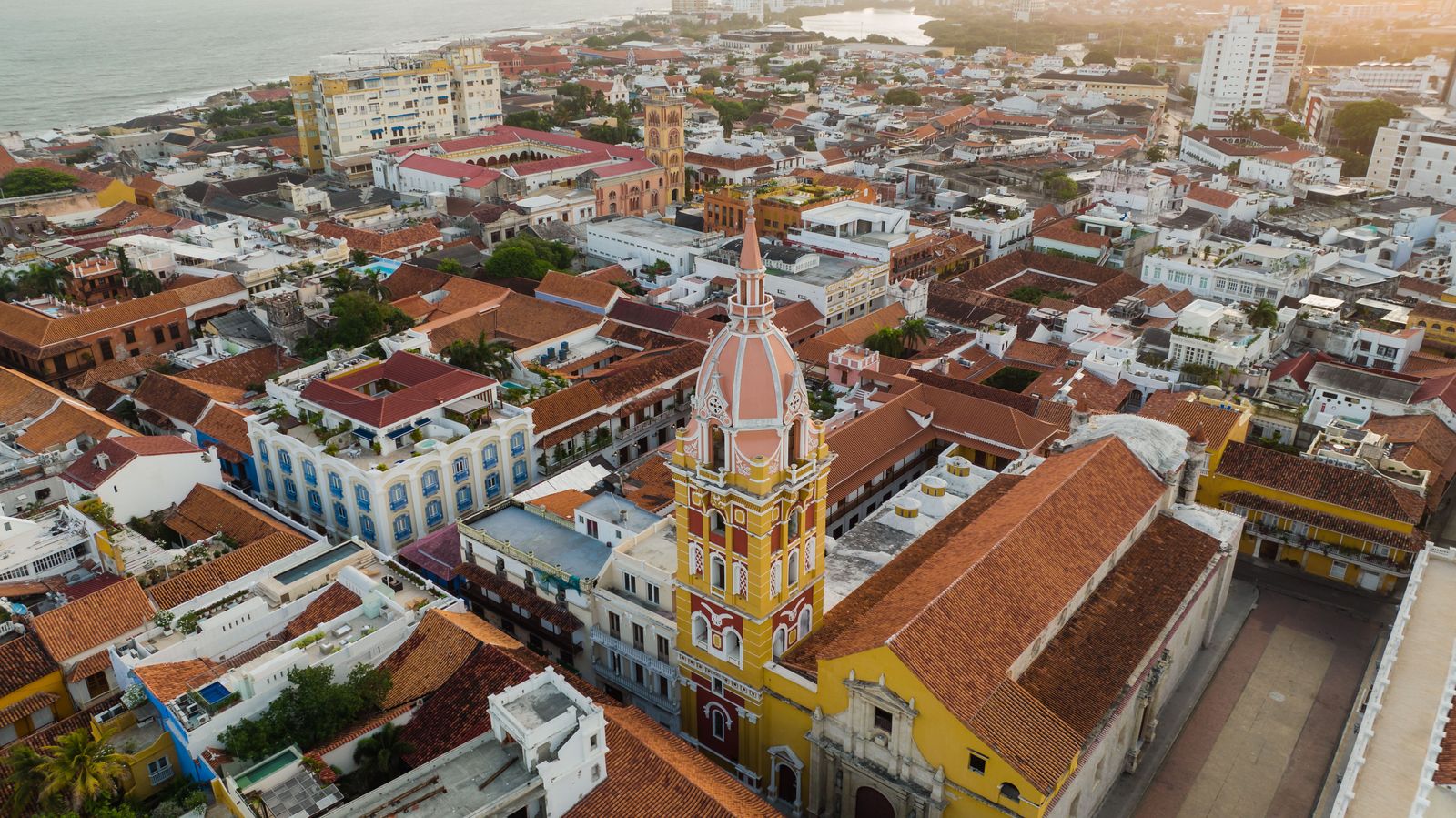
The Centro Histórico is the walled city: the postcard, the balconies, the plazas, the fortifications you can walk along for free. It is small enough to cross on foot in twenty minutes and it is where most of the money in this city is now pointed. Getsemaní sits just outside the wall and is where the city goes out — painted lanes, street art, and a plaza that fills with plastic chairs every evening. Bocagrande is the strip of towers along the beach, which is where you stay if you want a sea view and a lift, and not if you want atmosphere.
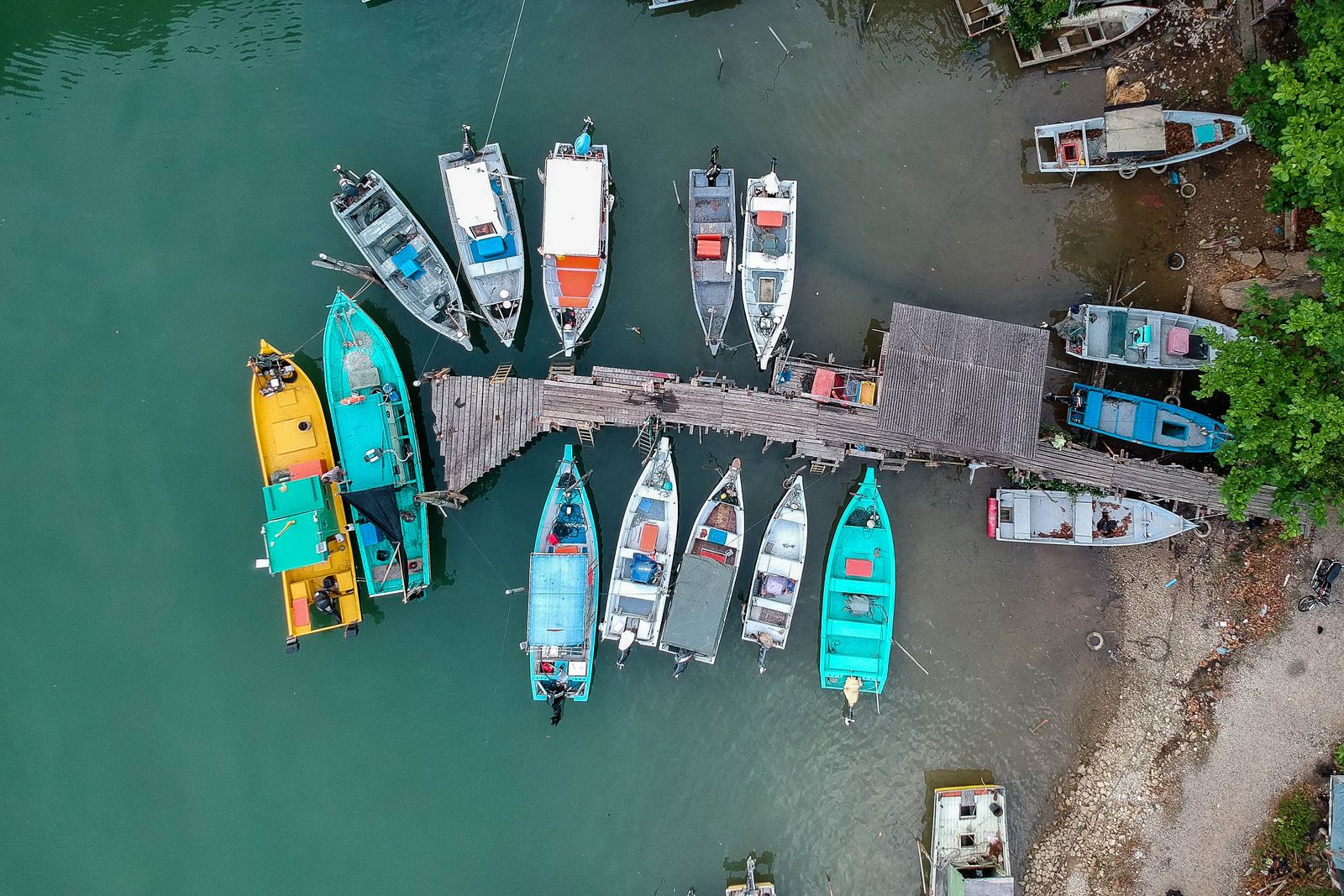
Then there is the water. The Islas del Rosario are a national park about an hour offshore by fast boat, and Barú — which has the beach everyone means when they say Playa Blanca — is reachable by road over a bridge. That distinction is not trivia. It changes what you pay, and we come back to it.
The two clocks that decide what this trip costs
One is the currency. One is the gate. Read both before you book anything.
The currency clock. In August 2026 the US dollar is worth somewhere around COP 3,050 to 3,134. The peso has appreciated roughly 18% during 2026 and about 38% since the end of 2022 — a run Colombian analysts rank second only to the 2003–2008 cycle. The local press has been blunt about the consequence: the strong peso has made Colombia more expensive for foreign visitors, and non-resident arrivals actually fell 1.6% between January and May 2026 while Colombians travelling abroad rose 12.6%.
So treat any price you read in an old blog post as roughly a third too low, and do not treat today's rate as permanent either — analysts have it going back towards 3,400–3,650 by the end of the year. Prices below are in pesos for that reason.
The gate clock. This is the one that catches people. A boat trip to the Rosario Islands is advertised at one number, and then at the pier, on the morning, in cash, you pay again. One operator's published 2026 reference for the combined pier, national park and protected-area insurance charge is COP 41,000 per person; others quote the park entry alone at COP 25,000–28,000 for foreign adults. We are not going to tell you which applies to the boat you end up on, because it genuinely varies by operator and season — which is exactly why the move is to make them tell you.
The one question that fixes most of this
Before you hand anybody money, ask: ¿cuánto es el total por persona, incluyendo la tasa del muelle y la entrada al parque? Total per person, including the pier fee and the park entry. Ask it about the boat, ask it about the taxi before you get in, ask it about the plate of fish before it is cooked. It is not rude here. It is completely normal, and the people who do not ask it are the ones who go home with a story about being overcharged.
The day has a shape, and the heat decides it
31 to 33 degrees with humidity. Plan around it and the city is a pleasure.
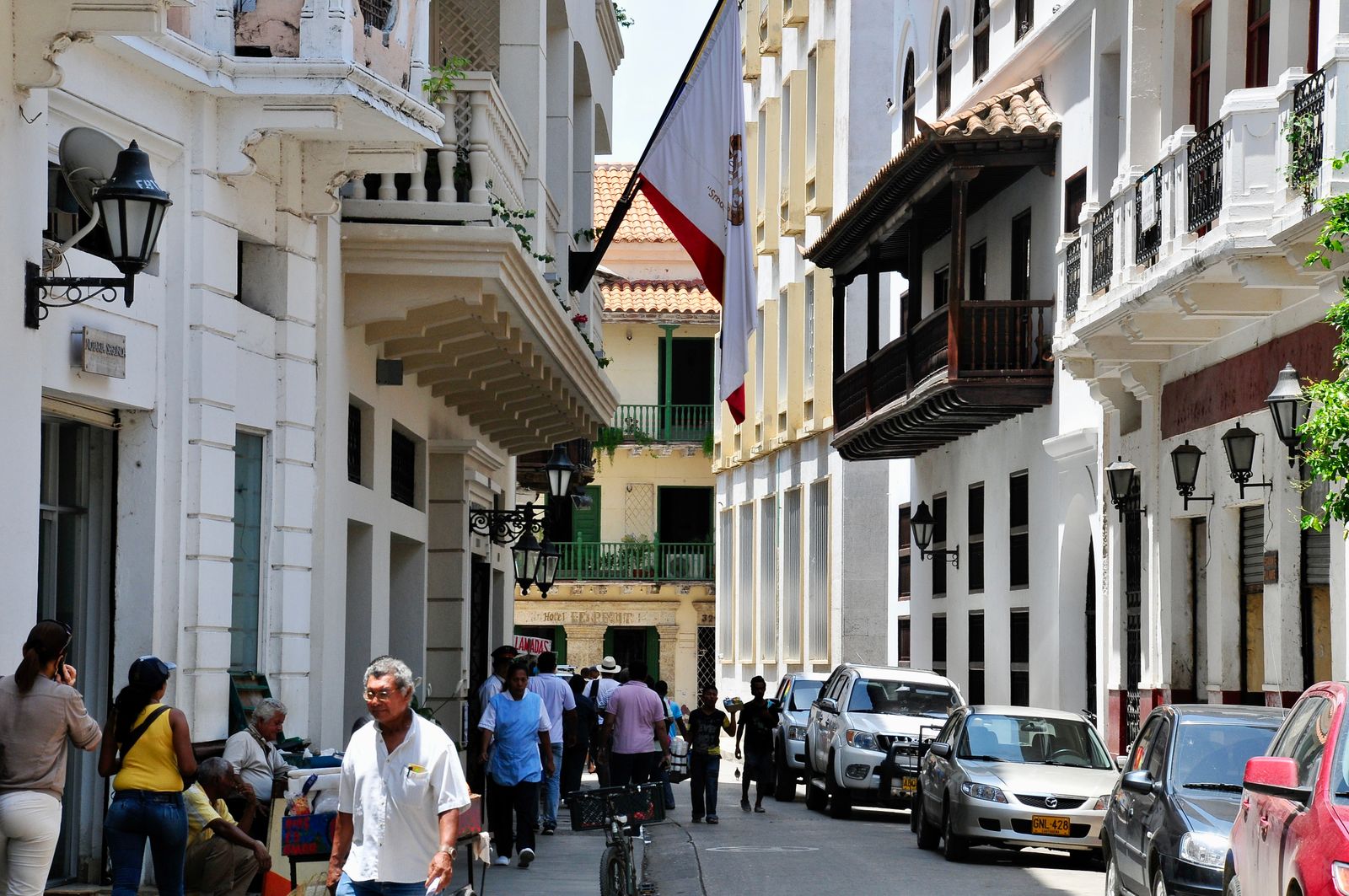
The walled city is stone, and stone holds heat. Between about noon and four, the plazas empty for a reason. The rhythm that works: out early, 06:30 to 10:00, when the light is good, the wall is empty and the fort has no queue. Middle of the day in water, in shade, at lunch, or asleep. Back out from 17:00, when the whole city comes outside again and stays out.
This is also why the free thing is the best thing. Walking the city walls at six in the evening, with the sea going pink on one side and the balconies on the other, costs nothing and is better than most of what you can pay for here.
Where you sleep decides your week
And there's a tax rule attached that's worth real money.
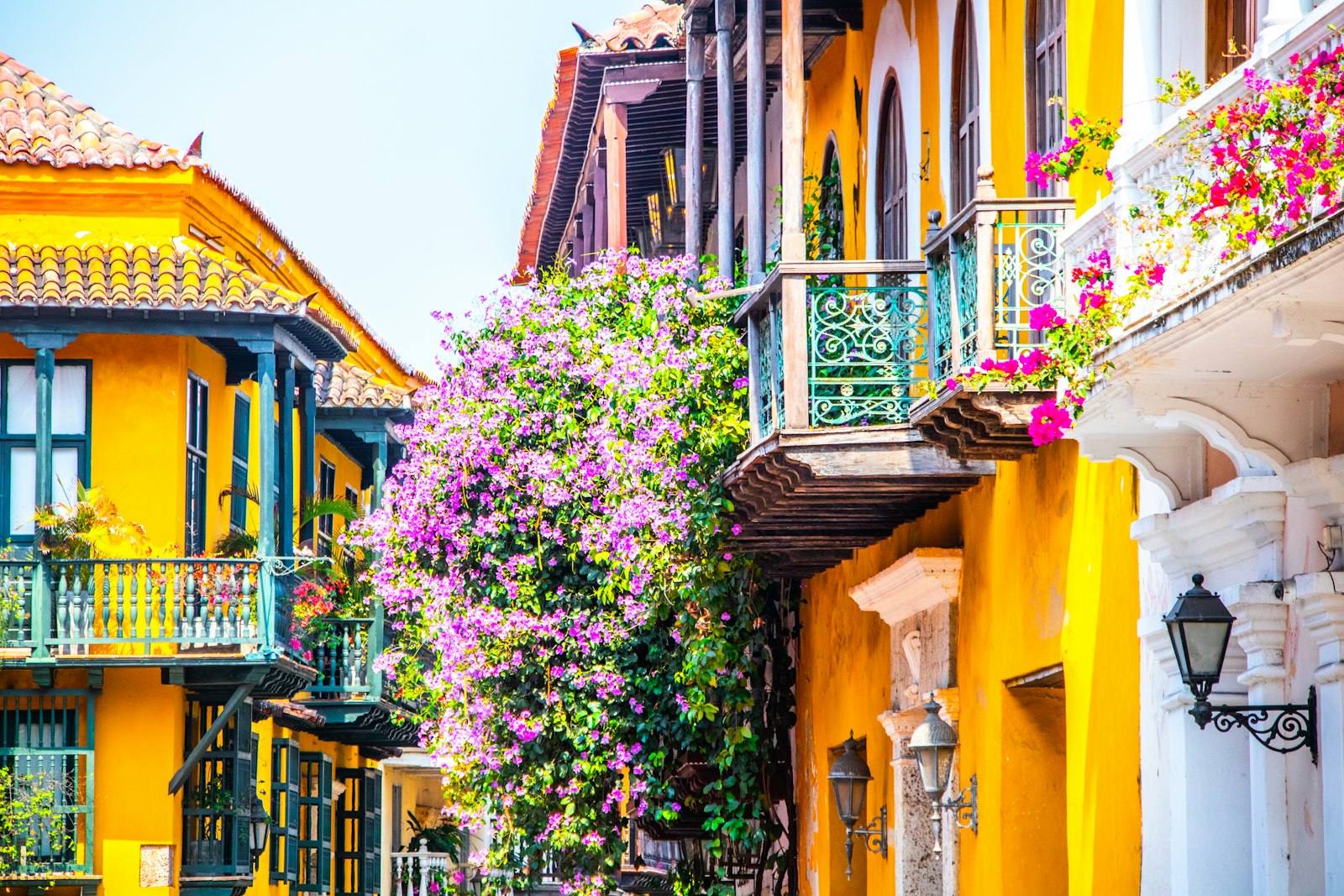
Centro Histórico if you want to walk out of the door into the postcard, and you are paying for exactly that. Getsemaní if you want to be where the evening is, five minutes' walk from the wall, for less — this is the answer for most groups. Bocagrande if the sea view and the pool matter more than the streets do.
Now the part almost nobody writes down. A non-resident foreign visitor does not pay the 19% IVA on accommodation in Colombia. You show the original passport with a valid entry stamp — PIP-3, PIP-5, PIP-6 or PIP-10 — or a TP-7, TP-11 or TP-12 visa, and the tax comes off. The DIAN set out the acceptable documents in Concepto 3522 de 2025.
The catch is the one that matters to a group: it applies to lodging registered in the Registro Nacional de Turismo (RNT). A hotel has one. A properly registered apartment has one. An informal listing does not — and cannot give you the exemption. Which means the cheaper-looking apartment is quite often not cheaper once 19% goes back on. Ask for the RNT number before you book, in writing, and compare the two options with the tax applied.
Getting around, without the meter argument
There are no meters. That's a rule, not a scam.
- Taxis — agree the fare through the window before you open the door. The official minimum is COP 12,250, with COP 1,100 added between 19:00 and 05:00.
- inDrive — you name the price and drivers accept or counter. It is the local default and it removes the negotiation entirely. Uber exists here but thinly.
- The airport — CTG is about 3 km from the walled city, ten to fifteen minutes. Expect roughly COP 15,400–20,200 by taxi, or COP 15,000–22,000 on an app.
- Transcaribe — the BRT. Route T102 Portal–Crespo stops at Centro and needs a rechargeable card.
- Your feet — the Centro and Getsemaní together are walkable end to end, and that covers most of your week.
When to come
Dry and windy, or cheap and wet, or the best week in the city.
December to April is the dry season, and the north-easterly trade winds make the heat sit far more kindly — January to March average only two or three rainy days a month. It is also the busiest and priciest stretch.
September to November is the wet one, October worst, with full-day rain genuinely possible. Low-season pricing drops 20–30%, which is a real saving across a group of eight.
And then there is the exception worth planning around: the Fiestas de Independencia on 11 November, which in 2026 run roughly the 6th to the 12th. Cabildos, comparsas, gaita bands, champeta and parades through the Centro and Getsemaní. It rains. Go anyway.
Ask for the total, in pesos, before anything happens. That single habit is worth more here than any booking hack.— On the one skill Cartagena rewards
Where we would book
Lock the accommodation first and ask for the RNT number in the same message — that one line is worth 19% and takes ten seconds to send. Compare a registered hotel against a registered apartment with the tax applied to both, not before.
For the island day, get a written total per person including the pier and park charges before you pay a deposit, and do not buy from someone who approaches you in the street — that is the corner of the market with the documented complaints, and the standing local advice is not to pay in full up front. If there are six or more of you, price a private boat against six seats on a shared one before you decide; it is frequently the same money.
Book the one dinner that matters as far ahead as you can, especially between mid-December and January. Everything else here can be decided the morning of, and mostly should be.
Related guides
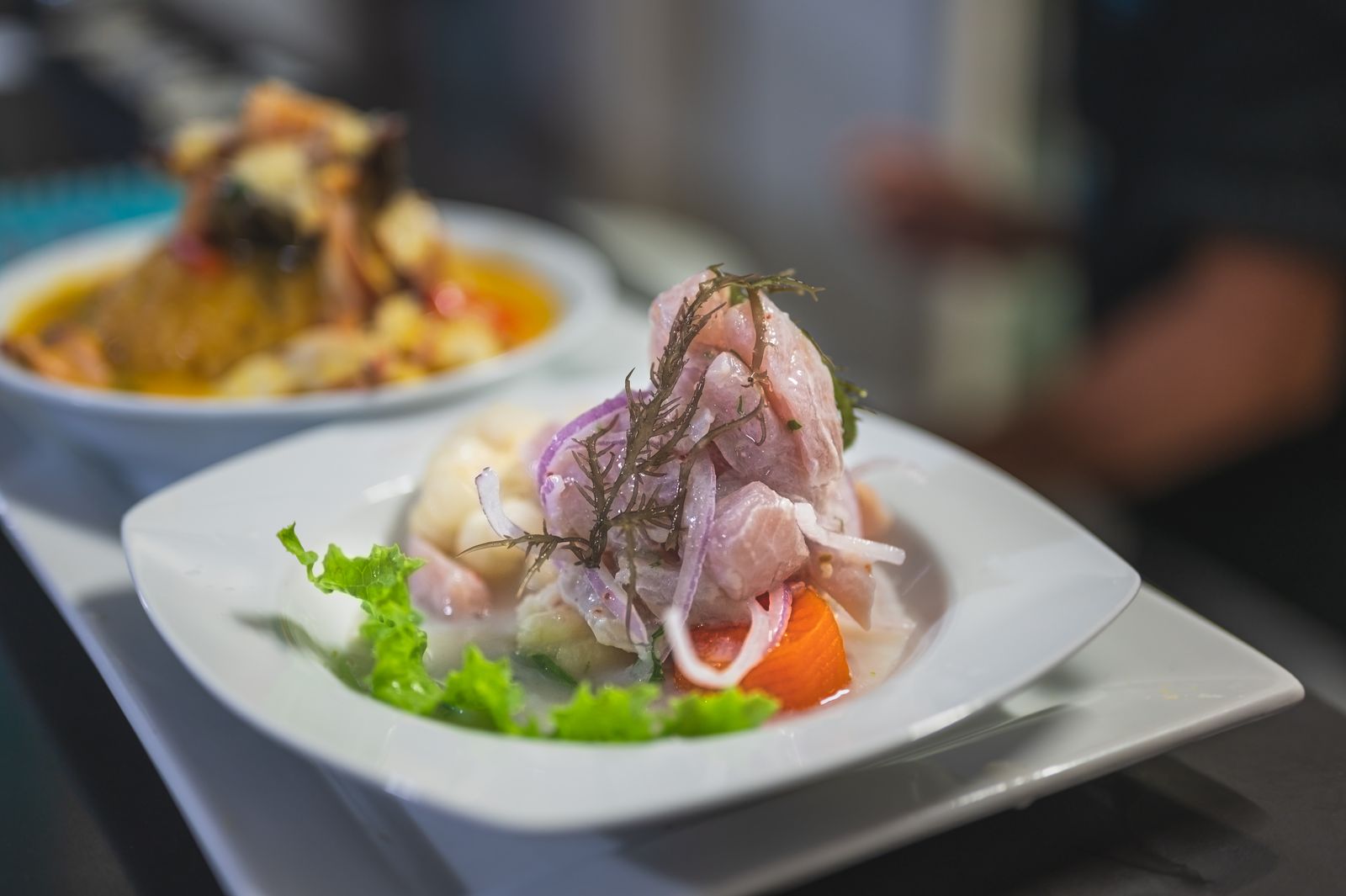
- Cartagena Food Guide — the fritos, the ceviche, and the 10% question.
- Cartagena Activities Guide — the wall, the fort and the island day.
- Cartagena Culture Guide — what the walls were protecting.
- Cartagena Group Trip Guide — the per-head arithmetic, in full.
- Rio de Janeiro Comprehensive Guide — the other great Atlantic port, with the same beach-economy rules.