The good news about Cartagena is that the best thing to do here is free and takes an hour. The complicated news is the island day, which is where most of a group's money and most of its irritation ends up, and which is entirely fixable if you understand how it is priced.
Walk the wall. Free, and better than most of what you'll pay for.
Go at six in the evening. Not at two in the afternoon.
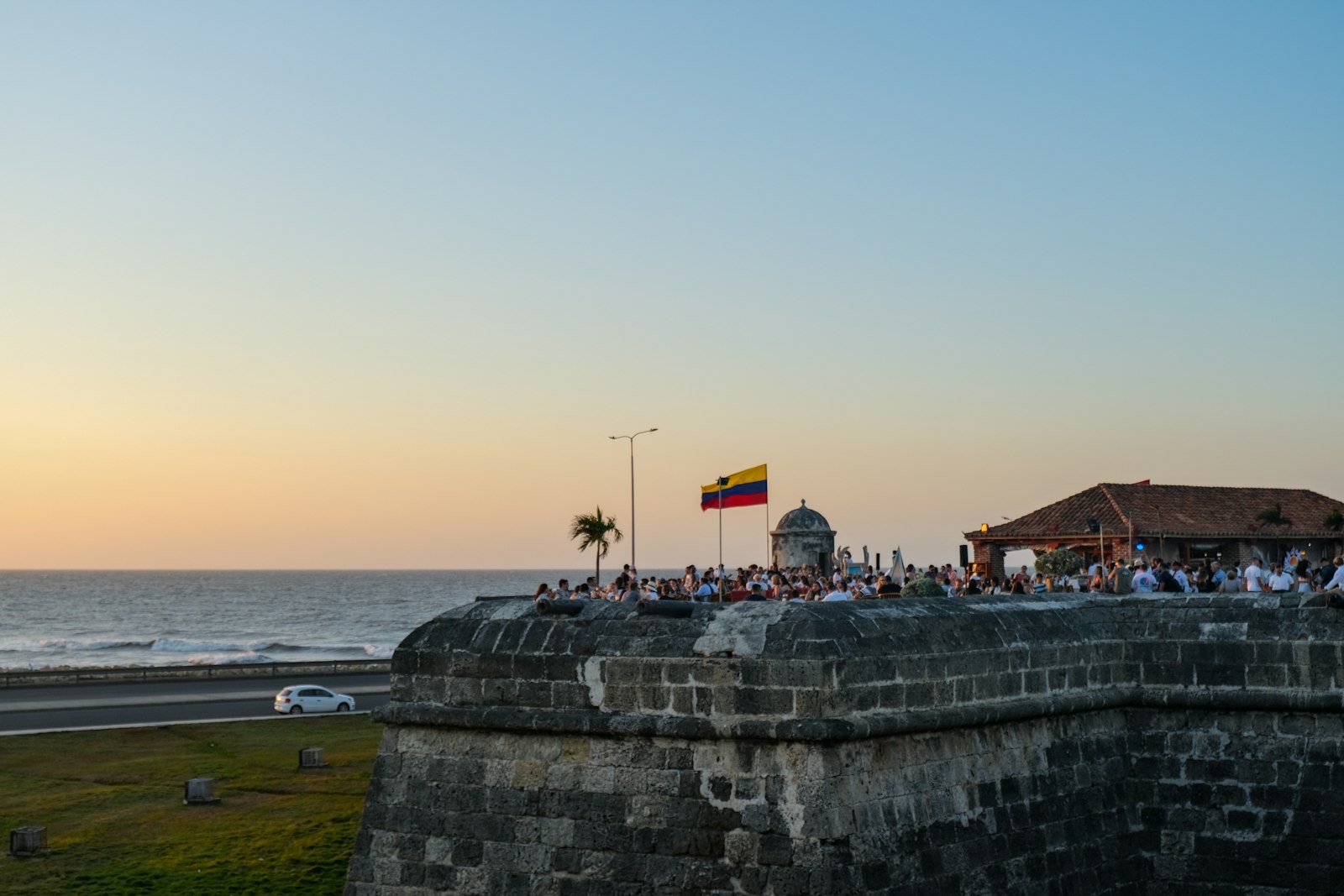
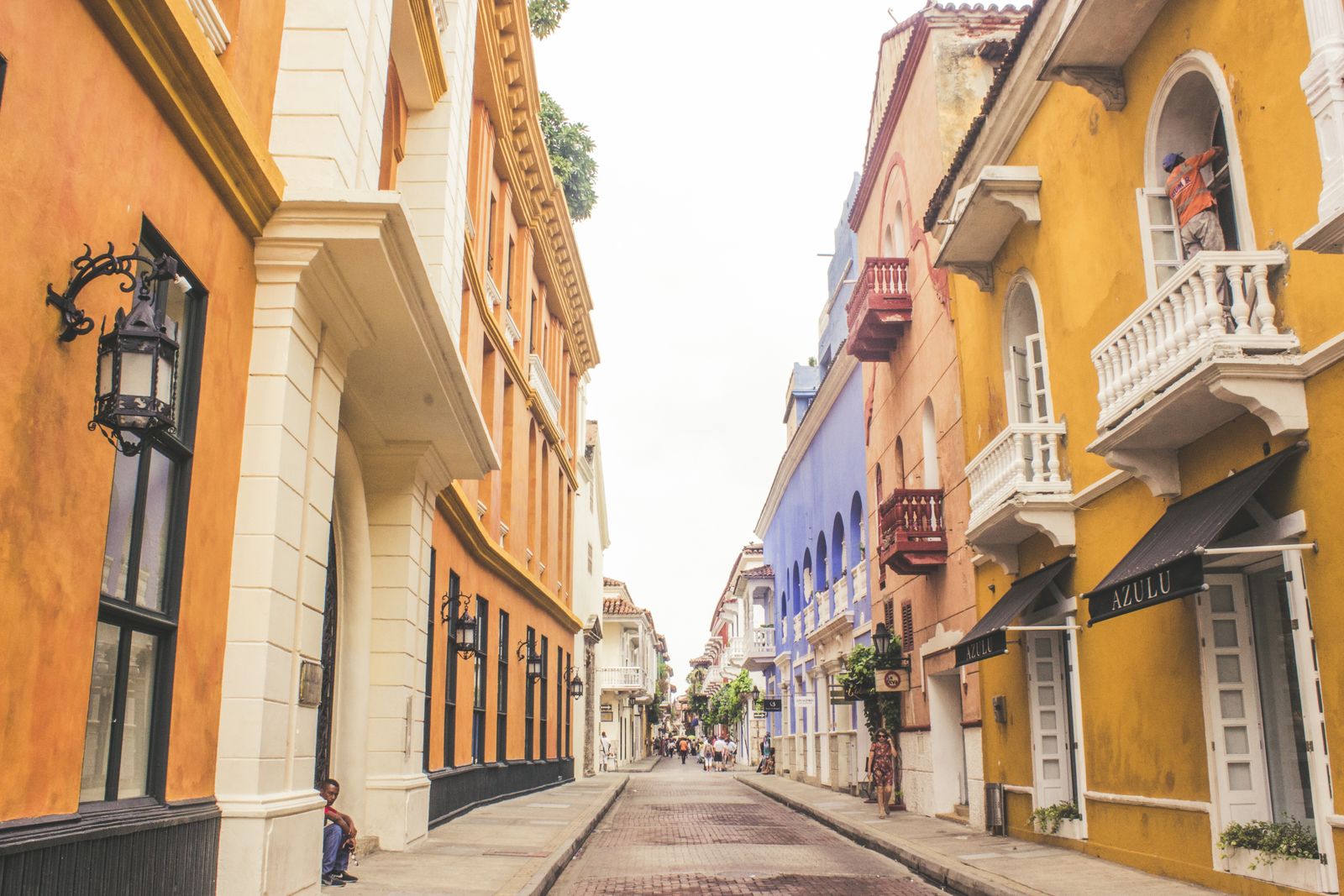
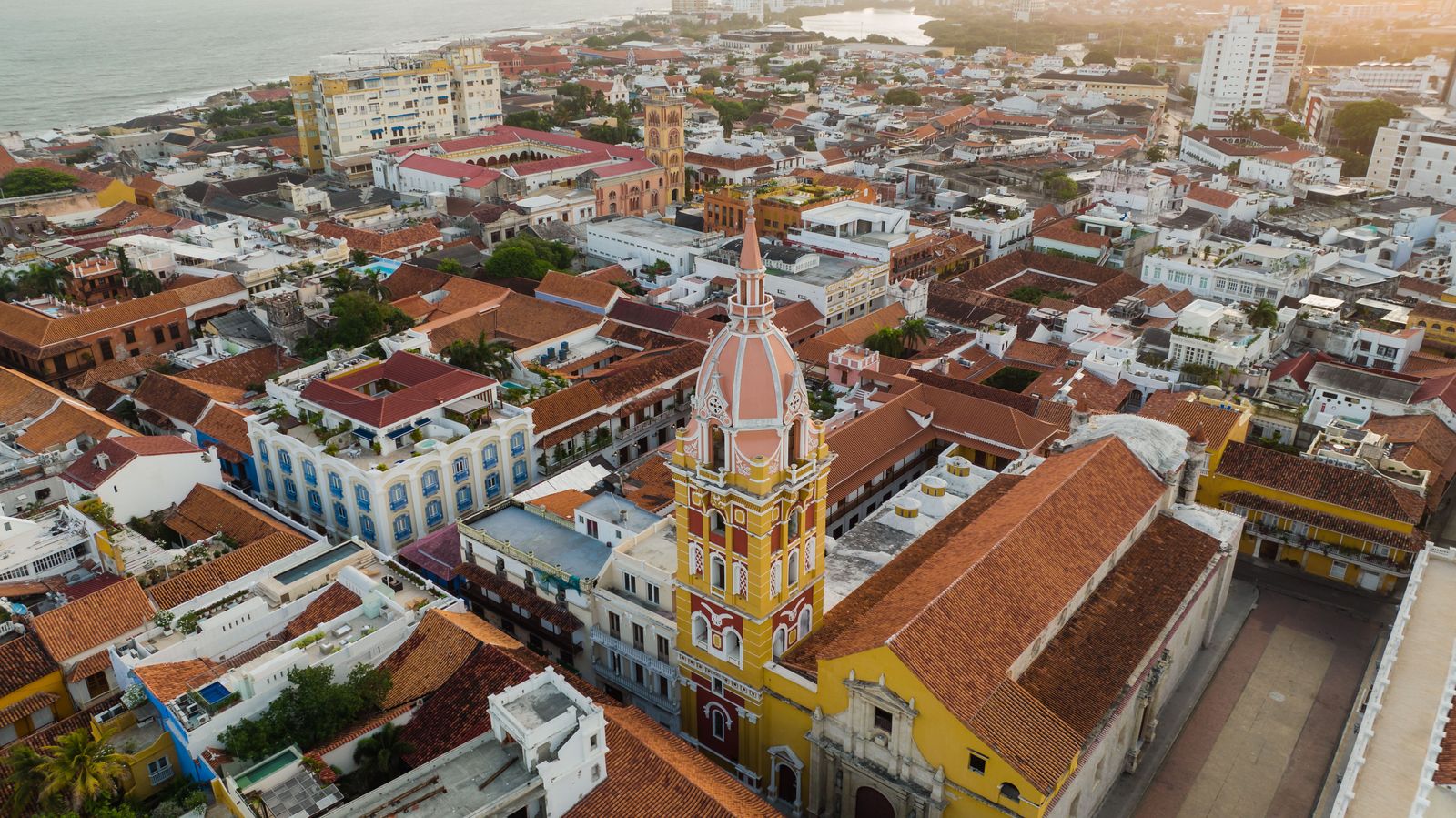
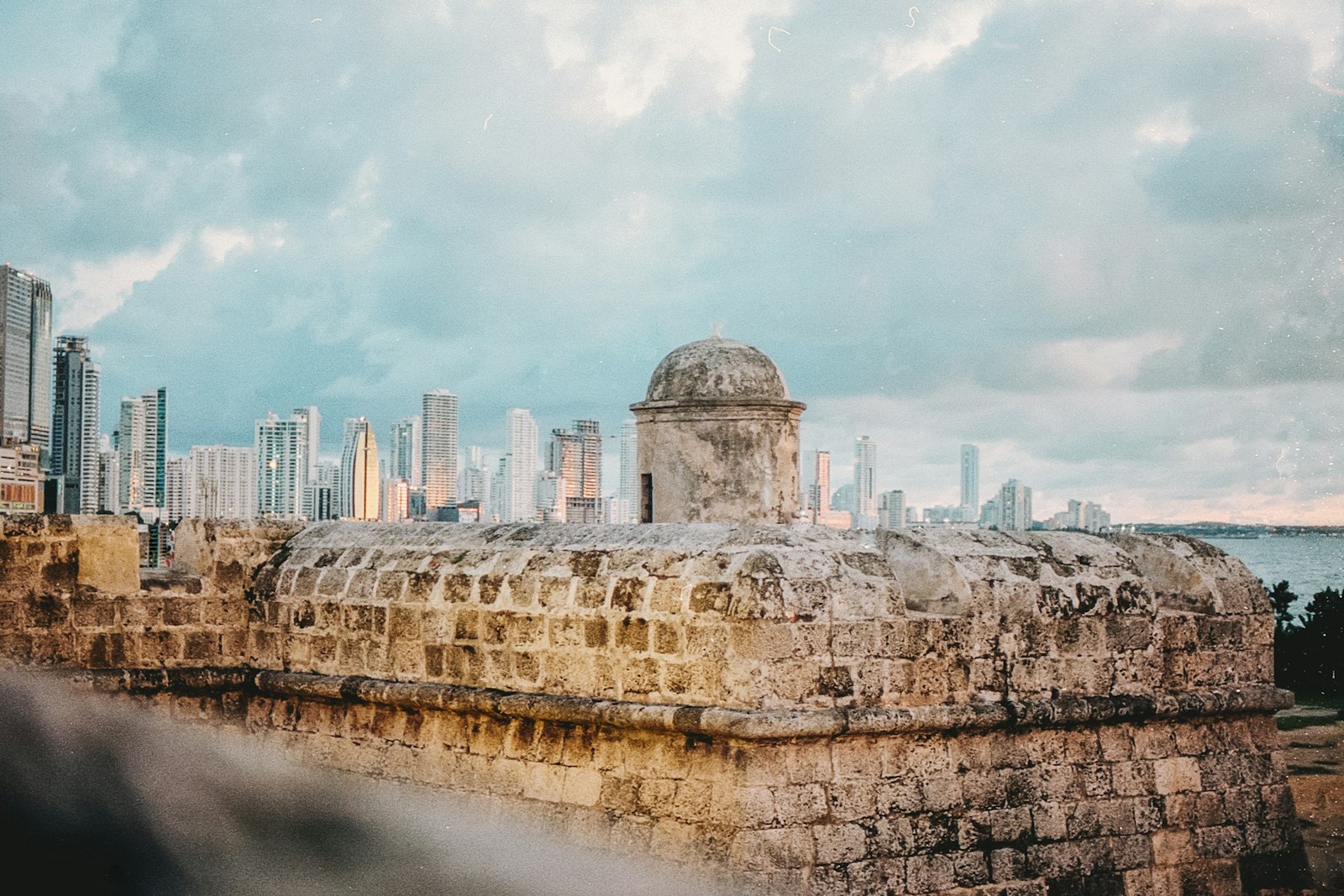
The murallas run most of the way around the old city and you can walk long stretches of them without paying anybody anything. Do it in the last hour before sunset: the sea on one side going orange, the balconies and church towers on the other, the whole city coming back outside after the heat. An hour, no ticket, no queue.
The corner everyone heads for is the Baluarte de Santo Domingo, and there is a story attached to it worth knowing. For over twenty years the bastion was occupied by a private sunset bar, until the Consejo de Estado ended the lease in 2022 on the grounds that it violated collective rights to public space and heritage protection. It was evicted in September 2024, and in May 2025 the bastion reopened as the Baluarte Santo Domingo – Escuela Taller, run by ETCAR, staffed by young cartageneros training in heritage trades, with the profits going back into conserving the monuments. Same wall, same sunset, and now the money stays in the building.
San Felipe at eight in the morning
There is no shade on that hill. This is not optional advice.
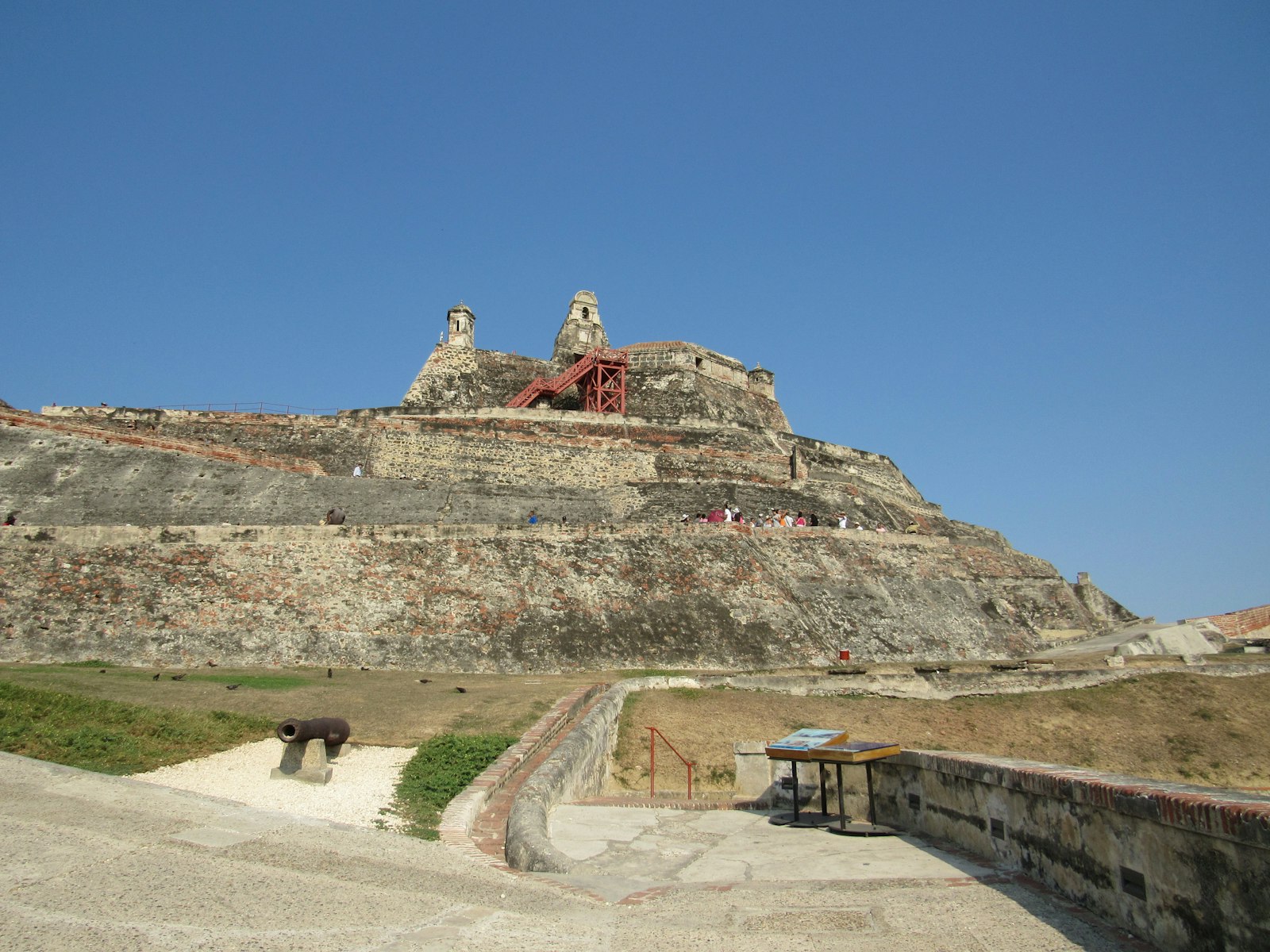
The Castillo San Felipe de Barajas is the largest Spanish fortification in the Americas and the tunnels underneath it are the part people remember. It opens at 08:00 and closes at 18:00, and the difference between arriving at opening and arriving at midday is the difference between a good morning and a forced march.
The official tariff: COP 25,000 full rate, COP 20,000 for Colombians, COP 10,500 reduced for ages 6–13, students and teachers, and COP 1,000 for public-school students. Free for over-62s, under-6s and visitors with disabilities — and free for everyone on the last Sunday of the month, except in January and December.
The island day: boat or bridge
This is the decision that costs the most and gets explained the least.
Two different places, two completely different fee regimes.
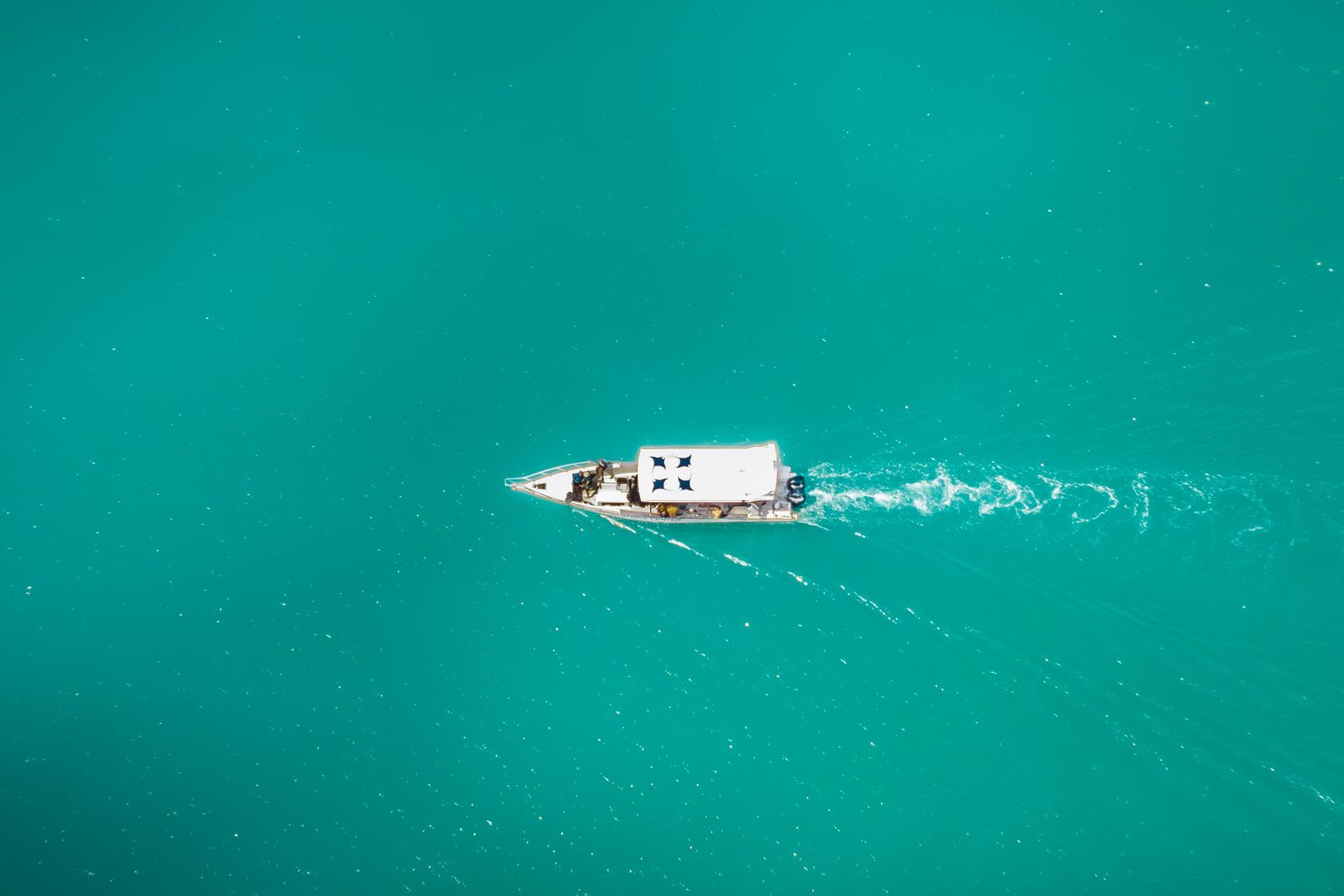
The Islas del Rosario are a national park, an hour offshore. You go by boat from the muelle, and on the morning, in cash, you pay charges that are usually not in the advertised price — one operator's 2026 reference for the combined pier, park and insurance charge is COP 41,000 per person, while others quote park entry alone at COP 25,000–28,000 for foreign adults. Get the total in writing first.
Barú — which is where Playa Blanca is — is reached by road over a bridge, and is not inside the national park. No park fee, no pier fee. Beach club day passes run from around USD 38 at Mambo, USD 79 at Nena or Las Islas, to USD 129 at Sabai with the port tax included. If your group mainly wants a good beach, lunch and a pool, the road to Barú is the simpler and often cheaper answer.
The charter arithmetic
A shared Rosario tour is USD 45–75 a head, plus the pier charges, on somebody else's timetable, with stops you did not choose. A private lancha starts around USD 680 for four hours for up to ten people, and runs USD 680–950 for a day for up to twelve. At ten people that is about USD 68 each — the same money as the shared seat, except you pick the island, the hours, and who is on the boat. Below about six people the shared boat wins; above it, chartering is usually the better day for the same spend.
One firm rule either way: do not buy a boat trip from someone who approaches you in the street. That is the corner of the market with the documented complaints — the promised beach that turns out to be ninety minutes at a resort with six feet of sand — and the standing local advice is to never pay the full amount up front.
Getsemaní on foot, and the plaza after six
The cheapest good night in the city, and it is not close.
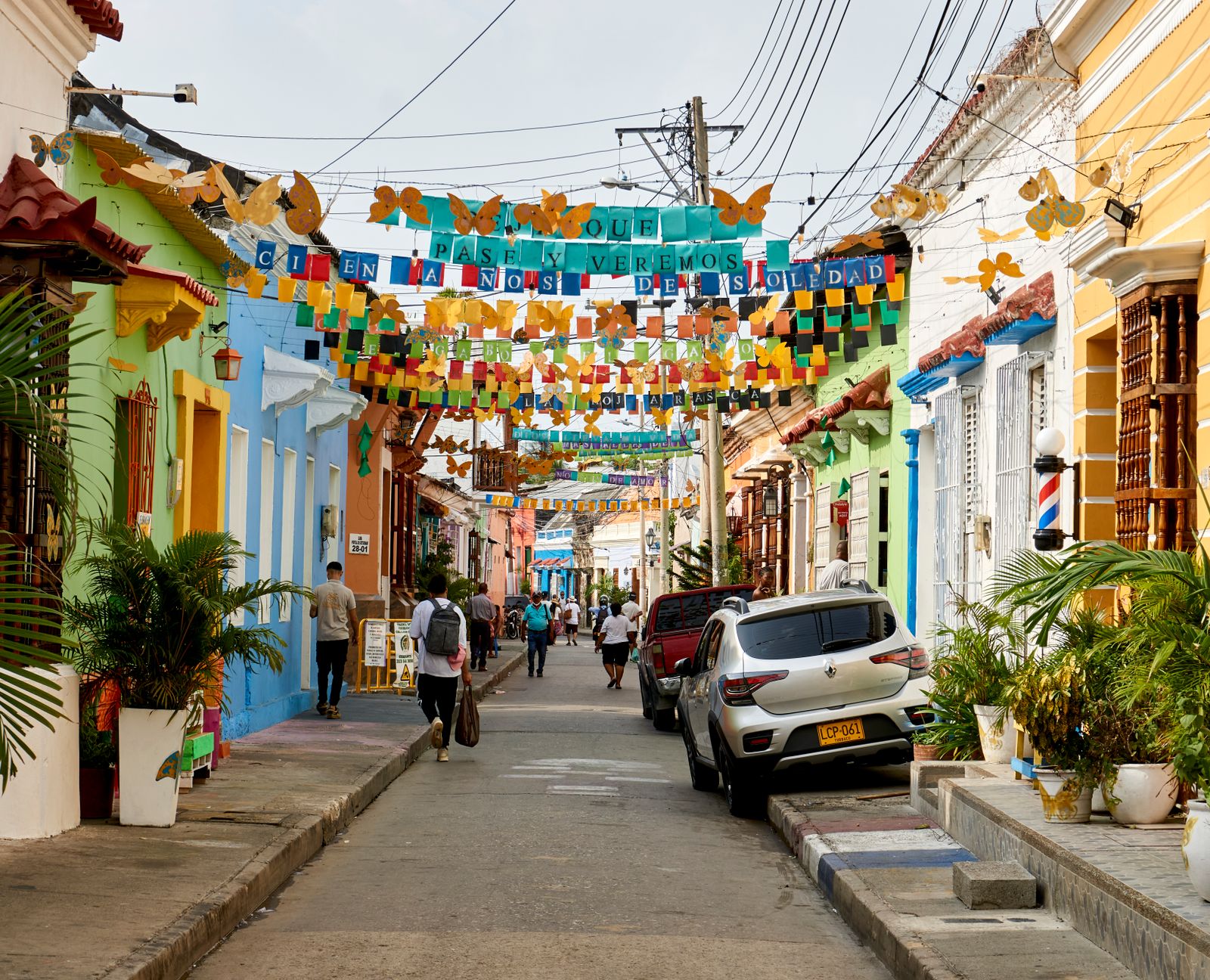
Walk Getsemaní in the late afternoon: umbrellas and flags strung over the lanes, murals on most blocks, and a lot of that street art explicitly about the neighbourhood's own gentrification — which is real, and has pushed plenty of long-term residents out. Read the walls; they are arguing with the people who arrived.
Then Plaza de la Trinidad from about six. Plastic chairs, beer from the corner tienda, football, a dance circle that assembles itself, someone selling arepas. It costs almost nothing and it is the best evening in Cartagena. Café Havana, a couple of streets away, is the salsa institution for when you want a band and a proper night.
The rest, ranked honestly
Two of these are worth your morning. One is a mud pit with a tip economy.
- The free walking tours of the Centro and Getsemaní — tip-based, and a genuinely good two hours if you take one on your first morning to get the geography.
- Convento de la Popa — 08:30 to 17:30, on the hill, for the view over the whole bay. Entry is quoted around COP 4,500, which is low enough that it has probably moved; check at the gate. Take a taxi up.
- Volcán del Totumo — the mud volcano, about COP 10,000 to enter, day trips USD 35–65. Be clear about what it is: you climb into warm mud, someone massages you, someone photographs you, someone washes you off in the lagoon, and each of those people expects paying. Fun with a group who find that funny. Miserable if you were expecting a natural wonder.
Below six people, buy the seat. Above six, buy the boat. That's the whole decision.— On the Rosario islands
Where we would book
Book nothing for the wall, the plaza or Getsemaní — they are free and they are the best of it. Book the boat properly and in advance, from an operator with a real address and a written total per person that includes the pier and park charges; if there are six or more of you, get a private charter quoted alongside the per-seat price before you decide.
For San Felipe, just turn up at eight; there is no advantage to a pre-booked ticket and the audio guide is optional. If your dates include the last Sunday of the month outside January and December, put the fort on that day and spend the entry money on lunch.
If you want a big night out as a group, the chiva rumbera — the open-sided party bus with live musicians and an open bar — is a single price for the whole vehicle, which is the rare Cartagena purchase that gets cheaper per person the more of you there are.
Related guides
- Cartagena Comprehensive Guide — the two clocks, and what the week costs.
- Cartagena Food Guide — where to eat between the fort and the boat.
- Cartagena Culture Guide — what you are actually walking on.
- Cartagena Group Trip Guide — the charter maths in full.
- Rio de Janeiro Activities Guide — the same beach-day economics, a coastline south.