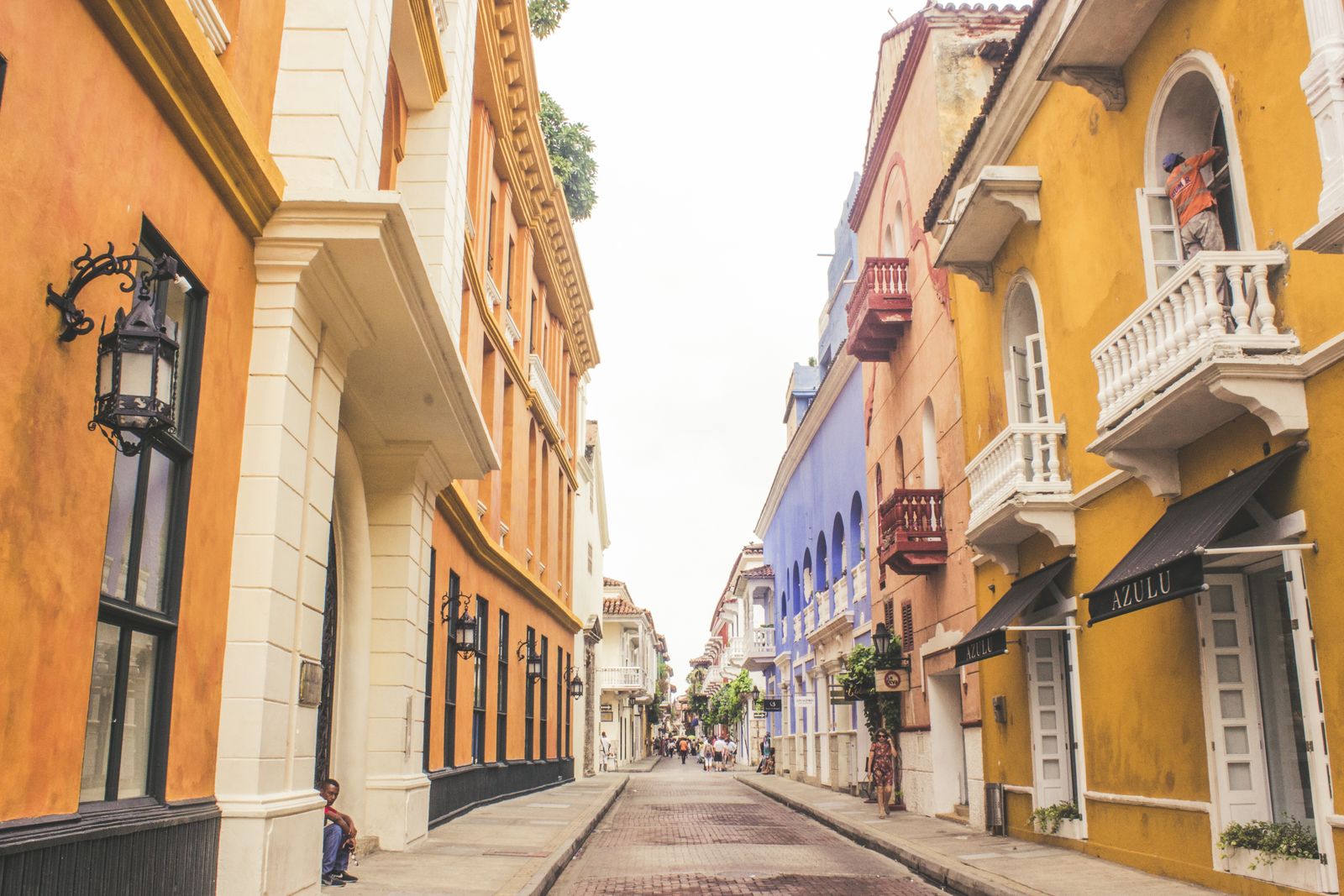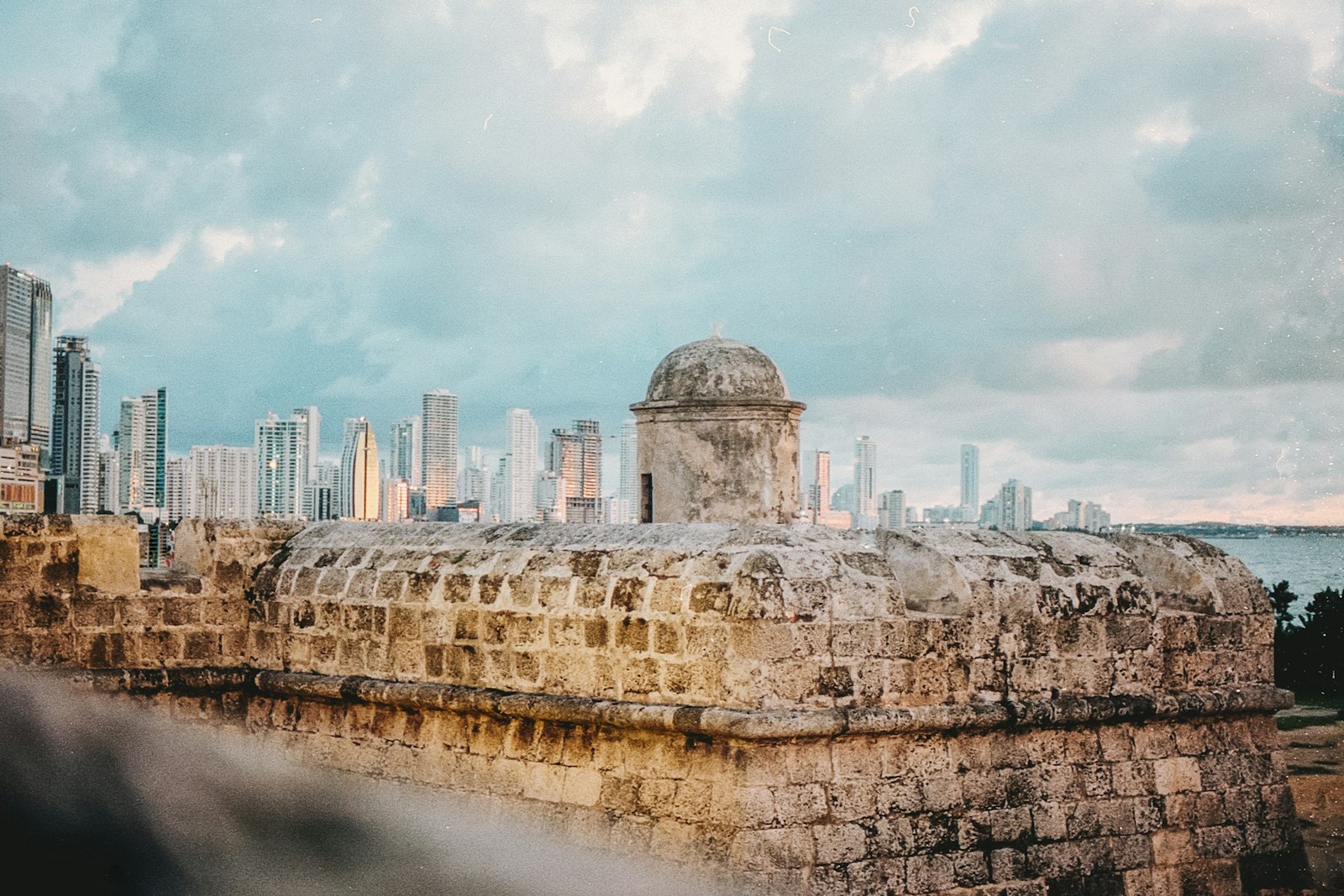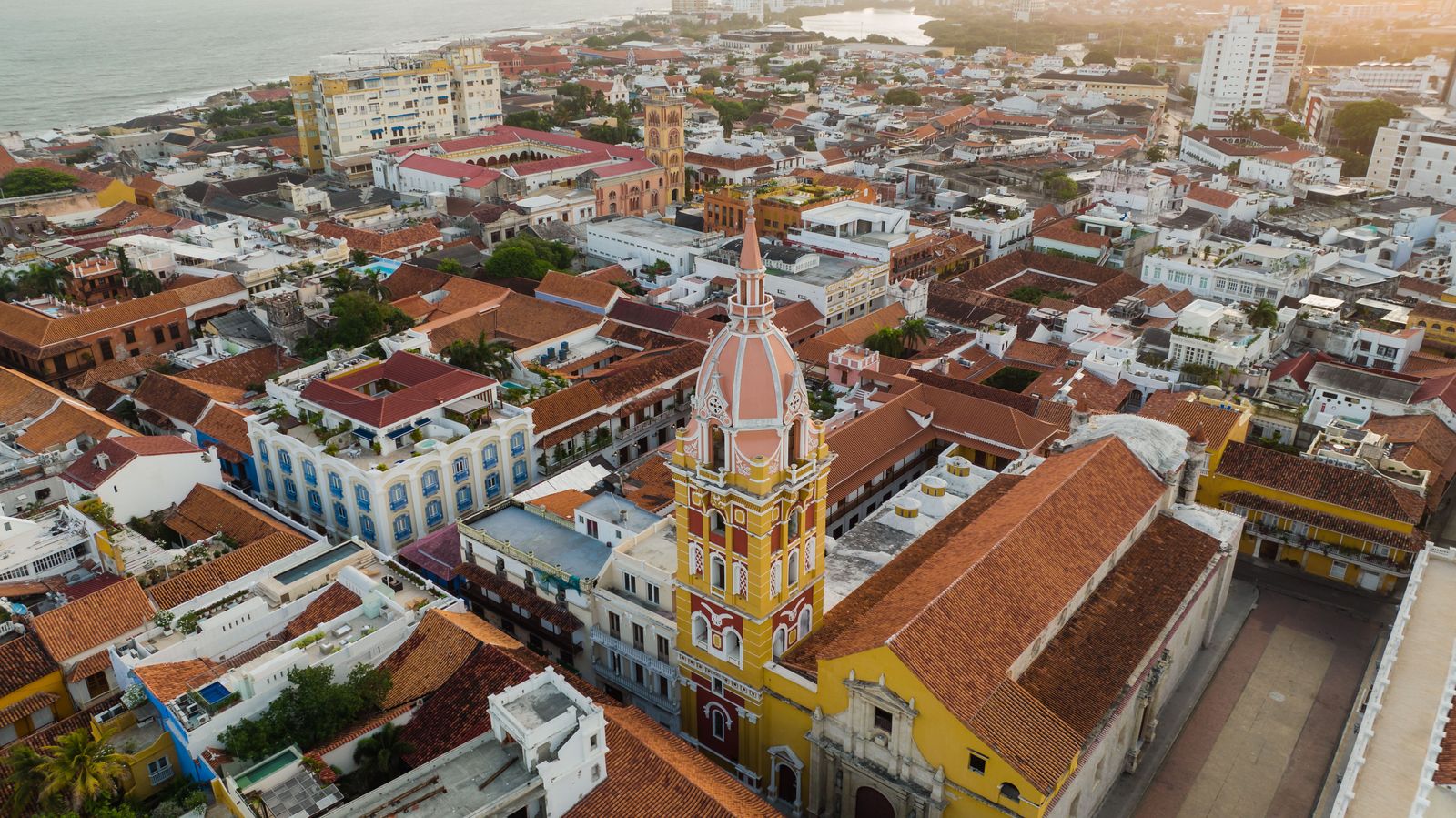
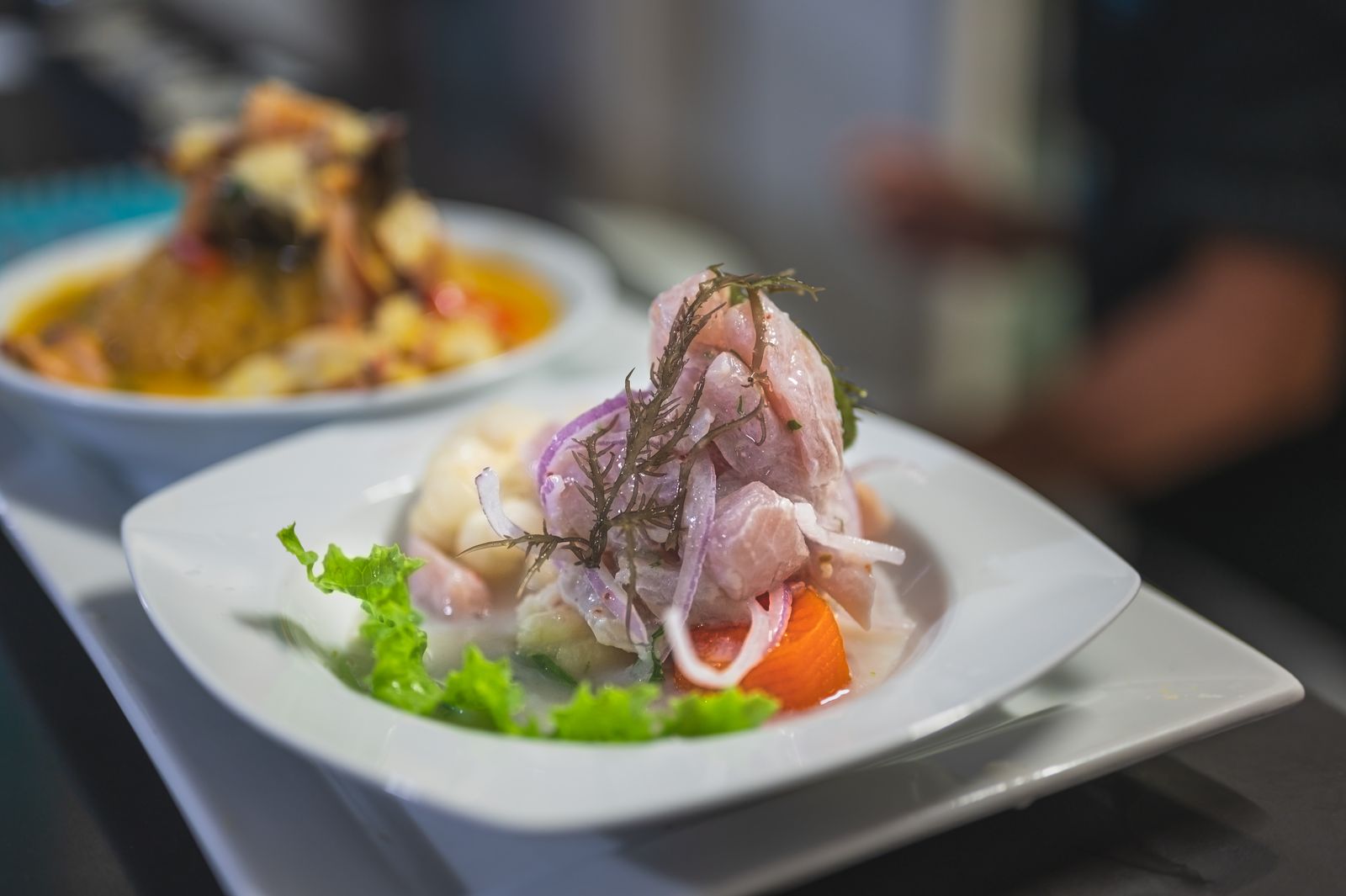
There are three food cities inside these walls and they barely overlap. There is the fine-dining Centro, which is very good and priced for people arriving from somewhere with a stronger currency. There is Getsemaní, where the interesting kitchens are. And there is the fried-food economy that feeds the actual city, costs about a dollar and a half, and is the thing you will still be thinking about in a year.
Do all three. Just do them deliberately, because the gap between the cheapest and most expensive meal in this city is enormous, and it is very easy to spend a week eating only in the most expensive one.
The fried canon, and what it costs
Breakfast is a fried corn cake with a whole egg inside it.
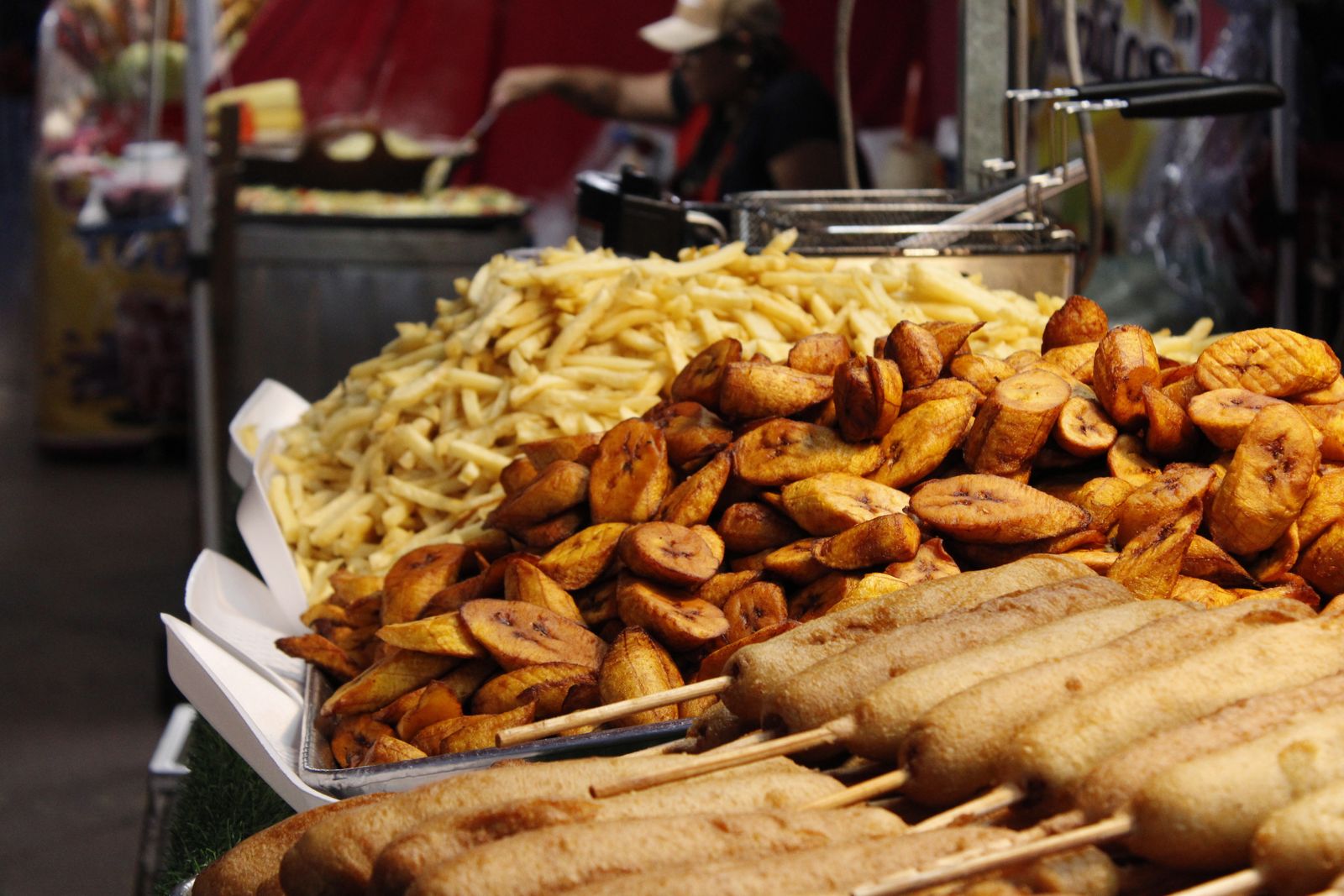
The arepa de huevo is the one. Corn dough, fried once, cracked open, a whole egg poured in, fried again. It costs COP 3,000 to 5,000 and it is sold from carts and hatches all over the city from early morning. Next to it on the tray: the carimañola, a torpedo of yuca stuffed with meat, at the same price, and empanadas at less.
These are also the safest street food you will eat here, for a completely unglamorous reason — they come out of hot oil, to order, in front of you. Ask what the price is before you take one, get the pink garlic sauce, and eat it standing up.
Beyond the fryer: posta negra cartagenera, beef cooked slowly in a dark panela sauce until it is almost sweet, is the plate to order when you sit down for lunch. Mote de queso — yam and salty cheese soup — is the one nobody warns you about and everybody ends up ordering twice.
The kitchen actually doing the research
Celele, in Getsemaní, is not a tourist restaurant that happens to be good.
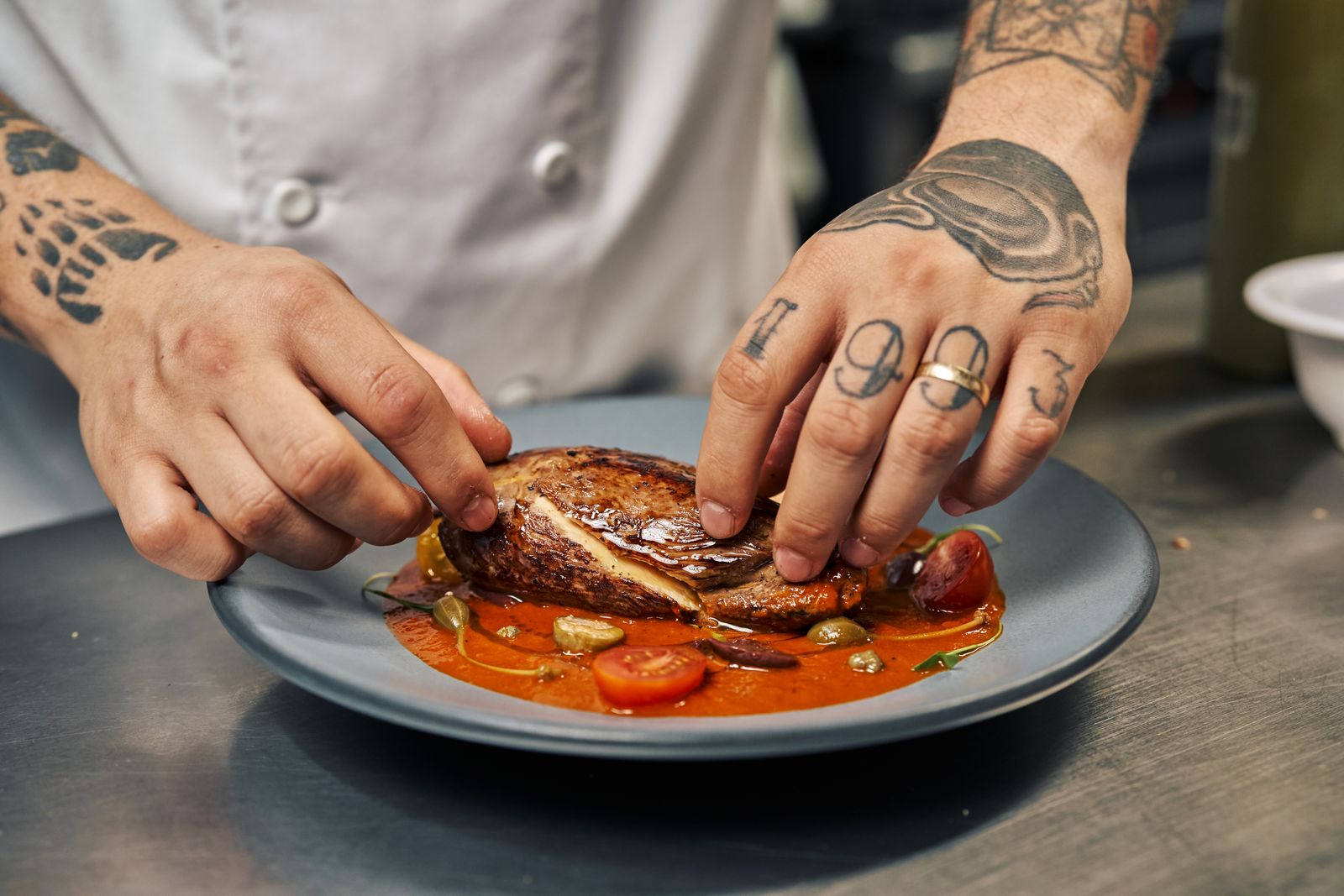
Celele is the work of Jaime Rodríguez and Sebastián Pinzón, and it sits on Latin America's 50 Best list. What makes it worth the money is not the plating — it is Proyecto Caribe, the ongoing research trip behind the menu, which goes out into the Colombian Caribbean looking for ingredients and cooking techniques that were never written down and puts them on a plate in a way that does not flatten them. You are eating the region, not a European tasting menu with local garnish.
Celele
Getsemaní. Book ahead — genuinely essential from mid-December through January, over Semana Santa, and on long weekends. If your group is doing one big dinner in Cartagena, this is the one we would spend it on, and it is the rare case where the famous restaurant is famous for the right reason.
The rest of the list, honestly
Where to queue, where to book, and where to just turn up.
- La Cevichería (Centro) — the one Bourdain filmed. It still does not take reservations, so you arrive early or you queue on the street. Worth doing once, with the queue priced in.
- La Cocina de Pepina (Getsemaní) — the abuela kitchen, and the best posta negra in the conversation. Sources disagree about whether it takes reservations at all, so call the day before rather than trusting a booking site.
- Carmen (Centro) — contemporary Colombian tasting menus in a courtyard. Book a week ahead in high season.
- Alma (Centro) — colonial courtyard, serious kitchen, the dinner that photographs well and also tastes like something.
- La Vitrola (Centro) — the old-school one, live Cuban music, a room that has not changed in decades. Book it.
- Salón Tropical (Getsemaní) — the neighbourhood's other genuinely good kitchen, and easier to get into than Celele.
Bazurto, in daylight, with somebody who knows it
The market is the real belly of the city. It is also not a wander.
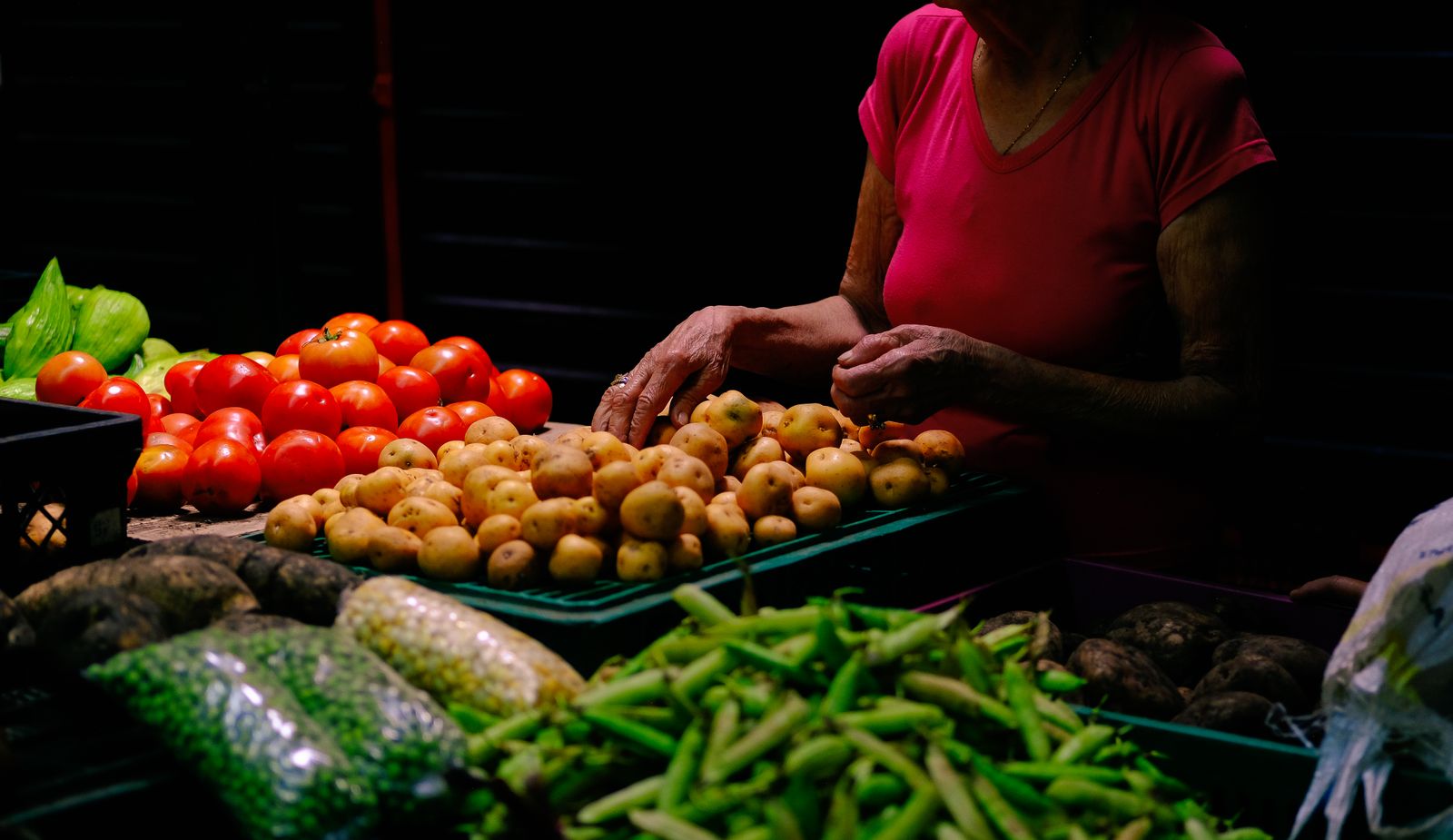
Mercado de Bazurto is where Cartagena actually shops and eats: fish landed that morning, fruit you will not recognise, sancocho going in enormous pots, and a level of noise the walled city has scrubbed out of itself. It is the best food experience in the city and we would not send you in alone.
Go in the morning, go with a guide who works there or takes groups regularly, and eat where they eat — Ceci's is the known lunch stop inside. The streets around the market are not somewhere to be after dark. None of that is a reason to skip it; it is a reason to do it properly, and the guided version costs less than one dinner in the Centro.
The palenqueras, and the price of the photograph
The fruit is real. So is the fee, and it is fair.
The women in the long ruffled polleras with bowls of fruit on their heads are palenqueras, and the great majority trace back to San Basilio de Palenque — the town in the culture guide, the first free town in the Americas. They sell cut fruit and cocadas, the coconut sweets, and they will pose for a photograph for a fee.
The fee is not a scam, it is their job — you are photographing a person at work in the outfit that is the reason you want the photograph. Agree the amount first, in pesos, out loud, and then it is a straightforward transaction and everybody is pleased. What goes wrong is only ever the version where nobody said a number.
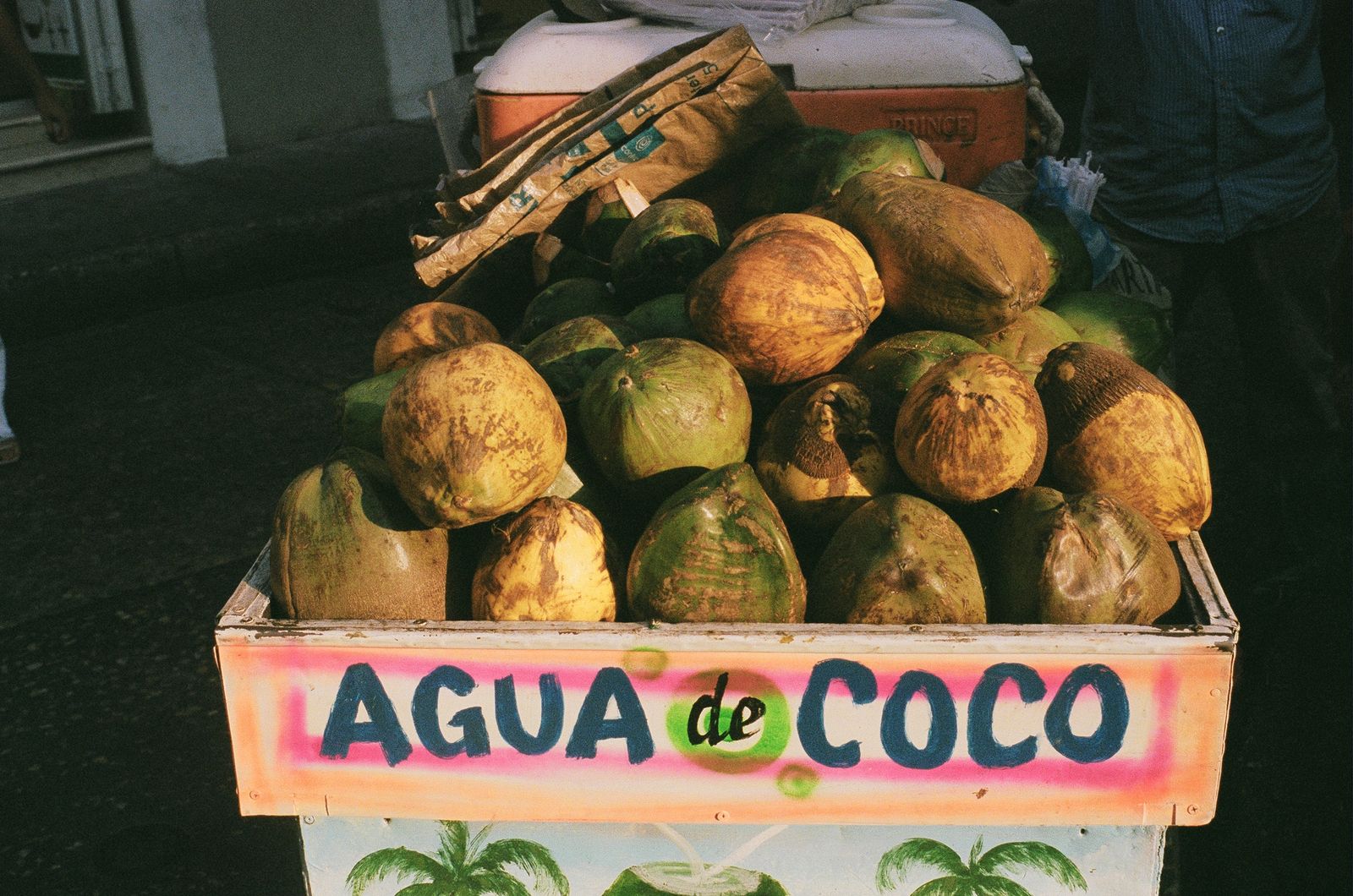
Do the same with limonada de coco from a stall, with anything on a beach, and with the man who appears next to you offering a massage. Price first. Always.
The famous one that isn't there any more
You will still see it on “best of Cartagena” lists. Do not build an evening around it.
Restaurante Interno — the restaurant inside the San Diego women's prison, staffed by the women serving sentences there, set up in 2016 by Johana Bahamón's Fundación Acción Interna — is one of the most-recommended things in every English-language list of this city. It operated in Cartagena until 2019. The project continues, in Bogotá.
We are flagging it because it is the single most common piece of out-of-date advice about eating in Cartagena, and a group that plans a night around it finds out at the worst possible moment. The foundation's work is real and ongoing; the Cartagena dining room is not the way to support it any more.
The 10% question, which is a law
They have to ask. You are allowed to say no.
At the end of a restaurant meal in Colombia somebody will ask whether you want the servicio voluntario included. This is governed by Ley 1935 de 2018: the tip is voluntary, a suggested amount may not exceed 10% of the service, and the business must ask you before printing the final bill. You can decline it or change the amount at any point, and a business that forces it can be fined by the SIC.
In practice, say yes when the service was good — it is a low-paid job in an expensive city and 10% is not much. But know that it is a question, not a line item, and that someone quoting you a total before that question has been asked is quoting you an incomplete number.
The best thing you eat here will cost about four thousand pesos and be handed to you through a hatch.— On the arepa de huevo
Where we would book
Book Celele the moment you know your dates, and treat it as the group's one big dinner rather than one of several. Carmen, Alma and La Vitrola want a week's notice in high season; ring La Cocina de Pepina the day before rather than trusting a third-party booking page.
Book the Bazurto morning with a guide who actually works the market, not a generic city tour that drives past it — the difference is the entire experience. And leave La Cevichería unbooked, because you cannot book it; just go at opening.
Everything else, walk into. The fritos carts do not need a plan and are the best value in the city by a distance.
Related guides
- Cartagena Comprehensive Guide — the currency clock and the gate clock.
- Cartagena Activities Guide — the wall, the fort and the island day.
- Cartagena Culture Guide — where the palenqueras come from.
- Cartagena Group Trip Guide — splitting a table six ways.
- Rio de Janeiro Food Guide — the other Atlantic port, and its own street-food canon.