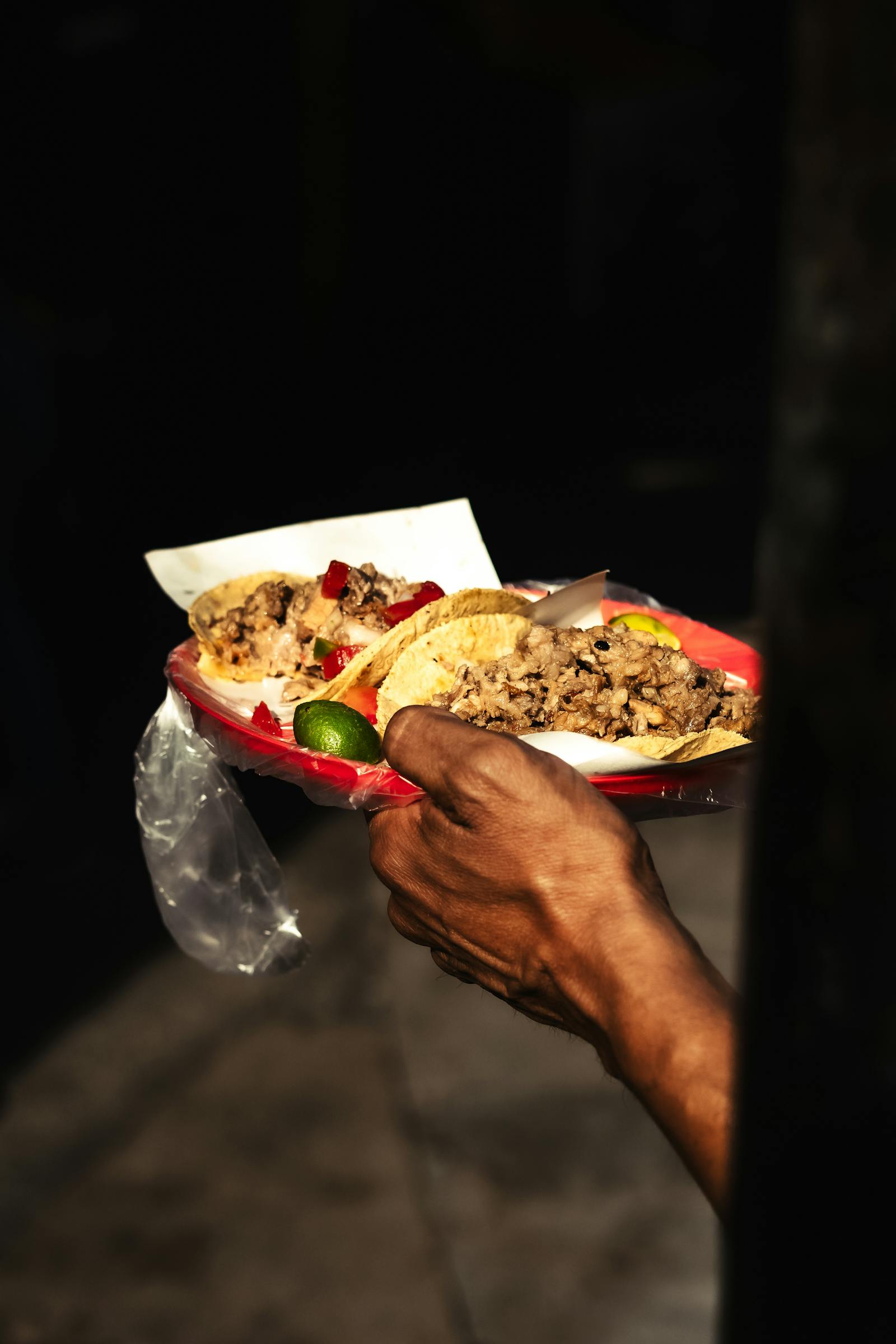
Eating in CDMX is the itinerary
Build the day around the meals.
You don't go to Mexico City and fit food in around the sightseeing. You build the day around the meals and let the sightseeing fill the cracks. Breakfast at 9 or 10. The long midday comida at 2 or 3 — the real meal, two hours minimum, ideally with wine. A late, lighter cena after 9 if you're up for it. Repeat for as many days as you have.
This guide is how we'd actually do it. Where we eat, how we plan, what to skip, and what's worth booking weeks in advance.
The shape of a CDMX food day
The rhythm runs the city. Follow it.

Desayuno (8–10am): Chilaquiles, huevos rancheros, or tamales with atole from a street stand. Quick, cheap, the easiest meal to ad-lib.
You build the day around the meals and let the sightseeing fill the cracks.— On eating in CDMX
Comida (2–4pm): The big one. Long table, several courses, often wine. This is when Mexico City eats, and most of the best sit-down restaurants are busiest then. Don't fight the rhythm — book your comida, not your dinner.
Merienda or cena (8–10pm): Tacos at a stand, a torta from a corner shop, mezcal in Roma Norte. Eating in CDMX after 9pm is fundamentally a snacking sport.
Tacos: a working taxonomy
Six styles. One universal truth.
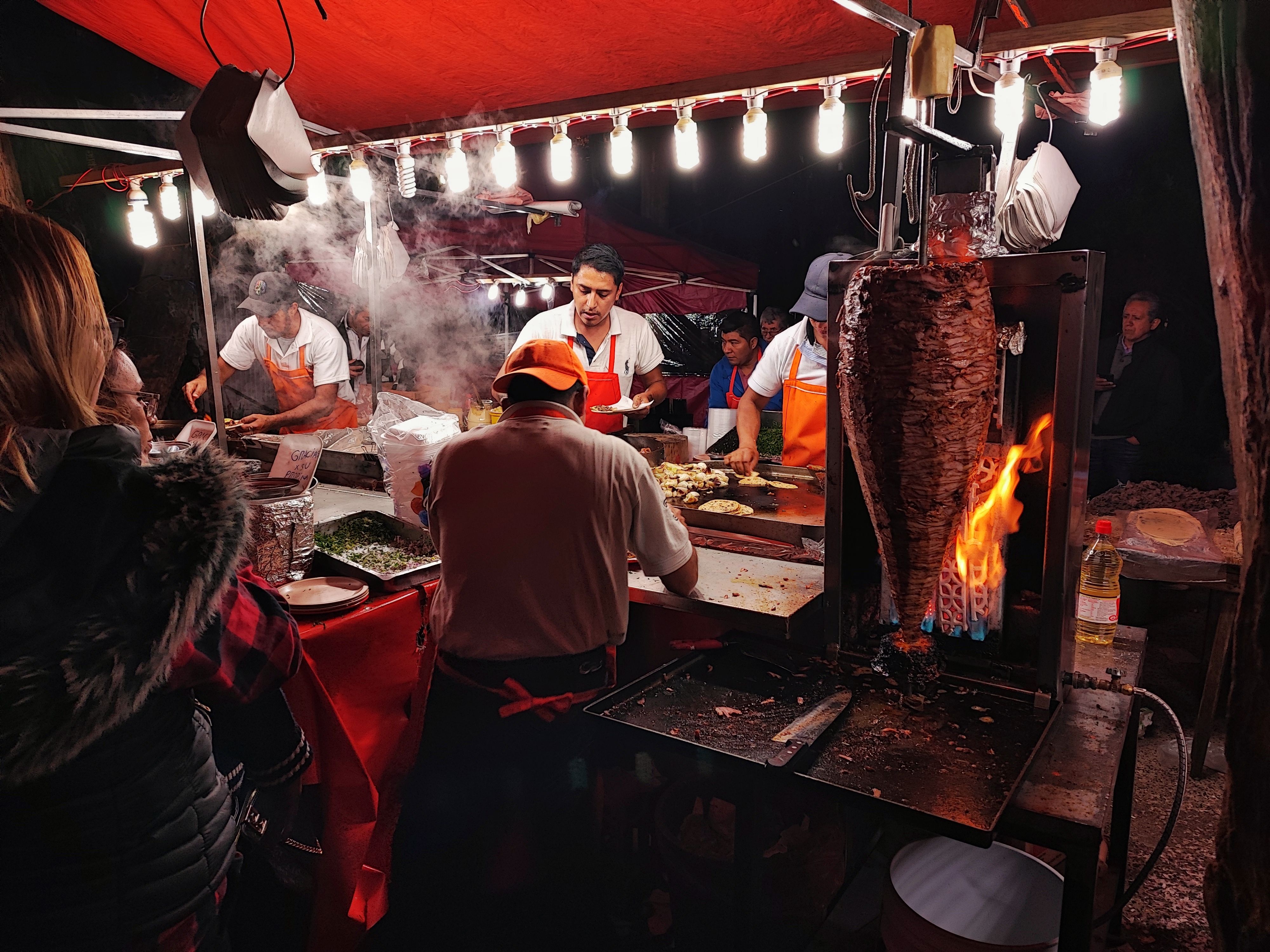
El Vilsito
Narvarte. Mechanic shop by day, taco temple by night. Two al pastor and a suadero after 9pm. Cash only. The taxi driver will know exactly where you're coming from.
The word 'taco' hides at least a dozen distinct things. Learn the basics and you'll order better.
- Al pastor — pork shaved off a vertical trompo, with pineapple, onion, cilantro, salsa verde. Originated in CDMX. Eat them at El Vilsito (a mechanic shop by day, taco temple by night in Narvarte) or El Tizoncito in Condesa. Standing room only is a good sign.
- Suadero — beef from between the belly and the leg, slow-confit in its own fat. Greasy in the right way. Los Cocuyos in Centro is the classic late-night stop.
- Carnitas — Michoacán-style pork, every part of the pig. El Turix (Polanco) does Yucatecan cochinita pibil that's worth a detour even though it's technically a different category.
- Barbacoa — lamb slow-cooked in maguey leaves, weekends only. El Hidalguense in Condesa is the destination, open Friday–Sunday morning, lines down the block by 11am.
- Guisado — tacos filled with stewed dishes (rajas, tinga, chicharrón en salsa verde) usually for lunch. Los Especiales in Centro and El Califa chain are both good.
- Canasta / sudados — basket tacos, soft and steamed, sold from bicycles for 15 pesos in the morning. The breakfast of construction workers and people in the know.
Rules of the road: eat them standing, two or three to start, judge the salsa before you commit to more, and never ask for a fork.
Sit-down restaurants worth planning around
The ones worth booking your flight for.

Roma Norte + Condesa
Contramar — the lunch. Tuna tostadas, the split grilled-and-fried fish (red and green), a bottle of something cold, three hours. Lunch only. Book at least a week ahead, more on weekends. The platonic ideal of comida.
Máximo Bistrot — Eduardo García's neighborhood-fine-dining spot. Tasting menu or à la carte. Excellent. Book two weeks out.
Rosetta — Italian-inflected Mexican by Elena Reygadas in a Porfirian mansion. Beautiful room, beautiful bread program, beautiful everything. Two-week book.
Lardo — Rosetta's all-day sibling. Sourdough, anchovy butter, a glass of wine at 4pm with no plans for the rest of the afternoon. Walk-in friendly off-peak.
Meroma — open kitchen, seasonal, the bar seats are the best. Book a week out.
Sartoria — Italian, intimate, the kind of room people propose in. Three-week book for weekend tables.
Centro Histórico
Azul Histórico — Ricardo Muñoz Zurita's place in a colonial courtyard near Madero. Regional Mexican done seriously. Stupidly easy to walk in for late lunch.
El Cardenal — old-Mexico breakfast institution, the chocolate de agua and the sweet-bread basket are the order. Multiple locations; the Hilton location near Zócalo is the easiest.
Café de Tacuba — touristy and we don't care. The interior is from another century and the enchiladas tacuba live up.
Coyoacán
Los Danzantes — terrace overlooking the plaza, ancient grains, modern Mexican. Pair it with a Frida Kahlo morning.
Mercado de Coyoacán — tostadas at the long counters inside, especially the one called 'Tostadas Coyoacán.' Cash only, cheap, packed at lunch.
Polanco — the tasting-menu district
If you want to eat at Pujol or Quintonil, book the day reservations open (~two months out). Both are excellent, both are world-50 lists, both will run $250–400 USD per person with pairings. Worth it once if you care about that kind of thing; not the soul of the city.
Markets
One market lunch. Every day.
Most days, eat at one market lunch. The food is better than 80% of restaurants and one-fifth the price.
- Mercado Roma (Roma Norte) — the touristy one but the gateway drug. Good for first-day orientation.
- Mercado de San Juan (Centro) — the gourmet market. Exotic ingredients, but also Don Vergas seafood counter and the standing cheese bars.
- Mercado Medellín (Roma Sur) — Cuban + South American influence, the ceviche stands at the back are the order.
- Mercado de Jamaica (Doctores) — flowers, fruit, lunch counters. Less polished, more local.
- Mercado de la Merced (Centro) — the giant one, more for the spectacle than the meal, but worth a walk-through with your wits about you.
Drinks
Mezcal, pulque, and the natural-wine thing.
Mezcal. The category Mexico City has reclaimed. Sit at La Clandestina or Mezcaloteca in Roma Norte, ask for three small pours from different states (Oaxaca, Durango, Guerrero), and let the bartender teach you. No salt, no lime, no shots.
Pulque. The pre-Hispanic agave wine. Cloudy, sour, alive. La Risa or Las Duelistas (both Centro) are the friendly entry points. Curados (flavored versions) are the gateway.
Natural wine. Roma Norte has gone hard on this. Vino Tinto Bistró, Loup Bar, and the bar at Lardo will set you up.
Coffee. The third-wave scene is real now. Buna, Cardinal, Almanegra in Roma; Quentin in Condesa. All take cards.
Cantinas. Old-school day drinking with free botana (snacks brought continuously). Salón Tenampa (Plaza Garibaldi, mariachis), La Ópera (Centro, the bullet hole Pancho Villa supposedly left), La Polar (San Cosme, the legendary birria caldo).
The street food question
Yes. The answer is yes.
The 'don't eat street food' advice is mostly outdated. The real rules:
If you skip the carts entirely, you'll have missed CDMX.— On street food
- Eat where it's busy. Turnover means fresh.
- Watch the stand for thirty seconds. Are they handling money and food with the same hand? Skip.
- Hot food off the comal is almost always safe. Salsas that have sat all day at ambient temperature are the real risk.
- The ice question: in restaurants and cafes, ice is made from purified water and fine. Same for fountain drinks at decent places.
- Raw produce washed in tap water (lettuce, cilantro garnish at a sketchy stand) is the most likely culprit if something goes wrong. The actual hot-cooked food rarely is.
If you're cautious for two days, you'll be fine. If you skip the carts entirely, you'll have missed CDMX.
Money + tipping
Cash is king at the carts.
Carry cash for street stands and markets — most won't take cards, and there's no minimum for cards anywhere reasonable. Propina is 10–15% at sit-down restaurants, often not included on the check (look for 'servicio incluido' — usually it isn't). Pay it in cash if you can, even when paying the bill with a card; servers see more of it that way.
ATMs at banks (BBVA, Santander, Banorte) are fine. Avoid the standalone ATMs in tourist zones — they charge brutal fees and some have skimmers.
Reservation strategy
How we'd actually book it.
The two-week list — book before you fly:
- Contramar (any day, lunch only)
- Pujol (months out)
- Quintonil (months out)
- Rosetta, Máximo, Sartoria (1–2 weeks)
Everything else, walk in or book day-of through OpenTable or directly via WhatsApp.
If you only have one meal
Make it Contramar. Make it lunch.
Make it lunch at Contramar. Book it the day you book your flight. Bring at least three people. Stay for three hours. Order the tuna tostadas, the chamuco, both versions of the split fish, and one bottle of white more than feels reasonable. This is the day you'll remember.
Where we would book
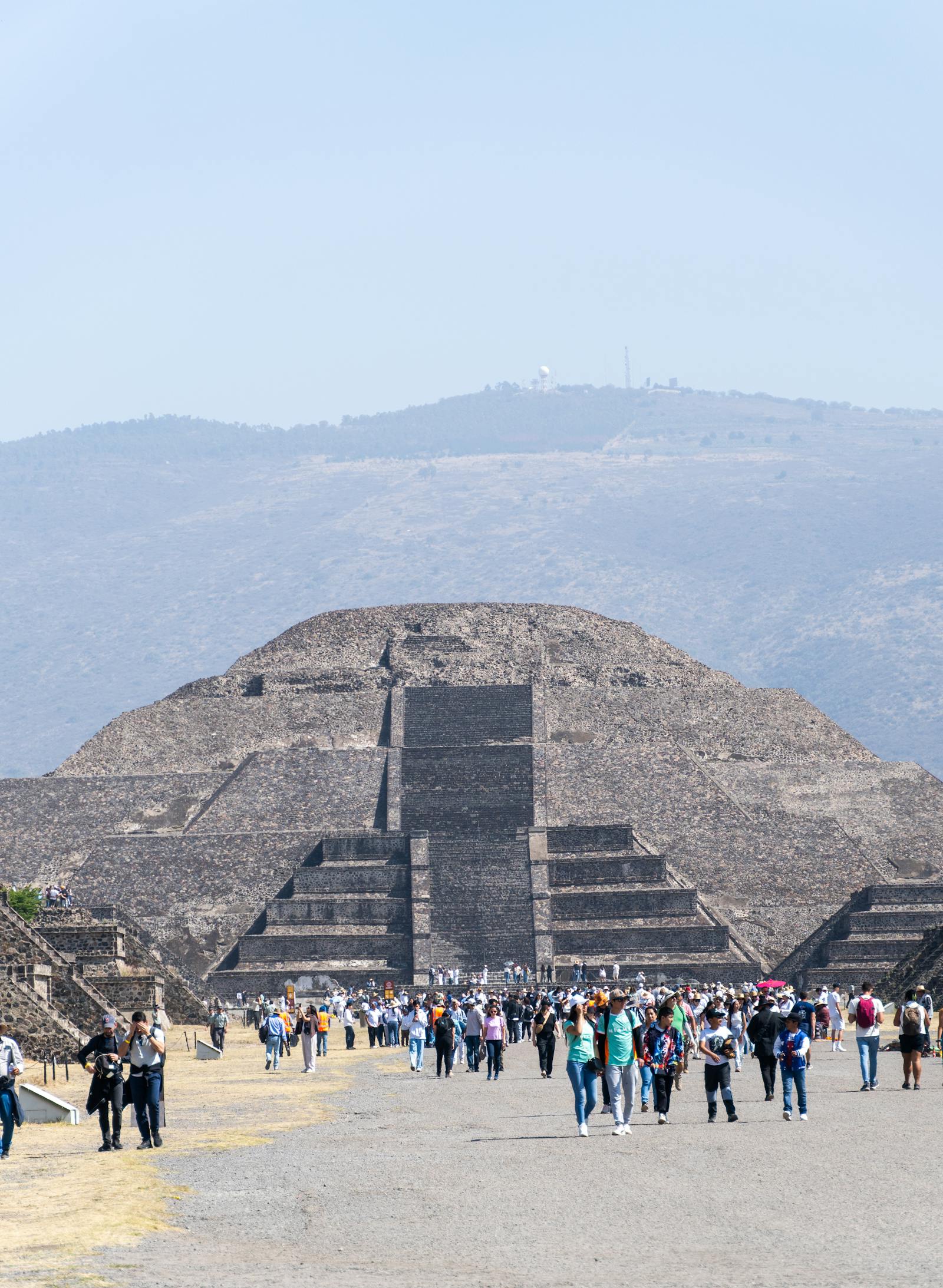
For the long lunches, we book directly through the restaurant's website or WhatsApp — most CDMX places run their own reservations now and there's no booking fee. For hotels in Roma Norte or Condesa (where you want to be eating), the inventory we look at first is on Booking.com and the smaller boutique side on Mr & Mrs Smith. For the Teotihuacán day trip if you're using it to break up a heavy food itinerary, GetYourGuide has the most reliable English-speaking small-group operators.
Related guides
- Your Mexico City Travel Guide: Four Days, Honestly Done — the full overview if this is your first read.
- Mexico City Activities Guide — what to do between the meals.
- Mexico City Culture Guide — museums, murals, and how to be a decent visitor.
- NYC Food Guide — if you're stringing both cities together.
- Mexico City Group Trip Guide — the same city, planned for six or ten of you.