
Argentina
Buenos Aires
Buenos Aires for groups who want more than a tango show — parrillas, Palermo, and the barrios we'd build a trip around.

Currency
ARS
Language
Spanish
Best months
March–May and October–November — terrace weather, and the jacarandás bloom in November
Mid-range budget
$
110
/ day
Buenos Aires has been called the Paris of South America so many times that the city has stopped listening, which is the most Buenos Aires thing about it. The bones are European — grand boulevards, wrought-iron balconies, cafés that have been pulling the same espresso for a hundred years — but the pulse is entirely its own: a city that eats at ten, argues about football like it's theology, and turns a walk home into a two-hour conversation. It's enormous and walkable at once, a place where every barrio runs at its own speed and somehow they all keep time.
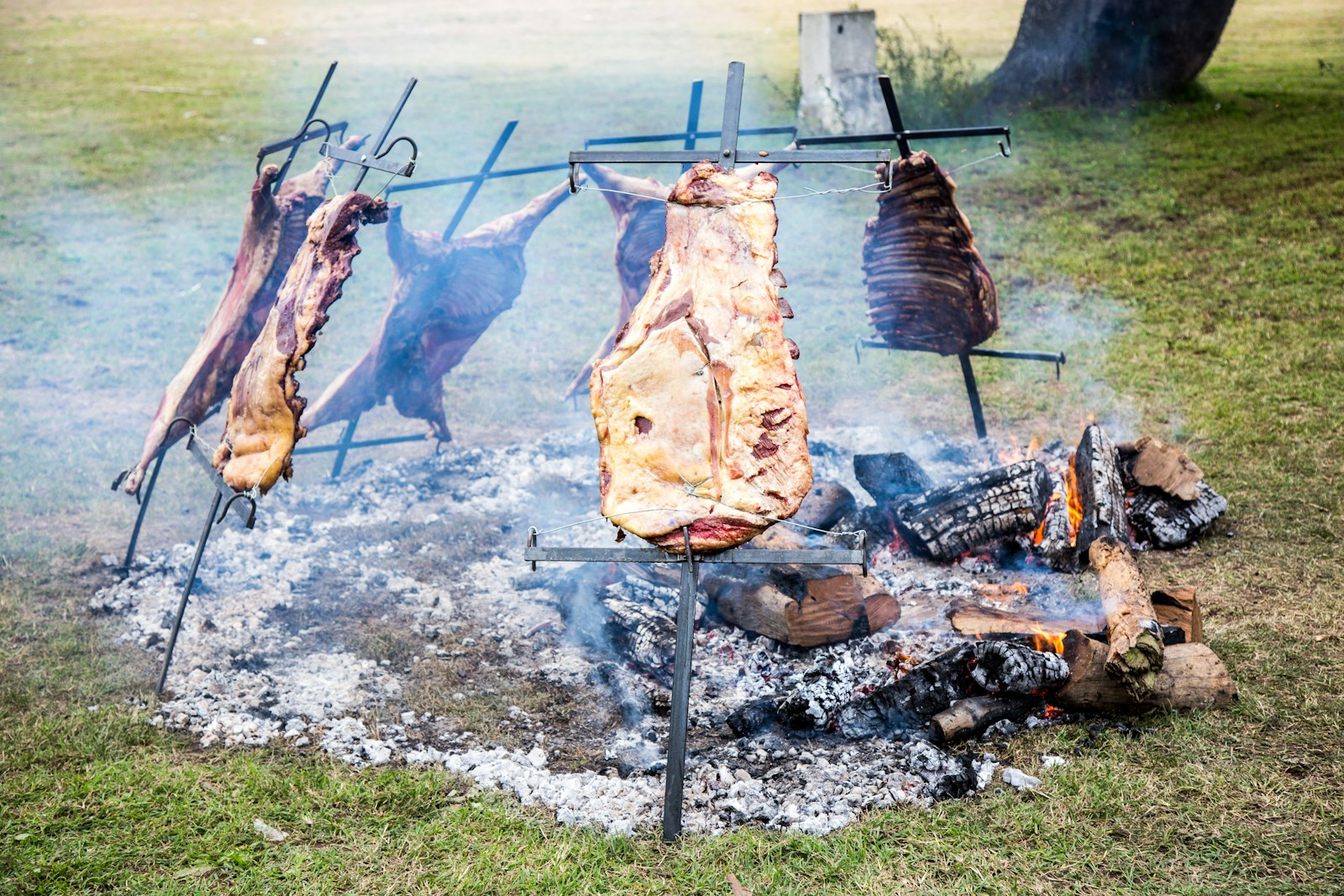
It's also one of the great group cities, partly because nobody here is ever in a hurry to end the night. Dinner is a parrilla that runs past midnight; the next thing is a milonga, or a wine bar in Palermo, or a back-room peña with a guitar going. The dollar still stretches a long way here, and since the official and parallel rates converged you no longer have to work at it — a foreign card is charged the tourist rate automatically — which puts the long dinners and the good seats within reach for a group on mixed budgets. Come with four or six friends in spring or fall, learn to say che and dale, and let the city keep you out later than you planned. It always does.
The soundtrack



Practical Stuff
Tipping
Tipping (la propina) runs about 10% at sit-down restaurants, and cash is king — card machines often can't add a tip, and when they can it rarely reaches the staff, so leave the 10% in pesos on the table. A cubierto (a small per-person charge for bread and the table) is normal and legal; it isn't a tip. Round up for taxis, and leave a few hundred pesos for café waiters and hotel porters. Nobody's counting, and nobody expects 20%.
Safety
Buenos Aires is a big city and rewards big-city instincts. The tourist barrios — Palermo, Recoleta, Puerto Madero, and San Telmo by day — are comfortable, but phone-snatching is the everyday hazard: don't walk and text on a quiet corner, and keep your phone off the edge of the café table. La Boca is worth it for the Caminito and the Bombonera, but stay on the marked tourist streets and go by day. Stay alert around Retiro and Constitución stations and on empty late-night blocks. On Calle Florida you'll hear men chanting cambio, cambio — that's the informal money market. Walk past it — the gap between the official and parallel rates has essentially closed, so there is no better rate to chase — and never flash a thick roll of pesos.
SIM card
eSIMs from Airalo or Holafly work the minute you land at Ezeiza. For a physical SIM, Claro, Movistar, and Personal have shops and kiosks downtown — bring your passport. Wi-Fi is everywhere (cafés, the Subte, most bars), so a light data plan is plenty.