Some links in this guide are affiliate links — if you book through them, we get a small kickback. Helps us keep making these guides free. We only recommend places we'd actually send a friend to.
Four Days in CDMX Isn't Enough. Here Is the Honest Plan Anyway.
Four days in Mexico City is not enough. A week barely is. So the move is the same as anywhere: pick one neighborhood, base yourself there, walk a lot, eat more.
This guide is opinionated on purpose. Mexico City has more restaurants per square mile than most cities have total — we are going to send you to twelve, and tell you which ones to actually book versus which to walk into. Plus the museums worth your morning, the day trip worth the 5am alarm, and the answer to the question that gets glossed over in most CDMX guides: where to actually stay.
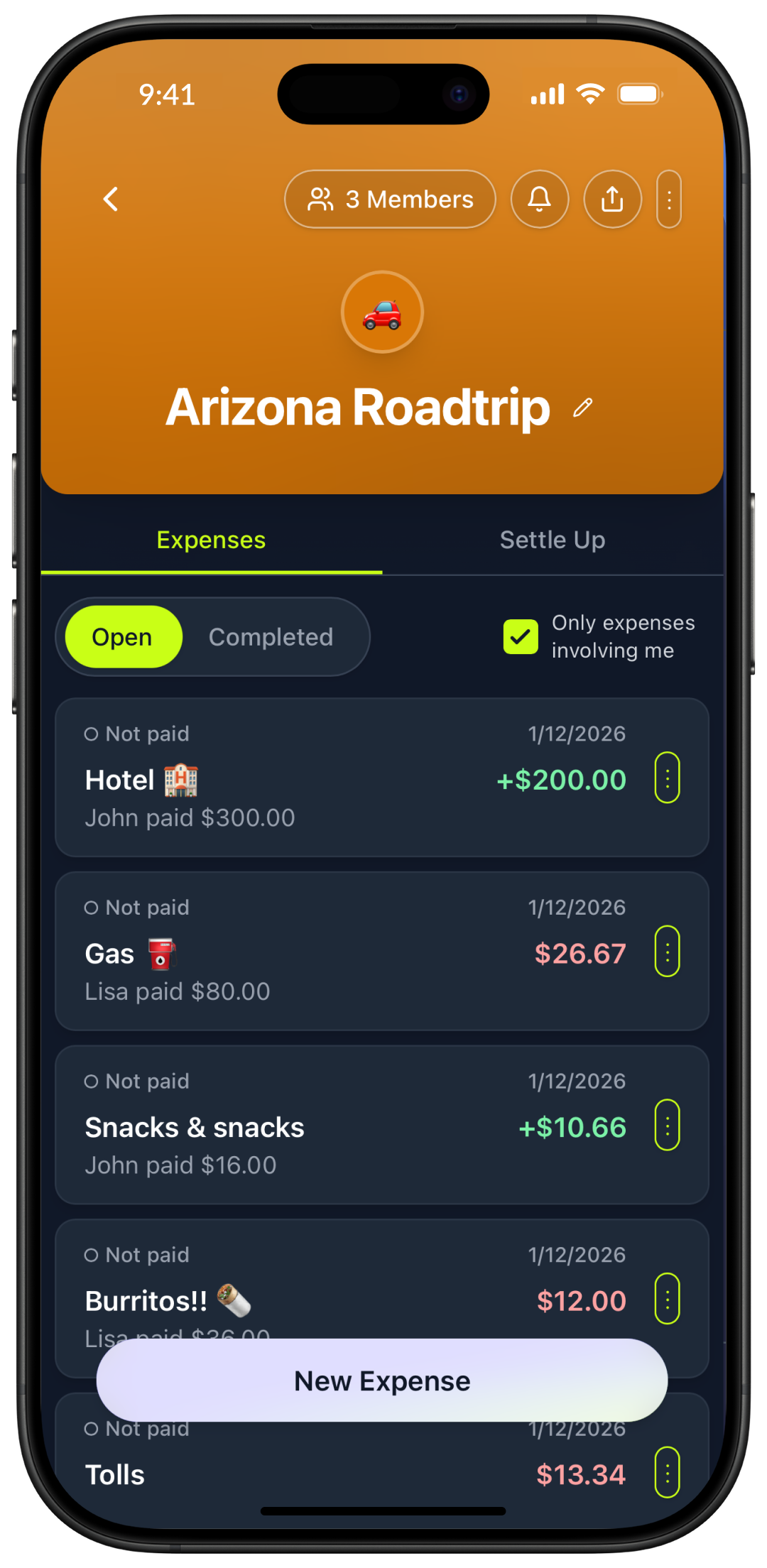
Assume four or six of you. Assume mixed budgets. Assume one of you wants the tasting menu at Pujol and another wants tacos al pastor at 1am on a street corner — and that both nights happen and the bills get complicated.
This is the guide for that trip.
Getting There and Around
Uber, walk, and skip the airport Metro.
One airport — Mexico City International (MEX), also called Benito Juárez — about 13 km from the central neighborhoods. Uber from the airport runs $250–400 MXN ($12–20) and takes 30–60 minutes depending on traffic. Authorized airport taxis (the yellow ones) run $250–350 MXN with fixed rates. The Metro from the airport is technically possible but a hassle with luggage — skip it.
In the city, three ways to get around:
Uber. The default. Cheap by international standards ($30–80 MXN for most rides under 20 minutes), safer than street taxis, and credit-card payment removes the cash-changing dance. Everyone uses it.
The Metro. $5 MXN per ride. Fast, clean, extensive — and, honestly, the city's busiest pickpocket territory, phones especially, worst in the peak-hour crush (8–9am, 6–7pm). Still worth doing once, because the Bellas Artes station alone is worth the swipe: go off-peak, phone zipped, bag worn in front, and know the front cars are reserved for women and children.
Walking. Roma Norte, Condesa, and parts of Polanco are deeply walkable. Sidewalks are uneven, watch your step, but the neighborhoods are designed for foot traffic. Most of your dinners will be within 15 minutes on foot.
Skip street taxis. The cost saving is minimal and Uber is the norm even among locals.
Where to Stay: The Neighborhood Decides the Trip
Three neighborhoods worth basing yourself in. Pick one.
Roma Norte. Our default recommendation. The best mix of restaurants, natural-wine bars, design shops, and weekend markets. Younger energy than Polanco, more polished than Centro. Walk to most of what matters in CDMX.
Condesa. A few blocks west of Roma Norte. Quieter, more residential, built around two parks (México and España). Designed in the 1920s on a former horse-racing track — the streets curve in oval patterns that turn long walks into something cinematic. Stay here if you want neighborhood quiet with restaurants 5 minutes away.
The streets curve in oval patterns that turn long walks into something cinematic. — On Condesa
Polanco. CDMX's most affluent neighborhood, designer boutiques on Avenida Presidente Masaryk, and the restaurants you'll fly here to eat at (Pujol, Quintonil). Stay here if you're after the high-end version of the trip. The downside: less walking culture, you'll Uber more.
Where we would book. Roma Norte boutique hotels in the $80–250/night range — the sweet spot of design-forward without splurge pricing. La Valise Mexico City in Roma Norte is the splurge that's worth it (~$400/night) — three rooms, each with a rolling bed onto a terrace. The most-photographed boutique hotel in CDMX.
Food & Drink: Where We Would Actually Send You
Twelve restaurants we'd actually book ourselves.
Twelve restaurants. We could give you a hundred. These are the ones we'd book ourselves.
Contramar. Calle de Durango 200, Roma Norte. Seafood, two-floors of an open dining room, the kind of lunch that turns into a four-hour event. The tuna tostadas are mandatory. The whole-fish-with-two-sauces (one red, one green) is the order to share. Bring four people, $1,200–1,500 MXN per person with drinks. Reservations essential — try Tock or call directly. Closed in the evenings.
Pujol. Tennyson 133, Polanco. Enrique Olvera's flagship. World-rank tasting menu. The mole that has been aging for years (literally) is on the menu. $2,800–3,800 MXN per person for the tasting. Book 60+ days out on Tock. The dinner you'll talk about.
Quintonil. Newton 55, Polanco. Jorge Vallejo's restaurant, often paired with Pujol in CDMX's must-book lists — some people argue it's actually better. Similar tasting-menu format, similar price range, also requires advance reservation. If Pujol is booked, this is the equally-good answer.
Rosetta. Colima 166, Roma Norte. Elena Reygadas (named the world's best female chef in recent years) doing Italian-Mexican in a converted mansion. The bread basket alone is the trip. Reservations a week out, $800–1,200 MXN per person.
Lardo. Agustín Melgar 6, Condesa. Casual Mediterranean from the Rosetta team. Walk-ins possible at the bar early, reservations otherwise. Pizzas, pastas, the kind of place you can do twice in a trip without it feeling repetitive. $500–800 MXN per person.
Tetetlán. Camino a Santa Teresa 187, San Ángel. A drive from the central neighborhoods, but pair it with the Frida Kahlo museum and it's a perfect Saturday. Open-air, surrounded by lava-rock architecture.
Sartoria. Orizaba 42, Roma Norte. Italian, intimate, the kind of dinner that goes long. $700–1,000 MXN per person.
Maximo Bistrot. Tonalá 133, Roma Norte. Eduardo García's French-influenced restaurant — simple, seasonal, exceptionally cooked. $1,000–1,500 MXN per person.
Hugo el Wine Bar. Avenida México 109, Condesa. Natural wine, small plates that turn into a real meal if you order four or five. Late-night feel.
Café Nin. Avenida Álvaro Obregón 196, Roma Norte. Elena Reygadas again — this is her bakery + brunch spot. The Sunday morning move.
El Pescadito. Multiple locations. Beer-battered shrimp tacos. $50–80 MXN per taco. The right late-night food after a long dinner.
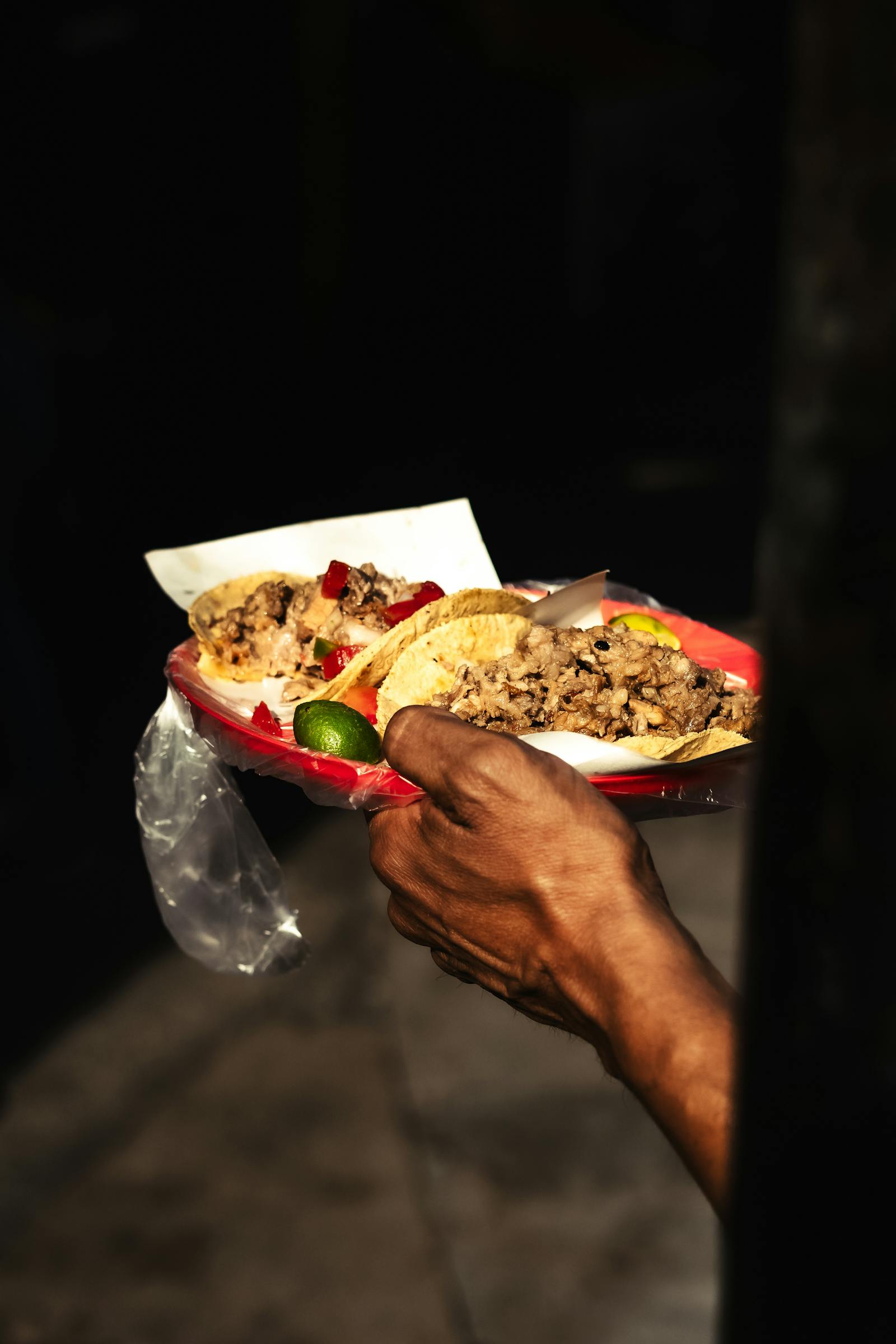
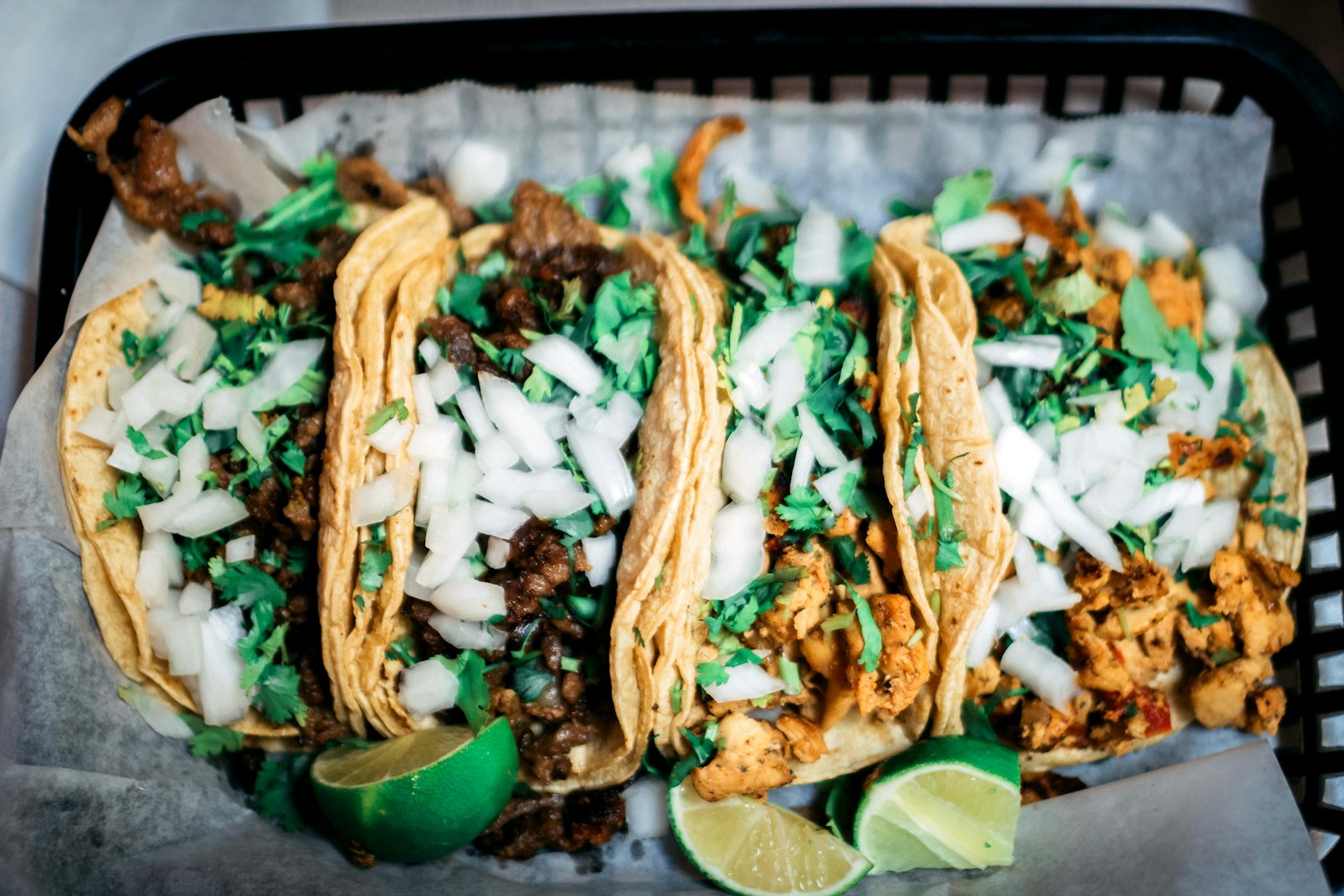
El Vilsito. Universidad & Petróleos. Auto-mechanic shop by day, the most famous tacos al pastor in the city by night (after 9pm). $25–35 MXN per taco. Cash only. The food experience that locals will tell you was the highlight of your trip.
Tacos
El Vilsito after 9pm. Cash only. Two al pastor and a suadero. The taxi back will know exactly where you're coming from.
Culture & Museums: Pick Three
How we'd build the morning. Skip Mondays.
Museo Nacional de Antropología. Reforma 5, Chapultepec. The single greatest museum in the country and one of the best in the world. Aztec calendar stone, Mayan codices, an Olmec colossal head. Give it three hours minimum. $210 MXN (residents $105). Skip Mondays — closed.
Frida Kahlo Museum (Casa Azul). Londres 247, Coyoacán. Frida's home. Tickets sell out — book on the official website 2–3 weeks in advance, not the third-party resellers. $320 MXN. Pair with lunch in Coyoacán.
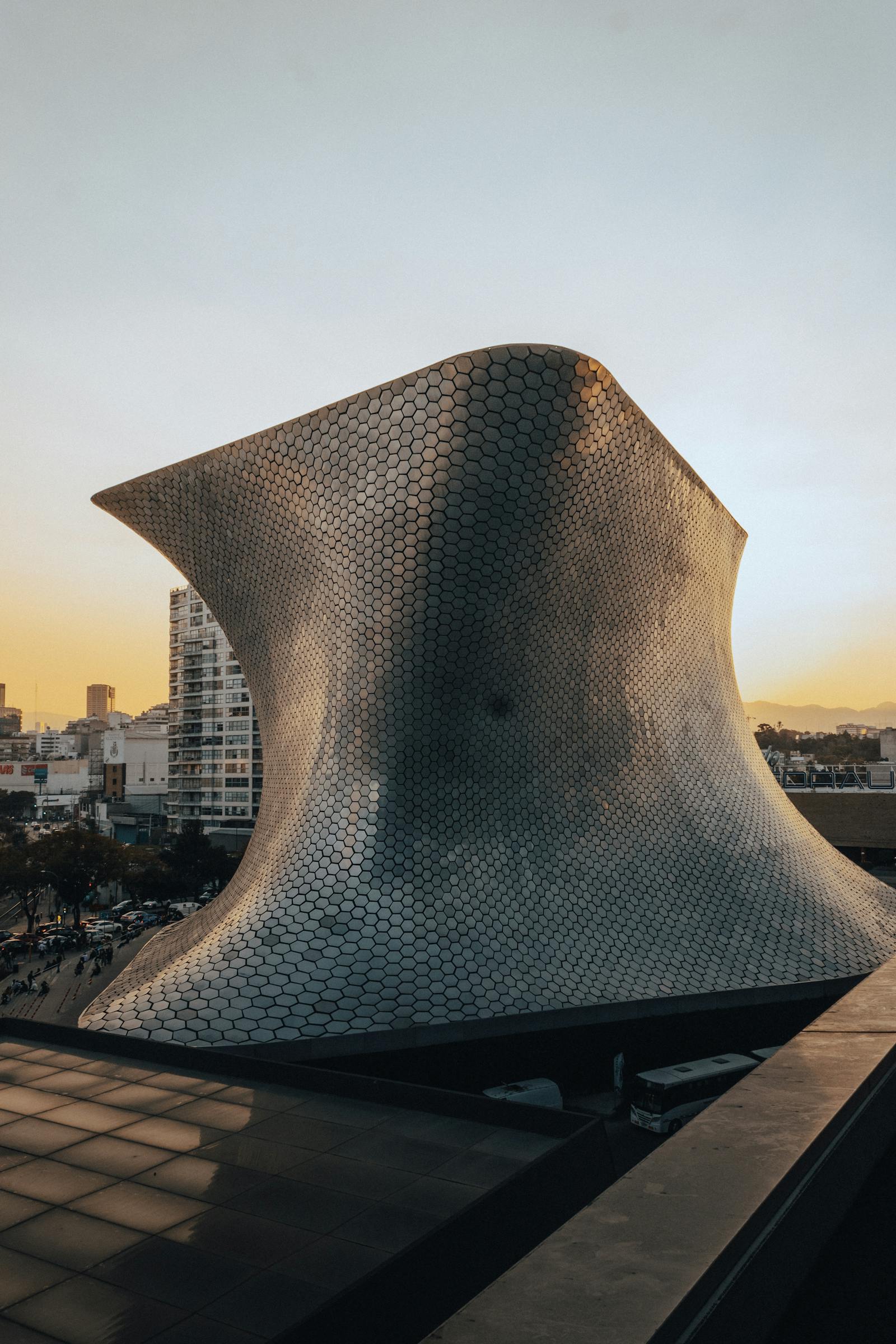
Museo Soumaya. Plaza Carso, Polanco. Carlos Slim's collection in a chrome-clad building you've seen in every Mexico City photo essay. Free. The collection is uneven (lots of Rodin, some questionable attributions) but the building and the free admission make it worth an hour.
Museo Tamayo. Chapultepec, near the Anthropology Museum. Modern and contemporary art. Smaller, focused, and rarely crowded. $90 MXN.
Museo del Templo Mayor. Centro Histórico. The Aztec ruins underneath downtown CDMX — yes, that's a thing. The temple was buried under colonial buildings for centuries. $210 MXN (residents $105).
Things to Do Beyond the Restaurants
When you're done with the restaurants.
Walk Chapultepec Park. The largest urban park in Latin America. The castle, the lakes, the museums. Free.
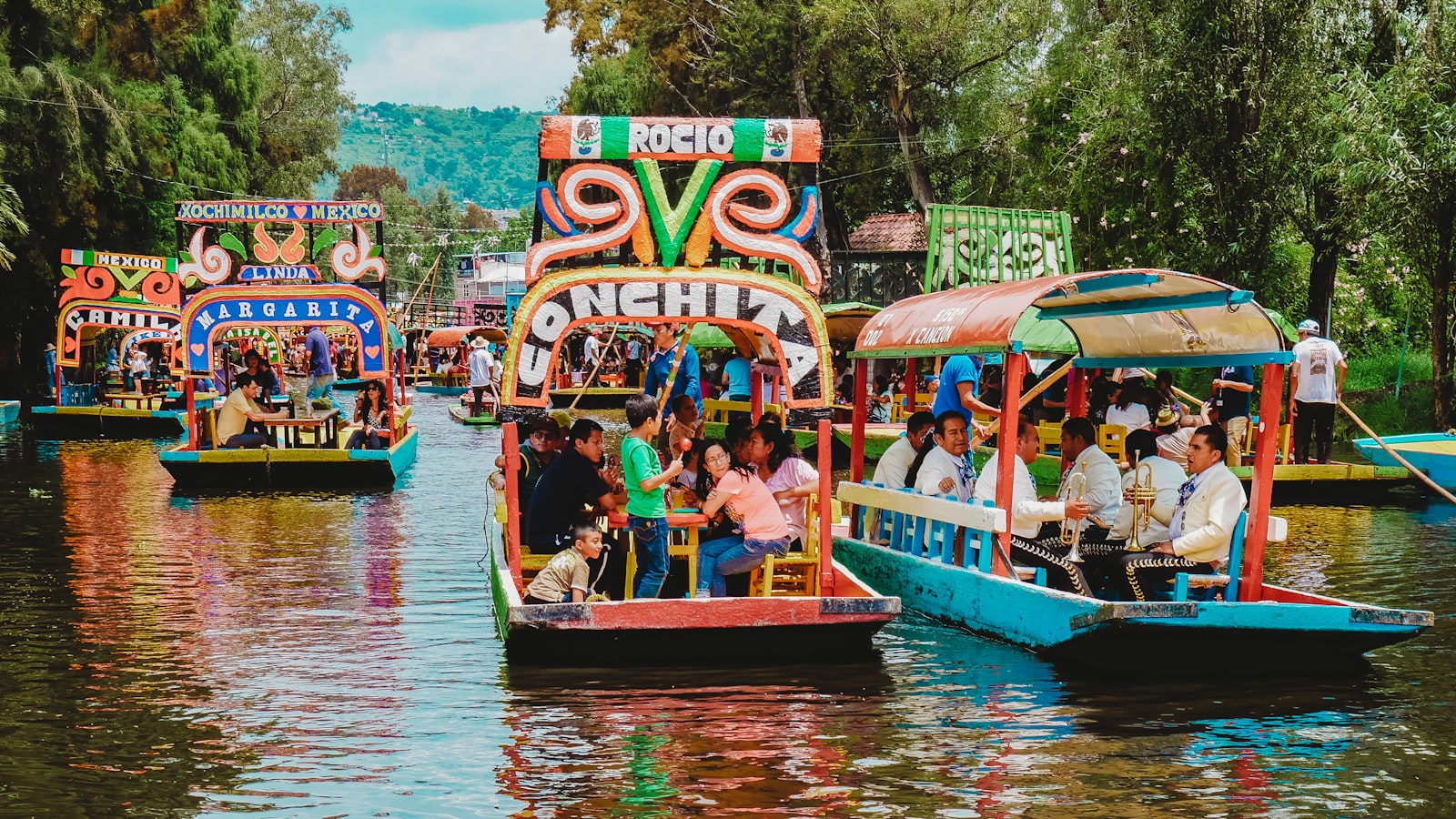
Xochimilco. The floating gardens. Hire a trajinera (colorful boat) and float around with friends, food, drinks, mariachi if you want it. $600–1,000 MXN for the boat per hour, split between the group. Best on weekends. The most-fun afternoon in CDMX if your group is up for it.
Lucha Libre at Arena México. Friday and Tuesday nights. Mexican wrestling in masks and capes — absurd, theatrical, deeply enjoyable. Tickets $200–800 MXN. Sit in the cheap seats for the better atmosphere.
Mercado de San Juan. The market where chefs shop. Exotic meats, cheeses, spices. Stroll for an hour, eat at the seafood counters.
Roma Norte gallery walk. Saturdays. Galerías like OMR and Kurimanzutto are world-class. Free, mostly. Walk between them.
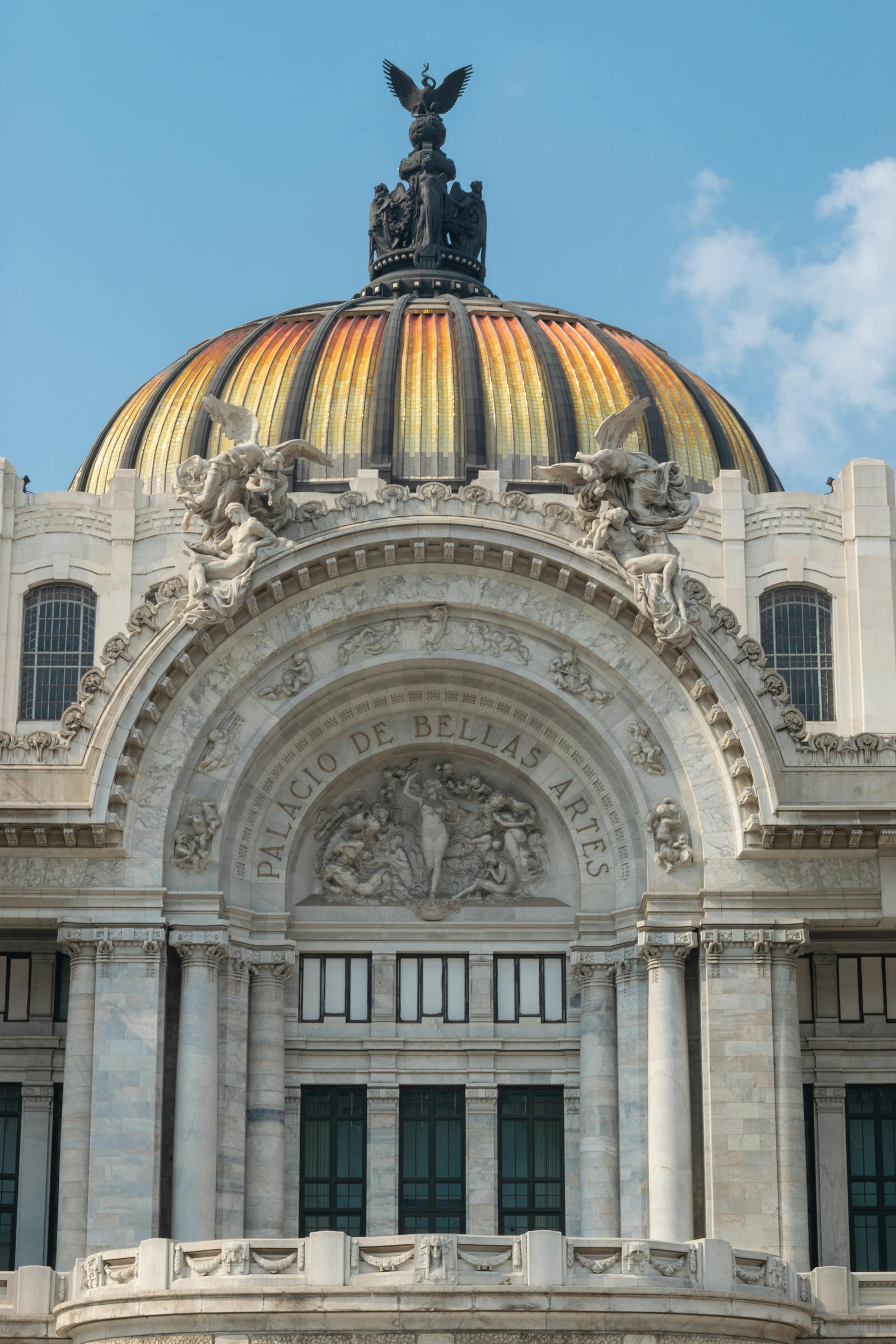
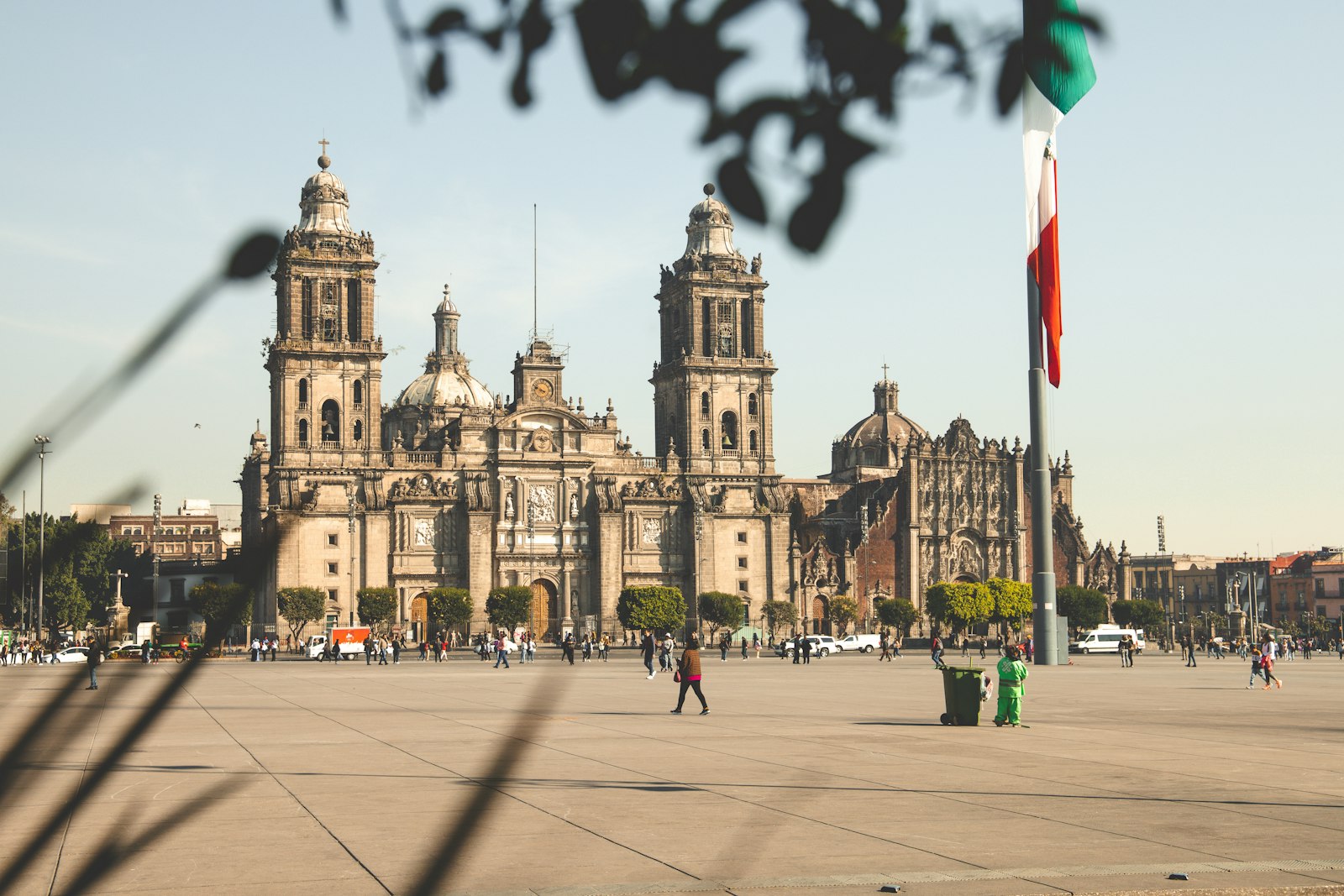
Centro Histórico. The colonial old town. Zócalo (main square), the Cathedral, Palacio de Bellas Artes (free to enter the lobby, paid for the upper-floor murals by Diego Rivera).
Day Trips Worth the Alarm
Worth the 5am alarm. Most of them.
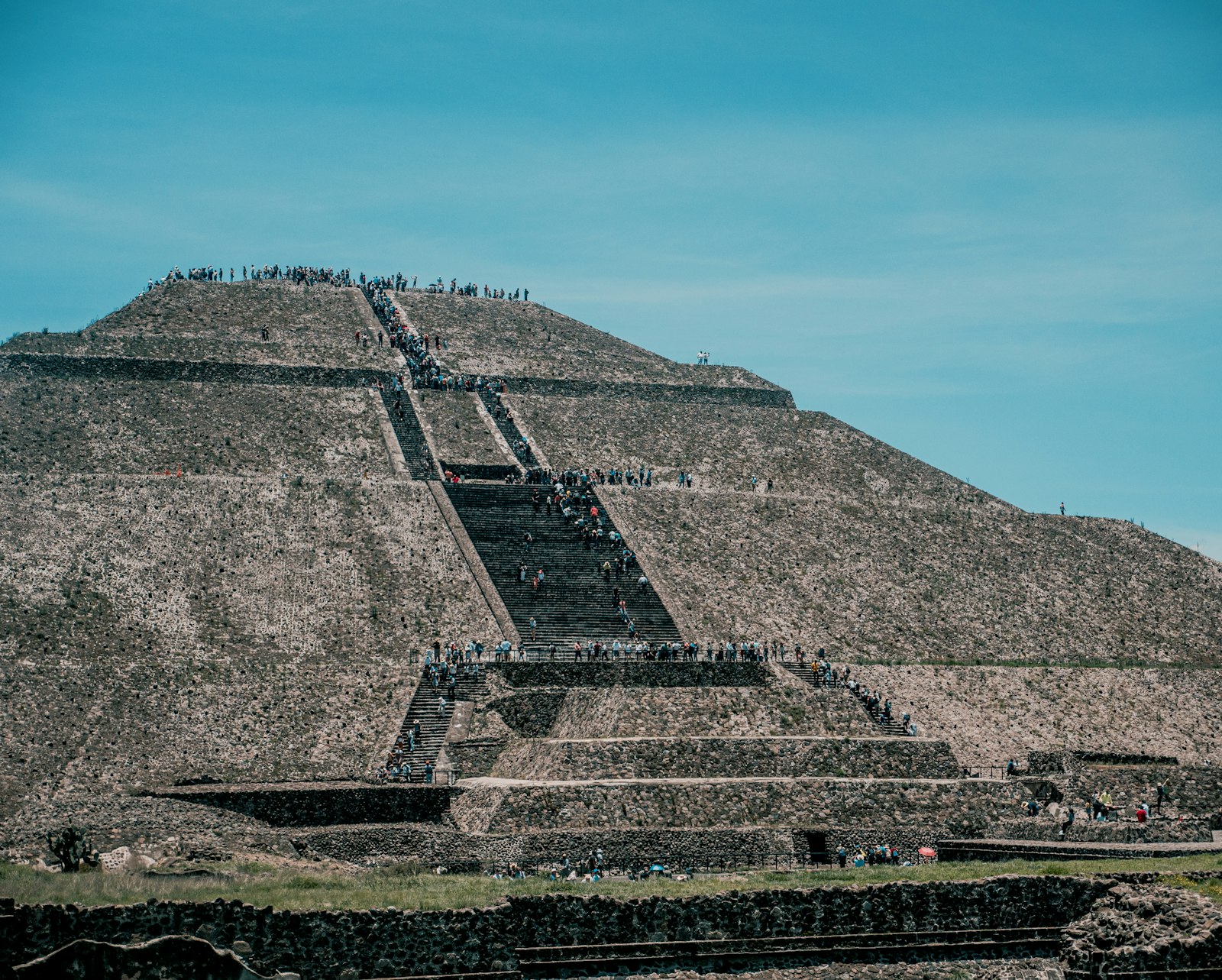
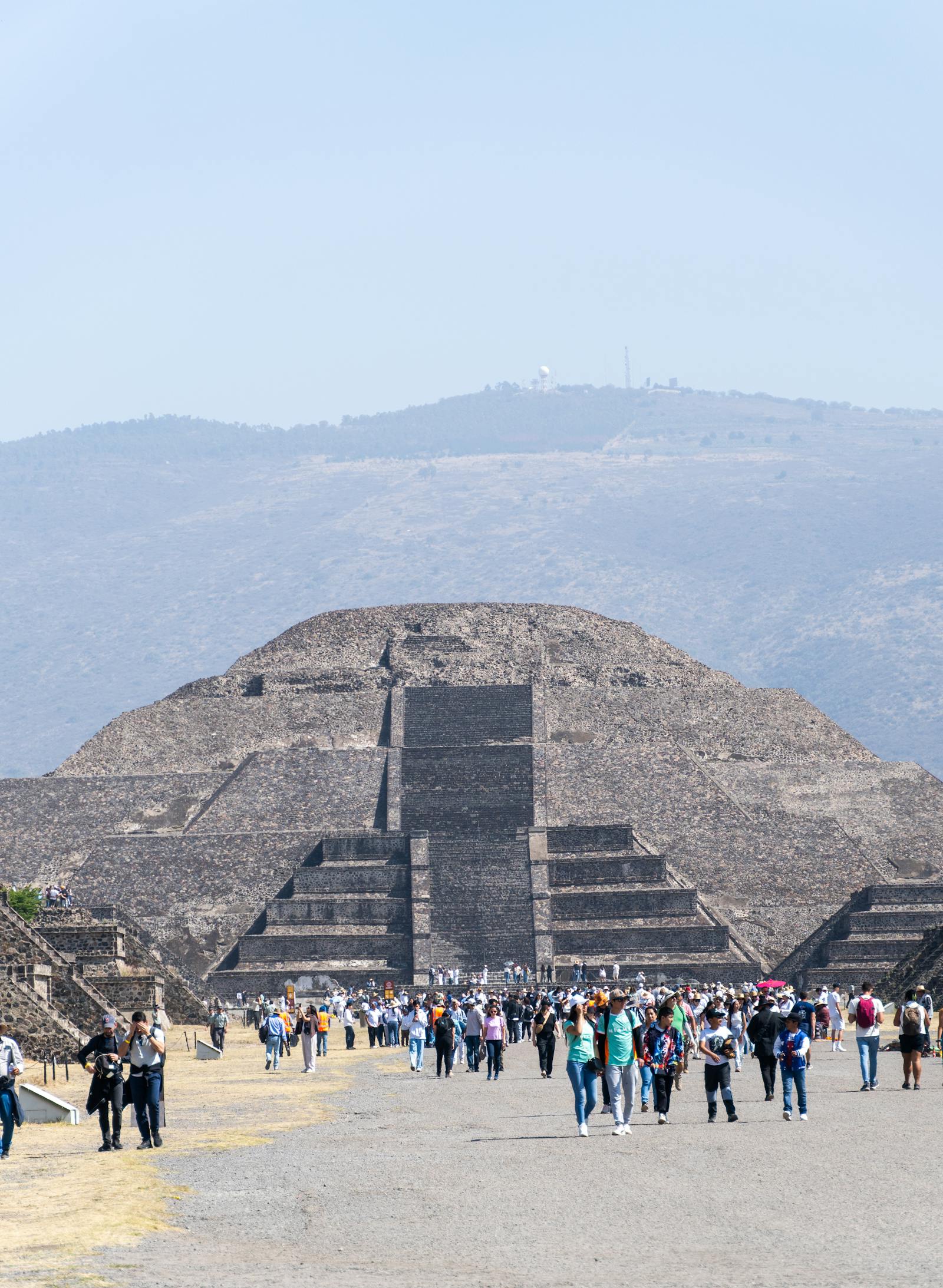
Teotihuacán. The Aztec pyramids, 50 km outside CDMX. The early-morning balloon ride over the pyramids is the splurge ($2,500–4,000 MXN per person) — it's worth it once if you can swing it. If not, take an Uber or guided tour to the site, arrive at 9am opening, climb the Pyramid of the Sun. Half a day total. Tour options on GetYourGuide.
Puebla. Two hours south by bus or car. Colonial city, talavera pottery, mole poblano (invented here), great food scene of its own. Overnight or long day trip.
Cuernavaca. 90 minutes south. Hot, lush, hammock-on-a-terrace energy. Worth a Saturday if you want a break from CDMX's altitude (2,250m above sea level, which catches people off guard).
What This Trip Actually Costs
Three budgets, end to end.
Per person, per day, before flights:
Budget — $45/day USD. Hostel or shared Airbnb ($15–25), street tacos and market food ($10–15), Metro and Uber pool ($5–10), one paid attraction every other day. CDMX is one of the better cheap-trip cities in the world.
Mid-range — $110/day USD. Mid-tier hotel or solo Airbnb ($50–80), one nice sit-down dinner and one casual meal ($30–40), Uber instead of Metro ($15–20), one paid attraction per day. Most groups.
Splurge — $300+/day USD. La Valise or Four Seasons ($200–400), Pujol or Quintonil tasting menu one night ($150–200), private guided day at Teotihuacán ($150–250), Uber everywhere. The trip you'll talk about.
The biggest cost variable is the tasting menu nights. Plan for $150–200 USD per person on those, including drinks. They are not optional if you came to CDMX for food.
They are not optional if you came to CDMX for food. — On tasting menu nights
Practical Tips Nobody Tells You
Altitude
CDMX is at 2,250 meters (7,350 feet). The altitude catches a lot of people off guard — you will feel slightly winded walking uphill, and alcohol will hit harder than at sea level. Drink water, take it easy day one, and the second day will feel normal.
Water
Don't drink the tap water. Bottled is universal and cheap. Most restaurants will offer agua mineral (sparkling) or agua natural (still bottled). Ice in good restaurants is fine — they use purified water.
Cash and cards
Almost everywhere takes cards now. But carry $200–500 MXN in small bills for street tacos, market vendors, El Vilsito (cash only), and Uber tips. ATMs at banks (BBVA, Santander) are the safest.
Tipping
10–15% standard at sit-down restaurants. Check the bill — some places include 'propina sugerida' which you can choose to accept (don't double-tip). Round up for Uber drivers.
Spanish
English works in the tourist neighborhoods (Roma Norte, Condesa, Polanco) but a few Spanish phrases go far. The waitstaff at Pujol speaks fluent English. The taquero at El Vilsito does not. Both are worth visiting.
When to come
March–May and October–November are the sweet spot — dry, sunny, warm but not hot. Rainy season is June through September: short afternoon downpours, mostly fine, sometimes disruptive. December is festive but the city empties for Christmas through New Year.
What to skip
The tourist-trap restaurants in the Zócalo (overpriced, mediocre). Group tours of Roma Norte — just walk it. The big chain coffee shops — CDMX has the best independent cafe scene in Latin America.
More Travel Reading
If you want a different city on the same level of detail:
Your NYC Travel Guide — the New York version of this guide.
NYC Food Guide — 30 restaurants we would send a friend to.
Guía de Viaje a Nueva York — la versión en español de la guía de NYC.
Mexico City Group Trip Guide — the group-trip version of this guide: big tables, trajineras, beds for ten.
All destinations — see what else we cover.