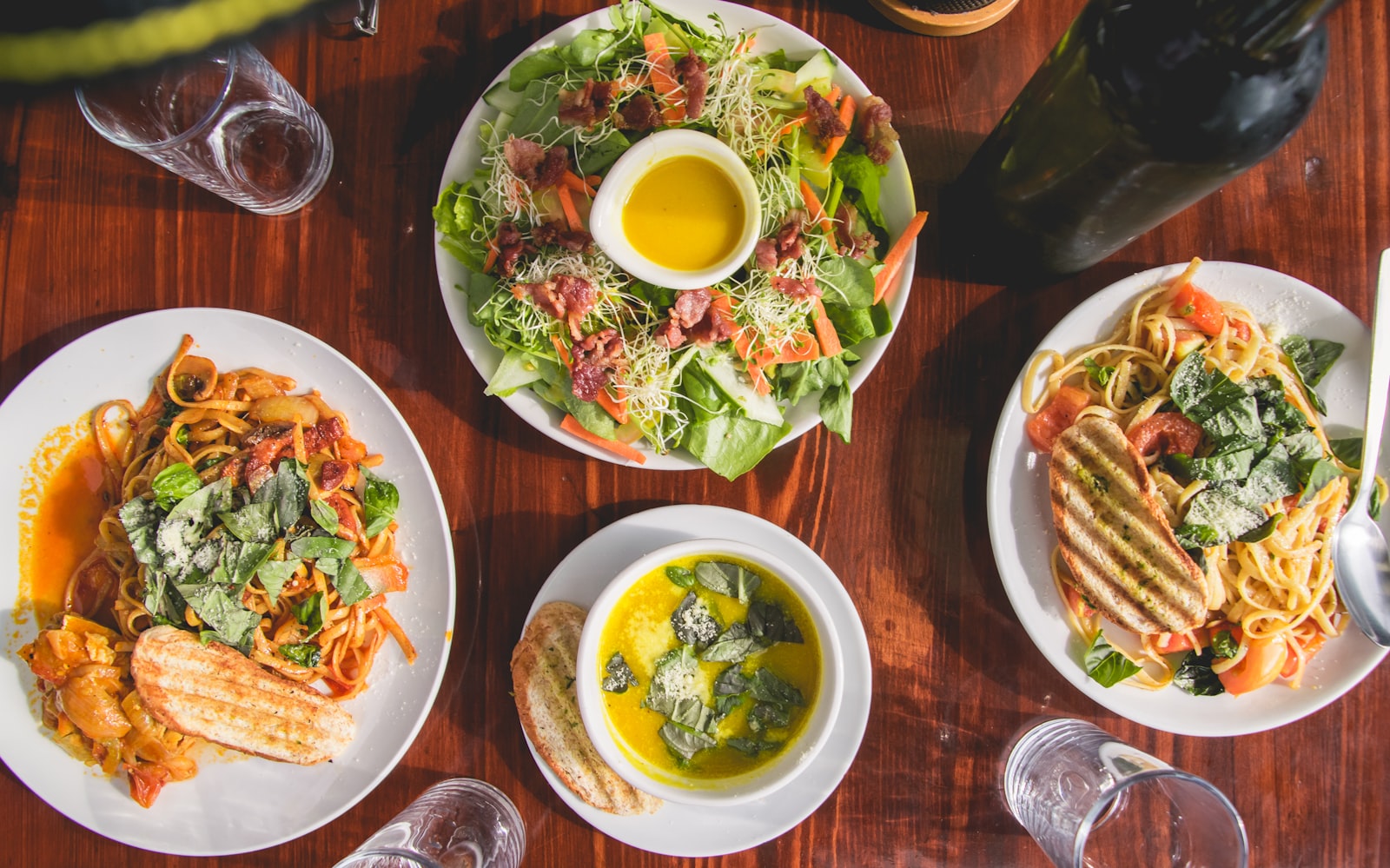
Sienese food is mountain-farmer food dressed up for company — built from bread, beans, pork, and whatever the next hill grows, then perfected over about eight centuries. This is the home of pici, the fat hand-rolled pasta you'll eat three ways before you leave, and of panforte, a spiced fruit-and-nut cake the city has been baking since the Crusades. Eat the way Siena does — long, local, with a carafe of something red on the table — and the plain-looking trattoria three streets off the Campo will out-cook anywhere with a host out front. Here's what to order.
Pici, the pasta Siena rolls by hand
Fat, chewy, and never quite the same twice.

Pici (say "PEE-chee") is the dish to build a trip around: a thick, hand-rolled spaghetti, a little uneven because a person made each strand, with exactly the chew you want under a sauce. The classic is pici all'aglione — a slow garlic-and-tomato sugo that's gutsier than it sounds — followed closely by pici cacio e pepe and pici under a ragù di cinghiale (wild boar). Order it anywhere it's made in-house, which in Siena is most places worth sitting down in. It's peasant food, it's a few euros a plate, and it's better than pasta has any right to be.
Boar, bread soups, and the antipasto board
The cheap cuts and stale bread the whole region is built on.
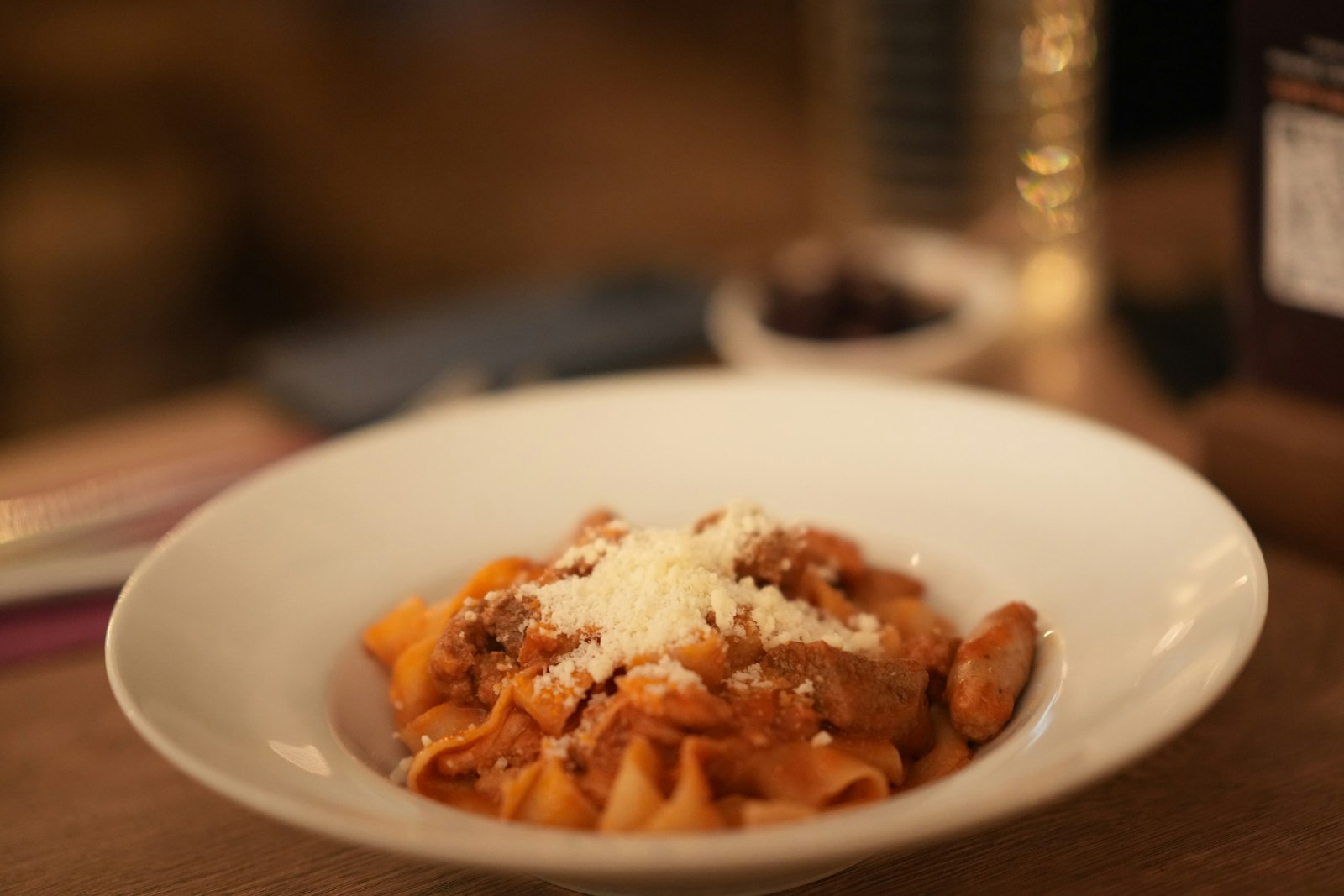
Open with crostini neri (toasts under a rich chicken-liver pâté — the standard Sienese starter) and a board of pecorino from nearby Pienza alongside Tuscan salumi like fennel-spiked finocchiona. Then the bread soups that explain the whole cuisine: ribollita ("reboiled" — bread, beans, and black kale cooked thick) and pappa al pomodoro (bread and tomato, somehow magnificent). And the boar: these hills are full of cinghiale, and it turns up as a slow ragù over pici or pappardelle and as a peppery stew, cinghiale in umido. None of it is fussy. All of it is the point.
Eat at a contrada dinner
If you're here in summer, the contrade hold open-air cene — long communal dinners at folding tables in the street — to fund their Palio. Outsiders are often welcome for a few euros, the food is the real thing, and you'll eat shoulder-to-shoulder with the neighborhood. It's the best meal in town that no app can book.
Panforte, ricciarelli, and the sweet tooth of the Crusades
Medieval cakes Siena never stopped making.
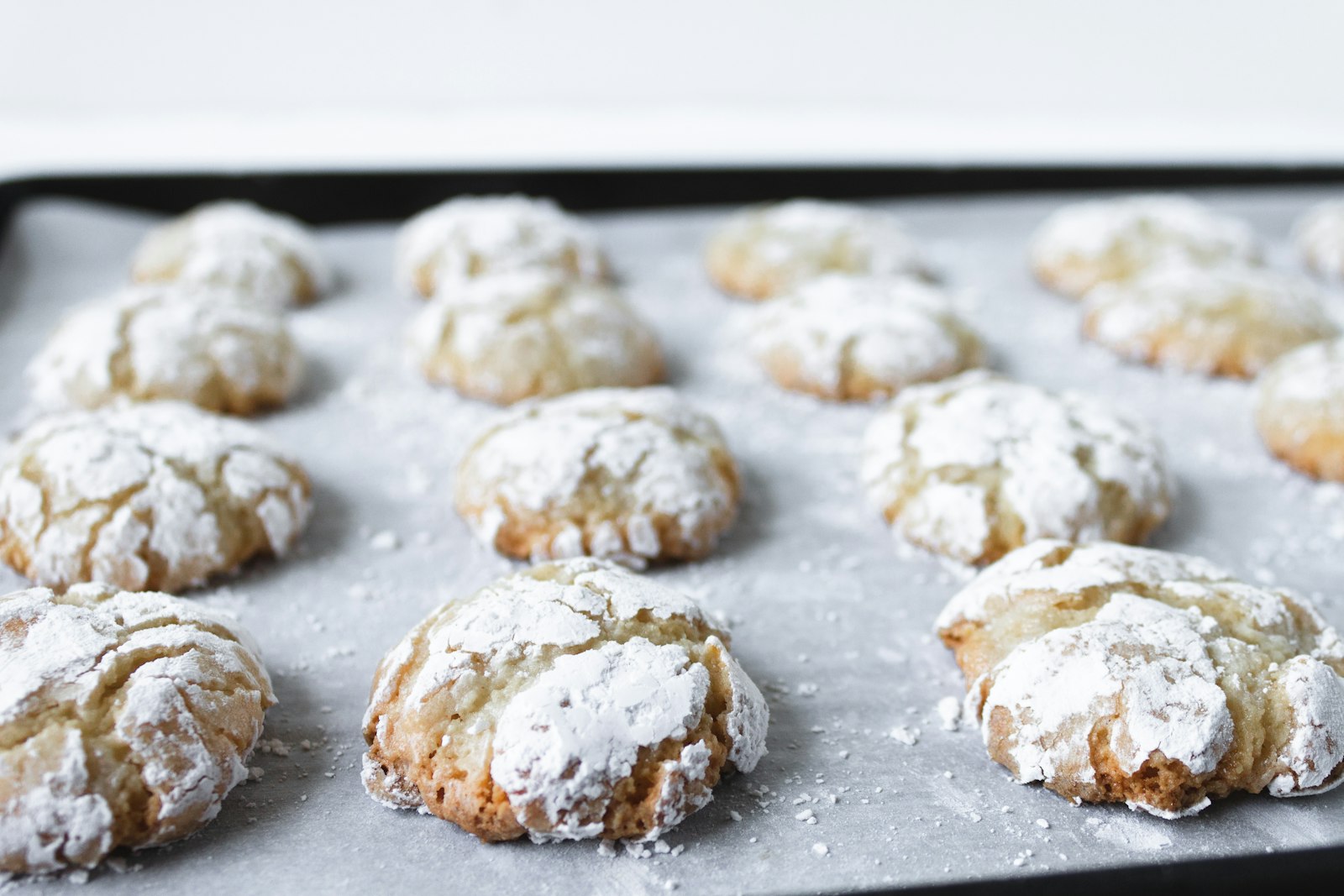
Siena's sweets are genuinely ancient. Panforte is a dense, chewy disc of honey, candied fruit, almonds, and spice — energy food for medieval pilgrims and merchants, and quietly addictive with coffee or Vin Santo. Ricciarelli are soft, diamond-shaped almond cookies dusted in sugar (an IGP product, taken very seriously here). Cavallucci are spiced and chewy, and cantucci are the hard almond biscuits you dunk in sweet Vin Santo to end any meal. Buy a wedge of panforte to take home; it keeps for weeks and beats a fridge magnet.
House red, a board of pecorino, pici to follow. That's a perfect Siena night.— On not overthinking dinner
Where to eat, and what to drink
Off the Campo, on the house wine.
The rule that never fails: walk three minutes off Il Campo, skip anywhere with a tout or a six-language menu, and find the room full of Sienese with a short, daily, handwritten list. The ones we'd send you to: Osteria Le Logge just off the Campo (the polished classic — book ahead), tiny Trattoria La Torre on Via Salicotto for handmade pici, Taverna di San Giuseppe for boar and truffle in a candlelit cellar, and standing-room Osteria Il Grattacielo for a cheap plate of cured meats and a glass of red. Nannini, the city's historic café on Banchi di Sopra, is the spot for a morning ricciarello and an espresso. For wine you're surrounded — Chianti from just north, Brunello di Montalcino and Vino Nobile di Montepulciano from just south, and an everyday house red that's usually someone's actual house red. Order the carafe; overthinking the list is about the only way to get this wrong.
Where we would book
The best tables in Siena take a phone call or a walk-in, not an app — so call ahead for the handful of famous trattorie (they fill fast on Palio weekends and through the fall) and just show up early everywhere else. Carry cash for the small places, the bakeries, and especially the contrada dinners. For a winery lunch out in Montalcino, book directly with the estate — the link's in the activities guide. The best bite of your trip won't have a "reserve" button, and we're not going to pretend otherwise.
Related guides
- Your Siena Travel Guide — getting in, where to stay, and the plan.
- Things to Do in Siena — the wine country behind all this red.
- Siena Culture Guide — what to see between meals.
- Tuscany Food Guide — how the whole region eats.
- Siena Group Trip Guide — the same long tables, sized for the whole group.