
You will not get a nine o'clock table for eight. You don't need one
The group-dinner problem in Santiago has a local solution and it is not a booking.

Here is the situation every group hits on night one. Eight of you, hungry at nine, nothing booked, and every room worth sitting in either full or unwilling to seat eight without notice. So you split into two tables of four in different corners, or you end up somewhere none of you chose because it had the space.
The way out is that Chile does not really eat at nine. It eats at one, properly, and then it eats once between seven and ten — bread, cheese, palta, ham, pâté, cake, tea — and in a great many households once simply replaces dinner. It is not a snack you have before going out. It is the meal, and it is the one Chileans sit down together for.
Which makes it, structurally, the best group meal in the city. Everything arrives in the middle of the table and everybody builds their own. There is no ordering round, no one person waiting forty minutes for a dish that arrives after everyone else has finished, and no per-plate pricing that punishes the person who wanted two things. At four to six: most salones de té in Barrio Italia will take you without notice at eight. At eight or more: call ahead the same afternoon and they will push tables together, which is a conversation that goes very differently at 16:00 than at 21:00.
Do the arithmetic once and it changes the whole week
The clock is worth more to a group than any discount you will negotiate.
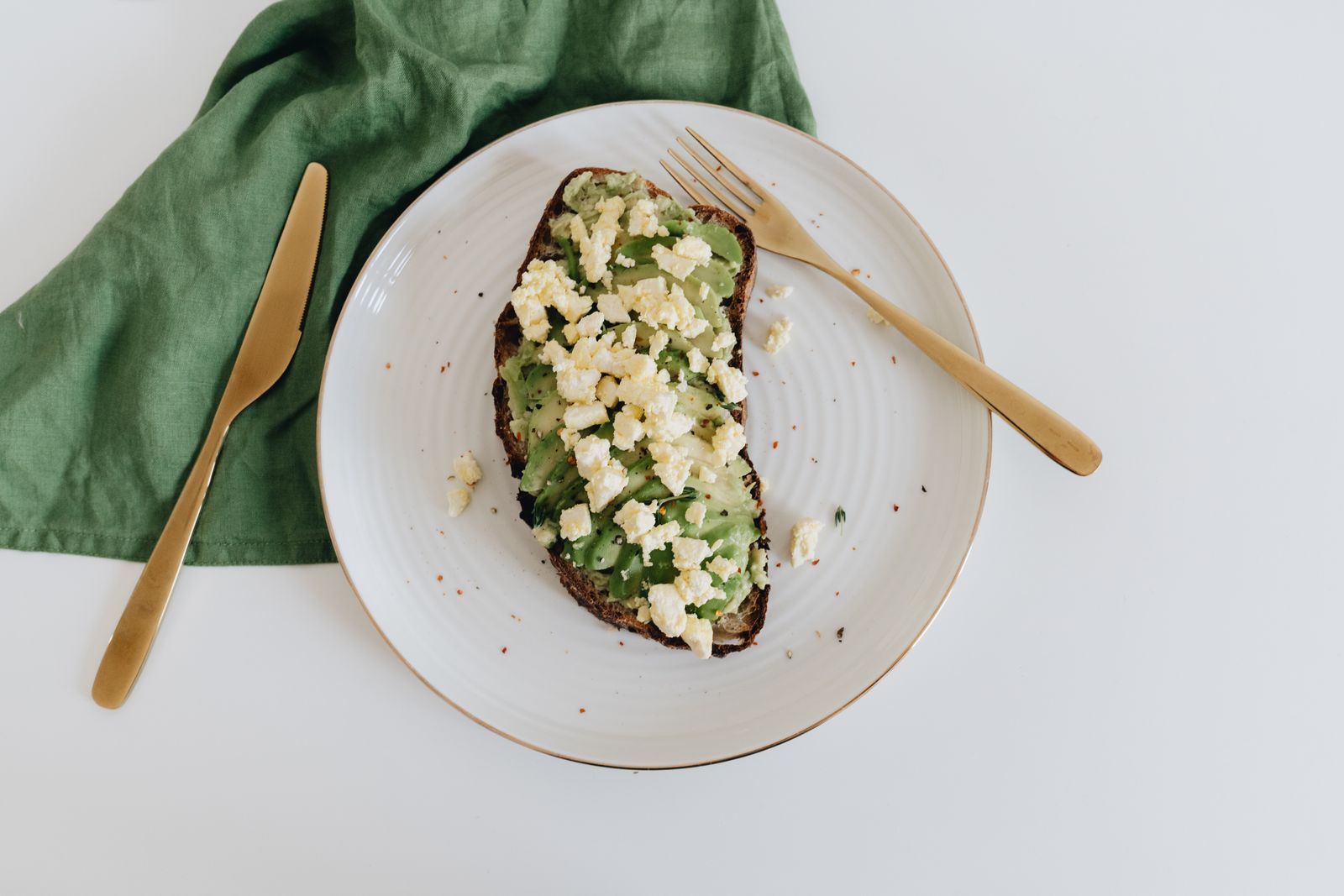
A menú del día at lunch — starter, main, drink, dessert — runs US$6 to US$11. A once for a table lands around 9,000 to 11,000 pesos a head (~US$10–12). So a group eating both is at roughly US$16 to US$23 a head per day, fed twice, sitting down together each time.
The same group doing restaurant dinners every night is at 35,000 to 50,000 pesos a head (~US$38–55) for one meal, in the most expensive country in South America. Over five nights and eight people, the difference is somewhere north of US$1,000 — which is not a saving so much as a reallocation. It is a night at Boragó for the whole group, or the ski day, or two extra nights in the city.
Nobody is asking you to eat worse. We are asking you to eat at the time the country eats.— On the Chilean clock
The 19% that scales with your headcount
One document, one currency choice, and the discount multiplies by the size of the group.
This is the single largest saving available to foreigners in Chile and almost nobody uses it. Non-residents do not owe the 19% IVA on hotel accommodation. You need three things at check-in: a foreign passport, the PDI tourist card handed to you at immigration, and payment in foreign currency — dollars in cash, or an international card billed in dollars.
It works only at hotels registered to offer it, which in practice means the bigger ones, and an apartment cannot give it to you. That is the part worth sitting with, because a group's instinct is always to rent one big place. Price it both ways: eight people across four hotel rooms at US$140 with the exemption is US$454 a night against US$560 with tax — and an apartment at US$500 a night that pays full IVA has quietly stopped being the cheaper option.
Everyone needs their own slip of paper
The PDI tourist card is issued per person at immigration and every non-resident in the group has to produce their own at check-in — one person's card does not cover the room, let alone the booking. It is a flimsy thing that looks like a receipt and goes straight into a passport, a pocket or a bin. Photograph all eight at the airport while you are still standing there, then have one person keep the originals together. If somebody cannot produce theirs at checkout, the hotel is entitled to charge their 19% back, and it will.
Base the group where the metro already is
Getting eight people across this city is easy or expensive depending on one decision.

Santiago's metro is fast, cheap and integrated with the buses and Tren Nos — $710 to $895 depending on the hour, one fare covering up to two transfers inside 120 minutes. Eight people crossing town costs about six US dollars in total. The same eight in two ride-hailing cars at night costs six or seven times that.
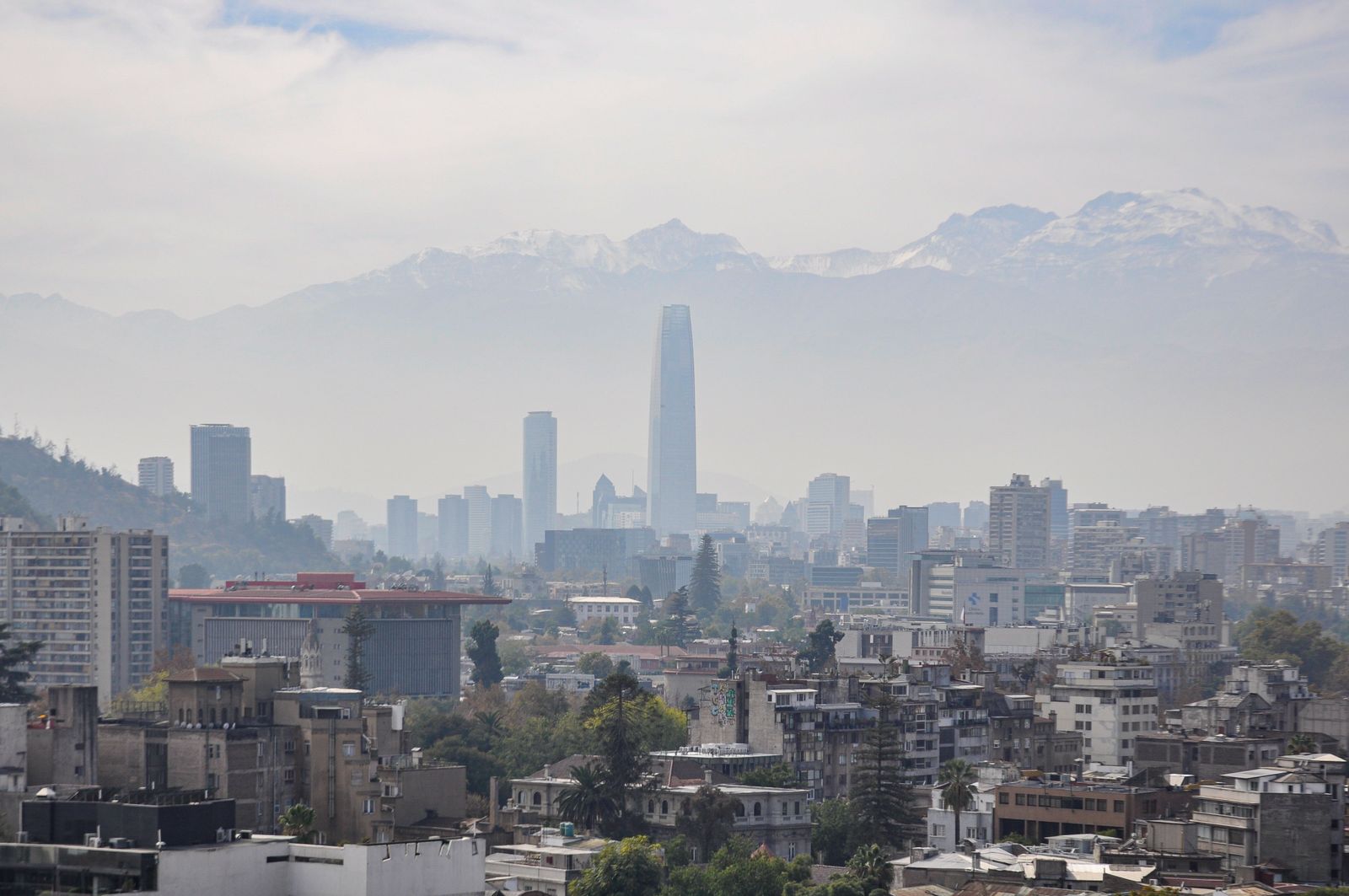
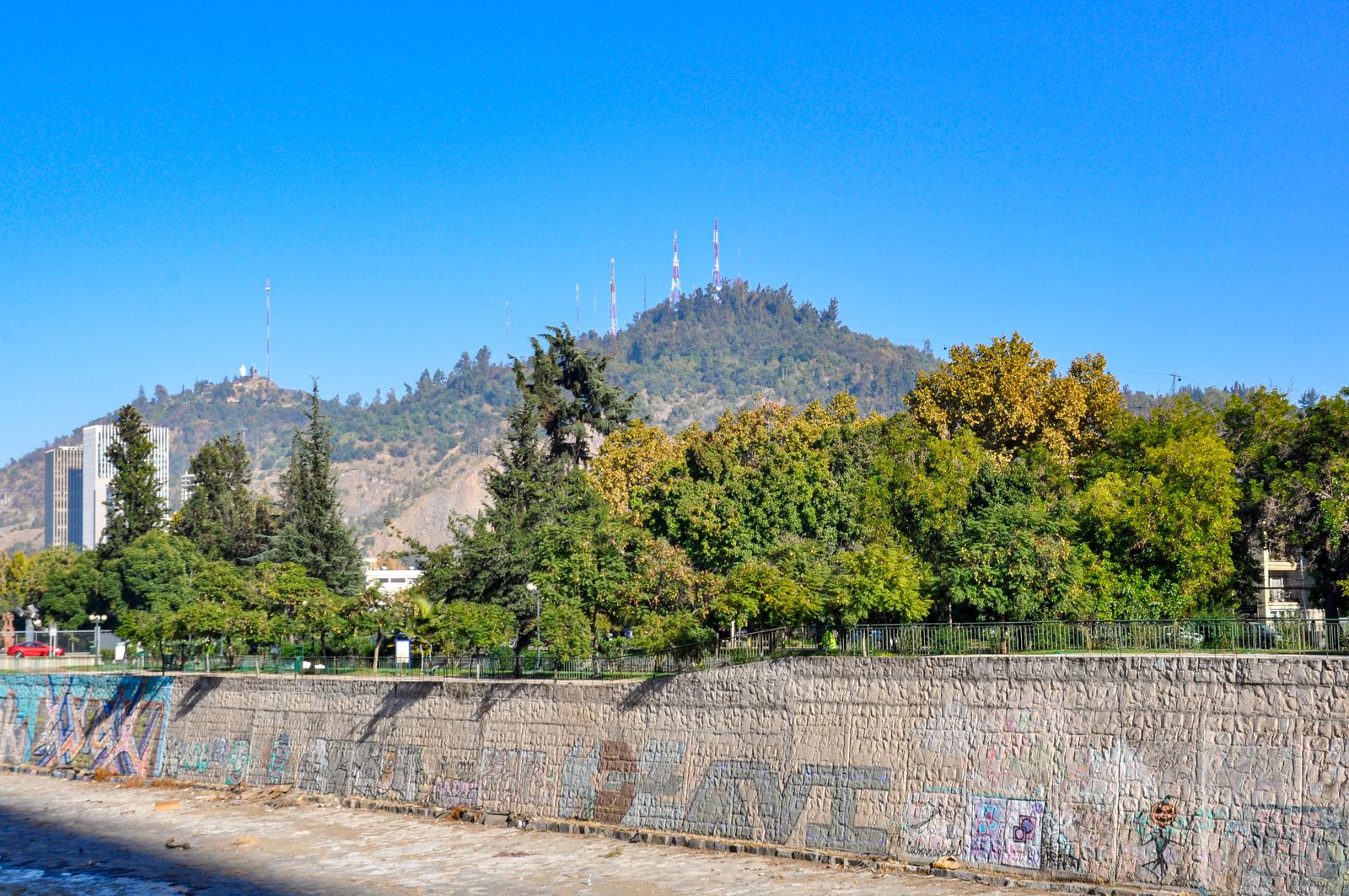
So pick the neighbourhood by the metro line before you compare prices. Lastarria and Bellas Artes put you inside walking distance of the old centre, the hill and the wine bars. Providencia is quieter, greener and better value for a group that wants space. Barrio Italia is where the once is. All three are on the network and all three are in the calmer eastern half of the city.
Two practical notes for a group. Since February 2026 you can tap an international card straight on the metro turnstile, which means nobody has to queue for a bip! card on arrival — but buses still need one, so buy two or three bip! cards for the group to share rather than eight. And after dark, take a ride-hailing car rather than walking a route nobody knows; split across four people it costs less than the drink you would have had while waiting.
One day out of town, priced by the vehicle
Ask for the whole-vehicle number, then divide it yourself.
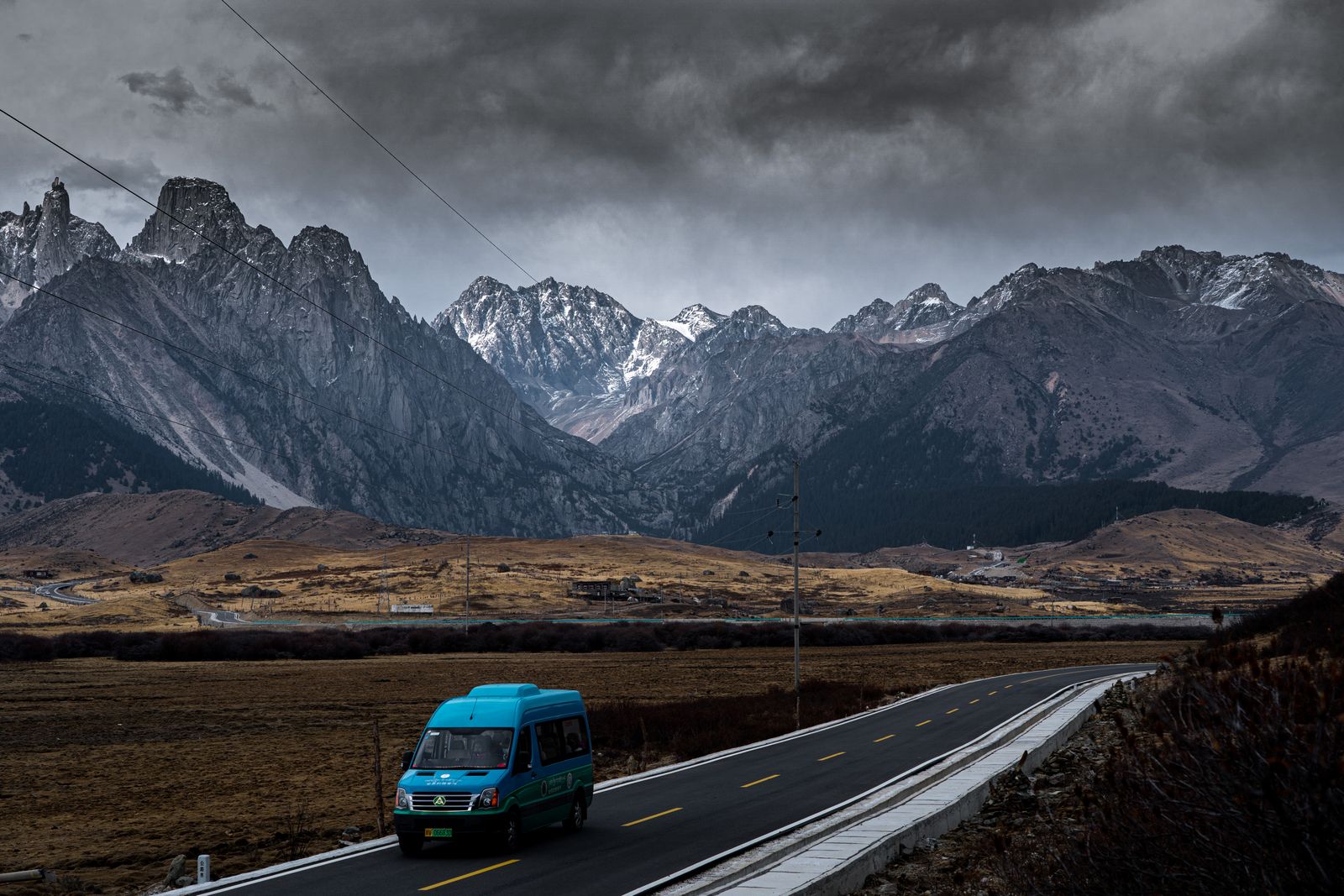
The Cajón del Maipo, the Tres Valles ski road and the Maipo wineries are all an hour or two out, and all three are sold to visitors per person by default. Ask instead for the price of the whole vehicle for the day and divide it by your headcount. At four to six: a private van typically lands near the per-seat tour price, and you leave when you want. At eight or more: it is usually well under it, and you stop being at the mercy of a pick-up schedule that collects five other hotels first.
One warning specific to the wine day: whoever drives does not drink, and Chile enforces that hard. If the point of the day is the tasting, the driver is a line item, not a volunteer.
The mountain to Mendoza gets a vote
If the plan is two countries, read this before anyone books anything non-refundable.
Groups love the Santiago-to-Mendoza overland leg, and in summer it deserves the love. Outside summer it is a genuine risk. Paso Los Libertadores closed on 14 July 2026 and did not reopen until 18 August — the longest winter closure on record for the crossing, four metres of snow over eighty kilometres, the worst since 2008 — and when it reopened it was for freight only, 08:00 to 20:00, with cars and passenger buses still excluded.
Nobody can tell you when that fully normalises, so don't let anybody in the group plan as though it has. Between May and September: check the pass the week you travel, buy changeable tickets, and if both cities are fixed points, fly — it is under two hours, and for eight people the cost of one stranded night is more than the fare difference.
Where we would book
One question to the hotel, one call to the salón de té, and whole-vehicle quotes for everything else.
Ask every hotel you shortlist one question in writing: do you apply the IVA exemption for non-residents paying in foreign currency? The answer is a 19% swing no comparison site displays, and it can flip the hotel-versus-apartment maths for a group. Book Boragó months ahead if it is happening at all, and Bocanáriz a few days ahead for a table of six or more. Ring the salón de té the same afternoon rather than the same week. For the canyon, the wineries and the ski road, get whole-vehicle quotes from two or three operators and divide them yourselves. And on the pass, buy the changeable fare.
Related guides
- Your Santiago Travel Guide — the basin, the metro, and the 19% you don't owe.
- The Santiago Food Guide — the lunch menu, La Vega, and what to drink.
- Things to Do in Santiago — the hill, the coast, the reservoir and the snow.
- The Santiago Culture Guide — 1973, 2019, and a square with two names.
- Mendoza Group Trip Guide — the other side of the pass, priced for a group.