Start with the museum that the state built about itself
It is free, it is enormous, and it is not a difficult place to be.
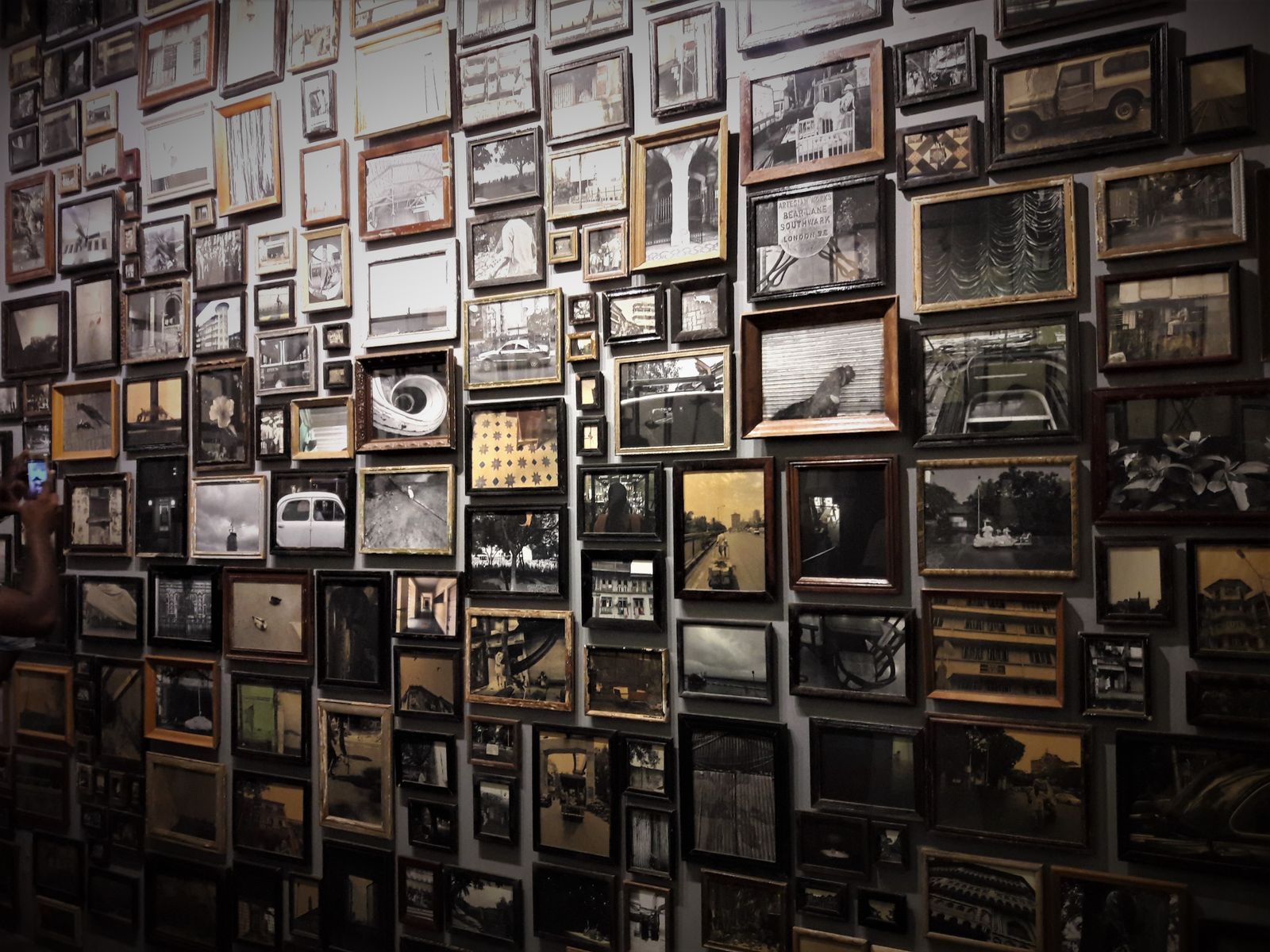
On 11 September 1973 the Chilean armed forces overthrew the elected government of Salvador Allende, and the seventeen years that followed produced a machinery of detention, torture and disappearance that the country is still living with. The Museo de la Memoria y los Derechos Humanos at Matucana 501 is where Chile keeps the record of it: testimony, documents, the letters, the photographs of the disappeared. It is free and open Tuesday to Sunday, 10:00 to 18:00, and it is a state museum — the country built this about itself, deliberately, and put no ticket price on the door.
Go in the morning on a weekday when it is quiet. Give it two hours. It is heavy but it is not gratuitous; the design is careful with you, and there is a great deal of light in the building.
Then the two places where it actually happened
One is a house in the middle of town. One is a park in the foothills.
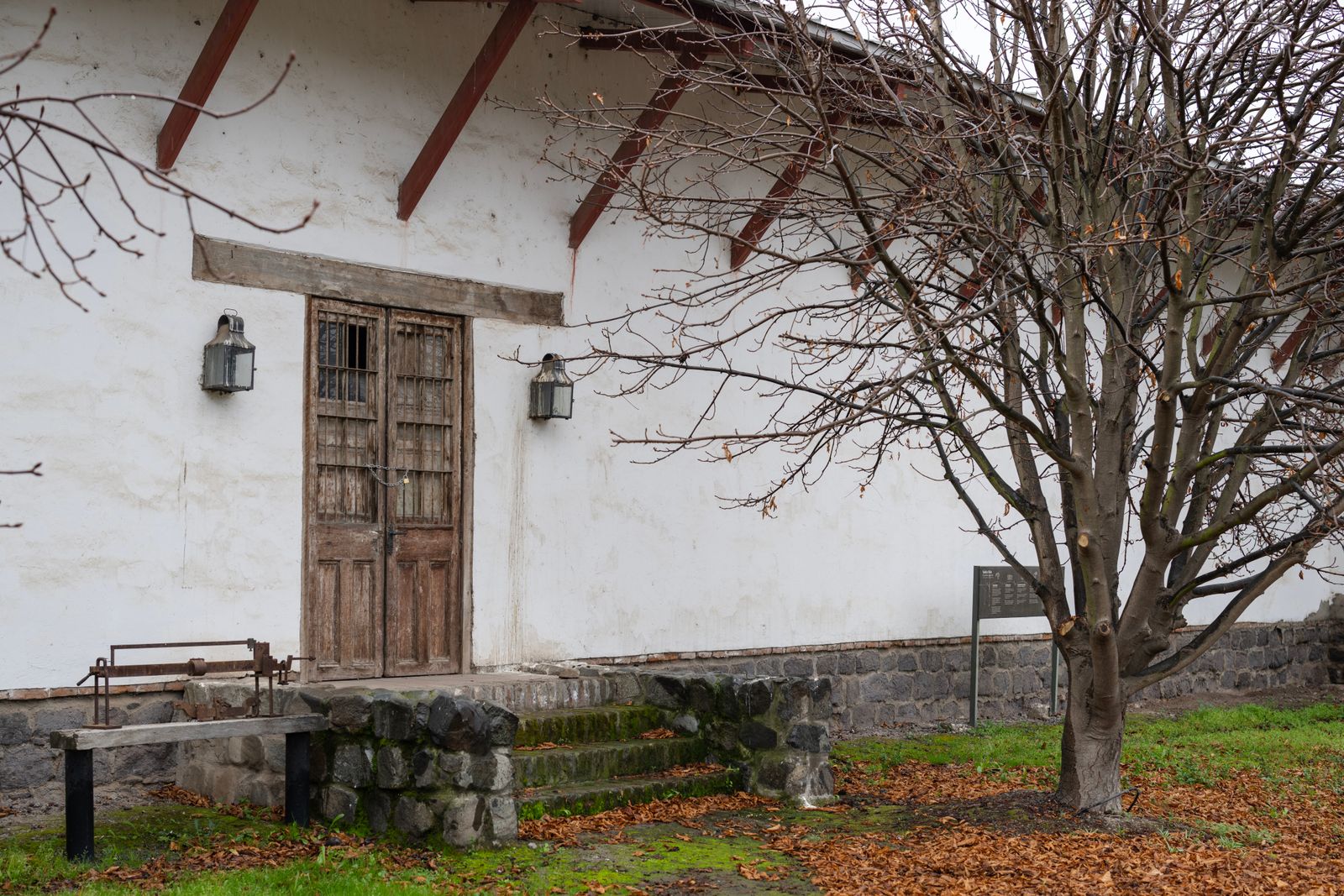
Londres 38 is a narrow townhouse on a cobbled street two blocks from the Alameda, in one of the prettiest corners of central Santiago. Between 1973 and 1975 it was a secret detention and torture centre run by the DINA; roughly two thousand people were held there and 98 were executed or disappeared. It has been a memorial since 2005. Standing in the doorway and looking up the street at the cafés is the whole point of it.
Villa Grimaldi, out in Peñalolén in the foothills, was the principal detention and torture centre in the city. The buildings were demolished before the site could be preserved, so what exists now is Parque por la Paz — a memorial park built over the footprint, with the plan of the place marked in the ground and a wall of names. It is contemplative rather than documentary, and it is designed largely for Chileans and for families of the people who were held there. Visitors are welcome; behave accordingly.
Estadio Nacional
In the weeks after the coup the national stadium was used as a mass detention centre; thousands of people were held on the terraces and in the dressing rooms. A section of the old wooden seating has been preserved untouched, in the middle of a stadium that otherwise still hosts football. That juxtaposition — the preserved block sitting in a working stadium — says something no museum caption manages to. Access depends on the fixture calendar and on guided visits rather than a turnstile, so check before you go rather than turning up.
What all this means is an open argument, right now
These sites are not settled history here. They are live politics.
It would be easy to present the memory sites as a closed chapter that Chile has processed. That is not where the country is. José Antonio Kast won the presidential runoff on 14 December 2025 with about 58% of the vote to Jeannette Jara's 41.8%, carrying all sixteen regions, and took office on 11 March 2026, on a platform built on security and migration. His politics sit some distance from the consensus that produced these museums, and how the dictatorship is taught, funded and commemorated is argued about in Chilean media most weeks.
We are not going to tell you what to think about that, and it is not a foreigner's argument to referee. What matters for a visit is smaller and more concrete: the doors are open, entry is free, and the people who staff these places will talk to you if you ask a real question. Go, look, and understand that you are looking at something the country is still deciding how to hold.
The square with two names
You will cross it on the metro. Here is what you are crossing.
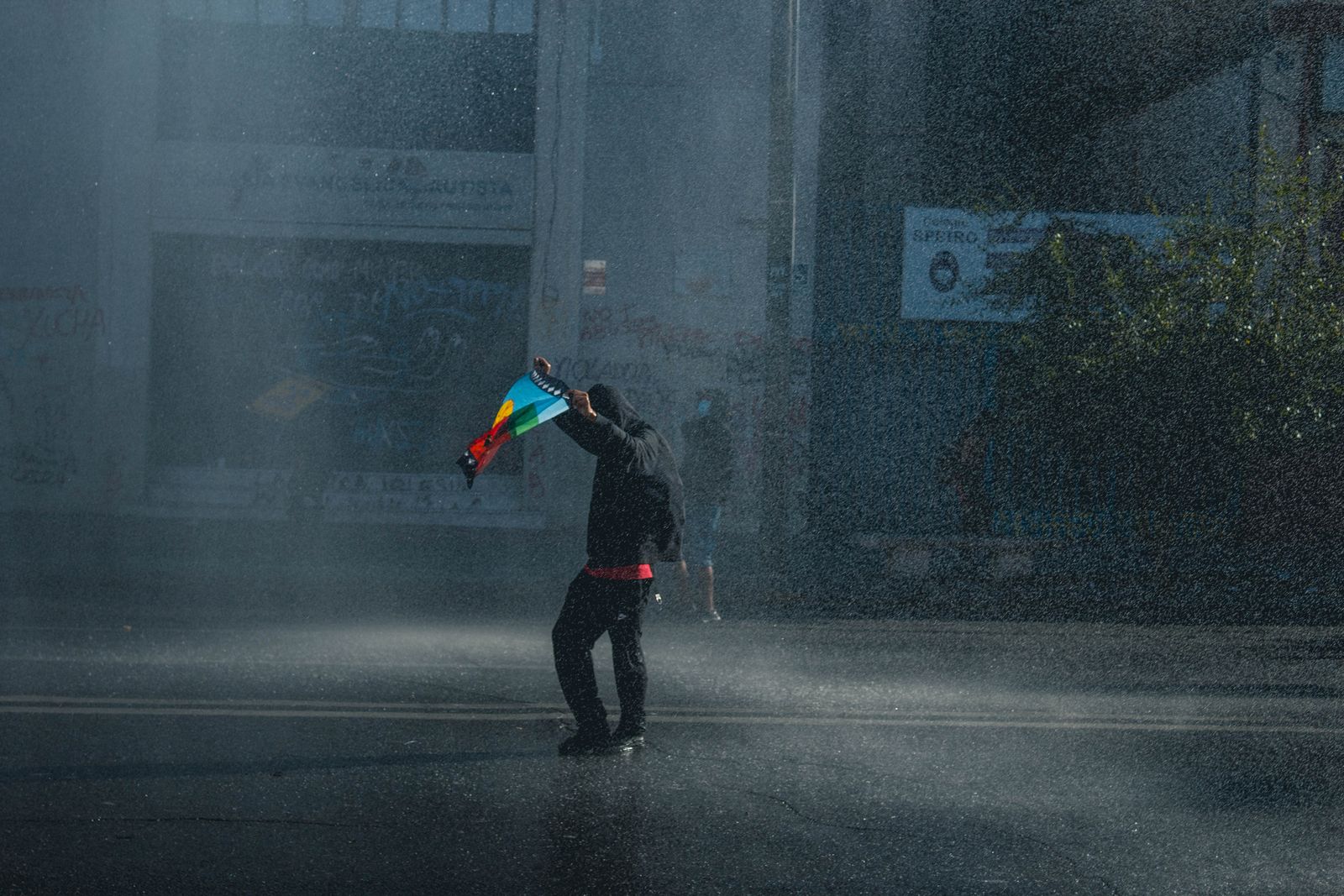
In October 2019 a rise in the metro fare set off a wave of protest that turned into the largest mobilisation in Chile since the return to democracy — the estallido social. It began with school students jumping turnstiles and became more than a million people in the streets, about a great deal more than transport.
Its centre was Plaza Baquedano, which the crowds renamed Plaza Dignidad. What followed was a formal attempt to replace the constitution written under the dictatorship in 1980: a plebiscite in 2020 approved a rewrite by something like 78%; the resulting draft was rejected in September 2022 by 62% to 38%; a second, very different draft was rejected in December 2023 by 56% to 44%. Four years, two conventions, two referendums, and Chile kept the 1980 constitution.
Ask a Chilean what the square is called. The answer tells you more about the country than anything on a plaque.— On Plaza Baquedano
The equestrian statue that stood at the centre was removed for restoration in 2021 and the plinth has stayed empty. Both names are in daily use, in the newspapers and on people's lips, depending entirely on who is speaking. It is a metro interchange you will pass through repeatedly without noticing. Notice it once.
One building held all of it in turn
Showpiece, then junta headquarters, then a fire, then a free public building.
Walk east along the Alameda from Plaza Baquedano and you pass a long rust-coloured complex that most visitors read as ordinary modern architecture. It is the most compressed version of the last fifty years of Chilean history standing anywhere in the country.
It went up in 275 days in 1972, built by thousands of volunteers, to host the third UN Conference on Trade and Development — the Allende government's showpiece, finished at speed to prove a point about what Chile could do. After the coup it was renamed the Edificio Diego Portales and taken over by the military; from 1981 it housed the legislative power, which is to say the Junta itself, closed to the public and under guard for the better part of two decades. On 5 March 2006 a fire tore through the east wing and destroyed something like 40% of it. What was rebuilt out of the wreckage opened in September 2010 as the Centro Cultural Gabriela Mistral, named after the first Latin American to win the Nobel Prize in Literature.
Today it is GAM: open plazas anyone can walk through, theatre and dance, a bookshop, students on the steps, free exhibitions in the ground-floor galleries. You do not need a ticket to go in and sit down. Do that for twenty minutes on your way to somewhere else — it is the one place in Santiago where you can stand inside all four chapters at once.
And the blue stone, which is the other Chilean story
A small, cheerful chapter to end on, and one worth actually buying.
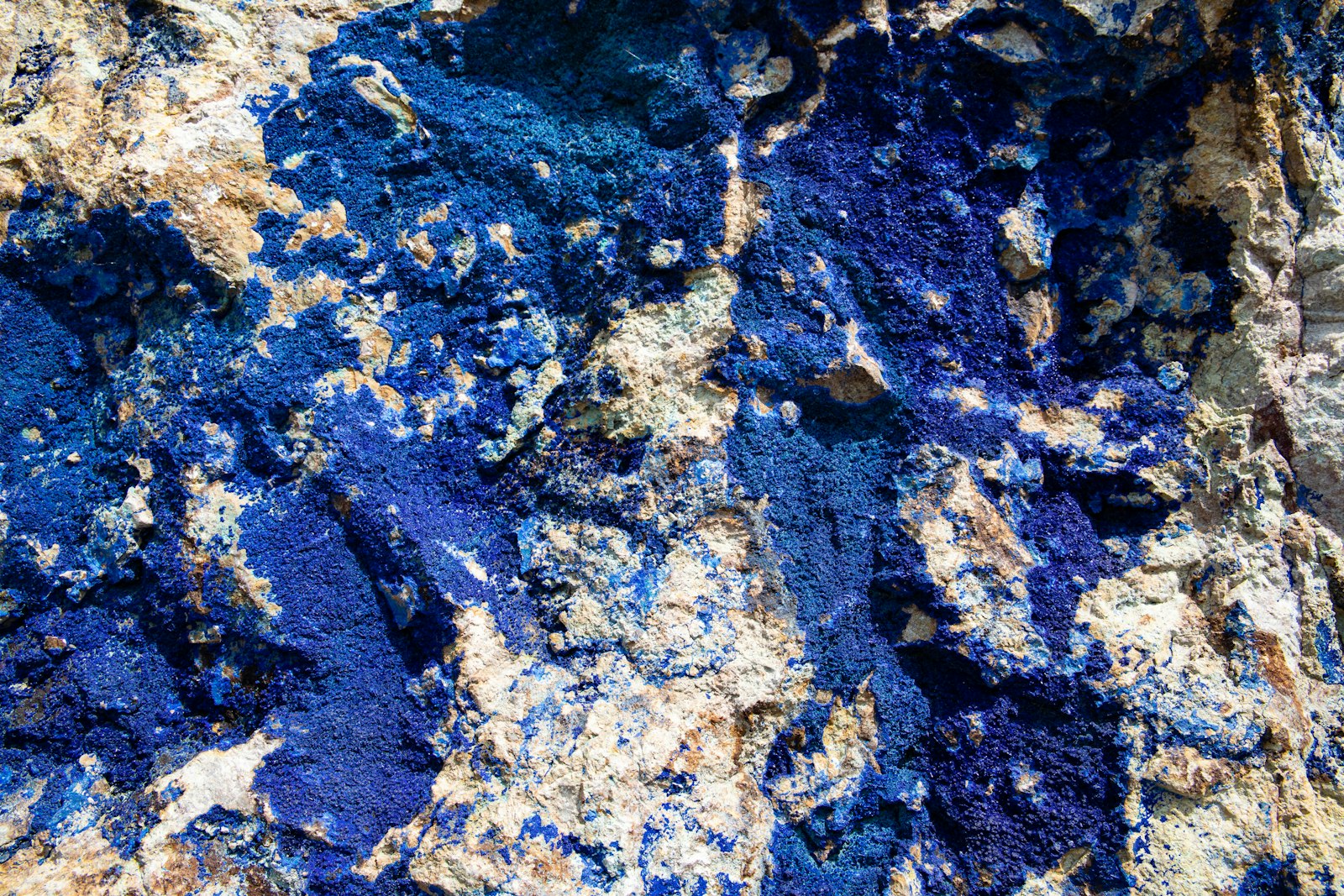
Chile named lapis lazuli its national stone on 20 September 1984, and it has a reasonable claim: there are only two significant deposits on earth, one in Afghanistan and the other at Flor de los Andes near Ovalle, up at 3,600 metres in the cordillera. The Diaguita and the Inca were taking stone out of those hills long before anyone called it a national anything.
The workshops are concentrated in Bellavista, on and around Pío Nono, and the good ones cut and set the stone on the premises — you can watch it happen through the doorway. Real lapis is a dense, slightly uneven ultramarine, usually flecked with gold pyrite and often with a little white calcite; the flawless, uniform, suspiciously bright pieces in the cheap trays are dyed jasper. Ask where the stone came from. A workshop that cuts its own will tell you without being asked twice, and a pendant from one of them runs 15,000 to 40,000 pesos (~US$16–44) — which for a group buying one each is the best-value thing anybody takes home.
Where we would book
Almost none of this needs booking. Two things do.
The Museo de la Memoria needs nothing — turn up, it is free. Londres 38 is free and keeps limited hours that shift; check its own site the week you go. Villa Grimaldi is free and much better with one of its guided visits, which are worth arranging in advance through the site rather than hoping on the day, and are the only way you will understand what the marks on the ground are. The Estadio Nacional memorial depends on guided access and the football calendar — check before travelling across the city for it. For lapis, buy in a Bellavista workshop that cuts on site rather than at a stall near a hotel, and pay by card so you have a record if the stone turns out to be dyed.
Related guides
- Your Santiago Travel Guide — the basin, the metro, and the 19% you don't owe.
- The Santiago Food Guide — the lunch menu, La Vega, and what to drink.
- Things to Do in Santiago — the hill, the coast, the reservoir and the snow.
- Santiago Group Trip Guide — once, the 19%, and eight people at one table.
- The Mendoza Culture Guide — the other side of the range, and a different argument.