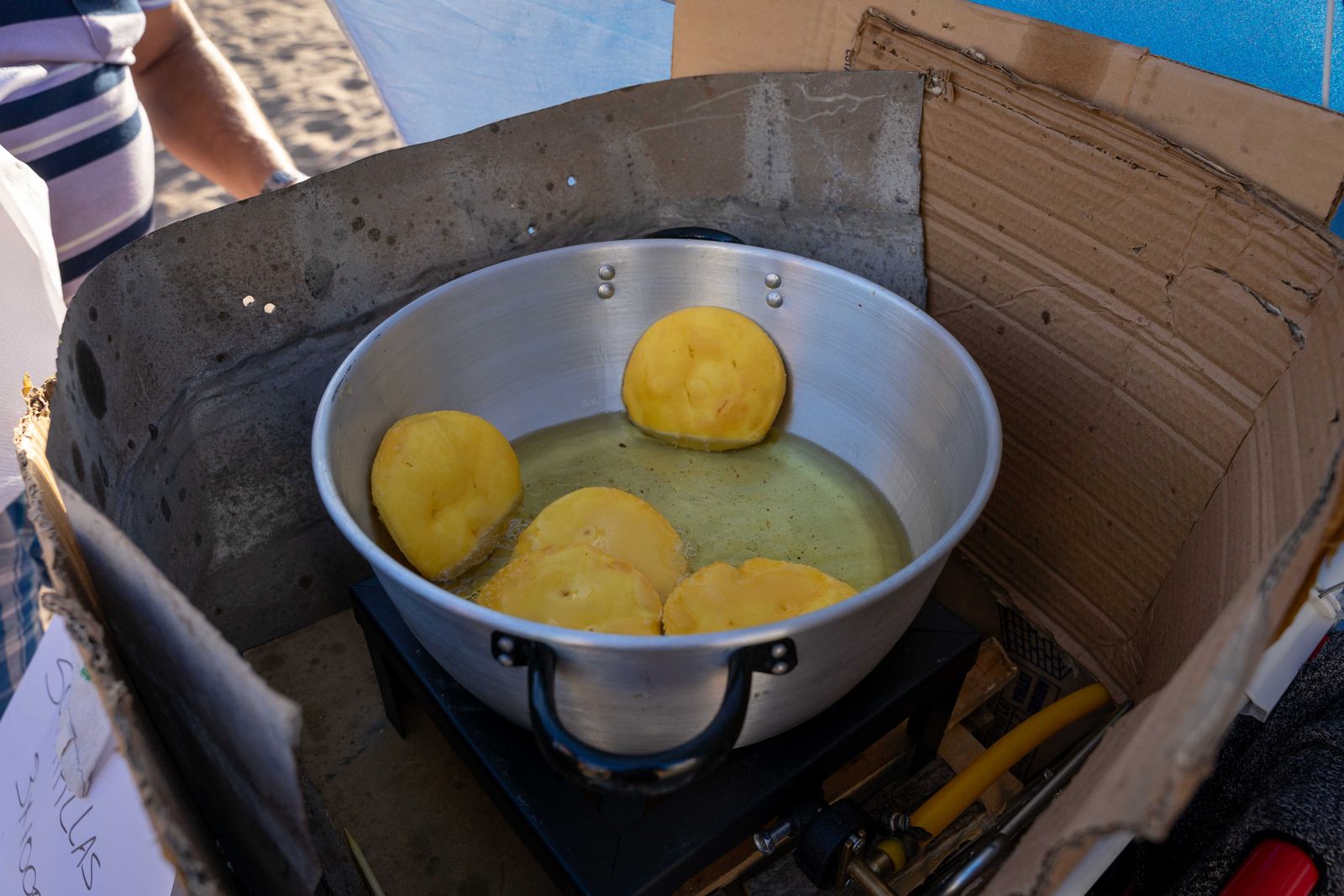
Eat at one and at eight, not at nine
The single most useful thing to know about eating in Chile is what time it happens.
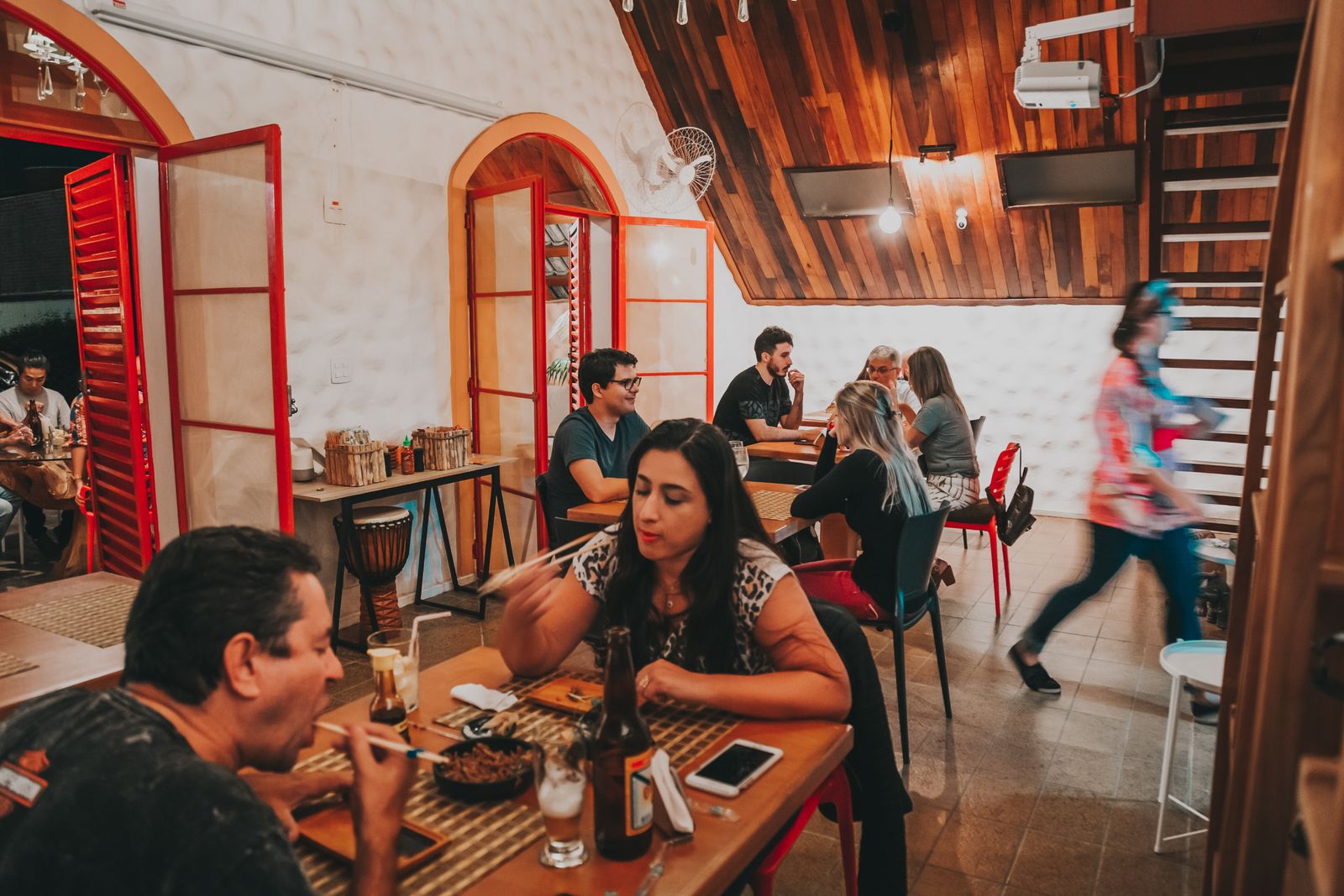
Chilean days have two eating events that matter and dinner is not reliably either of them. Lunch, around one, is the big one — and the menú del día is the mechanism: a fixed-price set lunch, starter and main and drink and dessert, US$6 to US$11, served by the same kitchens that charge properly at night. It is not a budget menu for people who cannot afford the real one. It is what the country eats.
Then comes once, somewhere between seven and ten. Bread, cheese, palta, ham, pâté, something sweet, tea. In a lot of households it replaces dinner entirely, and it is the meal people actually sit down together for. There are salones de té across the city that serve a full once, and Barrio Italia is thick with them.
Get those two right and you will eat better in Santiago than most people who spend twice as much, because the money that would have gone on four mediocre nine o'clock dinners buys one very good one instead.
La Vega feeds the city. Mercado Central feeds the tour buses
Both are markets. Only one of them is still a market.
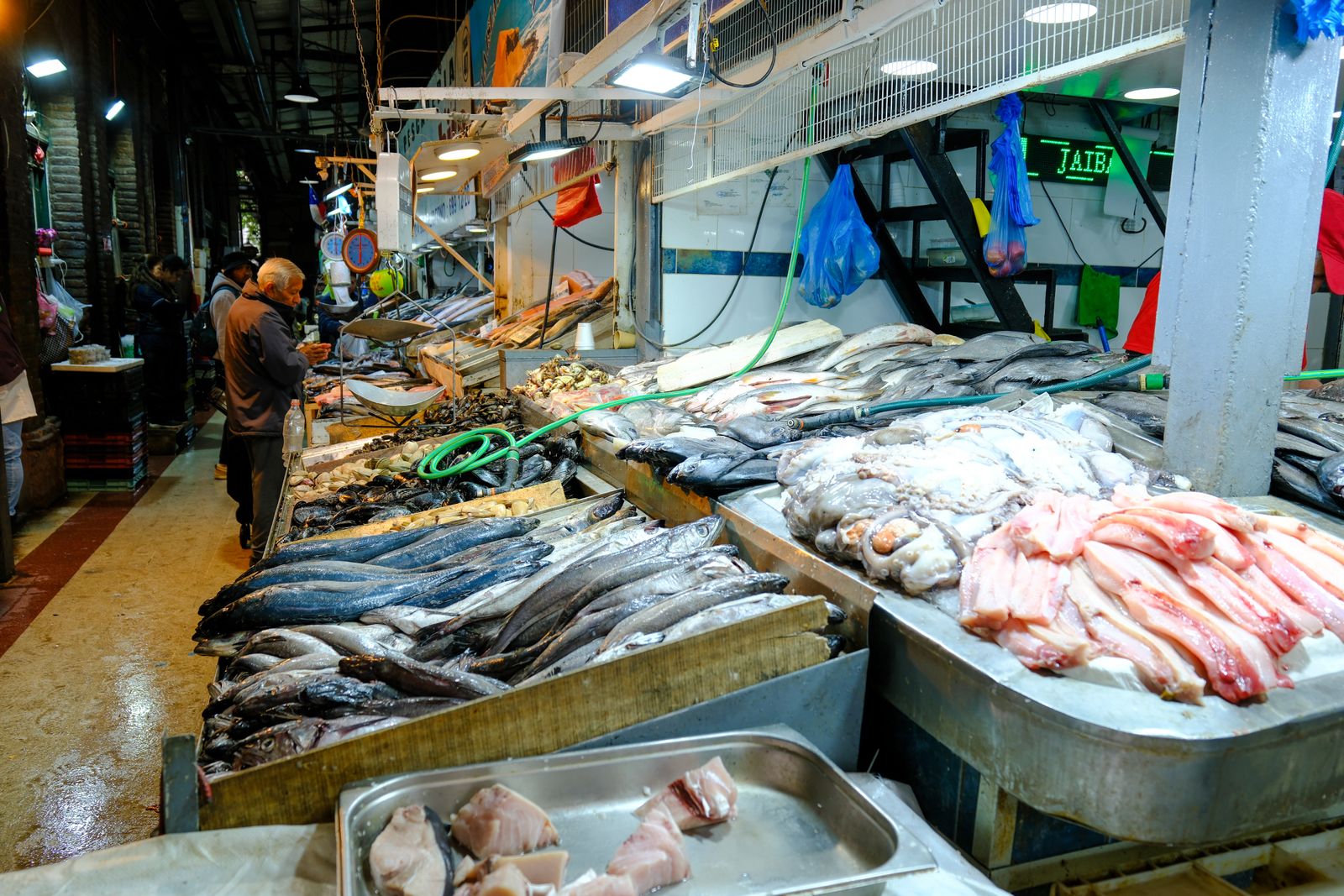
Mercado Central is the famous one — the wrought-iron hall, the fish, the photographs. It is genuinely handsome and the seafood is genuinely fresh, and it is also, at this point, a room full of restaurants that exist to sell lunch to people who came to see the room. Prices are tourist prices, the hustle at the door is real, and plenty of visitors report it as the one place in Santiago that felt uncomfortable. Go for twenty minutes and look at the building. Do not plan your lunch around it.
Cross the river to La Vega Central instead. Ground floor is the working market. The second floor is where you eat: cocinerías in rows, stools rather than chairs, and the food that Chilean home cooking actually consists of — cazuela, a clear broth with a piece of meat and a wedge of pumpkin and a whole corn cob in it; pastel de choclo, the sweet-corn-and-beef bake; fried fish and rice; porotos granados in season. Two of you eat properly for what one plate costs at Mercado Central.
The sandwich is the national art form and it is not a joke
Chile put more thought into a sandwich than most countries put into a cuisine.
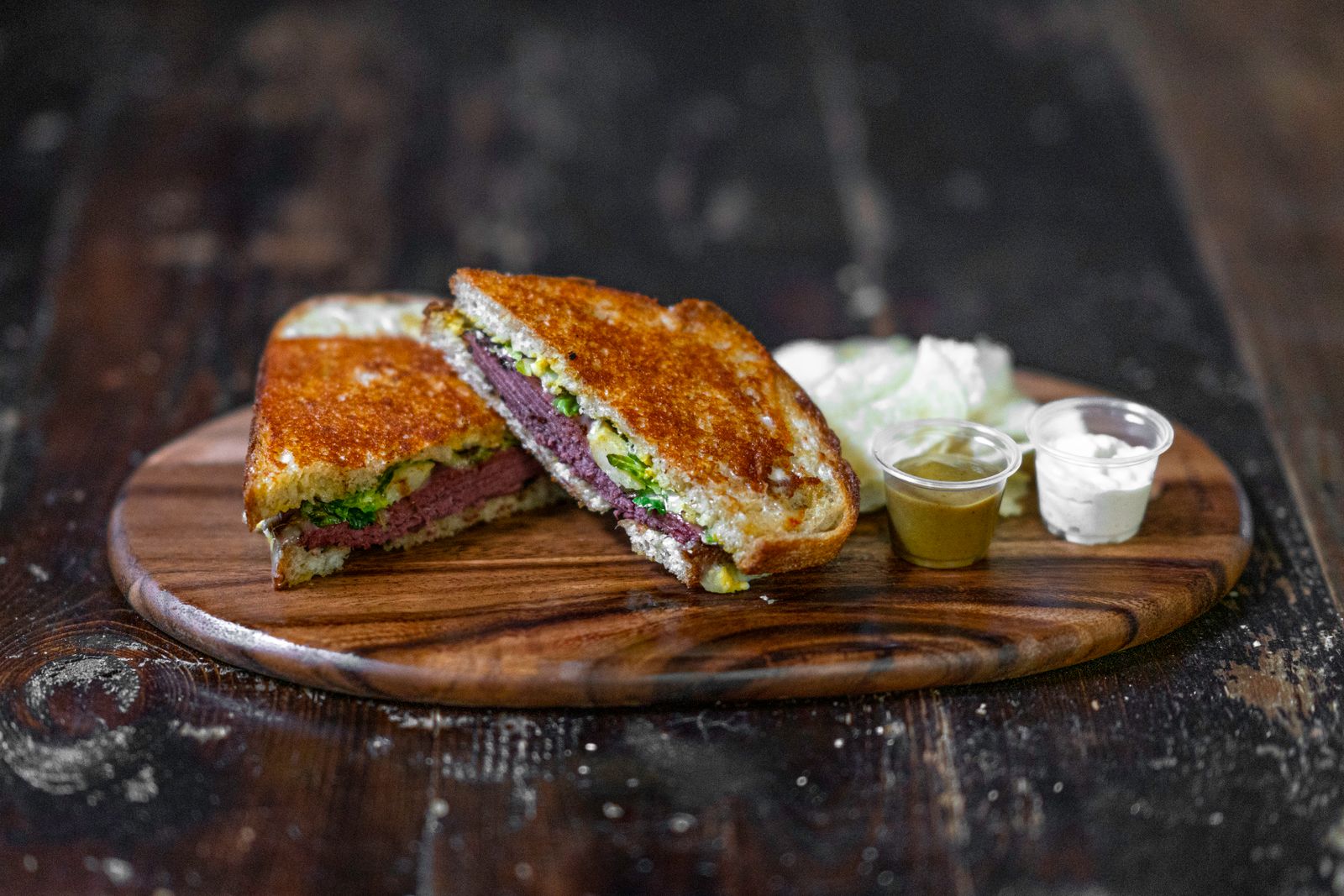
Start with the chacarero: thin-sliced steak, tomato, green chilli and — this is the part nobody believes until it arrives — a fistful of cold green beans, on a round roll. It works. Time put it on a list of the thirteen best sandwiches on earth in 2014 and that was not generous. Then the Barros Luco, steak and melted cheese, named after a president who ordered it so often the kitchen gave up and named it; and the Barros Jarpa, the same idea with ham. And the completo italiano, a hot dog buried under tomato, palta and mayonnaise, green and white and red like the Italian flag, which is the only reason it is called that.
- Fuente Alemana — the chacarero, at a horseshoe counter, made by people working at speed. Go at an odd hour or queue.
- Confitería Torres — open since 1879, the Barros Luco in its original setting, dark wood and waiters in waistcoats.
- Dominó — the workaday chain Santiago actually eats at, good for a completo when you need one at four in the afternoon.
A sandwich and a drink lands at 7,000 to 10,000 pesos (~US$8–11) a head. Four of you eat lunch for under US$45, standing at a counter that has been doing this since before your parents were born.
What to drink, and the grape that came back from the dead
Chile has the best wine story in the world and hardly ever tells it.
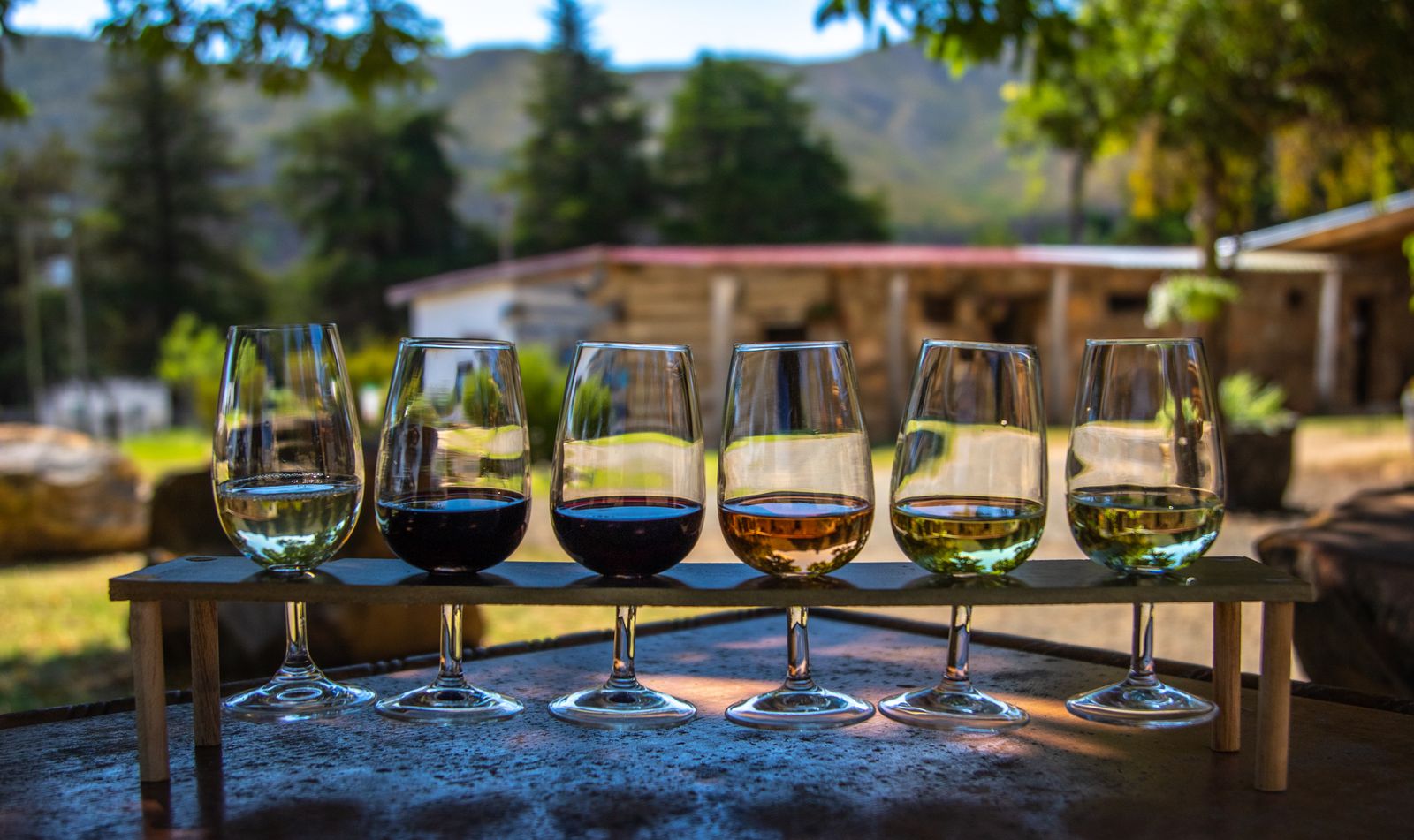
Carmenère was one of the great Bordeaux grapes until phylloxera went through Europe in the 1860s and it was written off as extinct. It wasn't. It had been shipped to Chile before the blight, planted alongside Merlot, and quietly mislabelled as Merlot for well over a century — until 1994, when it was identified for what it was. Chile spent a hundred years growing a grape the rest of the world had held a funeral for.
Bocanáriz
In Lastarria, and the clearest way to taste your way across the country in one sitting: roughly 400 Chilean wines, a list Wine Spectator singled out three years running, and flights built by valley and by grape so you can put a Maipo carmenère next to a Casablanca sauvignon blanc and understand what the cold coastal air does. Staff will steer you properly if you tell them what you actually like rather than what sounds impressive. Book a table — it is small and it fills.
For pisco, Chipe Libre a few doors away calls itself the Independent Republic of Pisco and takes the Chile-versus-Peru argument seriously enough to pour both. And for the drink everyone asks about: the terremoto — pipeño wine, grenadine, a scoop of pineapple ice cream — was invented at La Piojera in 1985, and La Piojera is still where you should drink one. It is loud, sticky and largely full of visitors these days, and it is still worth an hour. One is a laugh. Two is a decision you will revisit.
The expensive end, and who it's actually for
Santiago has a world-ranked restaurant. Here's the honest case for and against.
Boragó sat at number 23 on the World's 50 Best list in 2025 and number 6 in Latin America. The Endémica menu runs twelve to eighteen courses built from more than two hundred small producers, foragers and fishermen up and down Chile — seaweed, wild herbs, things that have no Spanish name, let alone an English one. It is not a greatest-hits tour of Chilean food; it is an argument about what Chilean food could be.
It also costs, per person, roughly what a group of four spends on food across three ordinary days here. That is the trade, stated plainly. If one long meal is the thing your group will still be talking about next year, book it months out and go. If not, Ambrosía — family-run, a Latin America's 50 Best regular, with a bistro room that is far less formal than the main one — gets you most of the way for a fraction, and Demencia, where Benjamín Nast cooks after a stint at Barcelona's Dos Palillos, is the most fun room in the city and built for sharing plates across a table.
The 10% that is already on the bill
You will be asked out loud. Here is what you are being asked.
The tip is voluntary, the question is not, and the whole table hears your answer.— On the propina sugerida
Chilean bills arrive with a 10% propina sugerida already calculated on them, and when you pay by card the server asks whether to include it before running the transaction. It is genuinely voluntary in law and genuinely expected in practice, because waiters are paid on the assumption that it lands. Say yes. Nothing further is required on top, and nobody tips in cafés, bars, or taxis beyond rounding up the fare.
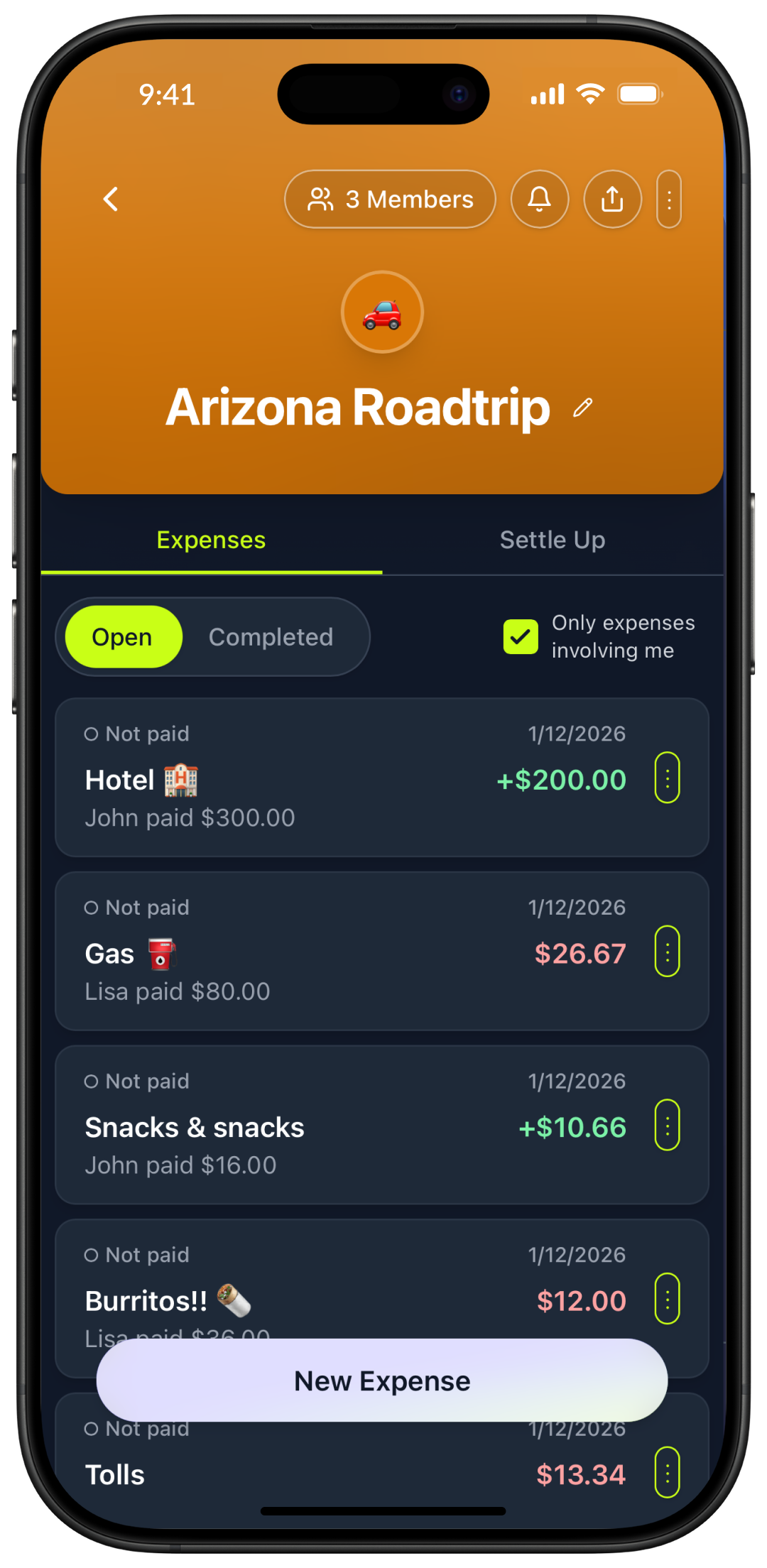
One thing to know before a big table: many restaurants will run the group as a single transaction, which means the 10% lands on the whole bill at once and somebody's card carries all of it. Decide who taps before the machine comes out, not after.
Where we would book
Book two rooms ahead of time. Walk into everything else.
Only two things here genuinely need booking in advance: Boragó, which takes reservations months out and does not have a walk-in answer, and a table at Bocanáriz, which is small enough that Friday will turn you away. Book both direct on their own sites — there is no reseller and no reason to use one. Ambrosía and Demencia are worth a few days' notice at the weekend. Everything else in this guide — La Vega, Fuente Alemana, Confitería Torres, Dominó, La Piojera — is a walk-in, and the only booking skill that matters is turning up at the right hour: one o'clock for the menú del día, eight for once.
Related guides
- Your Santiago Travel Guide — the basin, the metro, and the 19% you don't owe.
- Things to Do in Santiago — the hill, the coast, the reservoir and the snow.
- The Santiago Culture Guide — 1973, 2019, and a square with two names.
- Santiago Group Trip Guide — once, the 19%, and eight people at one table.
- The Mendoza Food Guide — the same grapes, the other side of the range.