What you're actually looking at
A city in a bowl, with the best view in South America switched on and off by the weather.
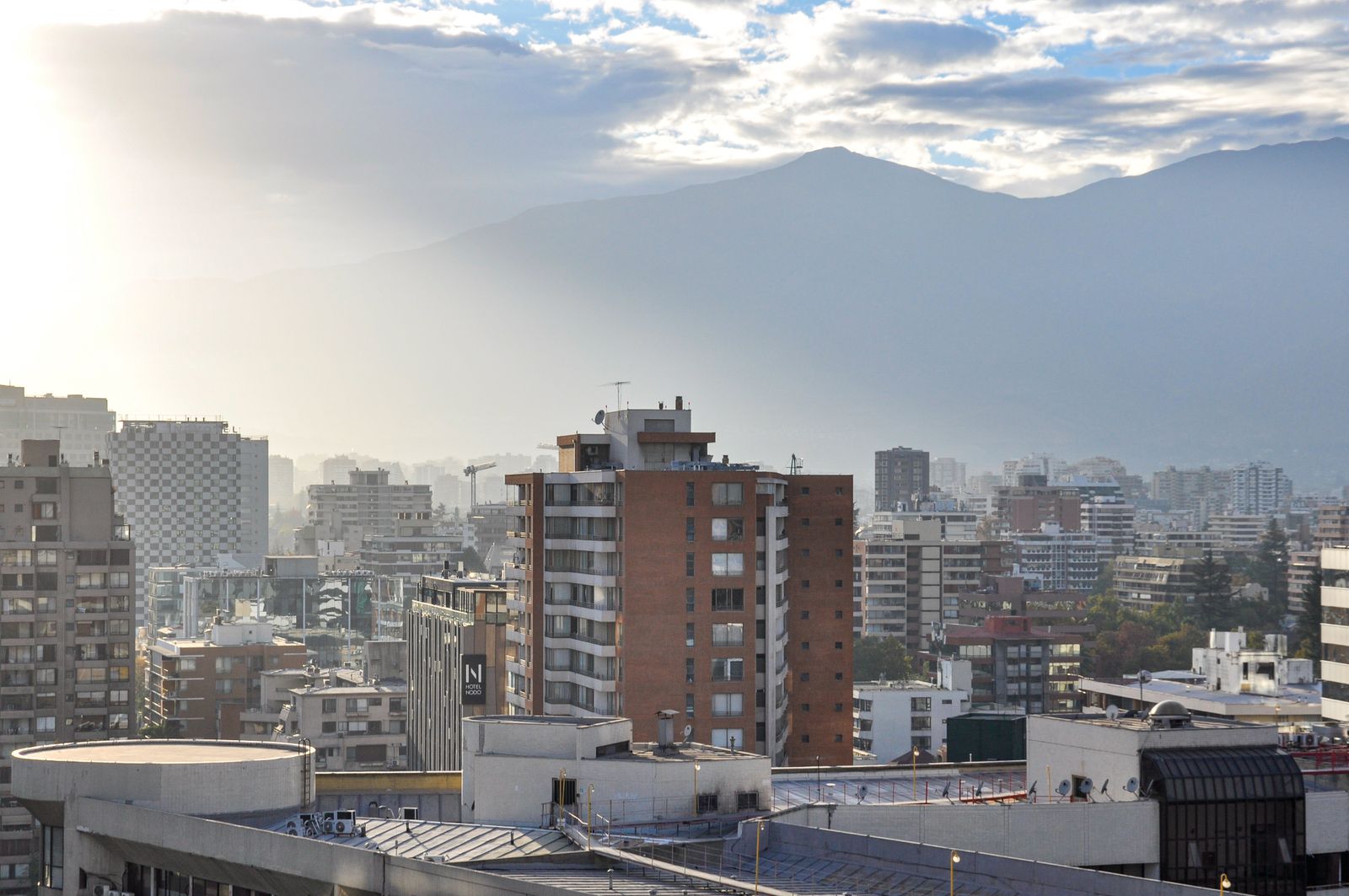
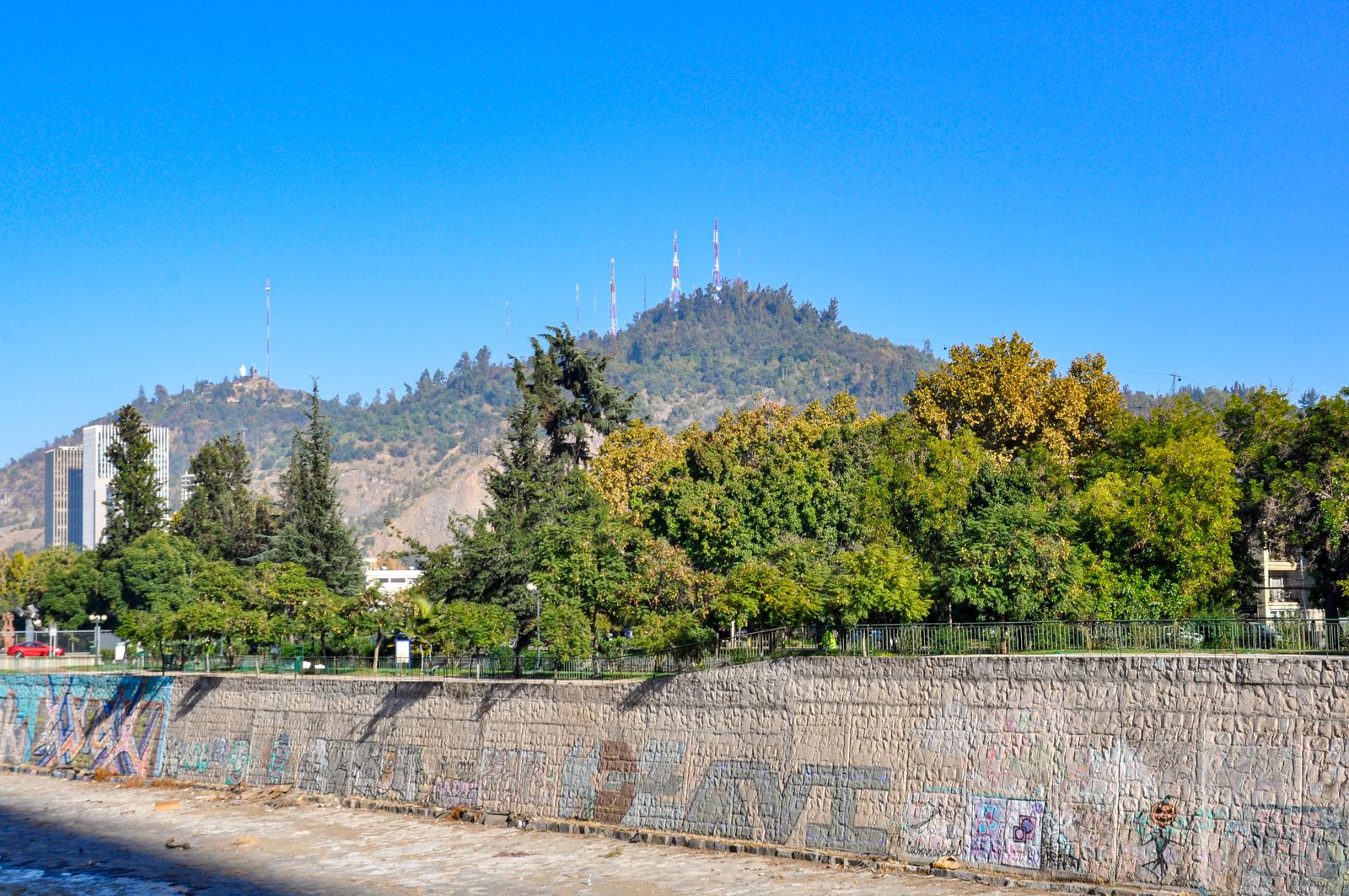
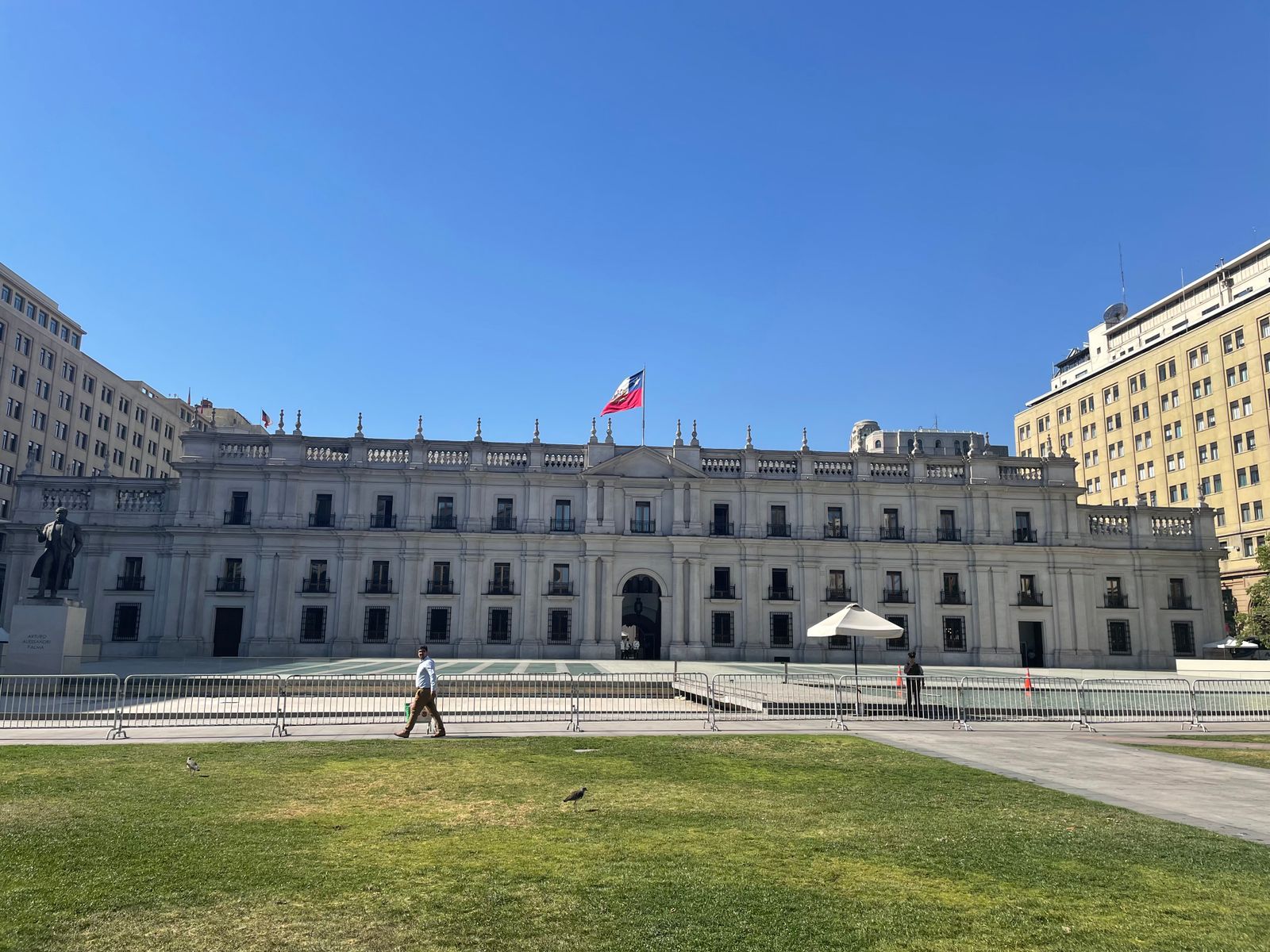
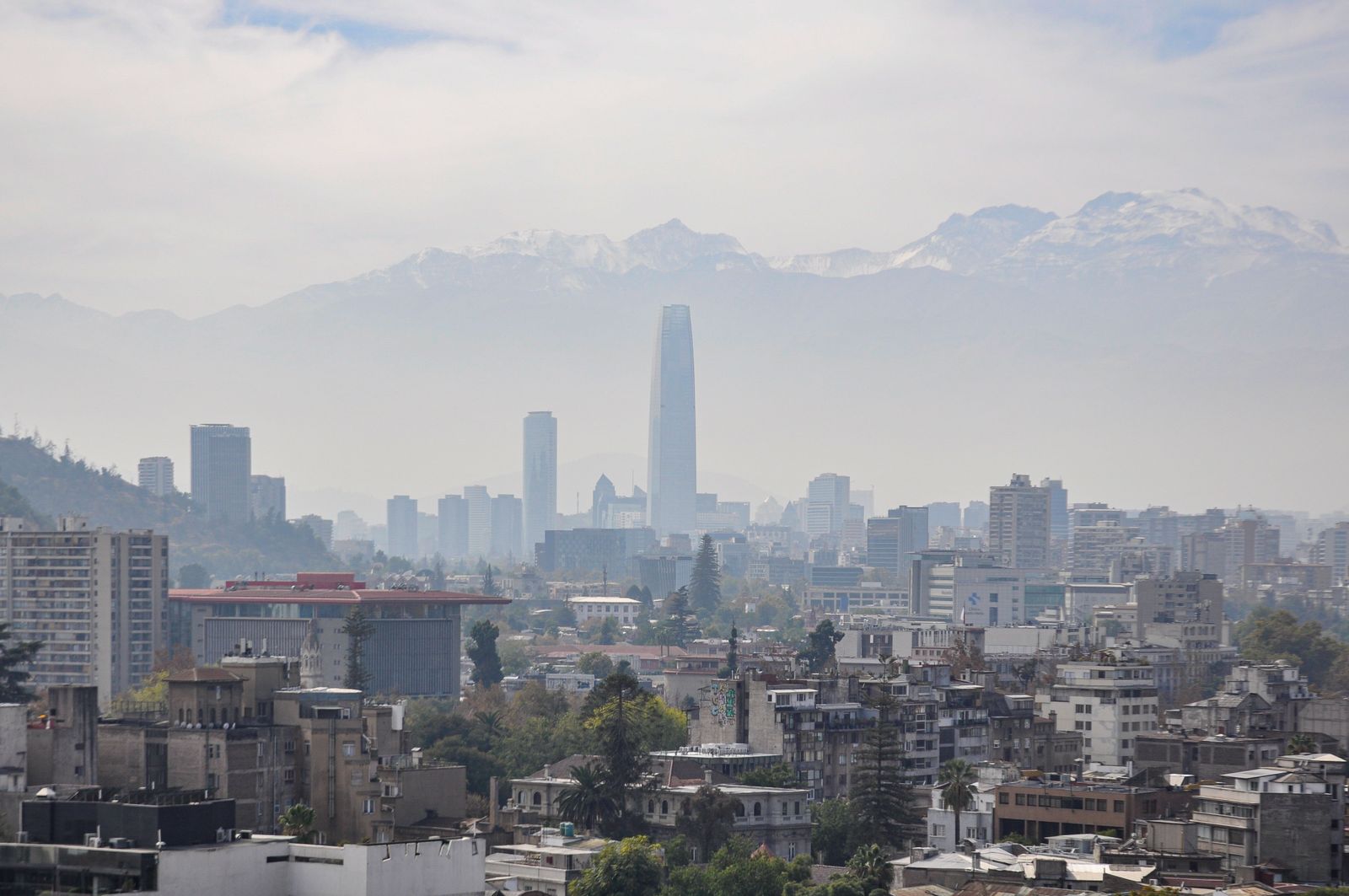
Santiago sits in a basin. The Andes close it on the east, the Cordillera de la Costa closes it on the west, and everything about the city — the air, the light, the price of a flat, the shape of the week — follows from being in a bowl. On a clear day the cordillera stands at the end of the avenues like a wall someone built on purpose, snow on it well into spring, forty kilometres away and looking like four. It is the reason people fall for this city in about ninety seconds.
And then in winter a thermal inversion lids the basin, the smog sits in it, and the mountains are simply not there. Not hazy. Gone. Every photo you have seen of Santiago — the glass towers with the white peaks behind them — is a spring or autumn photograph, and nobody selling you a June flight is going to mention that. It doesn't make winter a bad trip. It makes it a different one, and you should know which you booked.
The clock sets the price, not the place
The same kitchen charges two completely different prices depending on what time you walk in.
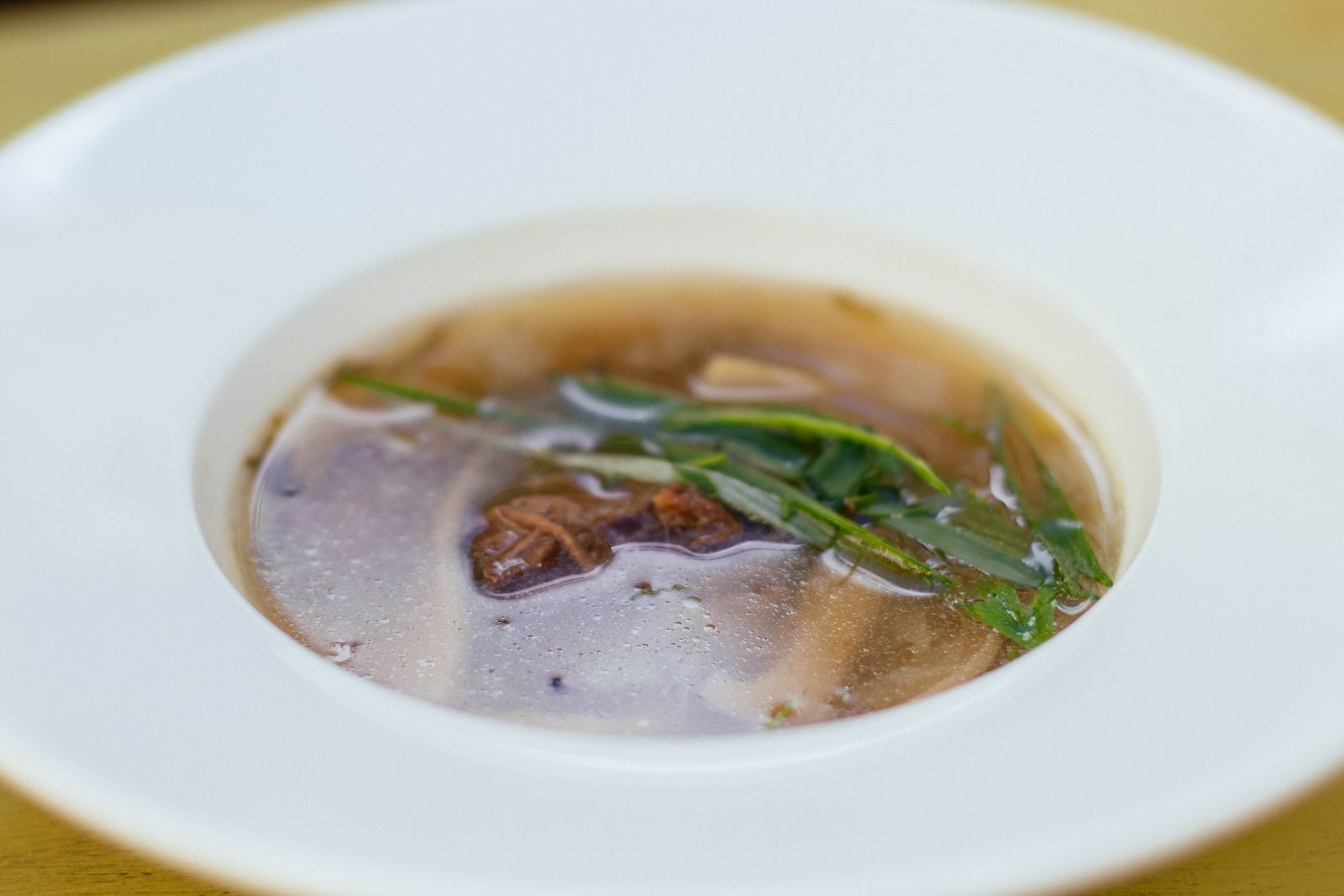
Chile eats its serious meal in the middle of the day. Almost every restaurant that is not chasing tourists runs a menú del día — sometimes called the menú ejecutivo — which is a fixed-price lunch of a starter, a main, a drink and a dessert for roughly US$6 to US$11. Not a lesser menu. The same kitchen, the same cooks, the same fish, served at one o'clock to people who work nearby.
Then at night there is once. The name comes from the British "elevenses" and the thing itself has no equivalent in Argentina or Spain: bread, cheese, palta, ham, pâté, cake, tea, laid out somewhere between seven and ten at night, and in a great many Chilean households it simply is dinner. Not a snack before dinner. Instead of it.
So the arithmetic that decides your week is this. A group that eats lunch at one and once at eight is eating the way the city eats, twice a day, for something like 15,000 pesos a head (~US$16) across both. A group that skips lunch and books a proper nine o'clock dinner every night is paying restaurant-dinner prices in the most expensive country in South America — call it 35,000 to 50,000 pesos a head (~US$38–55) before wine. Same city. Same food, often the same rooms. The difference is what time you showed up.
La Vega Central, second floor
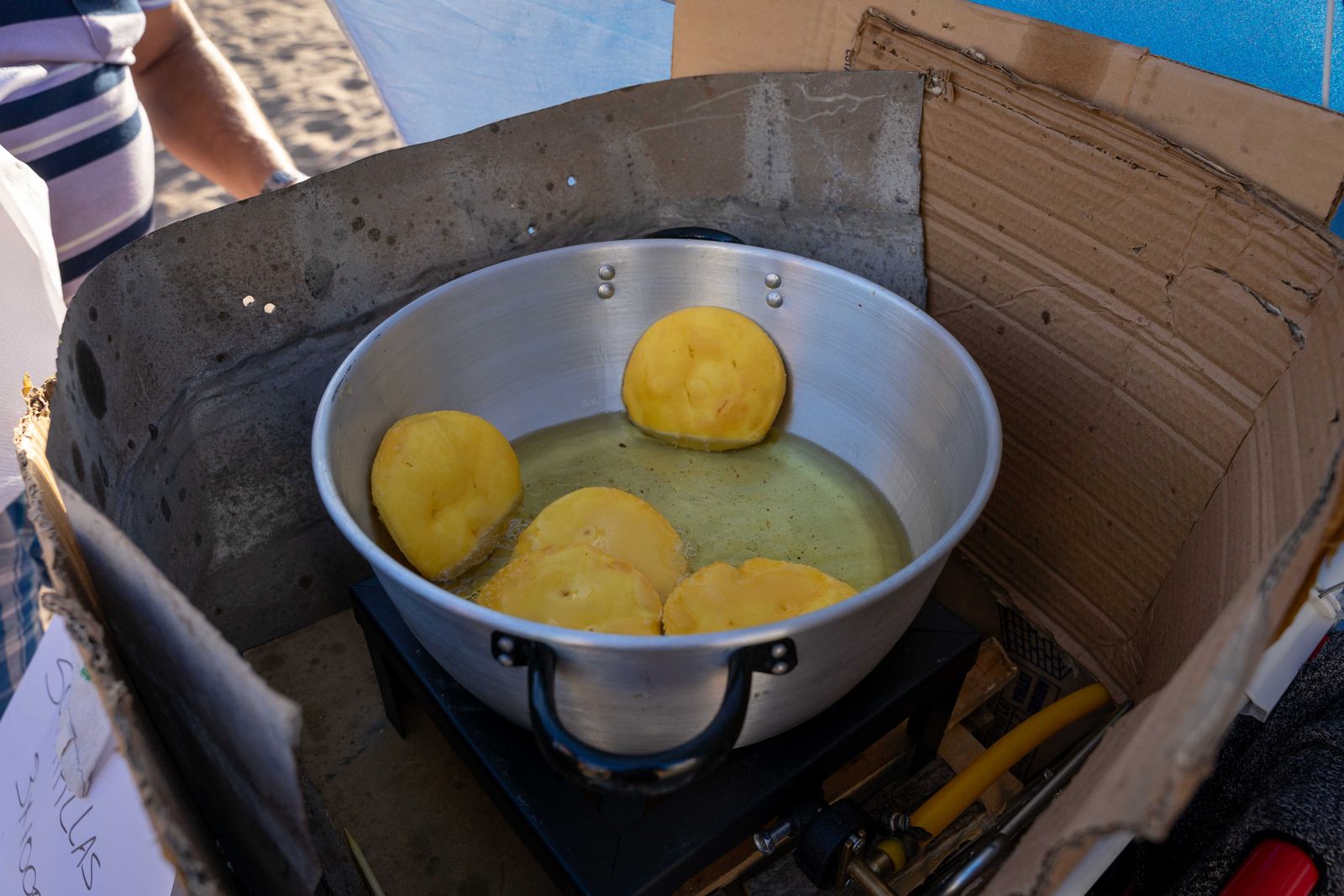
Ground floor is the market — every fruit, vegetable and dried thing in the country, stacked by people who have been doing it a long time. The second floor is the part nobody tells you about: rows of cocinerías, plastic stools, cazuela and pastel de choclo and fried fish going out fast to porters and stallholders on their own lunch break. It is not decorated and it does not want to be. Go at one, sit where there is a space, and eat for a fraction of what the same plate costs across the river. Wear the bag in front and keep the phone in a pocket — it is busy in the way busy markets are busy.
You can now tap your own card at the metro
A rule quietly changed in February 2026 and most of the internet hasn't caught up.
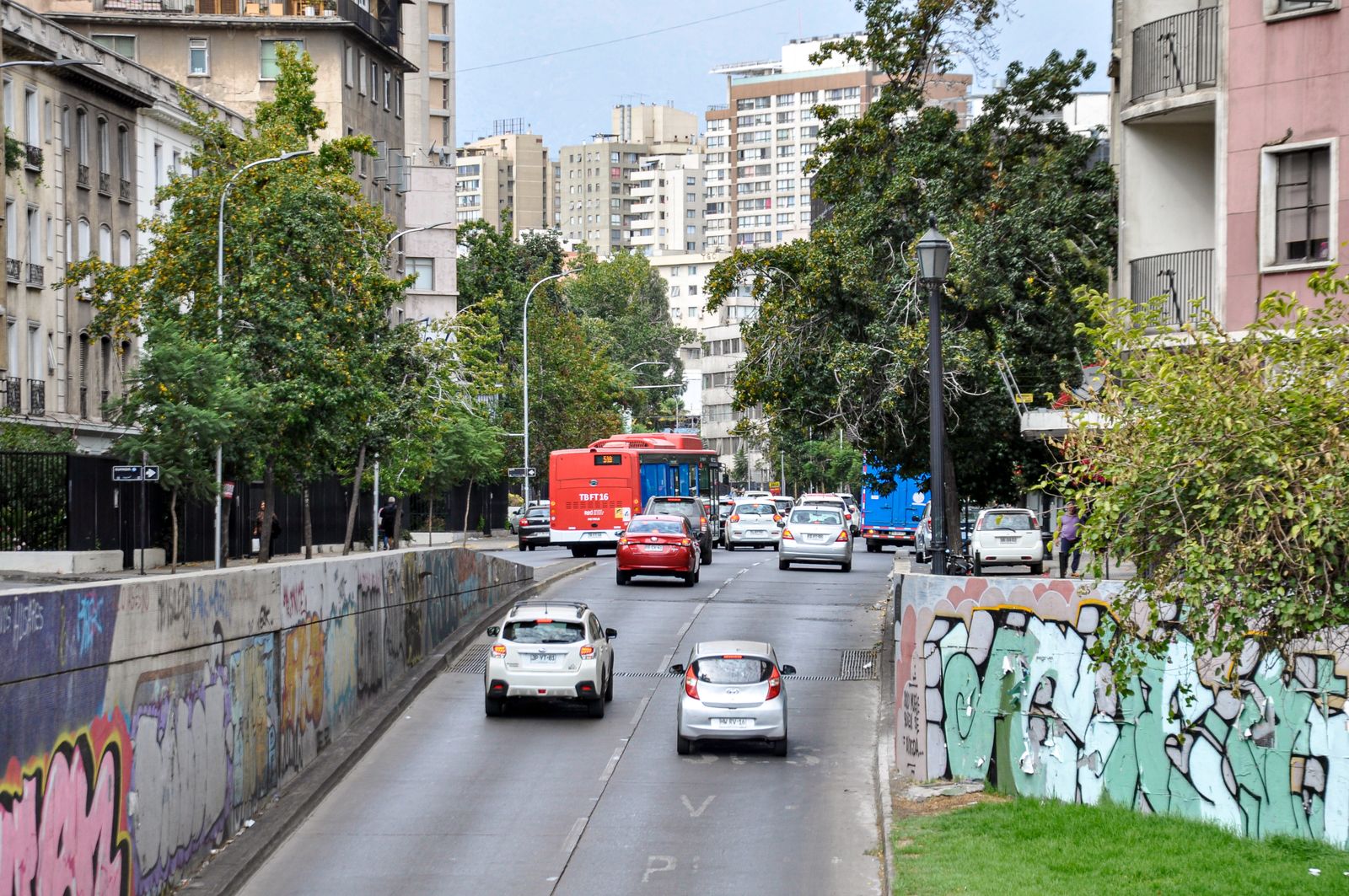
Santiago's metro is genuinely excellent — fast, clean, and the backbone of an integrated network with the buses and the Tren Nos. Since mid-February 2026 you can tap an international credit or debit card straight on the turnstile, no local card required. That is new, and almost every guide still opens with an instruction to queue for a bip! card first.
The catch is that it stops at the metro. Street buses still need the bip! card, so if your week involves buses at all, buy one and load it — top-ups run from $1,000 to $25,500. Fares are time-of-day: $710 if you start early or late, $735 off-peak, $895 at rush hour. One fare buys metro, bus and Tren Nos with up to two transfers inside 120 minutes, which is generous and worth planning around.
From the airport, the Centropuerto bus is $2,400 one way, $4,100 return, dropping at Pajaritos or Los Héroes where you pick up the metro; door to door it runs 45 to 60 minutes. An official taxi from the rank is $24,000 to $33,000 (about US$26–36) and takes 25 minutes when the road is behaving. For four people arriving together at midnight the taxi is the obvious call — that is roughly 7,000 pesos each, and worth it. For two people at noon it is not.
The 19% you probably don't owe
The largest discount available to a foreigner in Chile is a piece of paper you were handed at the airport.
Chile charges 19% IVA on nearly everything, and it is already inside the price you see. But non-residents do not owe it on hotel accommodation. To claim it you need three things at check-in: a foreign passport, the PDI tourist card immigration gave you on arrival, and payment in foreign currency — US dollars in cash, or an international card billed in dollars.
Two conditions people find out the hard way. It only works at hotels registered to offer it, which in practice means the larger ones — an apartment cannot give it to you at all. And if you cannot produce the tourist card at checkout, the hotel is entitled to charge the 19% back. It is a slip of paper that looks like nothing. Photograph it at the airport, then keep the original somewhere that is not your back pocket.
Run the numbers before you assume the apartment wins. Six nights in a registered hotel at US$140 a night is US$840, or US$680 with the exemption — and against an apartment at US$120 a night that pays full tax, the hotel has quietly become the cheaper room. That is the opposite of the usual advice, and it is only true here.
The mountain between here and Mendoza
Two wine capitals, 360 kilometres apart, one road, and the road gets a vote.
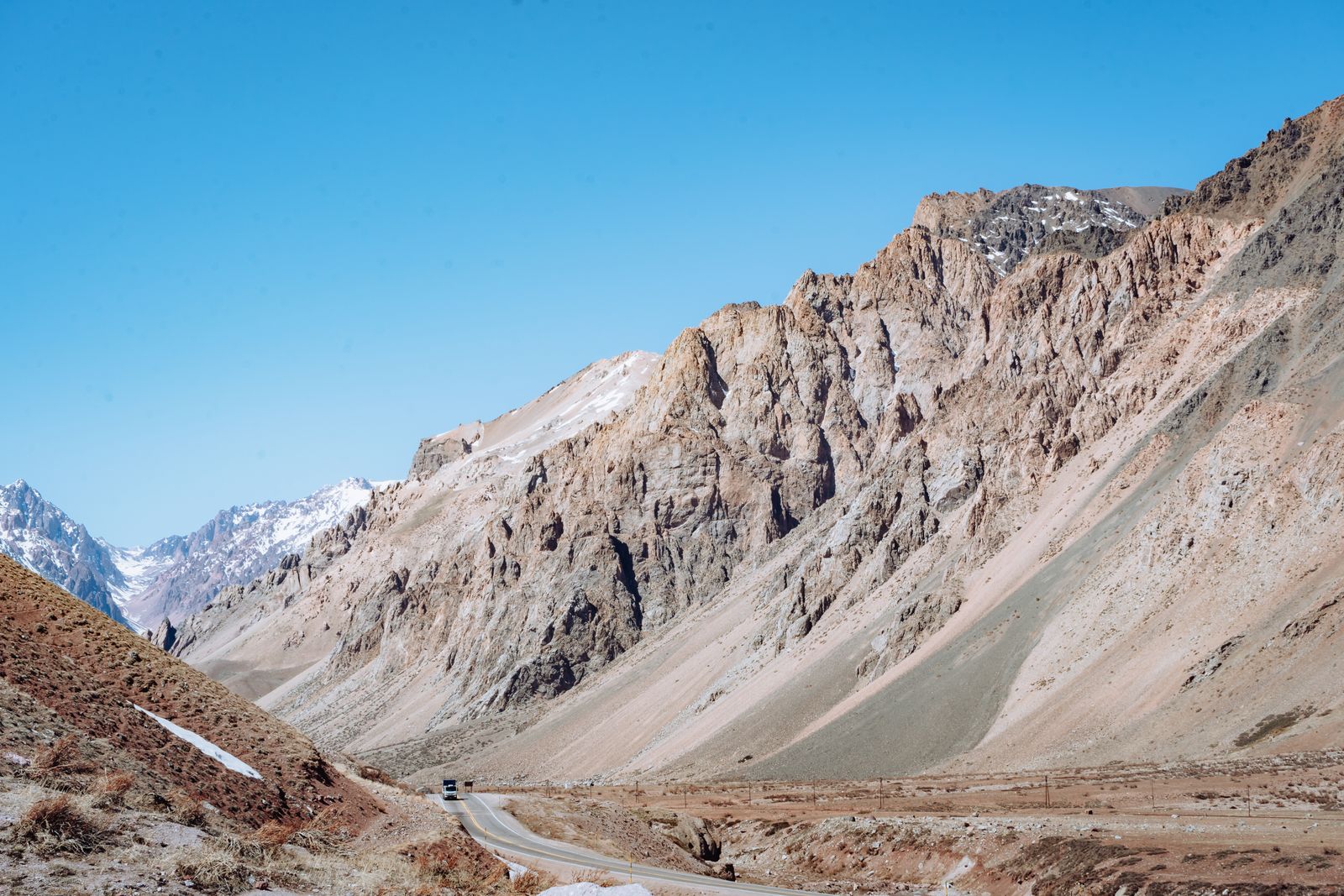
The obvious add-on to a Santiago trip is Mendoza, and on a map it is nothing — one range, seven hours by bus, a border post at the top. In summer that is exactly what it is, and it is a spectacular drive.
Then there is the rest of the year. Paso Los Libertadores, the Cristo Redentor crossing, shut on 14 July 2026 and did not reopen until 18 August — the longest winter closure on record for the pass, with up to four metres of snow across eighty kilometres of road, the heaviest accumulation since 2008, and something like two thousand trucks stacked up waiting on both sides. When it did reopen it was for freight only, 08:00 to 20:00, with cars and passenger buses still held back on safety grounds. Reports even disagree on whether the closure ran 25 days or 34.
In summer it's a seven-hour bus ride. In winter it's a coin flip, and the coin is four metres of snow.— On crossing to Mendoza
Nobody can tell you when passenger traffic returns to normal, and we are not going to pretend otherwise. What we can tell you is how to plan around it: between May and September, treat the overland crossing as a thing that might happen rather than a thing you have booked, check the pass status the week you travel, and if the two cities are both non-negotiable, fly. It is under two hours and the fare is often less than the bus once you price the missed night.
When to come, honestly
The view is seasonal. Decide whether you came for it.
March to May and September to November are the answer for most people. The air clears, the light is long, the cordillera is out, and the city is neither baking nor lidded. Autumn in particular is the quiet best: the plane trees in Providencia turn, the wine valleys are in harvest, and the mountains still carry snow.
Summer, December to February, is hot and dry and half of Santiago has left for the coast — which makes the city itself calmer and the Cajón del Maipo road properly open, but it also means some of the restaurants you wanted are shut for the month. Winter, June to August, brings the smog and the missing mountains, and also the entire reason to be here if you ski: the Tres Valles domain is an hour up the road and the season runs roughly late June to late September.
Where we would book
Direct for the wineries, official for the hill, and one honest conversation about the pass.
Book wineries yourself, on their own sites, and do it early — the big Maipo and Casablanca names cap daily visitor numbers and fill one to two weeks out off-season, three to four in high season. The funicular and cable car on Cerro San Cristóbal sell tickets on their own site and there is no reseller worth paying. For hotels, ask one specific question before you book: does the hotel apply the IVA exemption for non-residents paying in foreign currency? If the answer is yes, that is a 19% discount most comparison sites cannot show you. For the mountain crossing, buy a changeable ticket or buy a flight, and check the pass status the same week rather than the same month.
Related guides
- The Santiago Food Guide — the lunch menu, the second floor of La Vega, and what to drink.
- Things to Do in Santiago — the hill, the coast, the reservoir and the snow.
- The Santiago Culture Guide — 1973, 2019, and a square with two names.
- Santiago Group Trip Guide — once, the 19%, and eight people at one table.
- Your Mendoza Travel Guide — the same mountain, seen from the other side.