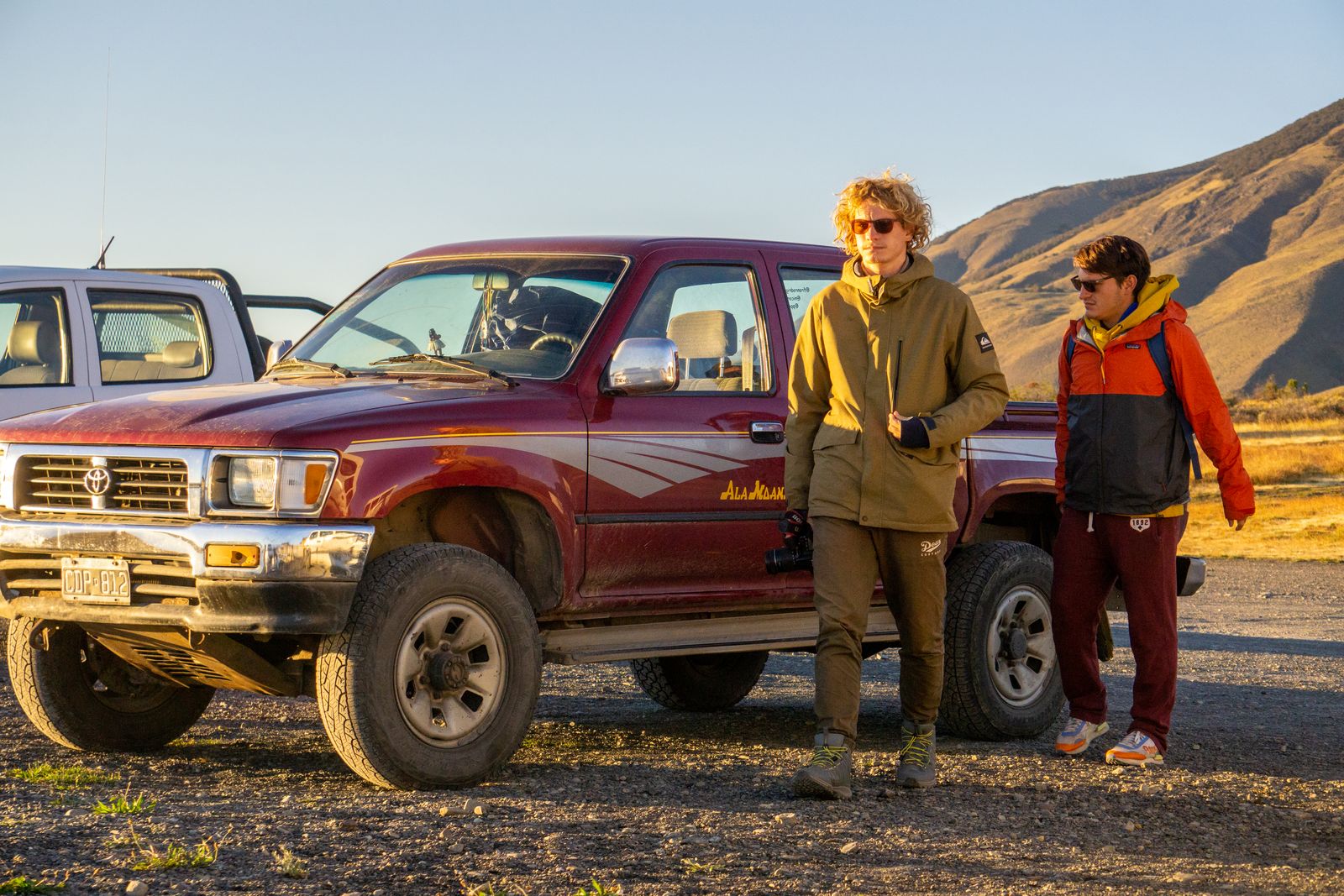
Here is the argument for bringing everybody to the Northwest, and it isn't sentimental. Almost nothing in Salta and Jujuy is reachable without a vehicle, and a vehicle costs the same whether one person is in it or six. That single fact turns the expensive version of this trip into the normal one. Six of you in a truck are not roughing it — you're the group that got to stand at 4,350 m because the maths worked.
Why the vehicle is the whole trip
The one big fixed cost, divided by however many of you there are.
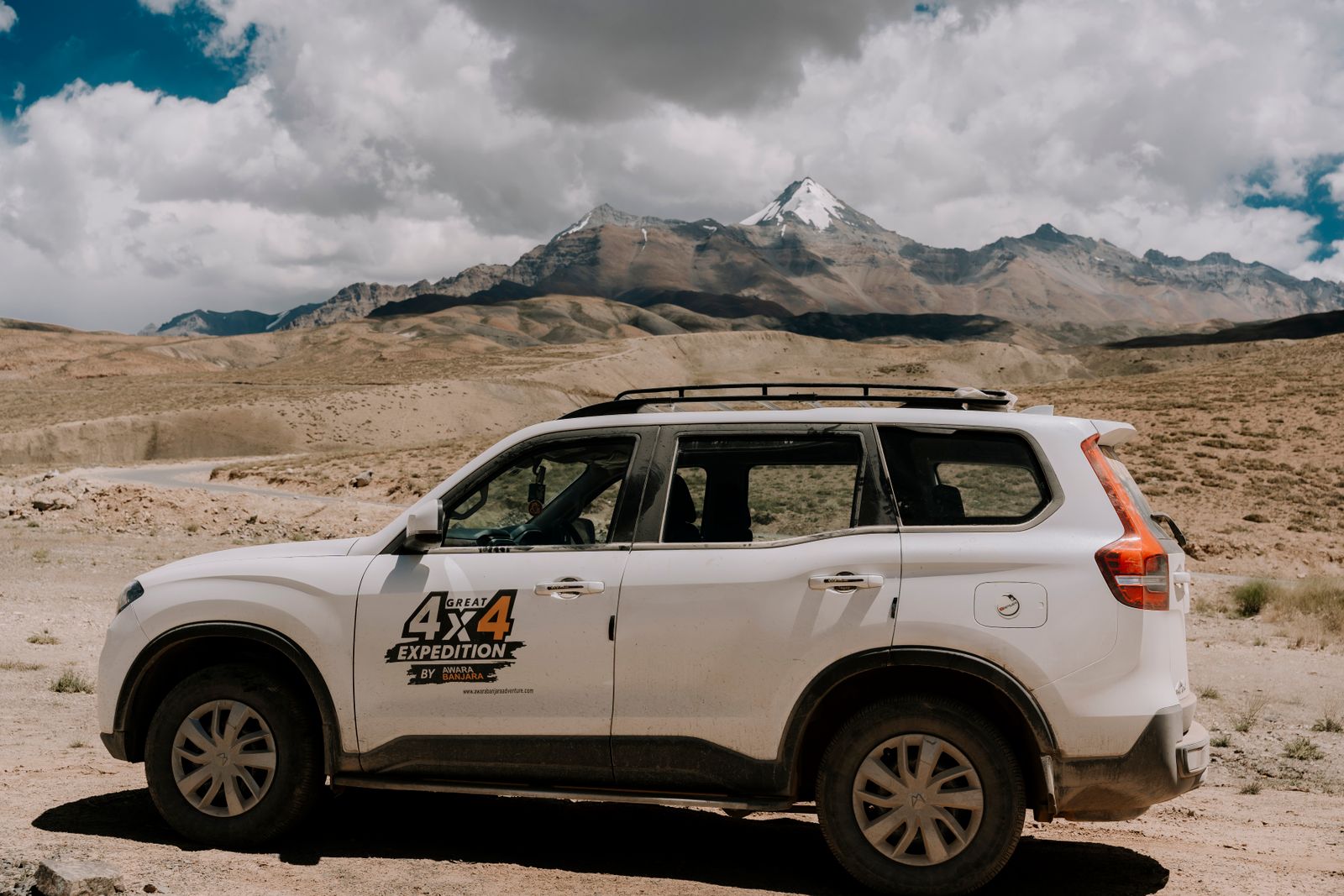
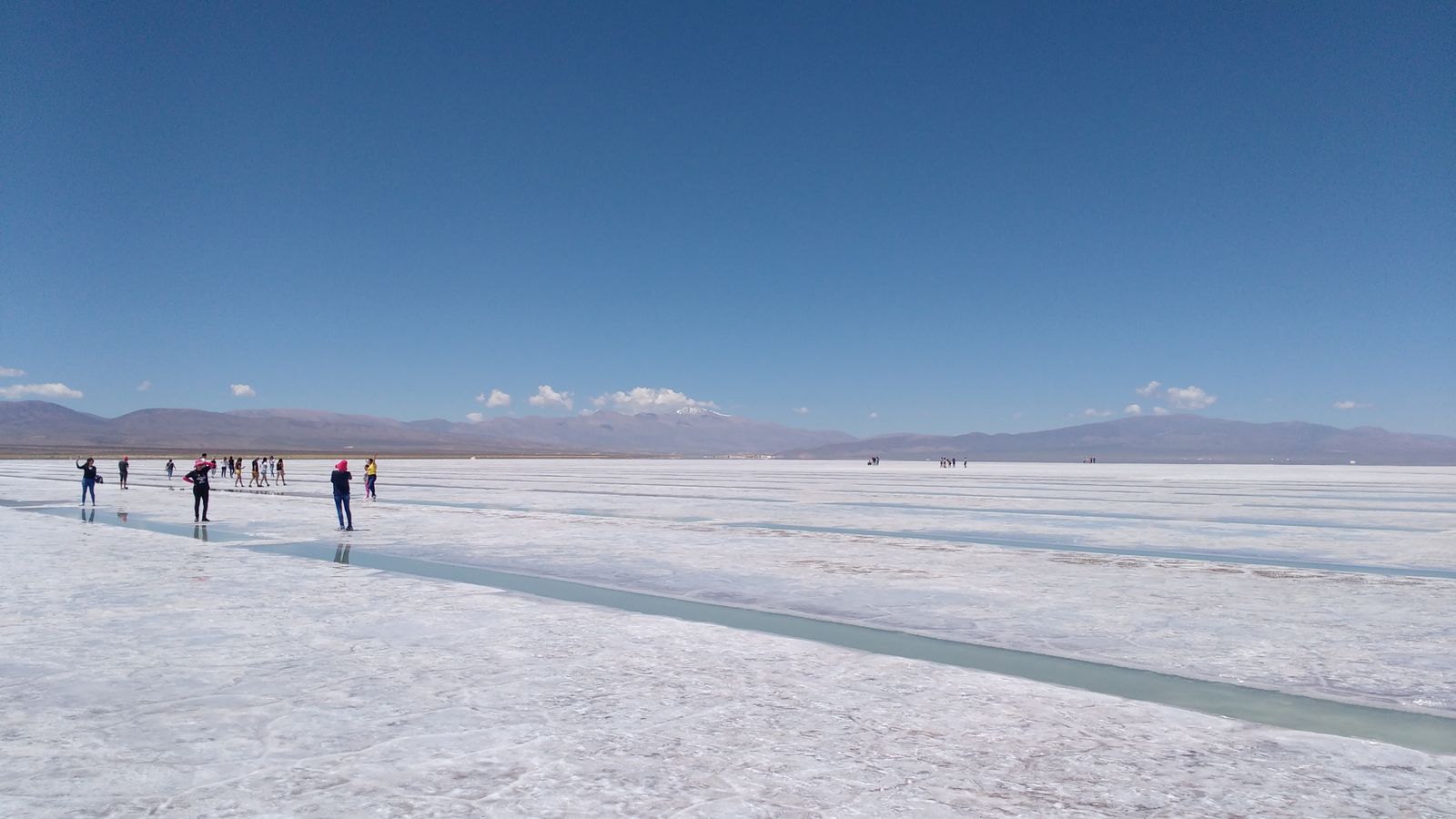
There is no bus to the Salinas Grandes. None to the Hornocal. The Calchaquí valleys are a road rather than a destination, and Iruya is 54 km of gravel over a 4,000 m pass. Every good thing here sits at the end of a drive.
Which makes the rental the single largest line in the budget and the single most divisible one. A higher-clearance vehicle for a week — the Duster or Tracker class you actually want on ripio — plus fuel for roughly 1,500 km of mountain driving, is a serious number for two people and a rounding error for six. The excursion seat you'd otherwise buy, per person, for every single one of these places, is not divisible at all.
At four to six: one vehicle does it. This is the sweet spot, and it is why this trip is on this site.
At eight or more: two vehicles, which is fine, but decide on day one that the two cars do not have to stay together. Convoy driving on ripio is slow, stressful and worse for everyone. Agree the next stop, agree a time, and let each car have its own morning.
Read the contract before you split the cost
The thing that ruins this arithmetic is the small print. Several agencies restrict or exclude RN40, the Hornocal road and the road to Iruya — which is to say, the roads you are renting the vehicle in order to drive. Ask in writing which routes your insurance covers, keep the reply, and take the higher-clearance category rather than the cheapest thing on the lot. A group splitting a damage excess on a gravel road nobody was insured for is the single most avoidable bad evening on this trip.
Where six people should sleep
Houses over rooms, and one town that changes the whole week.
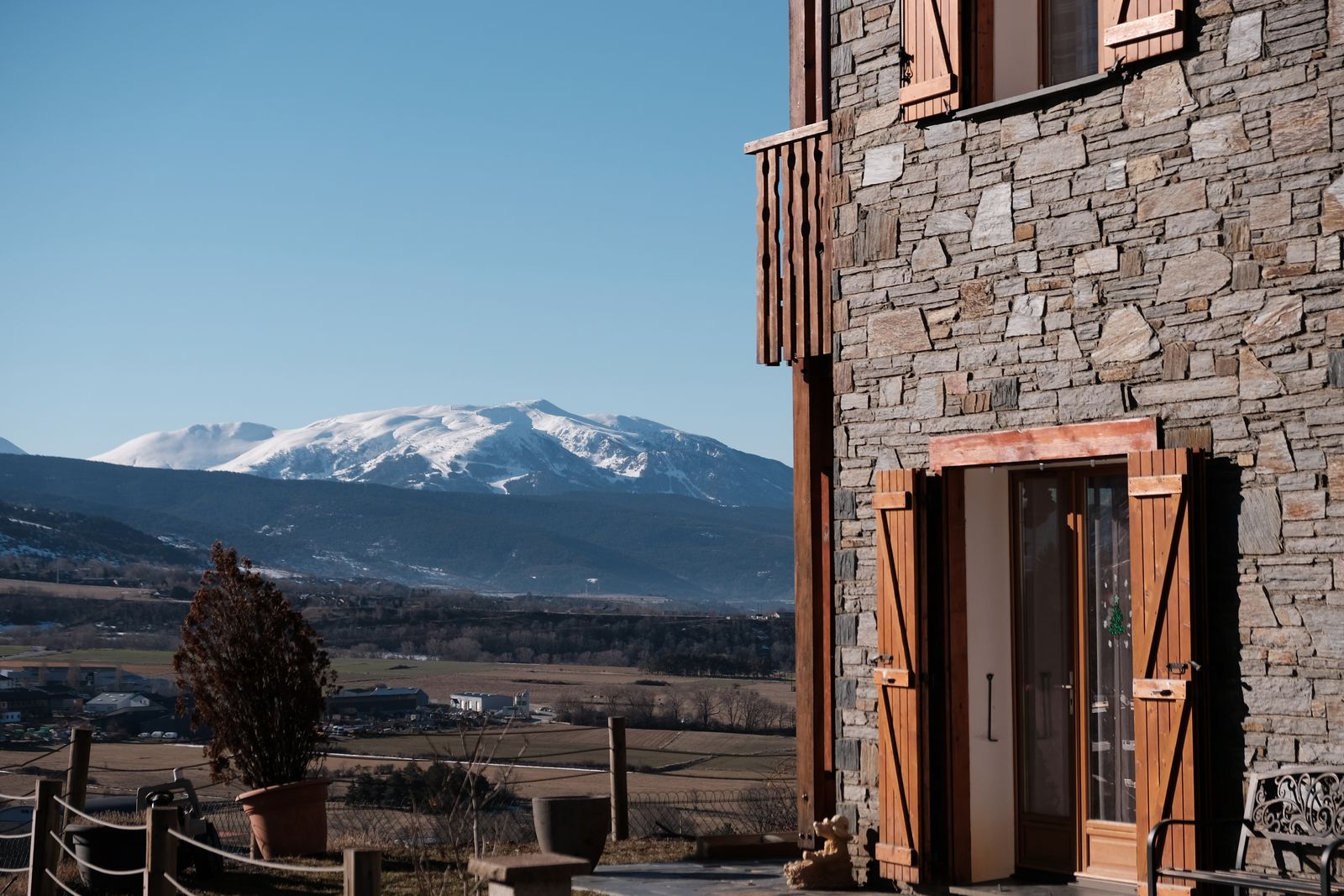
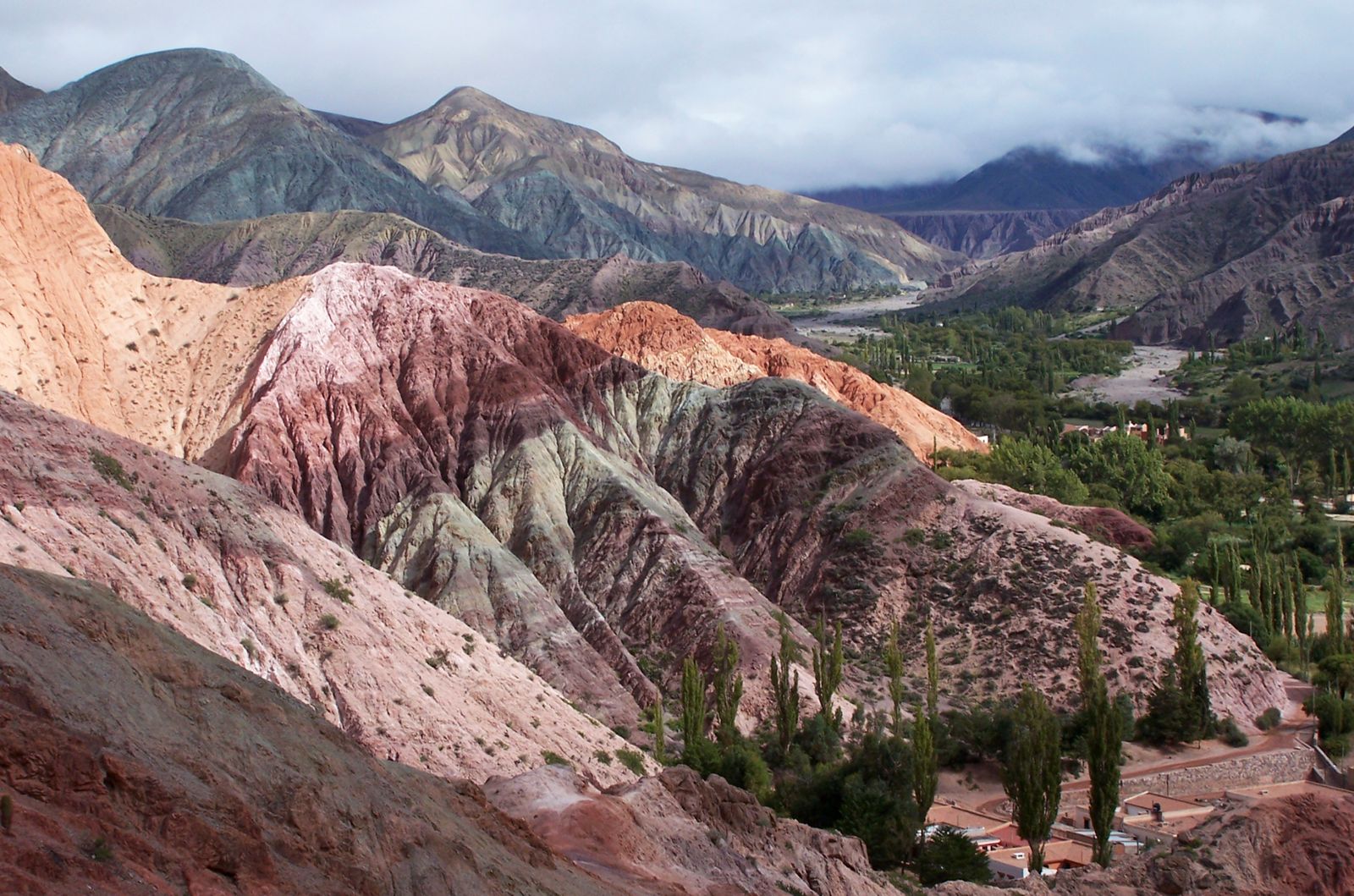
Two rules. First, take a house or cabins rather than a row of hotel rooms — it's cheaper per head, it gives you a kitchen for the nights you don't want to go out, and it gives you somewhere to sit and argue about tomorrow. In Purmamarca, La Comarca sits at the foot of the Cerro de los Siete Colores and has cabins for four and whole houses of three and five rooms alongside its hotel rooms, which is the useful shape for a group. Manantial del Silencio, 500 m out of town, is the quieter, more grown-up option.
Second, and more important: put your Quebrada nights in Purmamarca or Tilcara, not in Salta city. This is the acclimatisation point from the comprehensive guide and it matters more in a group than alone, because in a group of six the odds that somebody reacts badly to going from 1,187 m to 4,170 m in a morning are high. One person feeling awful reshapes everyone's day. A night at 2,200 m first is the cheapest insurance you will ever buy.
At four to six: one house, one kitchen, two nights minimum in the Quebrada.
At eight or more: book early and book direct. The Quebrada's places are small — eight beds under one roof is a genuinely scarce thing in Purmamarca, and it goes months ahead for July and for Carnaval.
The payments that actually hit
Not the big ones. The forty small ones.
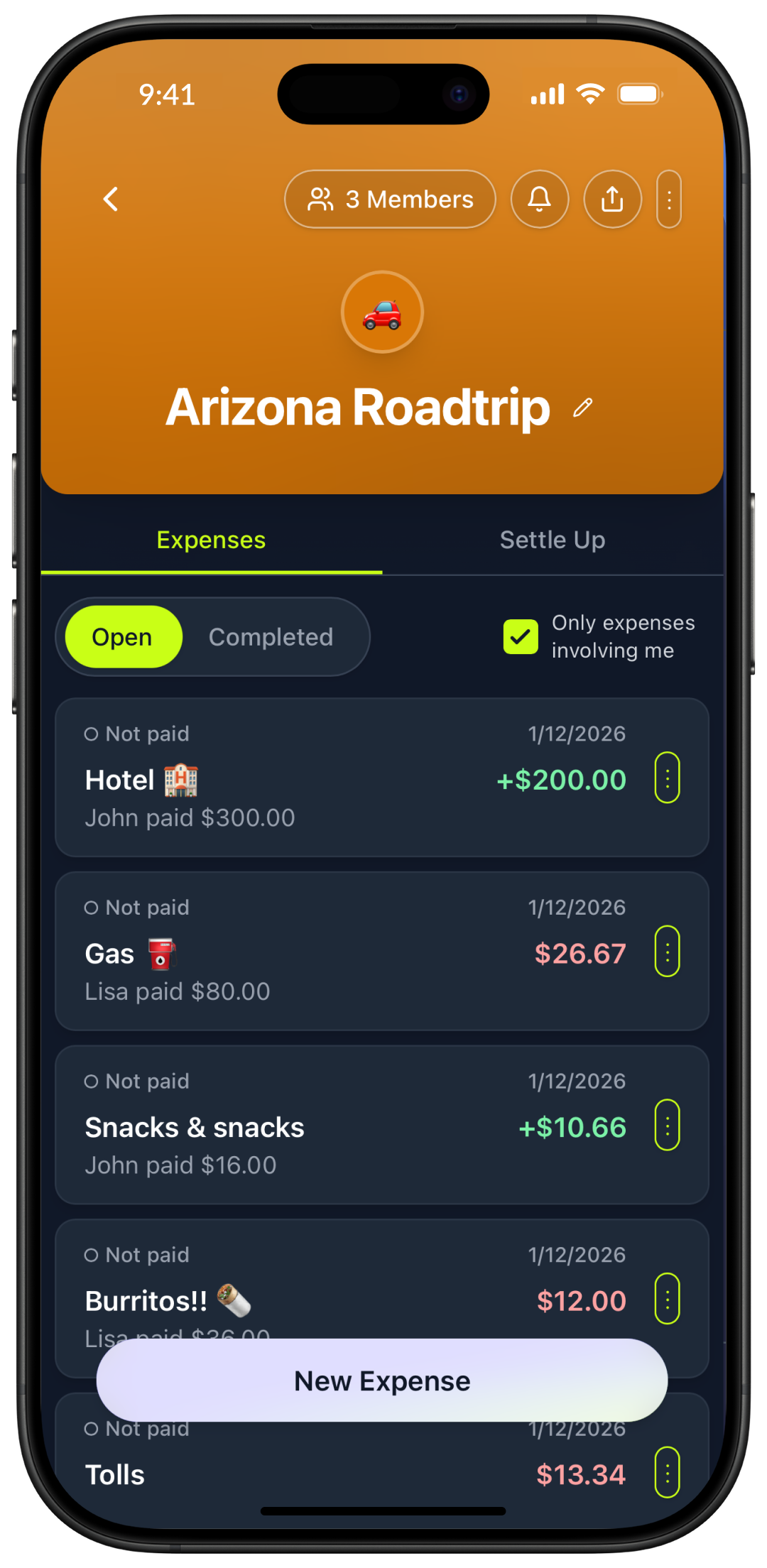
The rental and the house you'll sort out in advance, in the group chat, like adults. It's everything after that which gets messy, because it's small, constant, and paid by whoever is nearest.
- Fuel — the biggest recurring one, paid at whichever station you find, usually by whoever is driving that leg.
- Gate fees — the Salinas Grandes community guide at around $8,000 a head, the Hornocal barrier, the Pucará de Tilcara at $12,000 general, the Garganta del Diablo at $5,000, the MAAM at $16,000 for foreigners. Individually trivial. Six-handed, across a week, not trivial at all.
- Cash-only everything — the community guides, the craft stalls, the family restaurants in the Quebrada, the Hornocal fee. There is no card machine and frequently no ATM, so one or two people end up carrying the group's cash and fronting most of it.
- Food — cheap enough here that nobody bothers to work it out, which is precisely how it becomes a problem by Thursday.
The pattern is always the same: three or four people front things at different moments, all of it is small, none of it is written down, and by the end of the week there's a vague sense that it probably evens out. It rarely does, and the person it doesn't even out for almost never says so.
Altitude, in a group
Somebody will feel terrible. Plan for it before you're at 4,170 m.
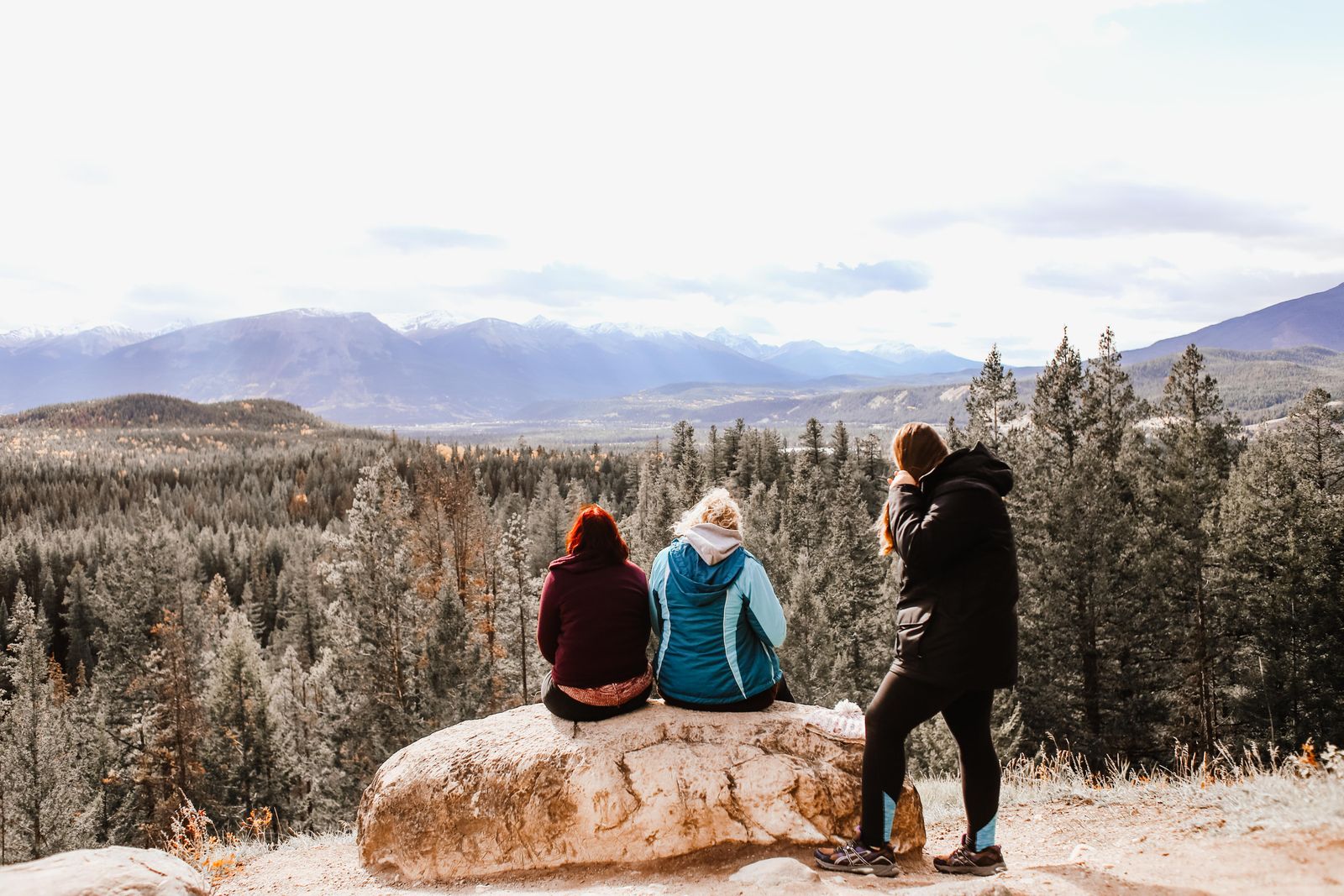
This is the group-specific version of the most important thing in these guides. Altitude does not distribute itself fairly — fitness barely predicts it, age barely predicts it, and the person who feels wrecked at the top of the Cuesta de Lipán is usually not the one anyone expected.
So agree three things before you go up, while everyone's still cheerful at 2,200 m:
- Turning back is free. Say out loud, in advance, that if somebody feels bad the car turns around and nobody is annoyed. Going down is the only real treatment, and it works fast. The reason people push on is social, not medical.
- The high days aren't back to back. Salinas Grandes one day, Hornocal another, with something at 2,400 m in between.
- Somebody is not drinking. You're at altitude, on ripio, and the wine is very good and very cheap. Rotate the driver honestly rather than deciding at dinner.
Then the boring, effective stuff: coca mate in the morning, water constantly, light food, and everybody moves slowly when they get out of the car up high. Also: it is cold at night at 2,500 m even in summer, and somebody in your group has packed for "northern Argentina" and brought shorts. Tell them now.
The group that says "we can always turn around" out loud, before setting off, is the group that gets to the top.— On altitude
One long table
The cheapest great meal in Argentina, and it's built for six.
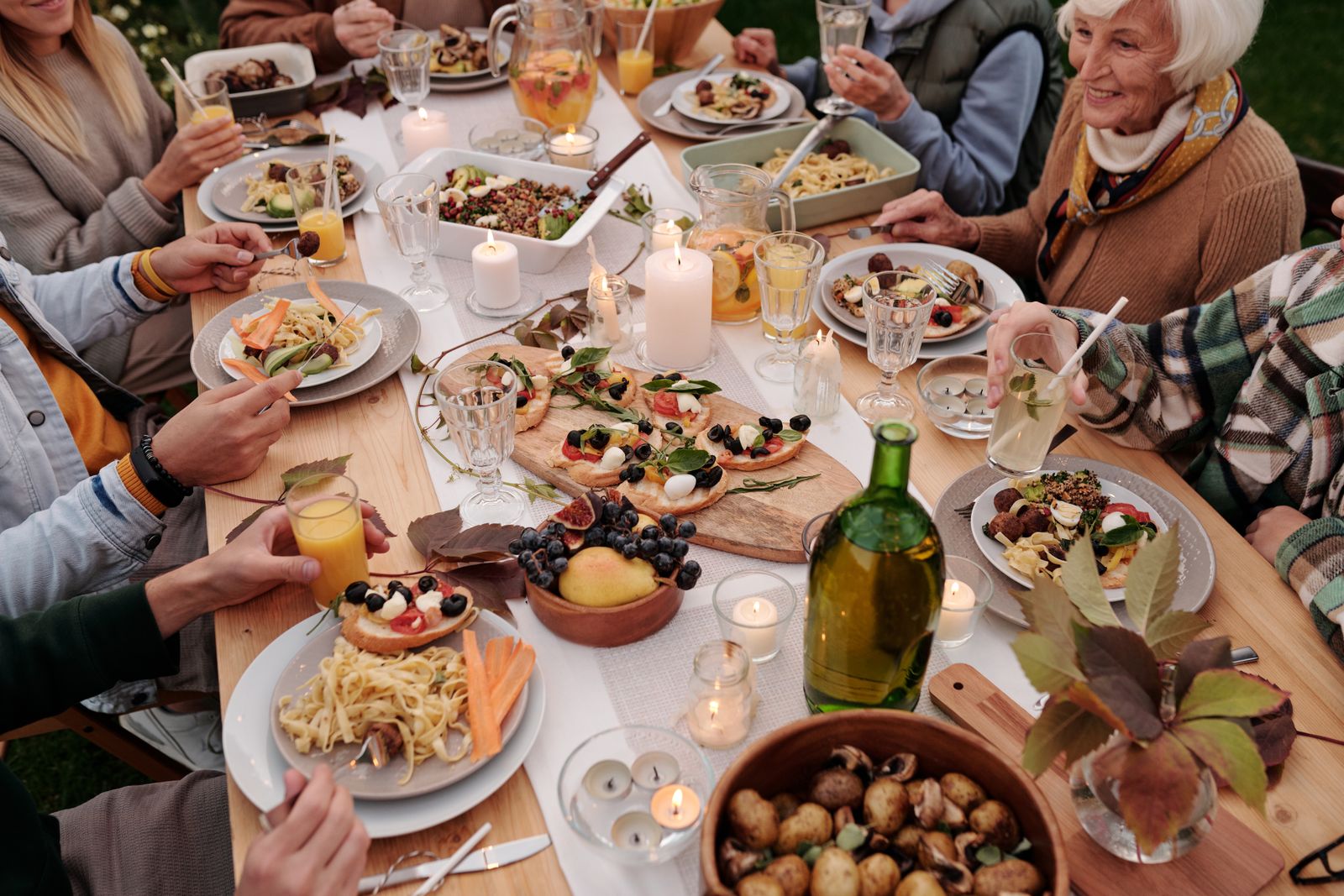
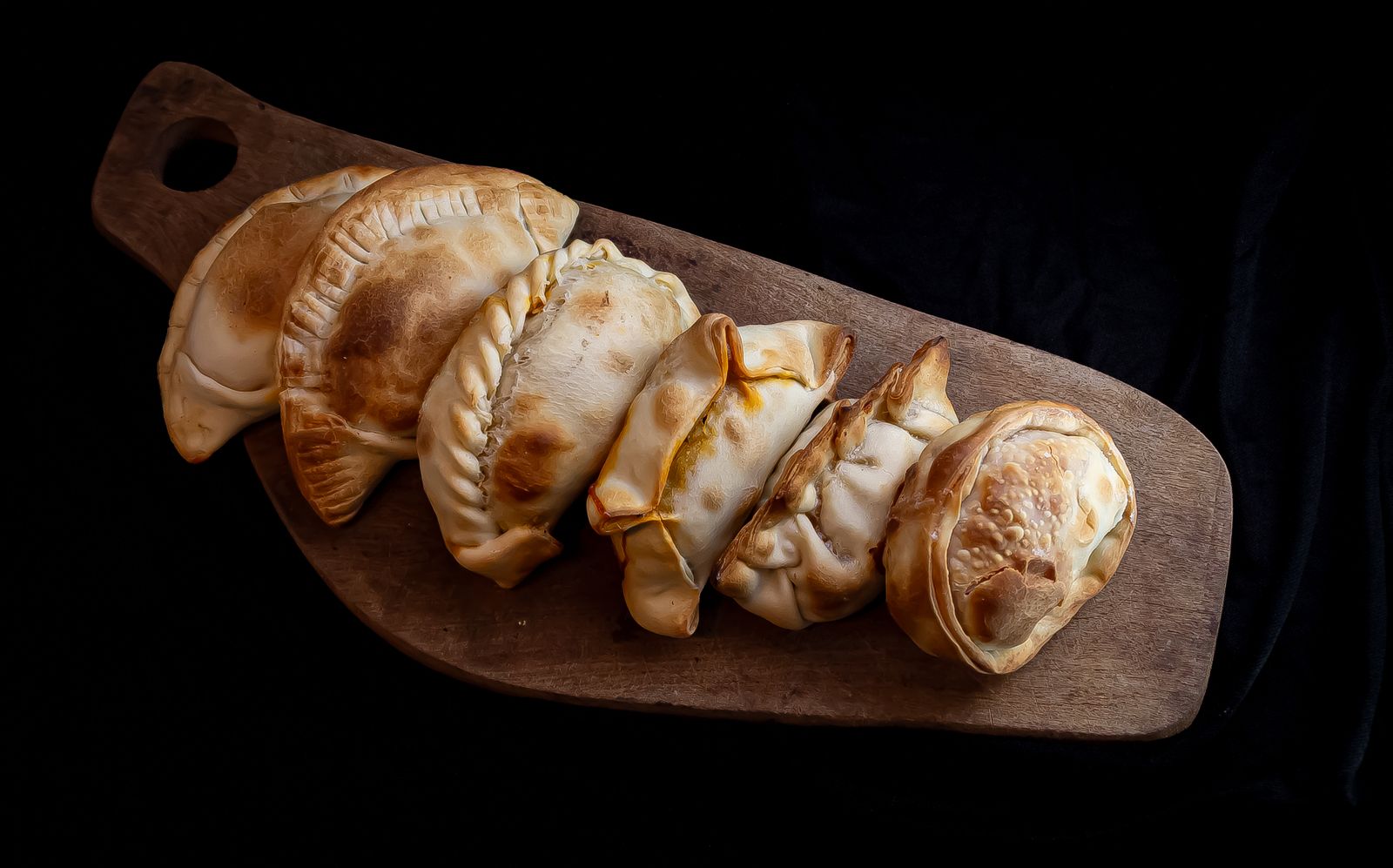
The food here suits a group better than almost anywhere. Empanadas come by the dozen and are meant to be shared. Locro arrives in a pot. Tamales and humitas come wrapped in husks in a pile in the middle. Nothing about this cuisine wants to be plated individually, which means a table of six eats better and cheaper than a table of two, and it is the rare place where that is genuinely true rather than a consolation.
Two dozen empanadas, a plate of tamales, llama for the table and a couple of bottles of Cafayate Torrontés comes to less per head than a single main course in Buenos Aires. Then work through the full list in the food guide — El Nuevo Progreso in Tilcara for the one dinner that matters, El Mesón in Purmamarca for the twelve-hour ribs, La Huerta Tambo at the Tropic of Capricorn for a roadside picnic you assemble yourselves.
At four to six: walk into most places. Book El Nuevo Progreso and El Mesón — both are tiny.
At eight or more: call ahead everywhere in the Quebrada. Eight-tops in an eight-table restaurant are a different conversation, and turning up unannounced with eight people is how you all end up eating separately.
Where we would book
Book in this order, because it's the order things run out in: the house in Purmamarca or Tilcara first, the vehicle second, the two small restaurants third, and everything else on the day.
Book the vehicle directly with an agency that will answer the covered-routes question in writing, and take the higher-clearance category. Book accommodation direct with the guesthouse where you can — in the Quebrada these are small family operations and the aggregator's cut is real money to them.
Everything else — the gates, the guides, the salt flat, the Hornocal, the craft stalls — is cash on the day, paid to the people who run it. Draw the group's cash in Salta or Jujuy city before you head up the Quebrada, and draw more than you think, because the ATM you're counting on in Humahuaca is not a plan.
Related guides
- Salta & Jujuy Travel Guide — the altitude order and the week's shape.
- Salta & Jujuy Food Guide — the full list of places to put a table of six.
- Salta & Jujuy Activities Guide — every gate fee and every drive.
- Salta & Jujuy Culture Guide — Pachamama, Carnaval and the peñas.
- Buenos Aires Group Trip Guide — the other Argentine group trip, where the money problem is dinner rather than the truck.